

Generative art and design

Originating in the 1980s, generative art is the fruit of interaction between man, who creates a mathematical or computer lo garithm, and machine, which then potentially executes it to infinity. Generally speaking, it is a synthesis between science and creativity. But can you really call it art?
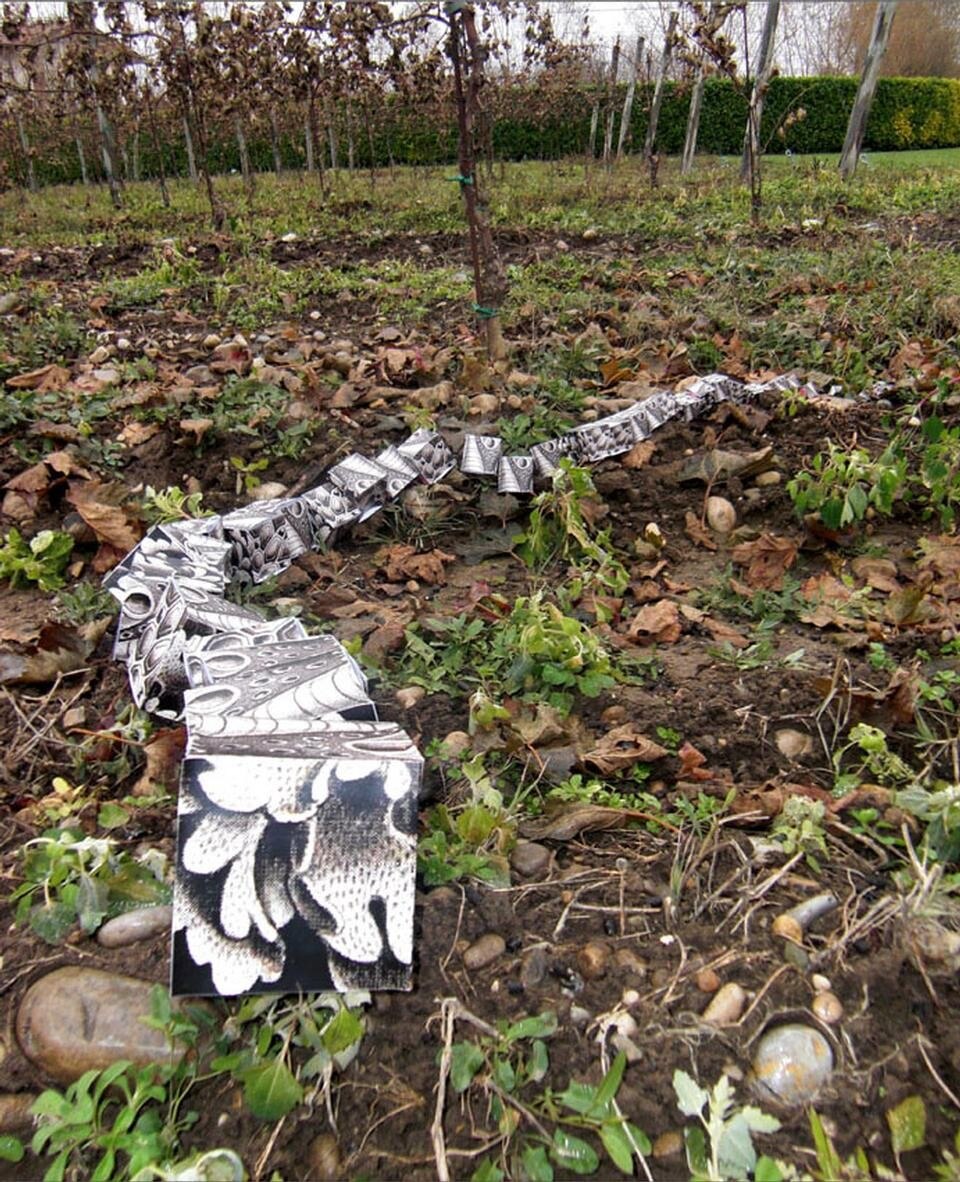
“There is no other form of art with the same tremendous potential, that of submerging us in rubbish,” explains the science-fiction writer Bruce Sterling. At the end of November Sterling addressed this issue in a four-day workshop at Fabrica, the communications research centre of Gruppo Benetton. The first answer arrived after four days of cutting, pasting, photographing, moving and measuring: in the processes created by the students of Fabrica there is no trace of programming or computers. The pieces they have come up with are Crumpled, the cover of a sketch book; Shape, a mat that automatically adapts itself to surfaces; Dis-play, a kind of giant game of chequers in which the competitors themselves move across the chequerboard; and Worm, a worm made from paper cubes that represent computer pixels. E. S.

Latest on Art

Latest on Domus

China Germany India Mexico, Central America and Caribbean Sri Lanka Korea icon-camera close icon-comments icon-down-sm icon-download icon-facebook icon-heart icon-heart icon-next-sm icon-next icon-pinterest icon-play icon-plus icon-prev-sm icon-prev Search icon-twitter icon-views icon-instagram