



98 projects, 47 sports facilities, 51 transport infrastructures, for a total economic value of €3.4 billion. This is the ambitious programme of works that SIMICO (Società Infrastrutture Milano Cortina 2020-2026 S.p.A.) has put in place for the next Winter Olympics, which will take place in February 2026 in Lombardy, Veneto, the Dolomites of Bolzano and Trento, in the four clusters of Milan, Cortina, Valtellina (Bormio and Livigno) and Val di Fiemme (Predazzo and Tesero).
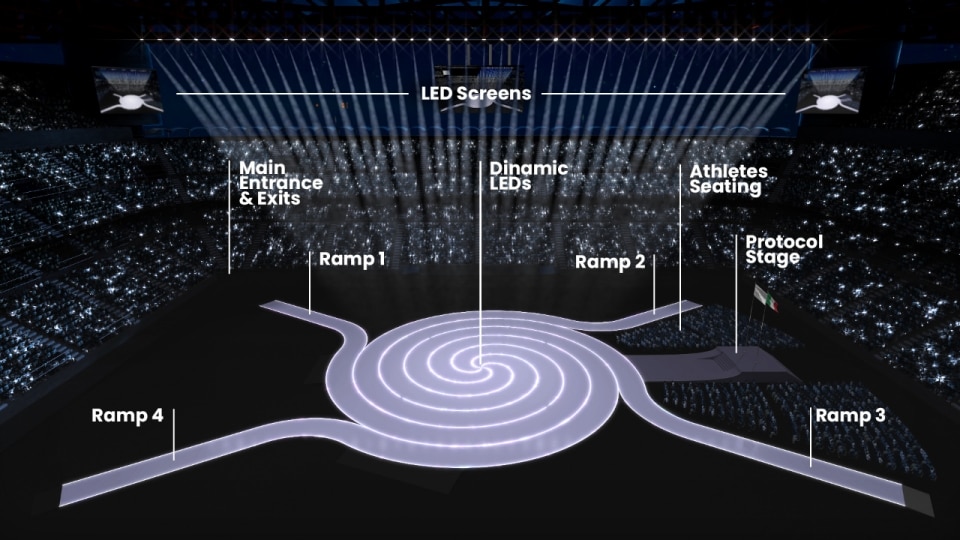
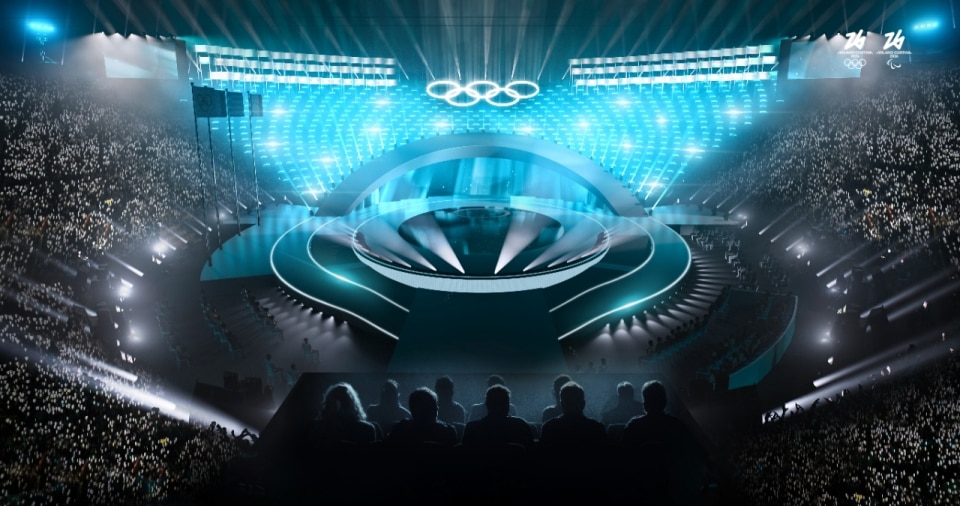
After the frantic race to complete the renovation, functional adaptation and plant engineering works on existing facilities and buildings and the construction of new sports and mobility infrastructure, the kick-off for the event will take place on 6 February 2026 in Milan at the San Siro Stadium, which will celebrate its centenary with a triumphant opening ceremony entitled “Harmony”: a journey into "Italianness” between tradition and innovation, art and nature, suggesting that harmony is everything that inspires passion and unites, such as sport.
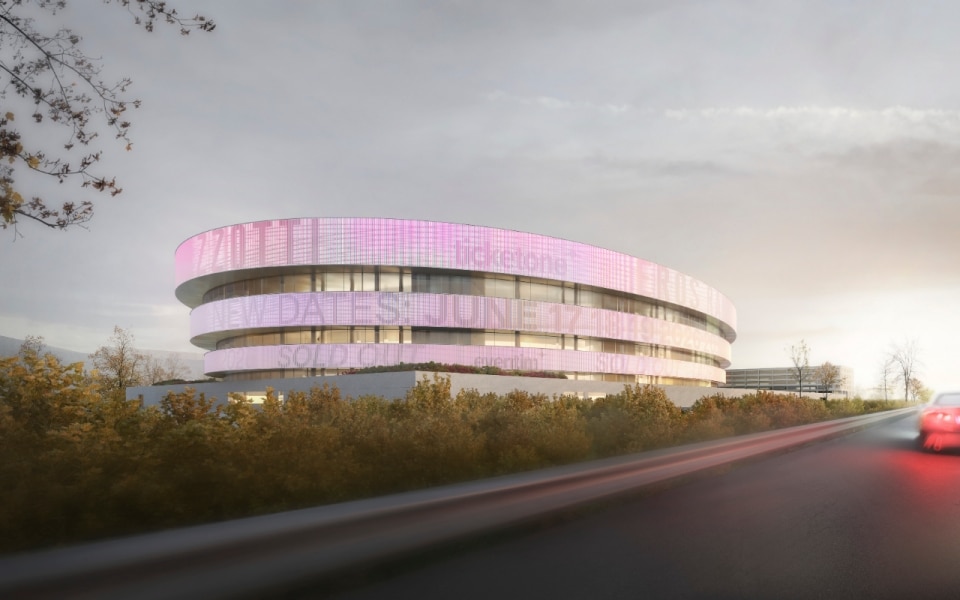
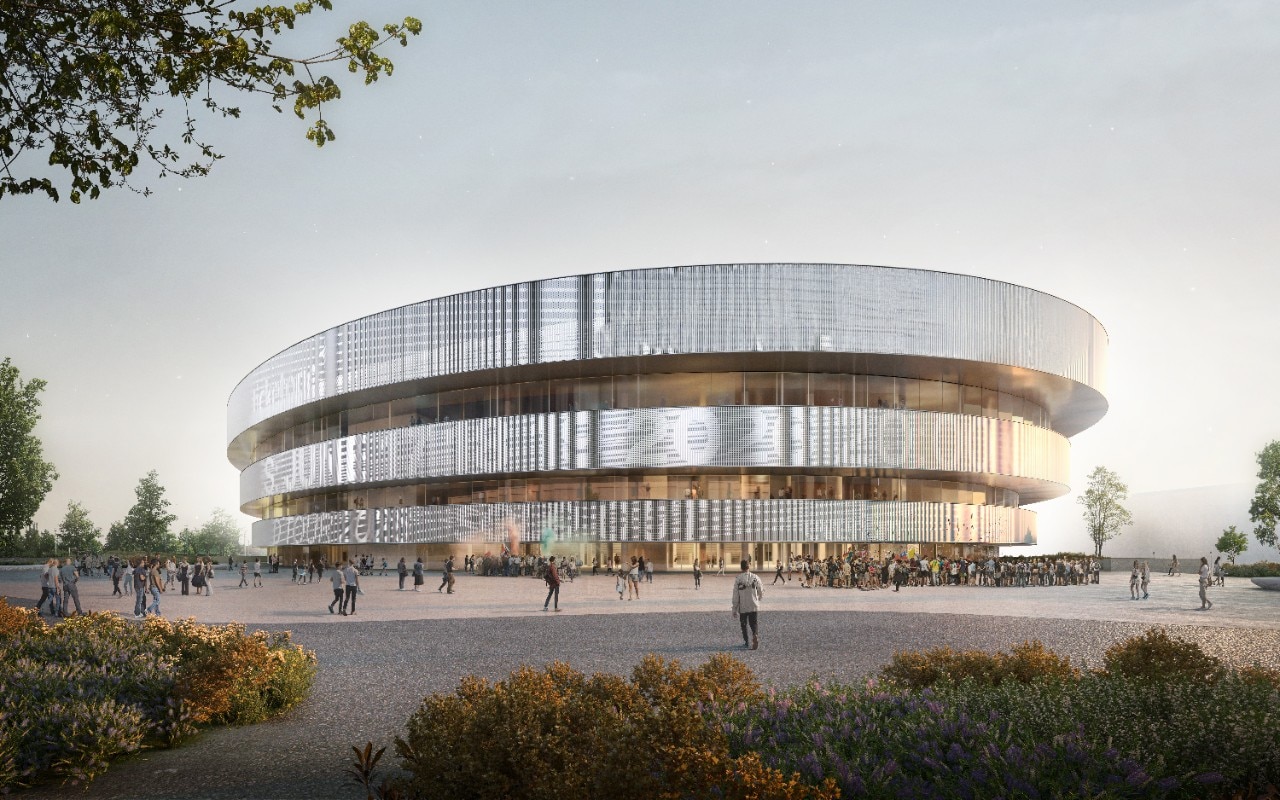
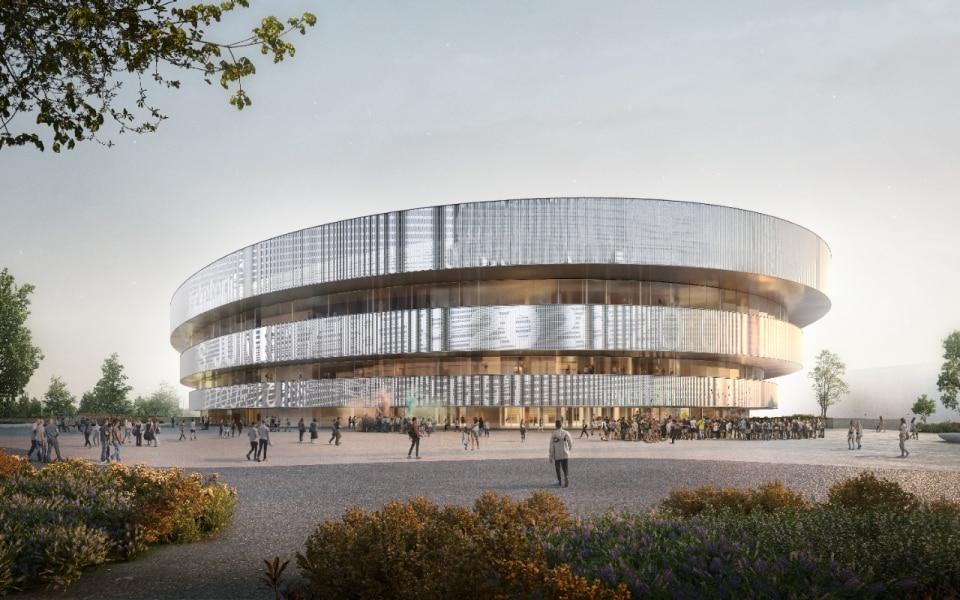
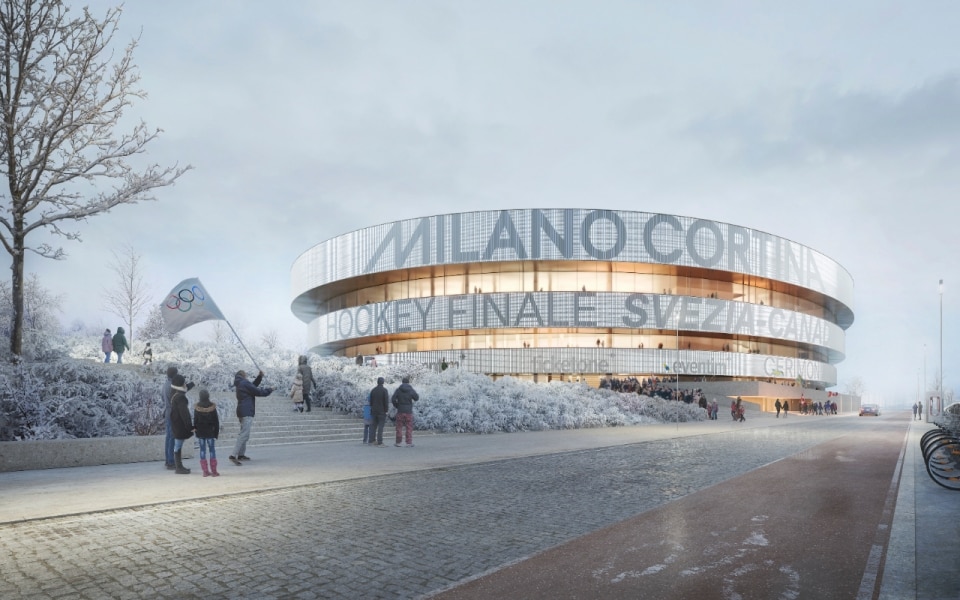
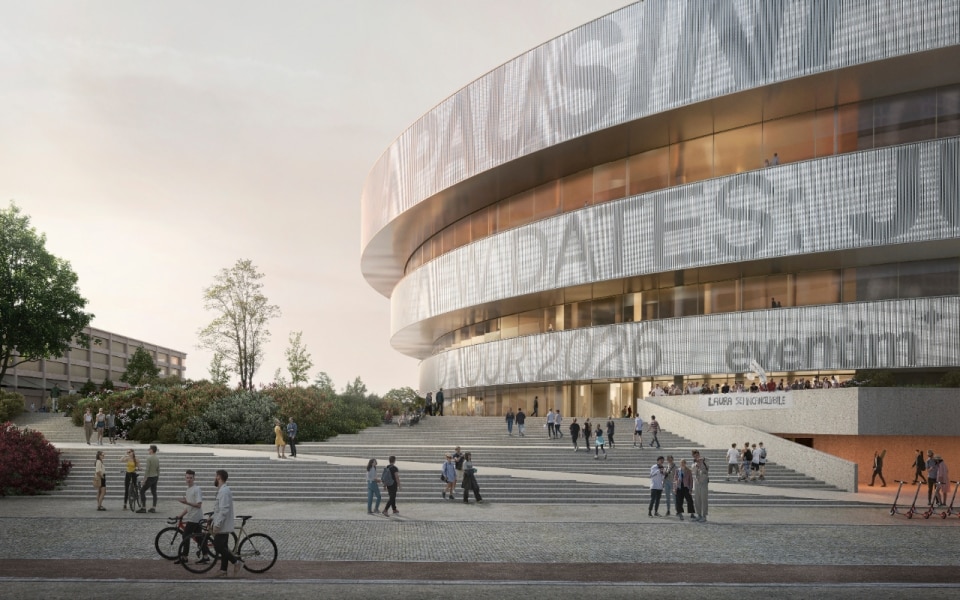
In Milan, the sports tourbillon will take place in temporary and permanent venues. Among the works that will remain in the city even after the event there is the brand new Arena Milano designed by David Chipperfield Architects, which will be inaugurated specifically for the Olympics and will host the Ice Hockey and Para Ice Hockey competitions: the structure, a cylindrical building consisting of three rings at different heights, connected by transparent glass bands, with a capacity of 16,000 seats and a 10,000 sqm for outdoor activities and events, is set to become the largest Arena in Italy, as well as a landmark to breathe new life into the transforming district of Santa Giulia.
A mix of tradition, design and sustainability: each Olympic venue tells a unique story, ready to become a lasting heritage for athletes and citizens alike.
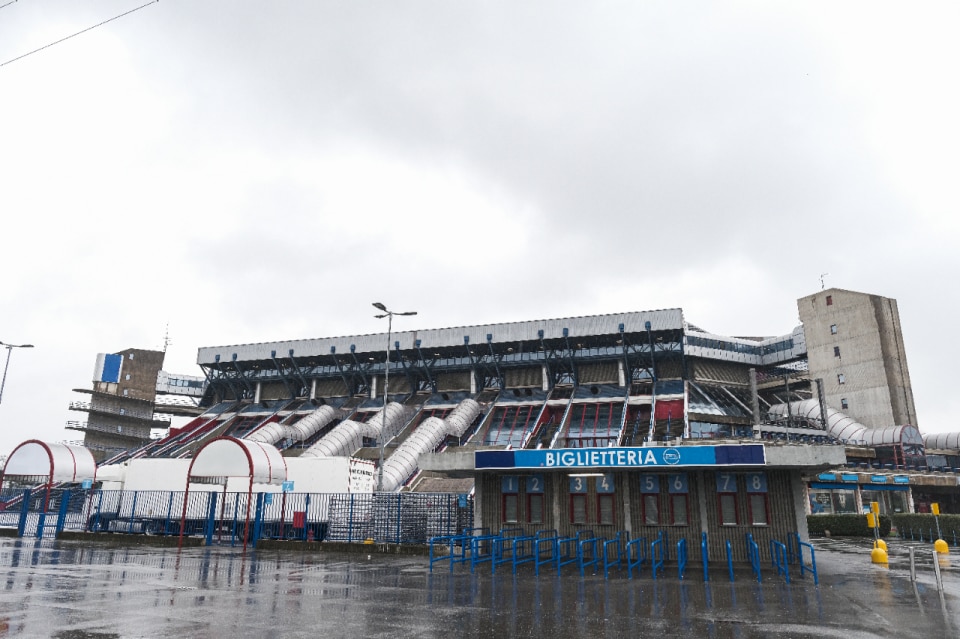
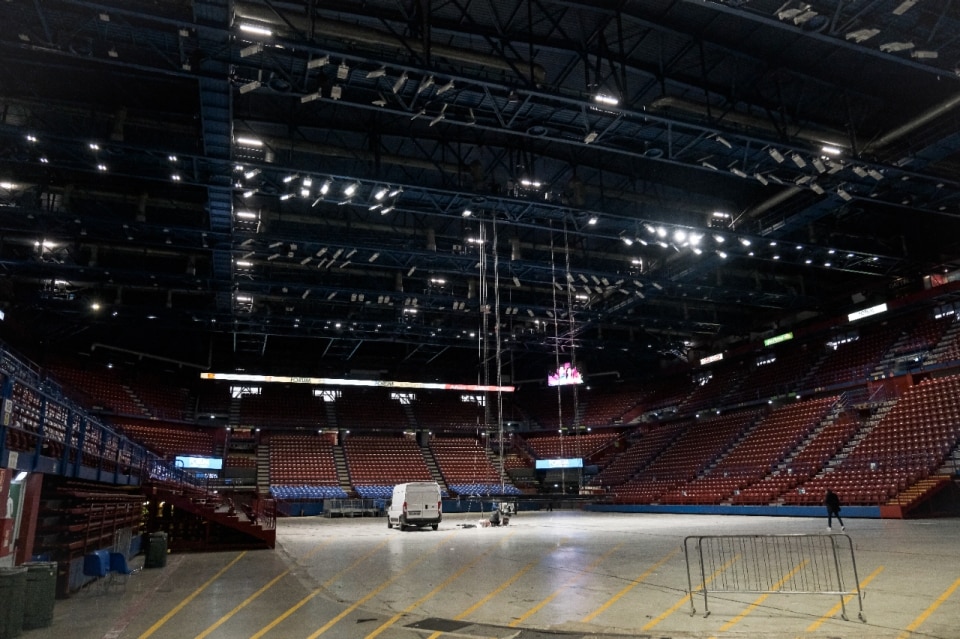
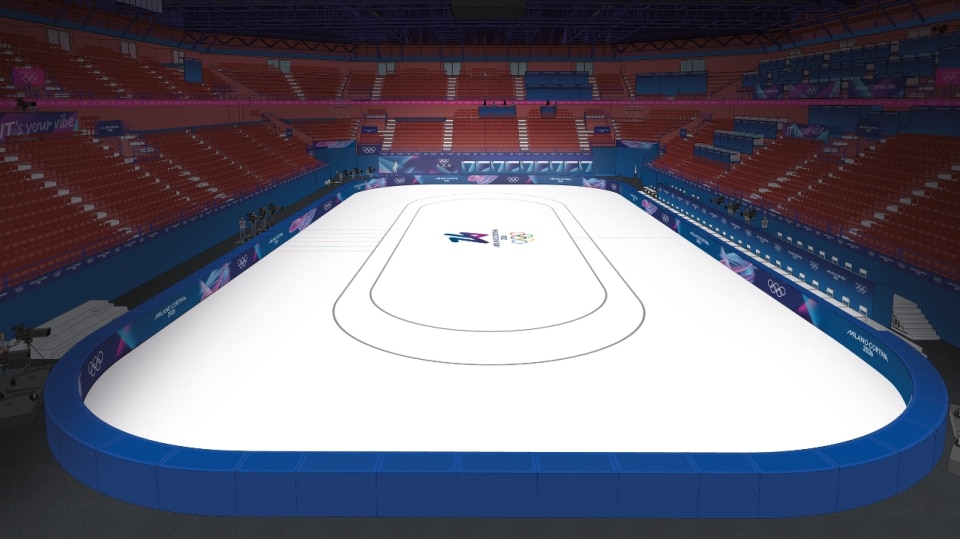
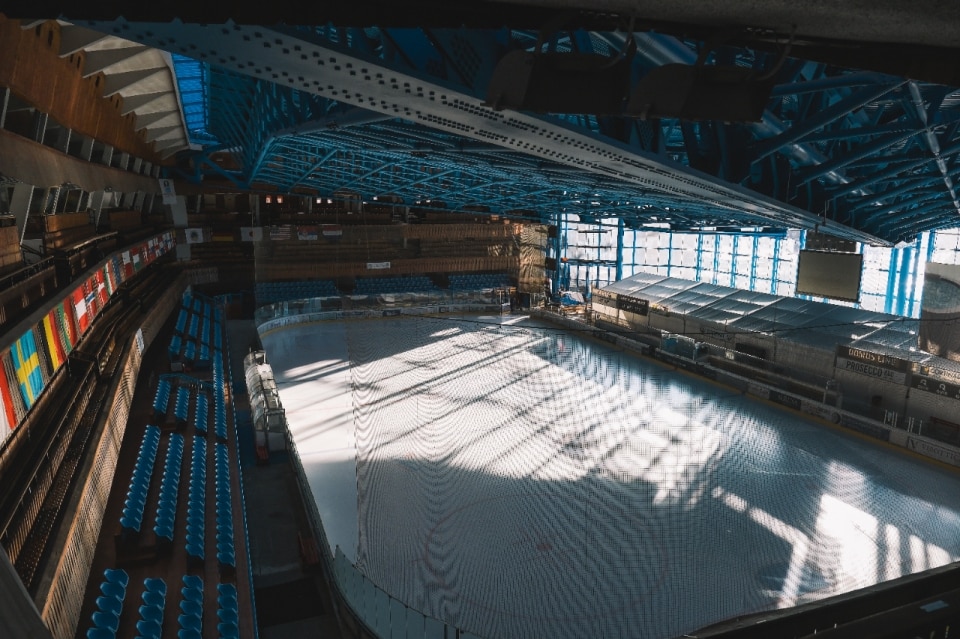
At the Unipol Forum in Assago, the Milan Ice Skating Arena is the venue for figure skating and short track competitions. Thanks to renovation works the facility, with a capacity of approximately 11,500 seats, will shine in the Olympic spotlight and, once the Games are over, will continue to be a landmark for ice sports.
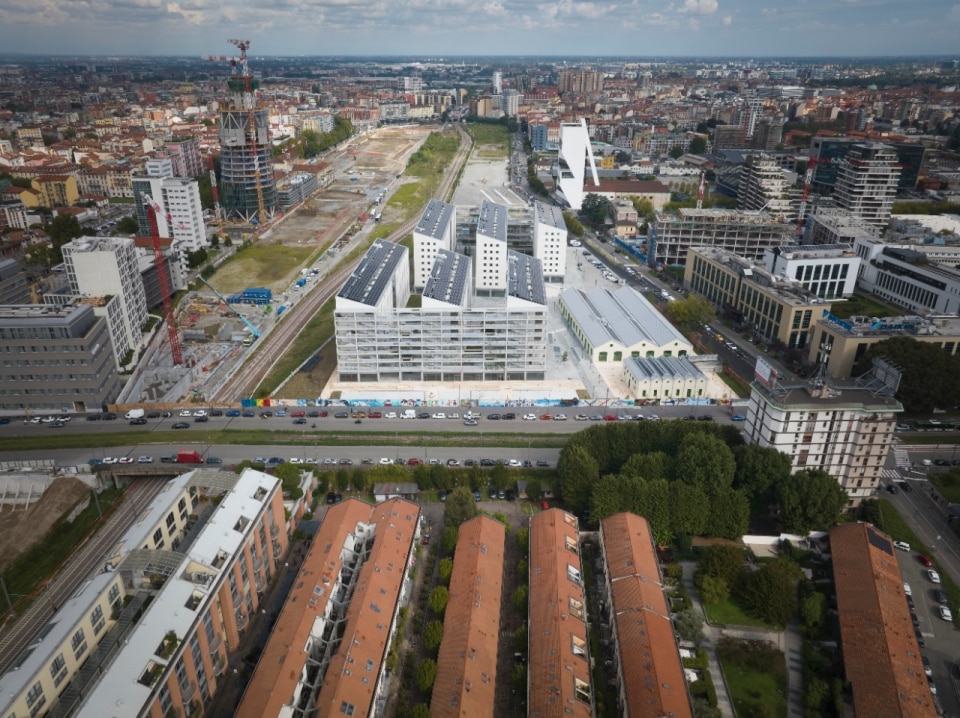
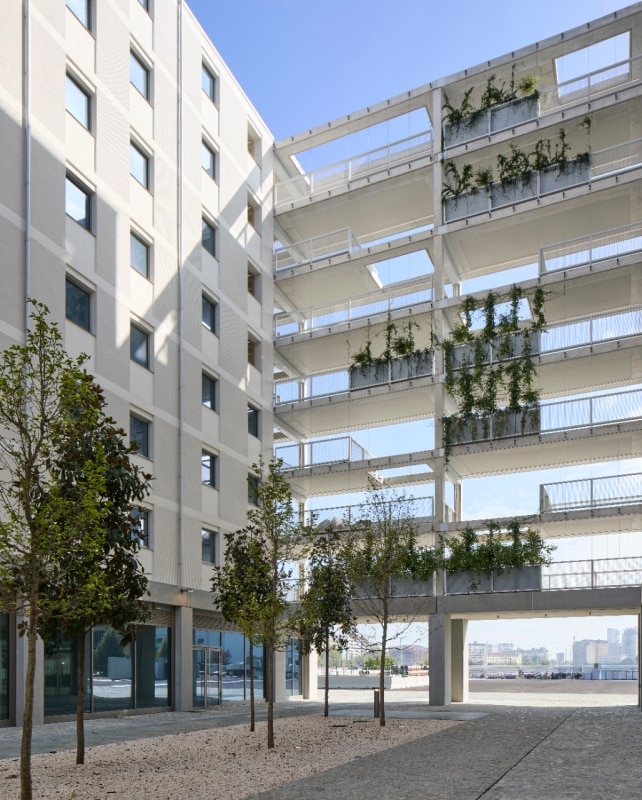
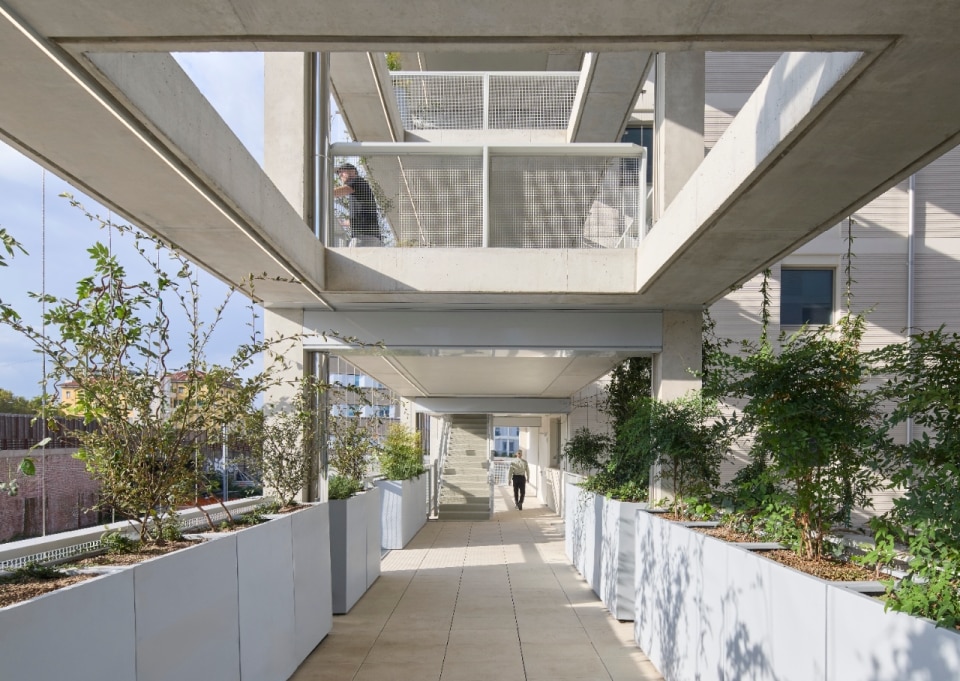
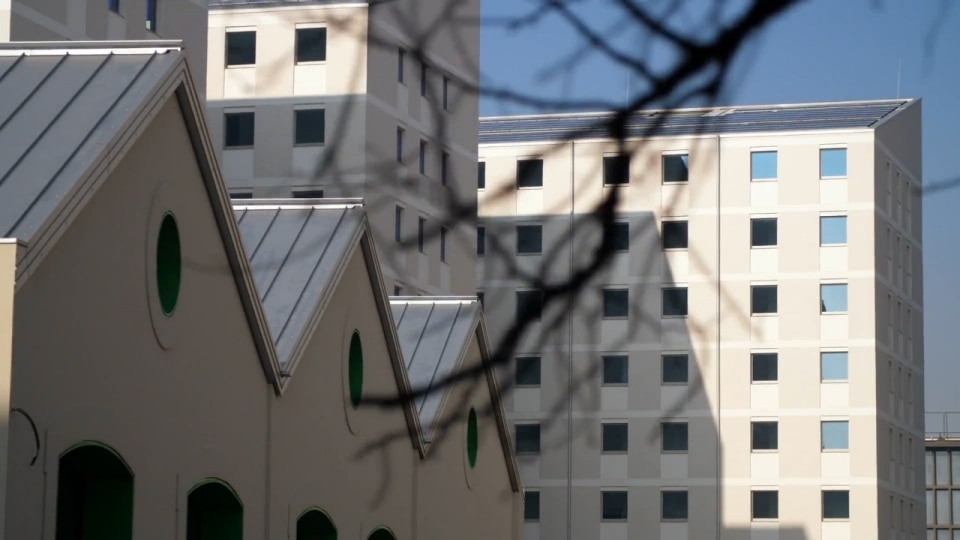
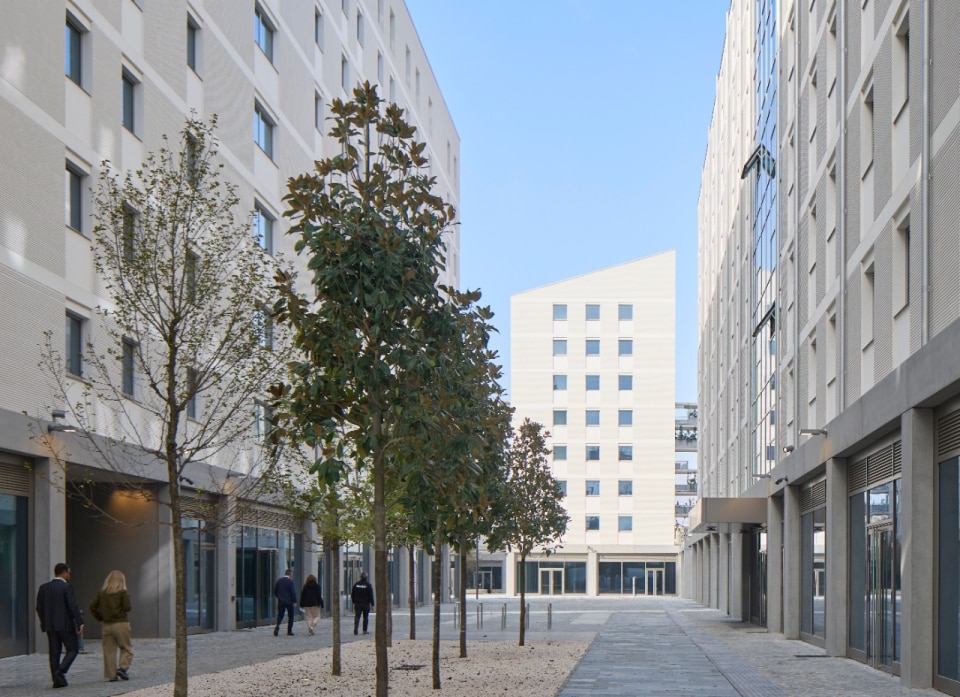
Another legacy for the city is the Olympic and Paralympic Village designed by Skidmore, Owings & Merrill (SOM) as part of the regeneration programme for the former Porta Romana railway yard. The project, which involves the restoration of two historic structures and the construction of six new residential buildings and green areas, includes not only accommodation for athletes but also services (gyms, restaurants and medical facilities); after the Olympics, the complex will be converted into a student residence with 1,700 beds.
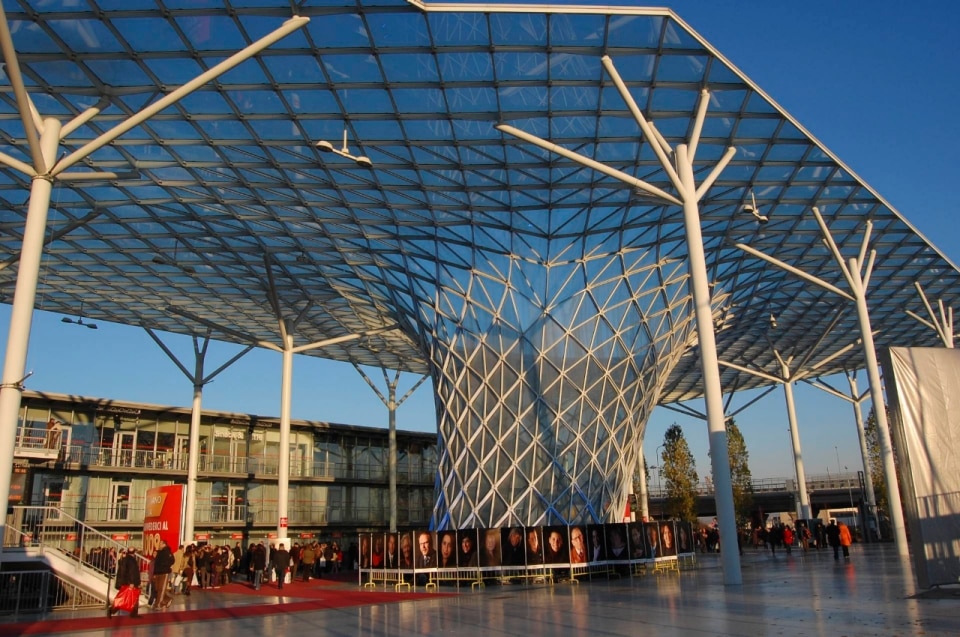
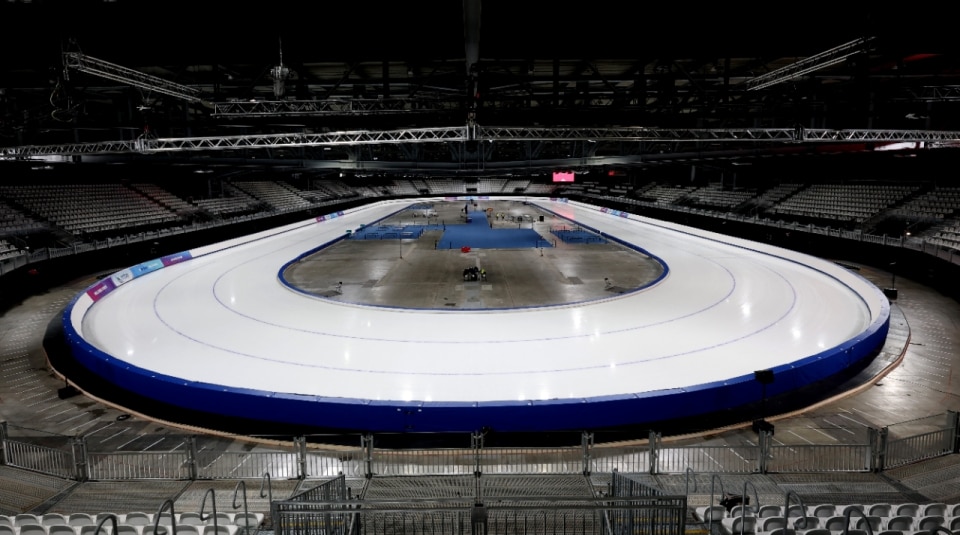
Among the temporary venues in Milan, Fieramilano has been chosen to celebrate speed: for the first time, four pavilions will simultaneously host the Milano Speed Skating Arena for speed skating competitions and the Milano Rho Ice Hockey Arena for ice hockey and speed skating competitions.Meanwhile, as the start of the Games awaits, Milan is getting a taste of the adrenaline-fuelled atmosphere with the setting up of several public spaces themed around the event: among these, Piazza del Duomo hosts a large temporary store (1,200 square metres) dedicated to the sporting event.
Outside Milan, there will be no lack of work (and excitement).
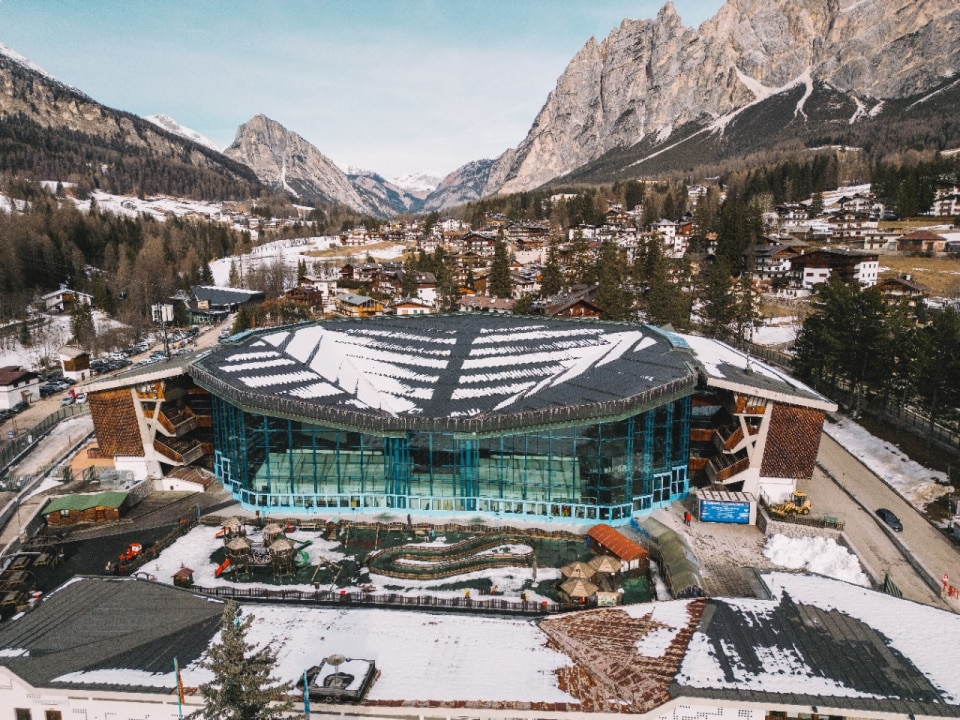
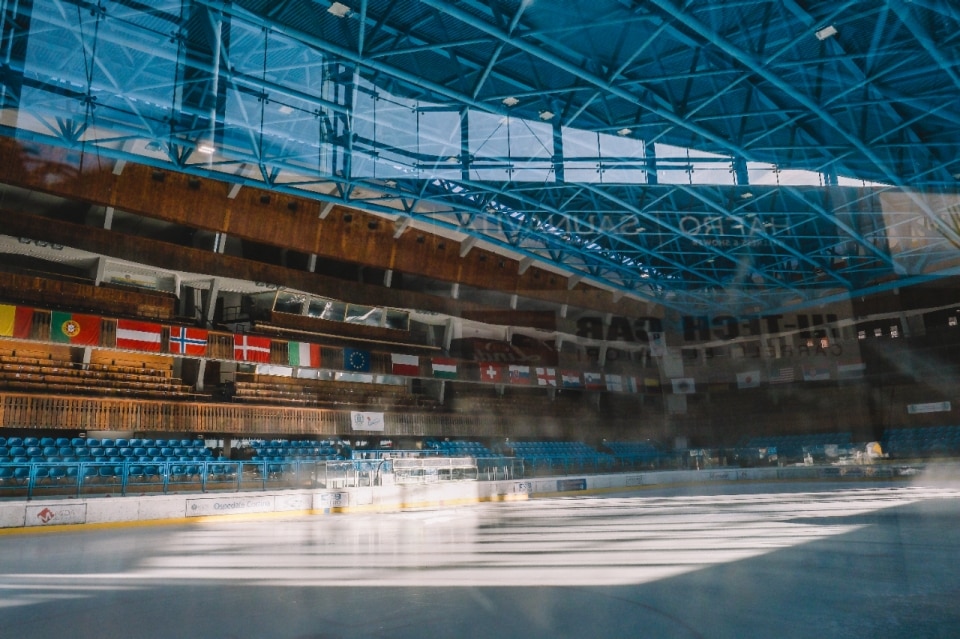
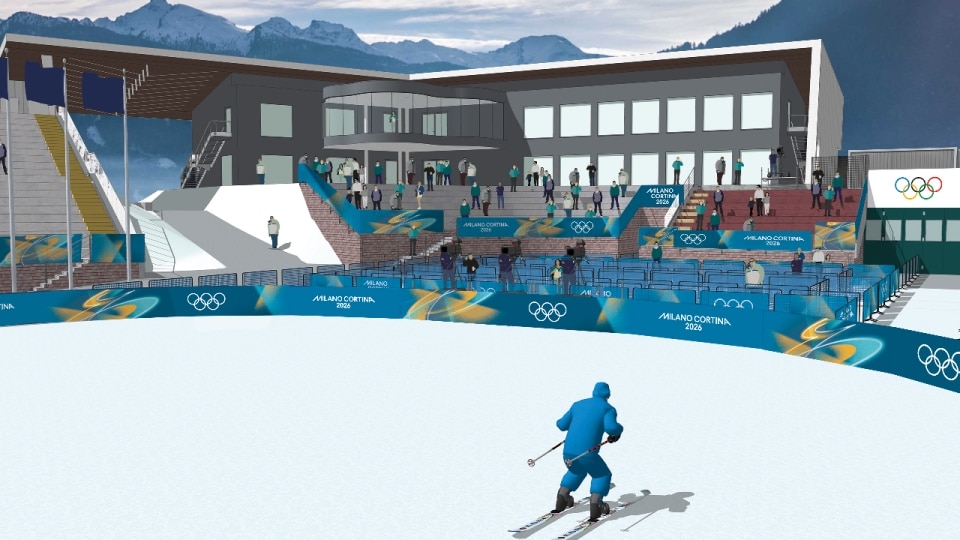
In Cortina d'Ampezzo (Belluno), the iconic Curling Olympic Stadium, built in 1955 for the first Winter Olympic Games in Italy and already the photogenic setting for the James Bond film For Your Eyes Only (1981), will host the curling competitions. The stadium has been renovated with a focus on accessibility and sustainability, with spaces designed to ensure maximum comfort for athletes, staff and the public.
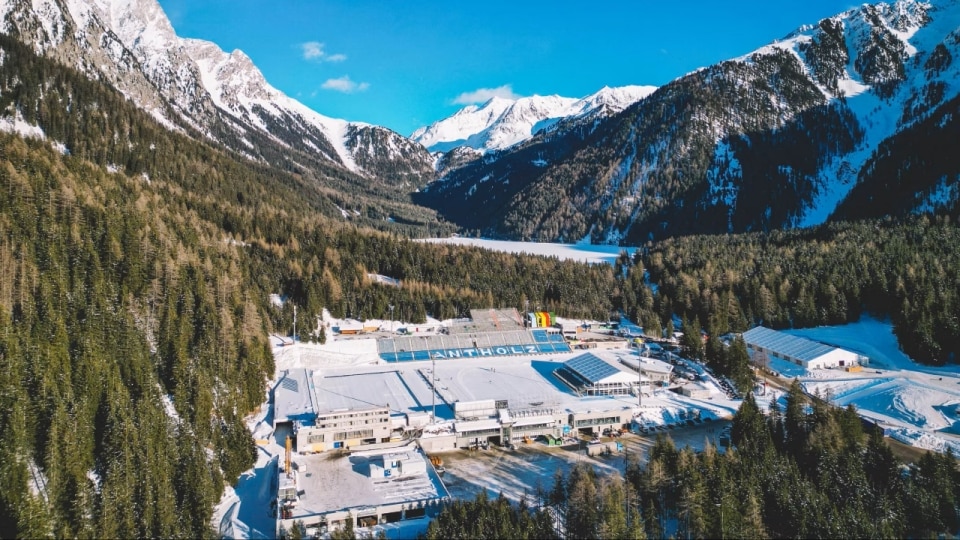
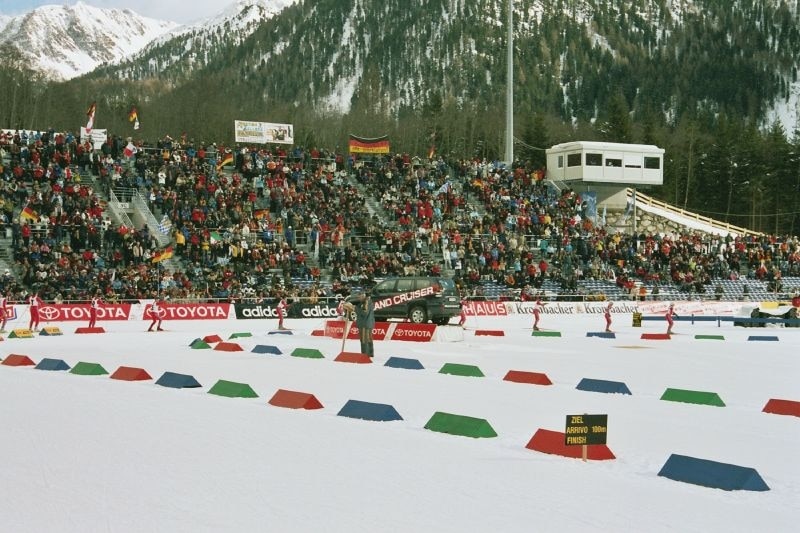
Anterselva (Bolzano) remains the "capital" of biathlon. Since it was built in the 1970s, the Anterselva Biathlon Arena has regularly hosted a stage of the Biathlon World Cup, in a spectacular location nestled among the mountains that is worth the ticket price alone. Following in the footsteps of tradition and becoming an Olympic venue, the facility has been renovated and expanded to bring spectators and athletes closer together.
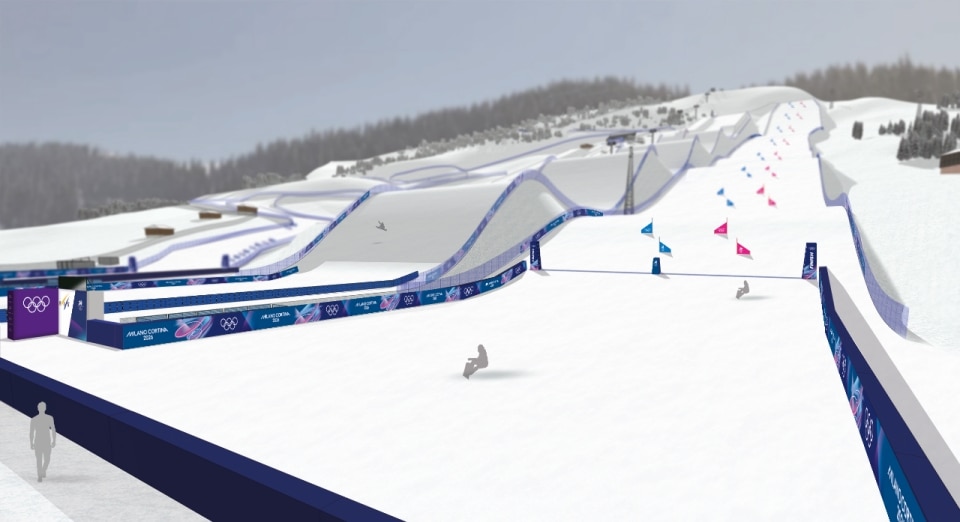
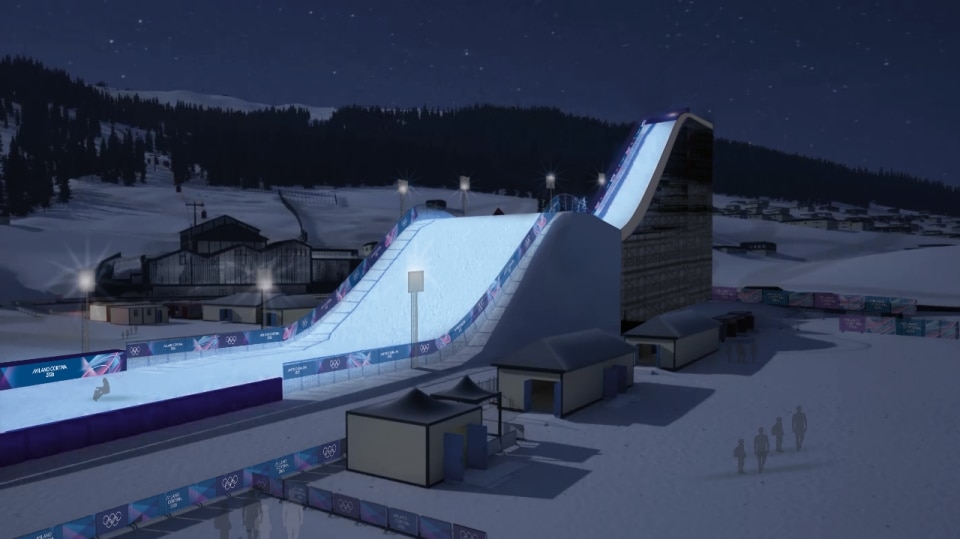
Improvements have also been made to the various tracks: from the Olympia delle Tofane, the legendary heart-pounding track in Cortina where no one ever wins by chance, with spots reaching speeds of 130 km/h and a gradient of over 60%, which will host the women's alpine skiing competitions and, for the first time, the Paralympic alpine skiing competitions; to the tracks at Livigno Snow Park (Sondrio) where, among parabolic curves, jumps, “woops” and walls over 7 metres high carved into the snow, the snowboard and freestyle skiing competitions will take place; to the “Giuseppe Dal Ben” Ski Jumping Stadium in Predazzo (Trento), dedicated to the spectacular ski jumping and Nordic combined competitions.
From historic arenas to new infrastructure, the Milano-Cortina 2026 Olympics leave the city and territories a legacy of innovation, sport and spaces to enjoy all year round.
To meet hospitality needs, temporary and permanent accommodation will be provided in various locations. Among the first, 377 prefabricated wooden mobile homes will be built in Cortina for 1,400 athletes, while agreements will be signed with local hotels in Bormio and Livigno. Among the second ones, in addition to the aforementioned complex in Milan's Porta Romana, there is also the Olympic Village in Predazzo: the project has involved the historic Alpine School of the Guardia di Finanza, with the renovation of four existing buildings and the construction of a new pavilion to offer 300 double rooms; once the Games are over, the spaces will be returned to the Guardia di Finanza for its students and to host gatherings, sports retreats and initiatives.
With the Closing Ceremony entitled “Beauty in Action” scheduled for 22 February 2026 at the Arena di Verona, for the first time in the history of the Olympics inside a historic monument and with a set design inspired by a drop of water, a symbol of natural cyclicality and indispensable for winter sports, the lights will go down on the Games but (hopefully) not on the very many new energies that the Olympics will have instilled in the cities and territories that hosted them.
Opening image: David Chipperfield Architects, Arena Milano, Milan. Rendering Onirism Studio