


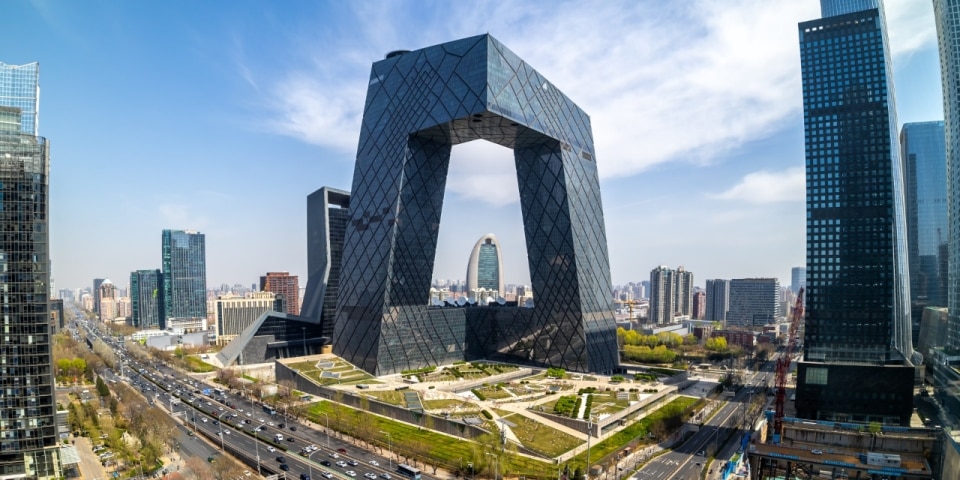
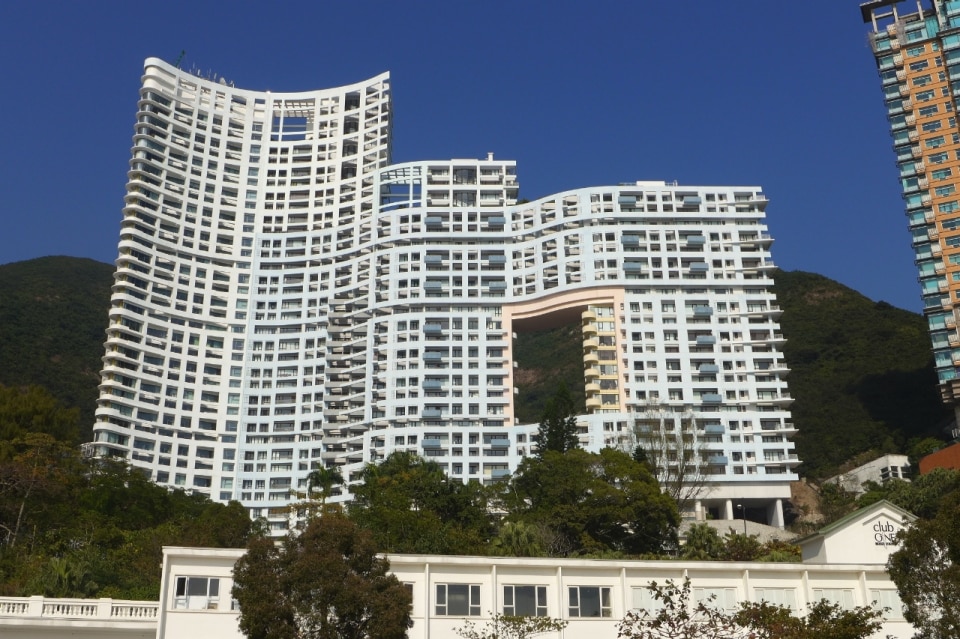
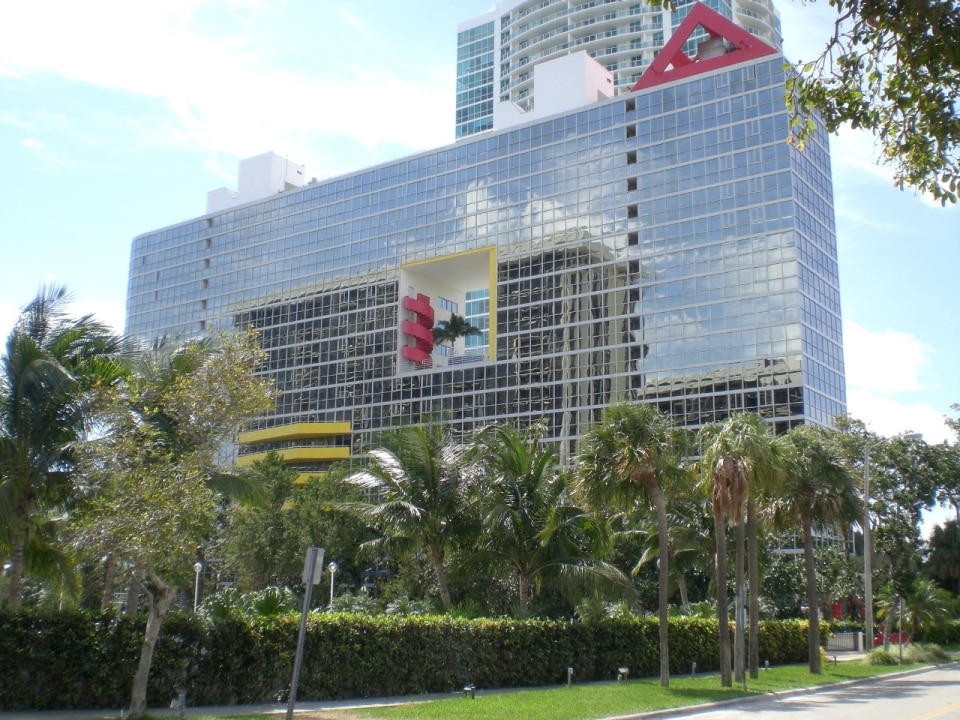
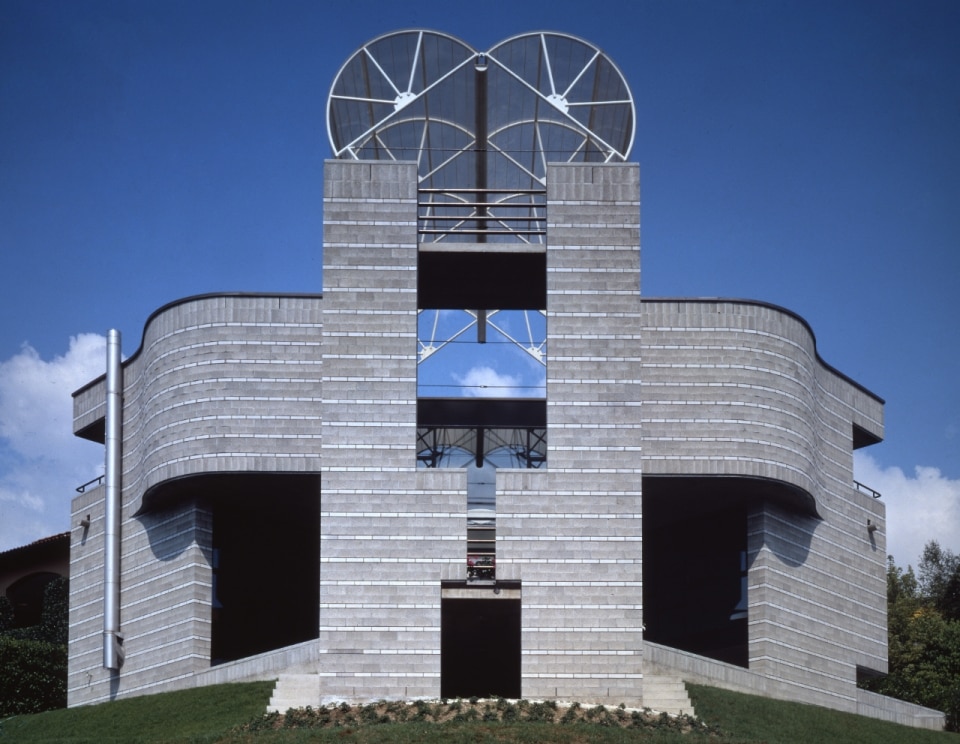
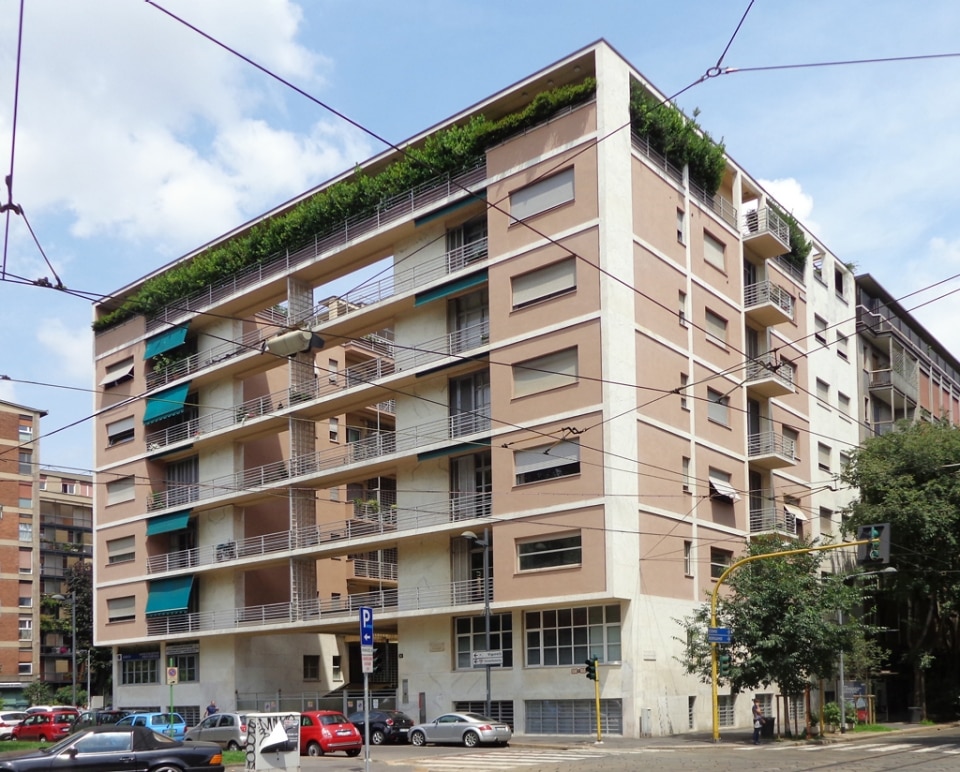
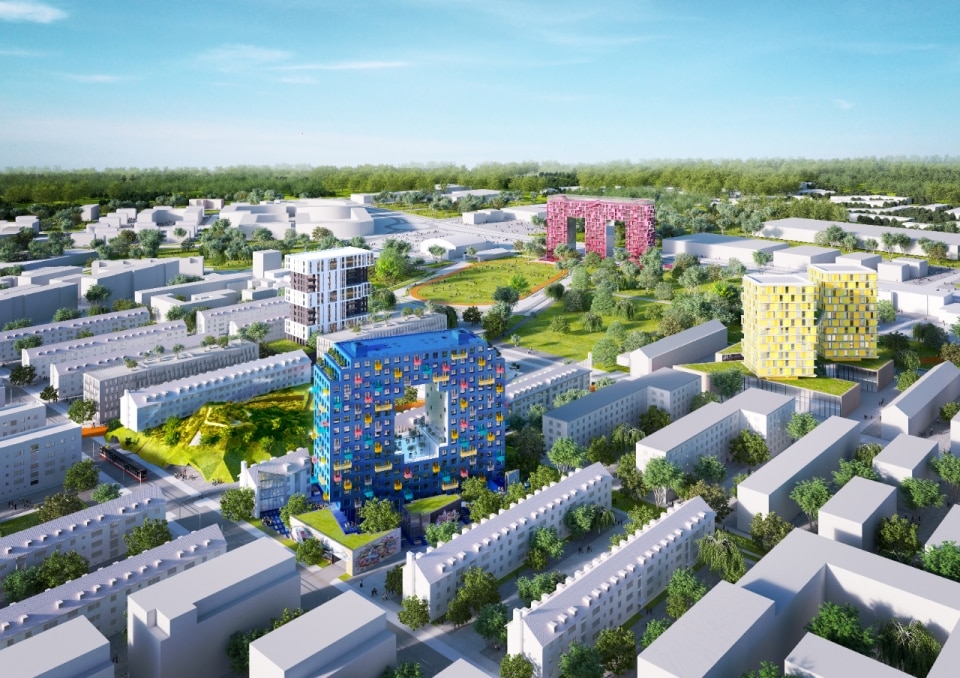
If the Italian expression “not all donuts come out with a hole” (meaning that results are not always as expected) perfectly applies to real life, it is not surprising that this assumption also extends to architecture, often “baking” unresolved works for a variety of reasons (from design responsibility to unplanned and more or less unpredictable contextual factors), those buildings Ernesto Nathan Rogers caustically defined as “unburied corpses”, rather than “donuts without holes”,
On the contrary, there are also buildings that have achieved their goal – in relation to the project inputs and the social, urban or territorial value they have been able to preserve over time – and which, as it happens, are actually built around “holes” (although, of course, there is no biunivocal correlation between success and cavity).
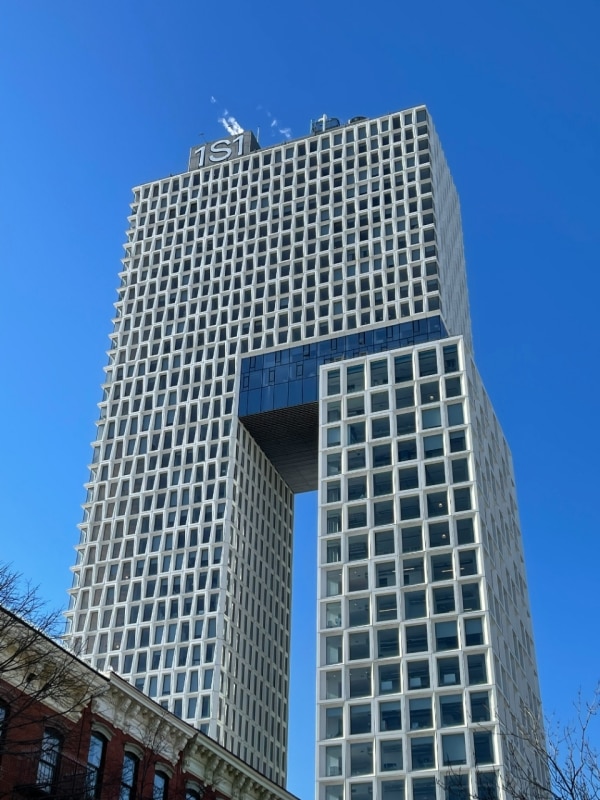
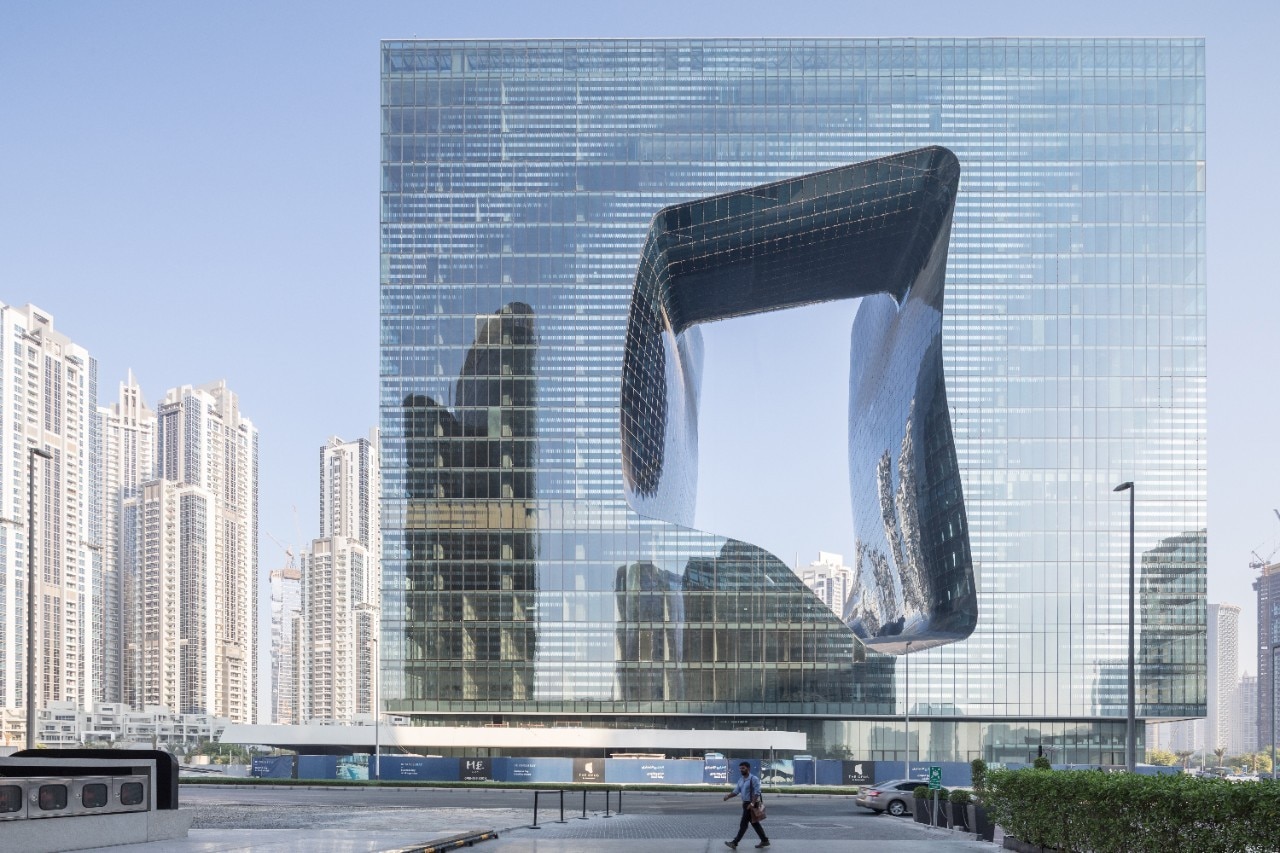
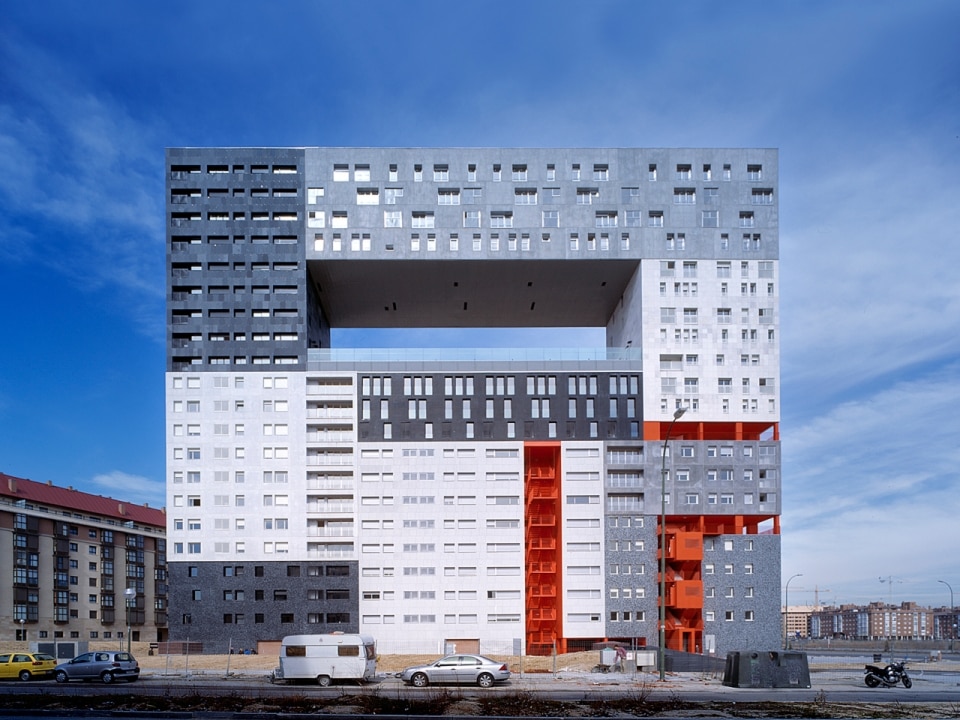
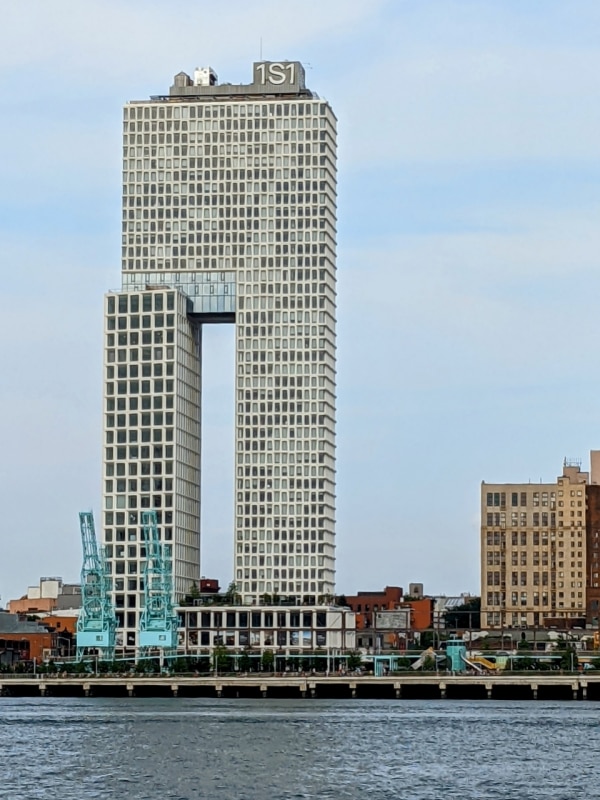
Architecture whose mass is condensed around a void that becomes an element that figuratively, structurally and functionally characterises the work, beyond a mere formal gesture: from a backdrop that frames the landscape and amplifies its presence to an iconic sign that makes the building immediately recognisable, from an urban infrastructure elevated above the ground to a structural element that softens and humanises the built density.
From Hong Kong to Milan, from Miami to Mannheim, from Dubai to Beijing, we explore cases in which the same design intuition reappears in different forms but with a common denominator: void not as absence but as a generative (and multiplicative) element of relationships and perspectives, a portal towards new forms of interpreting and experiencing space, whether for humans or dragons.