


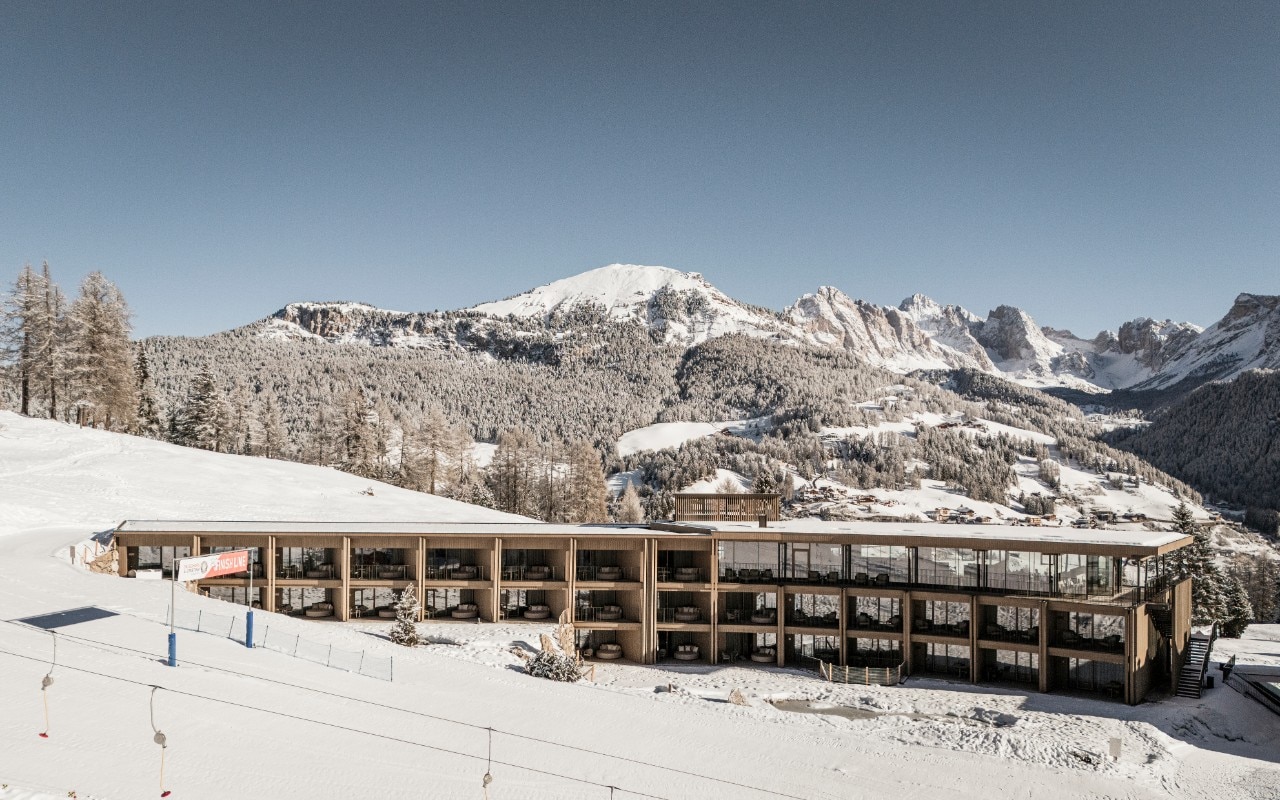

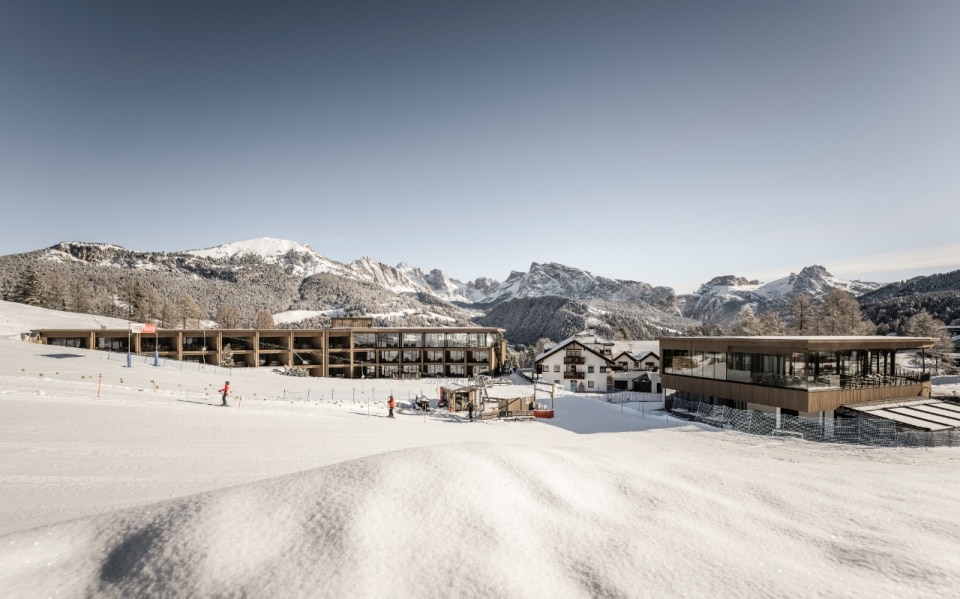
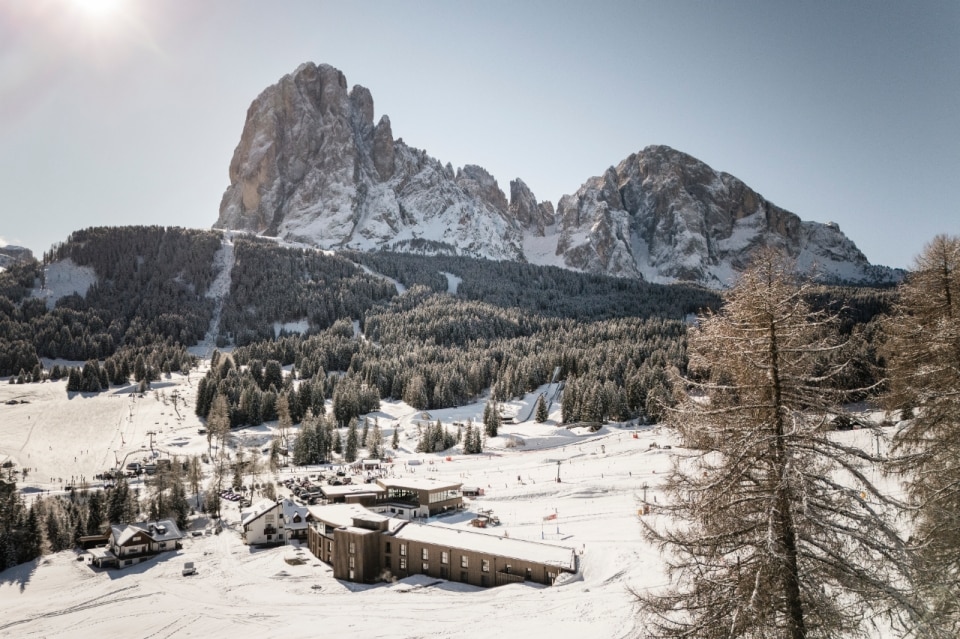
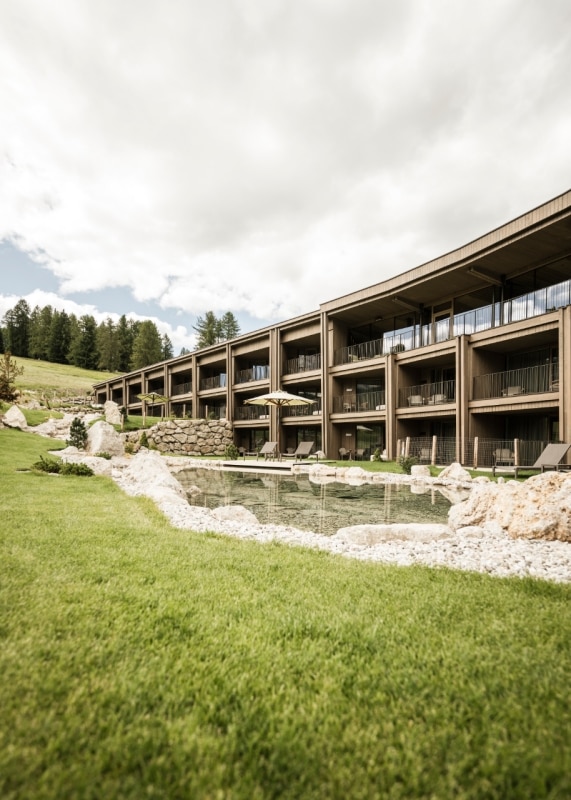
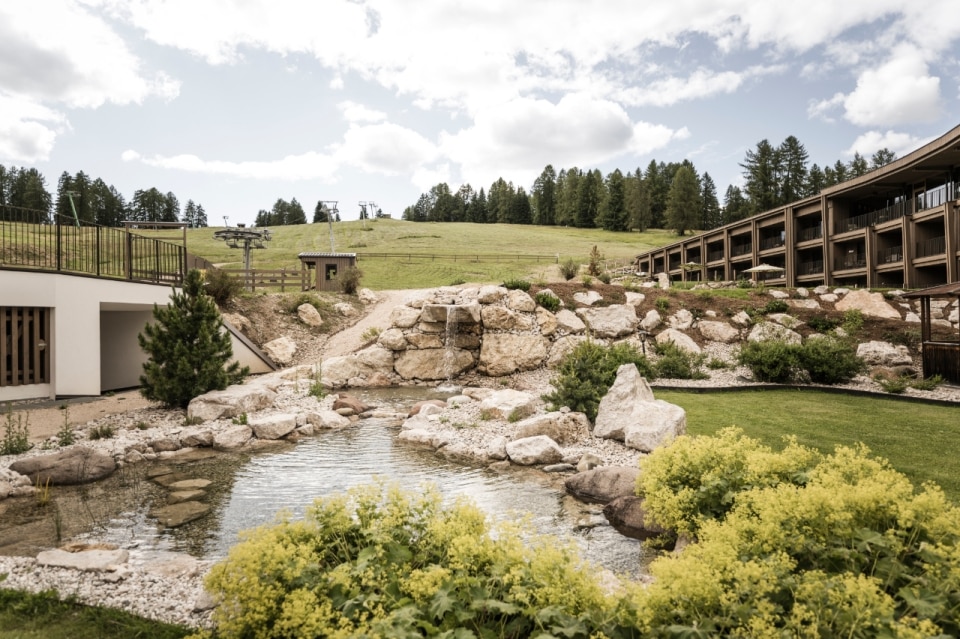
“In a high-mountain context such as that of Val Gardena, an architect can adopt only one attitude: a deep humility in front of the magnificence of the Dolomites.” With these words, architect Stefan Gamper introduces his project for Hotel Cendevaves to Domus. Located on the Monte Pana plateau, specifically in Santa Cristina, the hotel built at the end of the 1950s has undergone a significant expansion and renovation.
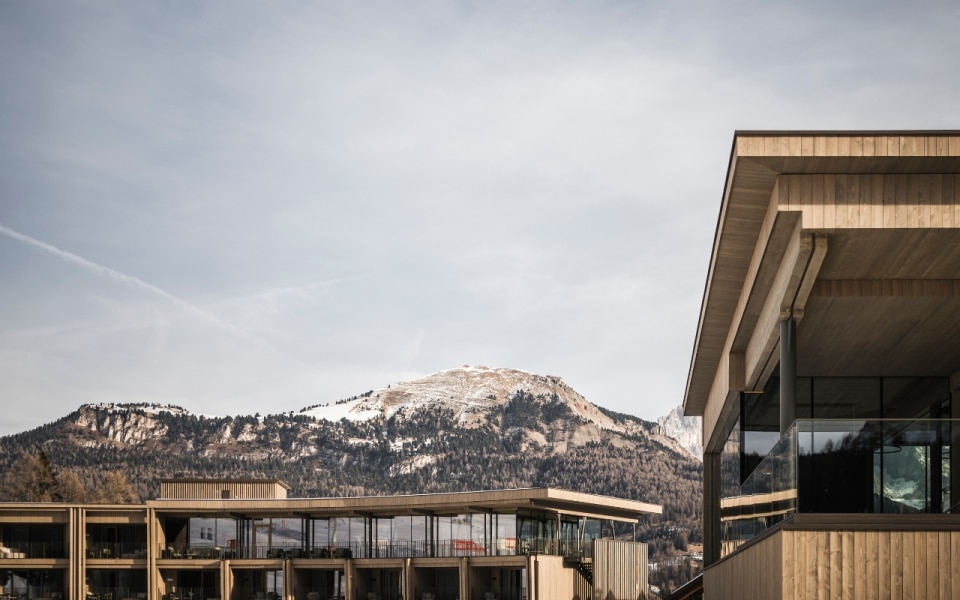
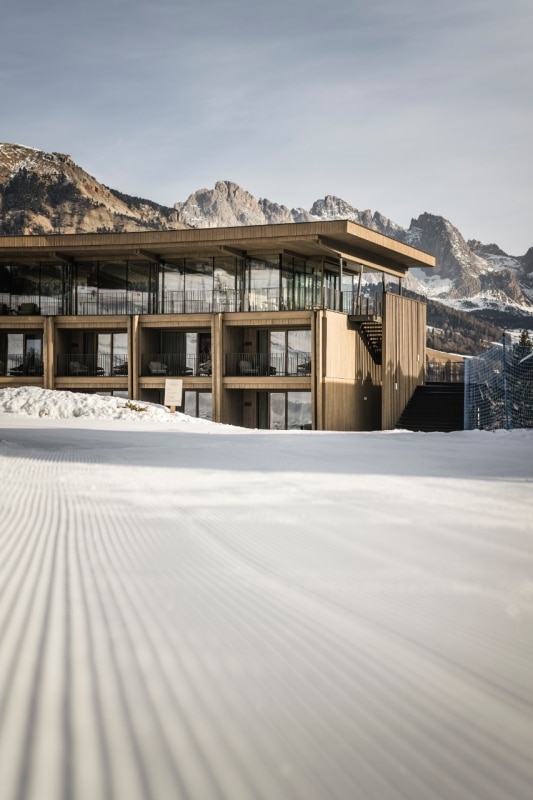
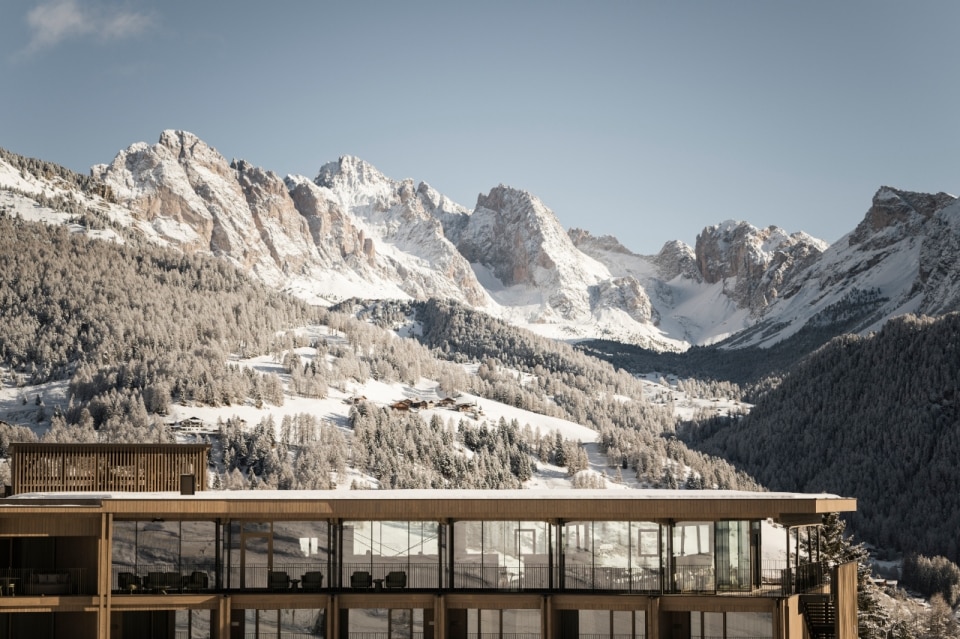
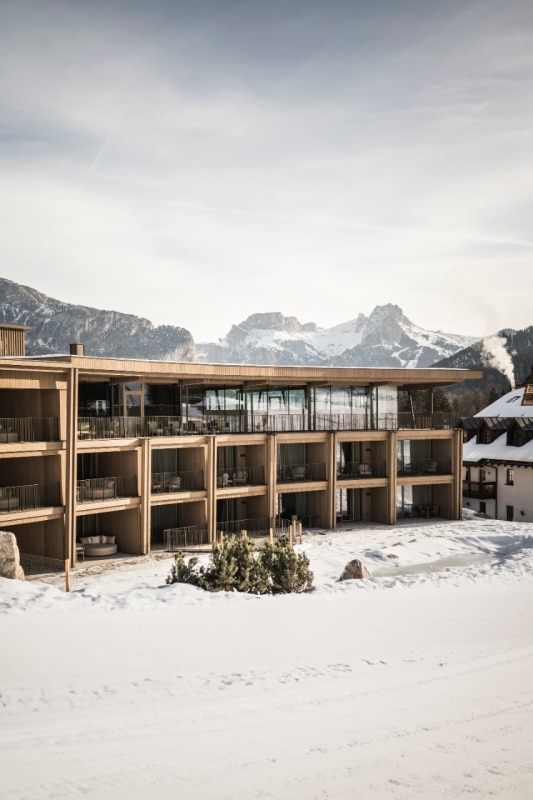
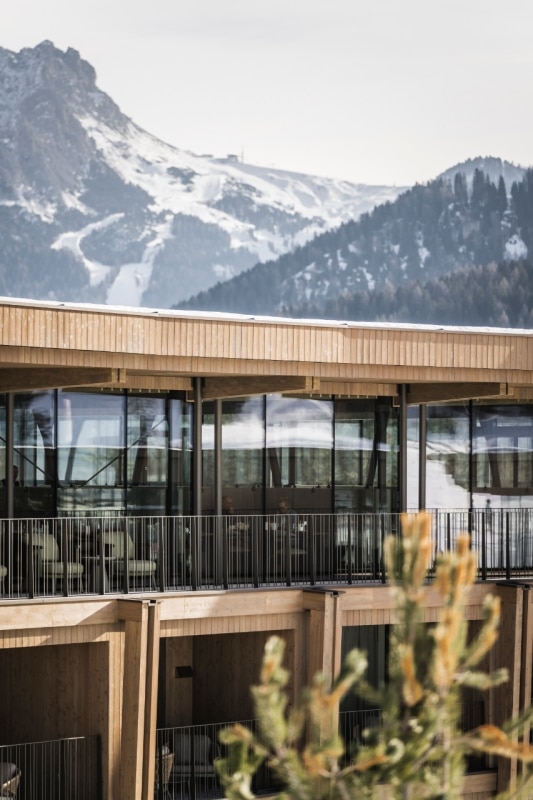
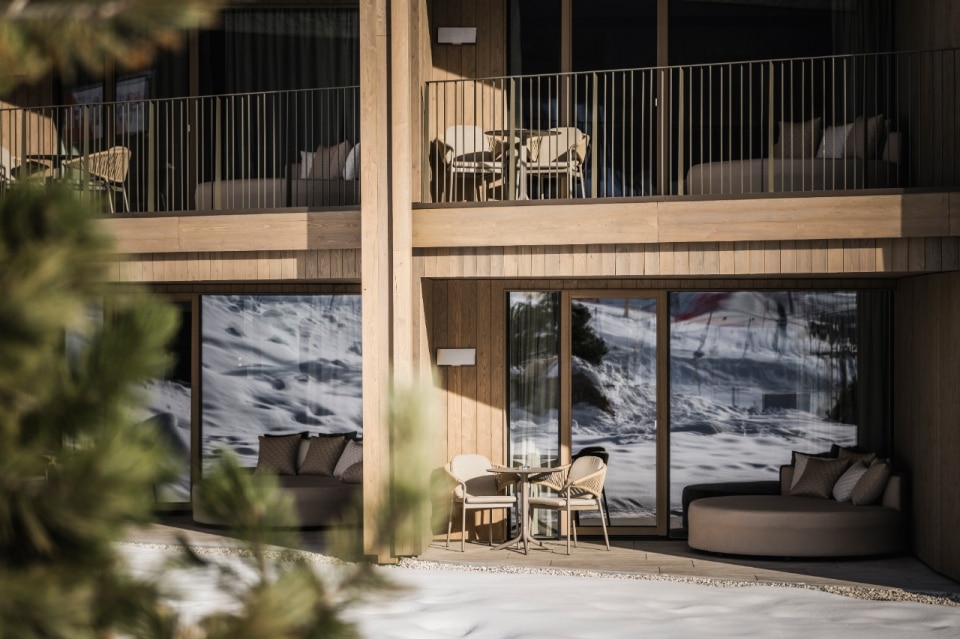
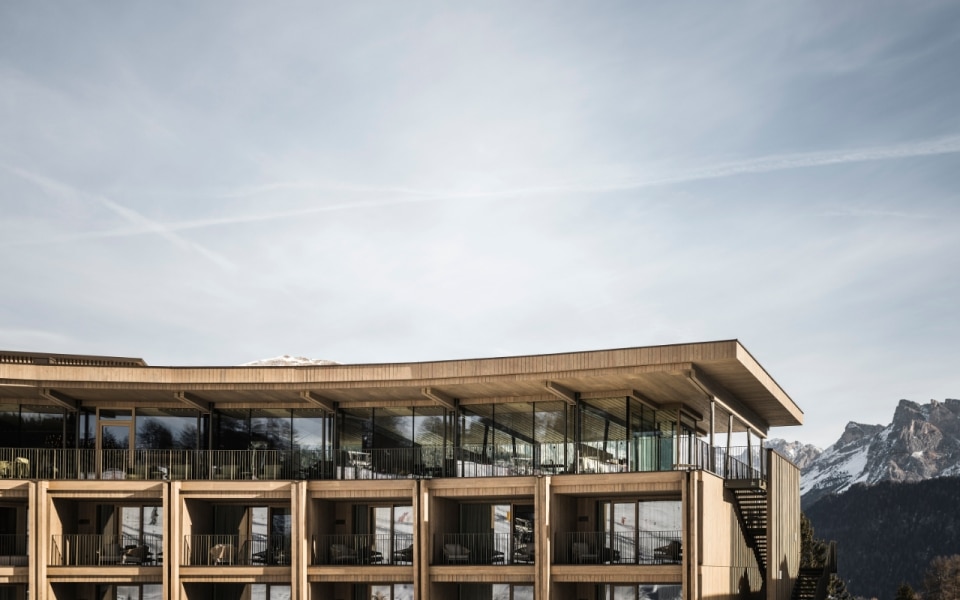
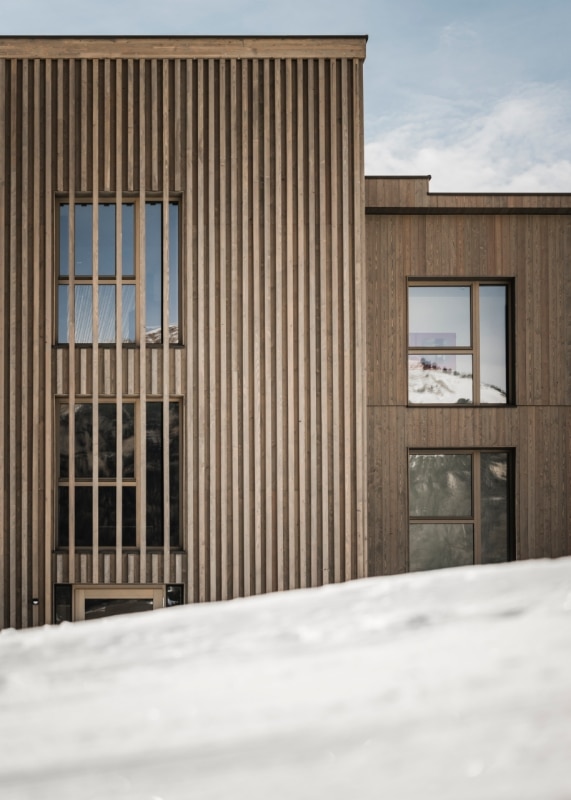
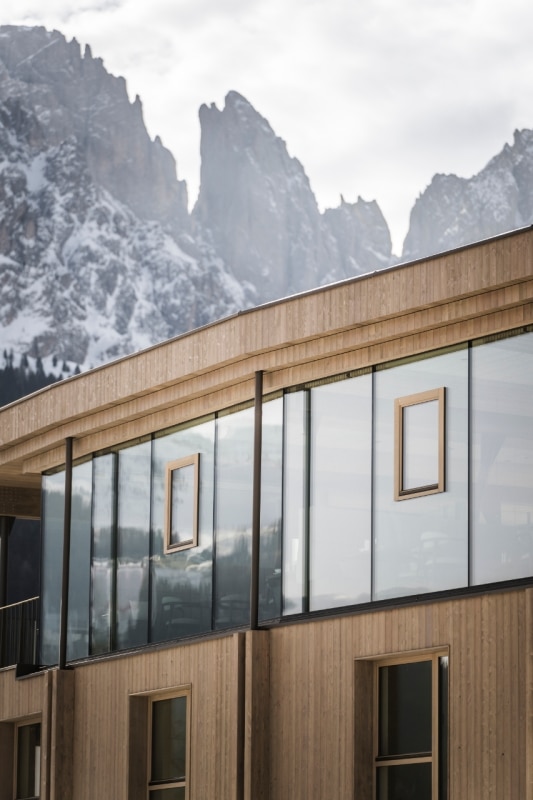
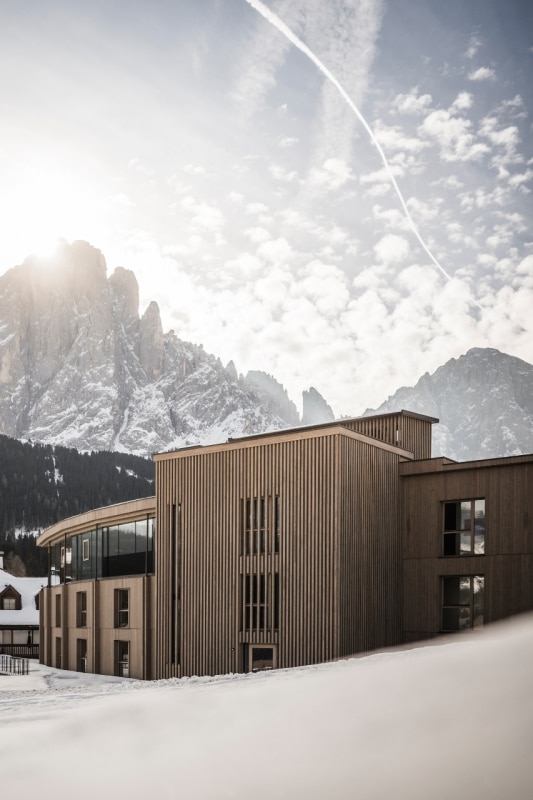
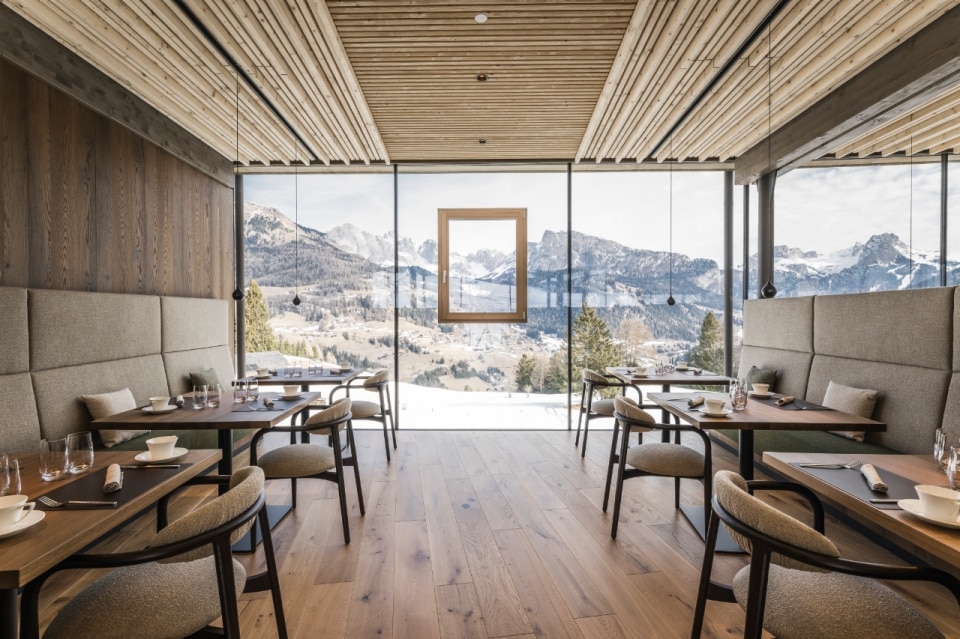
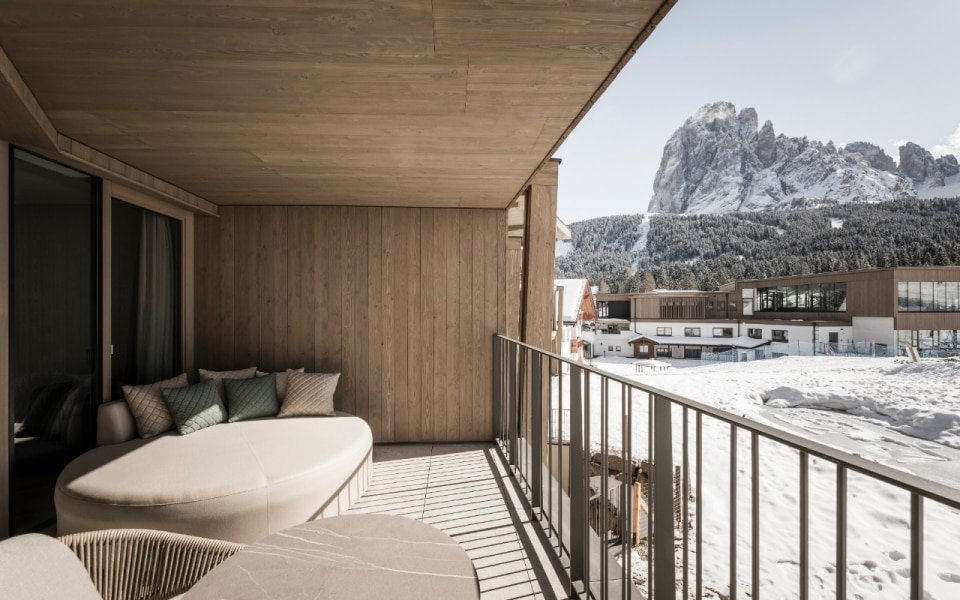
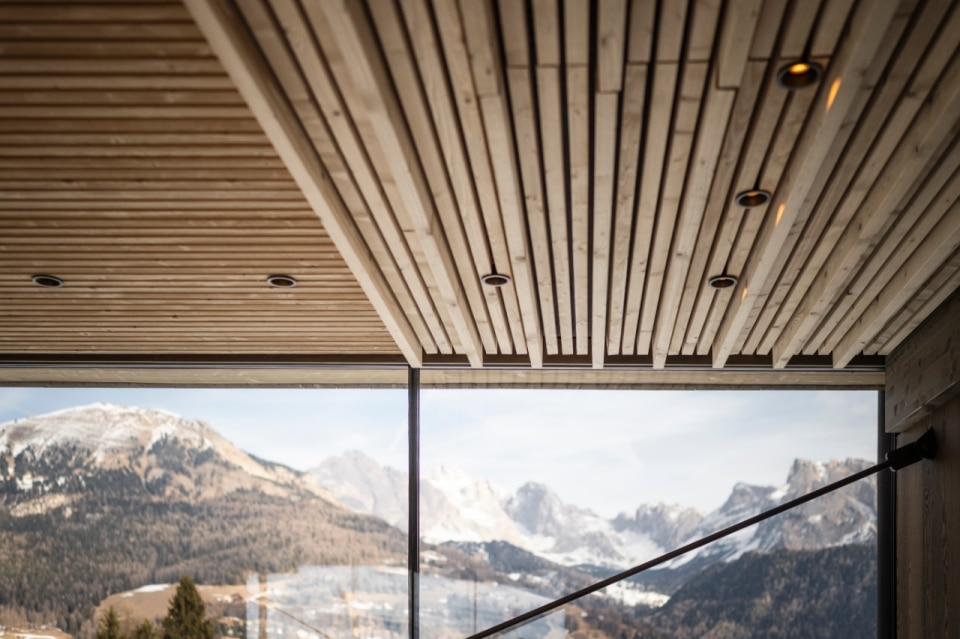
The deepest value of the project, today named the Cendevaves Alpine Silence Hotel, lies precisely in its relationship with the landscape. Here, the architecture does not seek protagonism but aims to enter into contact with the mountainous environment, welcoming it into the interiors and dissolving into it through transparency and horizontal lines, as well as through the use of local materials such as larch wood.
In a high-mountain context such as that of Val Gardena, an architect can adopt only one attitude: a deep humility in front of the magnificence of the Dolomites.
Stefan Gamper
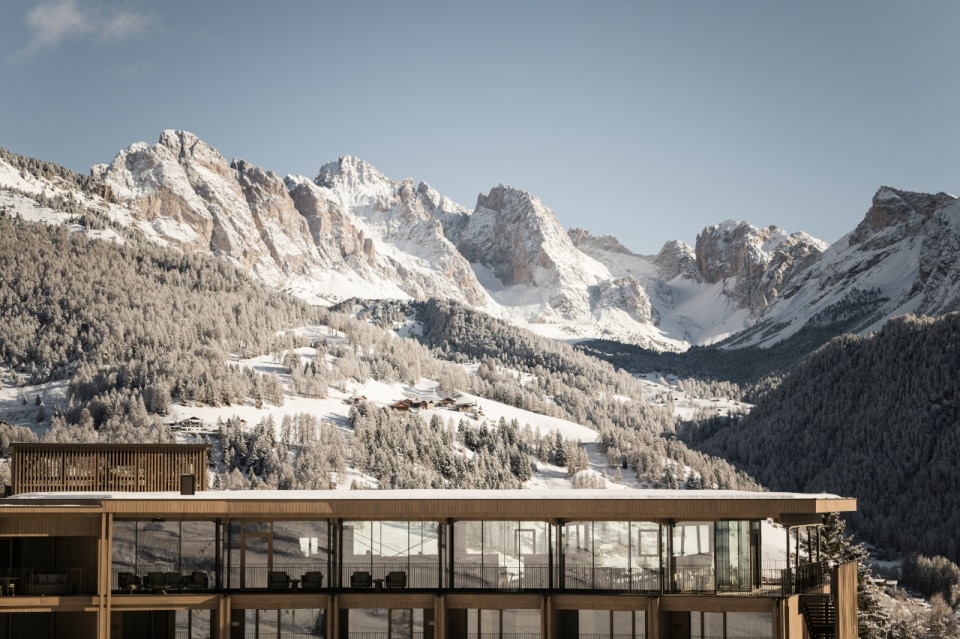
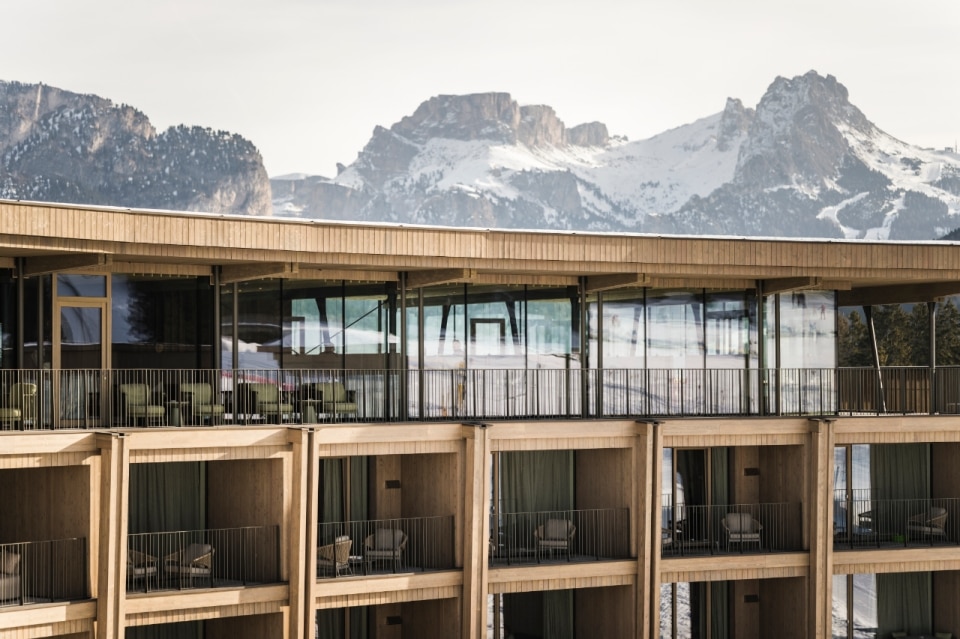
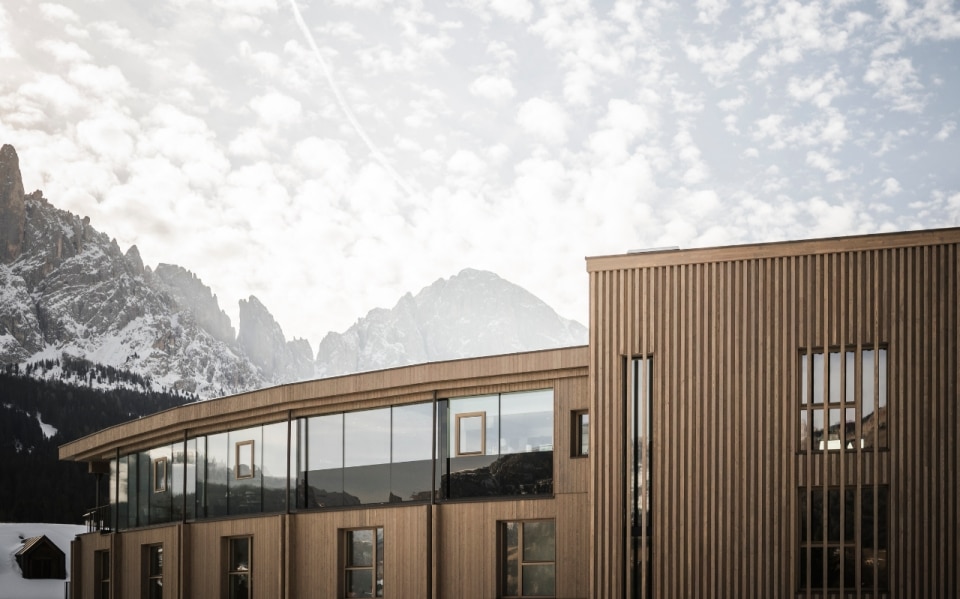
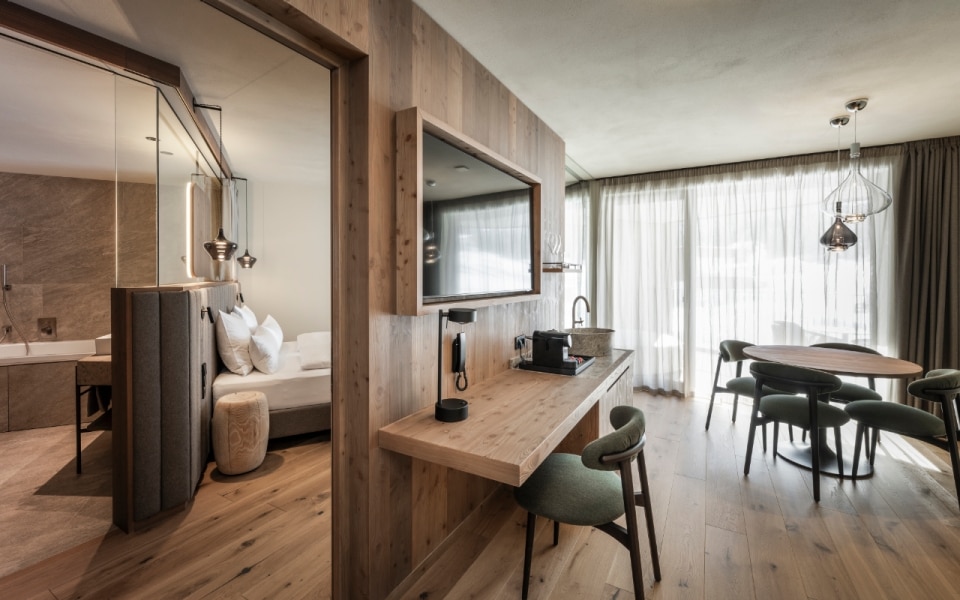
The new building, connected underground to the existing garage, introduces 27 rooms — including one suite of over 90 square metres — complemented by a panoramic breakfast hall and a wellness centre with an indoor swimming pool. The lounge and breakfast hall, positioned on the top floor with full-height windows, make the landscape an integral part of the architectural experience, transforming the view of the Sassolungo into the true fulcrum of hotel life: a contemplative act.
The relationship with the existing building
Expanding a historic building means confronting memory, proportions, and identity. In this project, the original 1959 building — with its traditional plastered architecture and double-pitched roof — remains intact and “still constitutes the core of the complex,” Gamper tells Domus. From the central body, a witness of over sixty years of activity, two wings unfold with curved footprints, designed to accommodate contemporary functions without distorting the historic structure: “the first, built in the 1990s, was raised as part of this project and today hosts a large glazed wellness area; the second is the new wing with suites and guest rooms, completed by a fully glazed lounge with a breakfast room,” explains Gamper.
The new intervention does not compete with the existing one.
Stefan Gamper
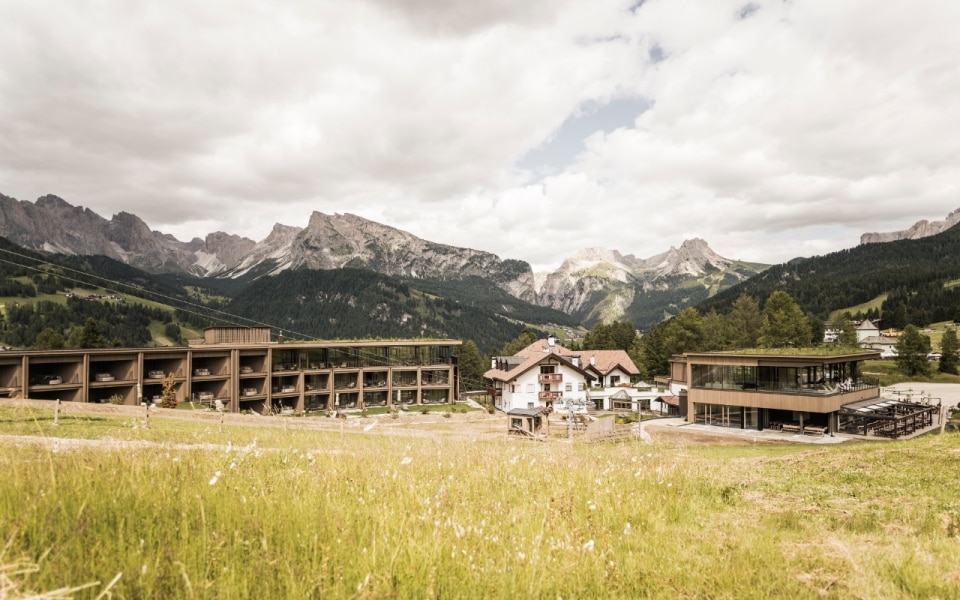
The architectural language of the two wings is openly contemporary: it does not seek to adapt to the aesthetic of the original building because “the new intervention does not compete with the existing one”; rather, it draws inspiration from the Dolomite landscape, which also informs the layout of the complex around a central green space animated by a natural swimming lake.
The importance of wood
In defining the new Cendevaves Alpine Silence Hotel, the choice of material is not only technical but cultural. At high altitude, where matter must dialogue with nature, Gamper reduces architecture to its primary elements: “in a landscape like this, the essential building materials are ultimately only two: natural stone and wood.” Local dolomite shapes the retaining walls, while larch — resistant, durable, and warm — clads the façades and roof structures.
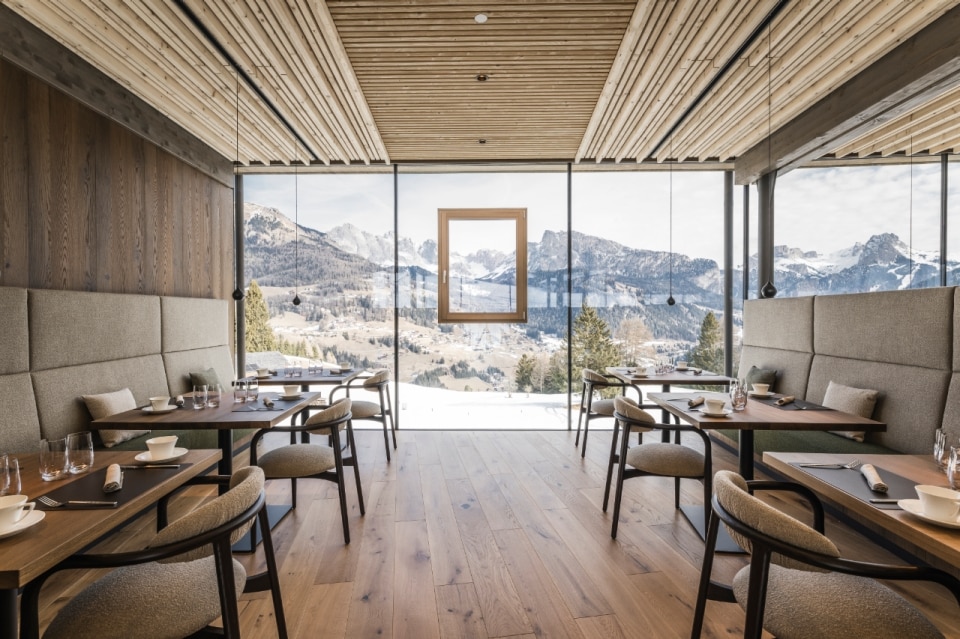
There is also another fundamental aspect: although specialized labour is necessary to work it properly, wood makes fast construction possible thanks to prefabrication — an invaluable quality in Alpine contexts. In this respect, the South Tyrolean company Aster, specialized in timber construction, played a decisive role as it oversaw the project in all phases, from technical planning to prefabrication and final assembly.
The project therefore advanced at a fast, almost competitive rhythm. On this note, there is a detail the architect recalls with irony: “The clients, Birgit and Christian Stuffer, are passionate runners […] they kept a high pace, motivating all the workers as if in a high-mountain marathon. At the end of the project, as a thank-you, they gave me a pair of running shoes.”