



The myth of Gio Ponti, the architect of the Pirellone, the father figure to Italian design and the Compasso d’Oro, the founder of Domus, is easy to imagine framed by a landscape with Milan and Italy at its center. But it takes only a moment to realize that the scale of Ponti’s landscape is in fact that of the entire world.
Ponti’s international legend is immensely powerful, tied to a group of buildings that, as the title of one of his books suggests, shine like “crystals” in the history and contemporary culture of architecture.
The aura surrounding these works is further emphasized by their locations, places which, when seen through today’s eyes, feel unexpected — Caracas, Tehran, Denver — but take on precise meanings when placed within the trajectories of their time.
All of Ponti’s foreign projects emerge in fact from cultural trajectories, differing in the degree to which they engage with public life.
The first connects almost all Western bourgeoisies, bound by shared tastes and aesthetic affinities. Villa L’Ange Volant (1927), built for Tony Bouilhet, heir to Christofle, perfectly embodies this: contemporary with Le Corbusier’s Villa Stein-de-Monzie (also at Garches, on the western heights of Paris), it embraces the dialogue between classicism and modernity that Ponti was exploring at the time, as also testified by his legendary Milanese home on Via Randaccio.
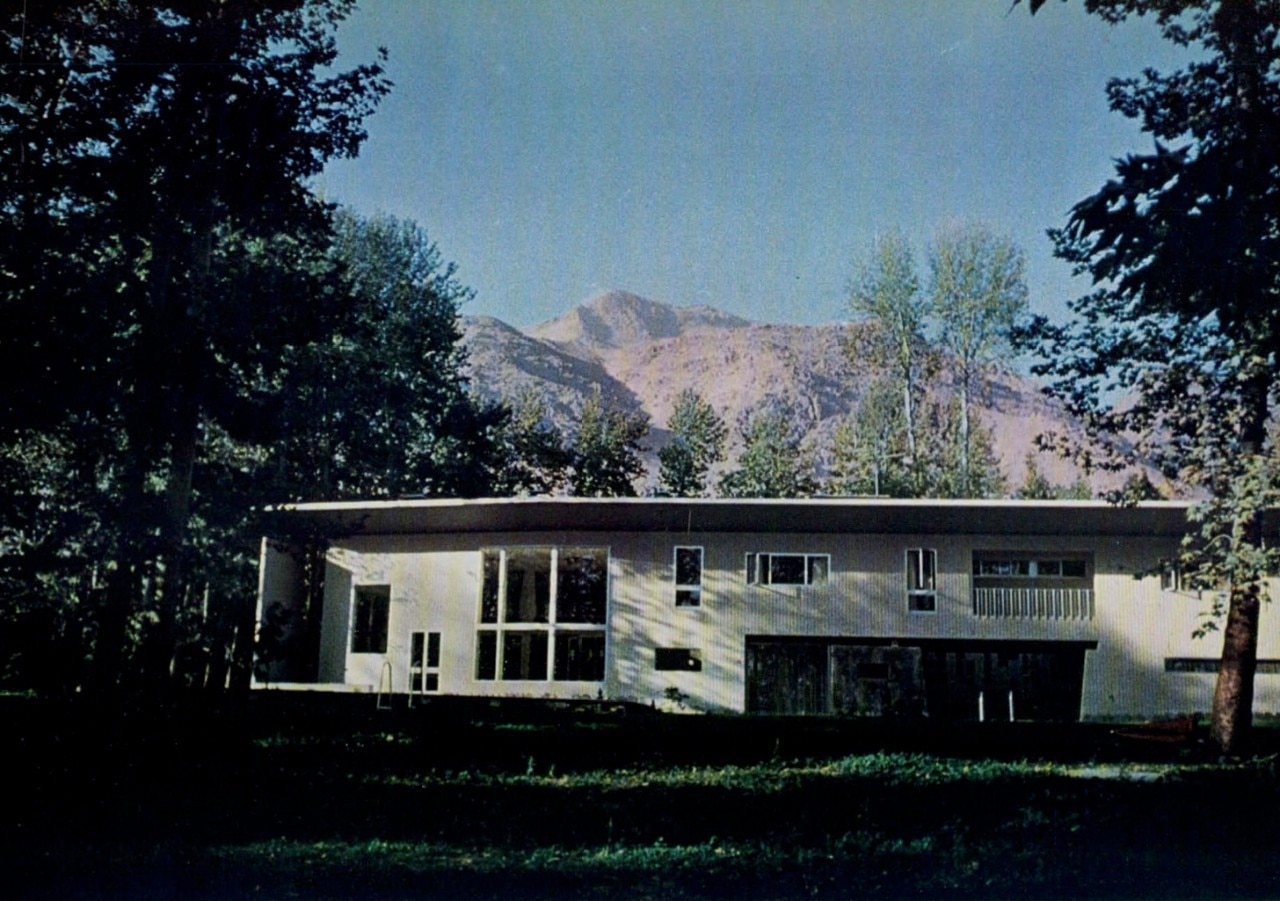
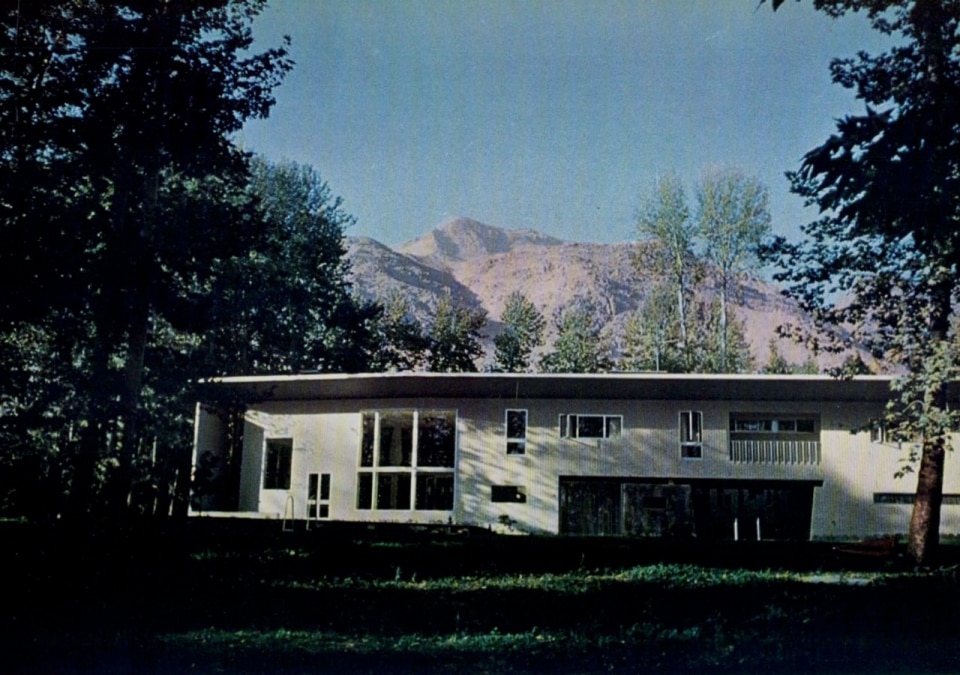
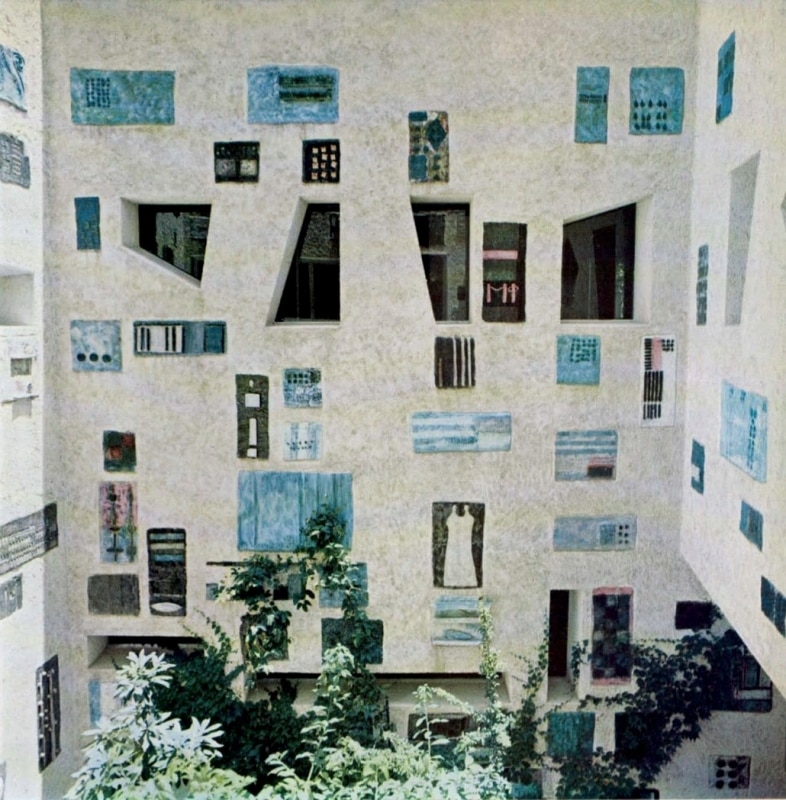
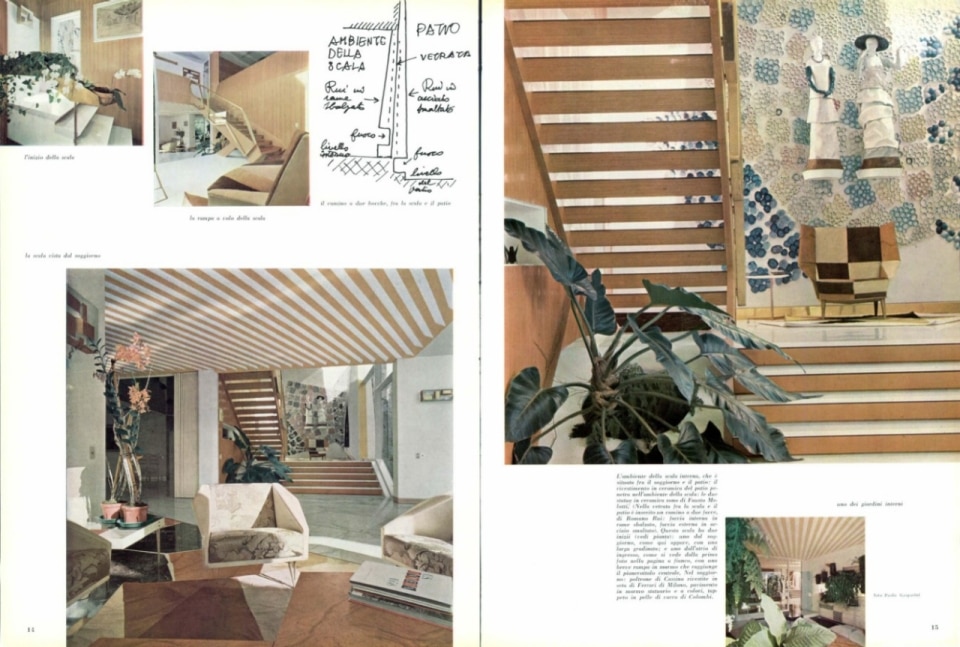
The story continues in 1930s Romania, with the Villa Tataru in Cluj, before fully unfolding in those entirely private yet epochal statements that are the postwar villas in Venezuela and Iran. Villa Planchart in Caracas (1955) is a transcription of the optimism of “Amate l’architettura” in forms, light, and colors, with spatial proportions such as the double-height living room and continuity with the outdoors. It is the first of three homes designed for la joye d’y vivre (“the joy of living”), followed in Venezuela by Villa Arreaza, and then in Tehran by Villa Nemazee (completed in 1964), a gem that risked demolition, also composed as a playful arrangement of sculptural solids and diamond-shaped openings.
I dedicated myself entirely to designing Villa Planchart, and in it I was able to fully realize my way of thinking about architecture, both exterior and interior. Its form, born from within, responds to the views, the winds, and the path of the sun.
Gio Ponti, Domus 301, February 1955
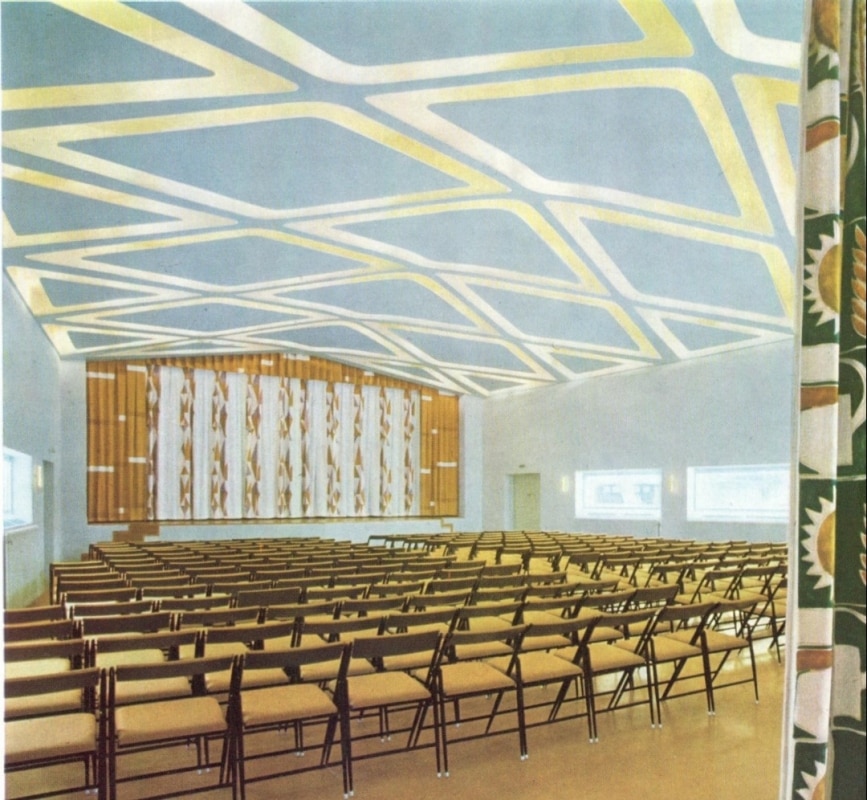
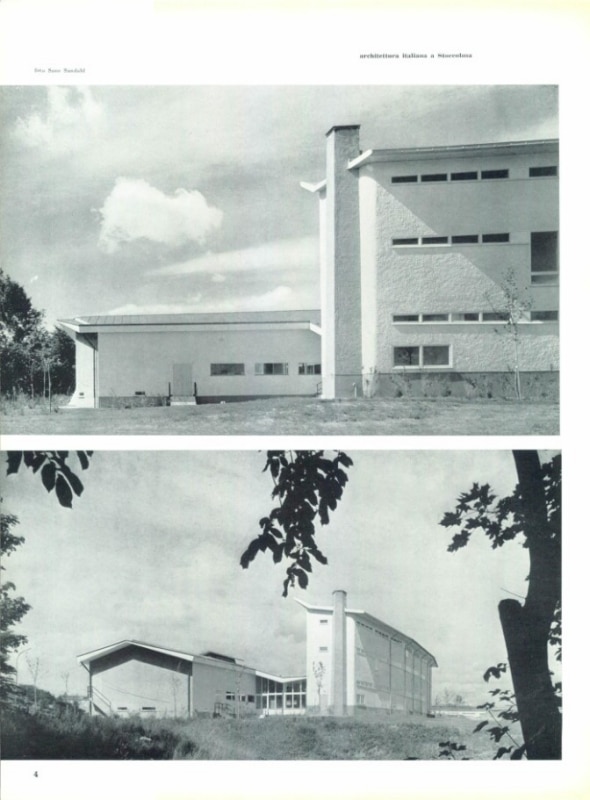
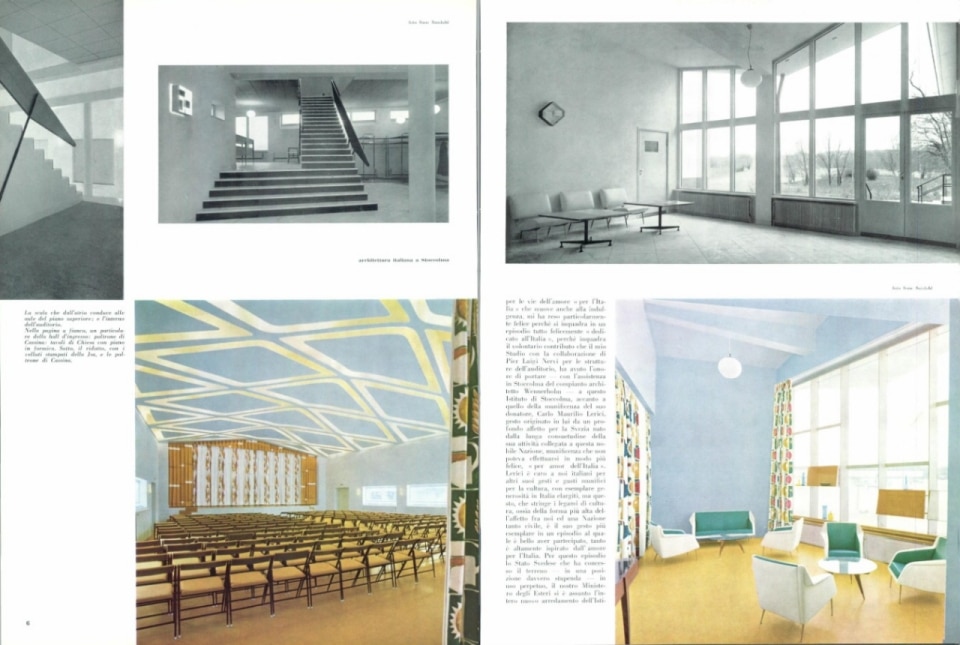
Then comes Ponti’s institutional trajectory: an architect who builds political bridges through the character of his architecture. Once again, culture is the connecting thread, uniting works distant in language but kindred in purpose: the lesser-known Italian Cultural Institute inside Vienna’s Palais Fürstenberg (1936), and then the celebrated one in Stockholm (1954), with its hull-like form and the improvisational volume of its auditorium, developed with Pier Luigi Nervi.
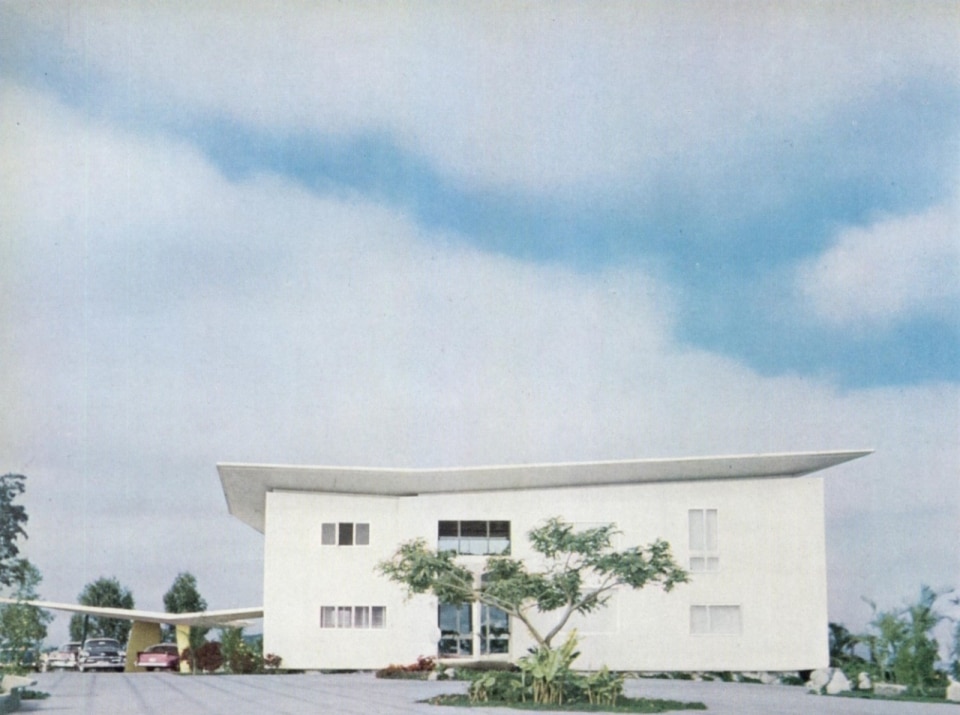
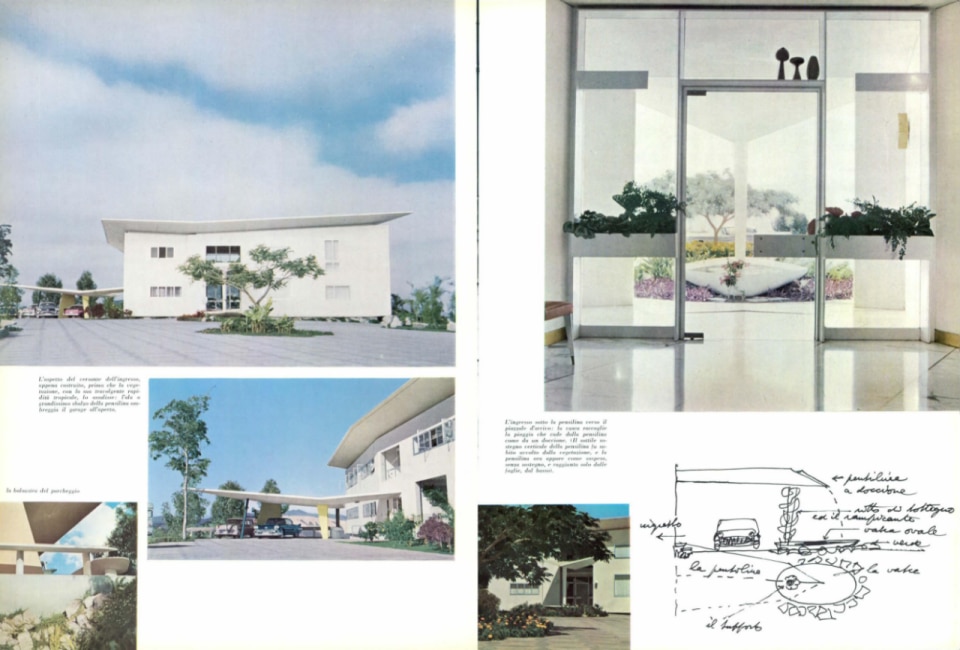
Those were the years of the Ponti-Fornaroli-Rosselli studio, which in 1960 created its true crystal, an icon of both a style and a city, the Pirelli Tower, which, developing from that theoretical and poetic core, would become a language capable of interpreting the new life of distant cities, both ancient and newly founded. In Baghdad, his 1958 government office building unfolds the Pirellone’s volumetric themes horizontally; in Islamabad, Pakistan’s newly founded capital, ministerial buildings and the Pakistan House Hotel (1962–64) feature instead the entirely graphic pattern of polygonal openings.
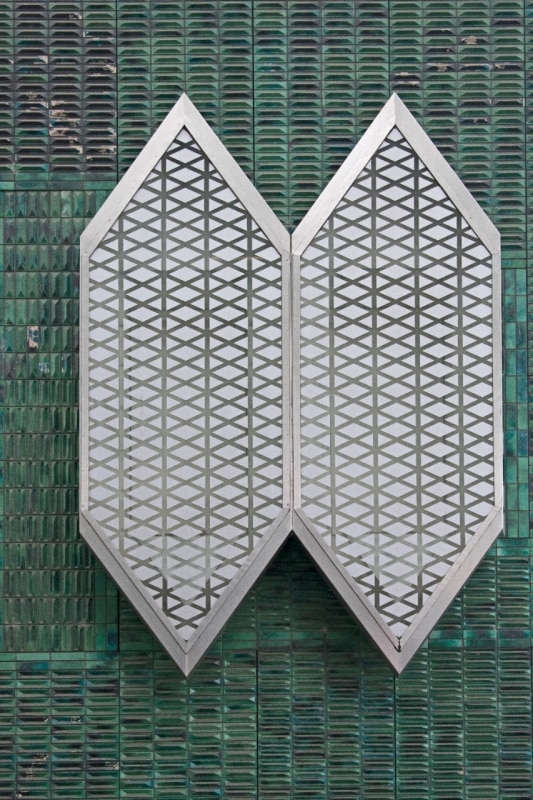
By then, Ponti fully embodied the global architect, carrying across continents a distinctly recognizable modernity: emotional yet rational, sculptural and graphic, for a time synonymous with Italian design and architecture itself — producing almost always unique results. Think of New York, the exuberant tiling and sculptures, with the contribution of Fausto Melotti, for Alitalia’s Fifth Avenue offices — a prelude to the Park Hotel in Sorrento? — and the almost provocative gesture of the crystalline auditorium perched atop the eighth floor of the Time-Life Building (1959).
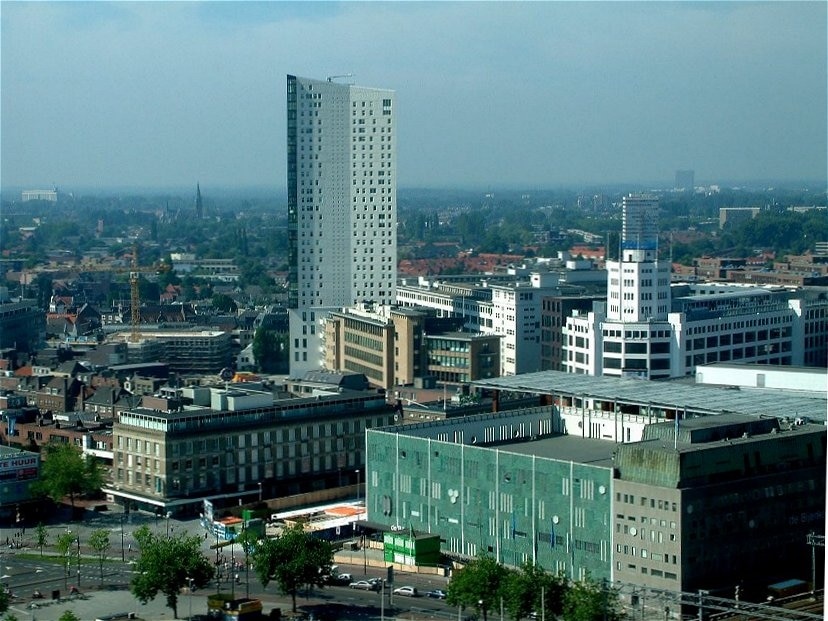
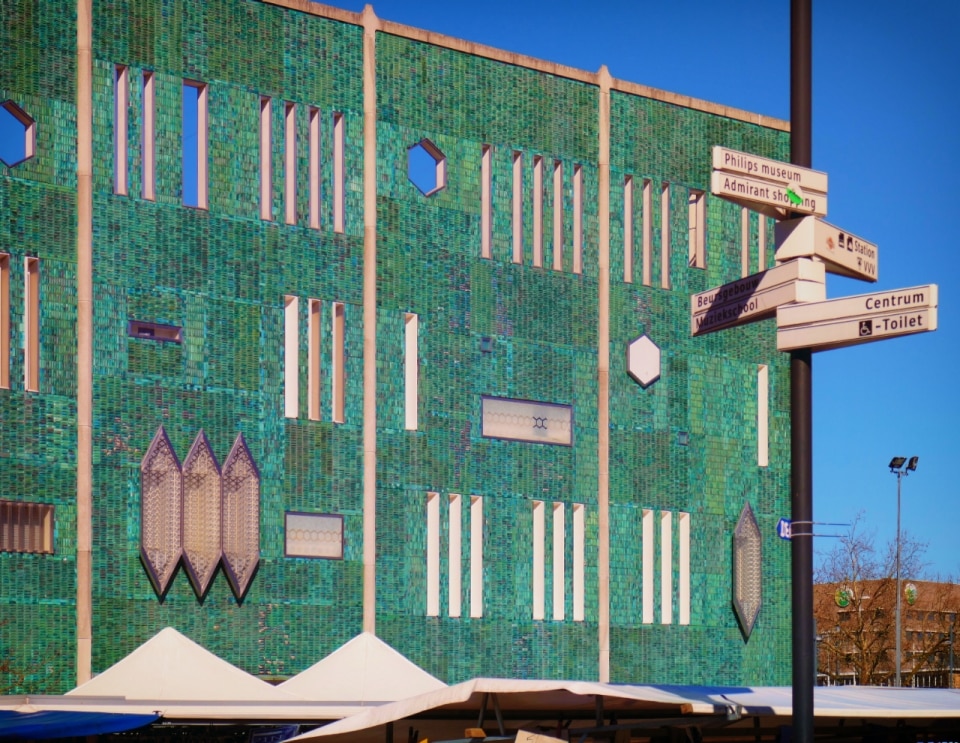
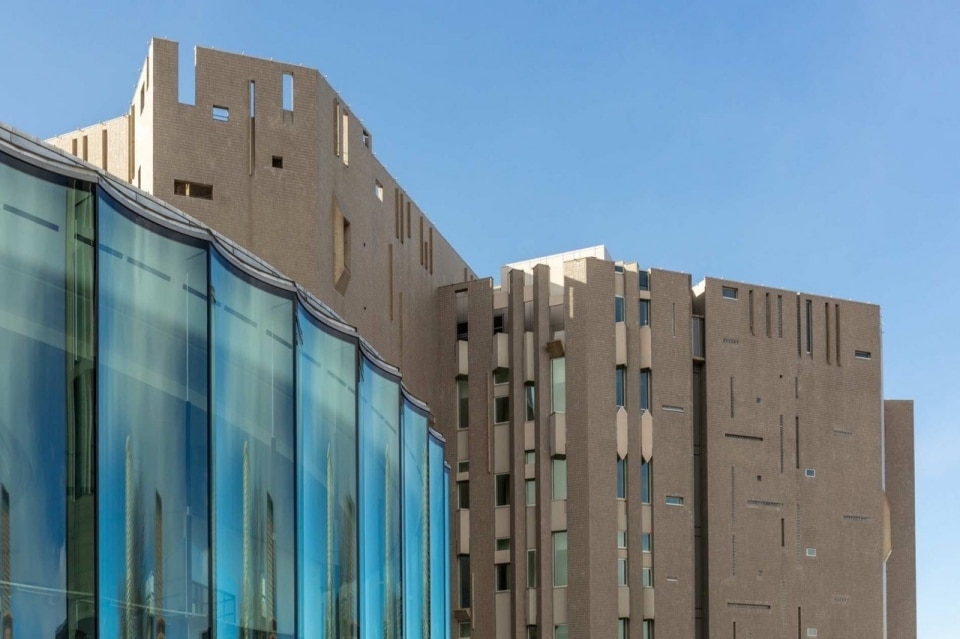
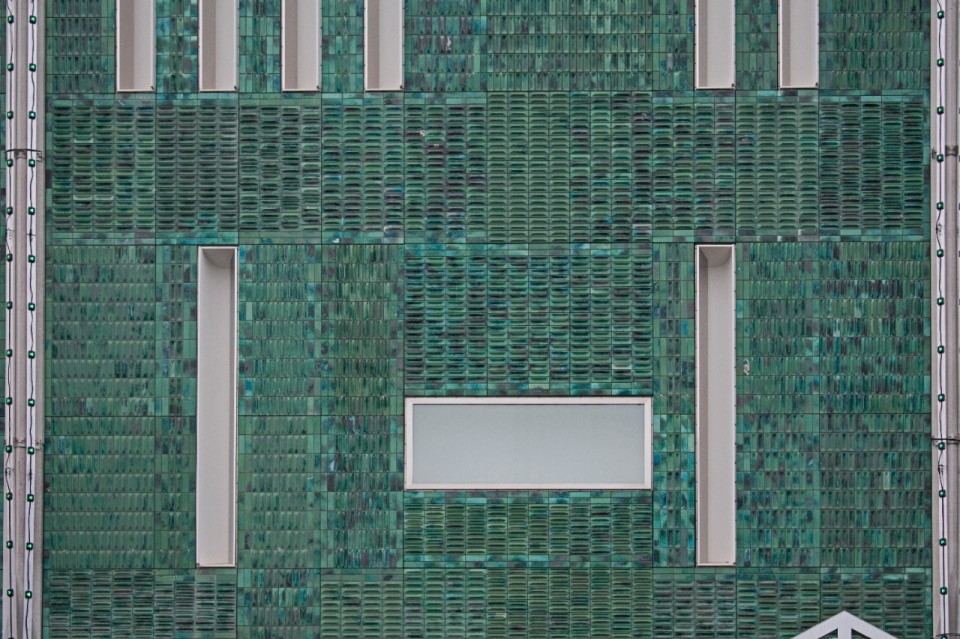
Commissions expanded: the De Bijenkorf department store in Eindhoven (1968), with its green ceramic façade grid; and, two years later, the legendary prism-like forms of the Denver Art Museum in Colorado. Experiences followed in Hong Kong with the Shui Hing Department Store and then with Daniel Koo’s villa at Tai Tam, and in 1973, a decorative façade in Singapore.
Wherever it lands, even when adapted or reinterpreted, Ponti’s architecture carries the mark of a personal modernity, deeply attentive to its connections with historical continuity and the human need for art: and it is not surprising to recognize how a story long anchored in Milan actually belongs to a stage as large as the entire world.