


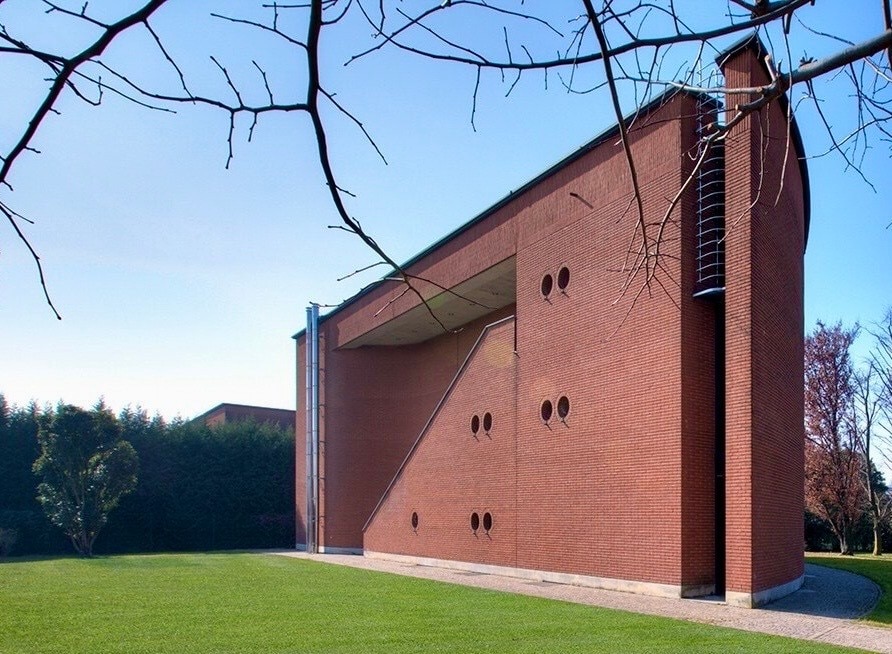

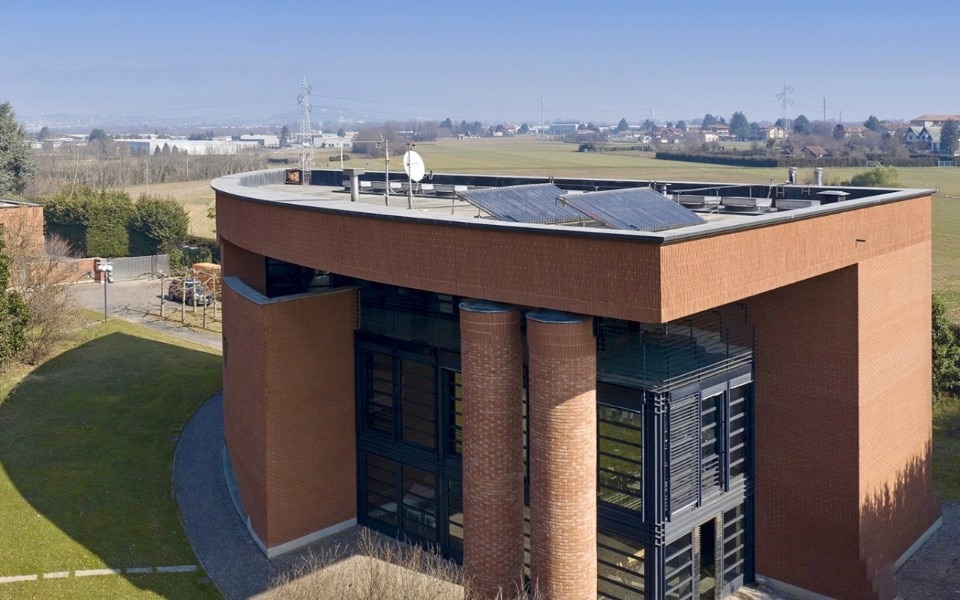
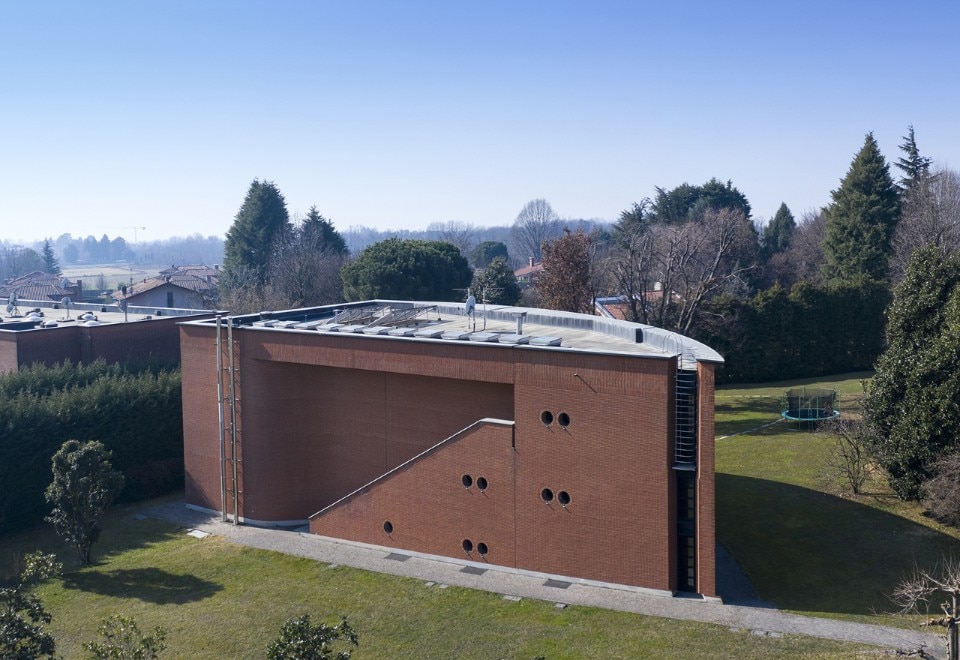
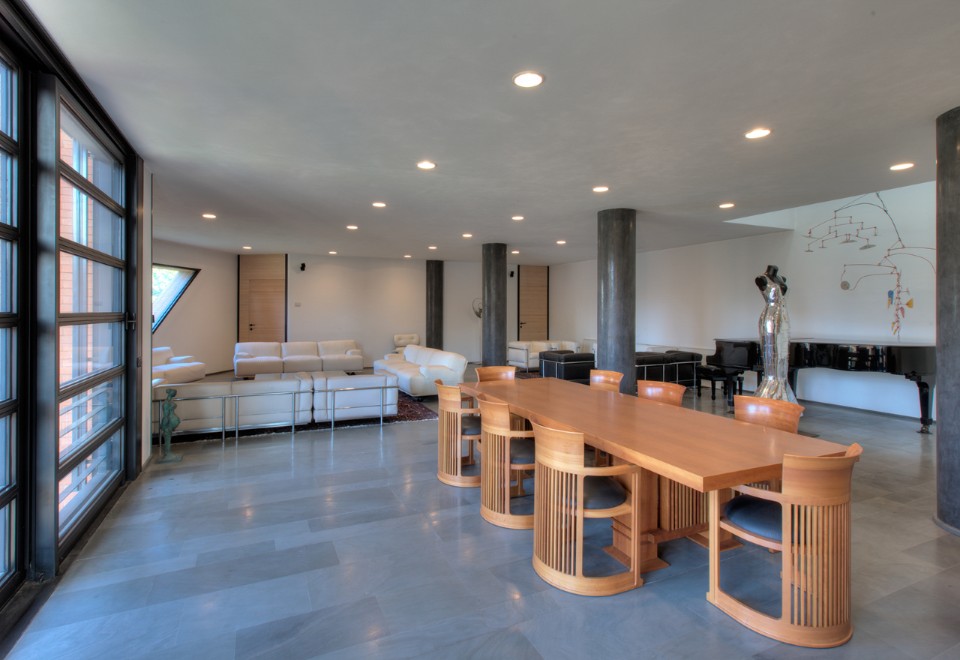
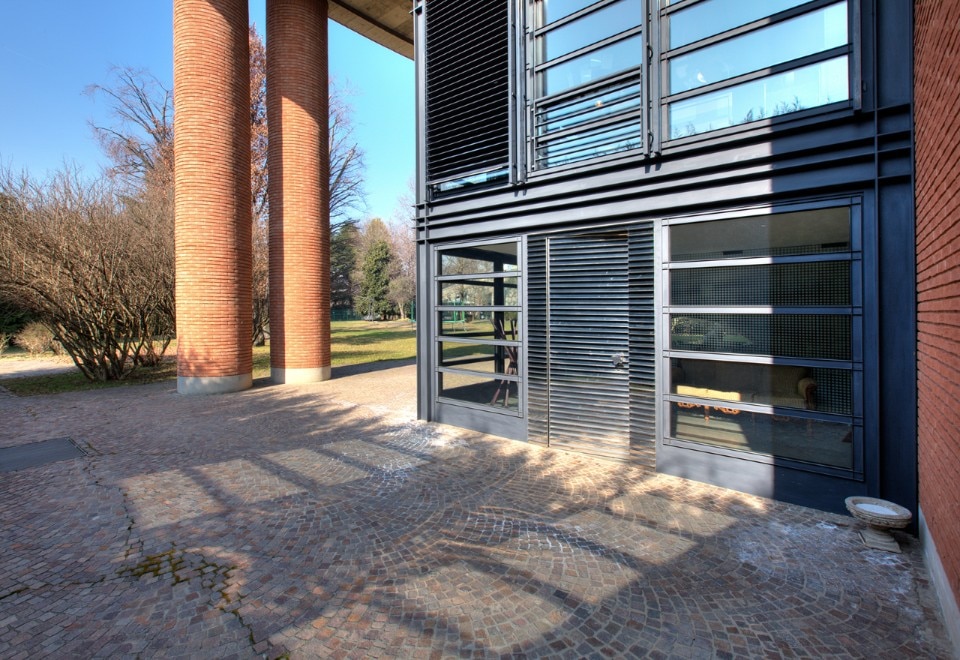
Overlooking a private garden in the heart of Brianza, Villa Redaelli is a monumental residence designed by Mario Botta and currently on sale through Lionard for a price of over 3 million euros. Built between the late 1990s and early 2000s, it stands out as a powerful and distinctive architectural work, clearly bearing the mark of its designer.
Some architects leave behind an unmistakable signature—distinctive traits that reflect a coherent language made up of spatial, material, and structural choices. Botta is one of them.
His buildings are easily recognizable, regardless of their geographical location or architectural type: from single-family homes, which he particularly focused on in the early years of his career in Switzerland, to museums and cultural spaces—such as the MoMA in San Francisco and the extension of the Teatro alla Scala in Milan—as well as places of worship, including the renowned Church of San Giovanni Battista in the Ticino Alps and the Church of the Holy Face in Turin.
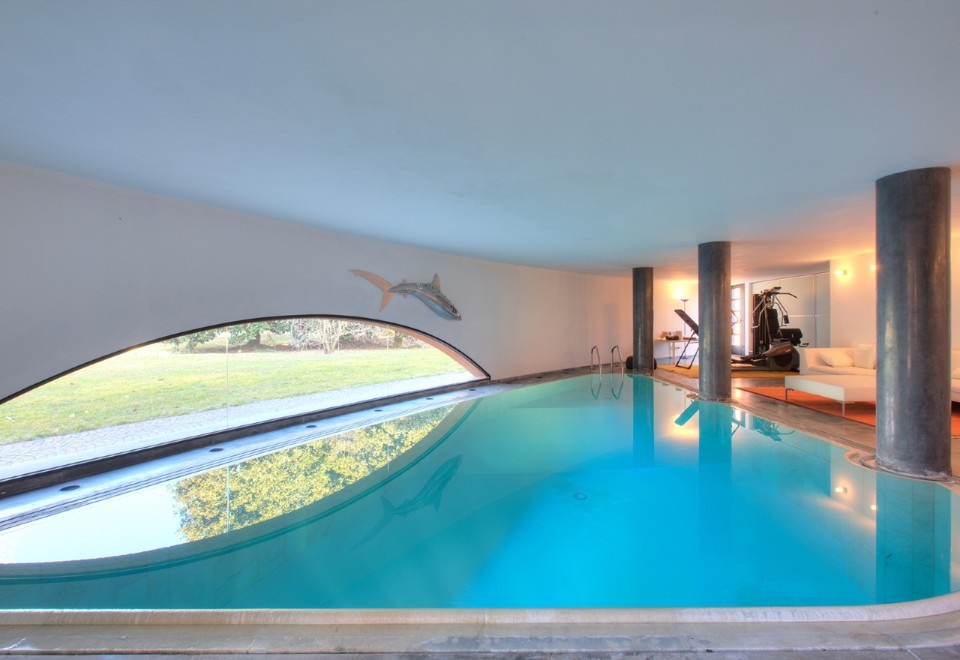
Between 1991 and 2001, Botta collaborated with the firm Redaelli Associati on the development of a residential complex in Bernareggio, a town in Brianza about a half-hour drive from central Milan, near the better-known Arcore. Together, they designed a series of buildings in the northern part of the town: row houses that clearly reflect the architectural language of the Ticinese architect.
Leading this development is the private villa of the Redaelli family. The result is an emblematic work in which Botta's architectural thinking is expressed in a monumental residence, custom-designed for the clients.
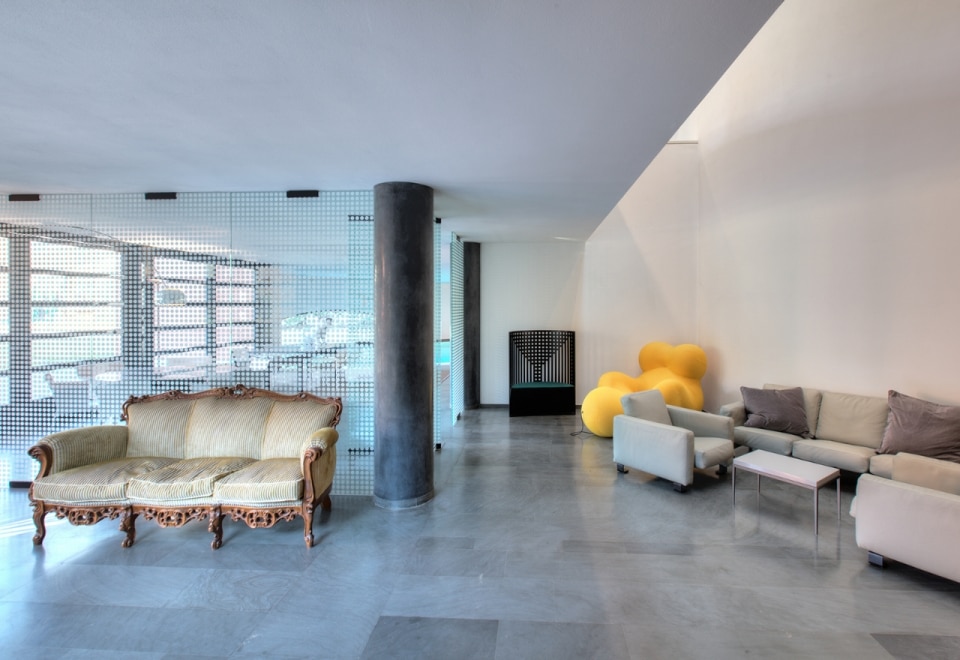
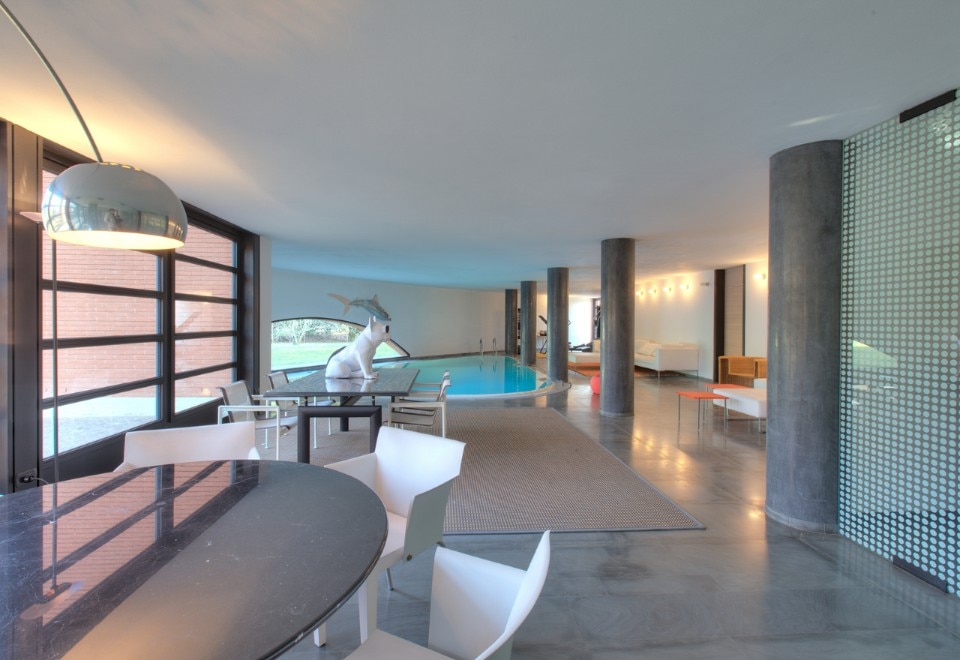
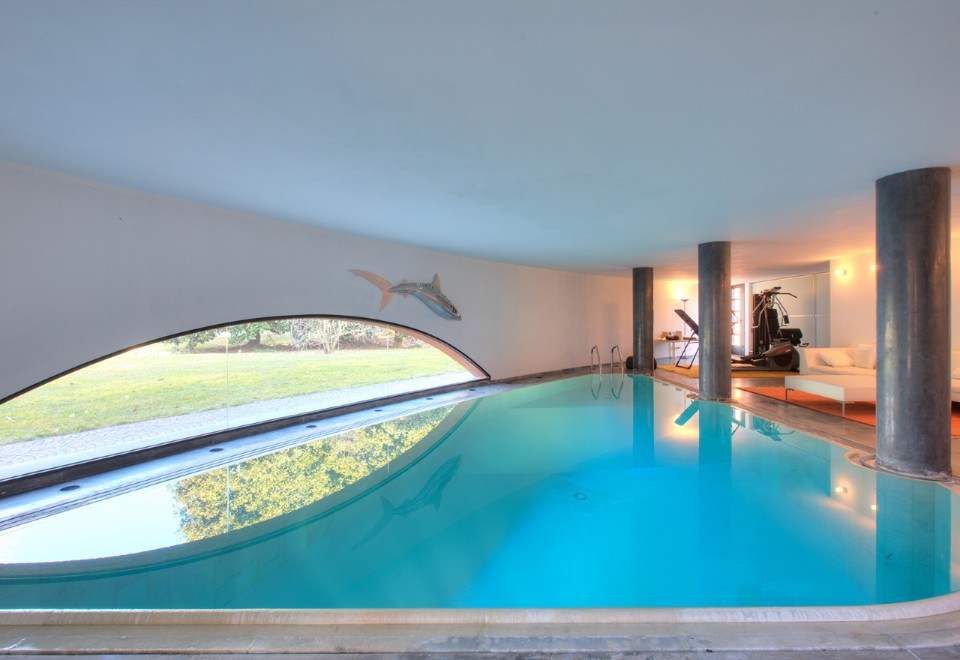
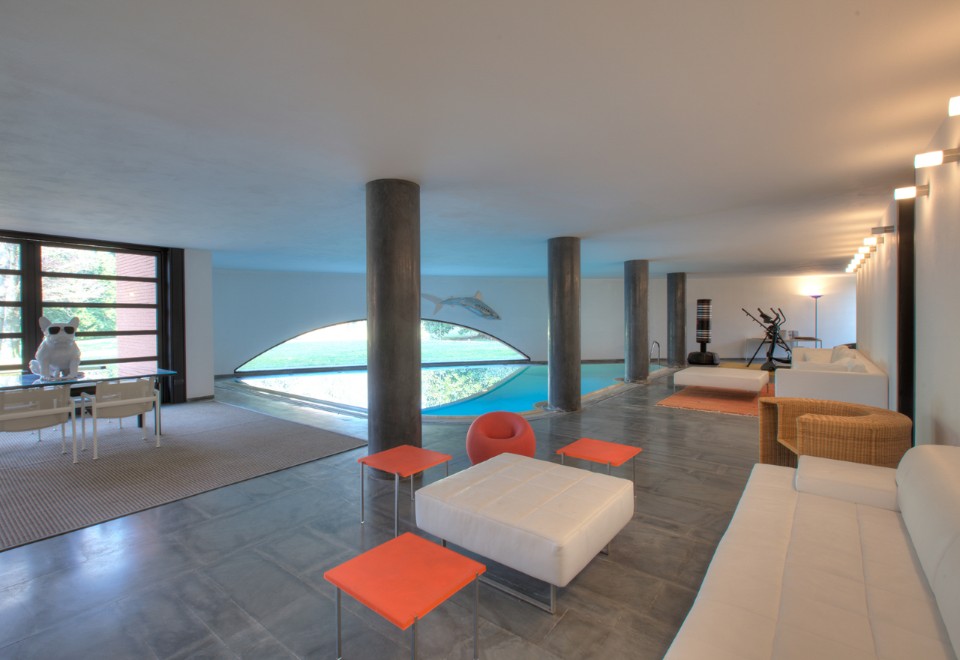
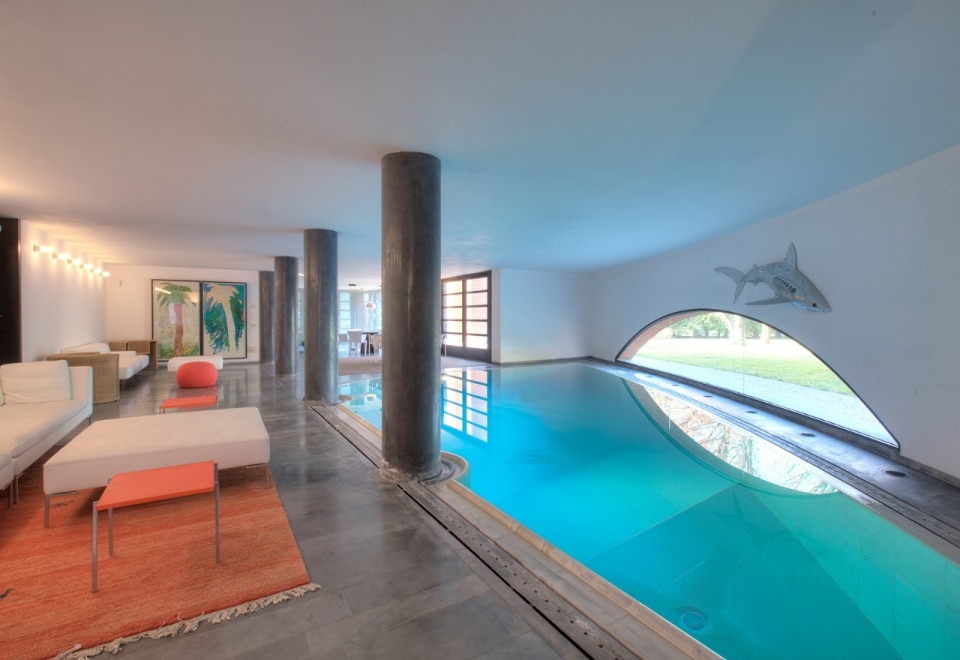
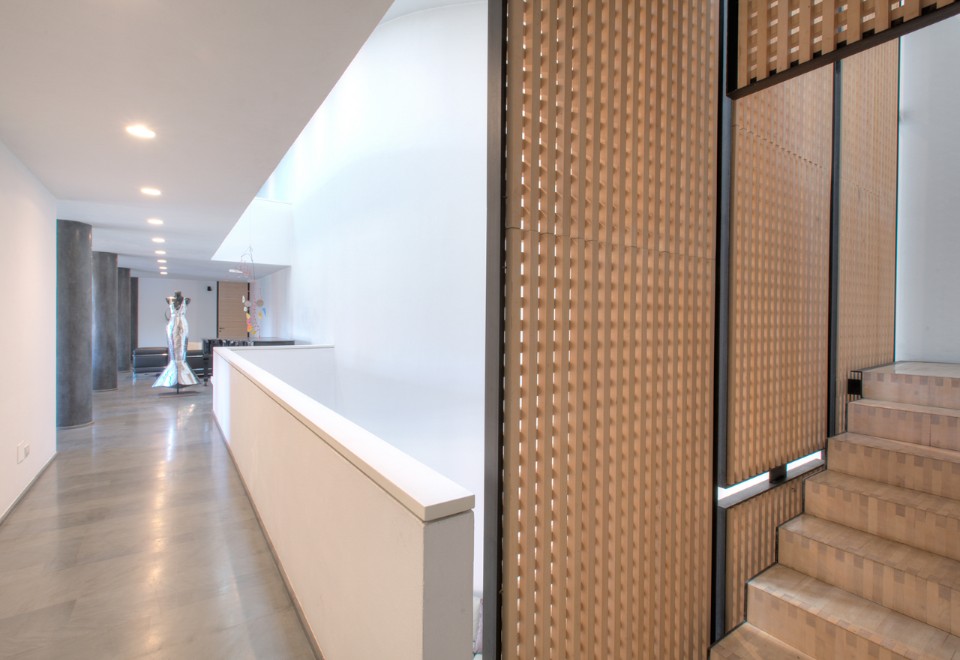
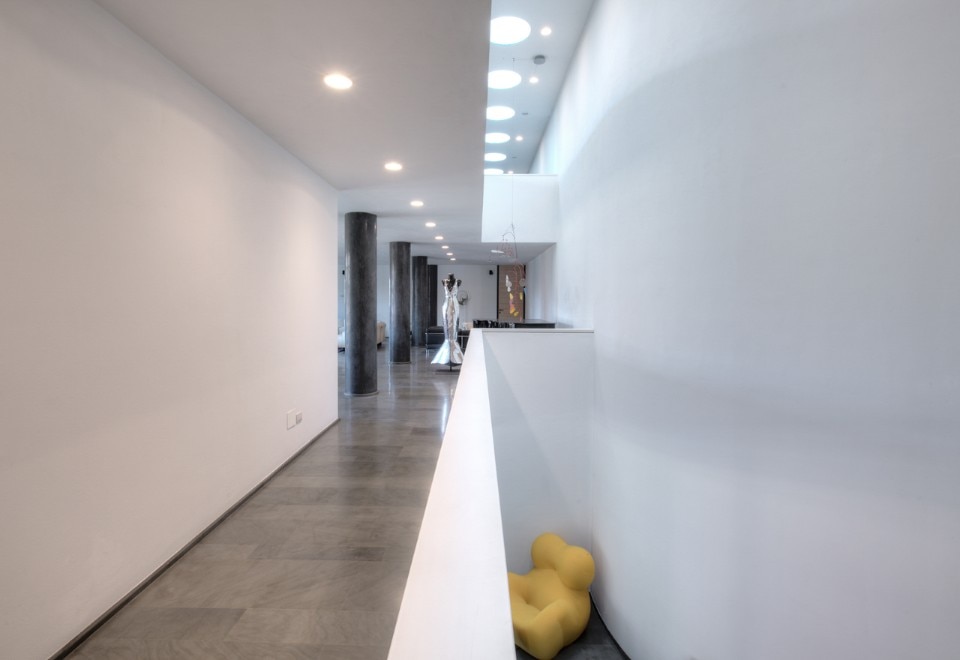
With a floor plan reminiscent of Le Corbusier’s villas—with pilotis and shaped walls marking the entrances—the 300-square-meter villa was conceived as the northern end of the row house series and is spread over three above-ground levels. In the original design, the ground floor, with a large glass wall facing the garden, houses an indoor pool and service areas leading to the upper floors. The first floor contains the living areas and the master bedroom, while the second floor includes the library and additional bedrooms.
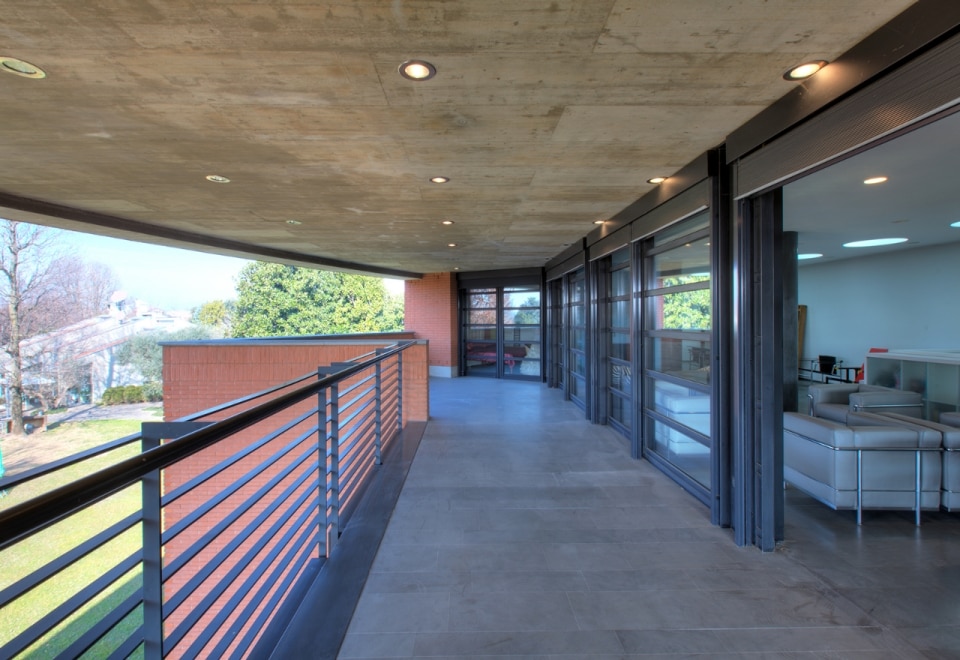
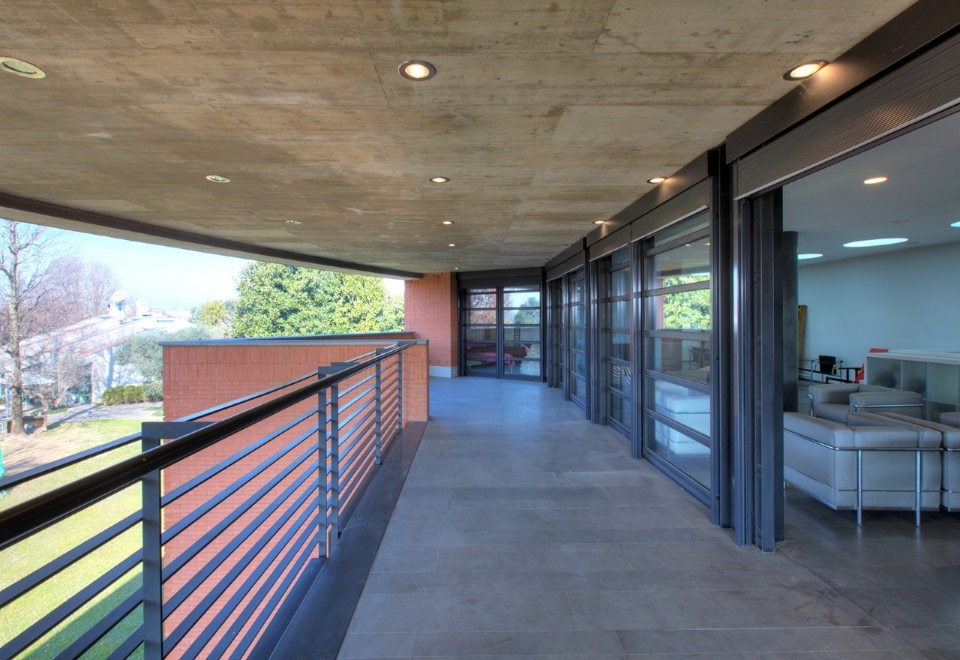
Rectangular, triangular, and arched geometric shapes define the convex west-facing façade overlooking the garden. The volumes, set back from the roofline, create a spacious three-level portico and a loggia on the second floor. The east side, which runs parallel to the road, features a double wall made of terracotta bricks and an external staircase connecting the garden directly to the library.
An iconic and monumental structure, where the use of geometric forms to define space, the interplay of solid and void, and the exposed brickwork represent the unmistakable signature of Botta’s work.