


“Today’s weirdness is tomorrow’s reason why”, goes the adage we associate to Hunter S. Thompson, father of gonzo journalism and cult author of Fear and Loathing in Las Vegas. Could the same be said of architecture today? In the postmodern era, the strange and the ironic were the rule, but did that ever really come to an end?
In 2025, there was no shortage of stories that made the news. Not necessarily projects that were widely rejected, but rather ones that were “out of alignment”: from a brutalist supermarket that became both a redefinition of commercial space and an internet meme, to churches literally “relocated” on wheels or deliberately filled with water.
In the year of Labubus — defined by endless queues outside Pop Mart stores and unexpected collaborations — one of the most unusual projects could only be a house shaped by K-pop aesthetics. Like the much-loved and much-criticised “bag charms,” it shares the same cute yet unsettling quality. Alongside skyscrapers — whose designers have been trying for decades to move away from the reassuring parallelepiped — private villas remain the most fertile ground for experimentation. This year, Domus visited some truly singular examples, from Vittorio Giorgini’s Dinosaur House and Hexagon House to Mario Galvagni’s Ligurian home with “ears.”
The selection includes religious buildings, shops, bars and even an olive mill, demonstrating that architectural experimentation is not limited to icons, but can emerge (almost) anywhere.
The brutalist supermarket in Mallorca that ended up breaking the internet

 View gallery
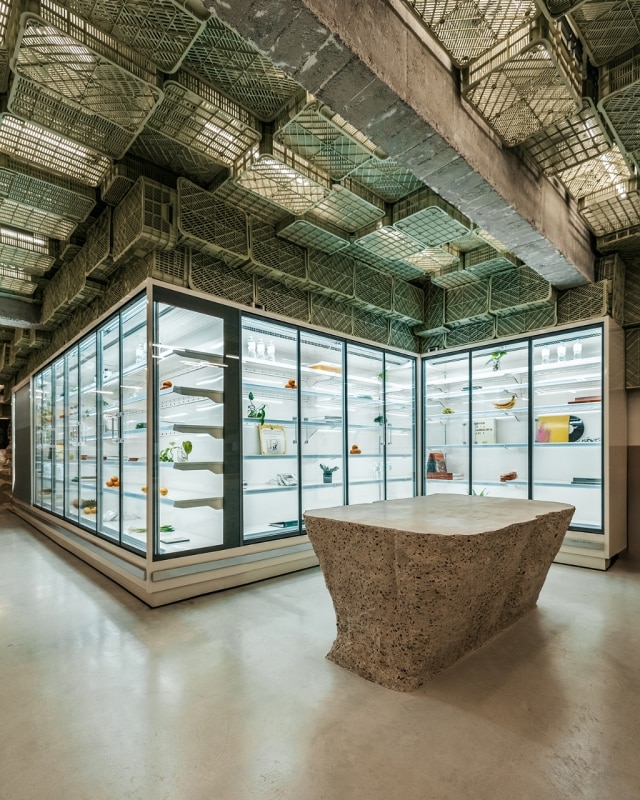


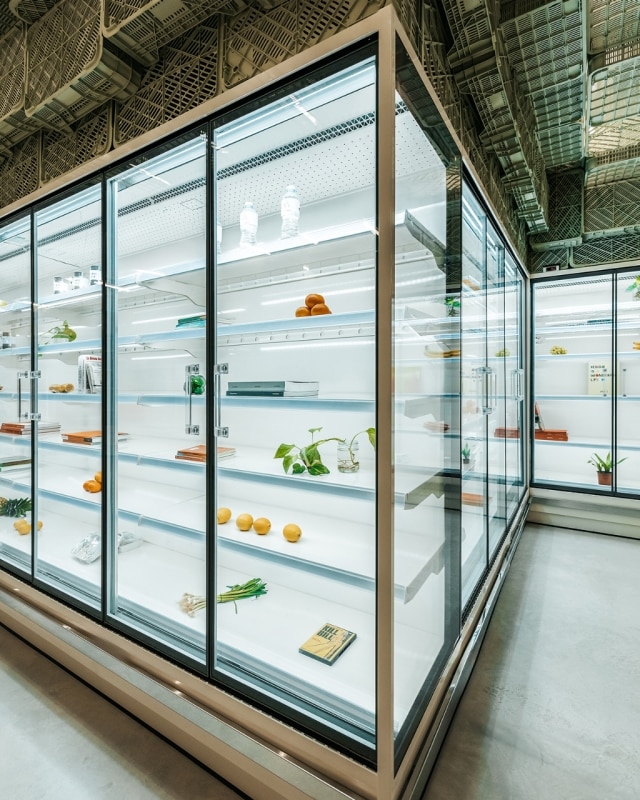
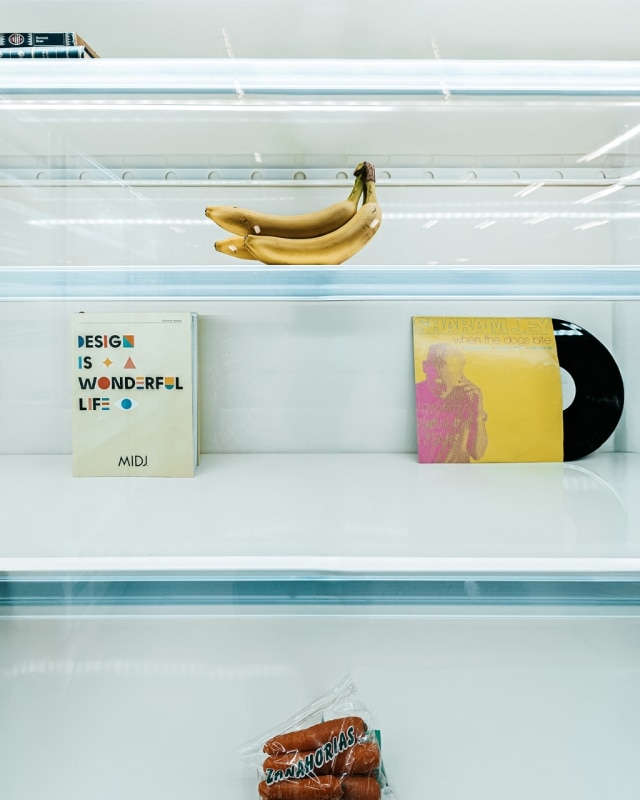
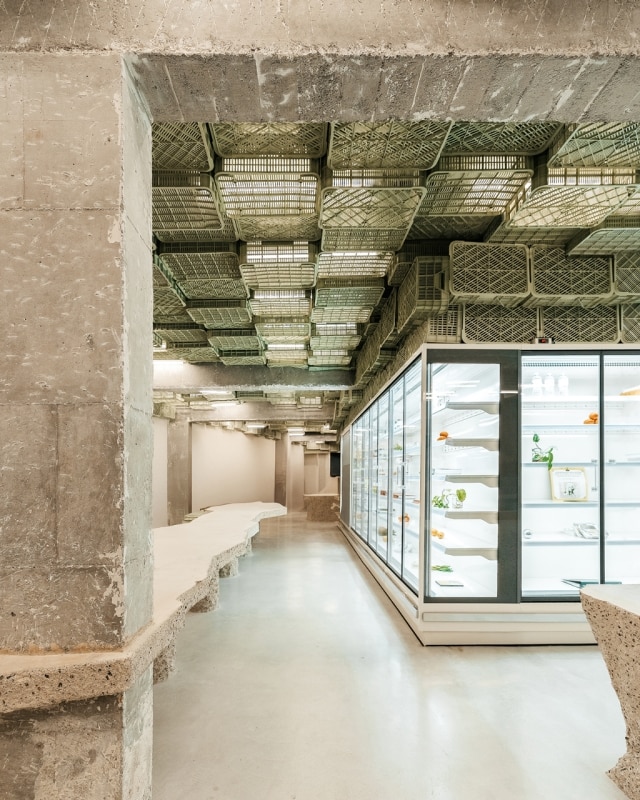
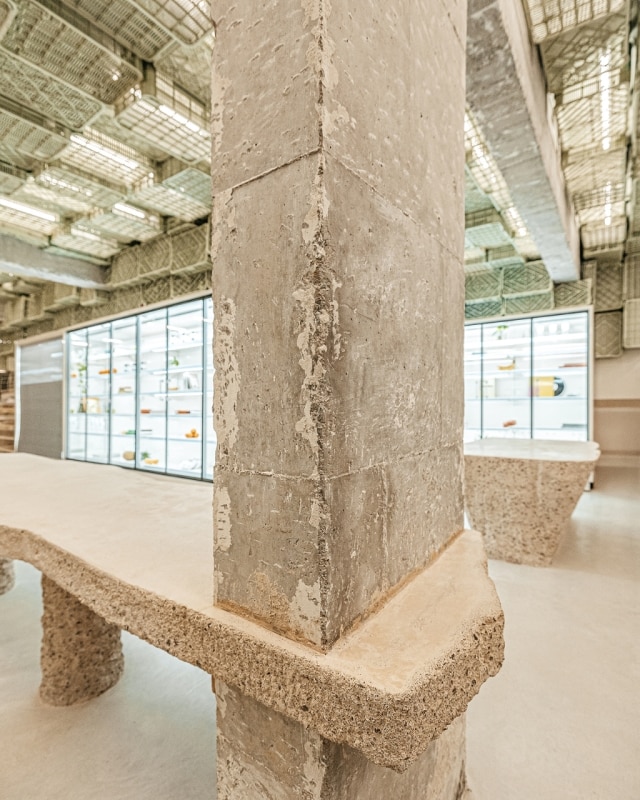
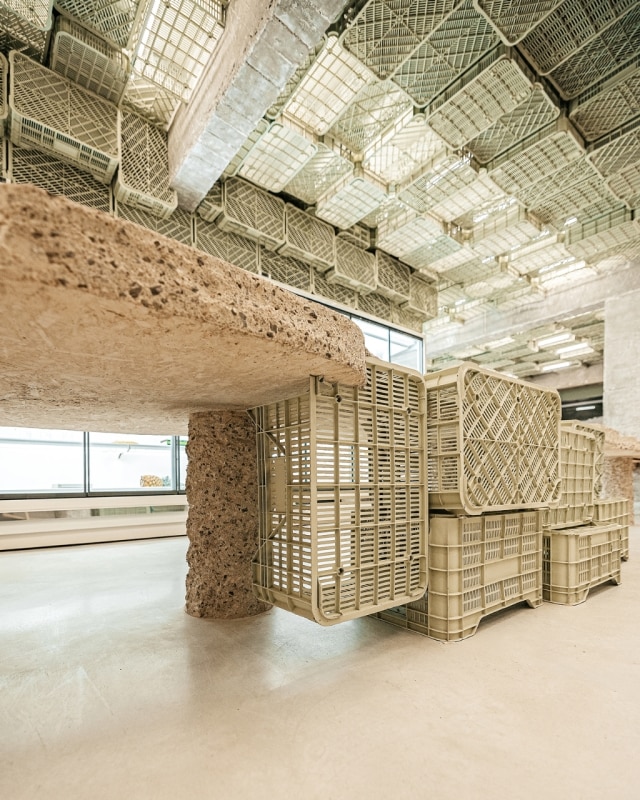
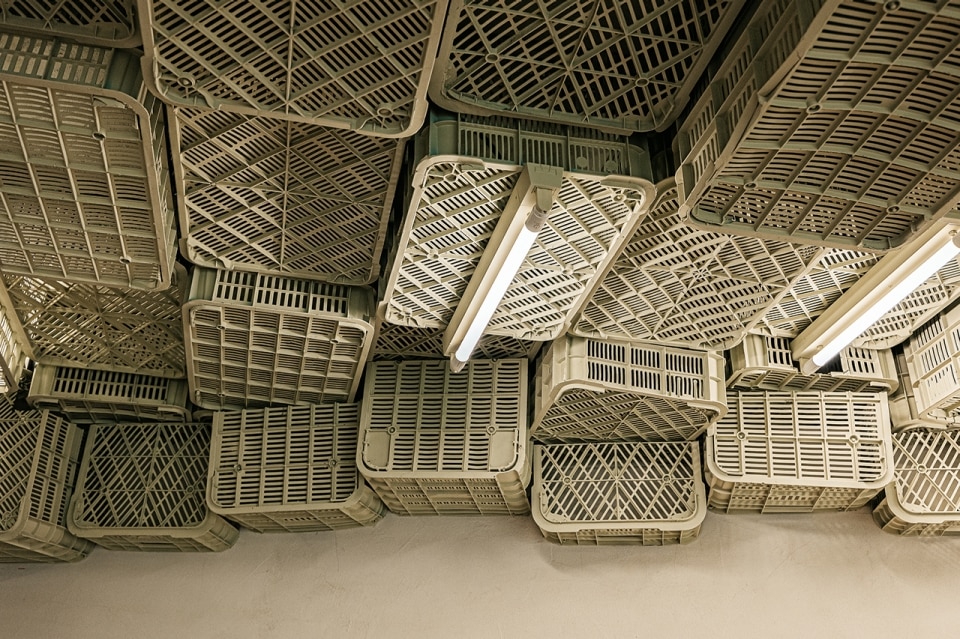
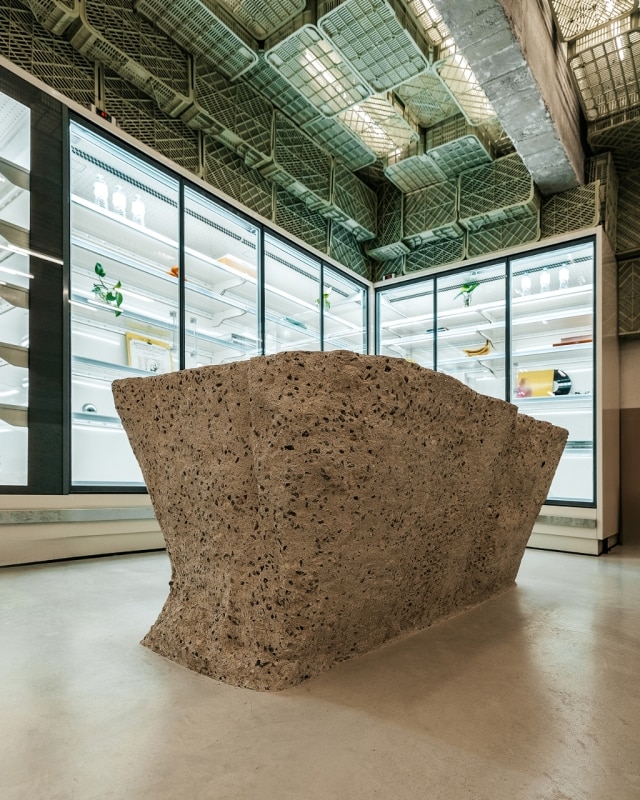
Amid raw concrete furnishings, plastic crates suspended from the ceiling, and LED tube lighting, this retail space in Mallorca blends recycled materials with a stripped-back, minimal aesthetic. Read more
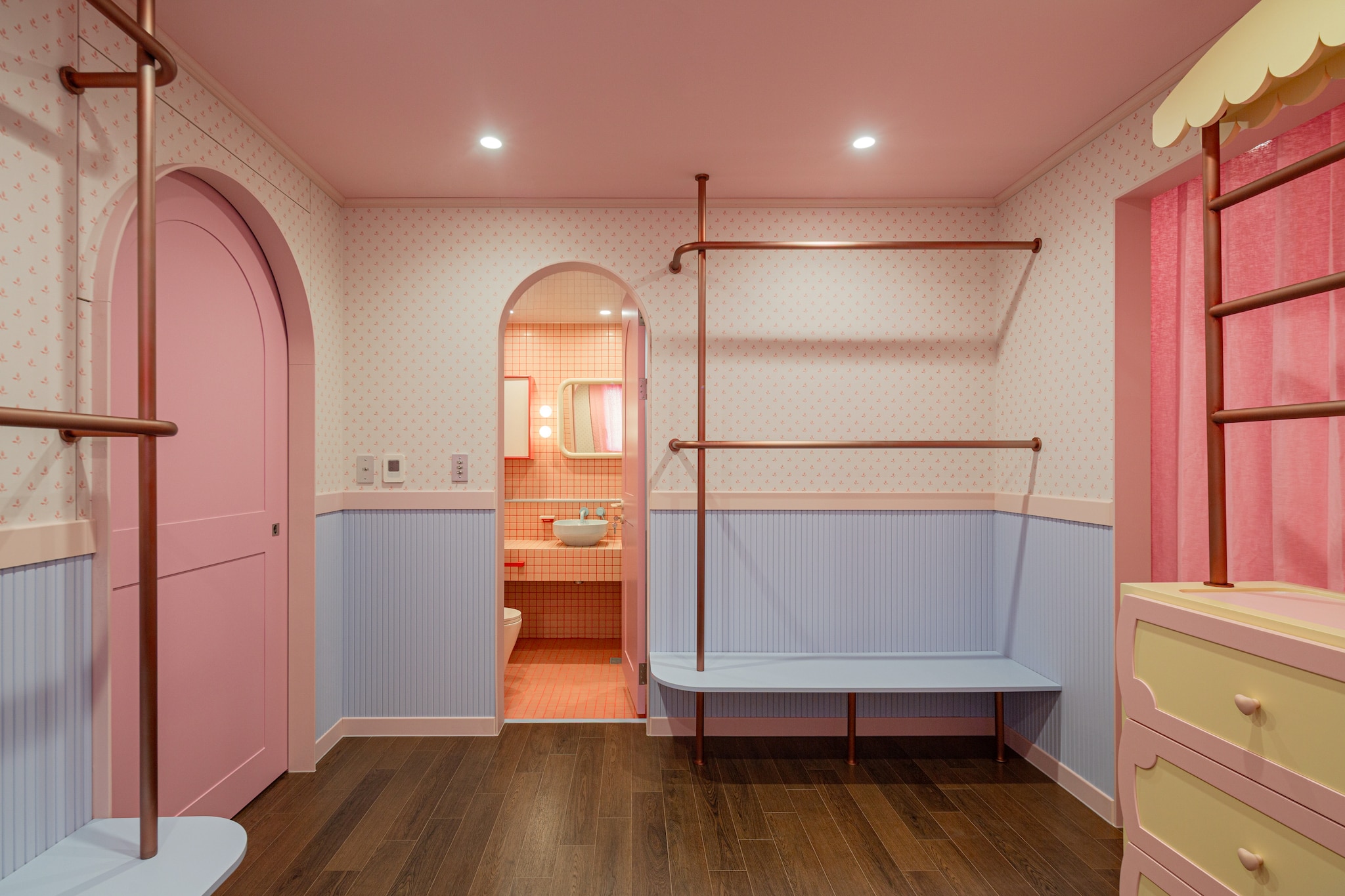
A Seoul apartment shaped by K-pop aesthetics and cartoon imagery
 View gallery
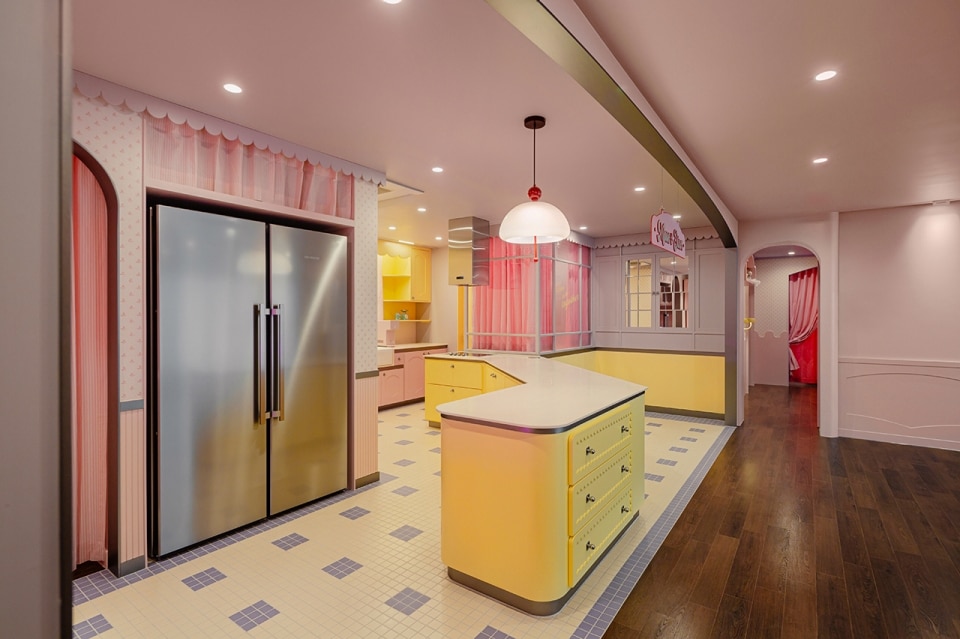
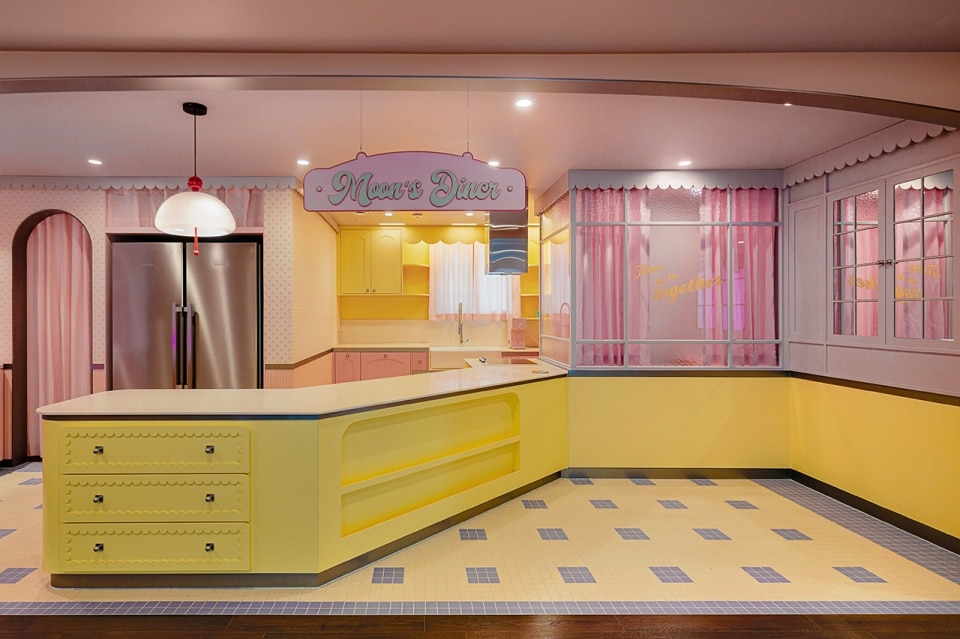
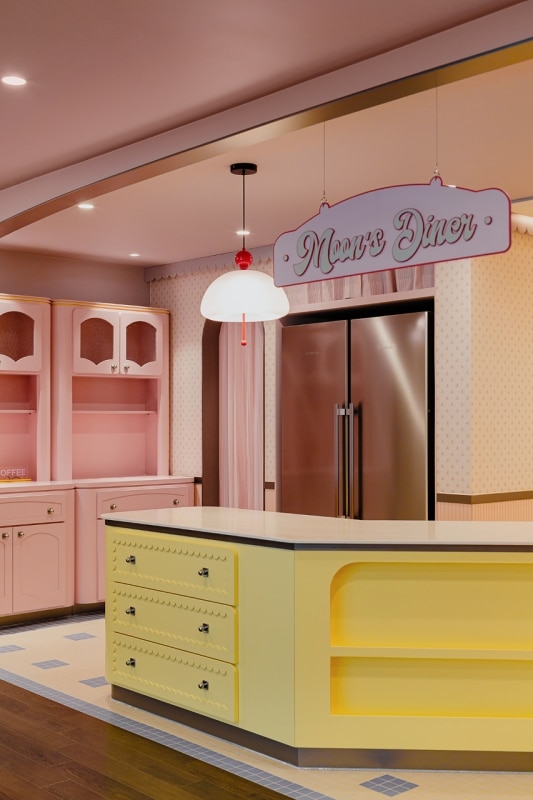
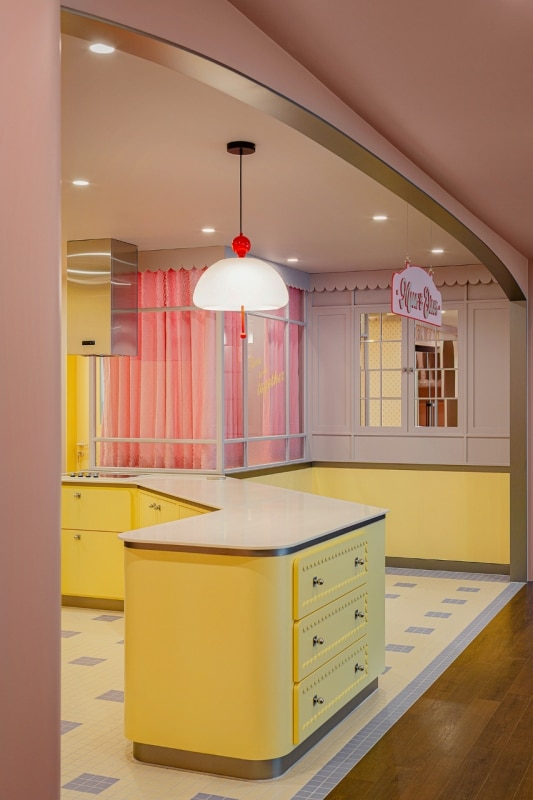
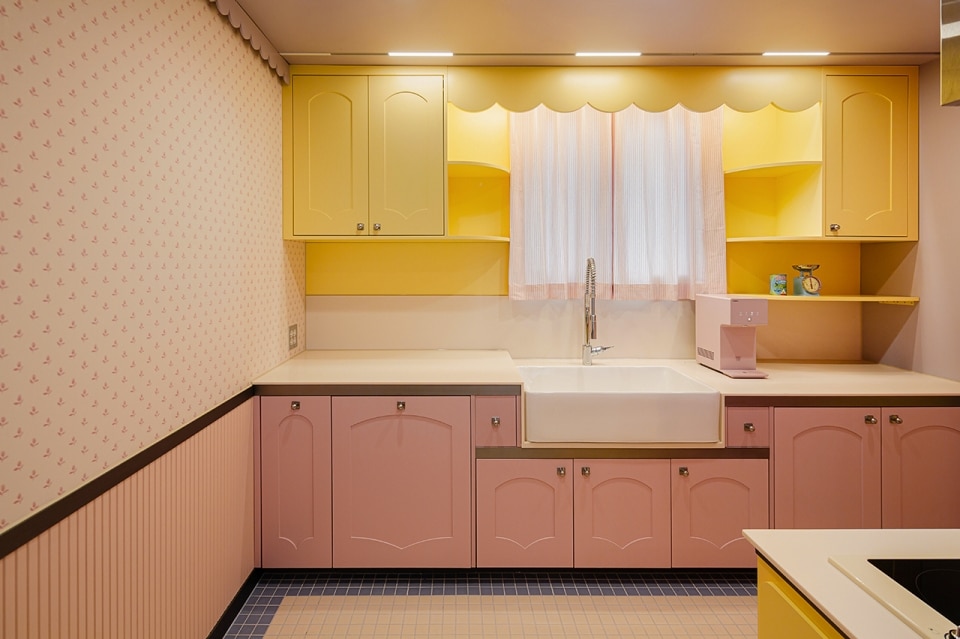
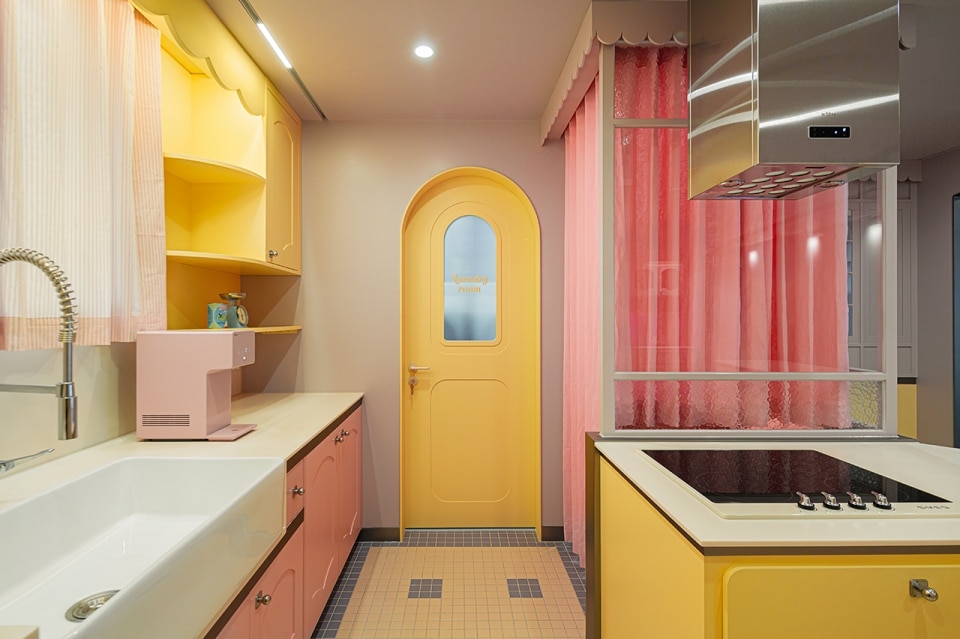
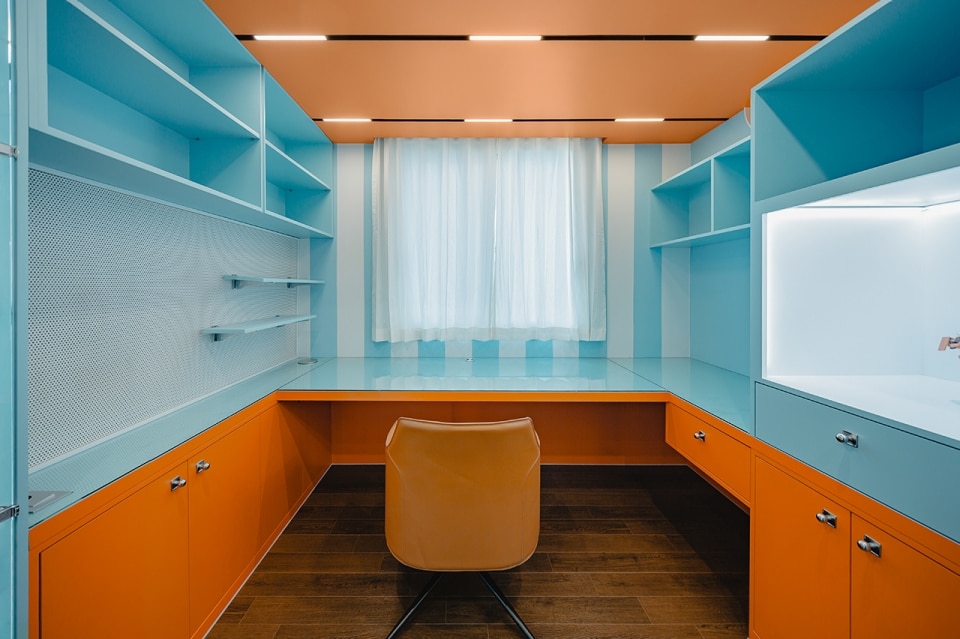
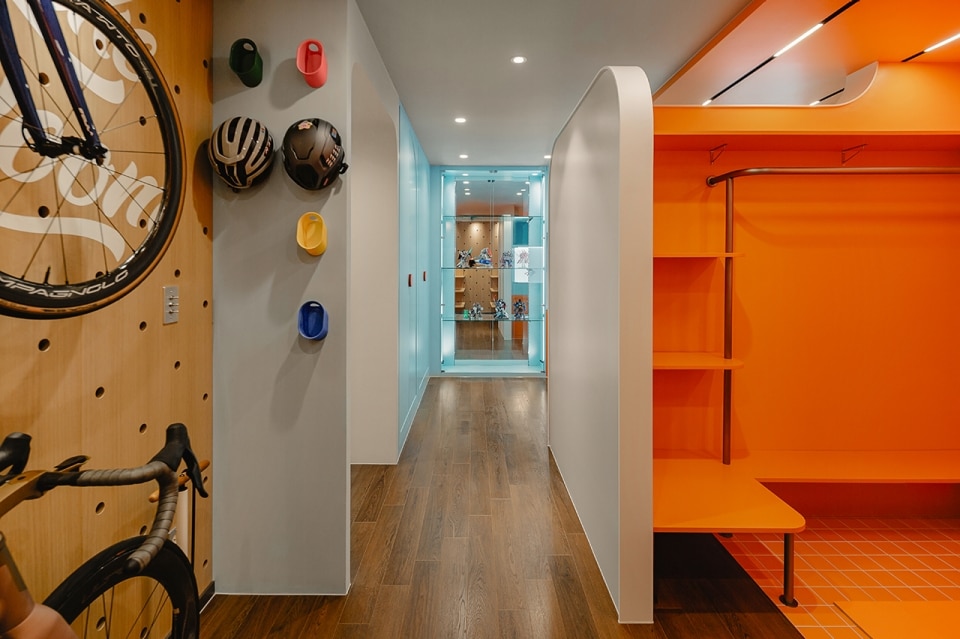
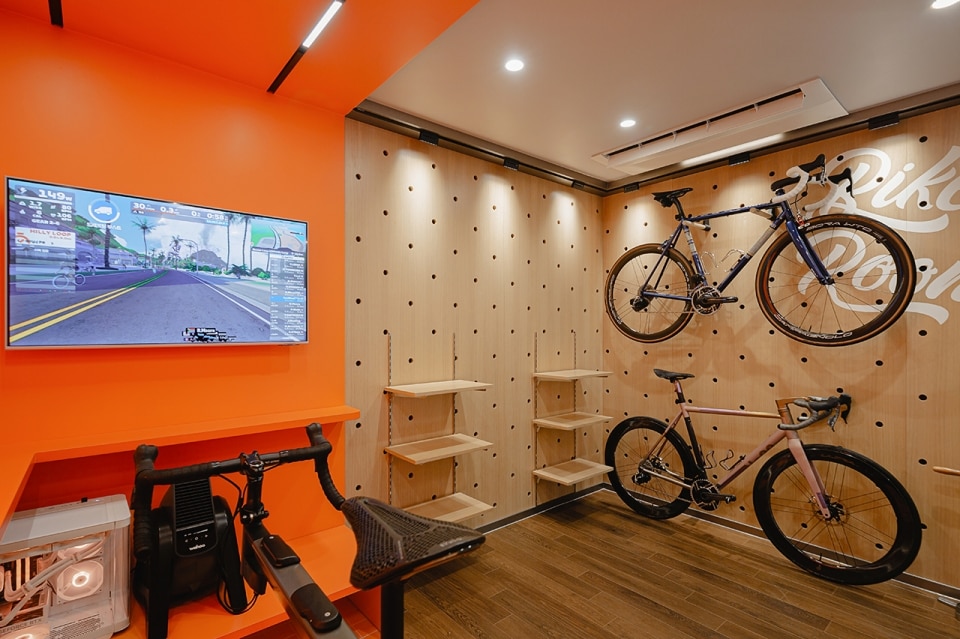
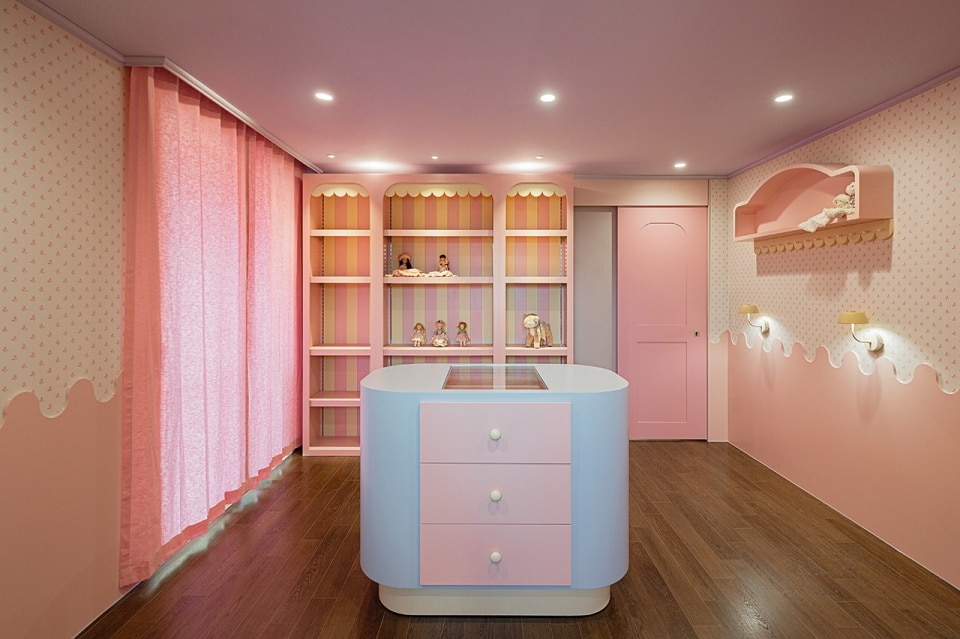
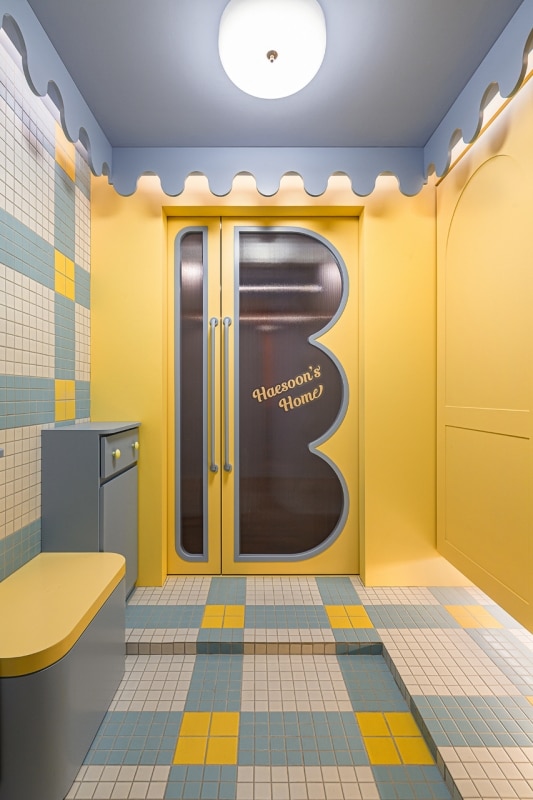
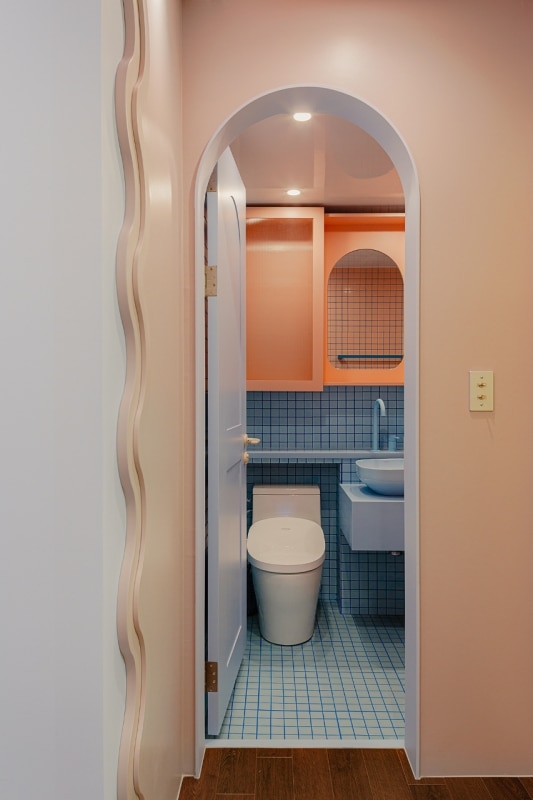
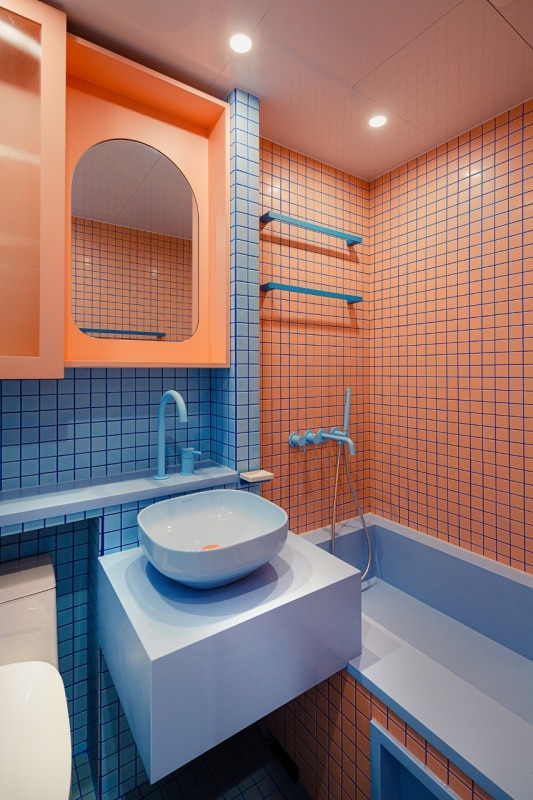
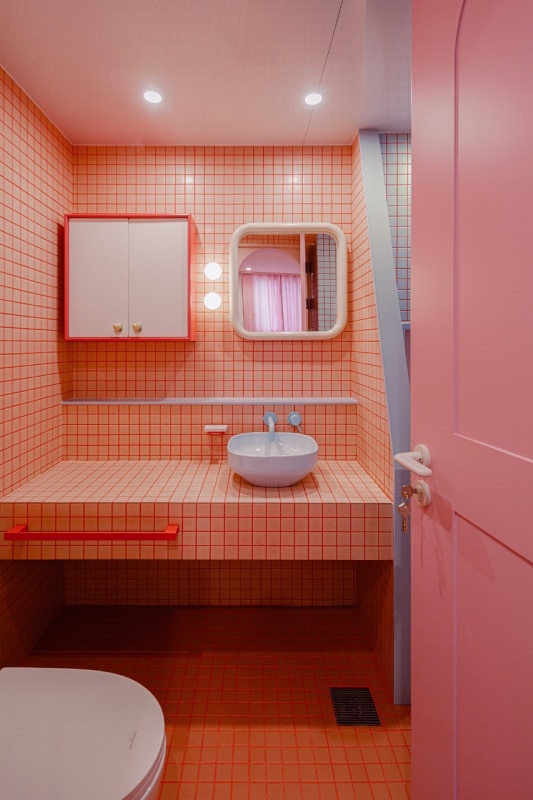
Between pastel colors and fluorescent hues, wooden paneling with swaying silhouettes, and wallpapers with dollhouse-style patterns, Haesoon' Home reflects a dreamy, playful dimension where (perhaps) it is possible to live in, for real. Read more
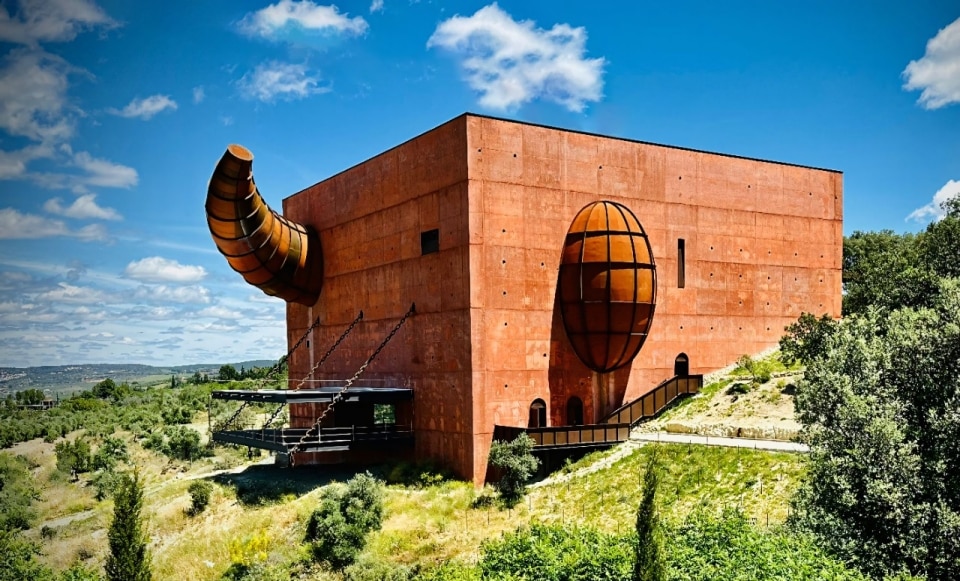
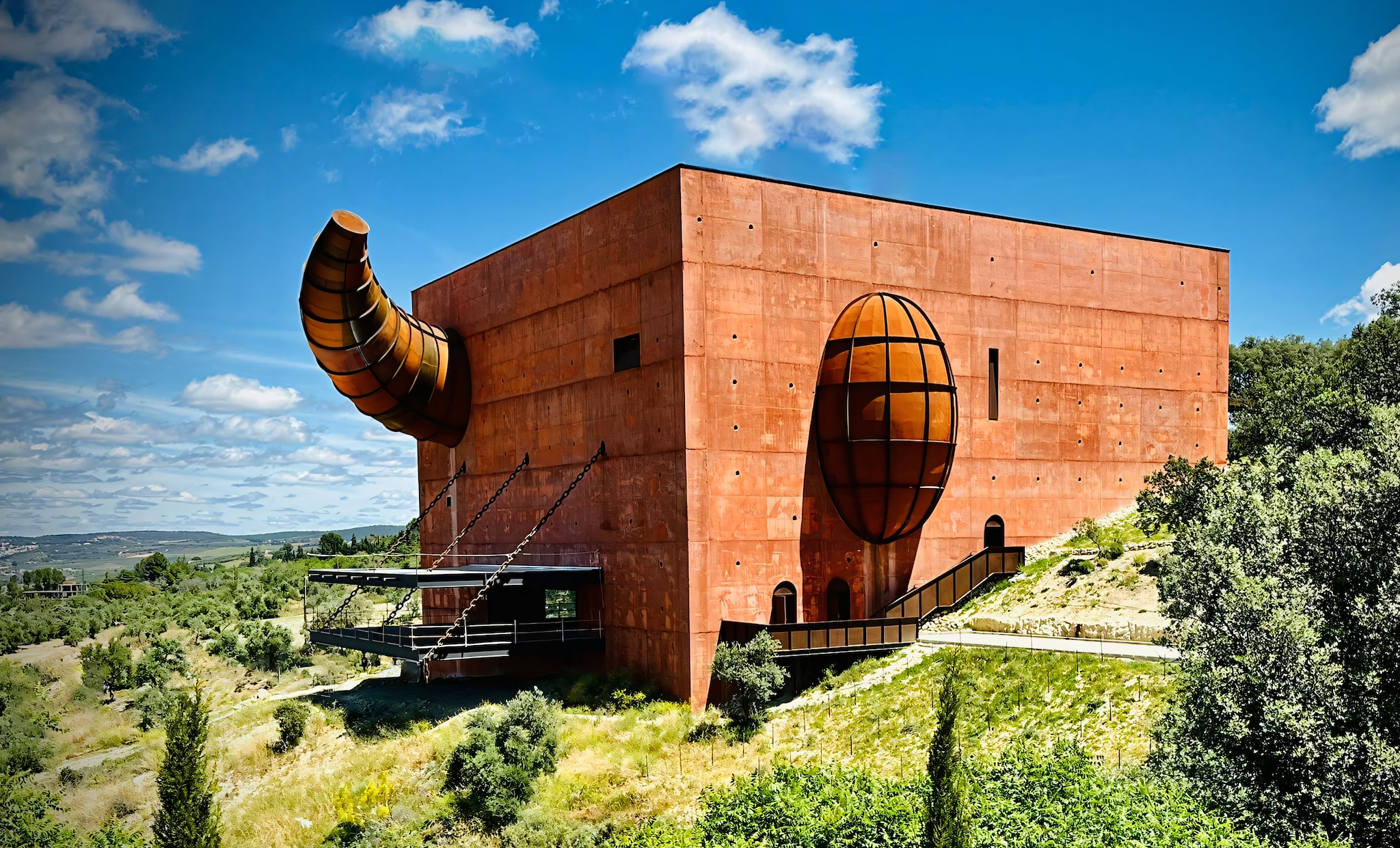
Philippe Starck’s surrealist olive mill
 View gallery
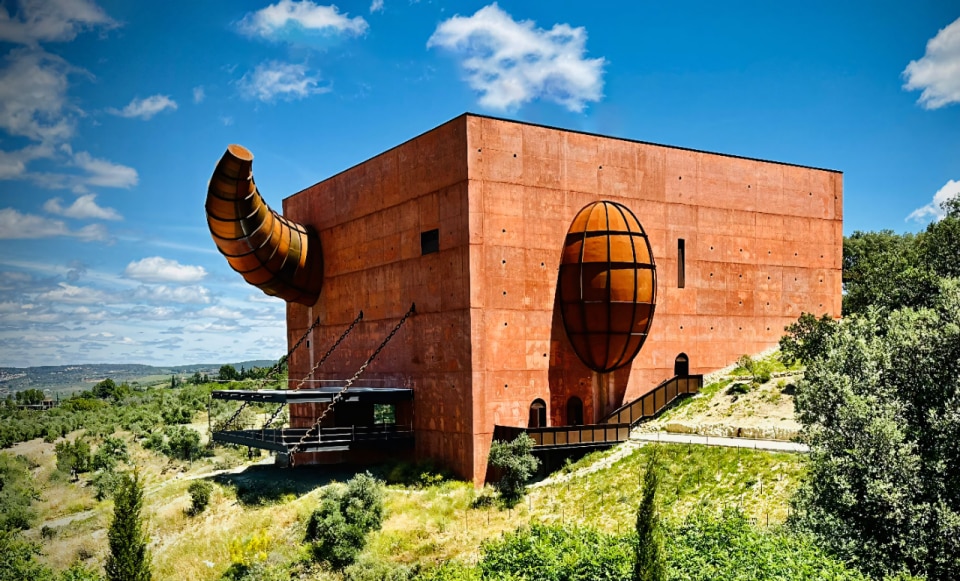
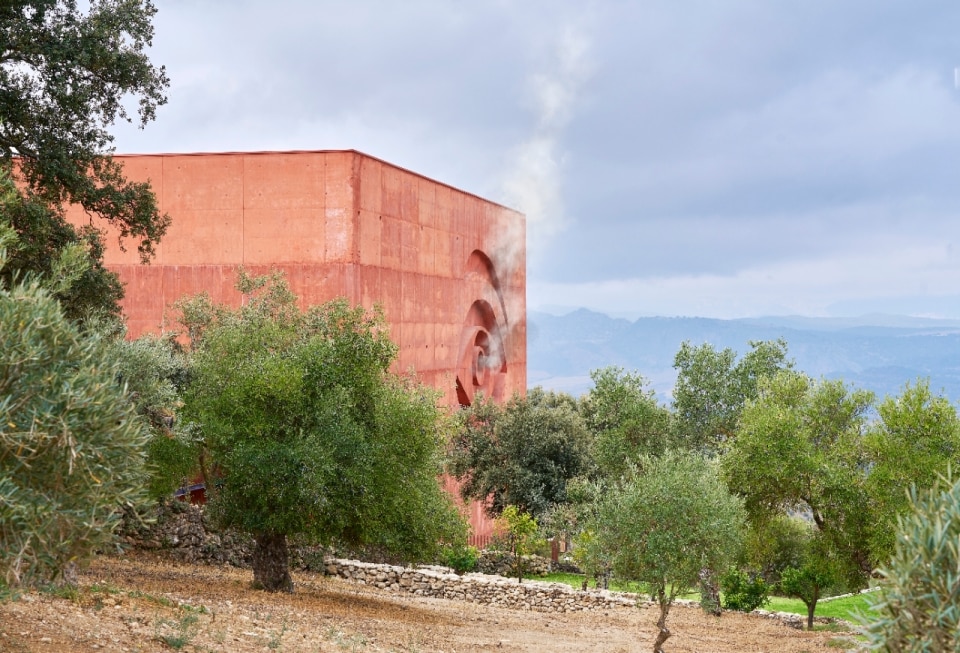
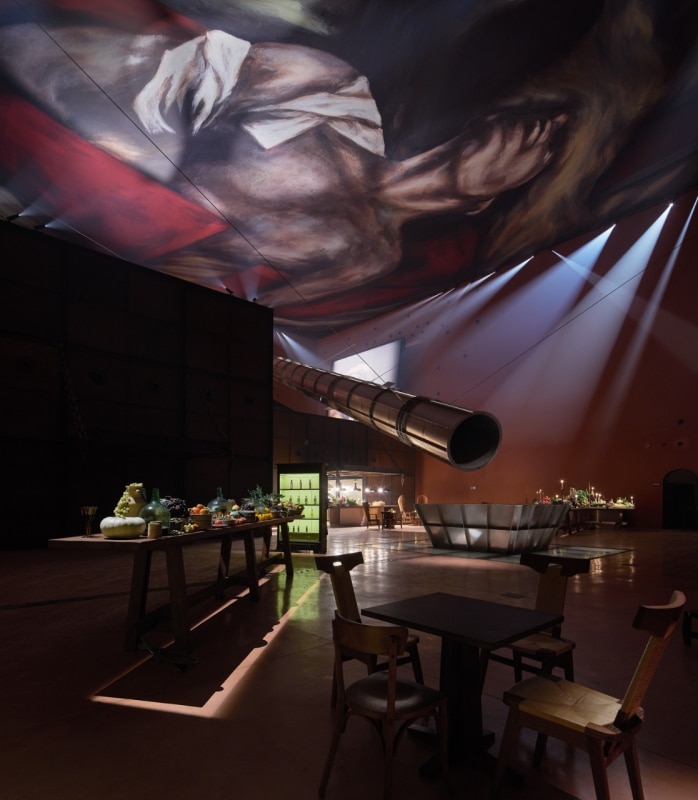
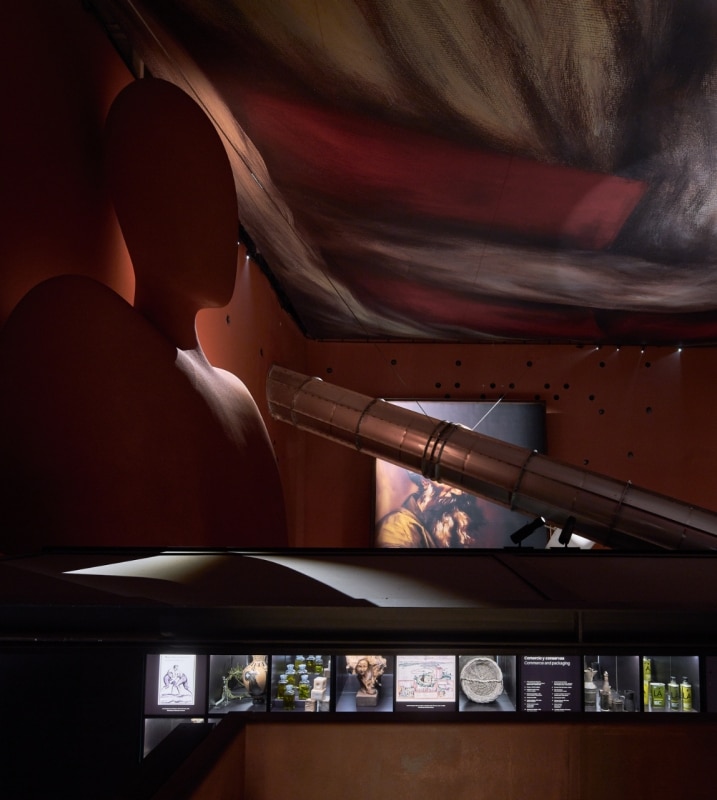
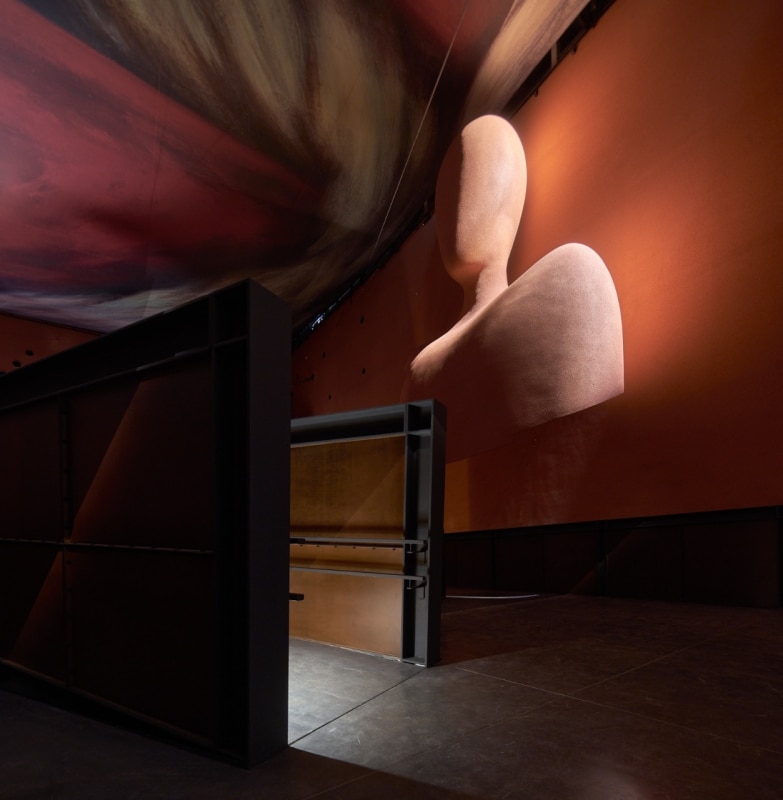
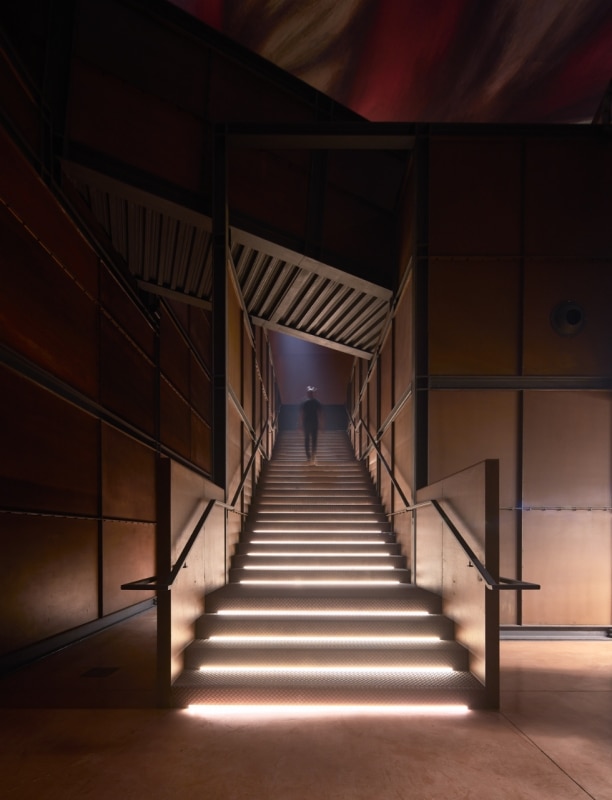
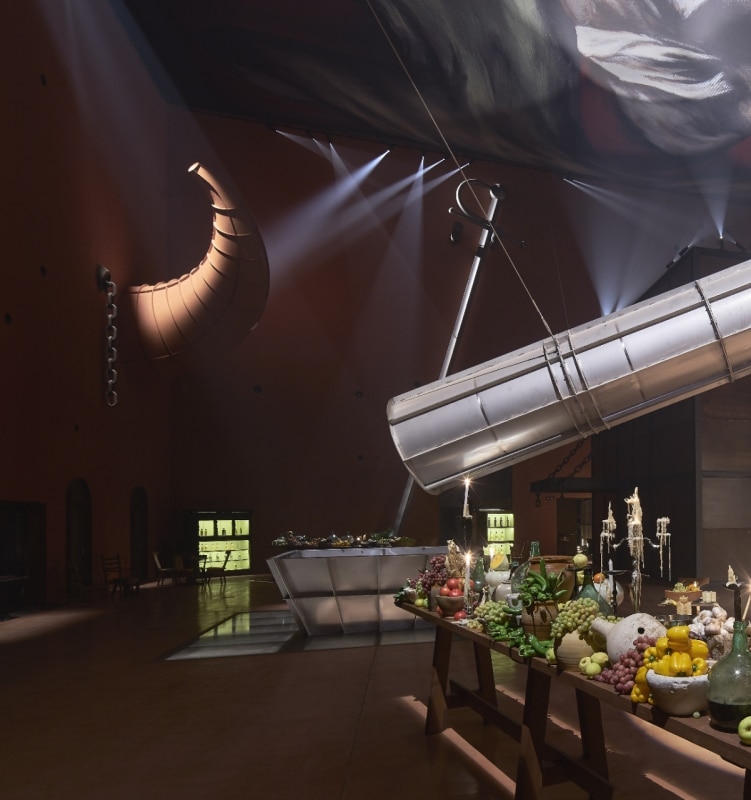
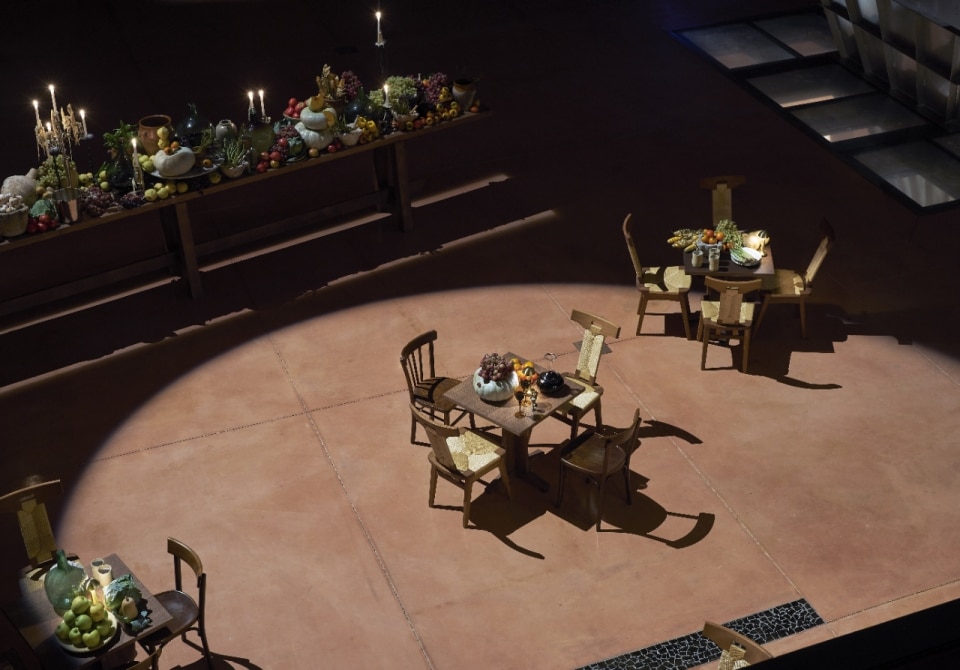
Between red concrete, bull horns, and Caravaggesque light, the French designer turns Andalusia’s olive-oil tradition into a dreamlike experience. Read more
A luminous shard wedged between two buildings in Bucharest, housing a tiny café
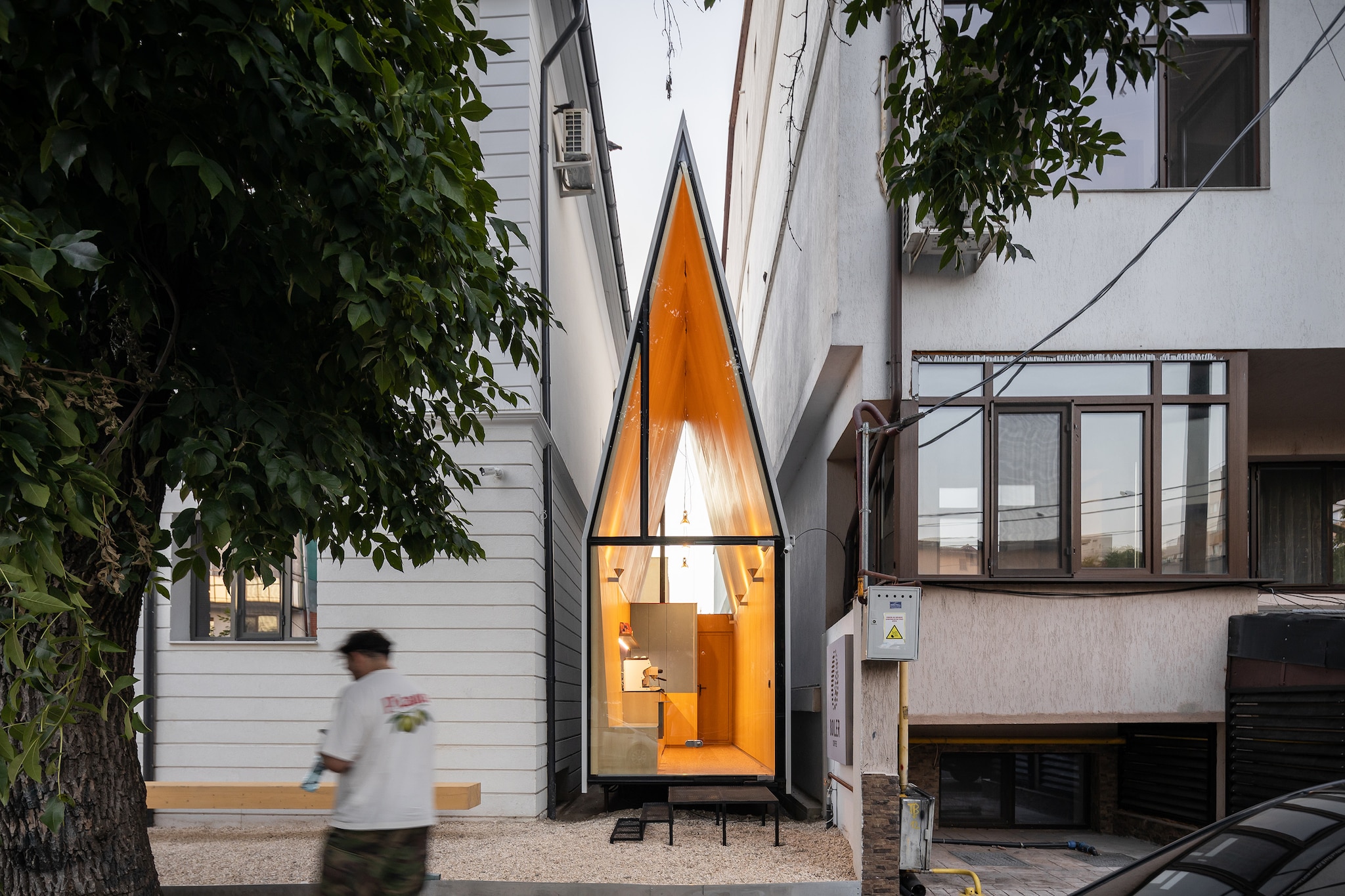 View gallery
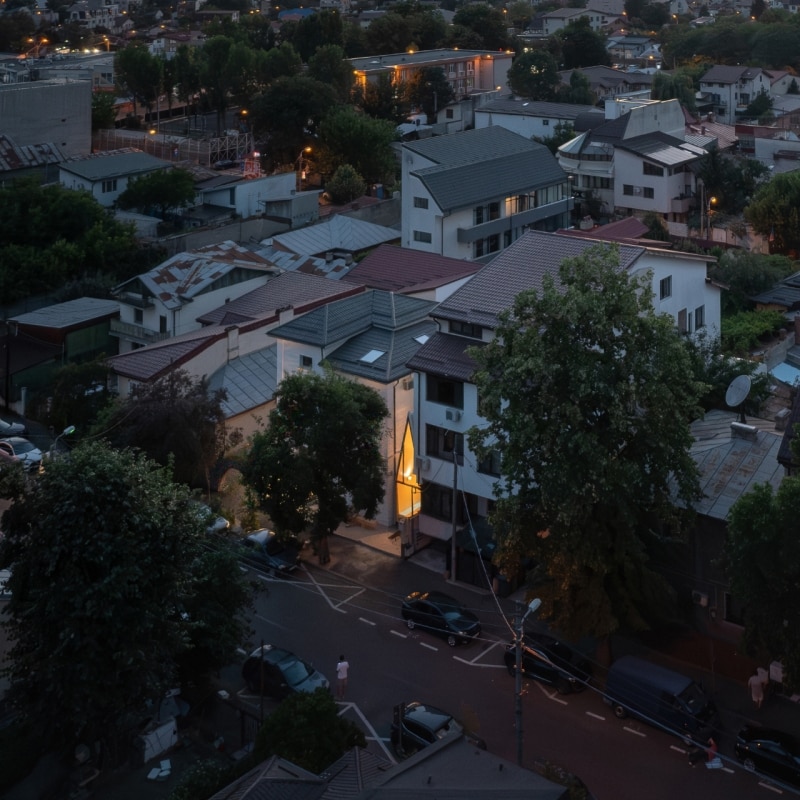
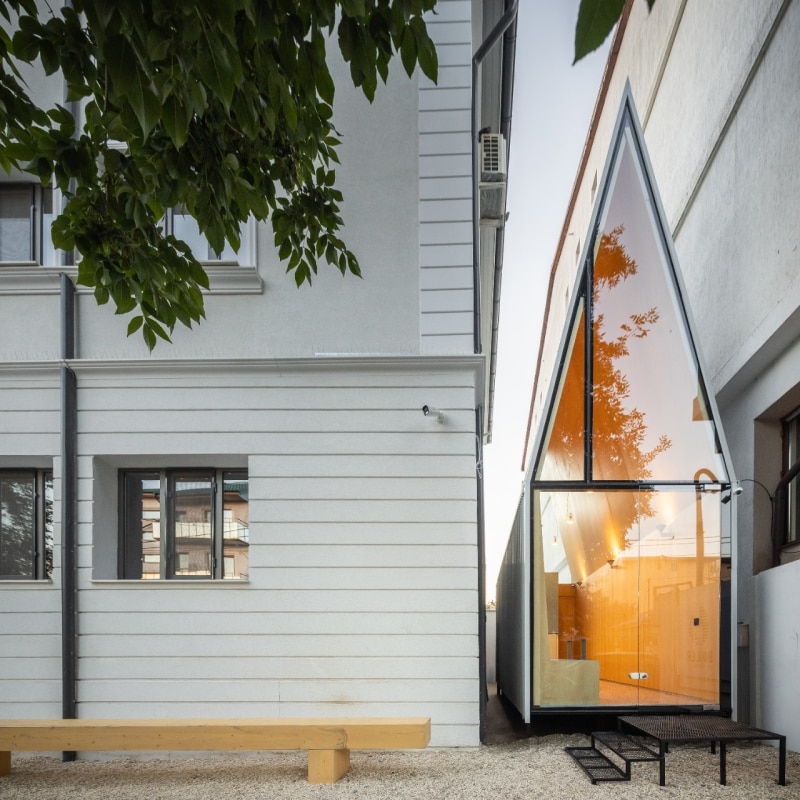
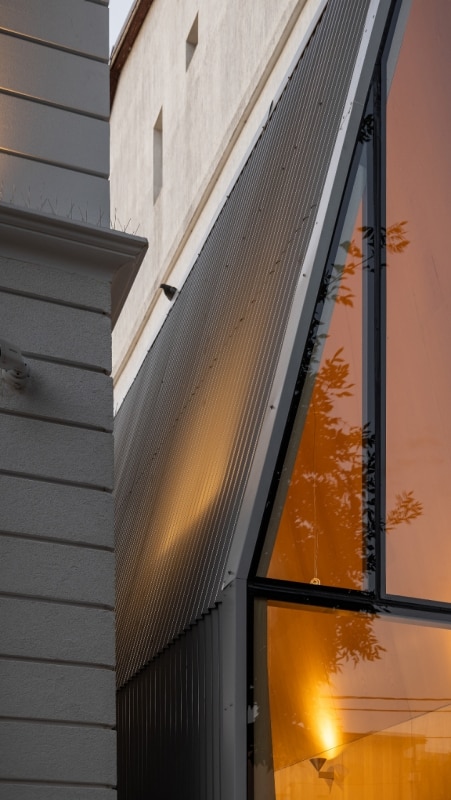
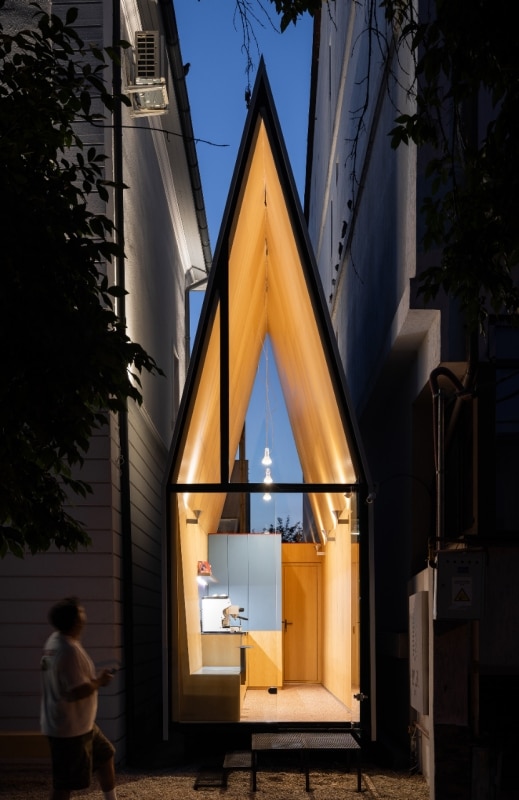


In Bucharest, Vinklu Studio designed The Chapel, a cafeteria that transforms an urban void into a bright and intimate space. A purposeful intervention that shows the potential of in-between spaces in European cities. Read more
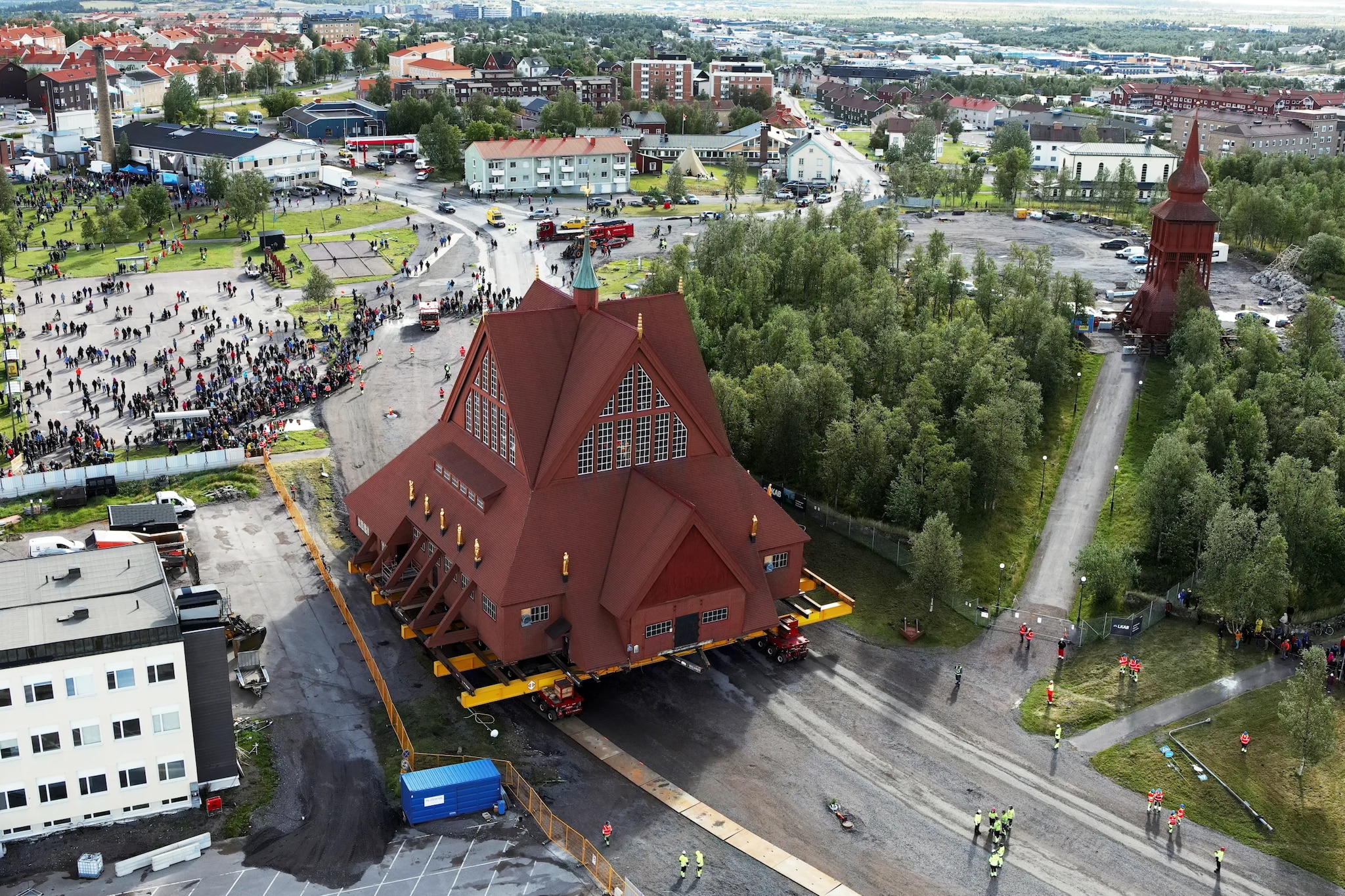
The century-old church moved on a two-day journey in Sweden
 View gallery
The exceptional engineering feat tells the story of the radical urban transformation of the Swedish Arctic city of Kiruna, which is being entirely relocated. Read more