


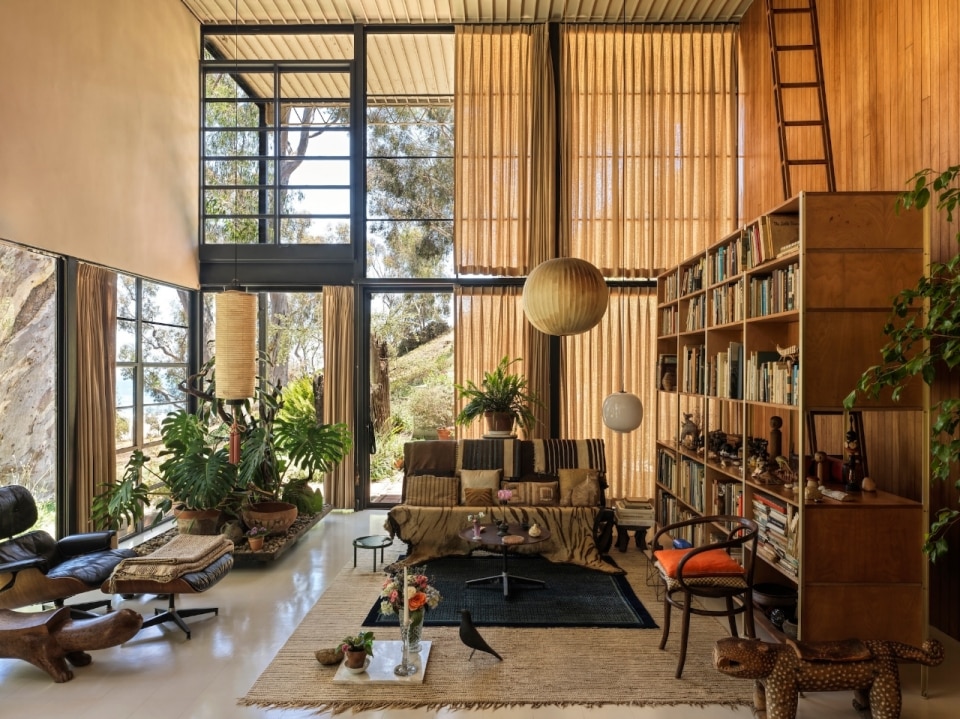
The fires that devastated Los Angeles in January 2025 also destroyed or endangered much of its architectural heritage, without distinction between the Getty Villa, Thomas Mann’s house, and symbols of California Modern that represented the vision of a future city, such as many Case Study Houses or the Park Planned Houses by Ain and Eckbo.
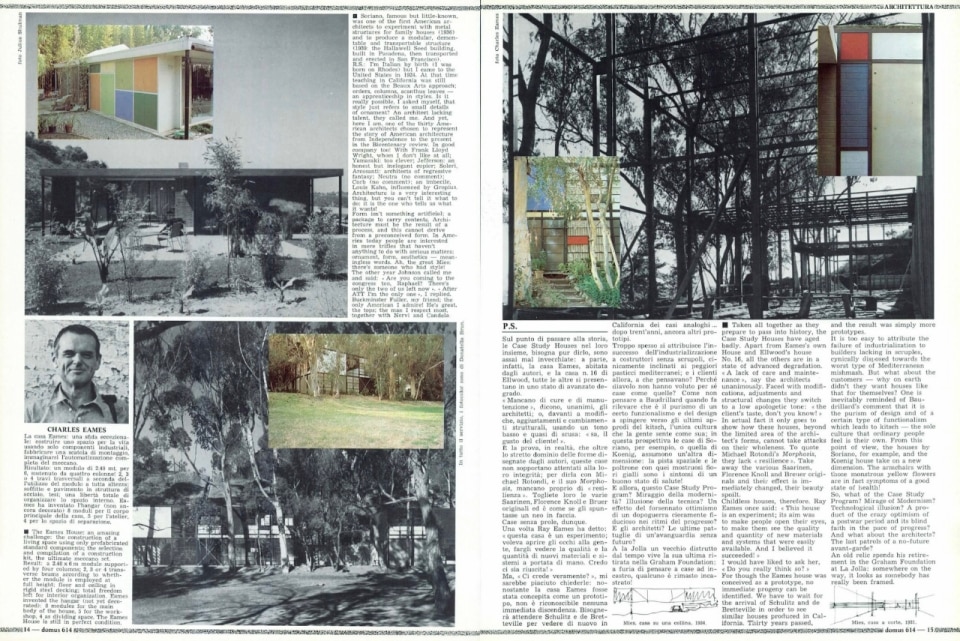
The house that Charles and Ray Eames built for themselves in the Pacific Palisades found itself very close to the flames, to the namesake Palisades Fire, and was saved thanks in part to a providential thinning of about a hundred trees among those surrounding it, carried out over the past five years.
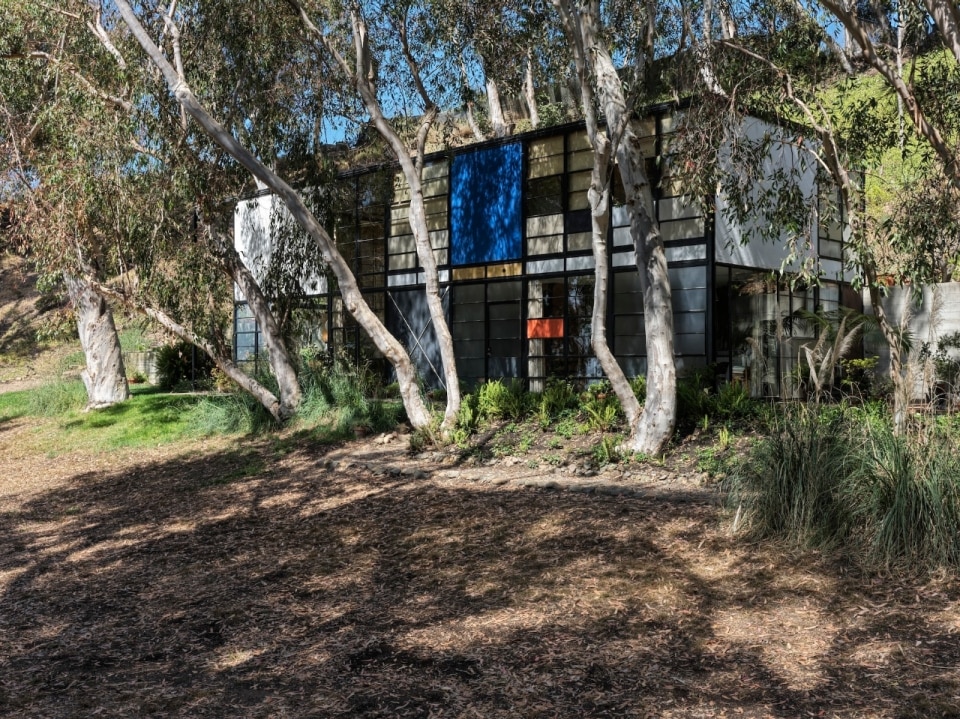
It was an opportunity for the heirs to rethink their role and that of an icon like the Eames House and Studio within today’s architecture and the city to which it belongs. The house reopens to the public in October, and for the first time it will also be possible to visit the studio, which completed the house as a single organism.
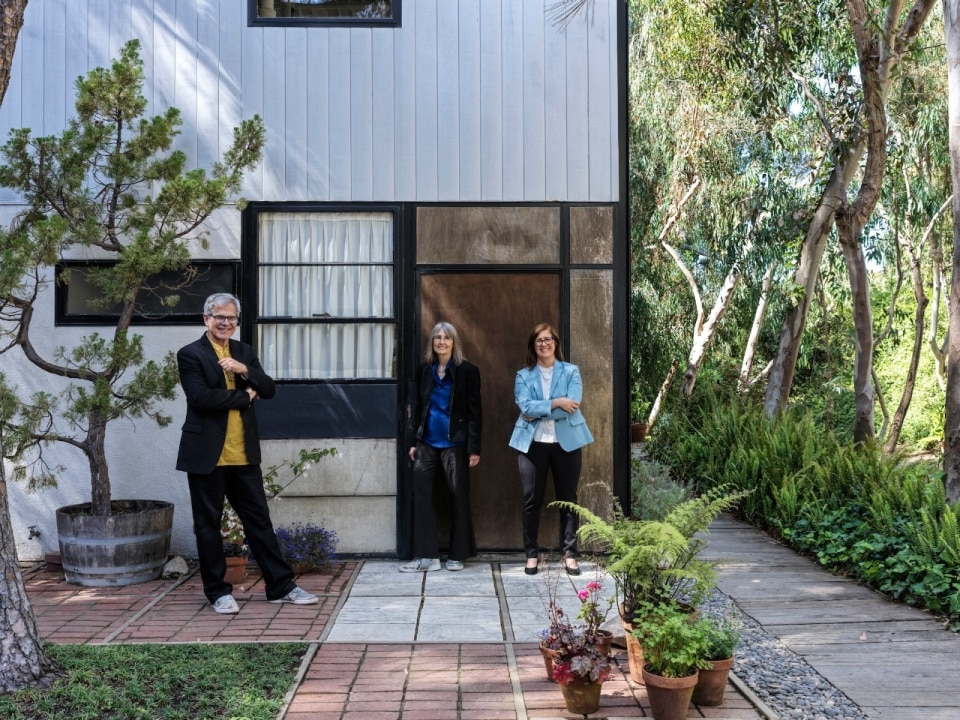
For us it was a chance to reread this fundamental chapter in the history of the modern with Eames Demetrios, the Eameses’ grandson and chairman of the Charles & Ray Eames Foundation, and Adrienne Luce, the foundation’s executive director. What has the Eames House been, and what will it be?
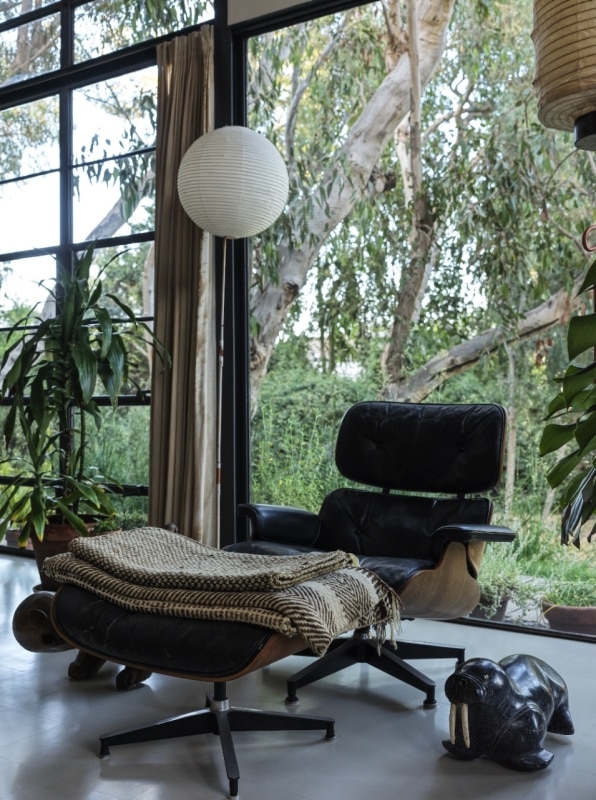
First of all, that truly lifesaving tree cutting: to tell the truth, it was the only gesture at odds with the house’s original spirit.
The Eameses conceived of dense nature as “a shock absorber for the pressures of urban life”, Demetrios told us, to the point that, since they moved in on Christmas Eve of 1949, the house “didn't change as the city evolved (…) in a funny way, it actually stayed in its own world – and now it is even more of an oasis as the city has tried to encroach.”
It is the place of the Eameses’ private and domestic life, devoted to ideas rather than to large-scale studio work – which from 1958 moved entirely to a warehouse in Venice. In the house, games like the House of Cards would be born, the editing of several films would take place, musicians like Elmer Bernstein would come to compose their scores, while children and grandchildren would come and go, between breakfasts in the patio and photography lessons.
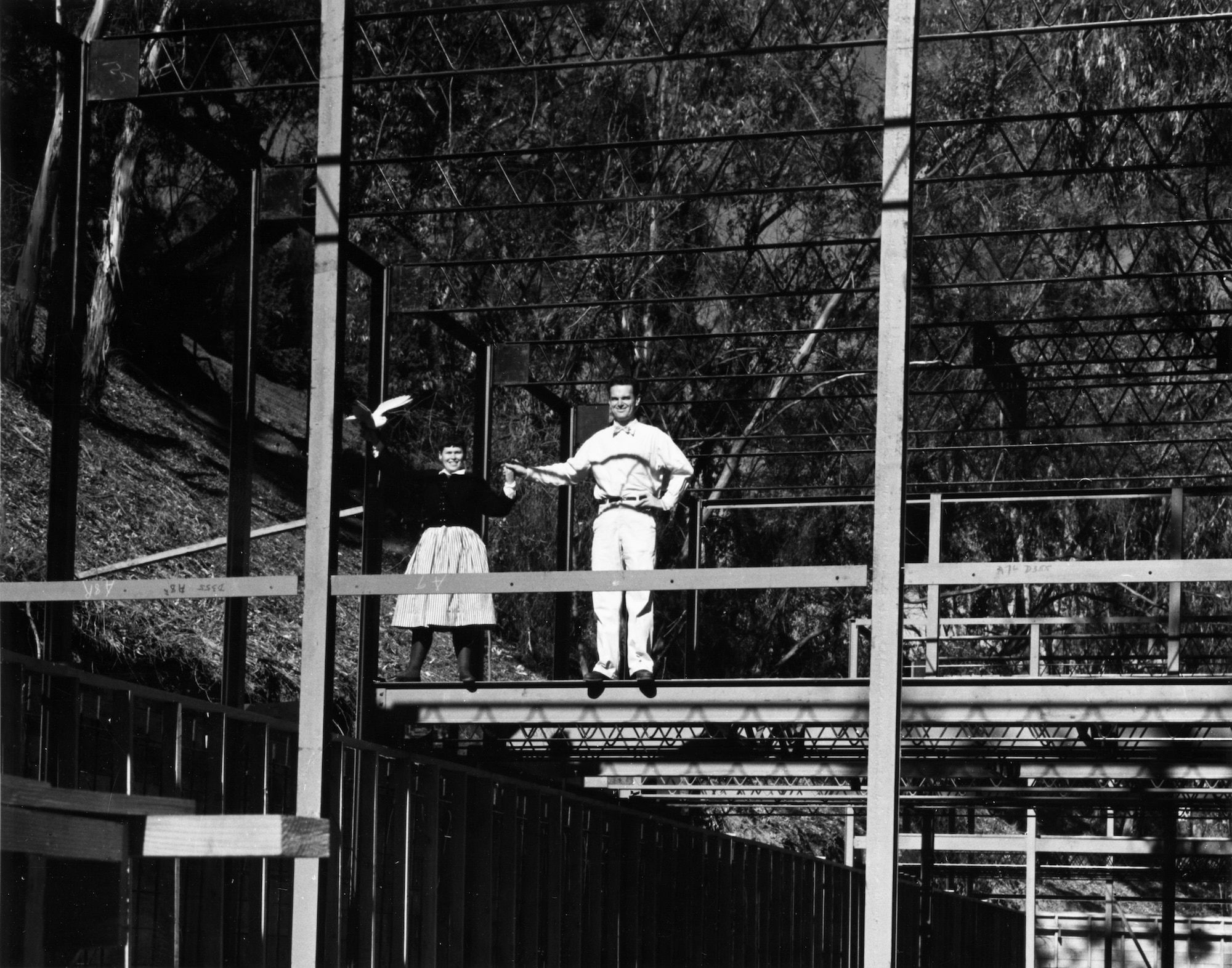

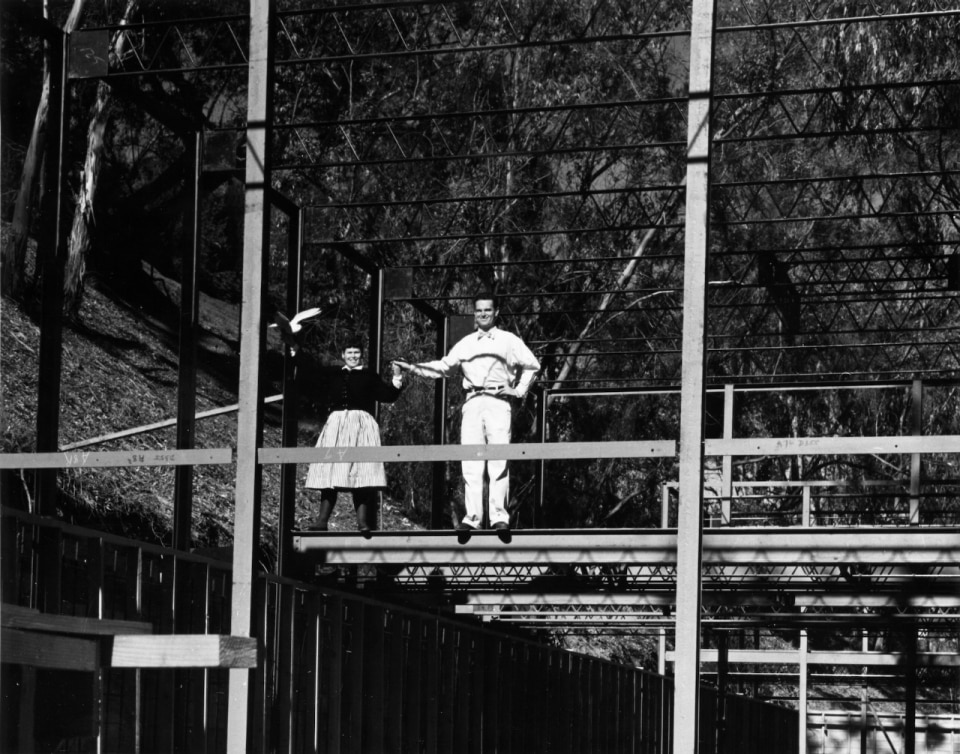


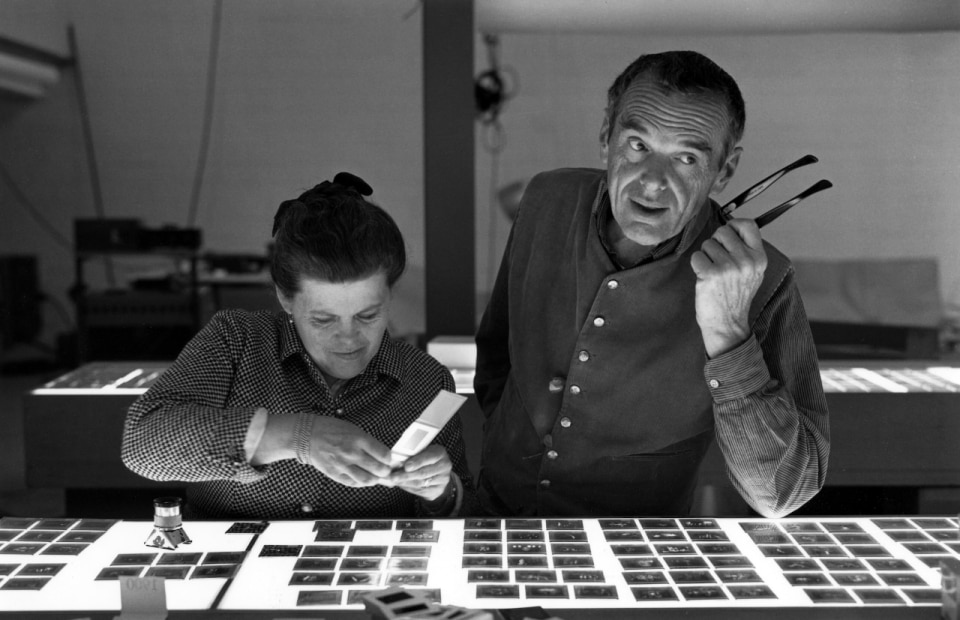
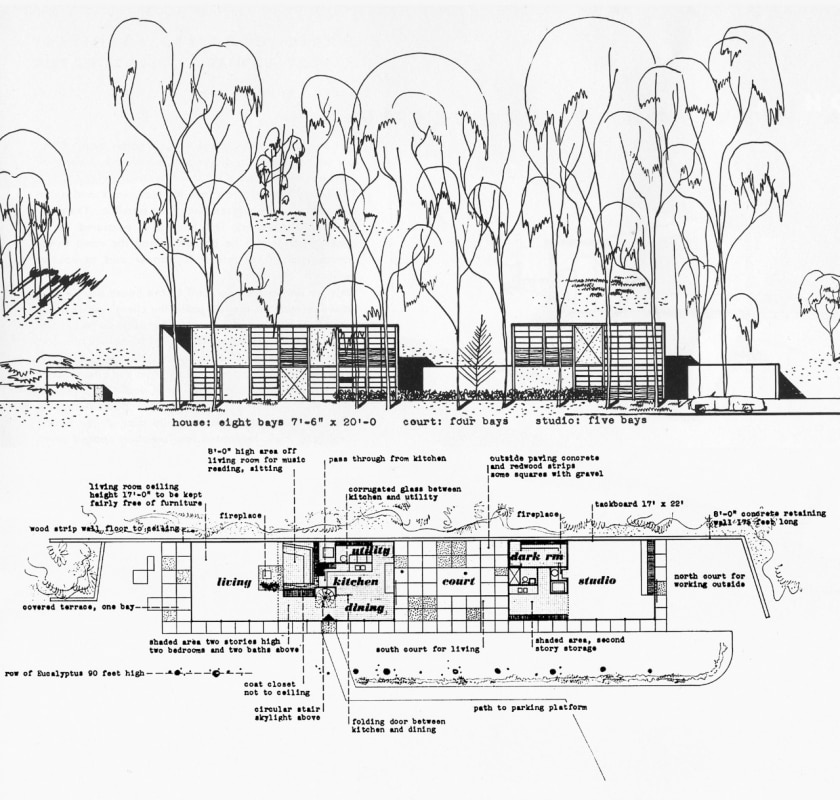
And today? This collector of human life is called an icon a bit all over the world but, at its birth as today, it has in fact always been radically anti-iconic. “I think the Eames House could teach architects a certain kind of humility” Demetrios told Domus. “The Eameses weren’t trying to inspire you to build a replica of the Eames House as the perfect solution to everything. They – and all the Case Study Program architects – were actually asking you to look at all the houses and see what parts of each house worked for you and then sort of collage your own house from the best (for you) of all the designs you saw”.
Demetrios defines this position as a balance between the personal and the universal, something much more complex than some generic “style”. After all, the Eameses themselves used to say: “The extent to which you have a design style is the extent to which you have not solved the design problem”.
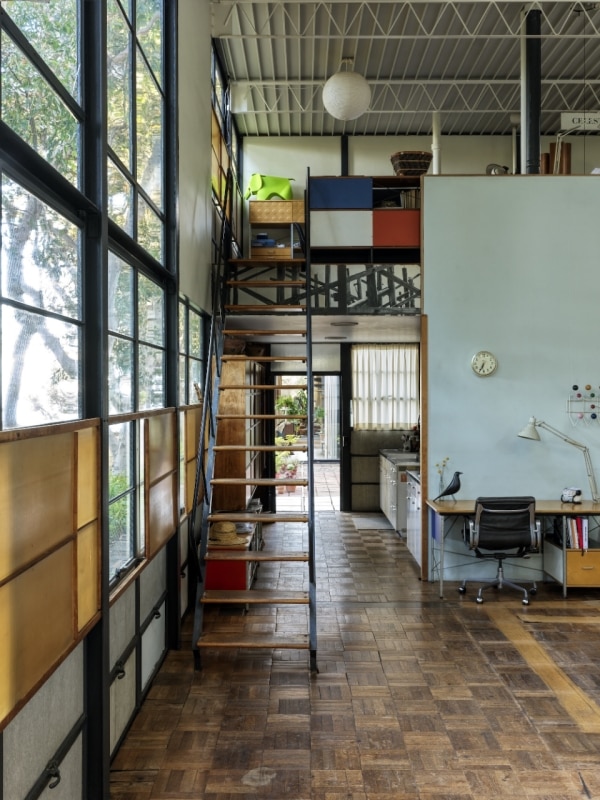
The position expressed by the Eames House would bring no small revolution to postwar architecture, and here it is seeking to bring it to contemporary Los Angeles as well. The Charles & Ray Eames Foundation was born, and among the many initiatives it is launching there is participation in the Case Study: Adapt program, a new chapter in the Case Study story that, focusing on the resilience of buildings, aims to inspire the new generation of designers to transform existing houses from a condition of vulnerability into lines of defense against possible future fires.
The newly created Foundation has given itself precisely this role: to translate the Eameses’ intellectual legacy into a role of support for culture and the community, both global and local. “Locally, our top priority is serving the community in the wake of the Palisades wildfires”, Adrienne Luce told Domus. Meanwhile, the Case Study: Adapt projects are being developed, a fellowship at the house is being activated – the first resident being Catherine Ince, former curator at the Victoria & Albert – scholarships are being launched, and a network of all the collections and institutions dedicated to the Eameses is taking shape. Quoting Charles once again: “In the end, everything connects.”
Opening image: The living room of the Eames House, as photographed by Chris Mottalini, 2025. © 2025 Eames Office, LLC. All rights reserved.