

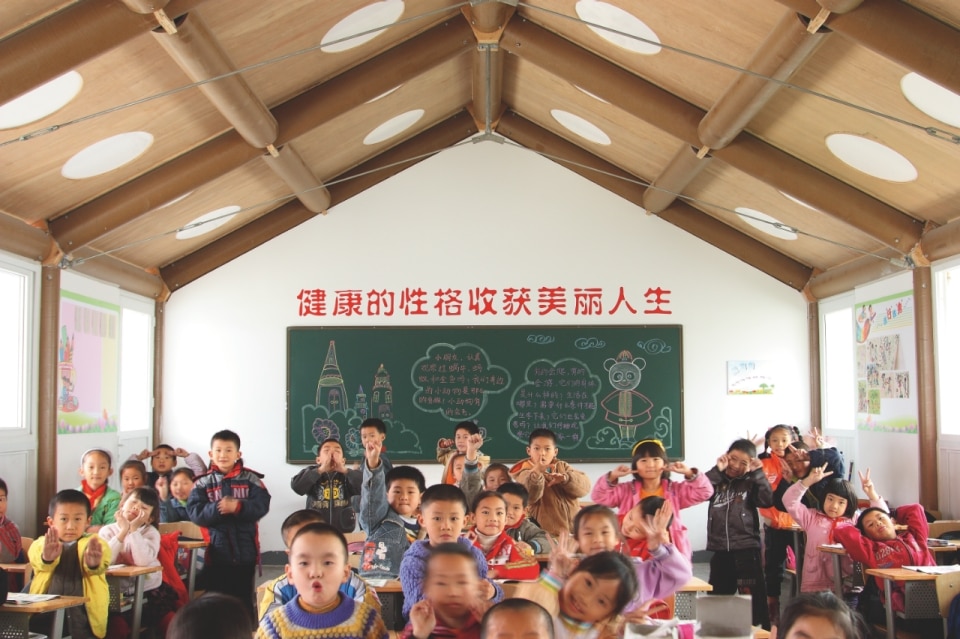
Participation in architecture has two meanings.
One is that the discipline of architecture itself needs more cross-disciplinary collaboration, while architects need a broader understanding that reaches across many fields. The other is that the making of buildings and communities increasingly calls for public participation and co-creation. Obviously, architecture is never the work of just one person, nor is it as simple as drawing a plan. It touches almost every aspect of life.
Once, the stereotypical image of the architect was someone in a white coat, bent over a drawing board alone.
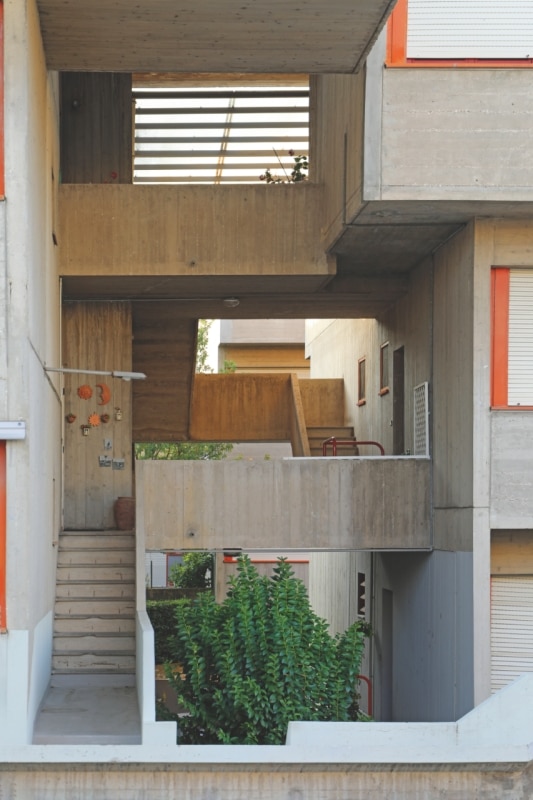
Later, when architects began to appear in suits, standing in front of the public and explaining their design concepts, people started to realise that architecture is a wide-ranging topic that concerns everyone, and that it actually needs feedback and participation from many sides.
Beyond function, there is aesthetics, culture, society, behaviour, environment and more. In order to realise ideas creatively, architects need to reach across boundaries and engage other experts – in construction, structures, building physics, materials, codes and regulations, and so on. Architecture is inherently social.
In the processes of planning, design, construction and use, many people take part in different roles and in different ways. The architect is not only a creator, but also an observer and a coordinator, and needs increasingly integrated abilities: to speak with users and the public, to communicate with specialists in many fields, and to understand new domains such as biology, intelligence and data, and the social sciences.

Roughly 30 years ago in China, people often asked: “What does an architect actually do? Do they just go to the site and build houses?” Someone else might say: “They are artists, they paint watercolours.” Later, some people began to notice the “artist” side of the architect.
But others disagreed: “Architects should be engineers, responsible for construction quality and the building site.” “Architects must also be geomancers or psychologists of space.” “Isn’t positioning and operation strategy just as important?” “If a building is badly maintained, surely that is also a design issue.” “Architects need to be involved in developing new, environmentally friendly building materials.”
Today, we realise that architects indeed have many faces, depending on whom they are speaking to. There is no doubt that architecture is a collective endeavour. It requires teamwork to bring a project into being; it requires the power of many people to build; and its quality in use also depends on the involvement of the wider public.
The Bauhaus used manifesto-like avant-garde design to take part in transforming the world, leaving a long-lasting influence on people’s lives through education and culture.
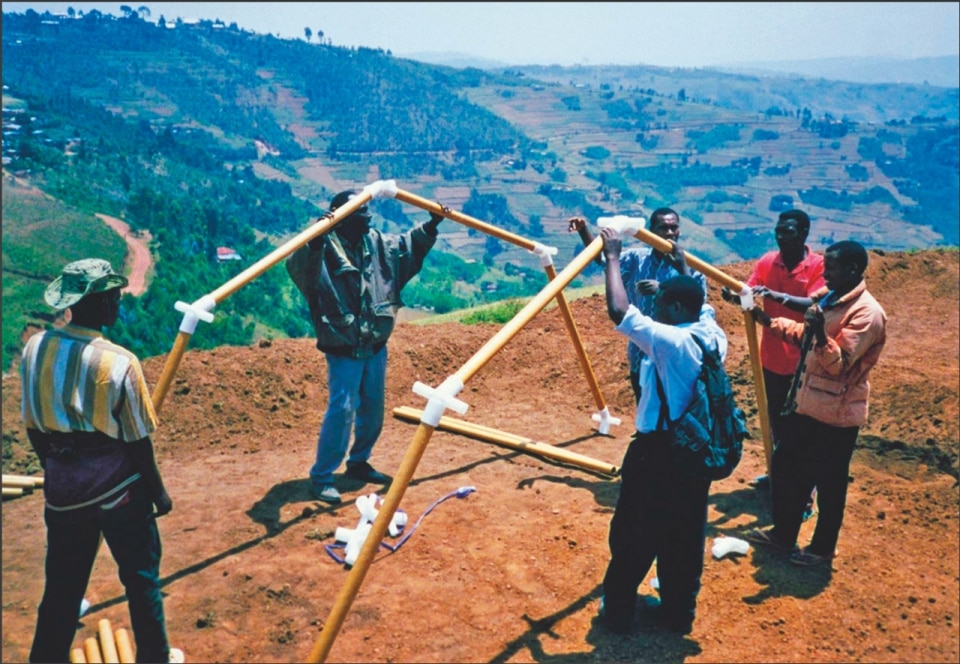
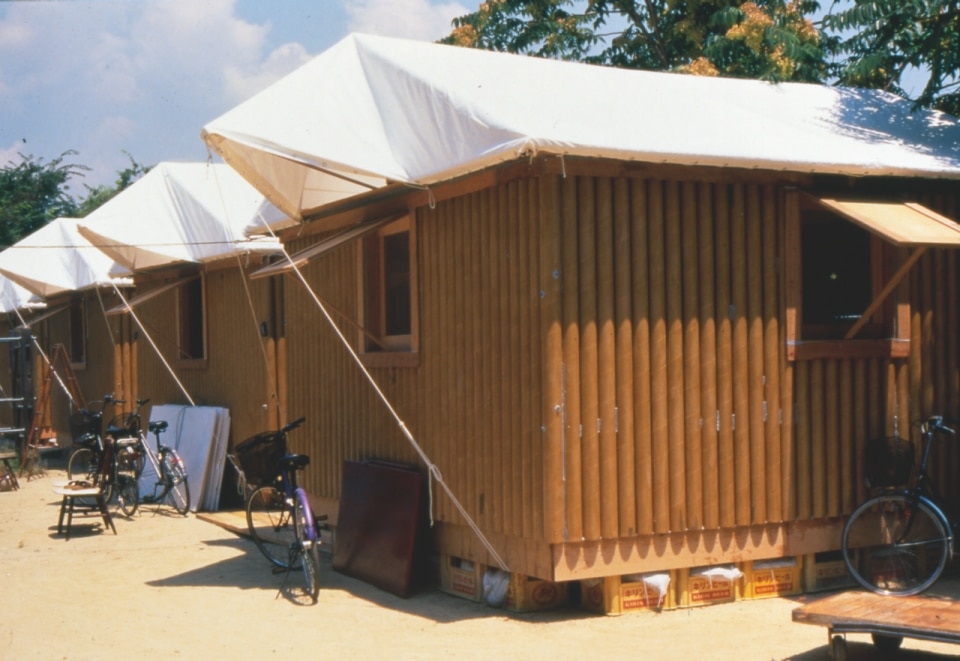
Japanese architect Shigeru Ban, in his post-disaster reconstruction projects, invented building systems that can be assembled quickly. He also took the initiative to understand the situation on the ground, to identify needs, to formulate plans, to connect with foundations, to coordinate funding and production, and to evaluate how the buildings performed in use.
The Myanmar collective Housing Now, featured in this issue, goes deep into communities to understand their needs, communicates proposals, uses local materials and vernacular techniques, and invites residents to co-build their homes.
In Shenzhen, the Hundred Schools Renewal project has brought together dozens of young architects to carry out micro-renewal projects for 100 primary and secondary schools, working closely with their users. More and more universities are establishing cross-disciplinary laboratories, allowing design to intersect with the latest science and technology, art and the humanities. Architects and the public both need to act, and to face today’s society together.
In Chinese urban design, a “chief architect responsibility” system is now being implemented.
Chief architect teams are responsible for early-stage communication with communities; for bringing together historians, humanities scholars, planning and architecture experts, media and institutions; for participating in the drafting of briefs for specific architectural projects; for organising expert reviews; and for taking part in later operation and evaluation.
The aim is to emphasise the involvement of designers throughout the full process of building and community development. Architects are shifting from mere executors to active organisers and participants. In the future, architectural innovation will be driven by the participation of multiple disciplines, with potentially infinite extension and possibility. At the same time, architecture as a field will become more democratic and more inclusive. It will be shaped by people’s dreams and lives in return, rather than standing aloof as a monument to power and capital.
Participation is the key step that can change all of this.
Opening image: Shigeru Ban Architects, Disaster Relief Design, 1995-. Photo © Li Jun