


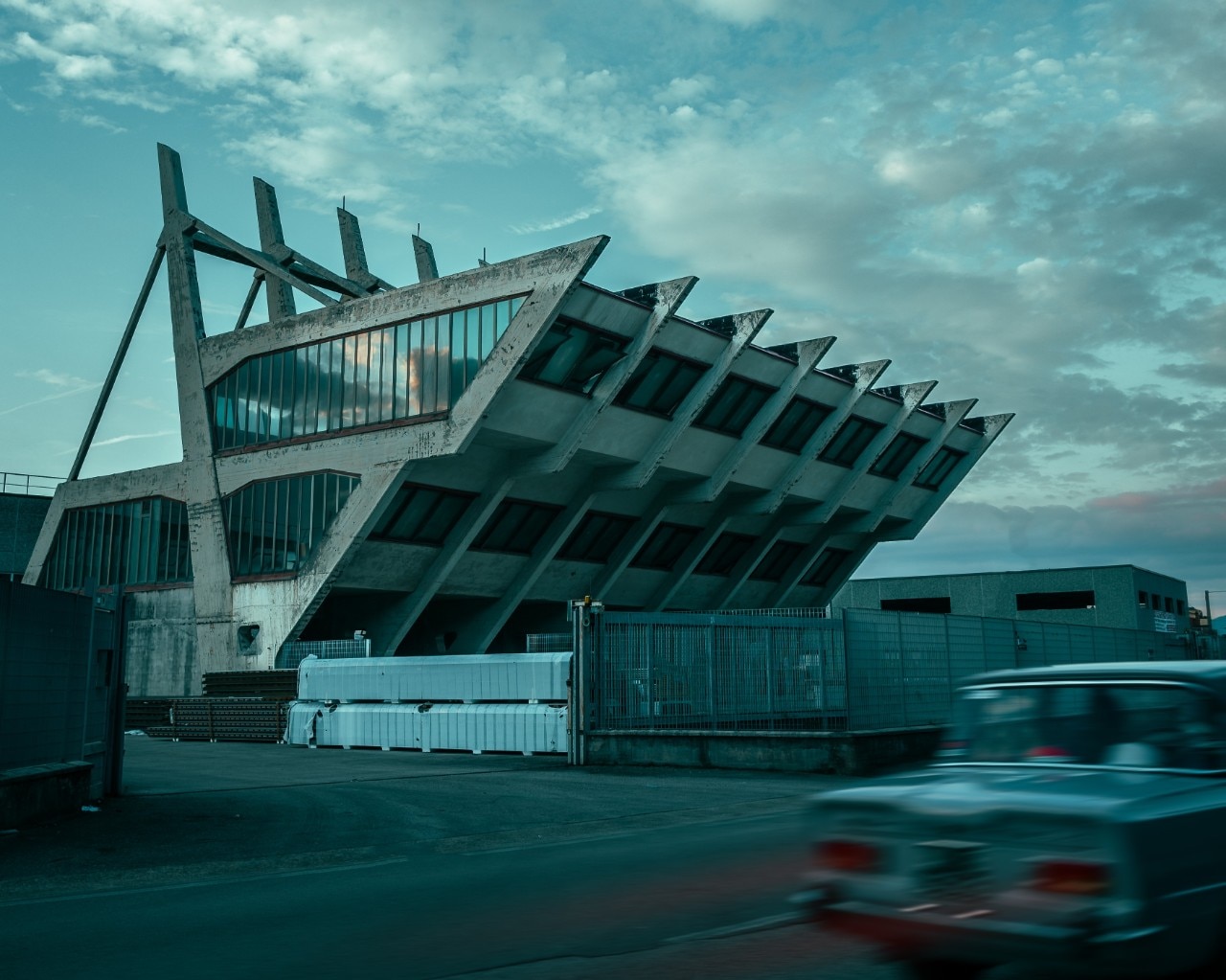

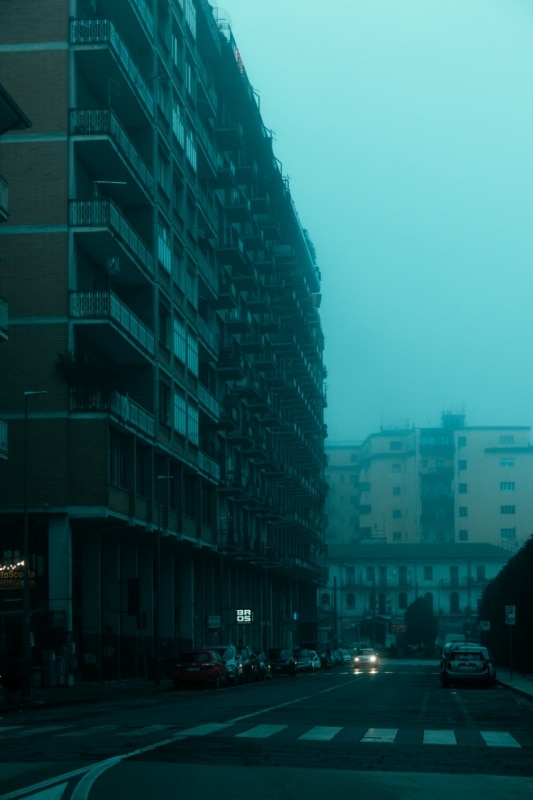
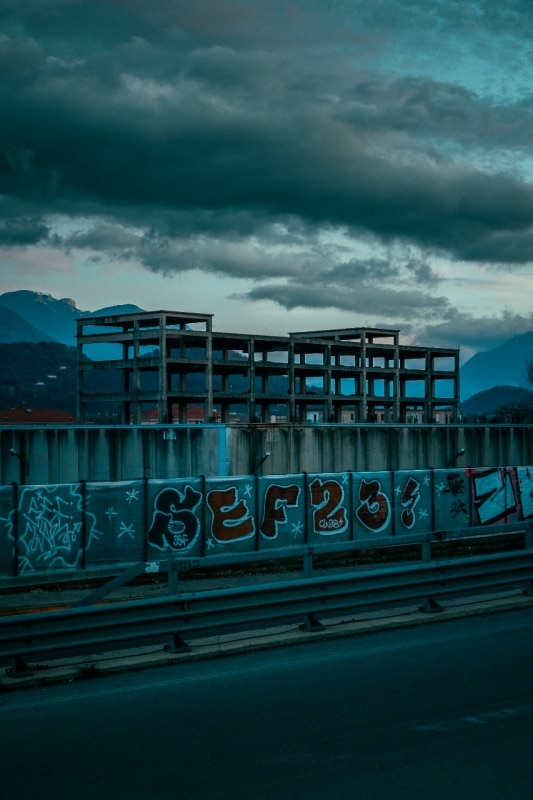
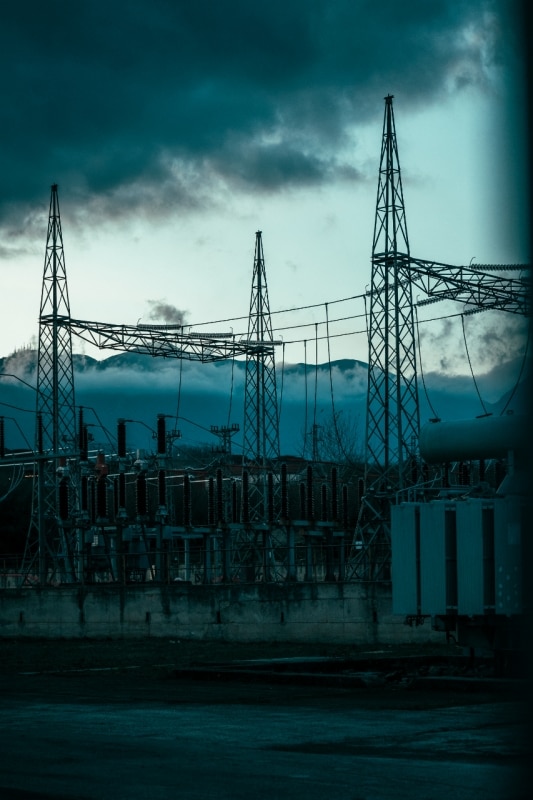
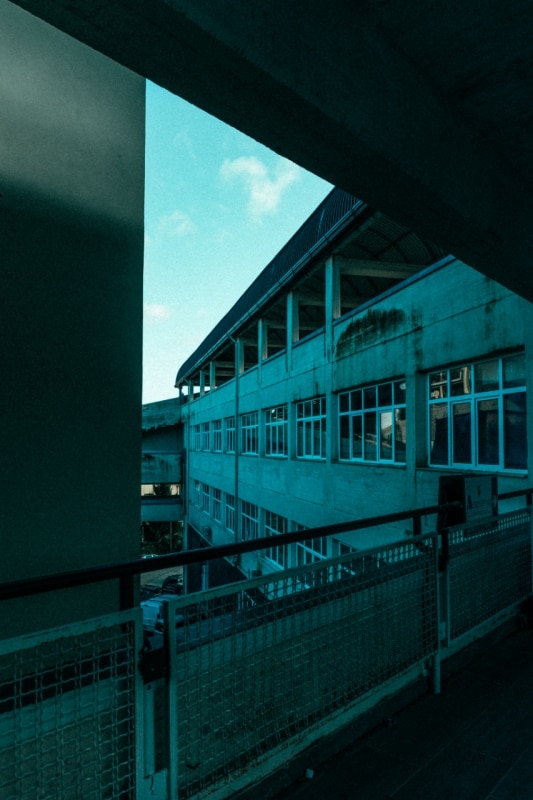
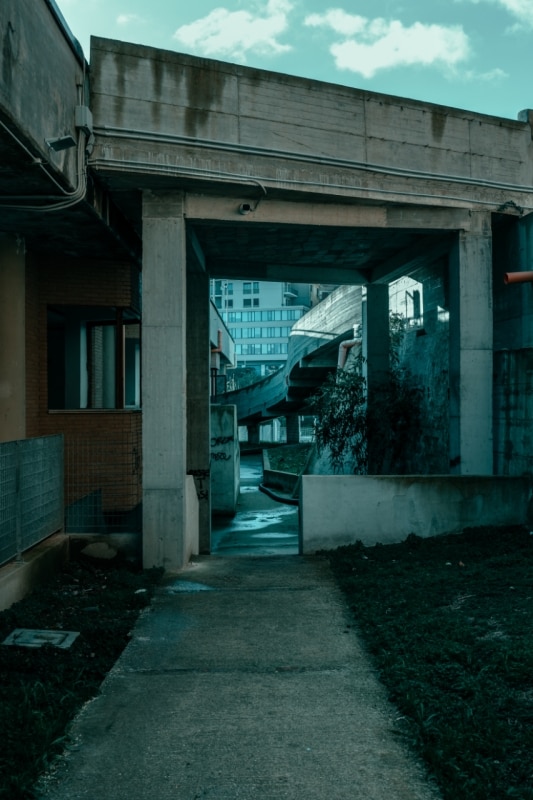
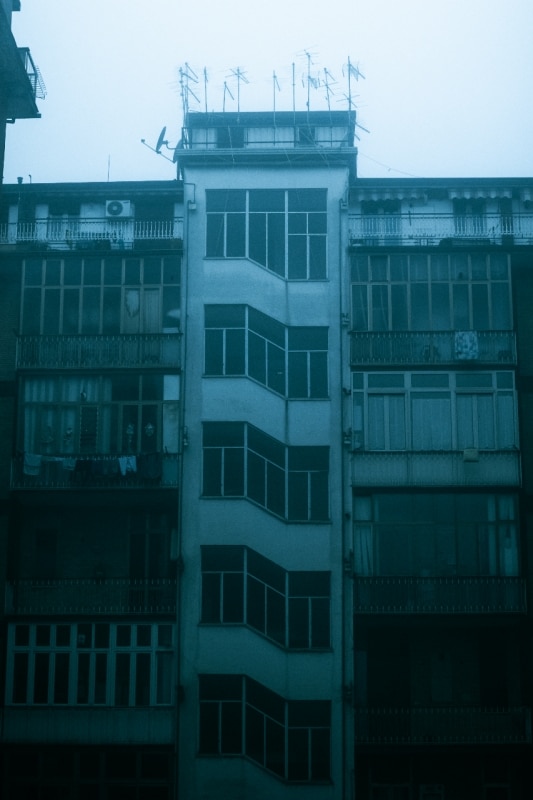
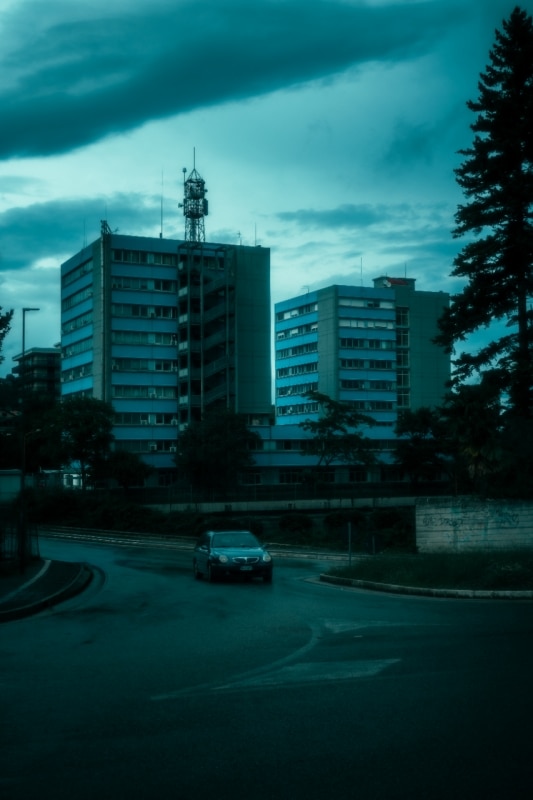
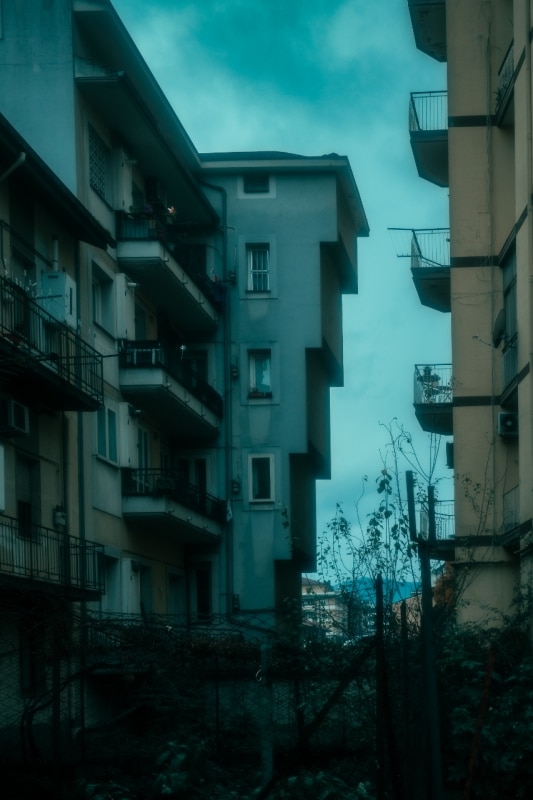
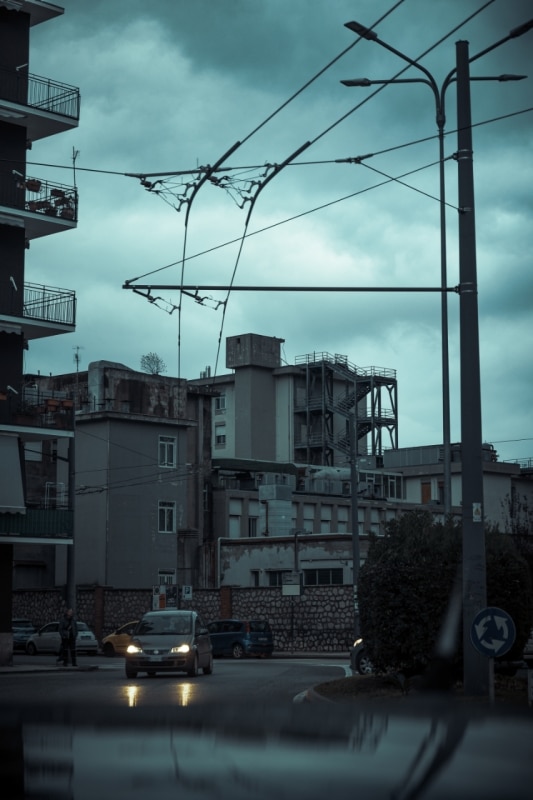
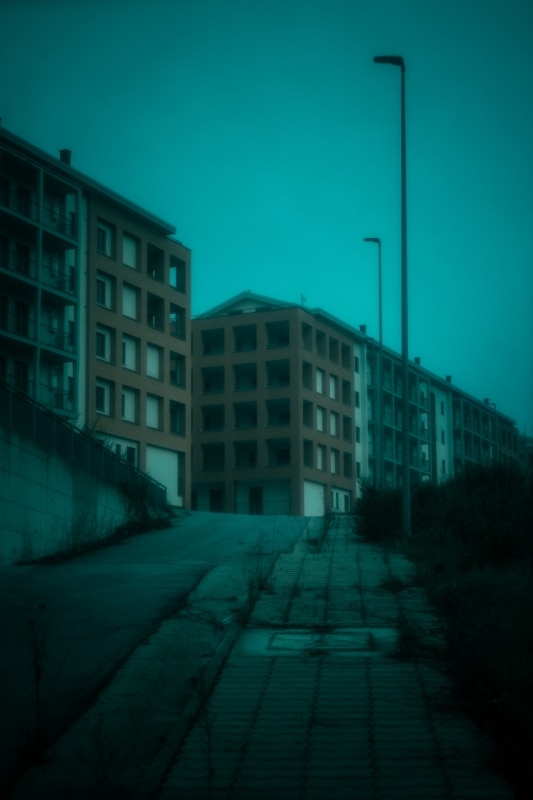
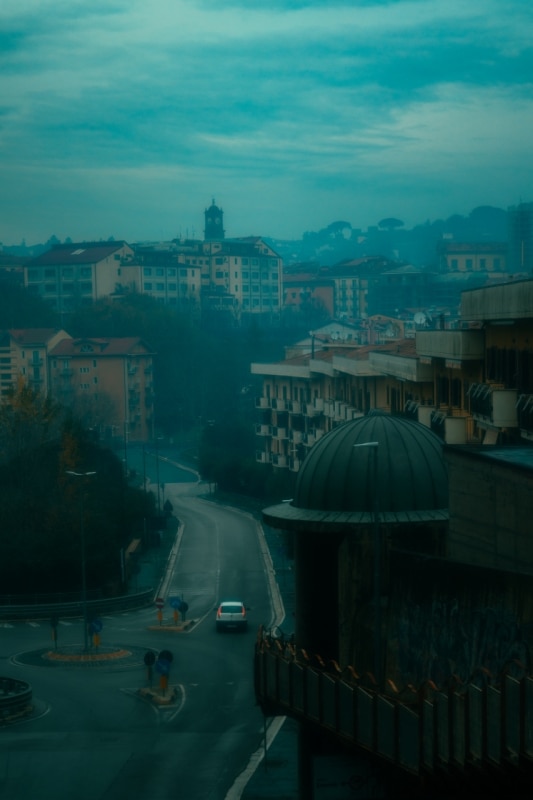
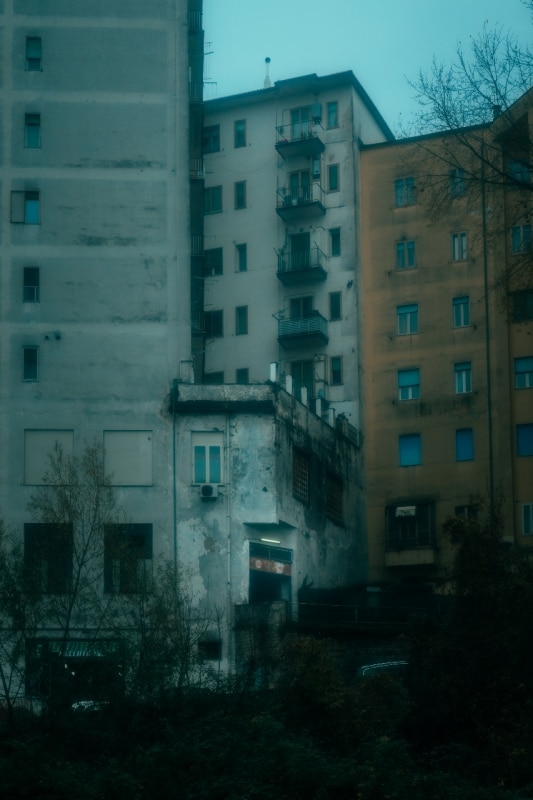
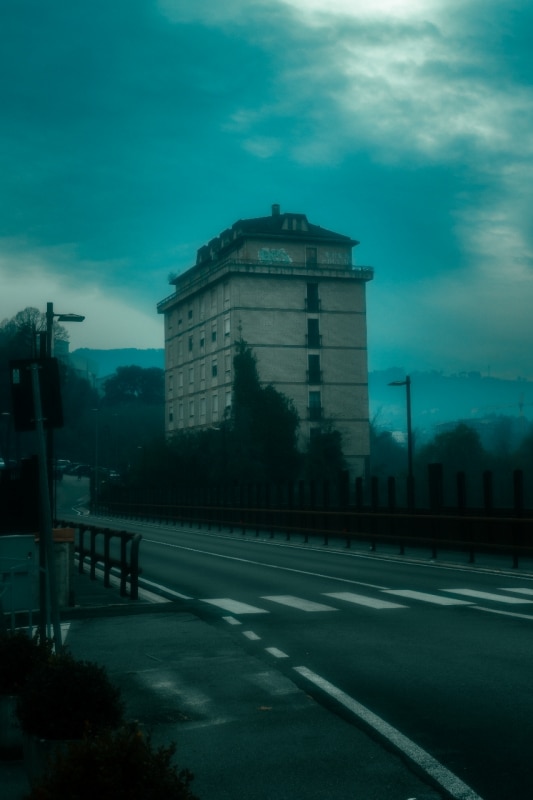
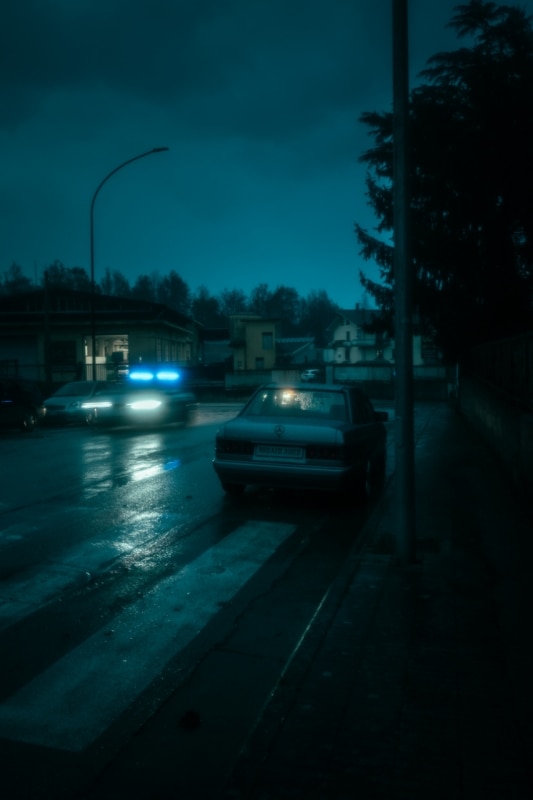
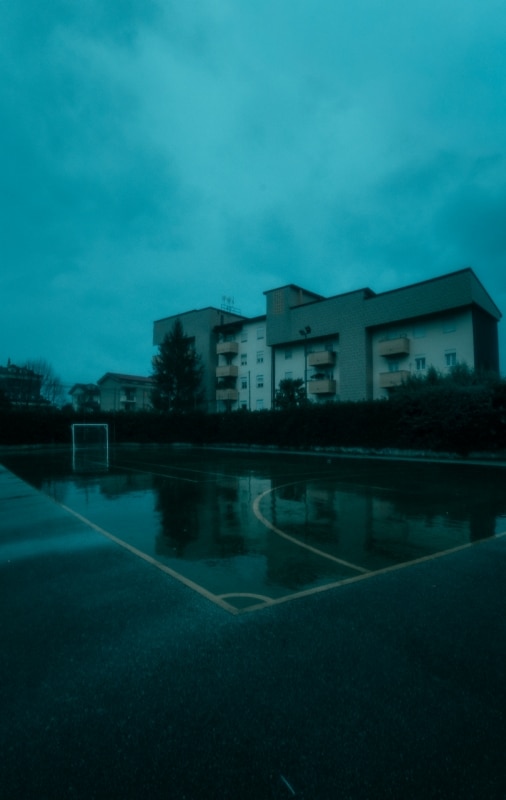
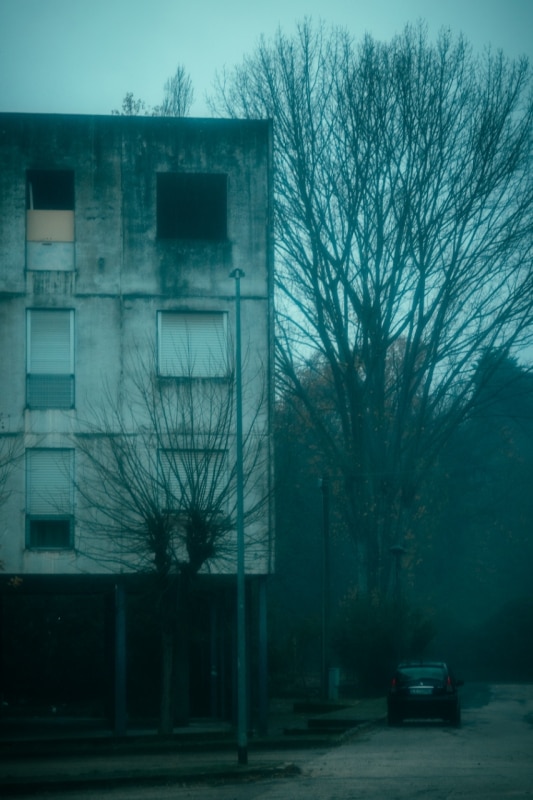
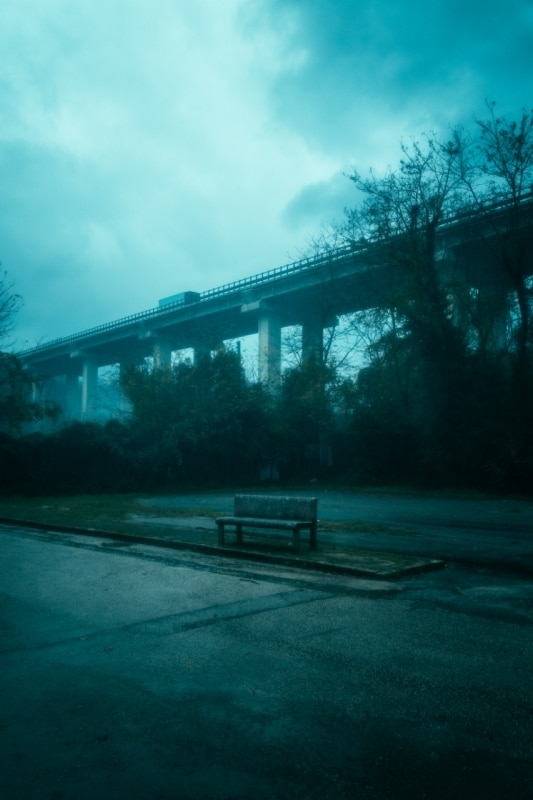
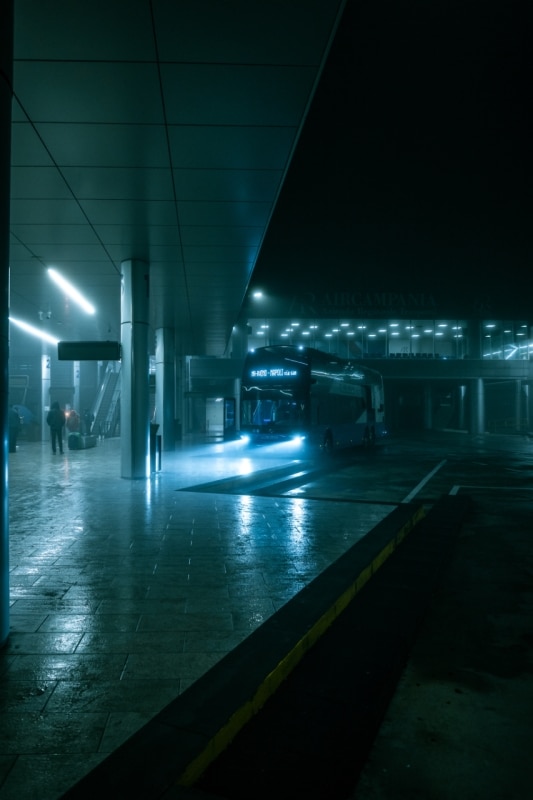
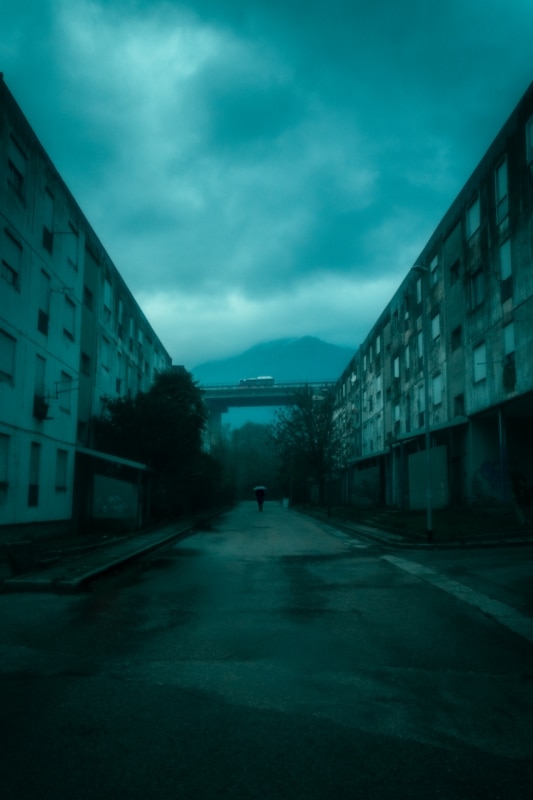
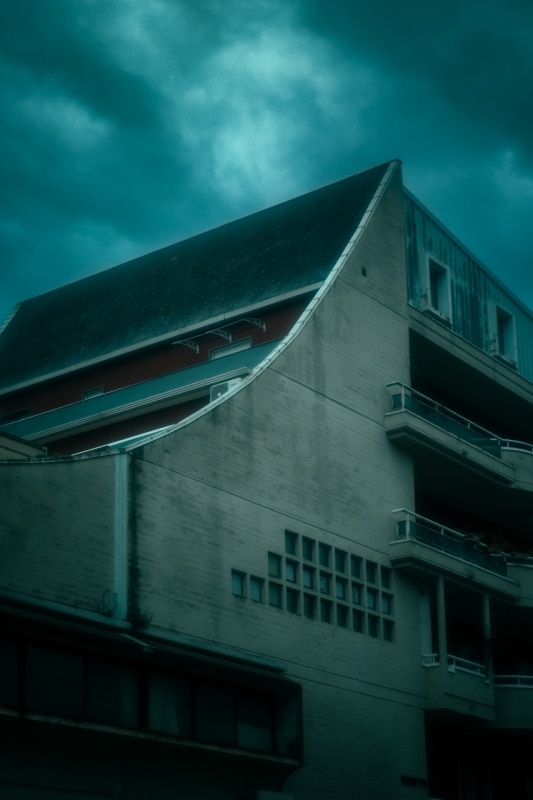
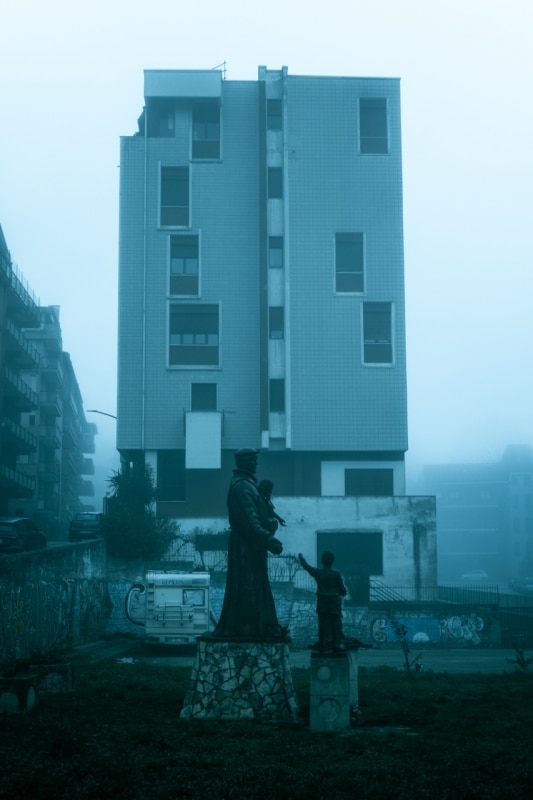
Fog, concrete, post-punk music and cold light. In Pietro Pio Ciampa’s social media series, just a few elements are enough to transform Avellino, located in the hinterland of Campania, into a place that seems to belong to the post-Soviet imagination. This short-circuit gave birth to 'Soviet Avellino', a project that has surpassed two million views, showing how even an ordinary city can become part of a shared visual language.
Avellino remains Avellino: a city of building stratifications, reconstructions, margins, and unfulfilled urban promises. Yet in Ciampa’s series, that everyday city takes on a different form. What is usually excluded from territorial promotion — the grey, the empty, the unfinished, the margins — becomes visual material capable of circulating. Ciampa does not force Avellino into a Soviet identity; he observes the moments when it seems to step out of its usual image and speak a language that can travel beyond its geographical perimeter.
A real city, a digital imagination
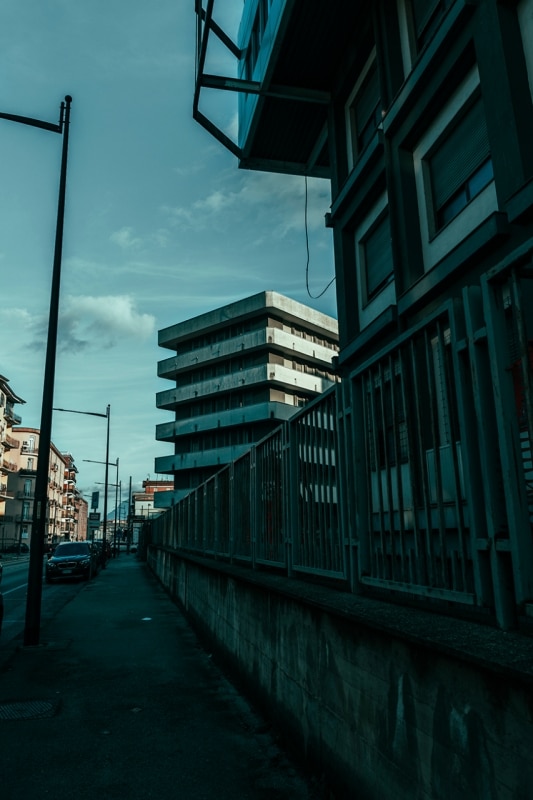
Soviet Avellino started as a spontaneous series on Instagram. Also presented as Avellino, Soviet Edition, it explores the less visible and monumental side of the city. The word Soviet works primarily as a perceptual trigger: a certain hour of the morning, a certain fog, a certain loneliness in the streets are enough to make the Campania province seem to belong to a vaster imaginary.
In Ciampa’s images, Avellino seems to emerge from an endless morning: rain, compact facades, severe geometries, silent buildings, suspended suburbs. It is an internal, peripheral and provincial Italy, but also strangely cinematic, filtered through a visual sensibility grown among urban photography, thriller TV series, auteur cinema and social networks.
Even before becoming a social media series, Soviet Avellino was born from an everyday gaze. Ciampa says that this imaginary has roots in his school commutes. For five years, he attended the hospitality institute in the Valle area and, living downtown, he walked across the city every morning toward the public housing periphery. In those early hours, amidst fog, rain, headlights and imposing buildings, it felt to him like walking in an ex-Soviet bloc. Years later, that memory became a project: waking up at 5:00 AM, camera in hand, dawn, Piazza Macello, Borgo Ferrovia, suburbs.
It is a tribute to those who stay, with their love and resilience, and a thought to those who were forced to leave.
Pietro Pio Ciampa
“When I edited the photos to the notes of the Belarusian post-punk band Molchat Doma and launched them on social media, I realized that this visual short circuit didn’t just speak to me, but resonated deeply within an entire community.”
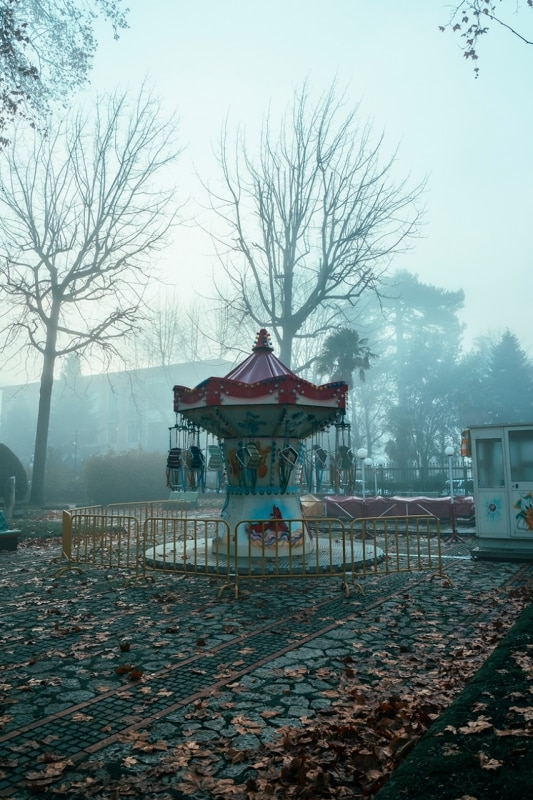
Circulation on Instagram is part of the project’s very form, not just its success. In the reels, through the vertical format, music, hashtags and editing, Avellino enters a broader panorama, where even a minor city can become recognizable through what is usually left out of territorial promotion.
“I consider myself a serial observer. My approach to photography is strongly cinematic: I started as a photographer but my language is nourished by auteur cinema, thriller and drama TV series, and soundtracks. I’m not interested in simply documenting architecture, but in living it, becoming part of it with the camera and restoring that atmosphere in its entirety.”
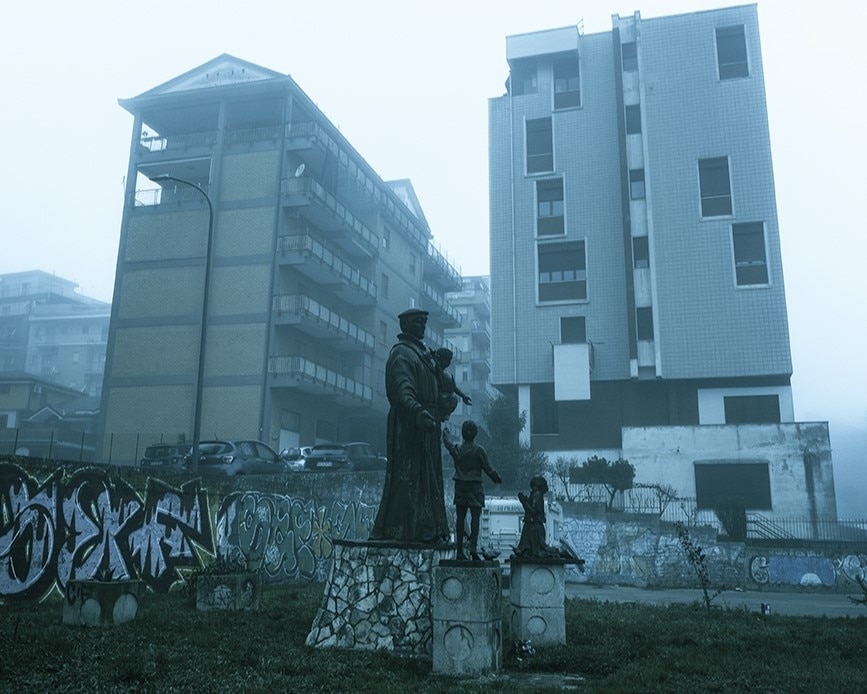
Ciampa photographs concrete and recognizable places, but lets them surface like scenes already laden with memory and expectation. The cold post-production, inspired by the morning blue hour, shifts the ordinary toward a narrative dimension. Avellino is made familiar yet foreign, just as happens when a well-known city is suddenly looked at through someone else’s eyes.
Global coordinates
This ability to become universal also stems from the implicit references that run through Soviet Avellino. In the social media content, keywords related to brutalism, cinematic photography, fog and imaginaries like Silent Hill, Chernobyl, Pripyat, the backrooms and liminal spaces frequently recur. These are global visual coordinates, immediately readable by an audience accustomed to images of ghost towns, empty corridors, deserted parking lots, suspended peripheries and anonymous architecture. Avellino thus becomes a real place crossed by shared digital codes.
“The fog and concrete in Avellino are not just atmospheric elements or materials, they are an emotional condition. There is an imperfect beauty in this harsh, peripheral province, which digital algorithms paradoxically manage to make photogenic and universal.”
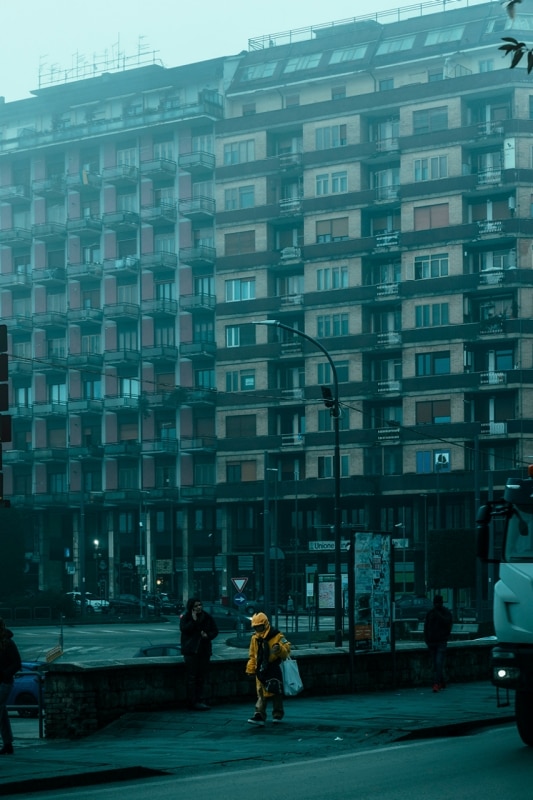
In this digital circulation, brutalism also becomes a visual code rather than a historical definition. In the series, it should be read primarily as a perceptual atmosphere: a key to looking at minor Italian modernism, the one made of apartment buildings, staircases, bases, parking lots, stations, road axes and spaces between buildings. Places often lacking recognized authorship, but capable of constructing a narrative.
The significance of places
Precisely because it starts from real places, the estranging effect of the images is stronger. Borgo Ferrovia, Piazza Macello, Valle, the peripheries and the areas linked to the reconstruction form a concrete geography. The 1980 Irpinia earthquake remains a decisive turning point for understanding many transformations of the territory. Ciampa’s images photograph the present, but that present carries with it the long shadow of the housing emergency, new construction and spaces grown between necessity and expectation.
In this meeting between real places and digital imaginaries, the project becomes more than a sequence of successful images. On one hand, there is Avellino, with its urban history and its harshness. On the other, there is the way a generation accustomed to digital images, soundtracks, video games, TV series and online visual archives learns to look at its own city. The very architectures that for many were just harsh buildings, new areas or peripheries without quality become narrative wings, places of waiting, emotional landscapes.
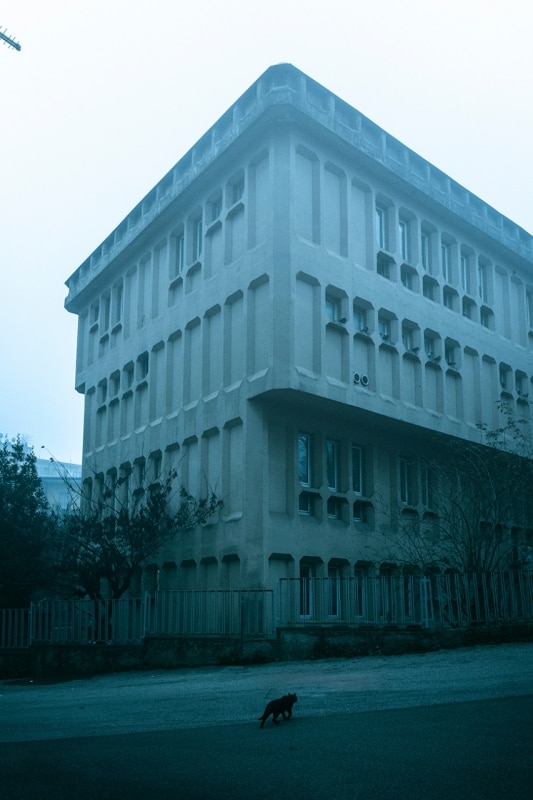
“I wanted to capture not only the hidden soul of Avellino, but also the sense of emptiness that can be breathed in its streets. It is a tribute to those who stay, with their love and resilience, and a thought to those who were forced to leave.”
Behind the fog, there is an affective issue. Behind the buildings, there is a community. Behind the emptiness, there is the deeply Italian theme of those who remain in the internal territories and those who leave. The Irpinia photographed by Ciampa is a land observed from within, with familiarity and anxiety, far from decorative nostalgia.