



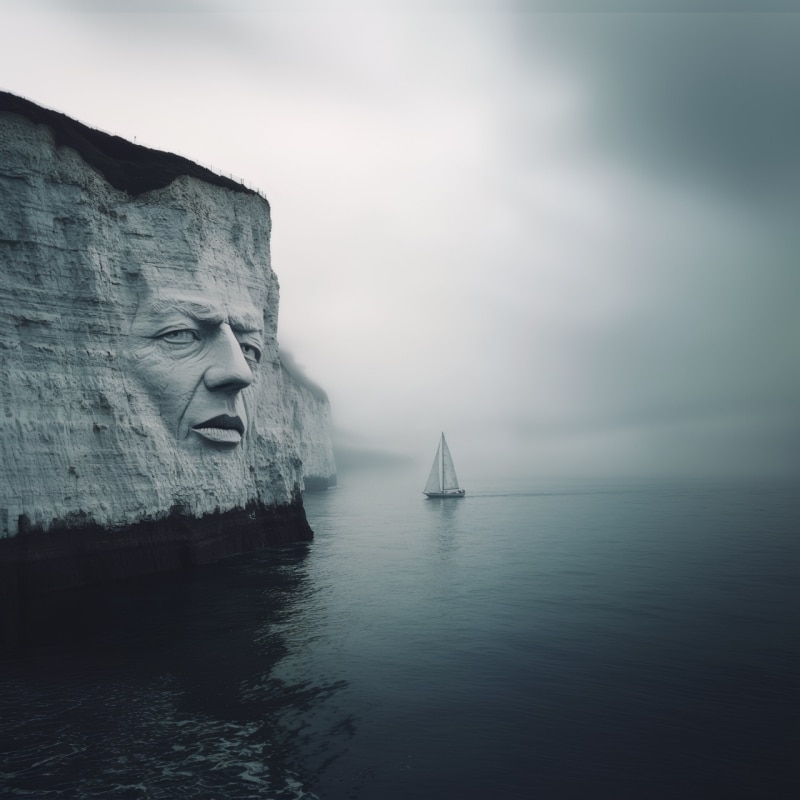
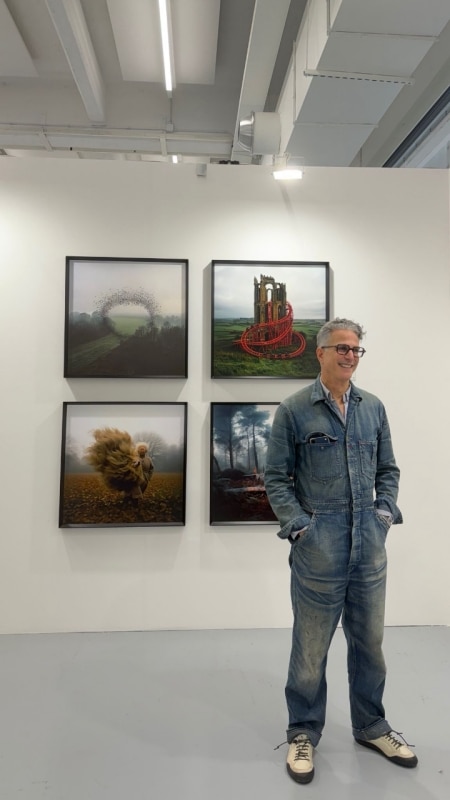
“We are in the age of hallucination.” Phillip Toledano says it without hesitation, and above all without nostalgia. A New York–based artist and photographer known for projects such as Days with My Father (2006) and political works like Bankrupt, in recent years he has shifted his practice toward an increasingly central use of artificial intelligence. We meet him at MIA Photo Fair BNP Paribas, at Superstudio in Milan, where he presents, with Tallulah Studio Art, Another England for the first time in Italy, already described by Domus as the photograph of a past that never existed.
For Toledano, the present—between fake news, social media and AI—is like “the iceberg for the Titanic”: something inescapable. A time in which, he says, “everything is true and nothing is true.” The question, then, is no longer whether AI is destroying documentary photography, but whether it has become the only truly contemporary way to practice it.
Another England and Another America: narrating the nation-state
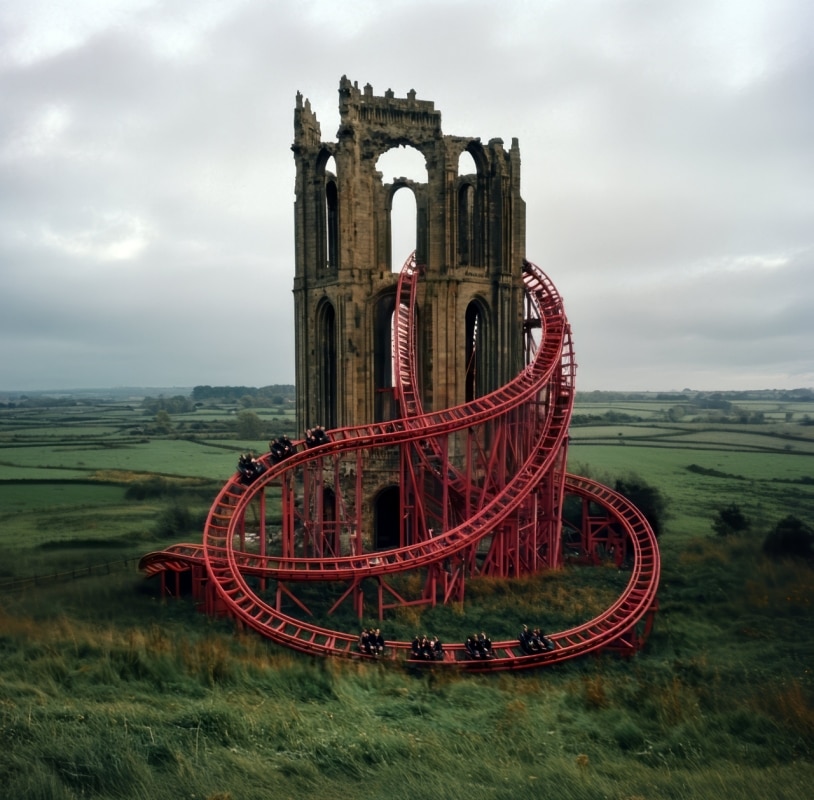
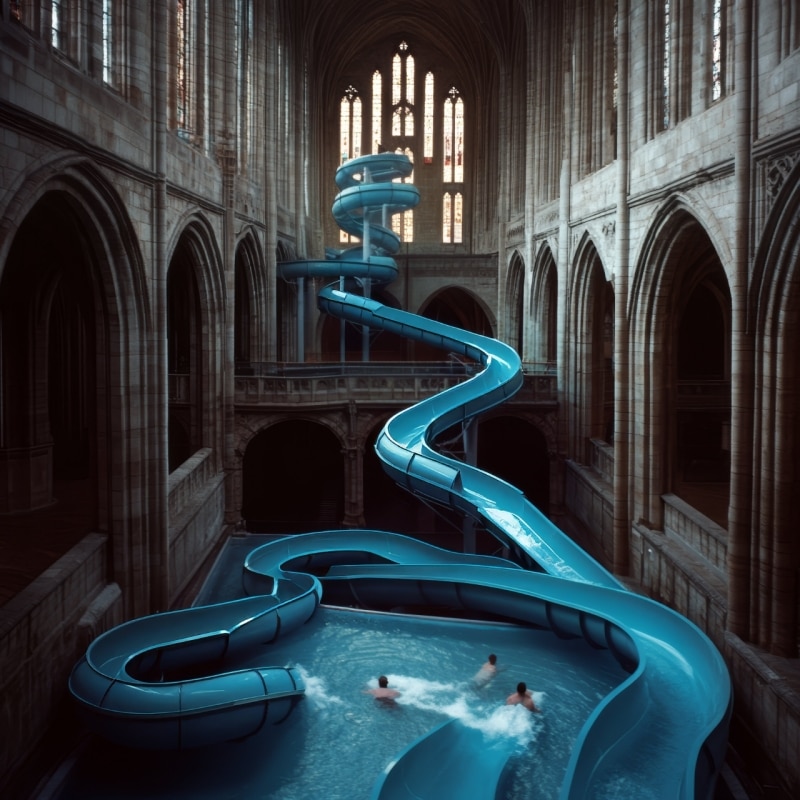
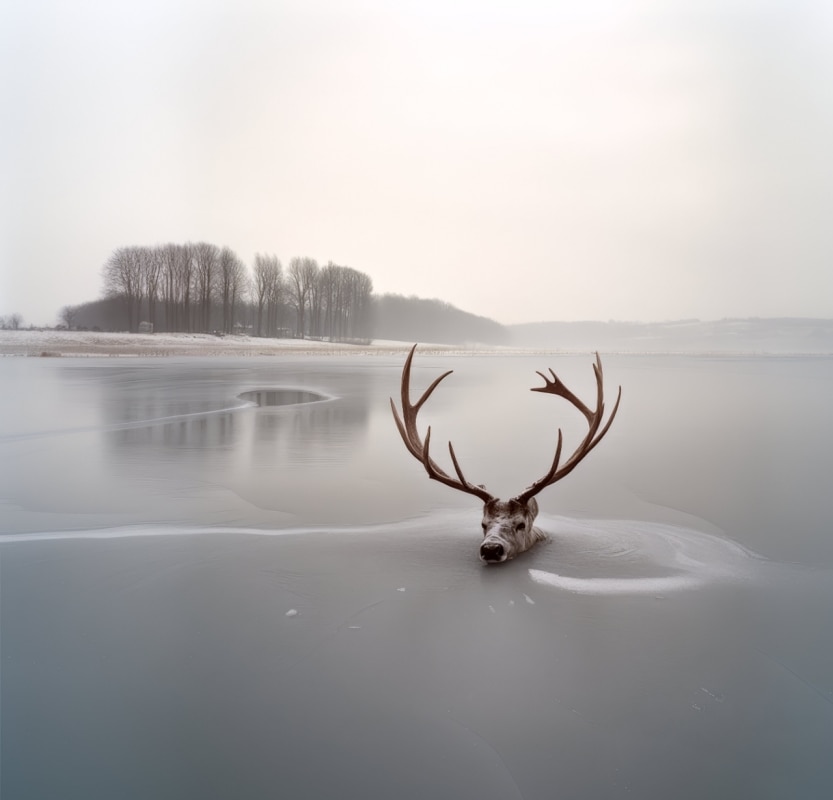
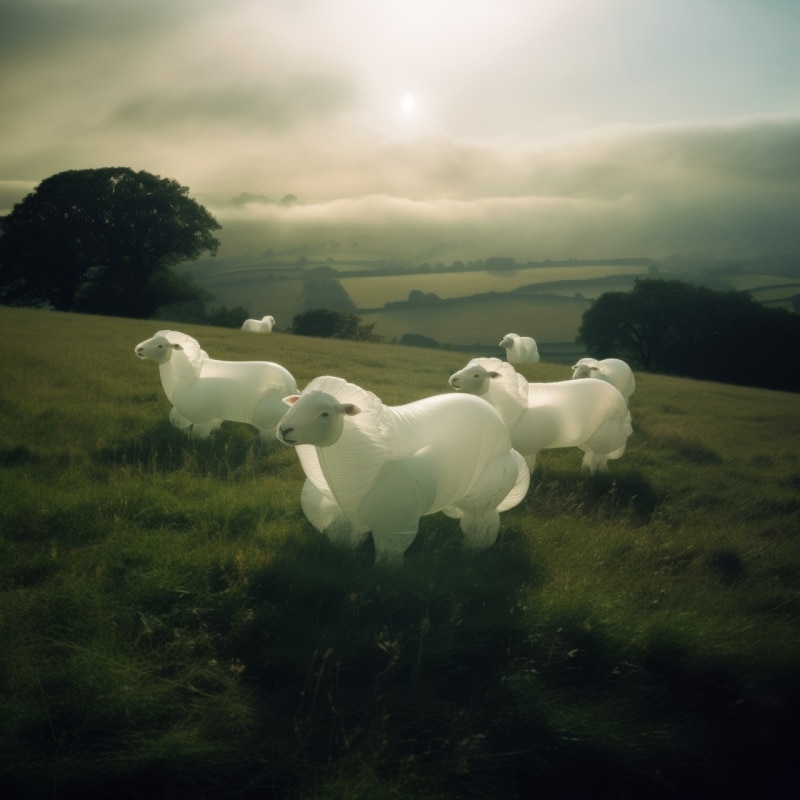
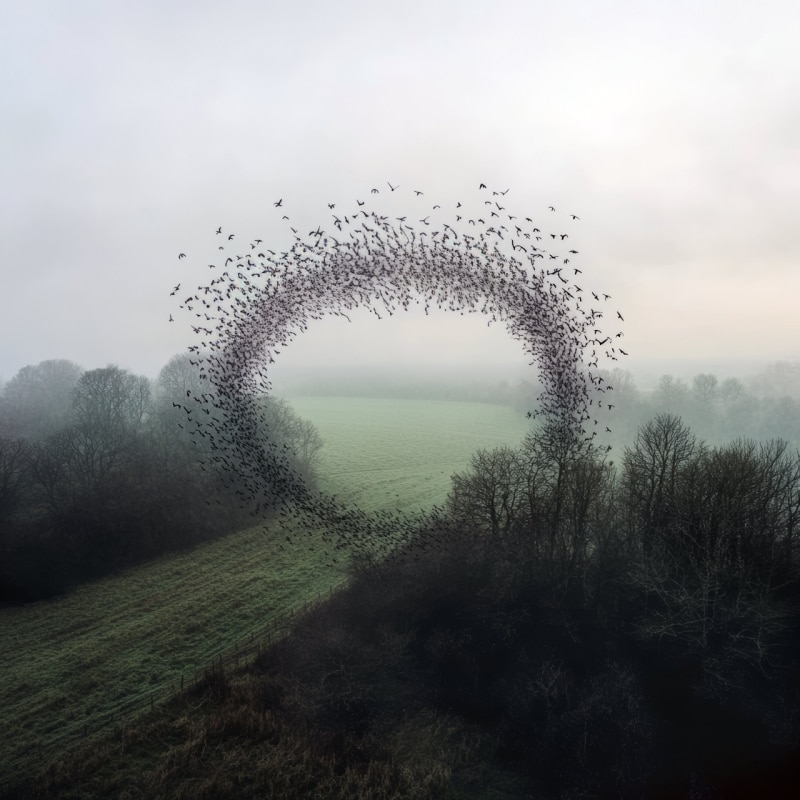
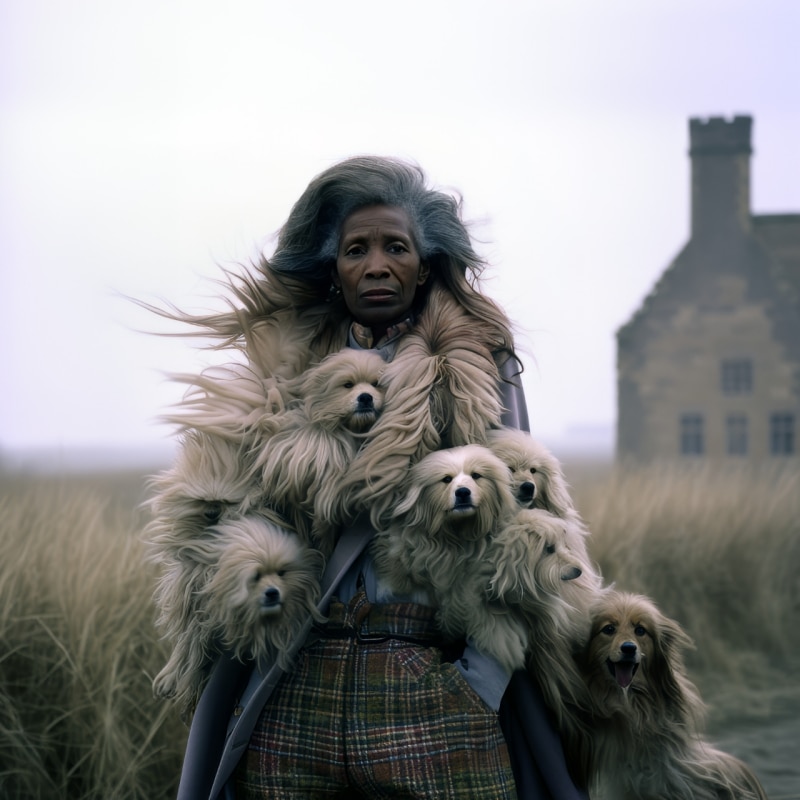
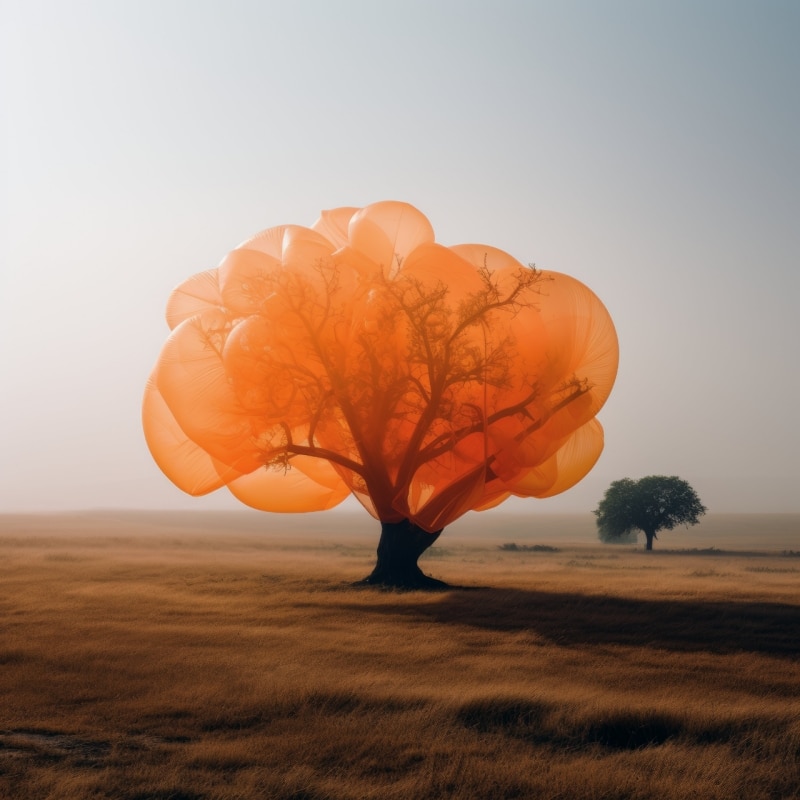
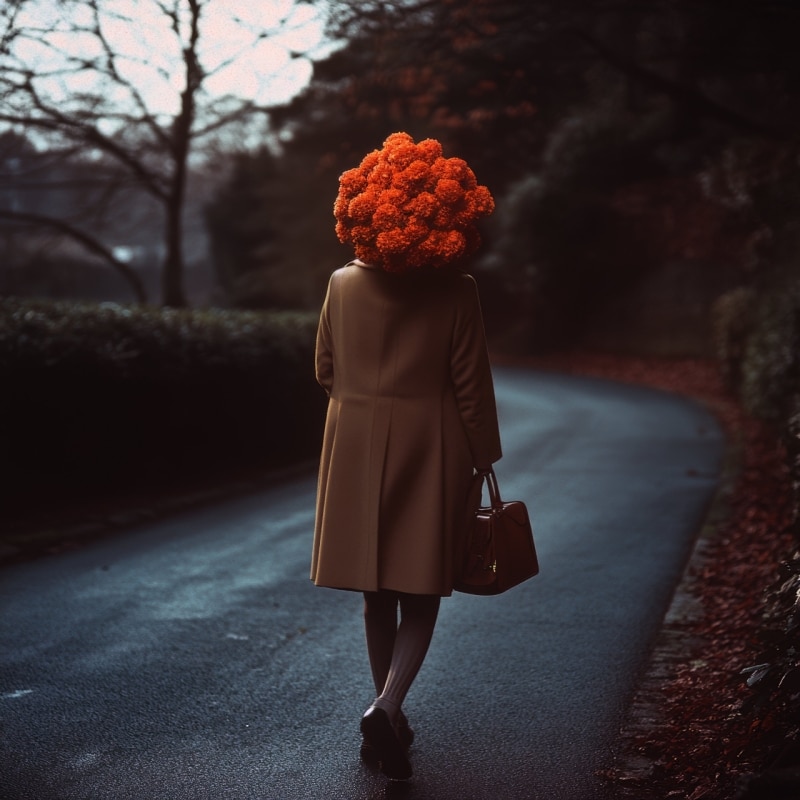
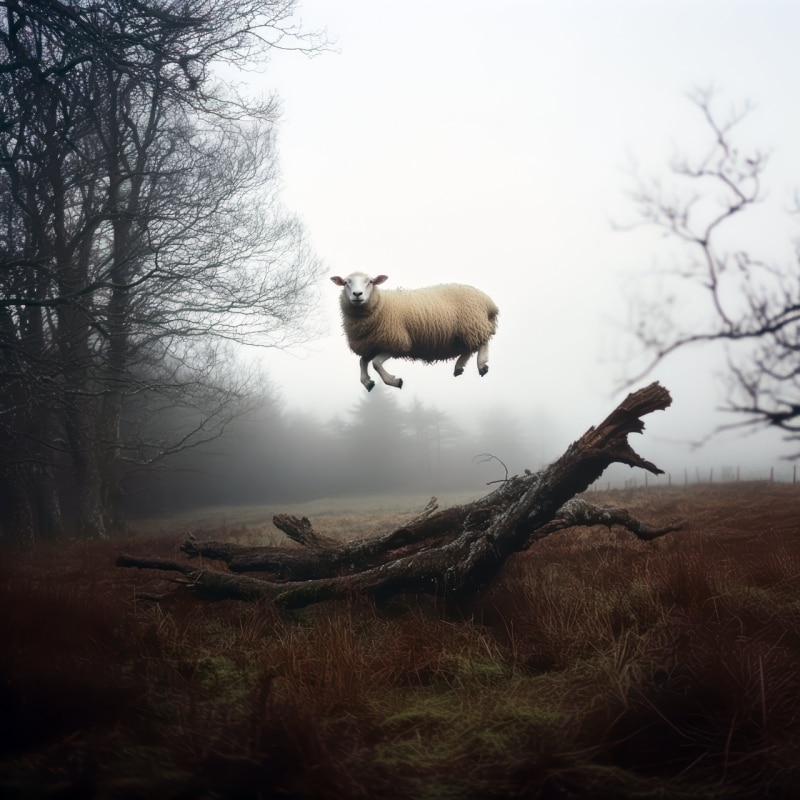
Floating sheep over English moorlands, hyper-technological houses powered by improbable forms of energy, scarecrows walking across fields like figures suspended between folklore and science fiction. In Another England, Toledano constructs a landscape that resembles a memory but operates as a projection. “It’s a deeply nostalgic and personal work,” he says. “I was born in England and I haven’t lived there for thirty years. It’s like looking at a memory through a telescope.”
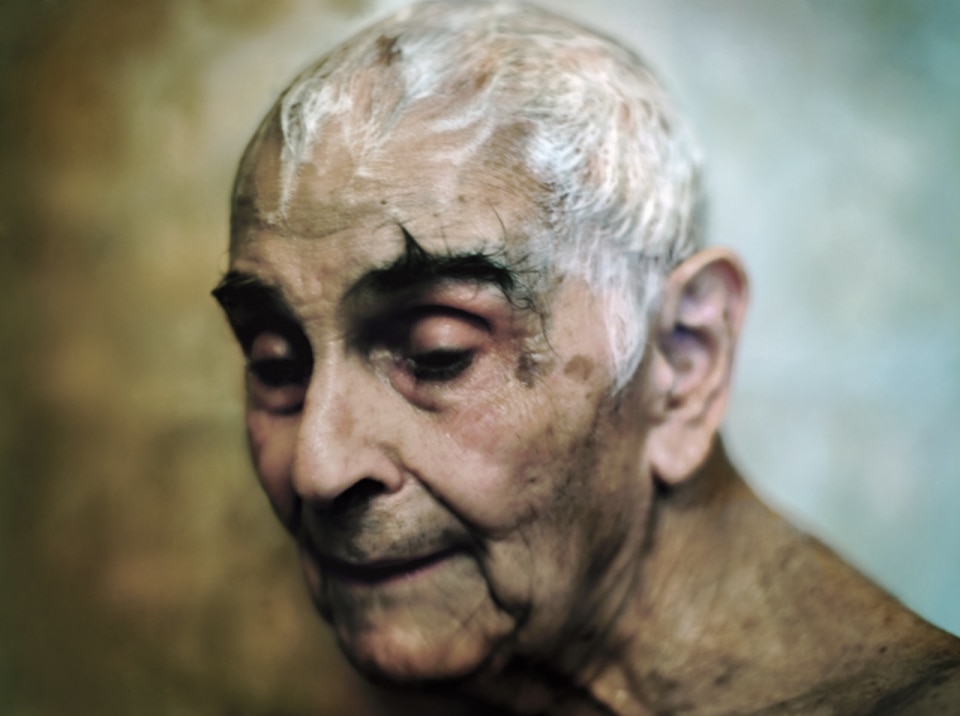
Set in the 1980s—the last time the artist saw those landscapes—the series observes the UK from the perspective of an expatriate, divided between attachment and distance. Beneath the dreamlike surface, however, lie concrete readings of the present: scarecrows echo immigration, imposed “green” technologies suggest new forms of control, and the moors speak of depopulation. Each image is paired with a short text, forming something like a visual novel.
I use AI because I need to talk about the demise of truth in photography. And to do that, I can only use the tool that is causing it.
Phillip Toledano
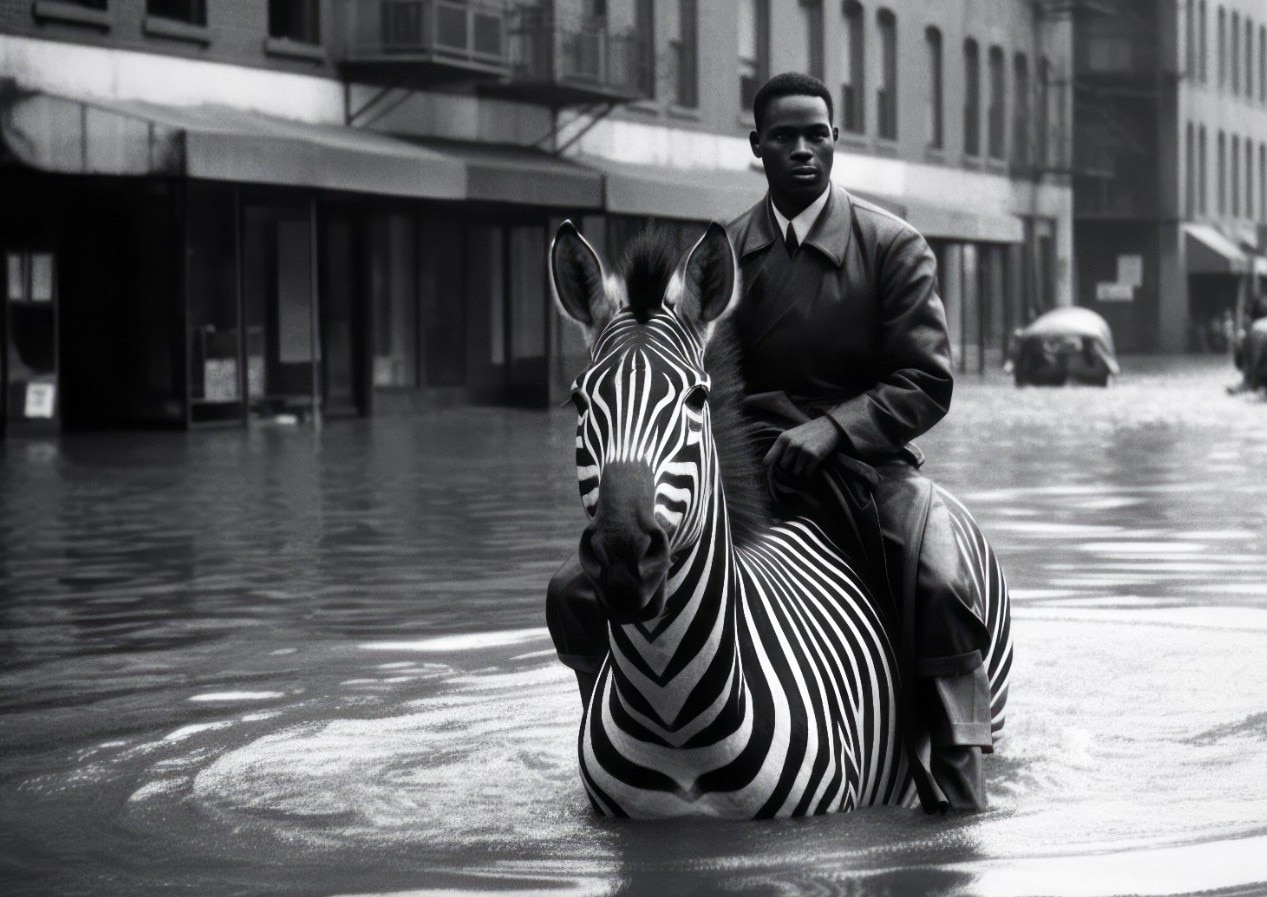
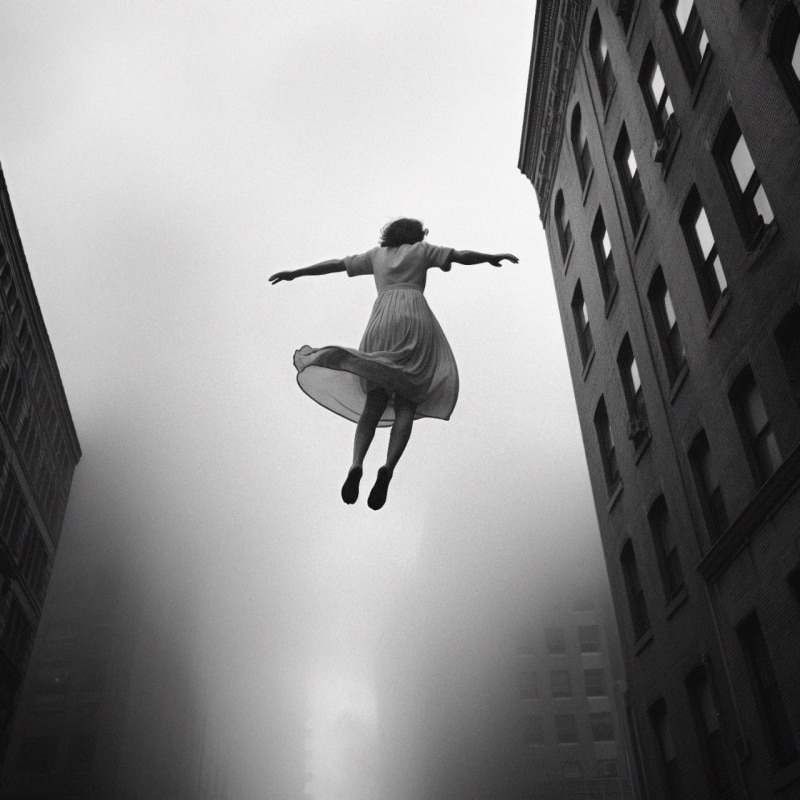
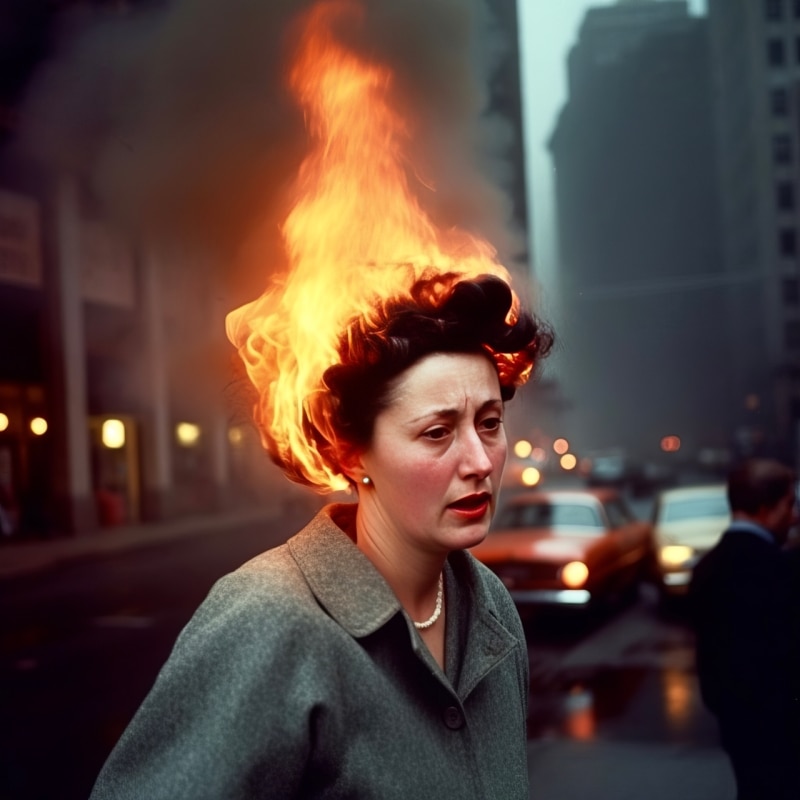
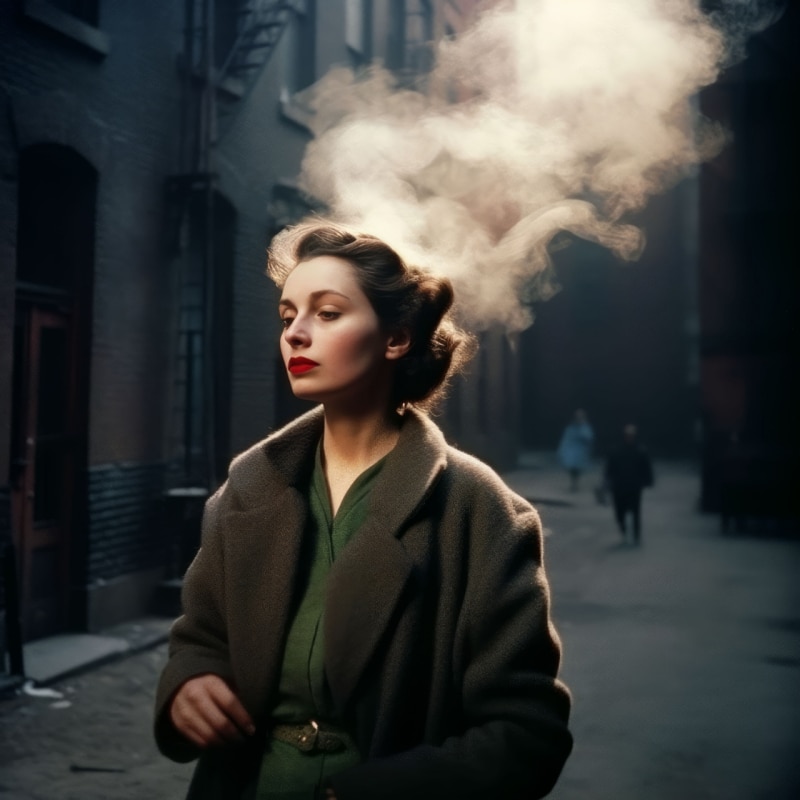
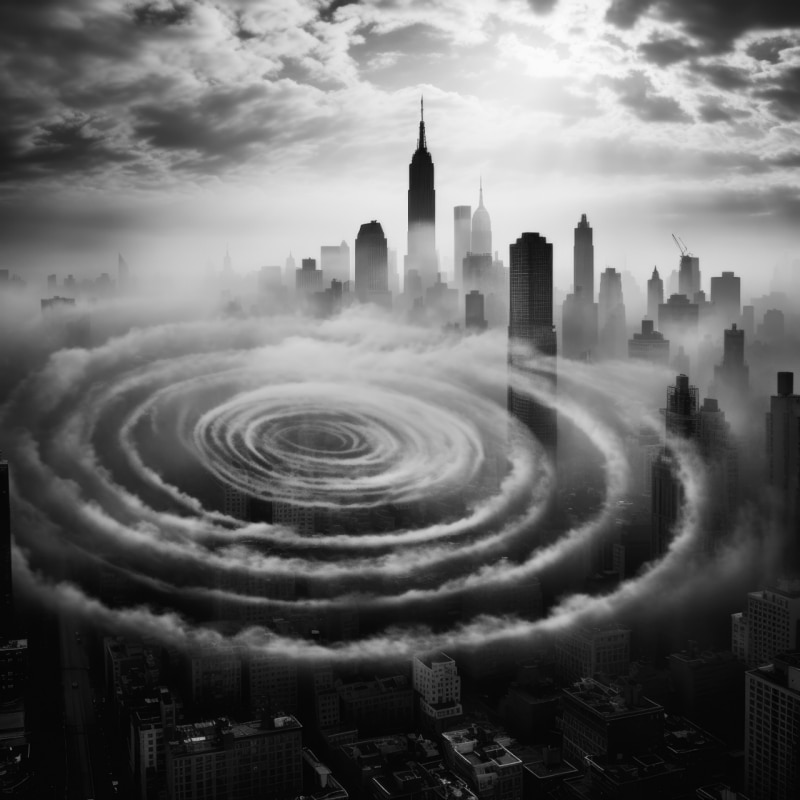
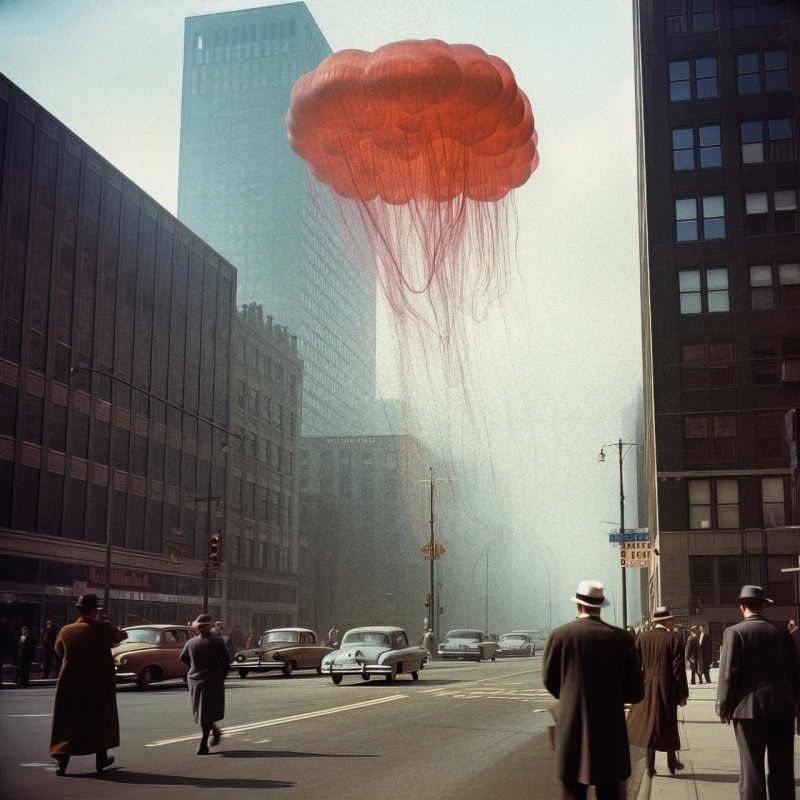
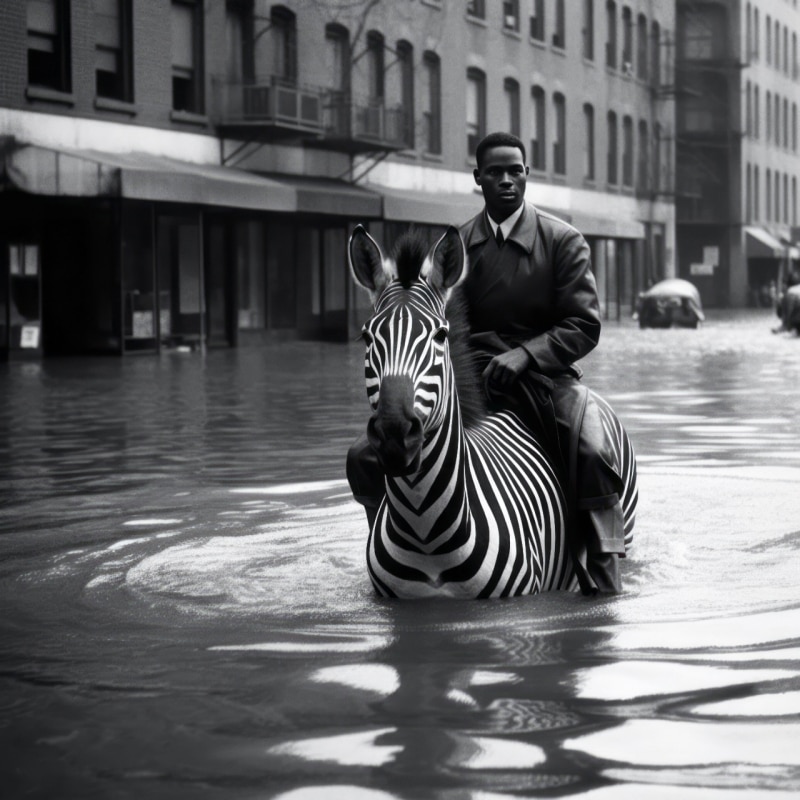
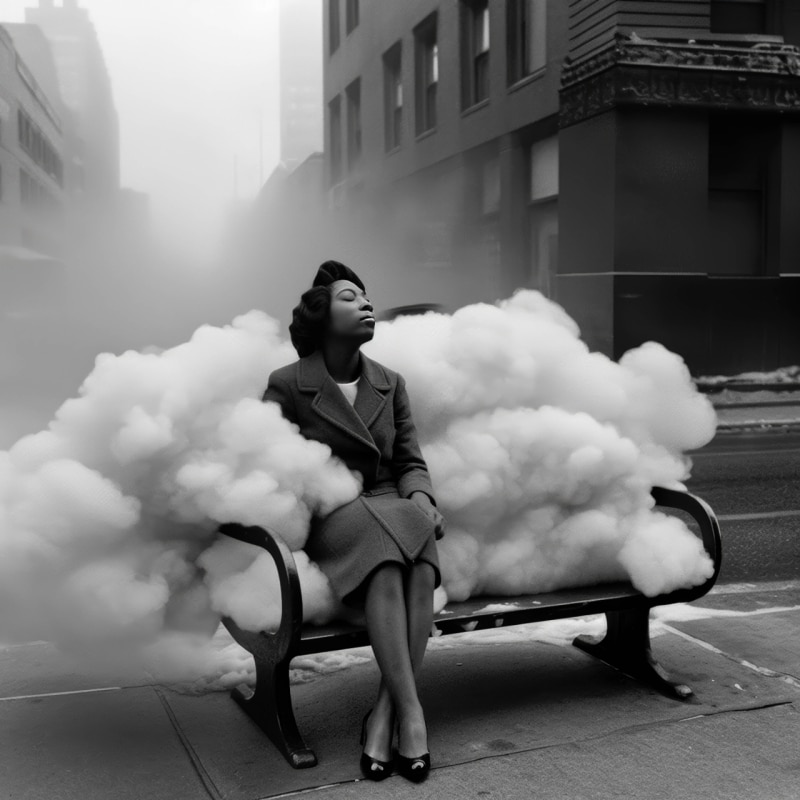
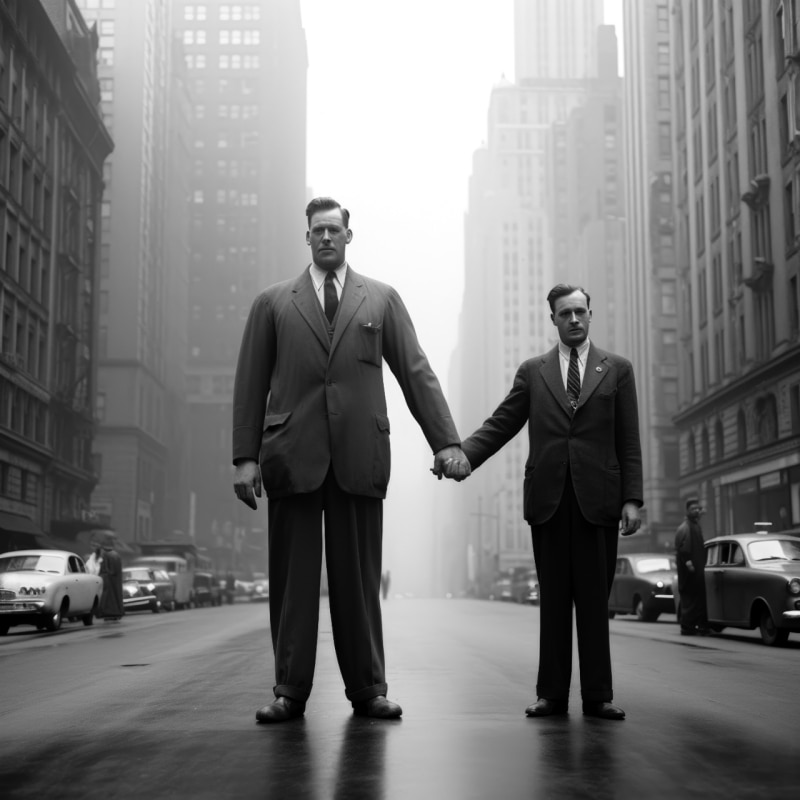
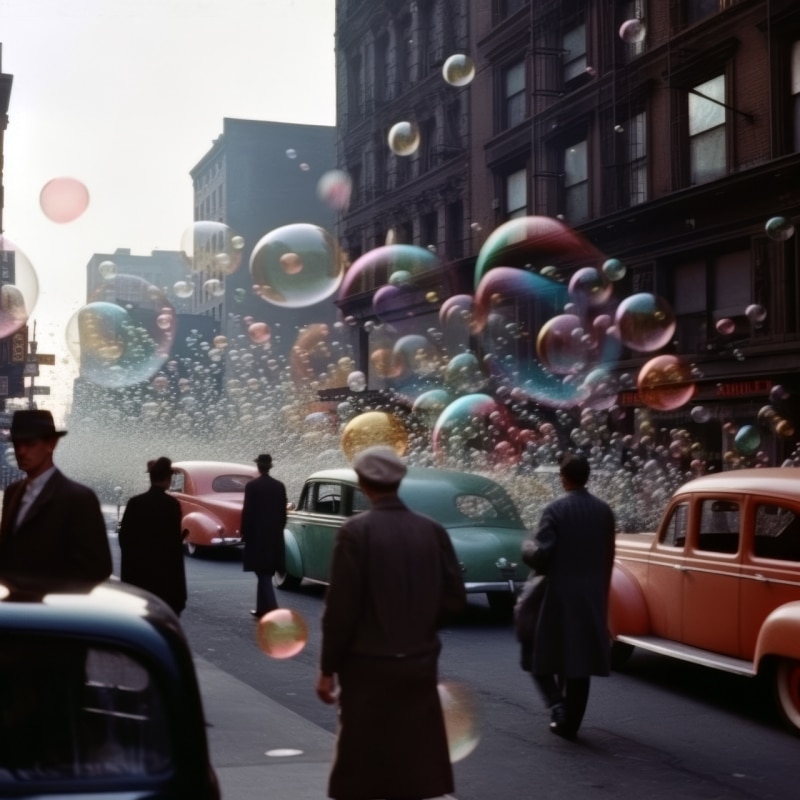
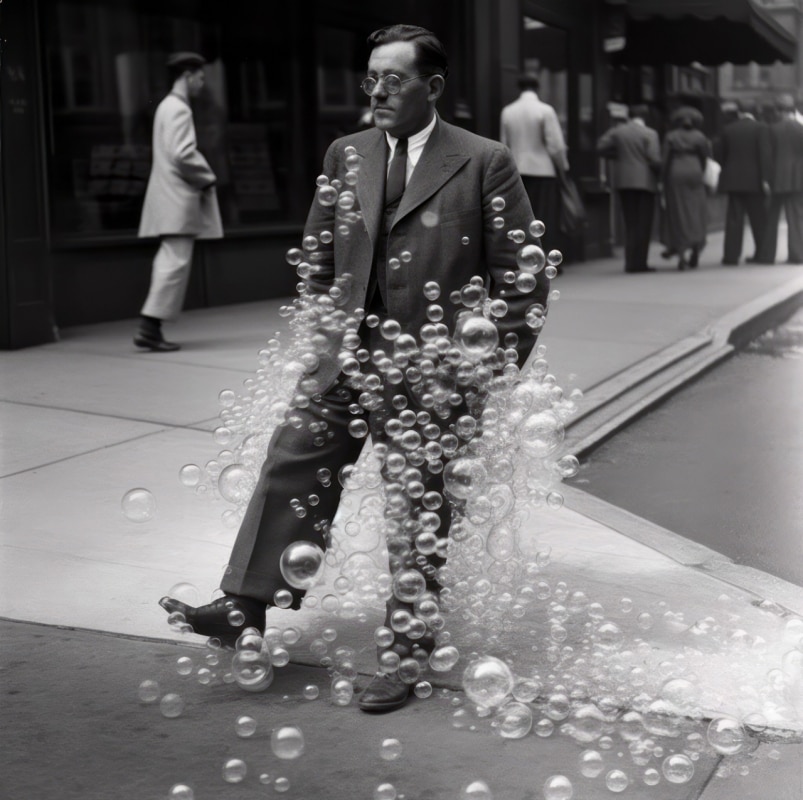
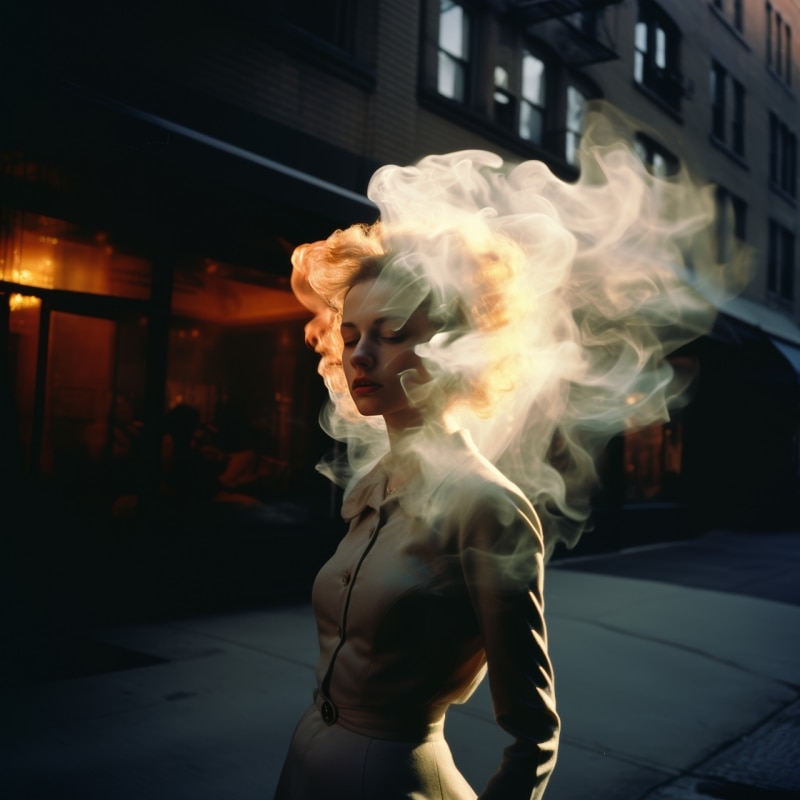
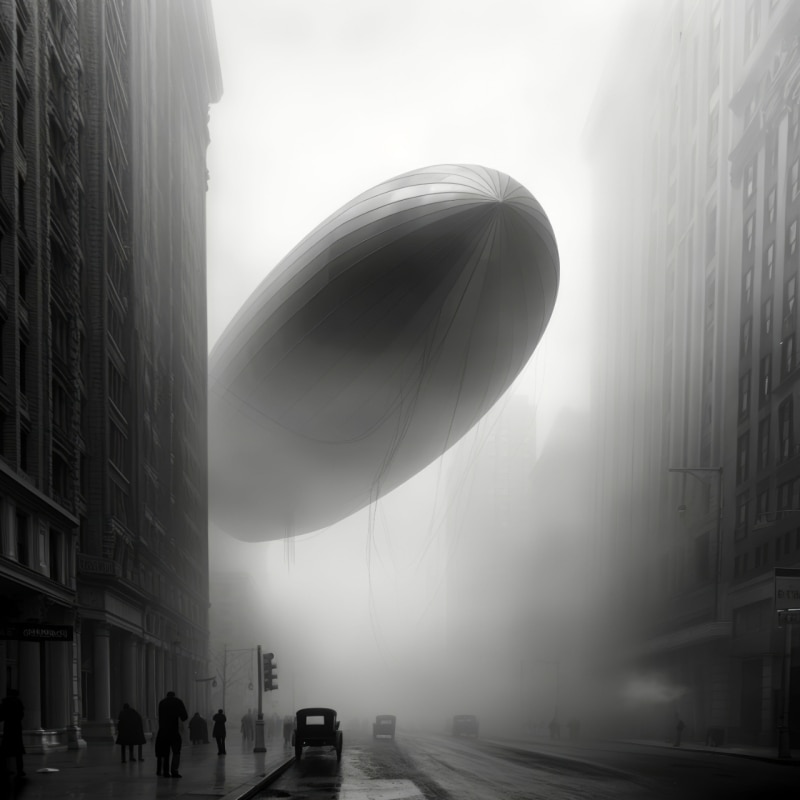
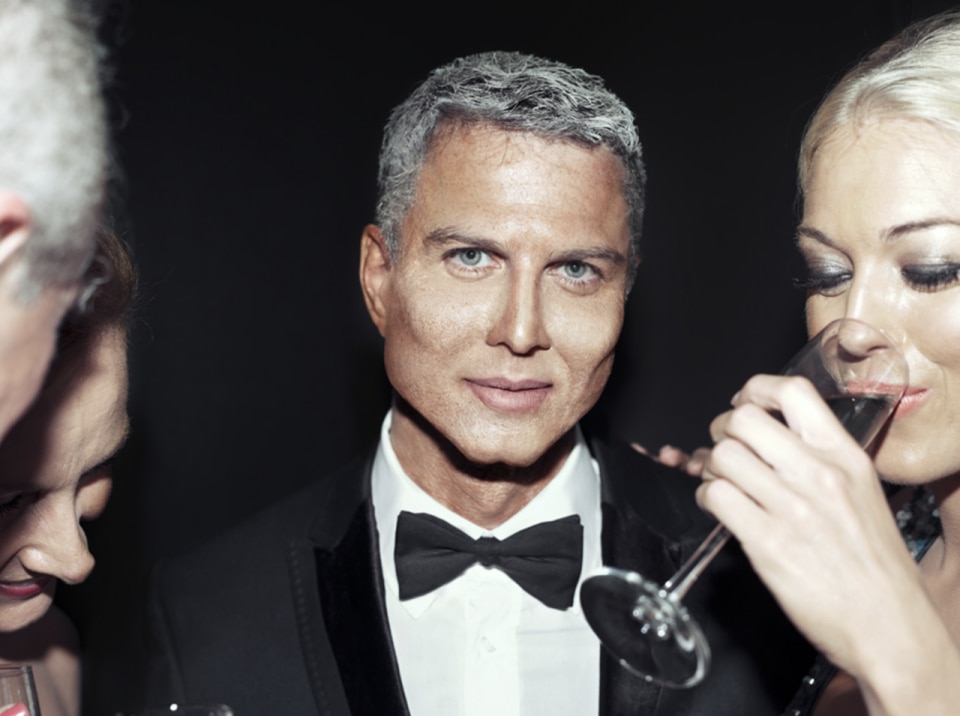
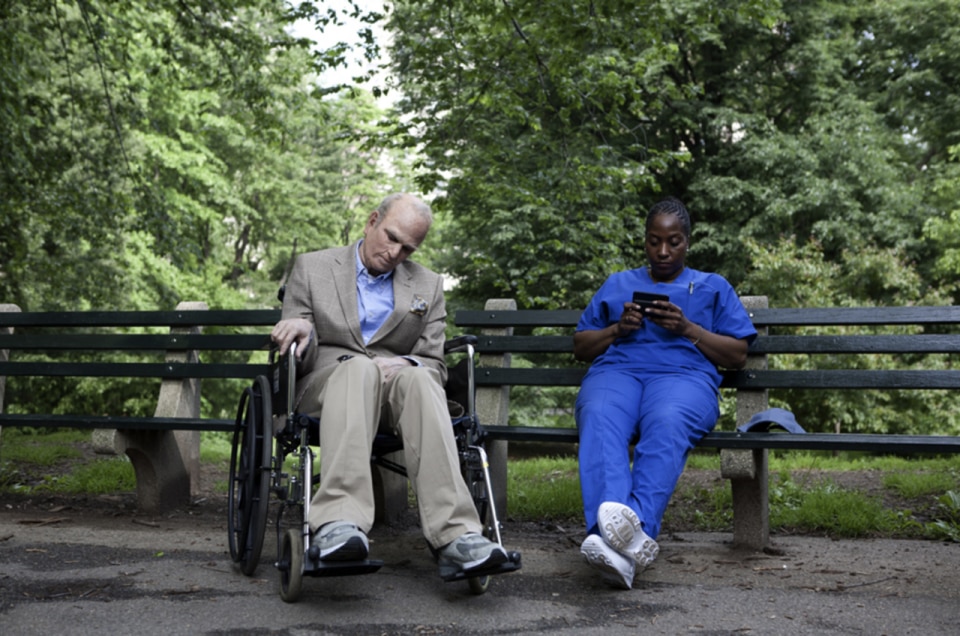
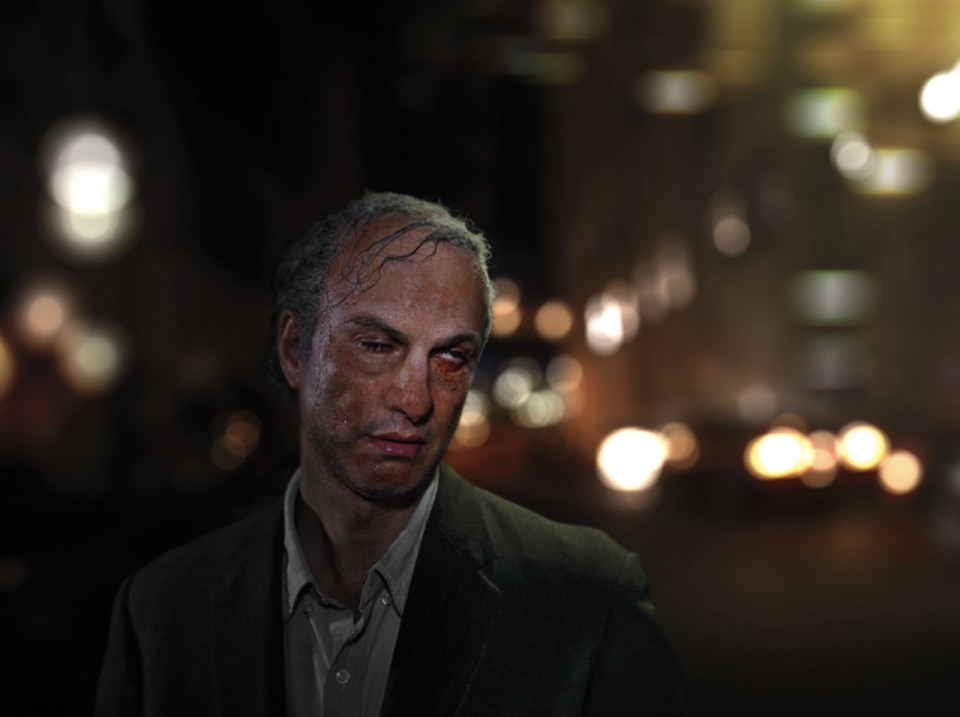
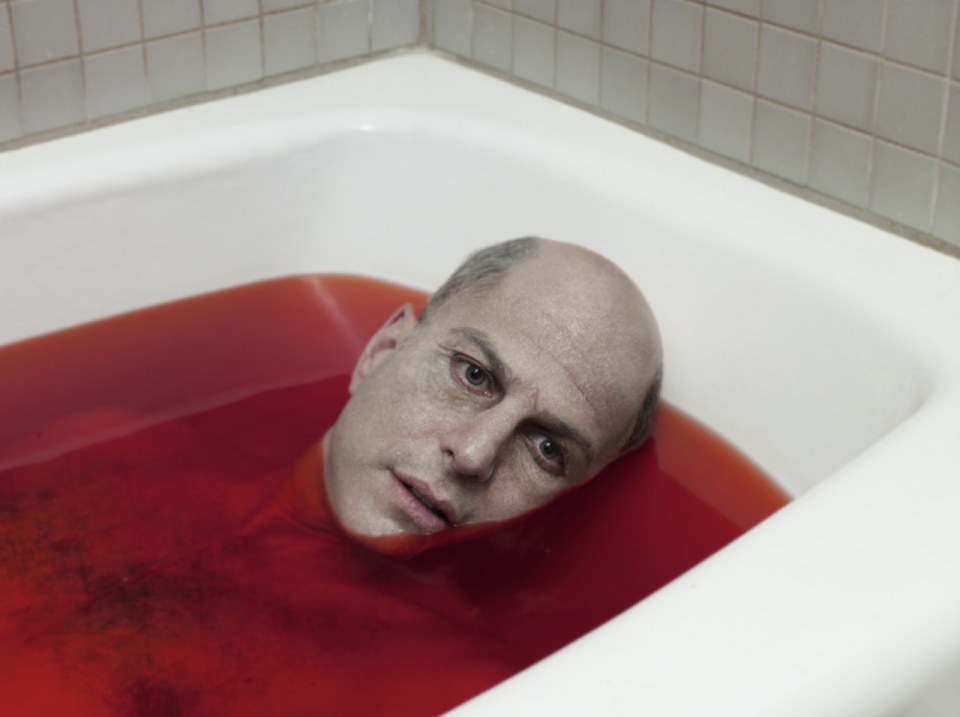
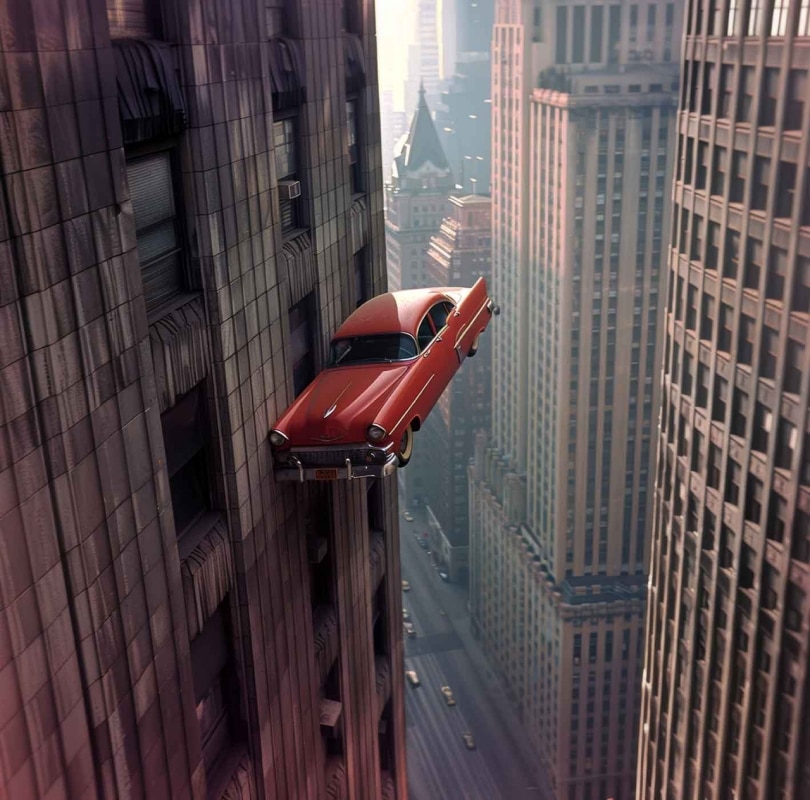
Before Another England, there was Another America, the project in which Toledano first introduced AI. Here the tone darkens: men in suits and luxury cars fall from skyscrapers, planes crash among New York bodegas, hair catches fire. The American dream bends into nightmare—images that now seem to anticipate an ecosystem of AI slop, fake news and propaganda. “The funny thing is that I’ve been saying the same things about the end of truth in photography for four years,” he notes. “The sad thing is that now I’m not telling people anything they don’t already know.”
Criticism: fighting AI is like shouting at the sea to change the weather
“We used to have a technology that was proof of reality. Now we are in the age of hallucination.” For Toledano, AI is the industrial revolution of our time. And like any revolution, it divides. On one side, photographers nostalgic for a direct link between image and reality; on the other, a public increasingly aware of how easily images can be manipulated. “They think they can change the weather by shouting at the sea,” he says of the former. The issue, for him, is not manipulation itself—photography has always done that—but the context: we now have perfect tools to create images and equally powerful systems to distribute them.
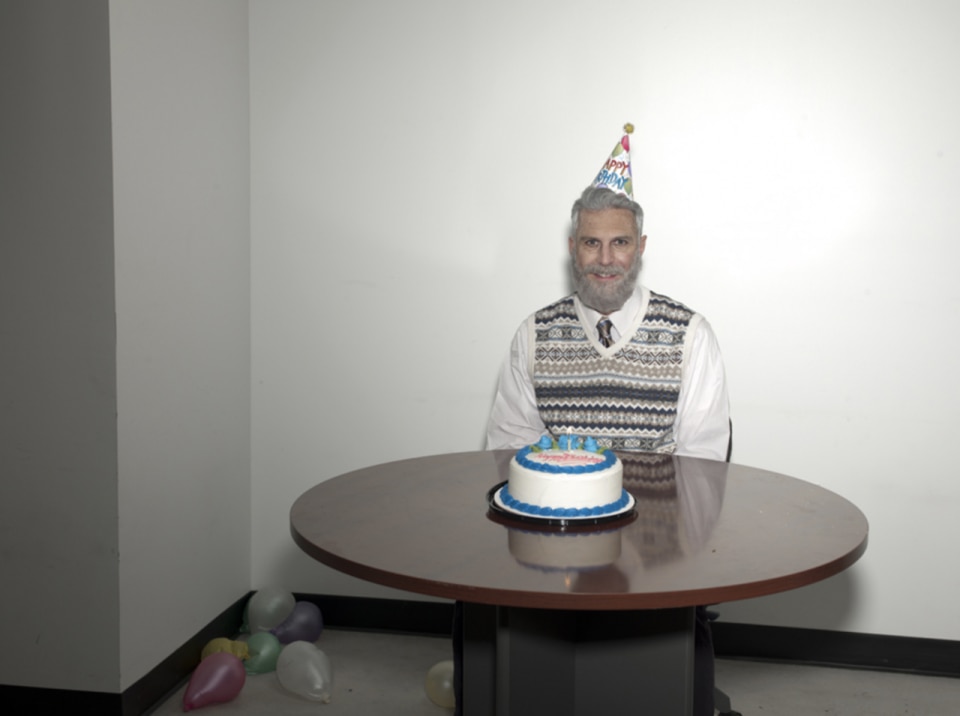
“We are in a perfect storm: perfect technology to create images, perfect systems to spread them, and a political context that allows propaganda to circulate.” In such a scenario, his images could easily be mistaken for disinformation. That is precisely why they function as documents of the present. “I use AI because I need to talk about the demise of truth in photography. And to do that, I can only use the tool that is causing it.”
Origins: rewriting reality
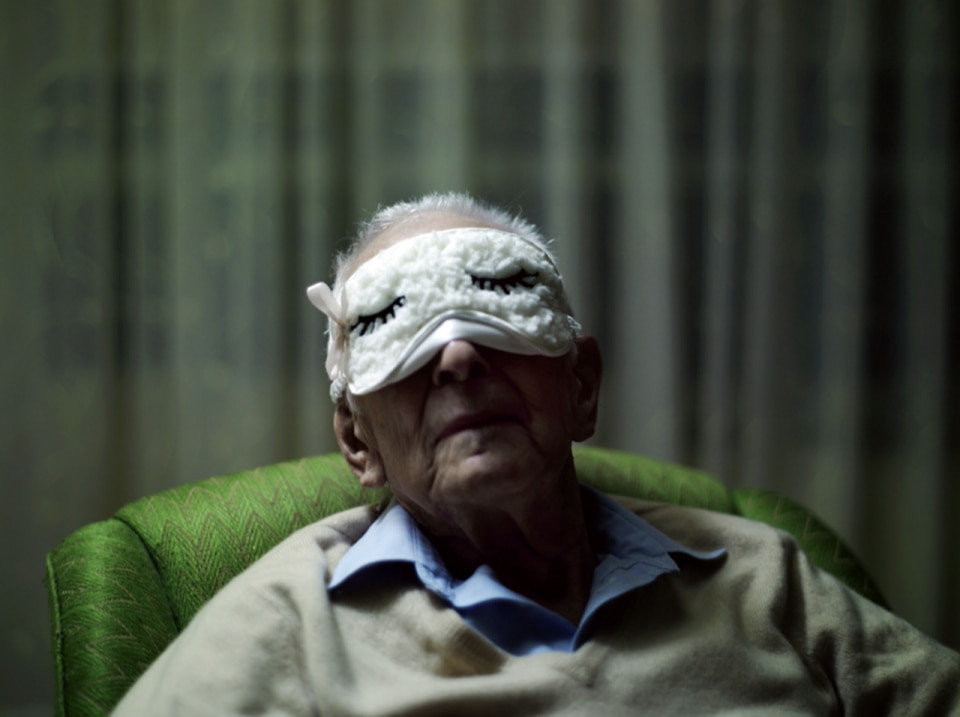
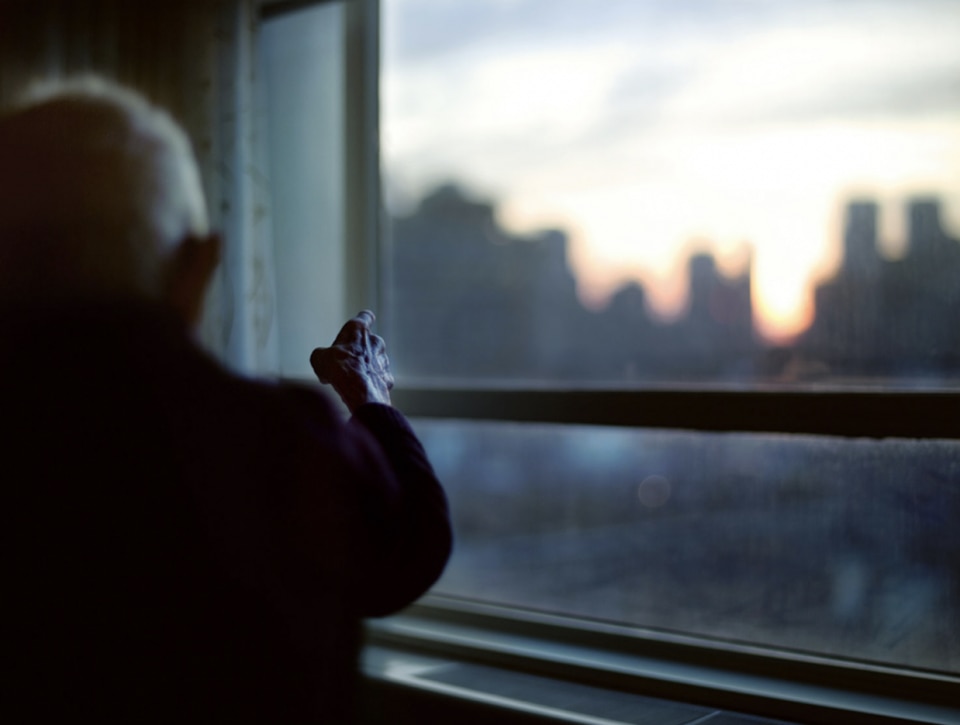
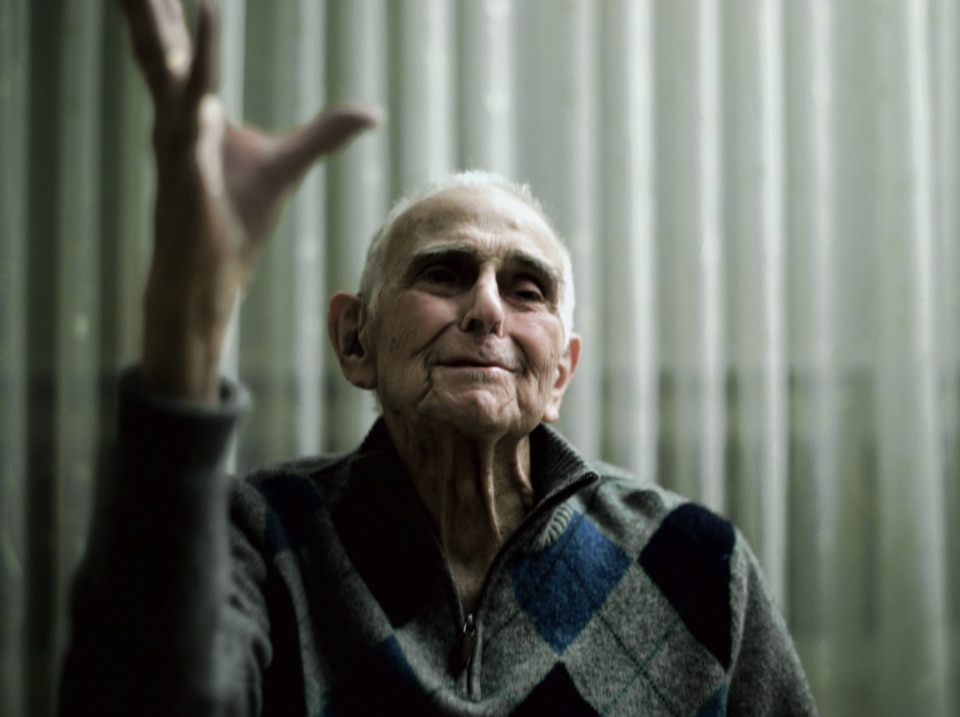
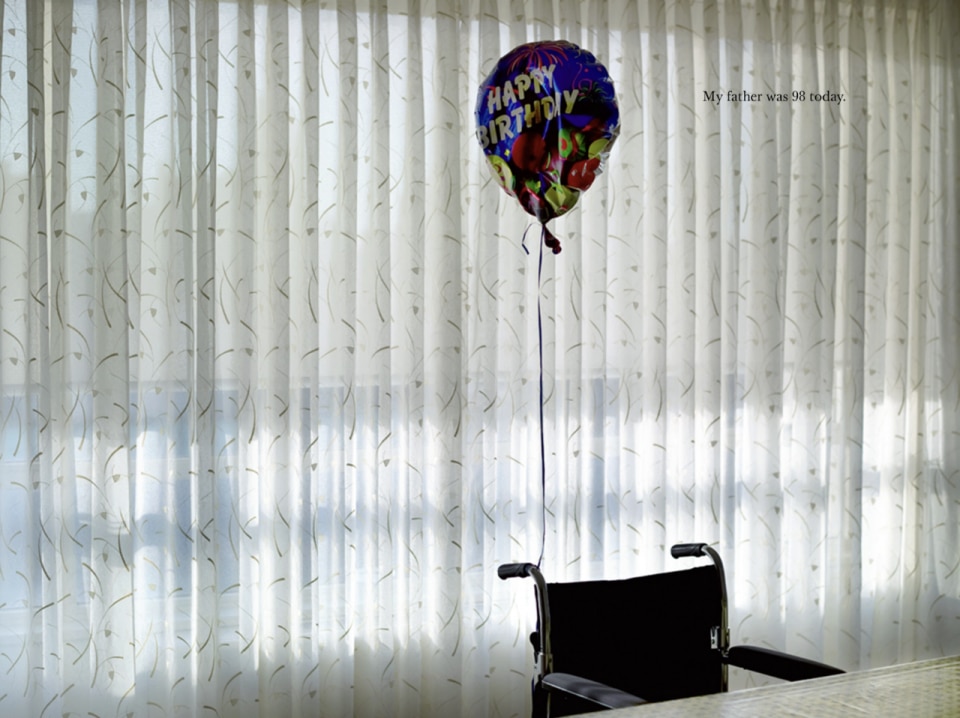
“Inventing history” is something Toledano has always done, even in his earlier photographic work. In Days with My Father, created during his father’s illness, photography already became a form of construction: “I was constantly inventing the world we lived in together,” as his father’s memory faded. After his parents’ death, this impulse intensifies. With Maybe, a visual rewriting of Paul Auster’s 4 3 2 1, he imagines alternative versions of his own life, transforming himself into possible futures.
“Never Seen the Light”: the past as fake
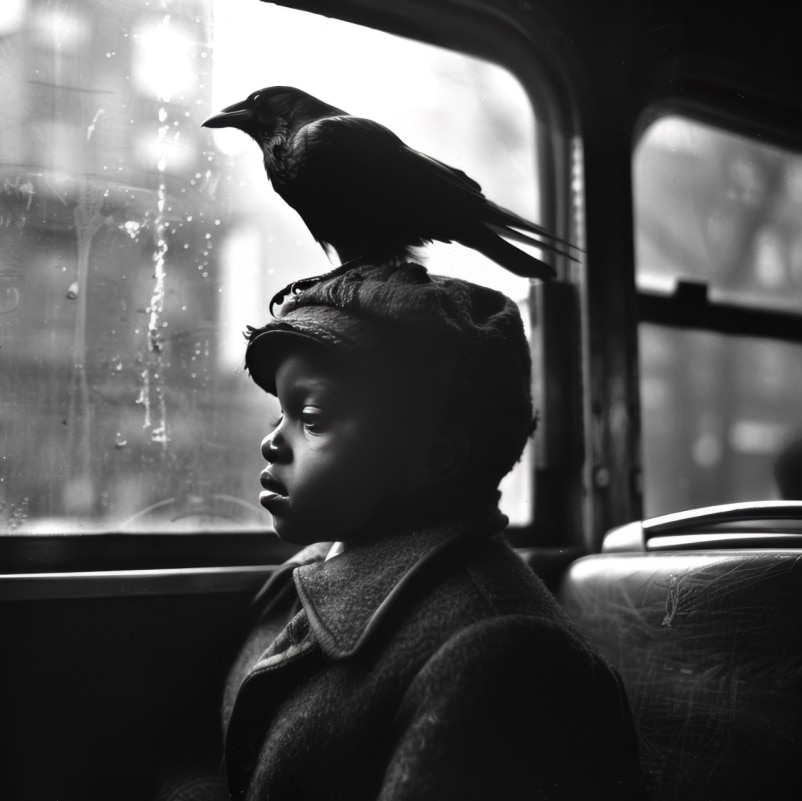
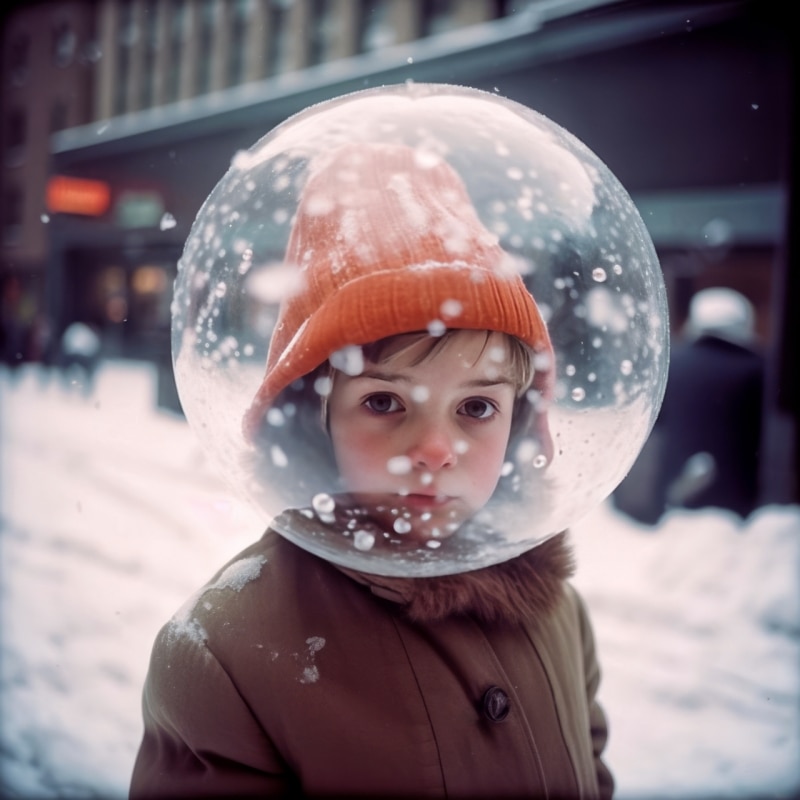
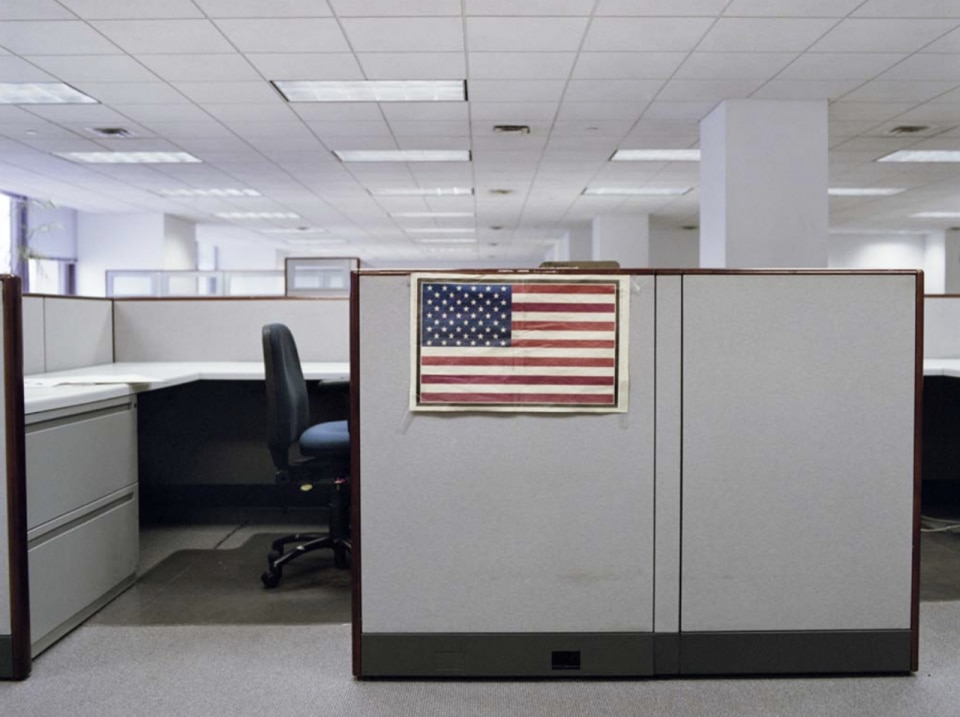
With “Never Seen the Light”, opening at Fotografiska Berlin, Toledano closes a loop that merges personal narrative and AI. He claims to have discovered a box of negatives taken by his father in 1930s New York. But it isn’t true. “It’s a massive fake news story—but in the form of an exhibition.” The point is not deception, but to make viewers experience the same uncertainty that now defines our relationship with images.
Documentary photography is not dead. It has changed its object. It no longer documents the world, but the way the world is constructed, manipulated and believed. And perhaps, in an age where anything can be false, the most honest document is not the one that proves reality, but the one that reveals its dissolution.