


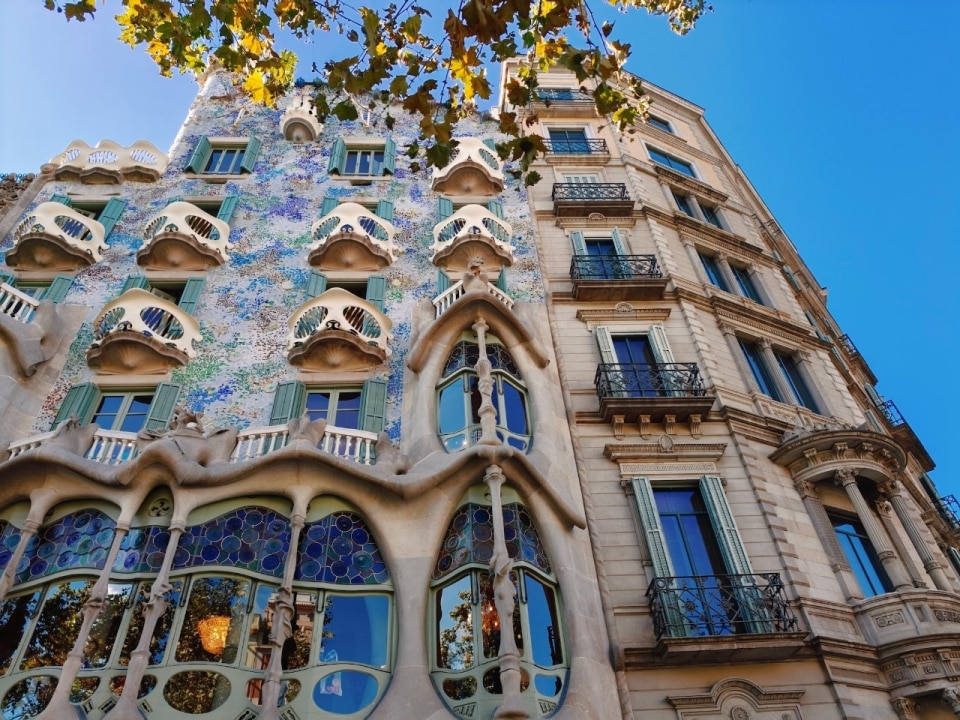
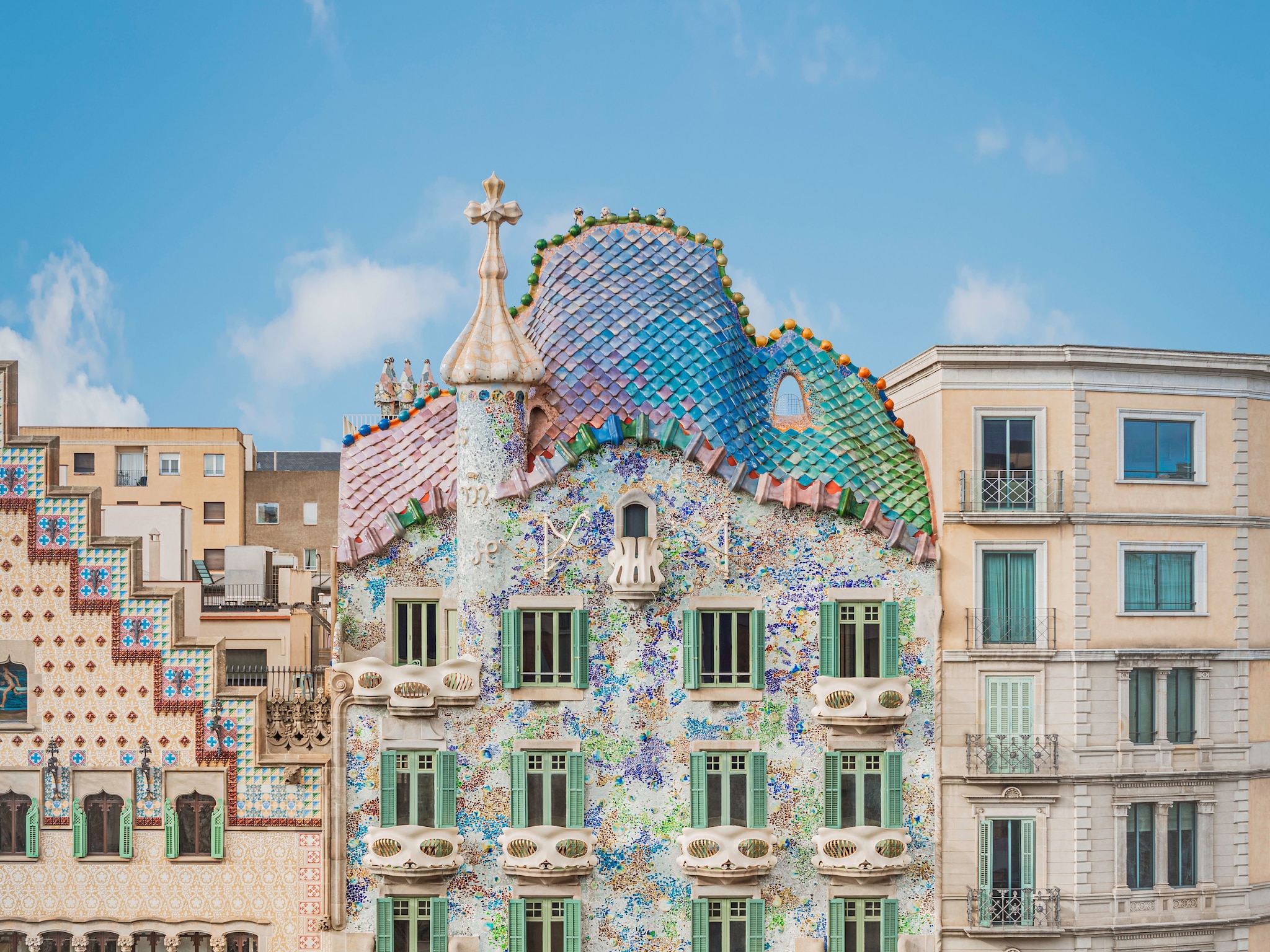
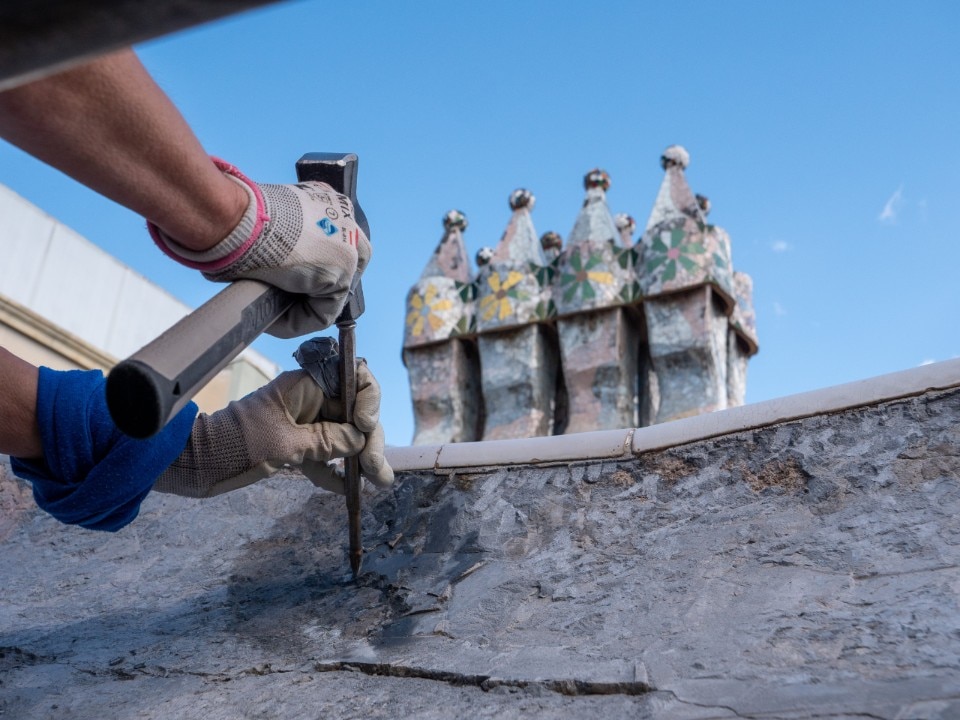
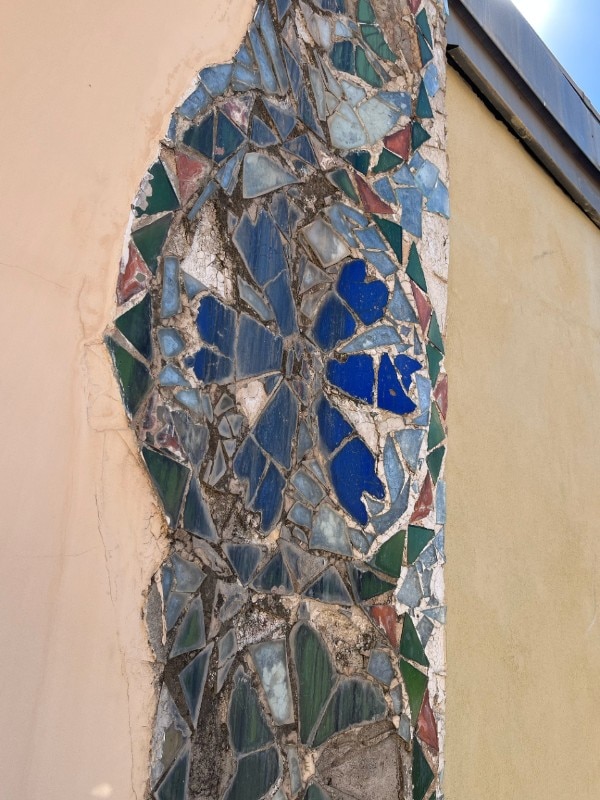
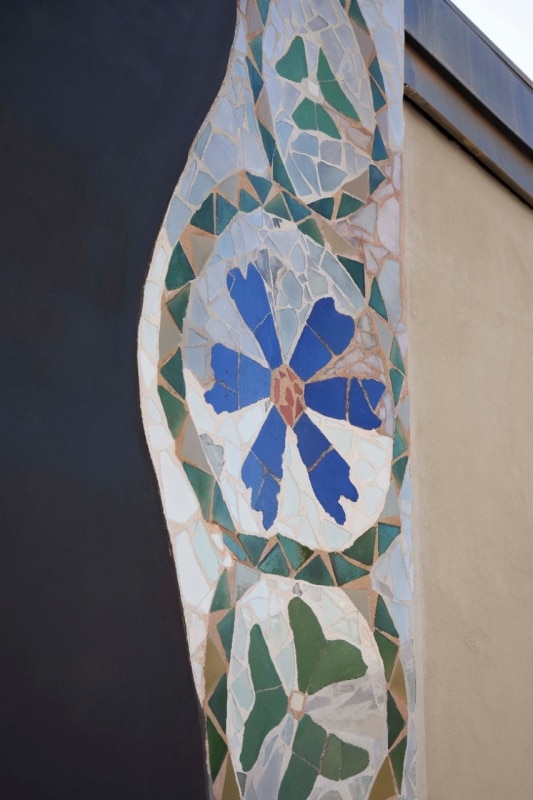
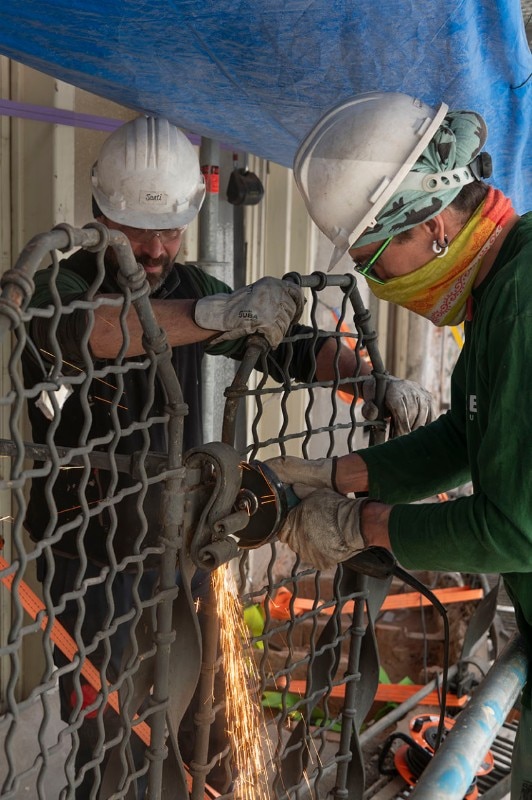
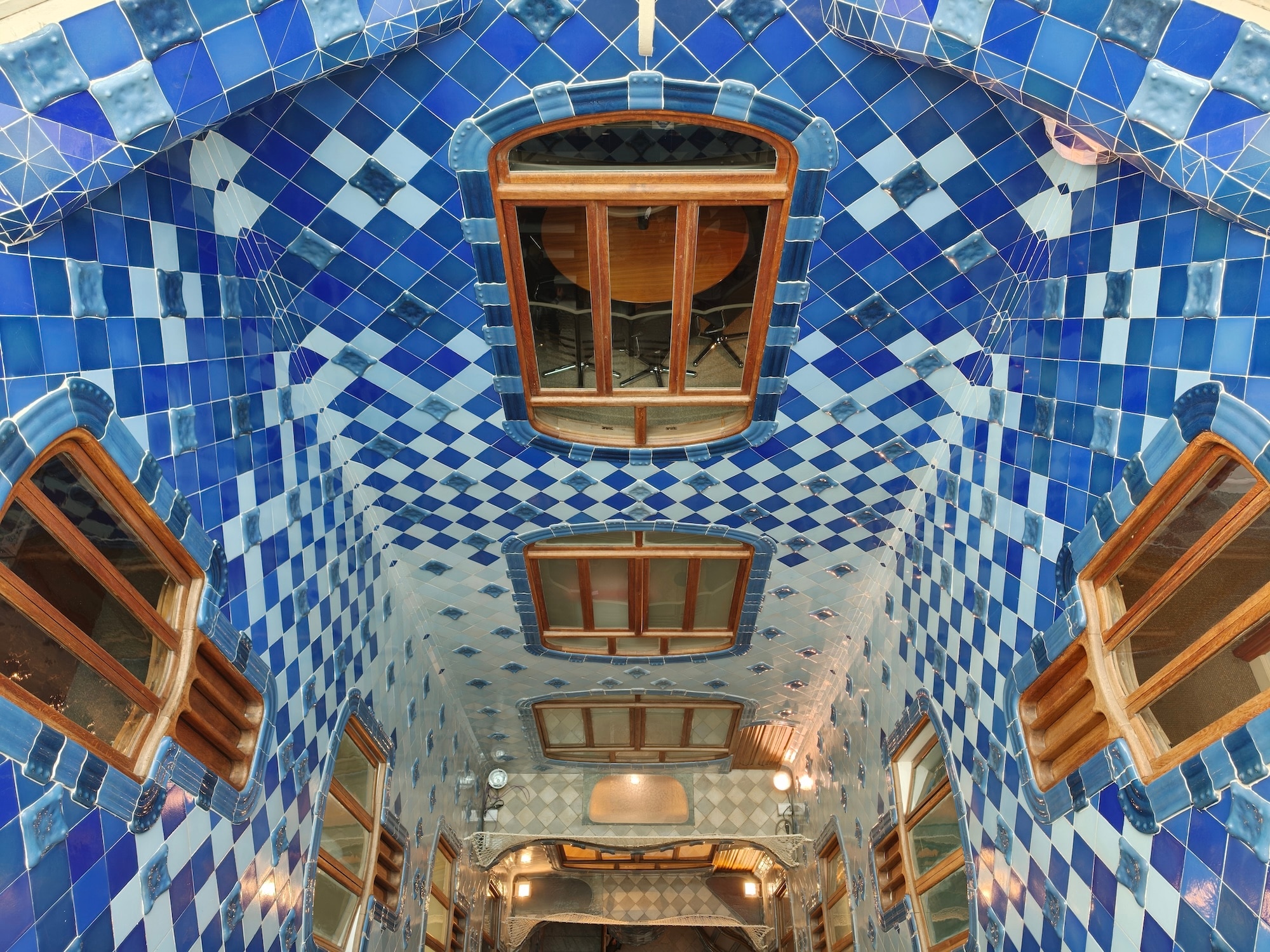
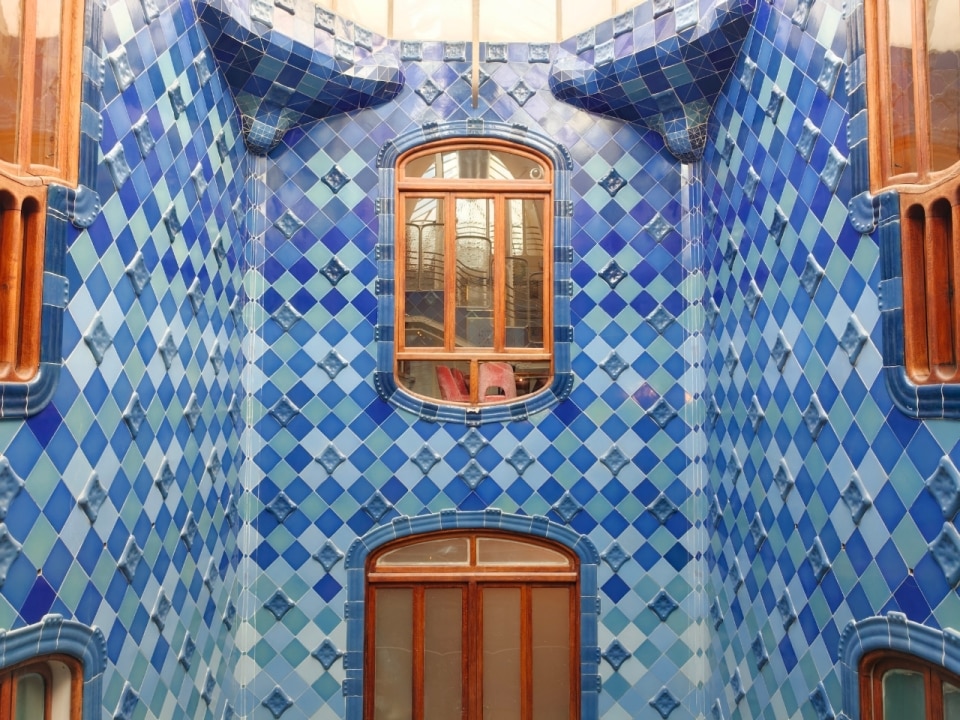
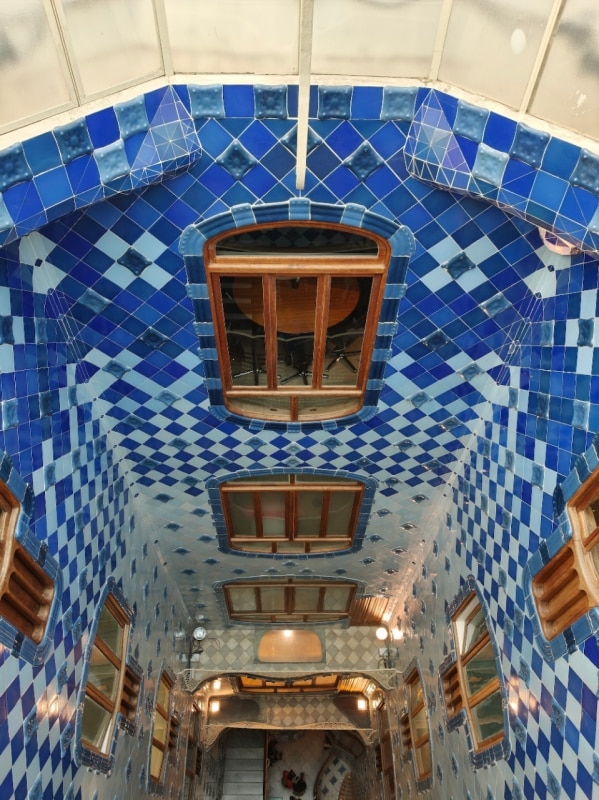
Last year, we described the restoration of Casa Batlló — Antoni Gaudí’s Modernist masterpiece in Barcelona — as “one of the most extraordinary renovations in architectural history.” Led by architect Xavier Villanueva together with the Casa Batlló team, the years-long restoration brought back to light the original colors envisioned by Gaudí for the home of textile industrialist Josep Batlló i Casanovas. More than a century later, the building once again resembles the luminous, almost living marine creature imagined between 1904 and 1906.
Now Casa Batlló is opening an even more radical new chapter: transforming itself, at least for a few hours, into a place to inhabit. To mark the 100th anniversary of Gaudí’s death, the house is opening its third floor to the public for the very first time — a private apartment inhabited by descendants of the Batlló family until 2019 and never previously accessible to visitors.
A home within the house
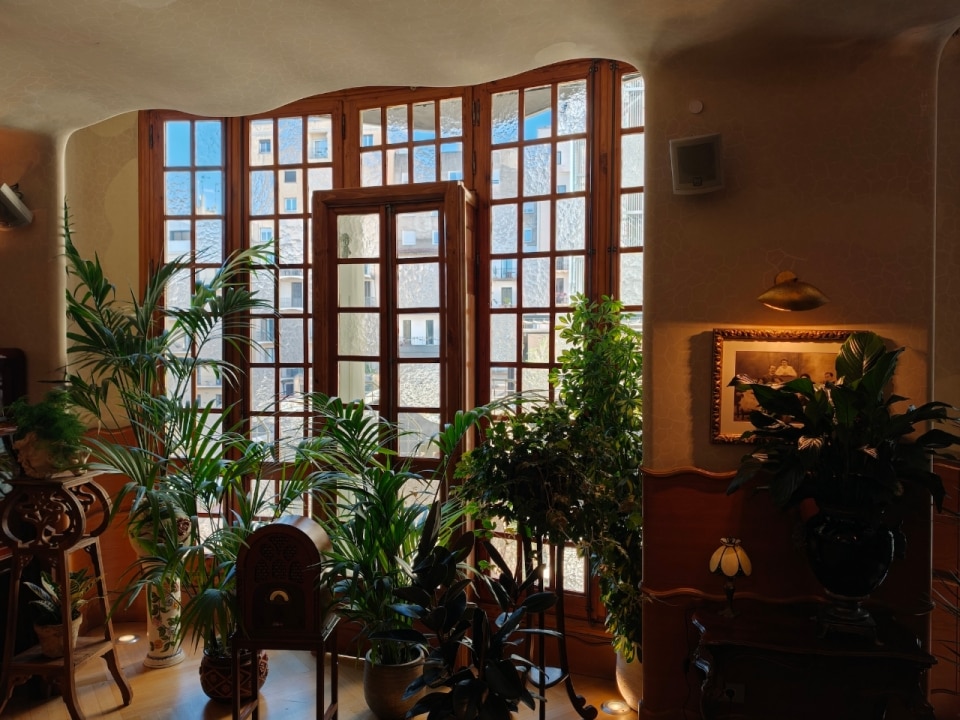
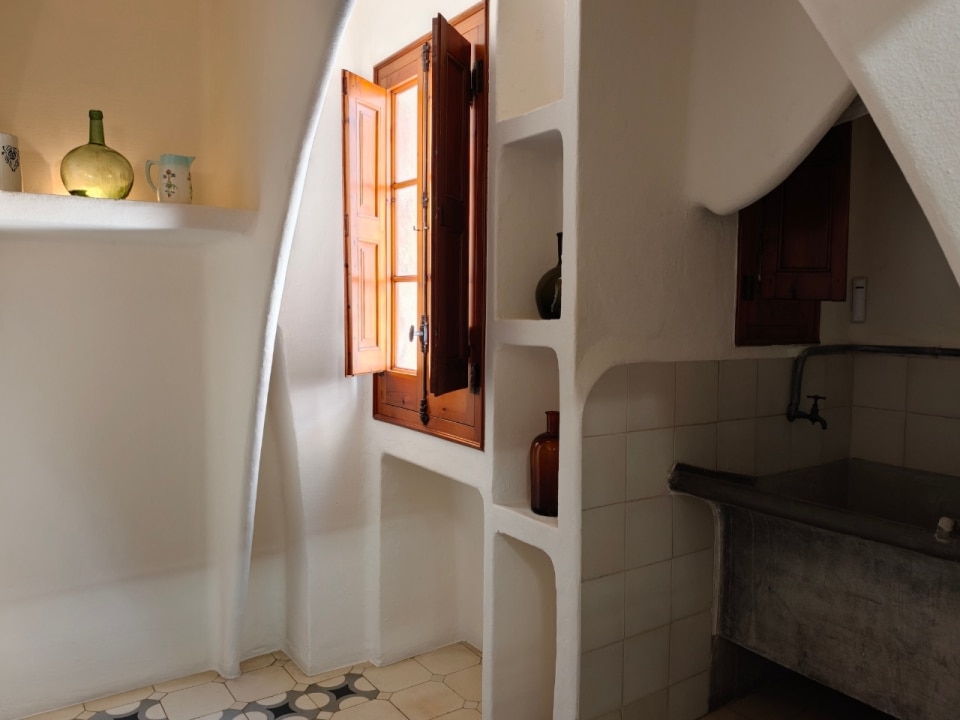
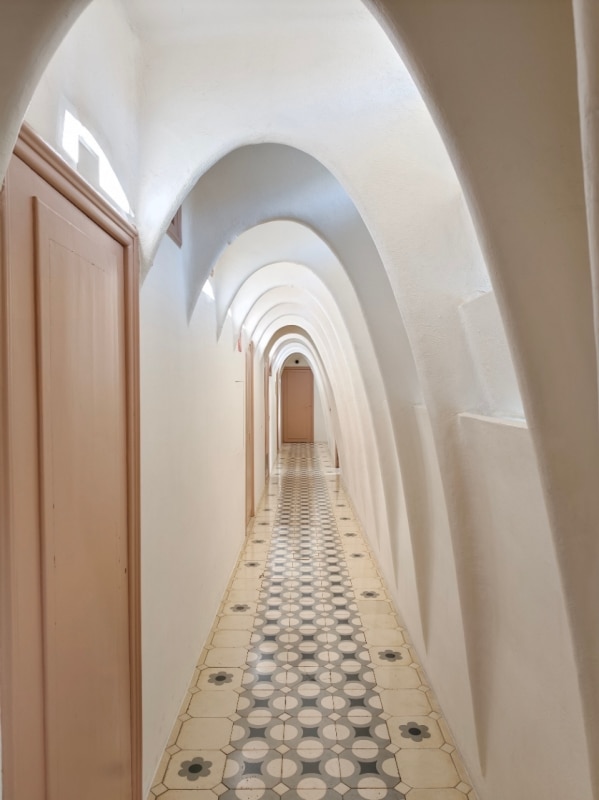
This is not simply a new museum space. The third floor was the last remaining part of the building to preserve, almost intact, the original domestic configuration conceived by Gaudí at the beginning of the 20th century. Unlike other rooms in the house, which underwent multiple transformations over time, this apartment retained an exceptional degree of authenticity, preserving the essence of the domestic life imagined by the Catalan architect.
 View gallery
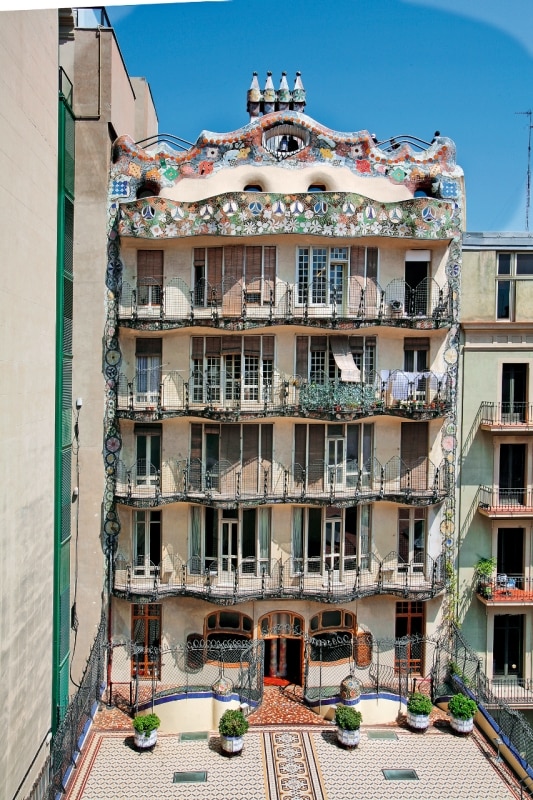


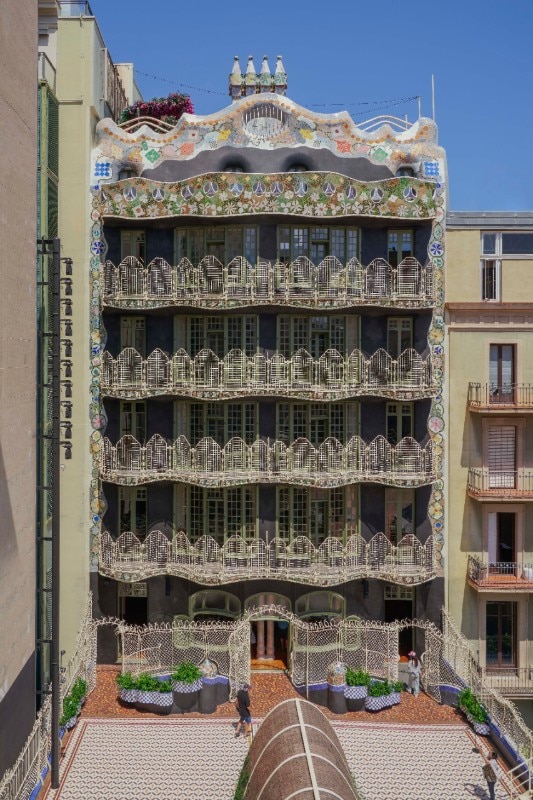
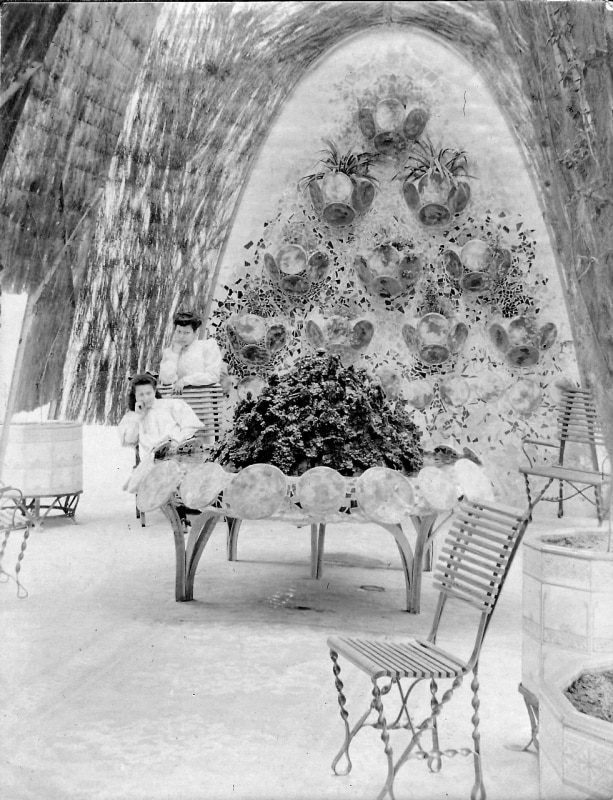
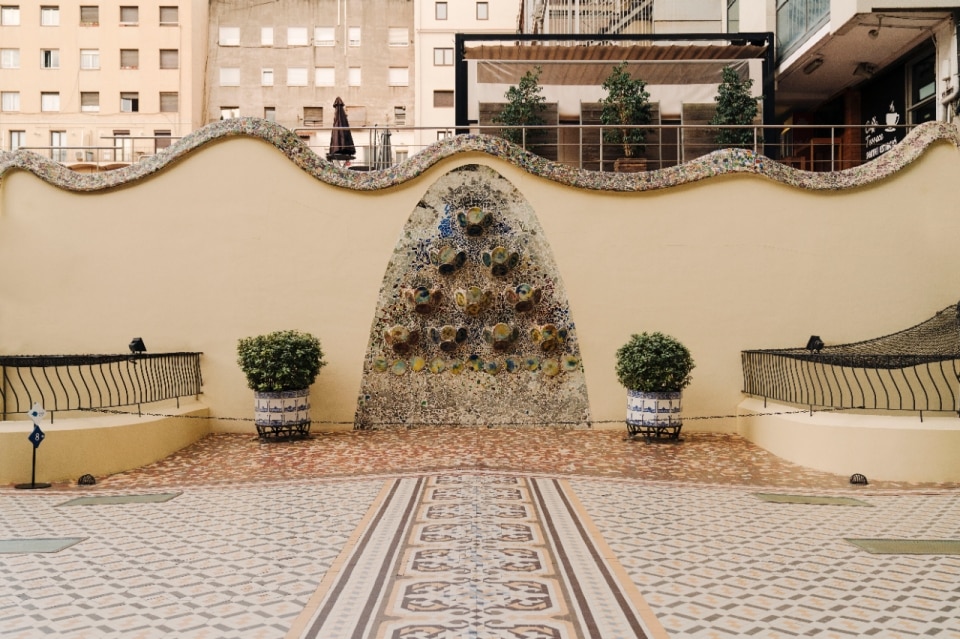
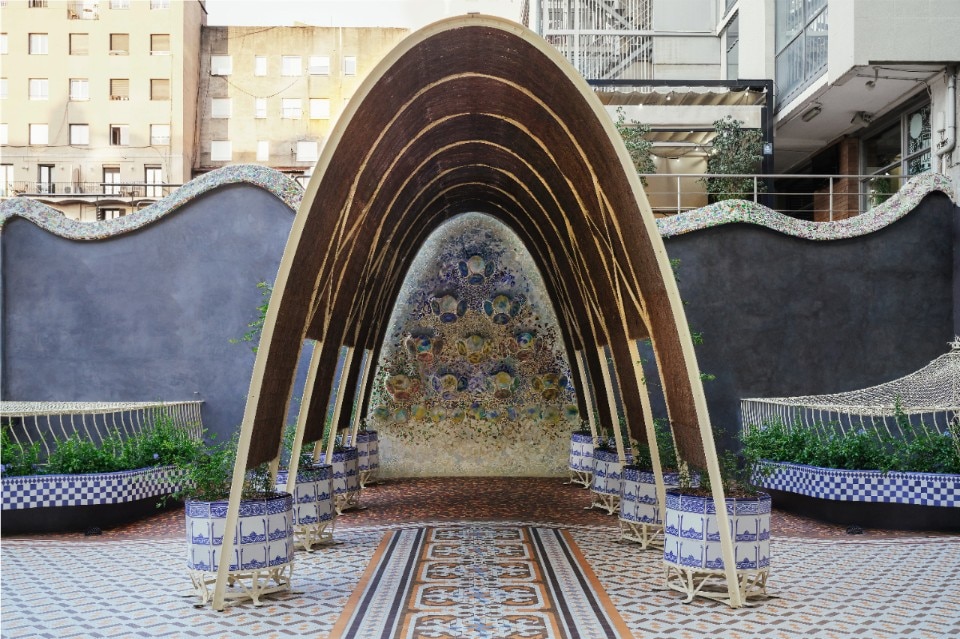
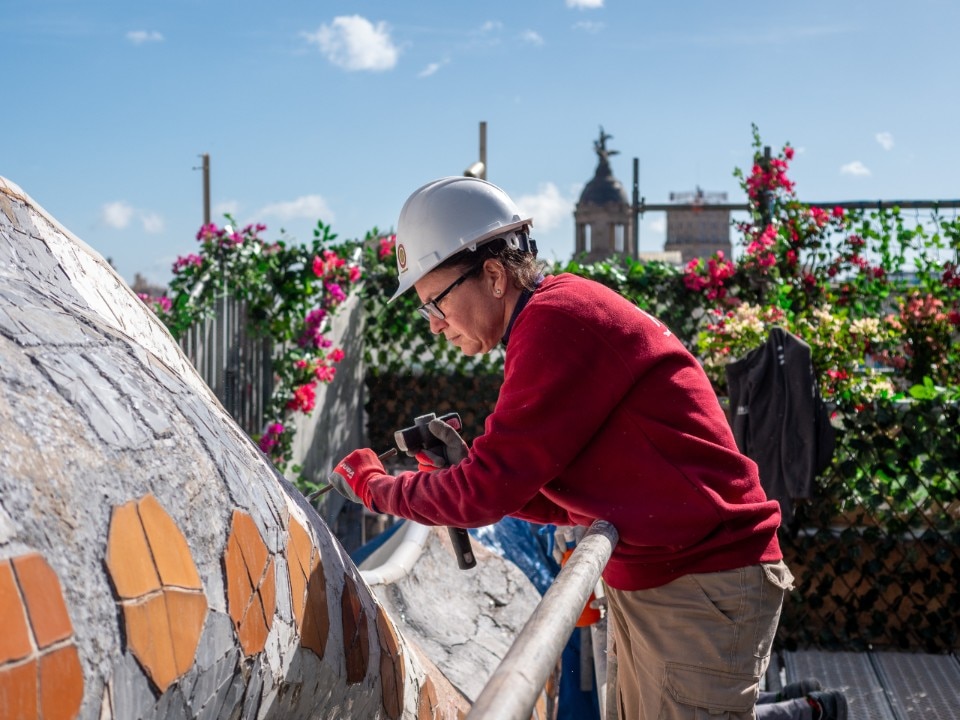
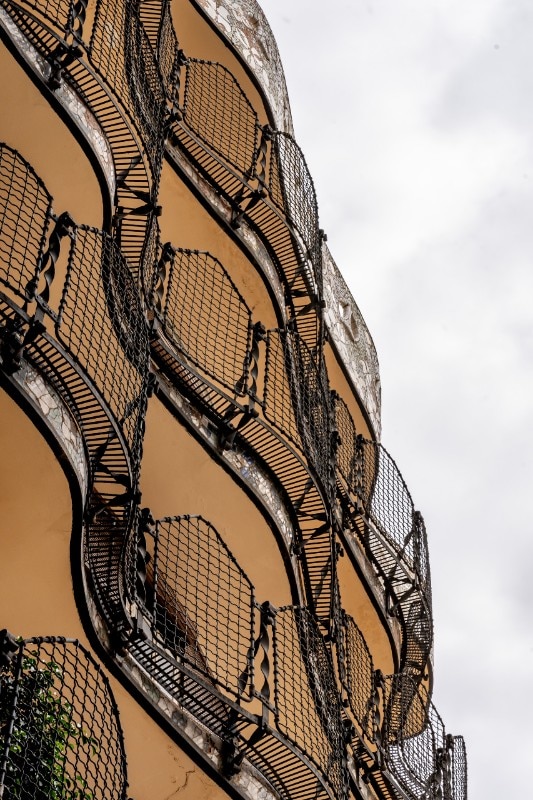
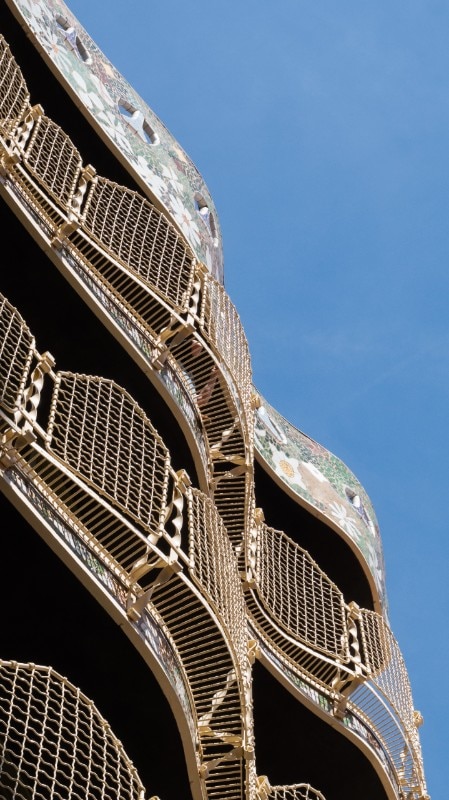
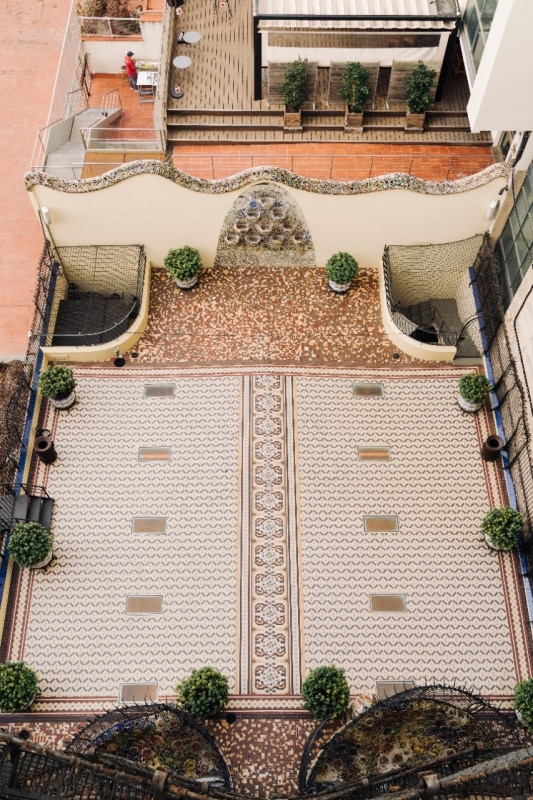
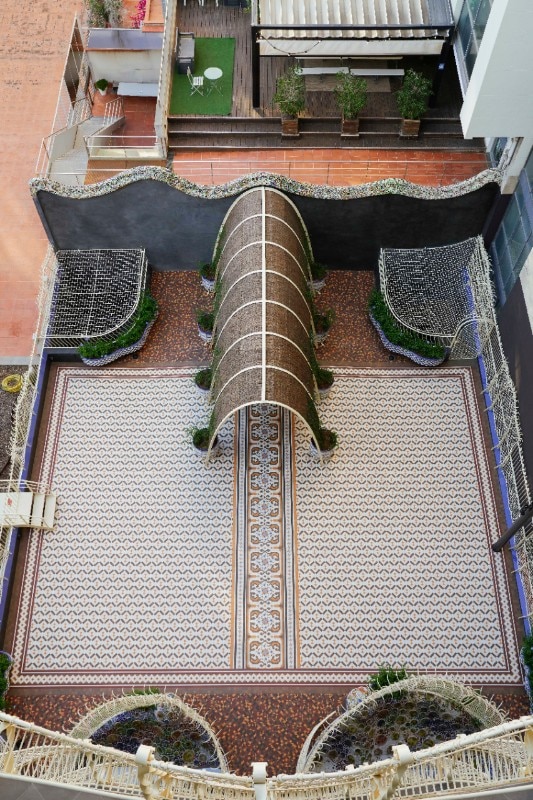
Today, the apartment reopens with a new yet historically coherent purpose: not as an extension of the museum route, but as an independent living environment designed for private gatherings, exclusive stays, dinners, and intimate gastronomic experiences. It is, quite literally, a home within the house — a place where Gaudí’s architecture can once again be lived in.
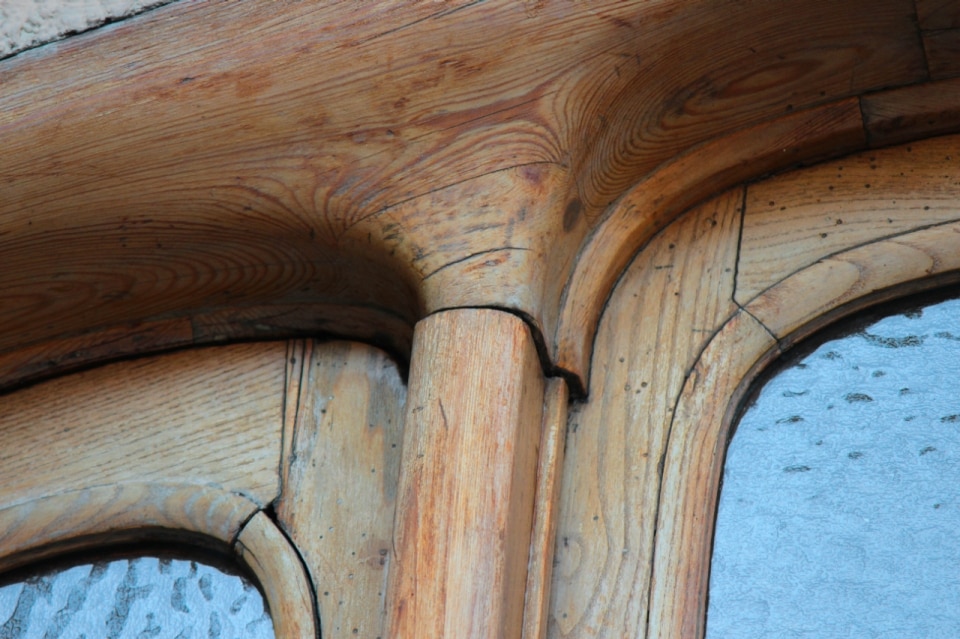
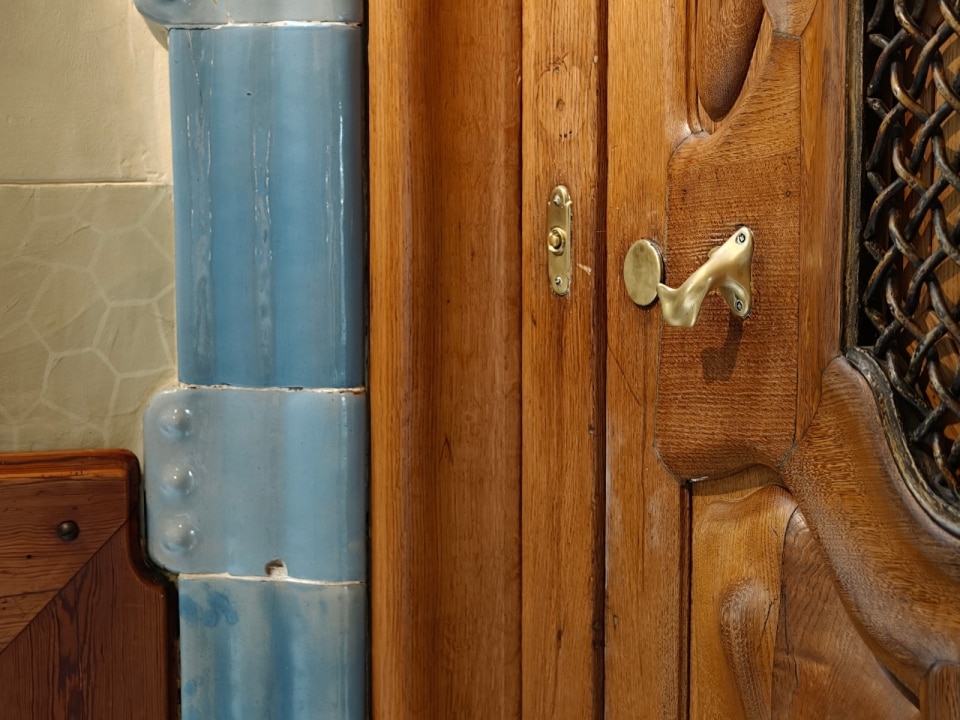
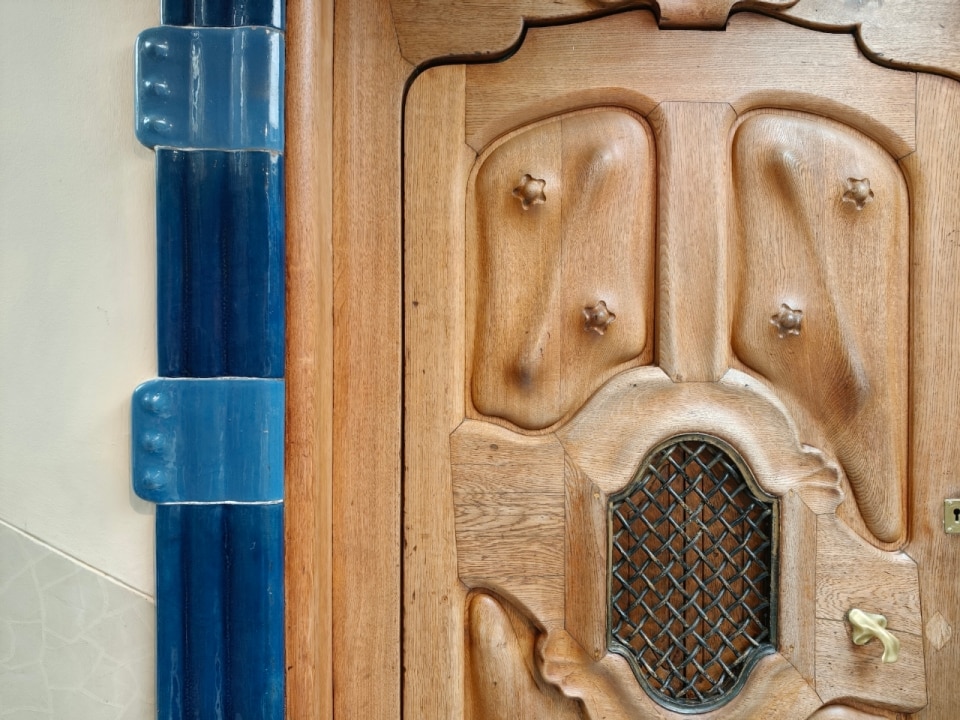
Spanning approximately 400 square meters, the apartment contains ten original rooms, including salons, dining rooms, a library, private chambers, and reception spaces. The restoration uncovered undulating ceilings, floral stuccoes hidden for more than a century, doors adapted by Gaudí himself, and even a previously unknown original handle. “We thought it would be conceptually more basic, but instead we found exceptional richness,” said Xavier Villanueva. “The process was almost archaeological: removing layers, discovering and recovering what was already there.”
Experiencing Gaudí, not just visiting him
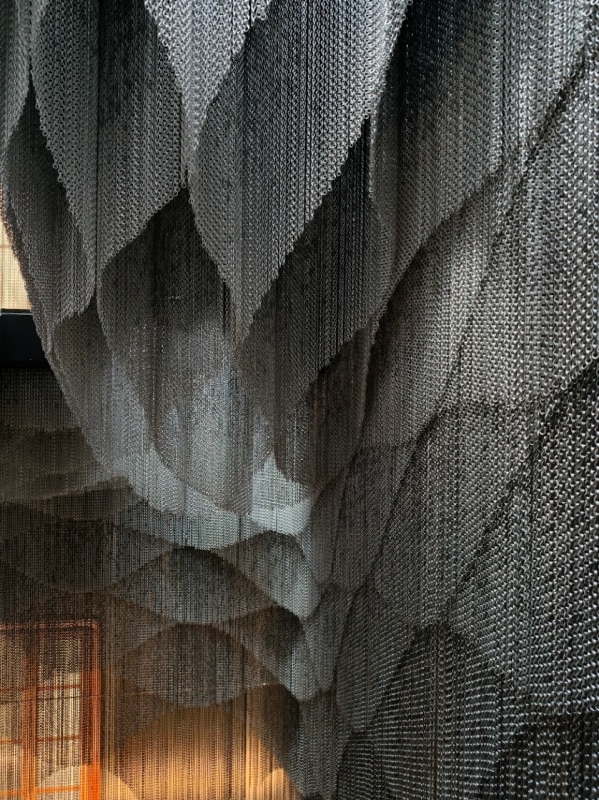
Building upon this meticulous restoration is the contemporary intervention of Italian architect and designer Paola Navone of Otto Studio, known for her layered, tactile and deeply Mediterranean interiors. Rather than turning the apartment into a nostalgic reconstruction, Navone sought to preserve its domestic and lived-in character, introducing handcrafted objects, textiles, natural materials and contemporary furnishings that engage with Gaudí’s architecture without freezing it into a museum piece. “I reclaimed this space with an attitude of respect,” Navone said in a video published on Casa Batlló’s official channels.
The approach perfectly reflects the spirit of the reopening itself: not transforming Casa Batlló into a flawless relic, but restoring, at least in part, its original role as a living home.
Some rooms on the third floor can now be booked individually through Casa Batlló’s dedicated platform, independent from the museum circuit. For now, reservations are only available throughout May, with access between 9AM. and 10:30PM. Rates for two people range from approximately 350 to 700 euros depending on the experience selected.
The project is also the clearest sign yet of how Barcelona is turning 2026 into the year of Gaudí. The acceleration surrounding the Sagrada Família had already made this evident: the basilica’s long-awaited completion, expected this year, is reshaping the city’s skyline and symbolically closing one of the longest construction projects in modern architectural history.
 View gallery
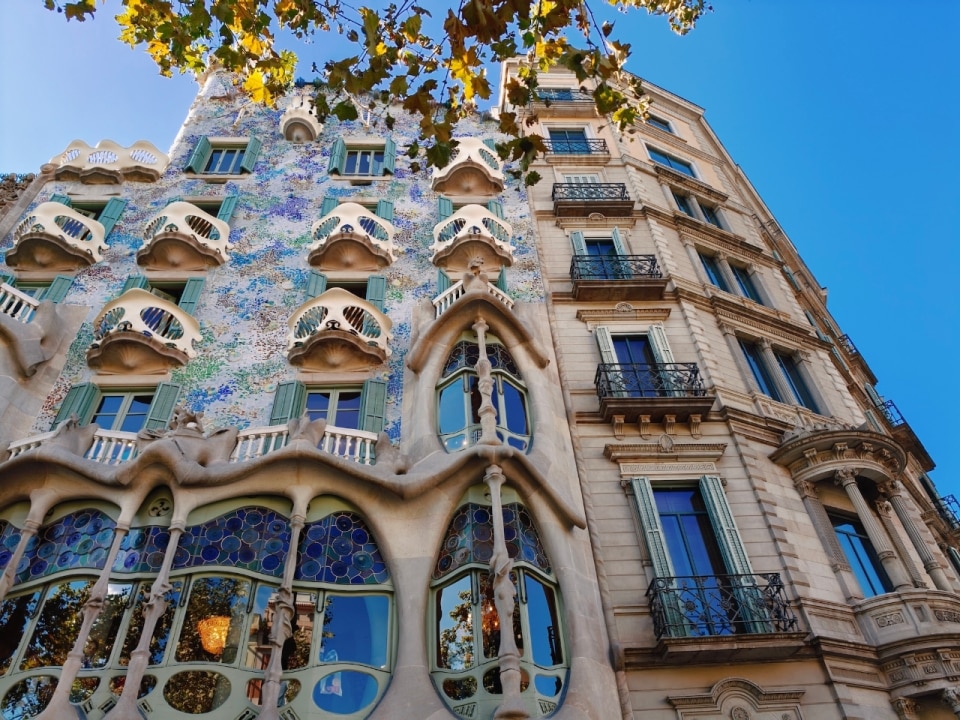
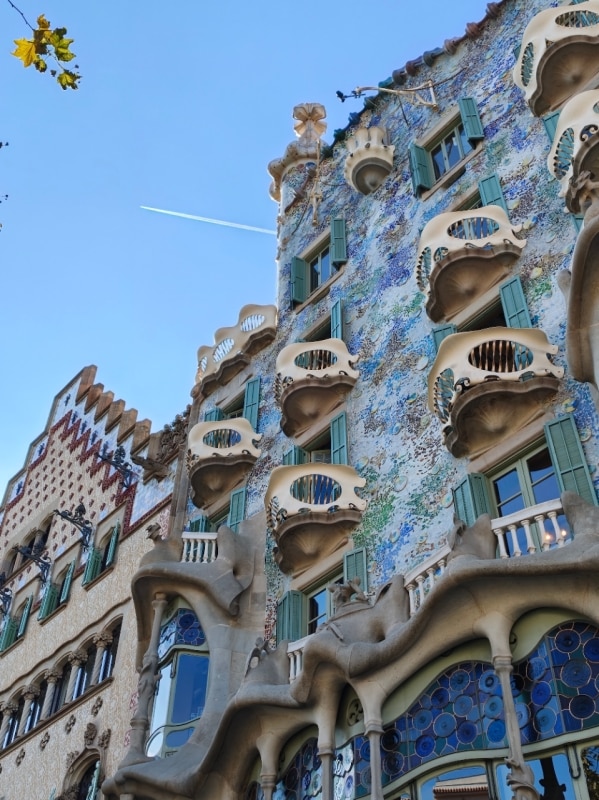
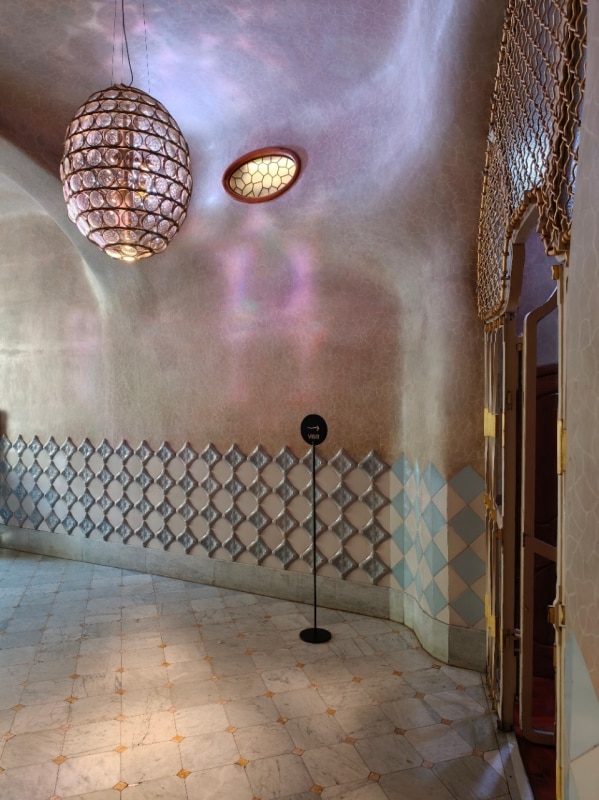
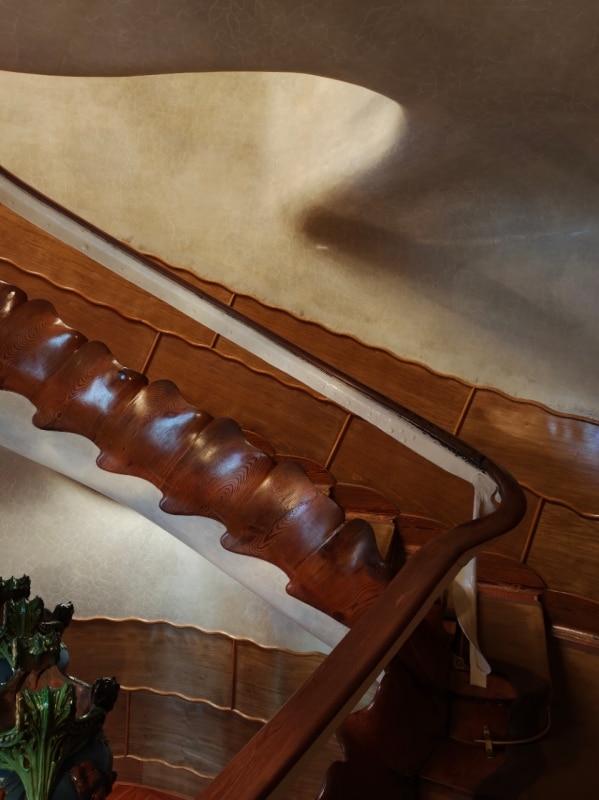
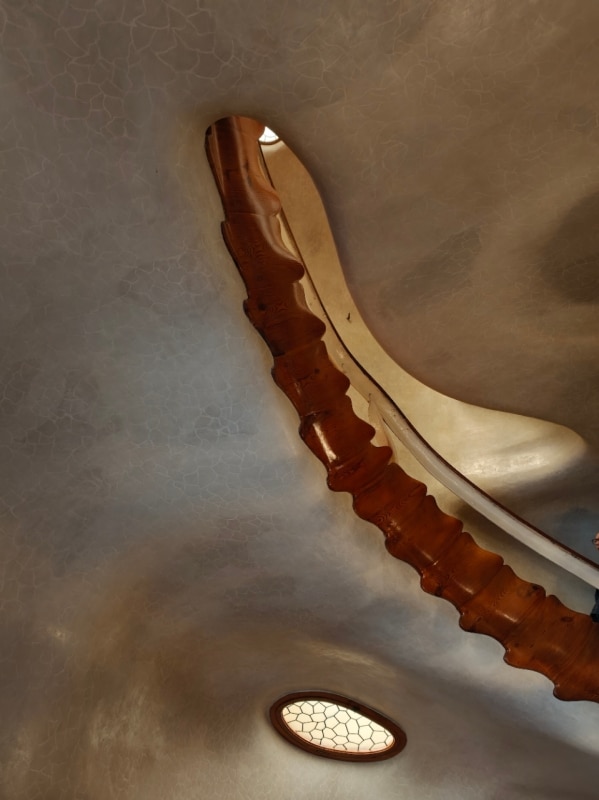
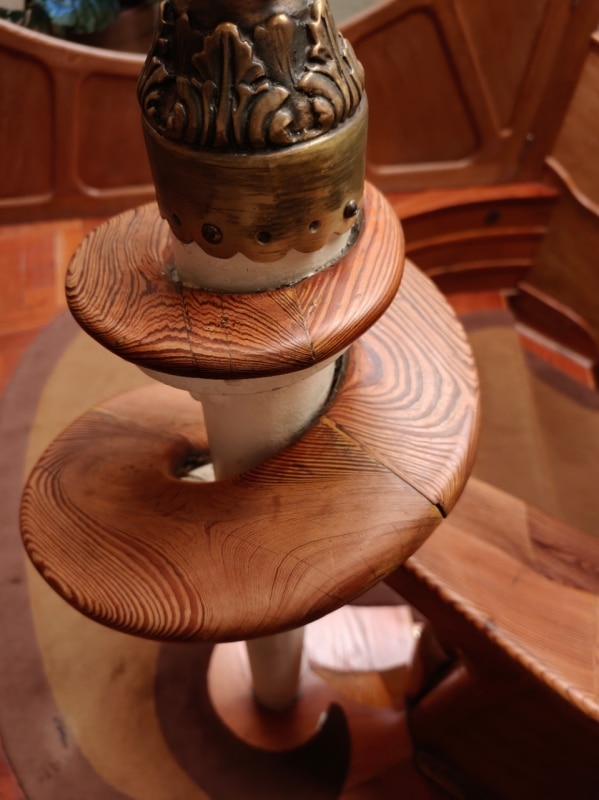
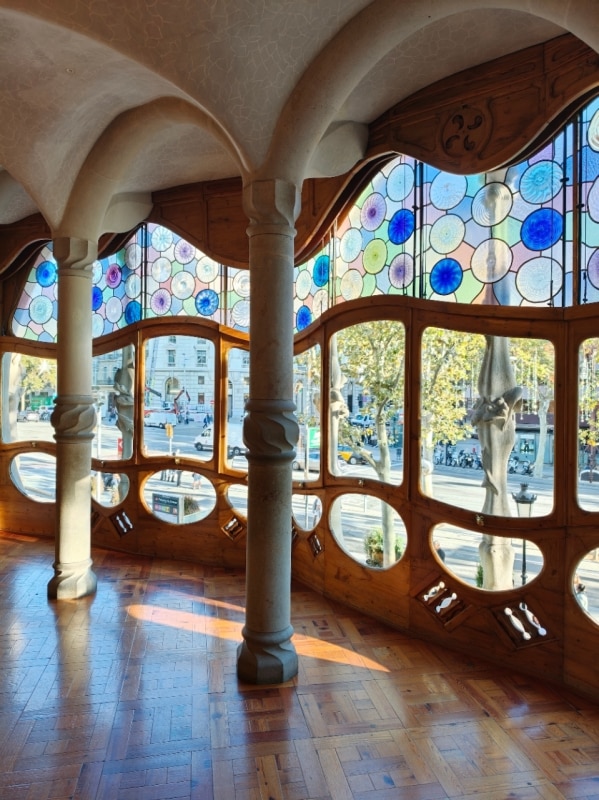
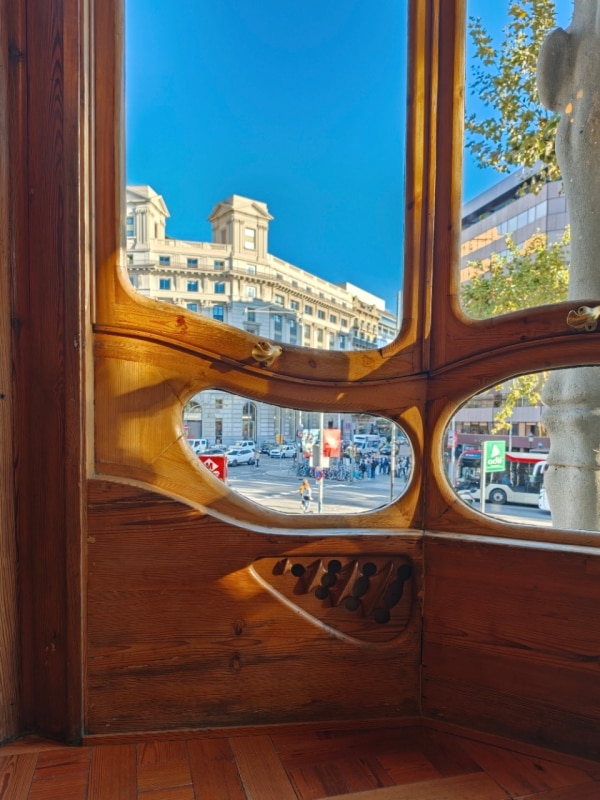
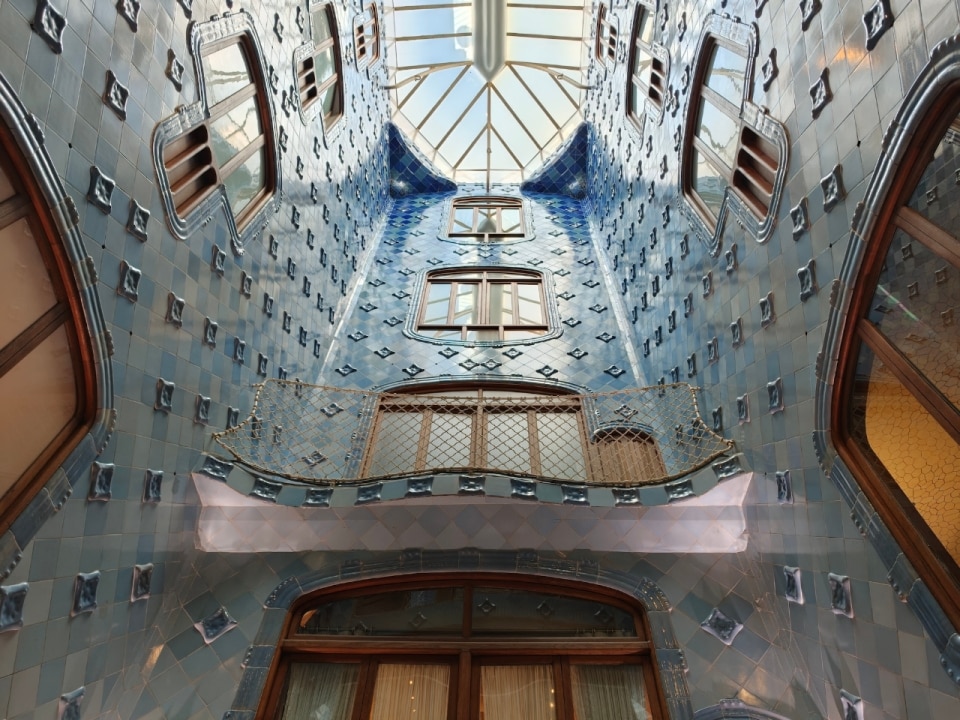
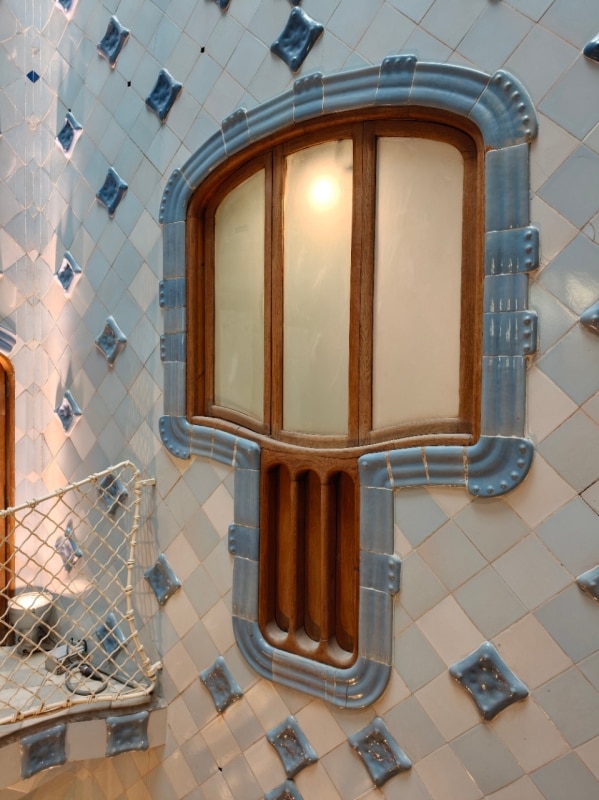
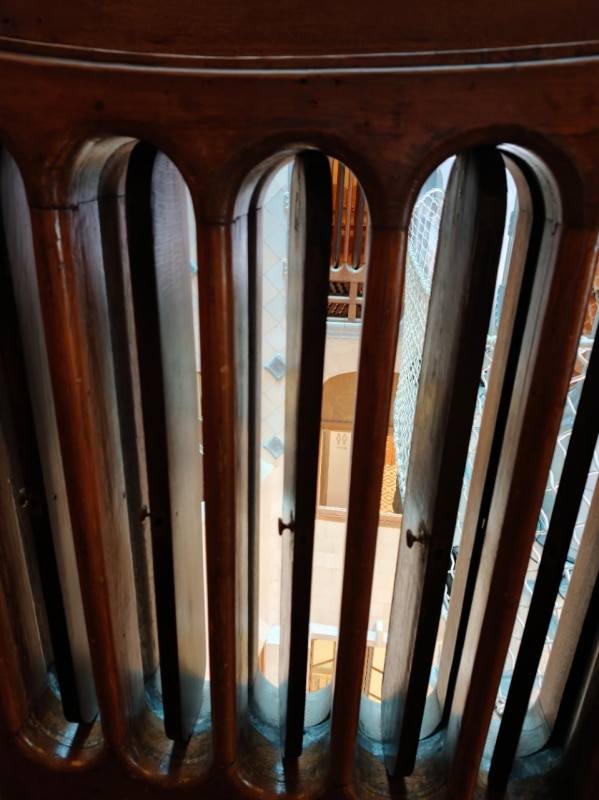
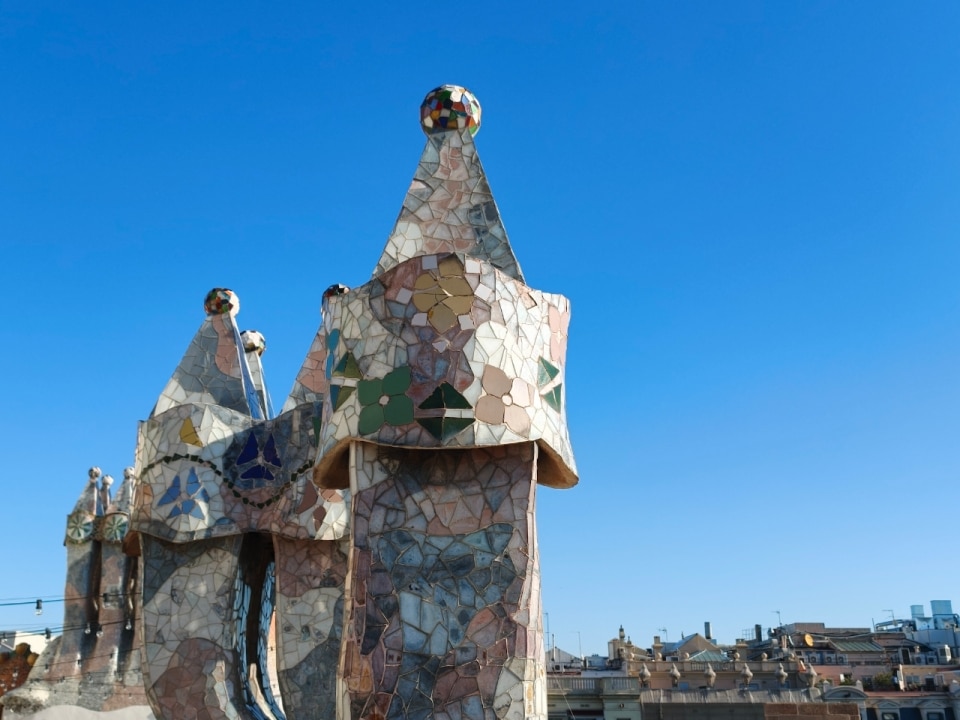
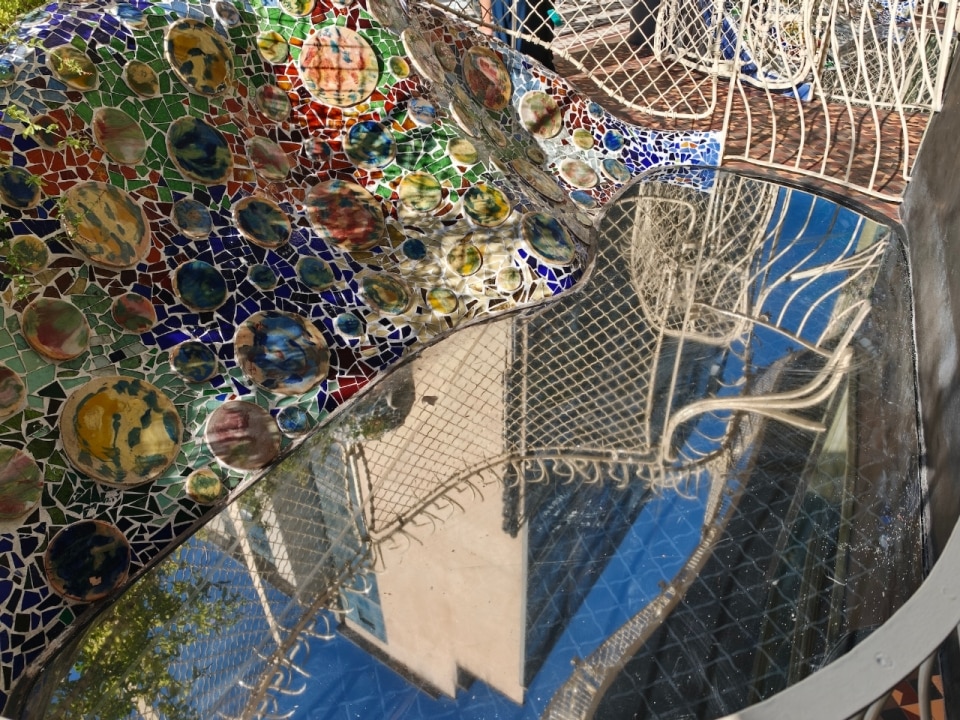
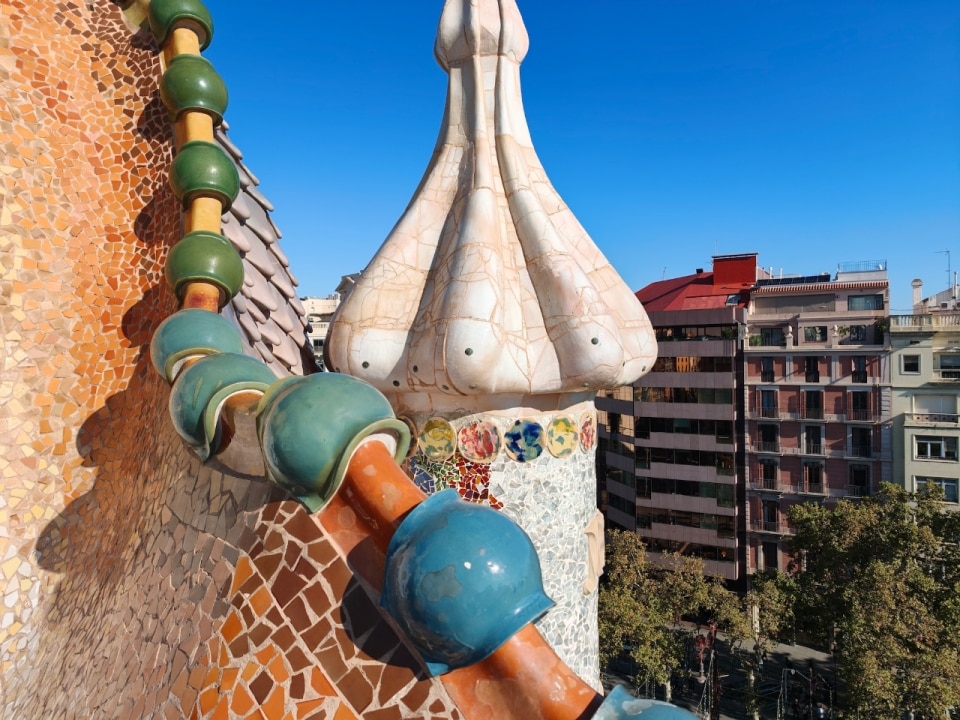
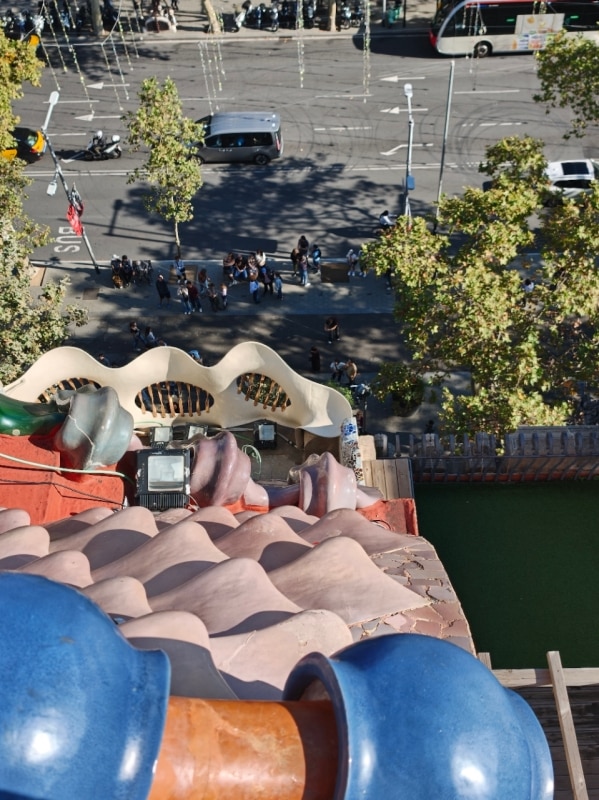
Yet while the Sagrada Família represents the monumental culmination of Gaudí’s vision, Casa Batlló reveals something far more intimate: the way the architect truly imagined the domestic life of the future.
Perhaps that is the deepest meaning of the centenary celebrations — understanding that Gaudí’s architecture was never meant to remain still. And that today, finally, it seems to move again exactly as he imagined it would.
Opening image: Photo Giovanni Comoglio for Domus