



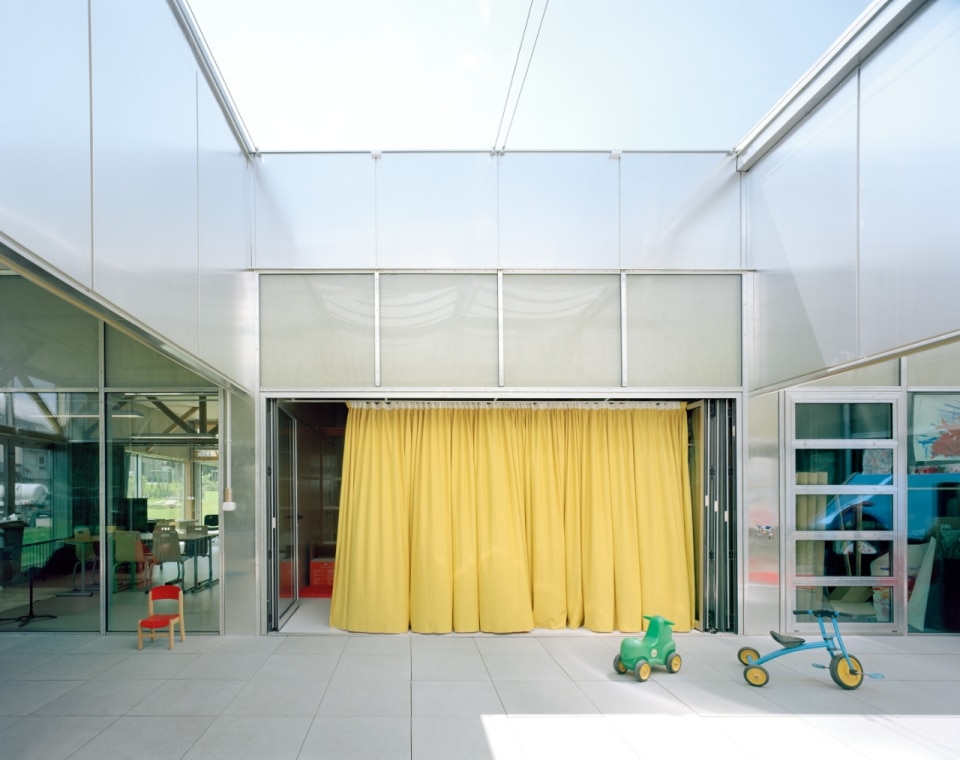
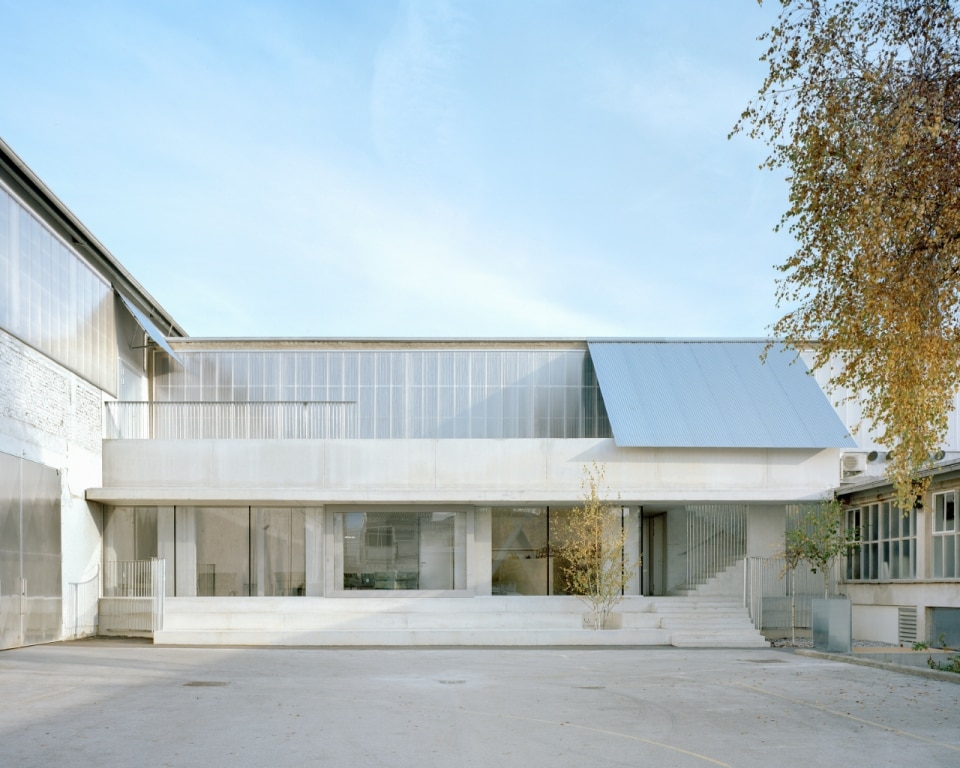
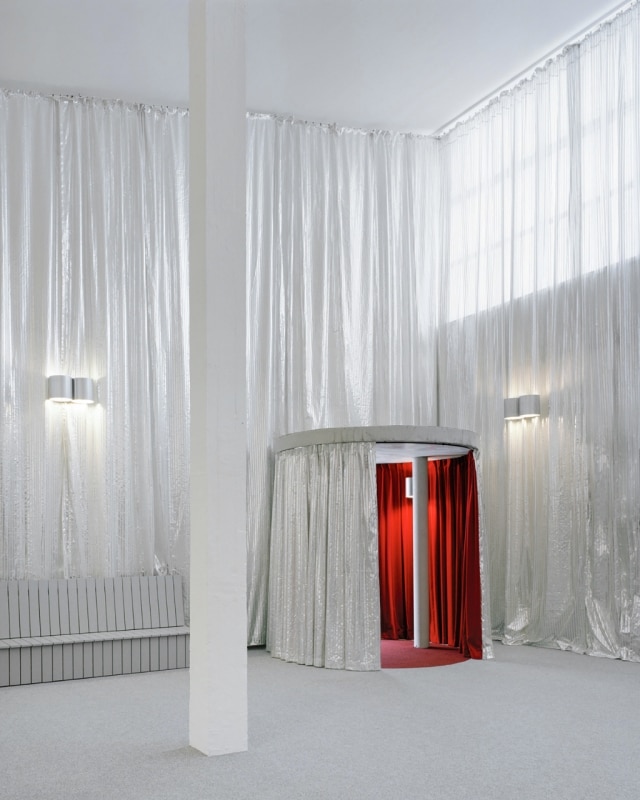
It is no coincidence that, among the seven projects selected as finalists for the EU Mies Awards 2026, almost all are interventions involving renovation or extensions of existing buildings. That “almost” is enough to suggest that this is not the result of preset criteria or top-down guidelines imposed by the Catalan prize, but rather the reflection of a broader—and largely uncontested—shift toward recognizing the value of working with what is already there.
As one of the most influential institutions in the European architectural landscape, the award is inevitably associated with innovation and sustainability. Yet when it comes to selecting projects intended to serve as reference points for today’s and tomorrow’s architects, cultural and civic impact carry particular weight. It is this close relationship with communities, and this sense of proximity—to people, places, and both their material and immaterial dimensions—that makes the entire selection process compelling, not just the final award ceremony, which will take place on April 16 in Oulu, the European Capital of Culture. From the 40 shortlisted projects to the seven finalists, this perspective clearly shapes the outcome.
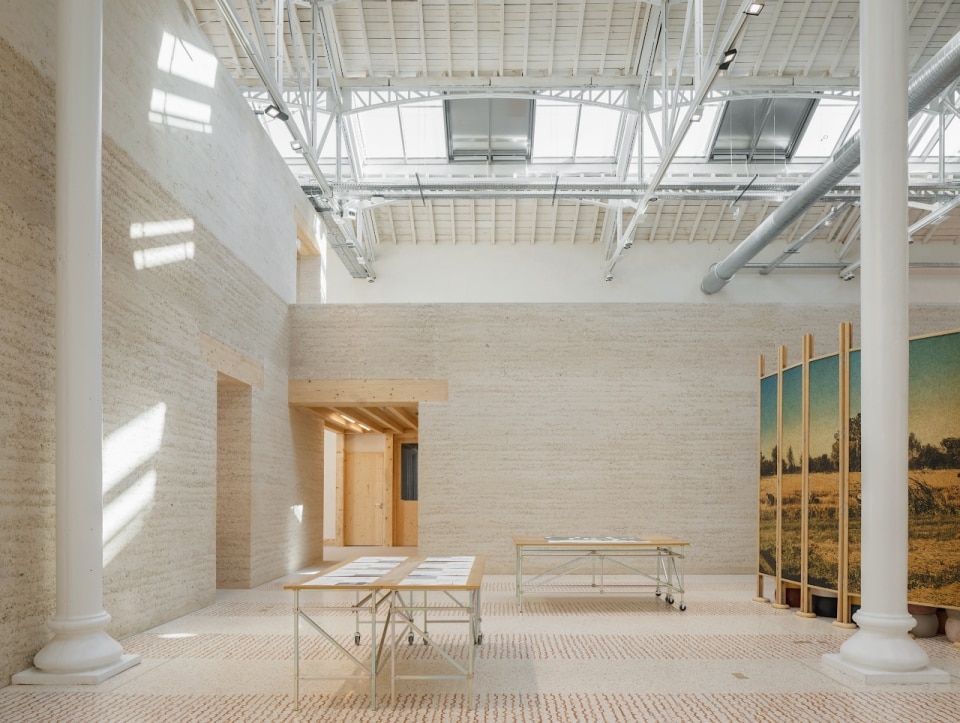
This year, among the five finalists in the Architecture category and the two in the Emerging category for young practices, three projects are based in France. This is a telling figure, hinting at the direction the country appears to be pursuing. One need only look at Paris, which this year has seen the opening of the new Fondation Cartier pour l’Art Contemporain headquarters in a renovated Haussmann-era building, alongside the announcement of the long-awaited redevelopment of the Tour Montparnasse—arguably the most unpopular tower in France.
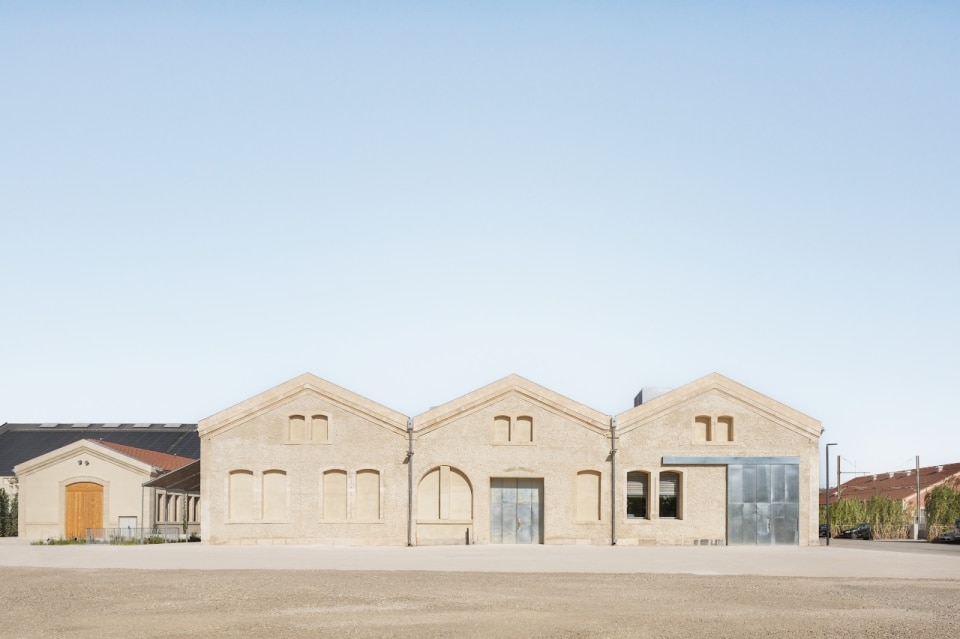
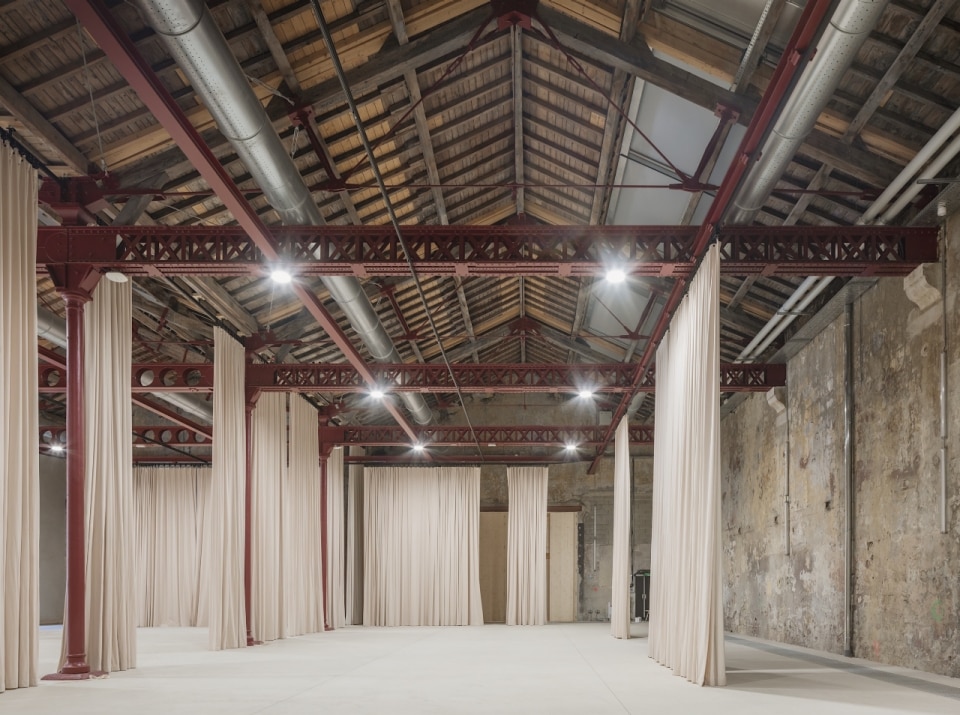
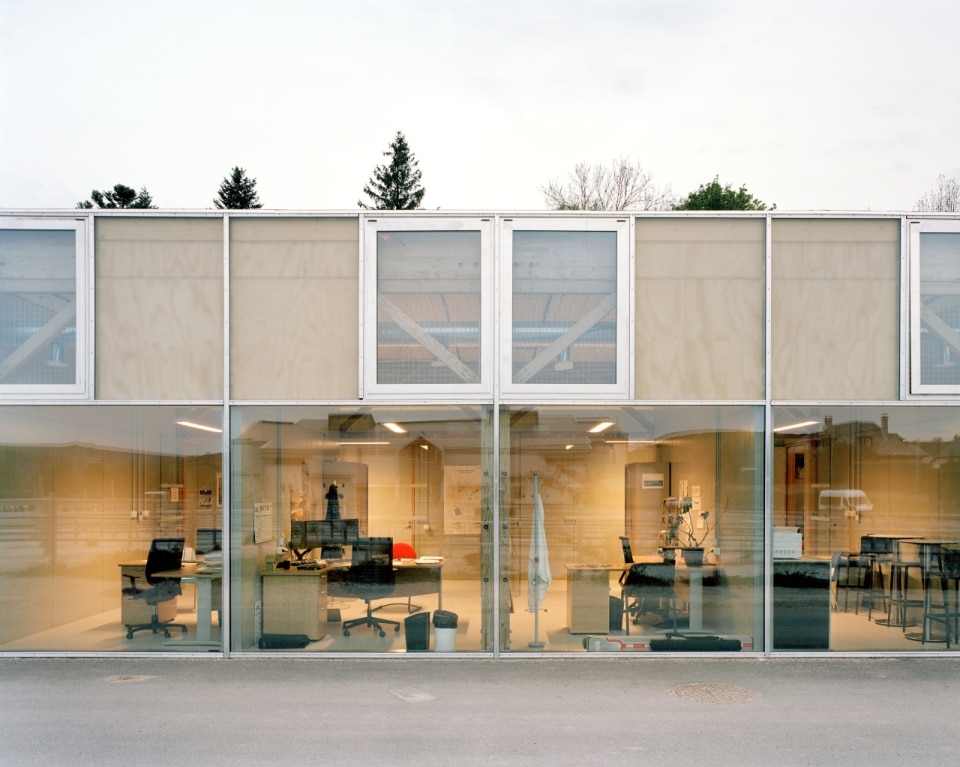
Among the potential winners is the Magasin Électrique in Arles, converted from a 19th-century railway warehouse into a research facility. At Luma Arles, the project moves beyond straightforward adaptive reuse to become a genuine testing ground for materials and local resources, turning the construction process itself into a manifesto for a bioregional and collaborative approach.
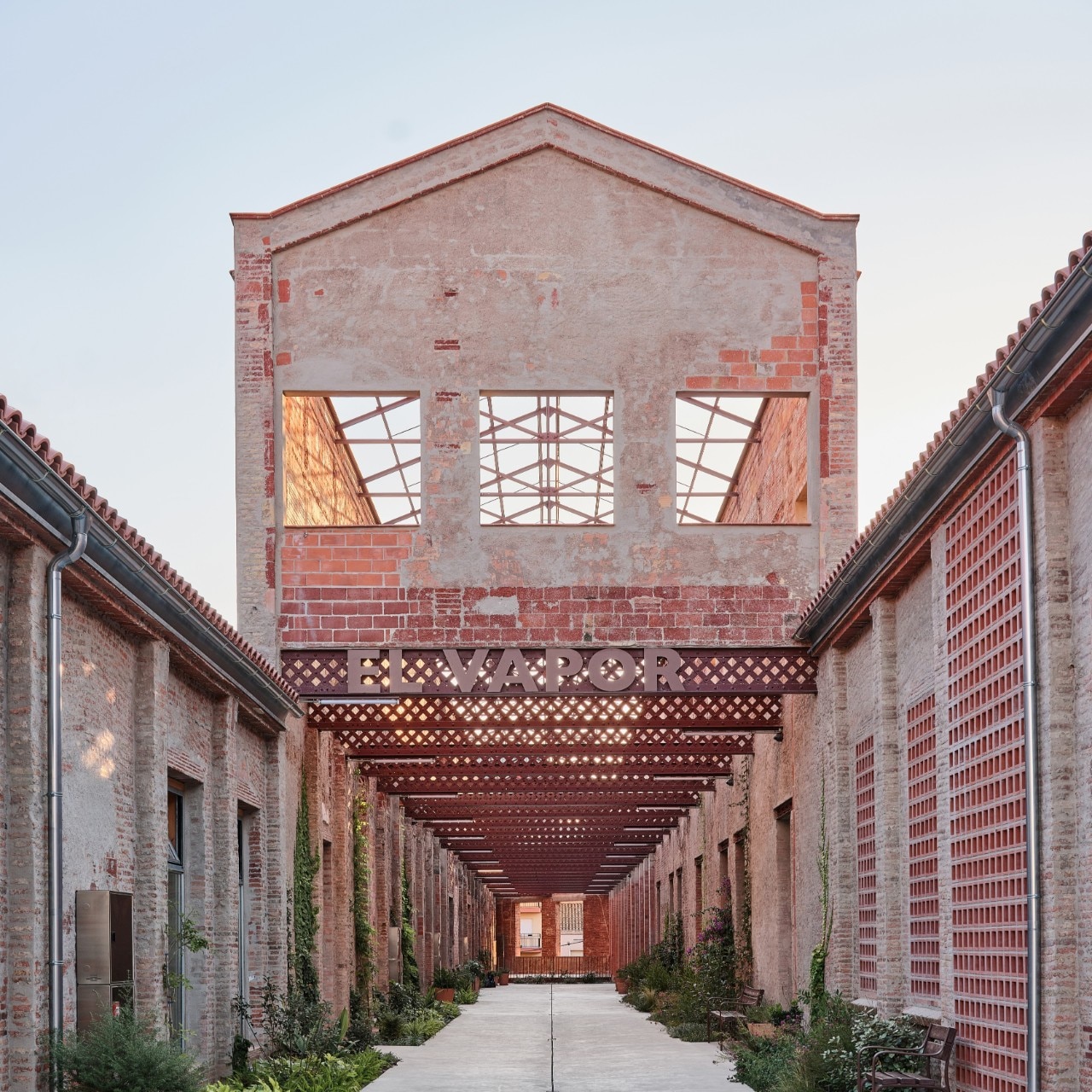
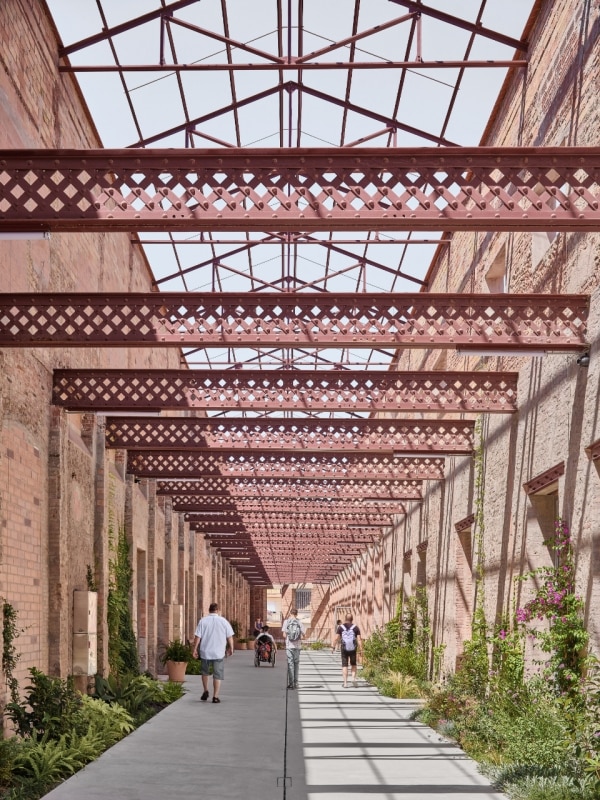
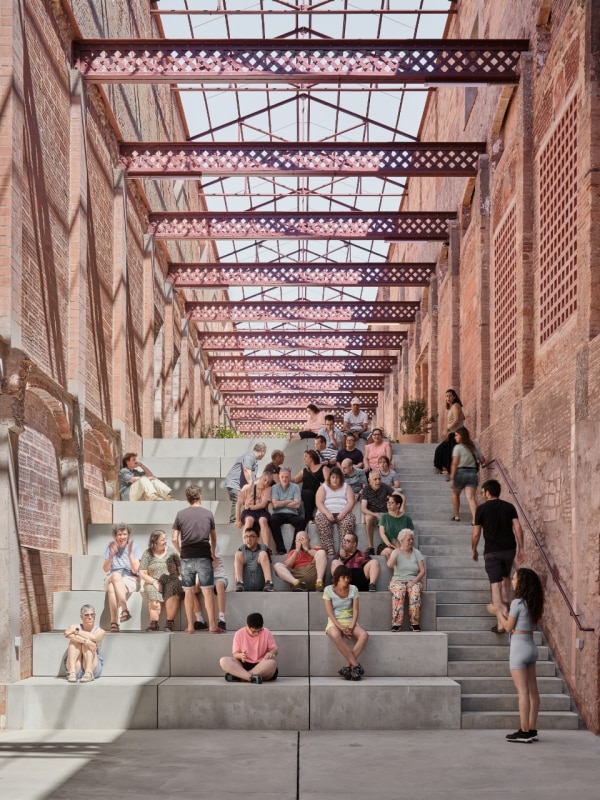
A similarly reuse-driven strategy informs the project in Terrassa, Spain, where the rehabilitation of the Vapor Cortès – Prodis 1923 complex transforms former industrial buildings into an inclusive hub for social and professional activities. New timber construction systems, generous daylight, and passive design solutions are introduced while preserving the site’s industrial memory and returning to the city a public passage that functions as an internal street.
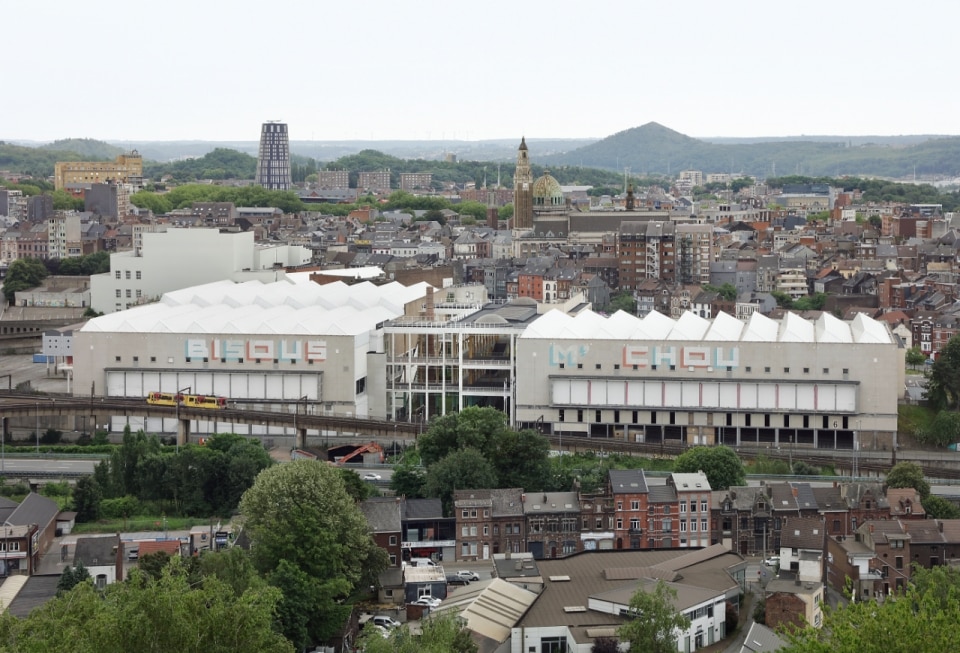
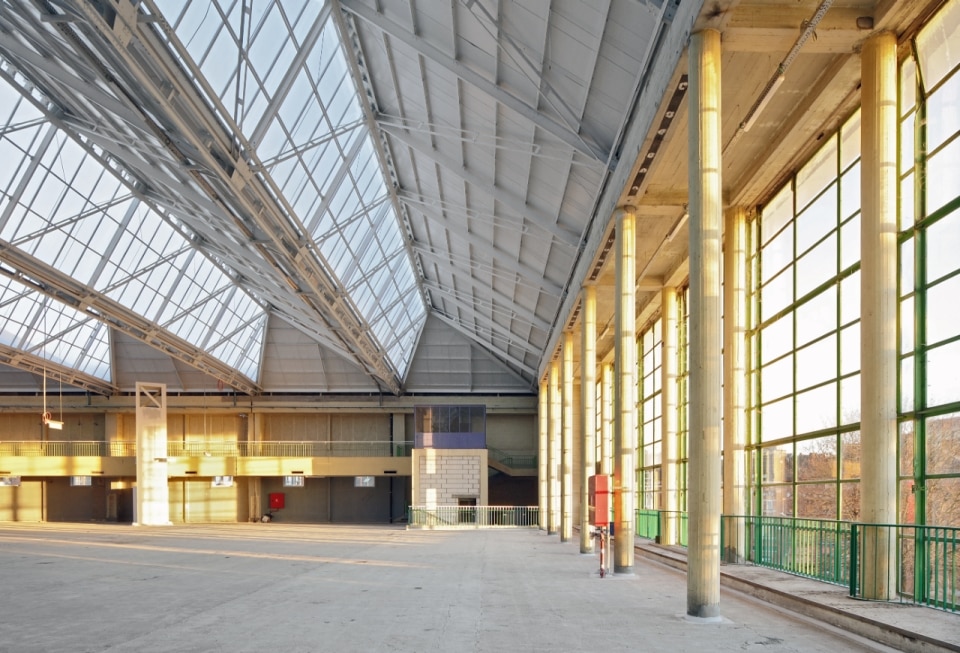
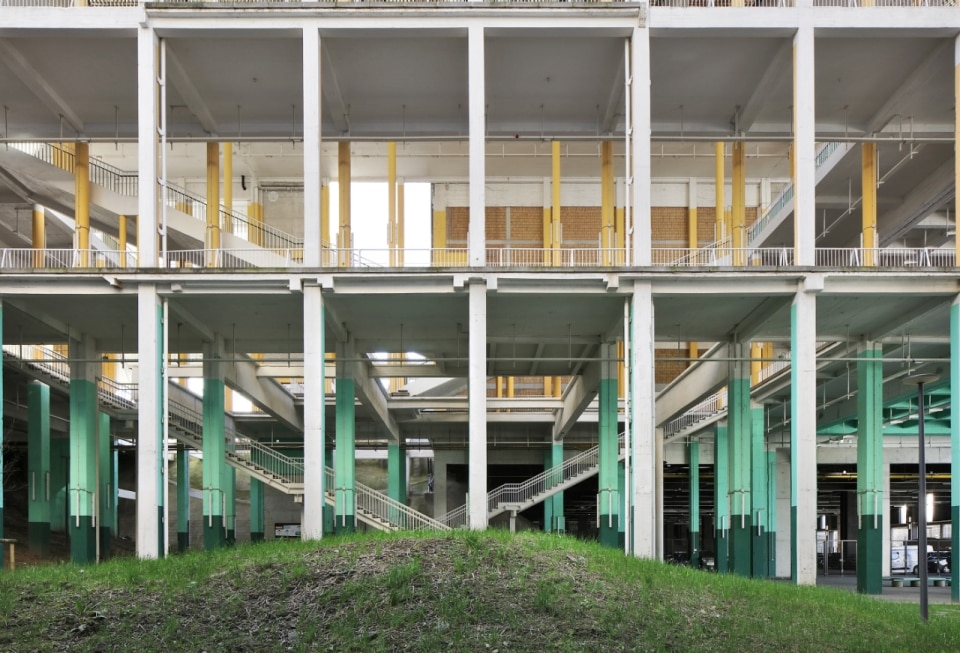
This ambition to reactivate the urban context is also evident in Belgium, in the project for the Palais des Expositions in Charleroi. Here, a 1950s building is reimagined as an open system: the former congress center sheds its internal barriers, reconnects with a network of parks, and shifts from a sealed-off volume to a permeable piece of public infrastructure.
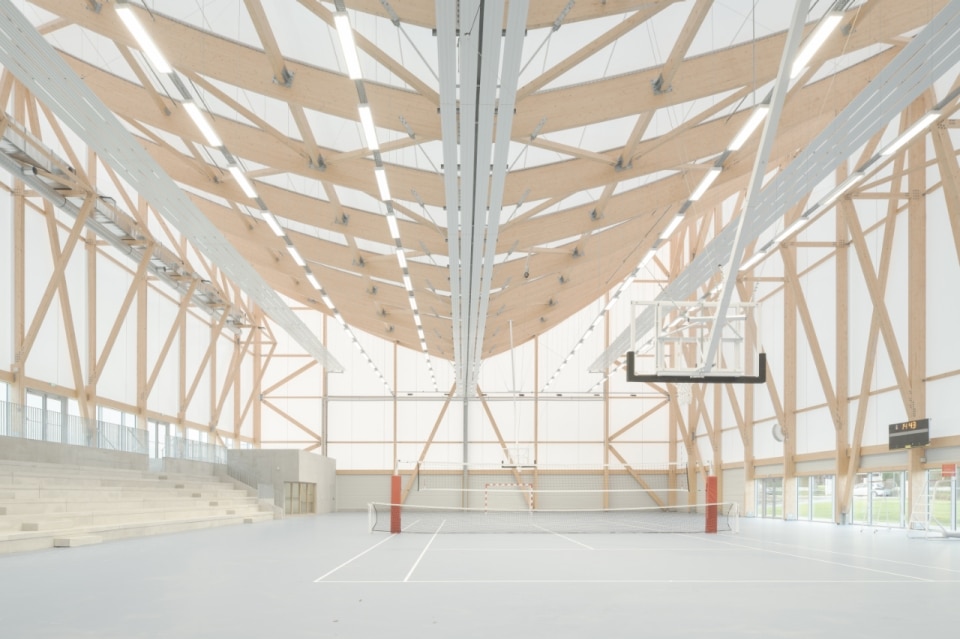
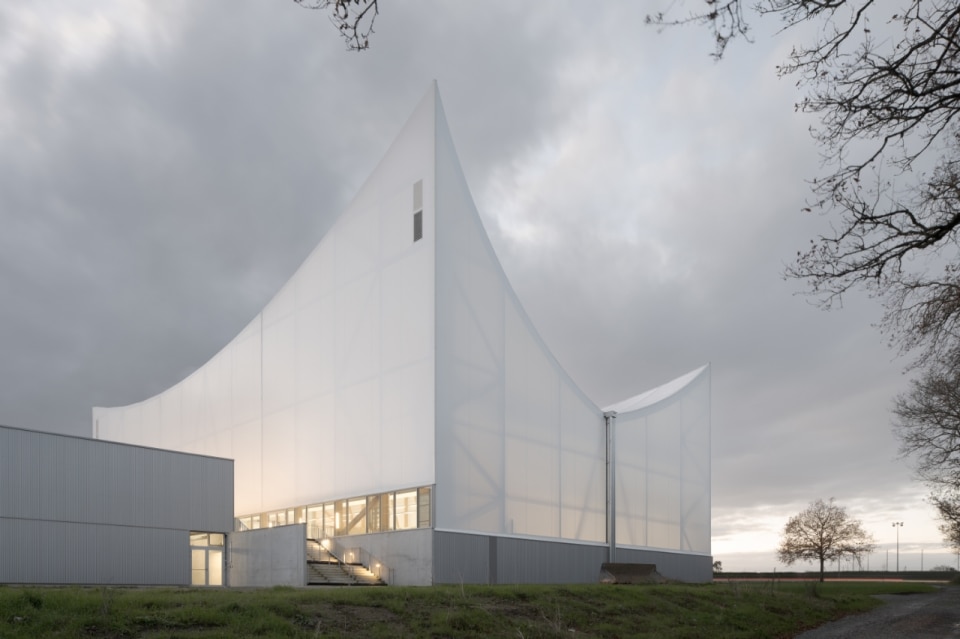
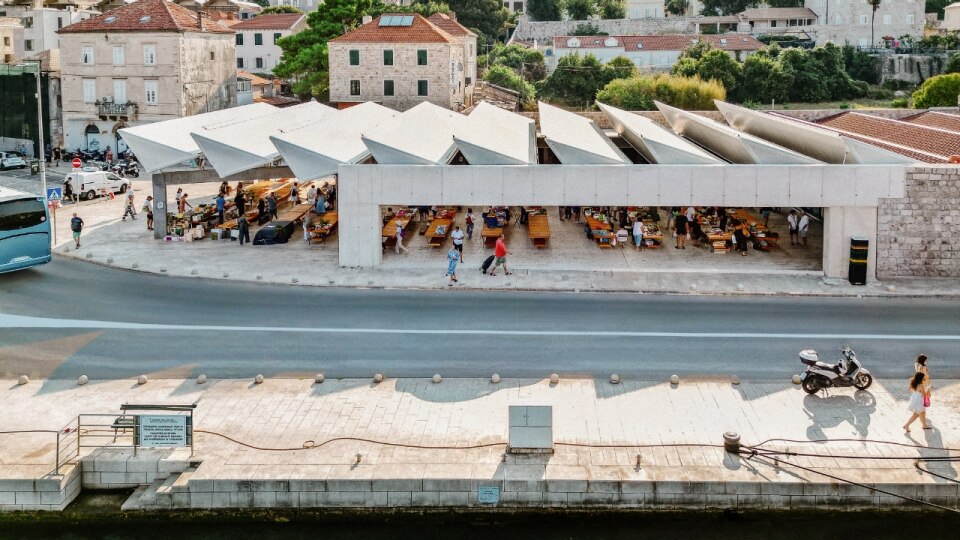
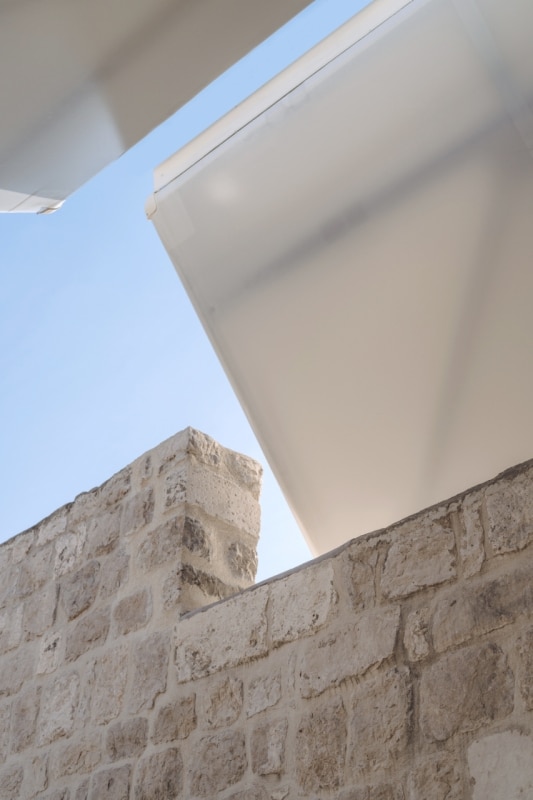
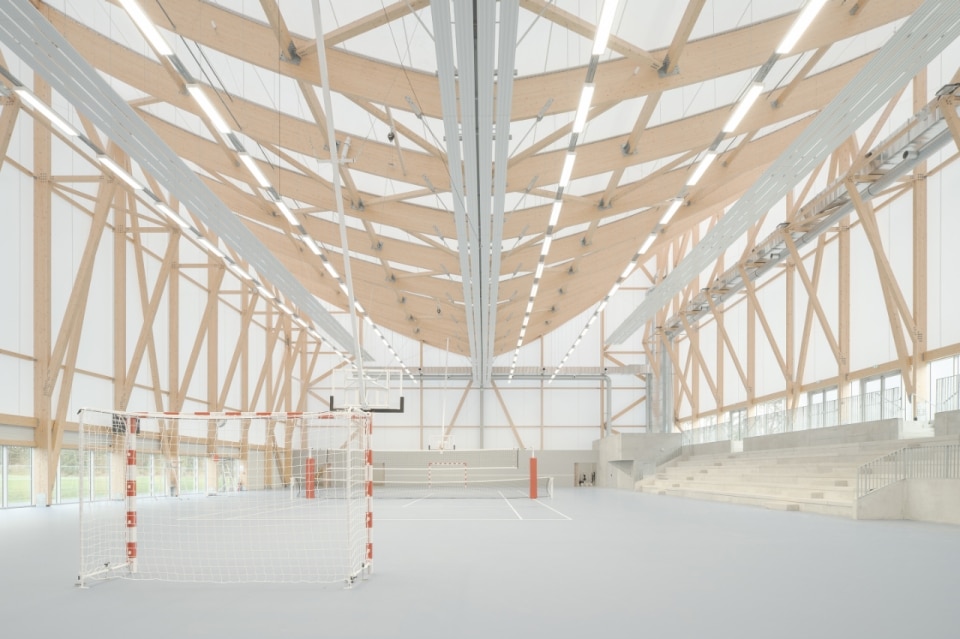
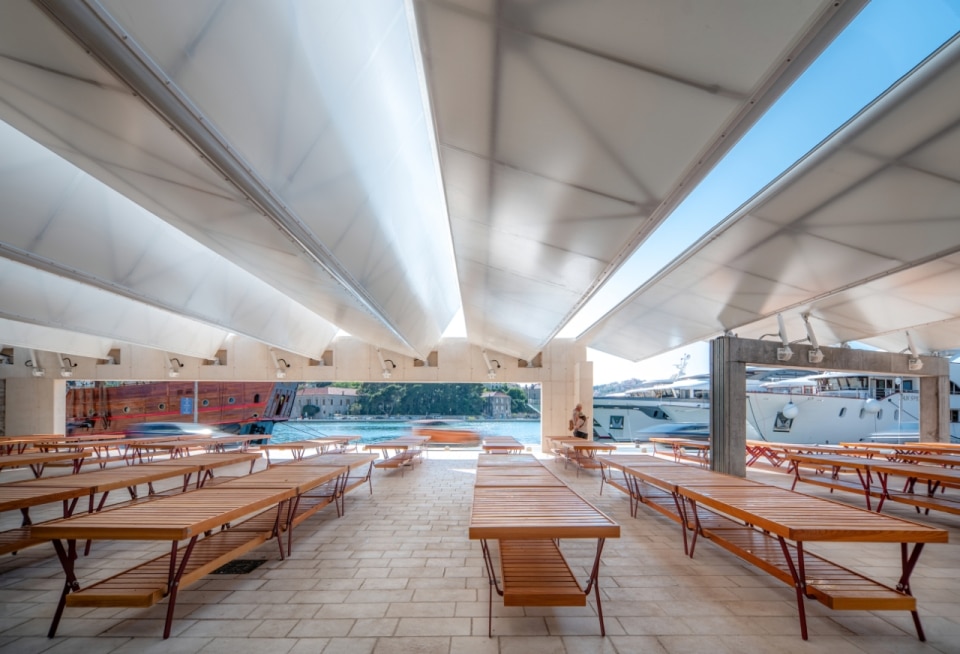
Then there is the most explicitly community-oriented project of all: a sports and cultural center in Brittany, where a lightweight textile roof creates a bright, outward-looking hall while incorporating existing facilities and reinforcing the site’s urban and social identity. Still on the theme of roofing, the finalists also include the Gruž Market in Dubrovnik, where a seemingly “simple” modular canopy redefines a space of everyday social interaction, offering climate protection while giving the site a renewed visual identity.
Together with the Le Foirail cultural center and the temporary spaces for the Slovenian National Theatre Drama in the Emerging category, these projects articulate a vision of architecture that is less fixated on iconic gestures and more attuned to responsibility—responding to the civic role architecture has always been expected to play.
If awards are intended to influence contemporary design, the message from the 2026 EU Mies Award finalists is clear: work with what already exists, both physically and socially, and transform it quietly. This architecture sees reuse, care and the public realm not as constraints, but as fertile ground for experimentation and the most intelligent way to shape the future.