



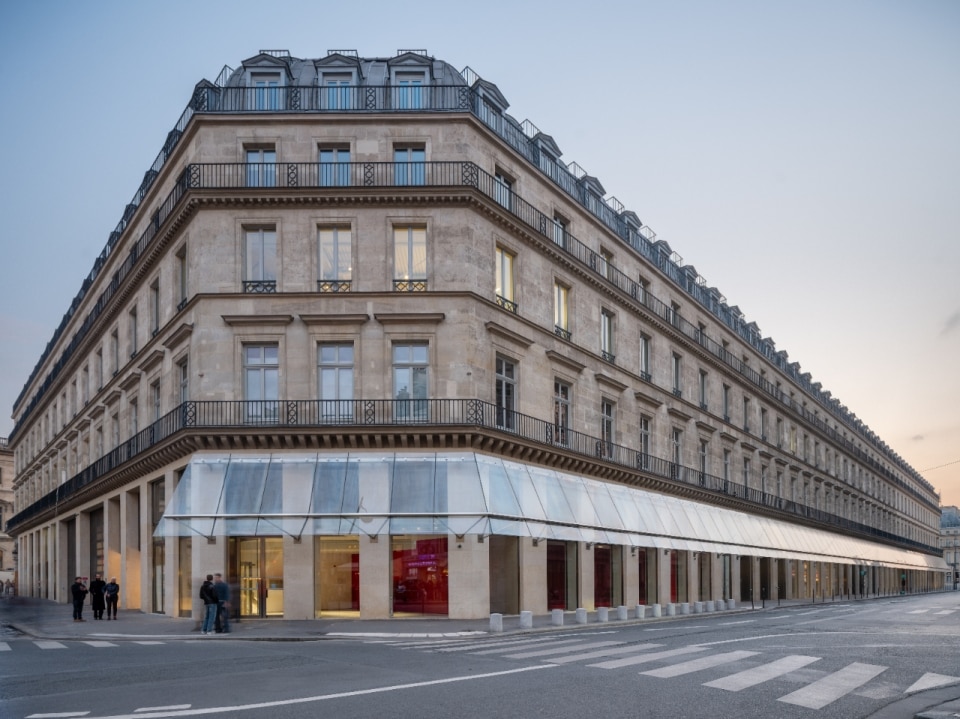
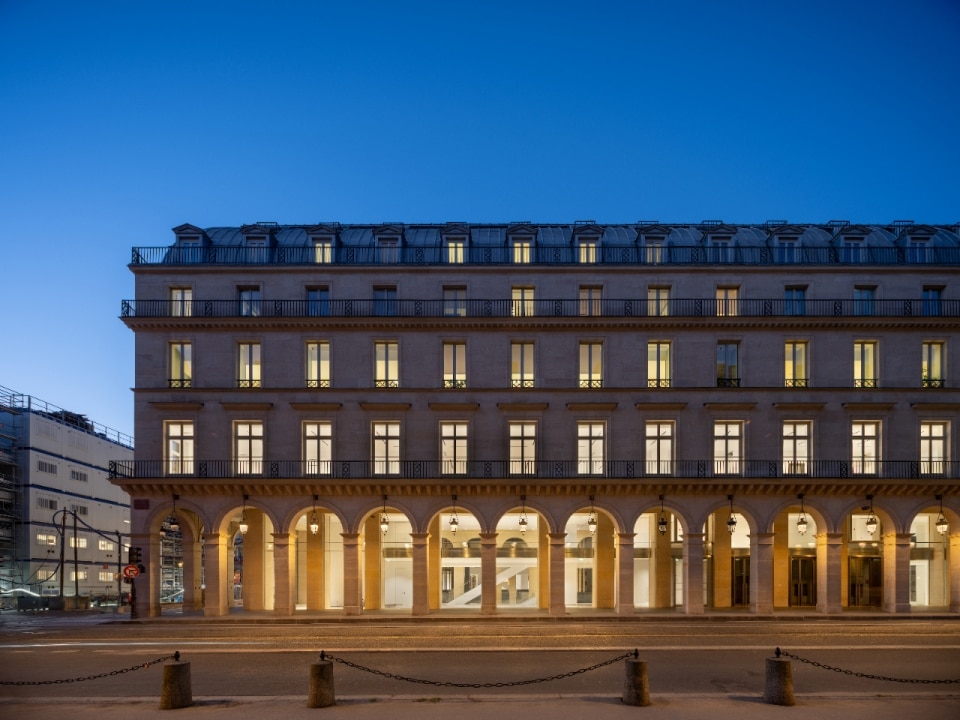
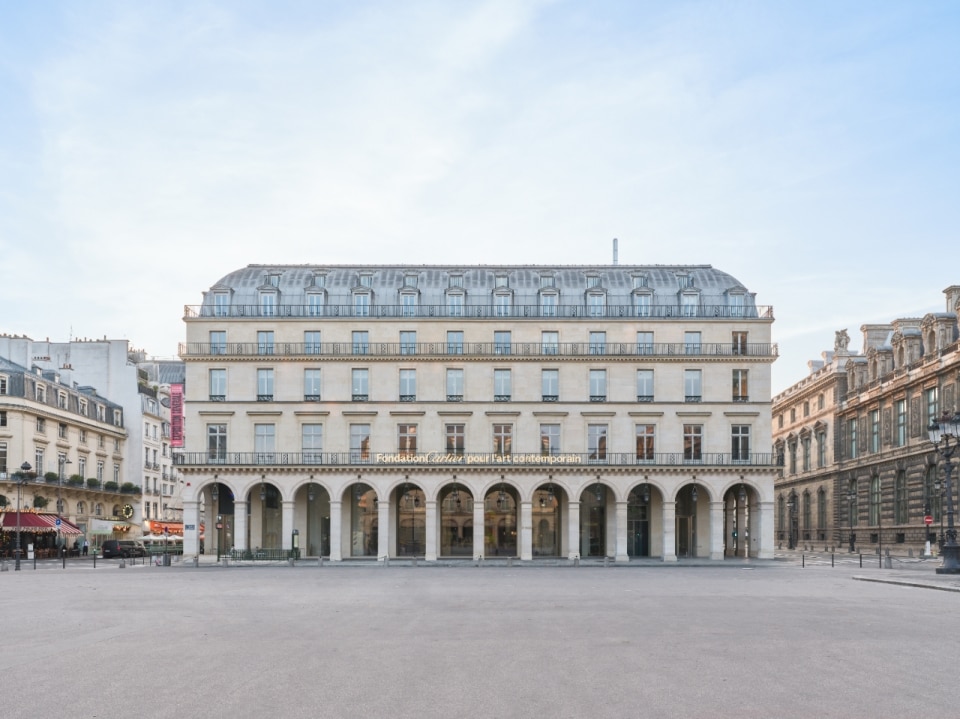
The Fondation Cartier pour l’art contemporain has officially changed address, finding a new home at Place du Palais-Royal, in the heart of monumental Paris, facing the Louvre and not far from the Comédie Française, the Ministry of Culture, and the Fondation Pinault, all emblematic landmarks of the city’s cultural life.
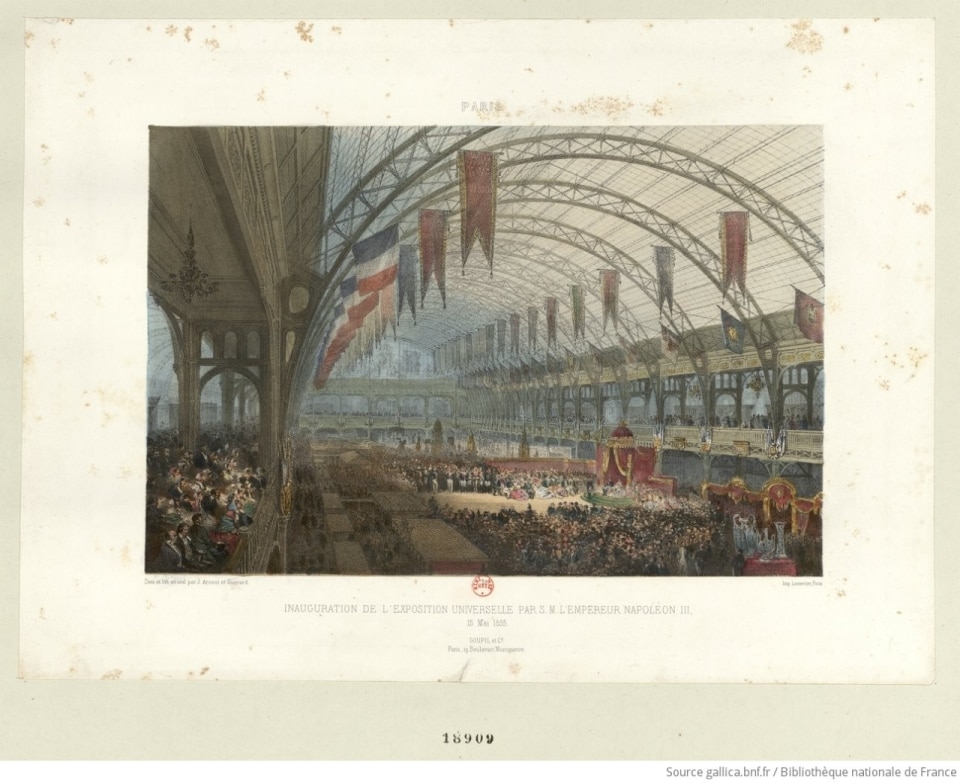
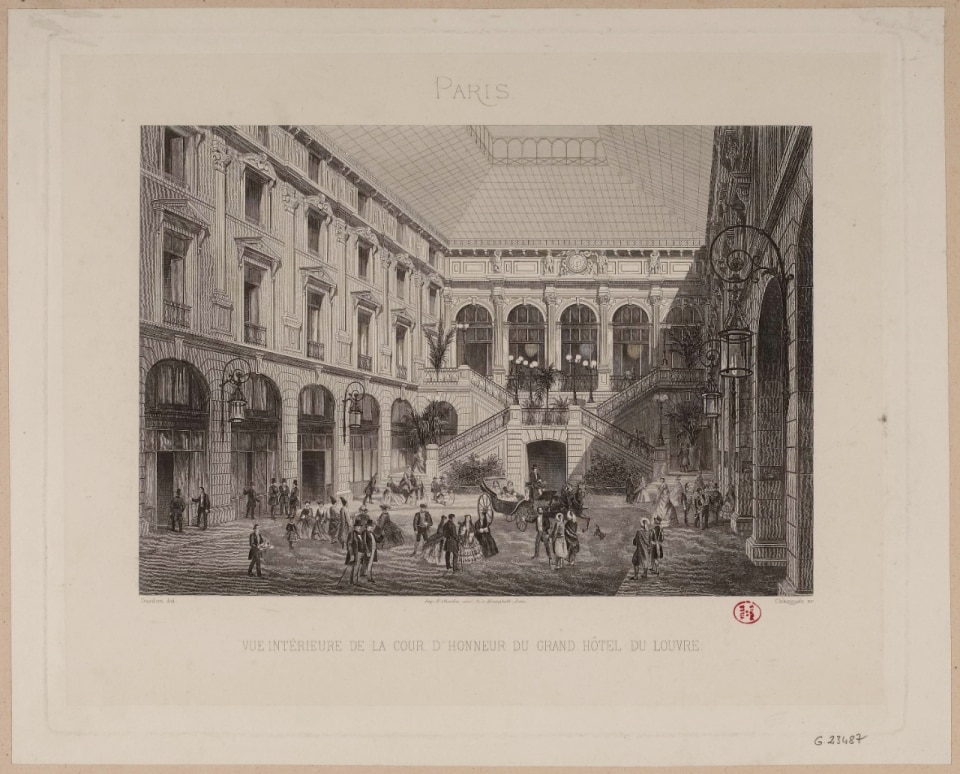
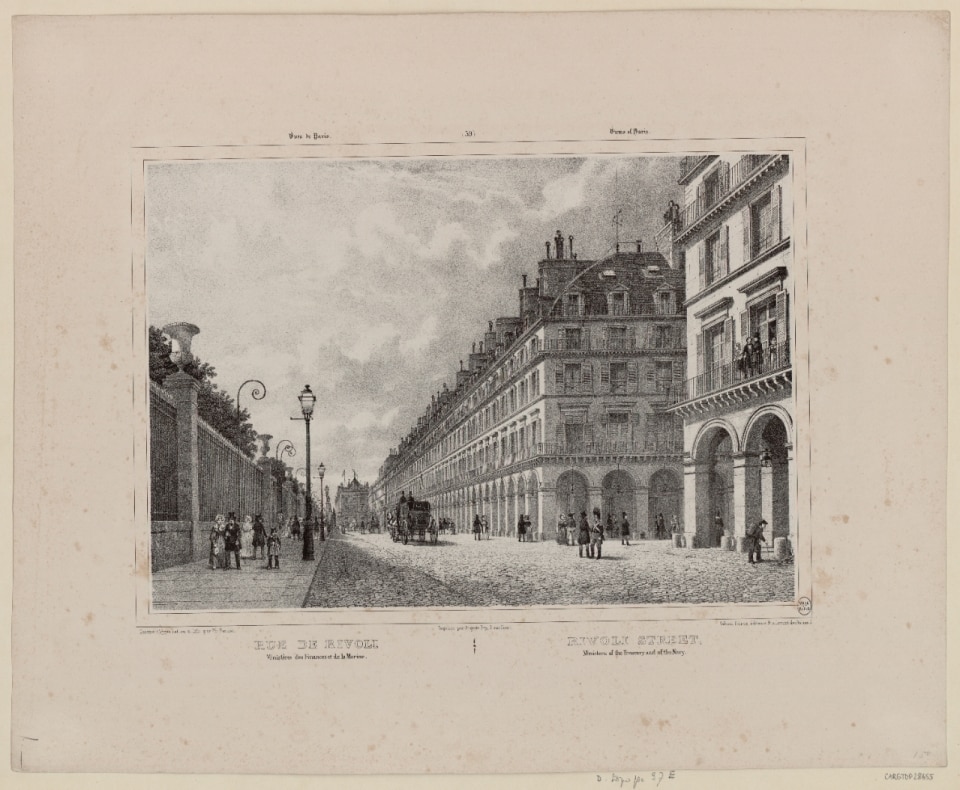
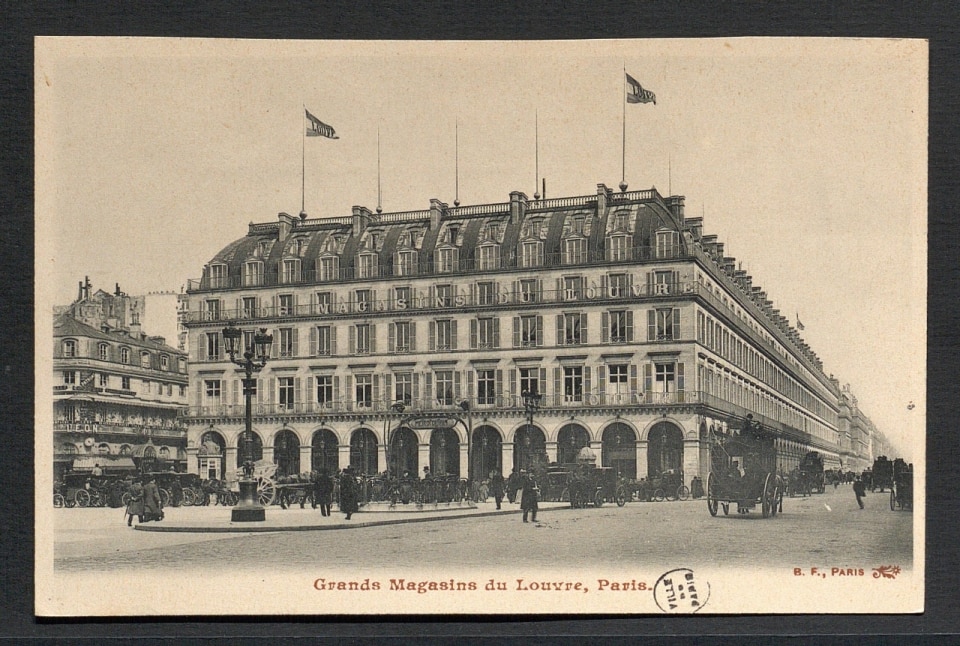
The building that now hosts it, an imposing Haussmannian palace in Second Empire style, has had a long history: once a department store, then a hotel, and until 2019 the Louvre des Antiquaires, a shopping center specializing in antiques. When that curtain fell, it entered the limbo of construction work, until the recent reopening. After the inaugural events, the Fondation is now ready to welcome back its public with the show “Exposition Générale” (curated by Grazia Quaroni and Béatrice Grenier), with exhibition design by Formafantasma.
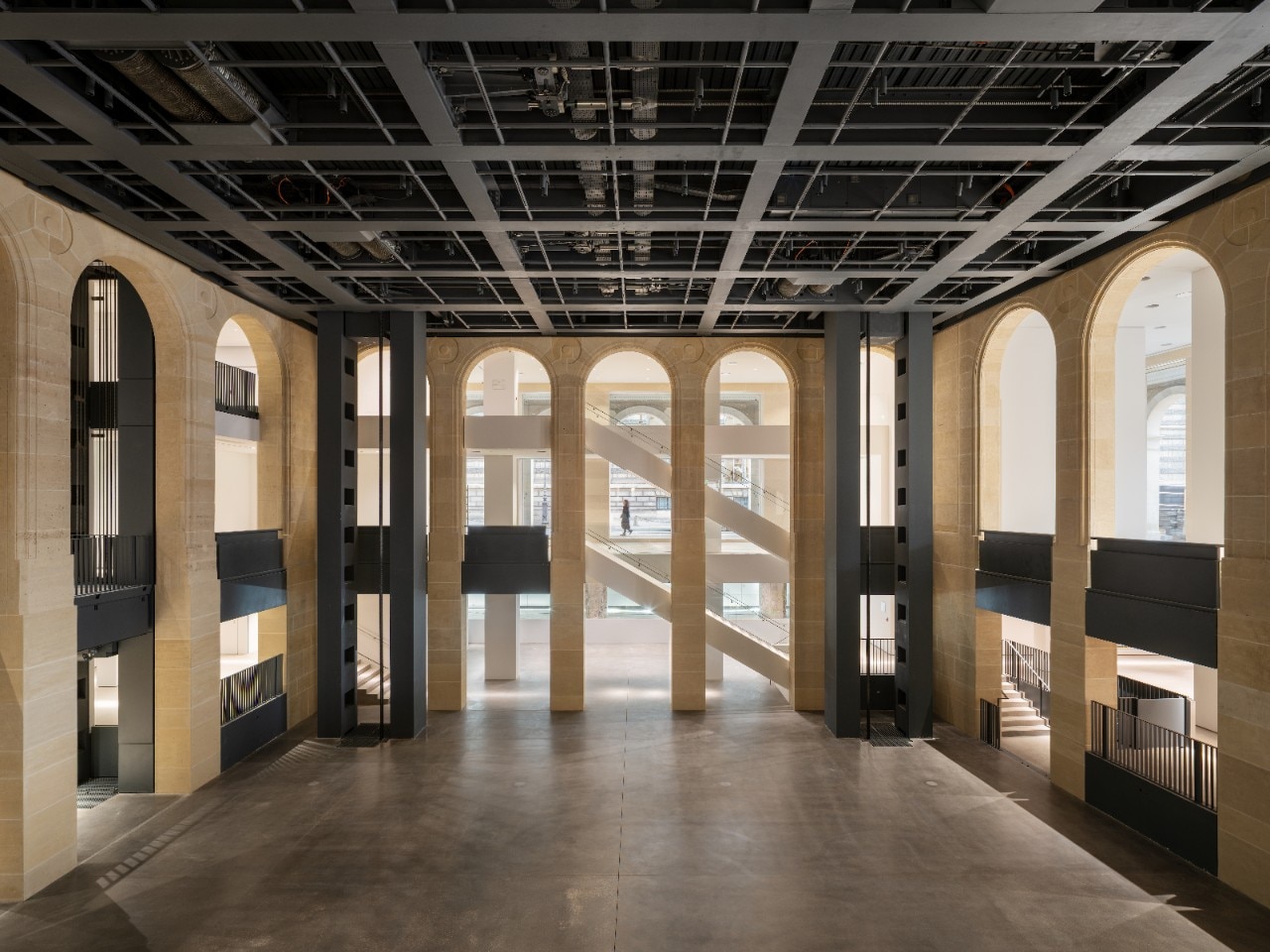
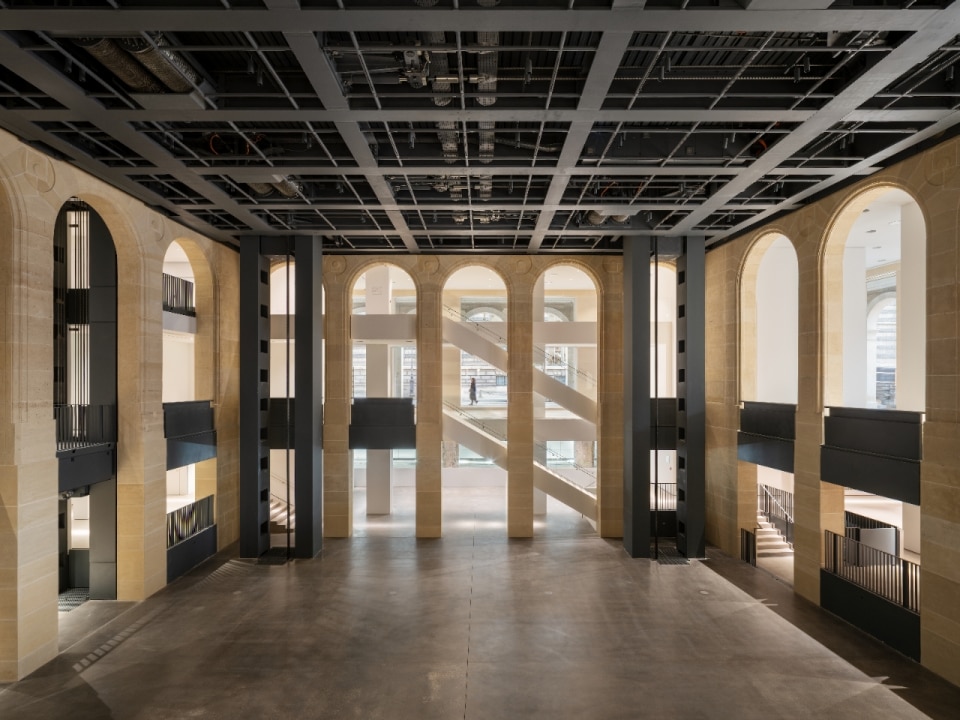
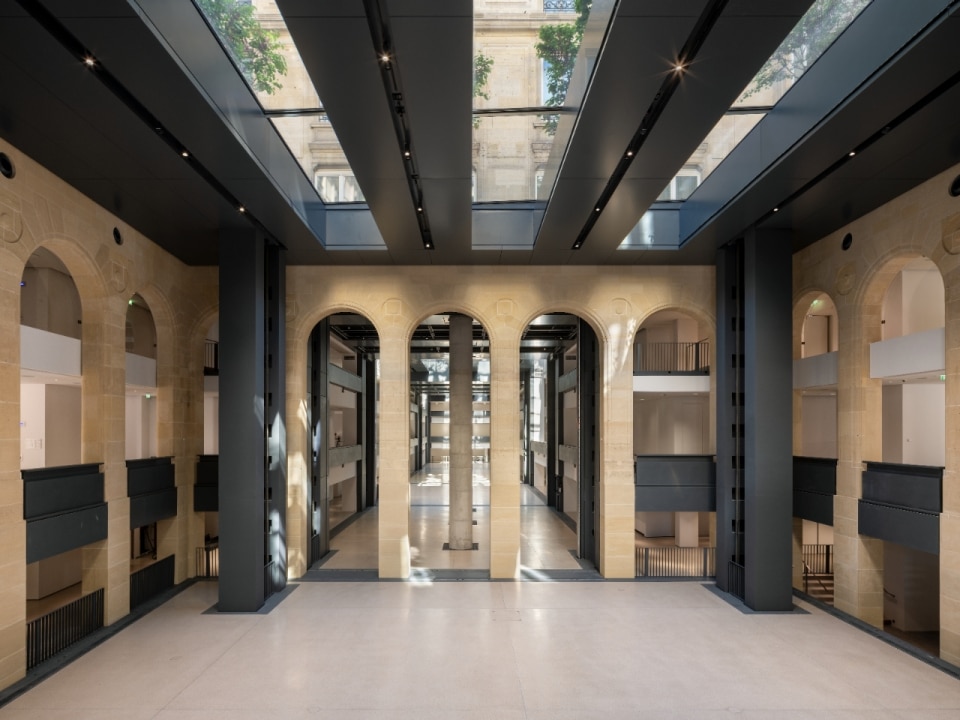
The long-awaited unveiling of the new building marks a major leap forward for the institution founded in 1984, since 1994 tied to the iconic Montparnasse building designed by Jean Nouvel – an exceptional, unclassifiable work, a glass-and-steel jewel in dialogue with the nature of its garden. With 8,500 square meters open to the public and 6,500 square meters of exhibition space, the new location multiplies the Fondation’s display opportunities, making its inclusive mission, to broaden its audience, finally within reach. Yet, continuity is not abandoned: Nouvel, the creator of the building’s interior redesign, confirms his vision and aesthetic as the guiding language that carries the Fondation into this new cycle.
“The museum concept is not infinitely expandable”, quoted Chris Dercon, General Director of the Fondation, citing William Rubin, the historic curator of MoMA in New York, to introduce at the press conference the ongoing dialogue between Nouvel and the possible forms of architecture for the Fondation Cartier. Yet, in this new context, Nouvel seems to find in elasticity the key to broadening that field of action. What makes this new form of extension possible is above all the mechanical engineering of the building itself.
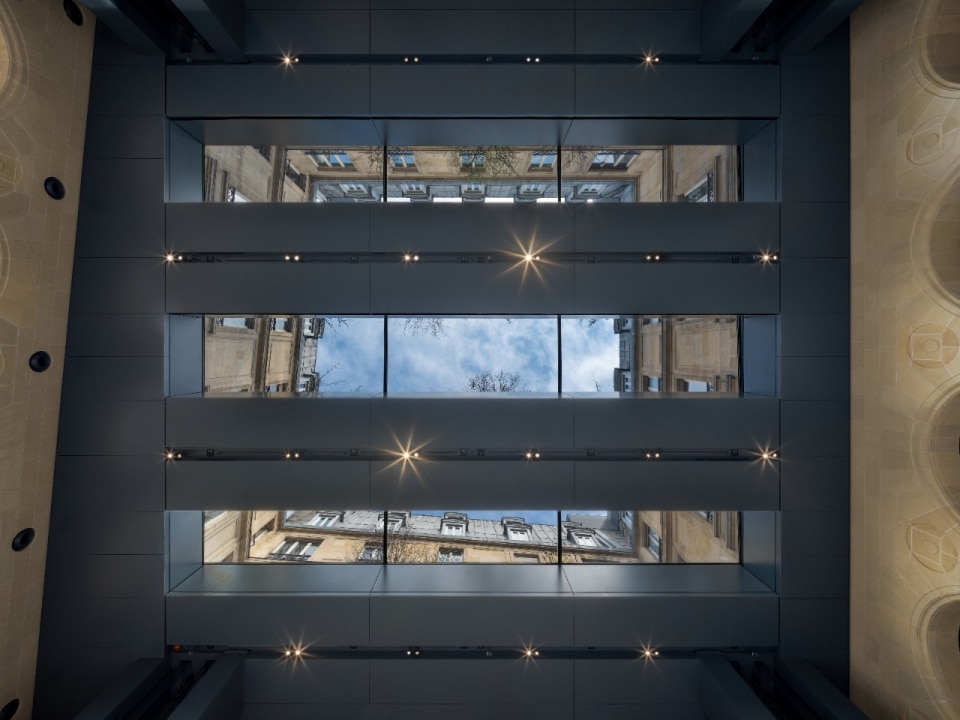
How to establish a dialogue between the Fondation and Paris? How can history enter the heart of the Fondation Cartier? Nouvel’s answer, once again, lies in transparency.
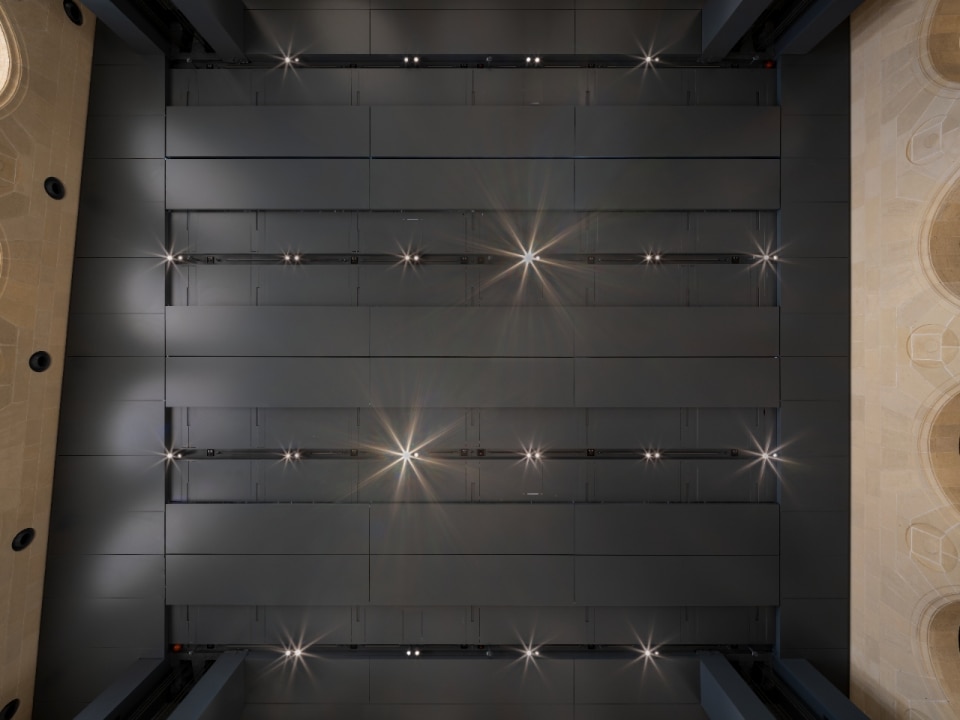
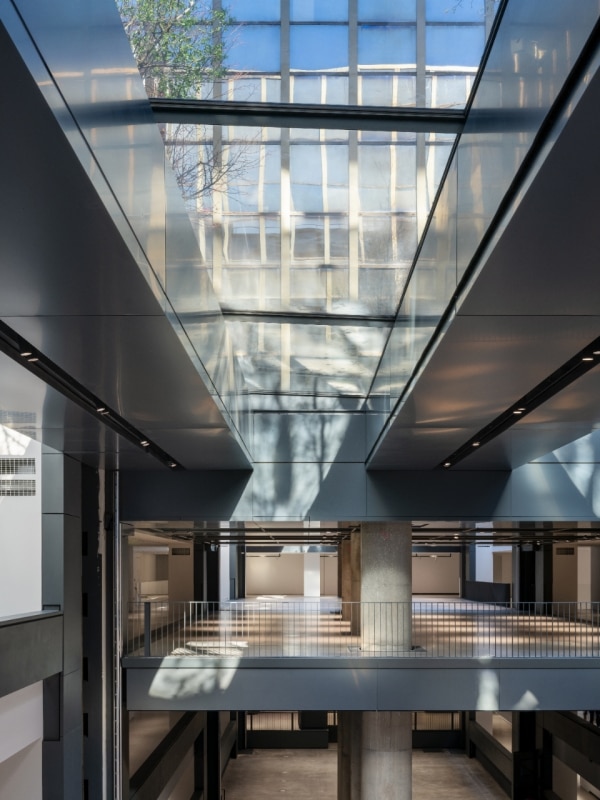
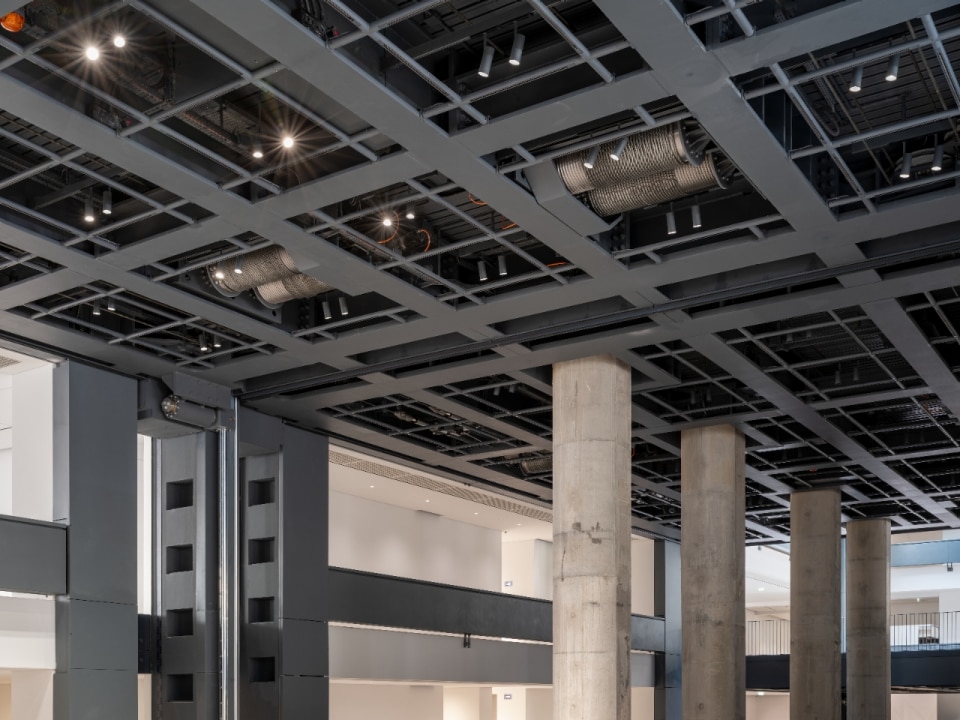
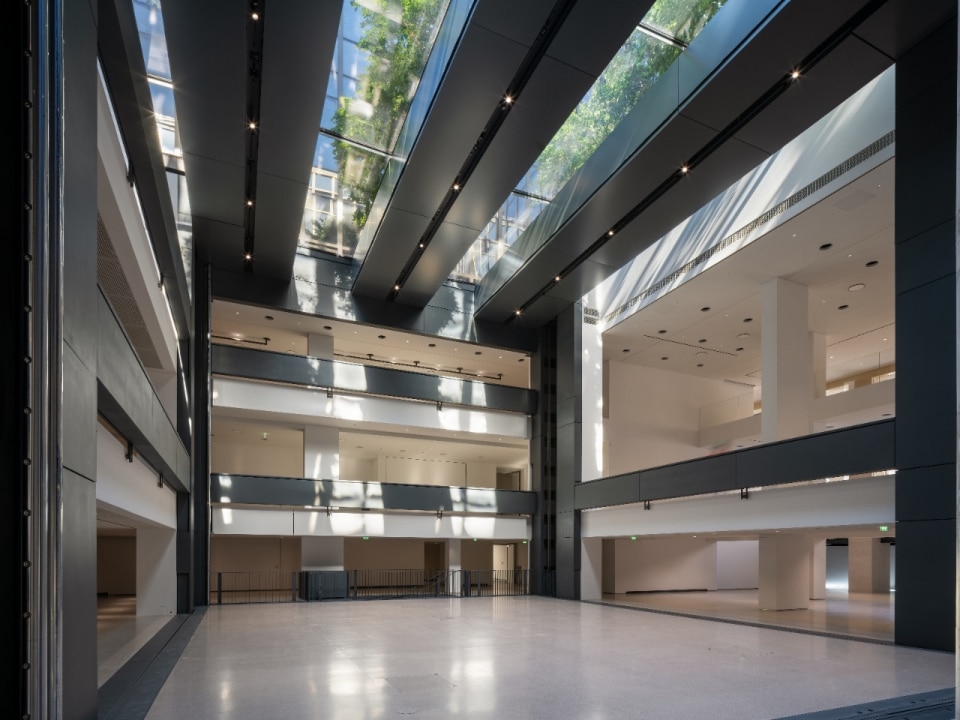
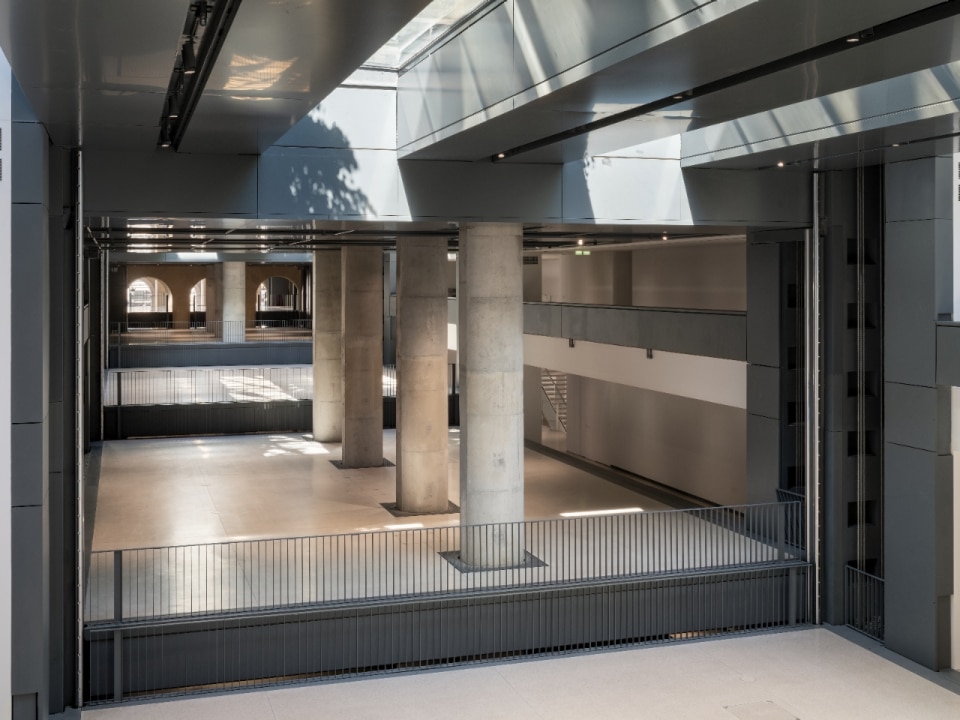
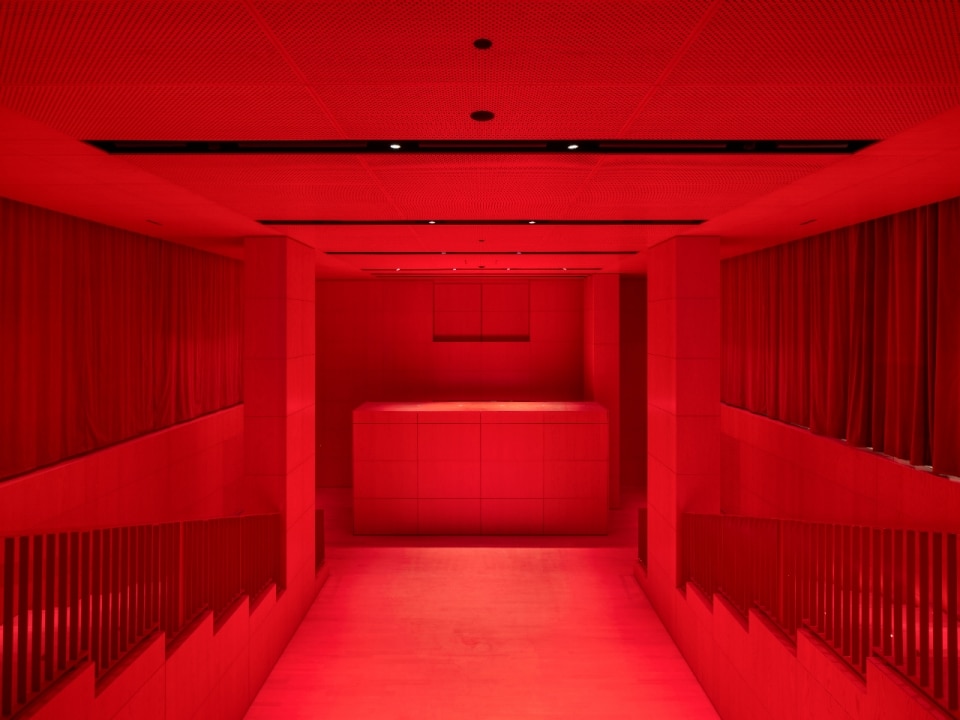
Five platforms, distributed along the central nave that runs through the structure and covering a total surface of 1,250 square meters, can be raised and lowered at will, dynamically redefining the exhibition path and the ways in which artworks are displayed. This mechanism is left fully visible: the tension of the cables lifting the floors, the mechanical texture of the raised platforms, all revealing the technological essence of the space.


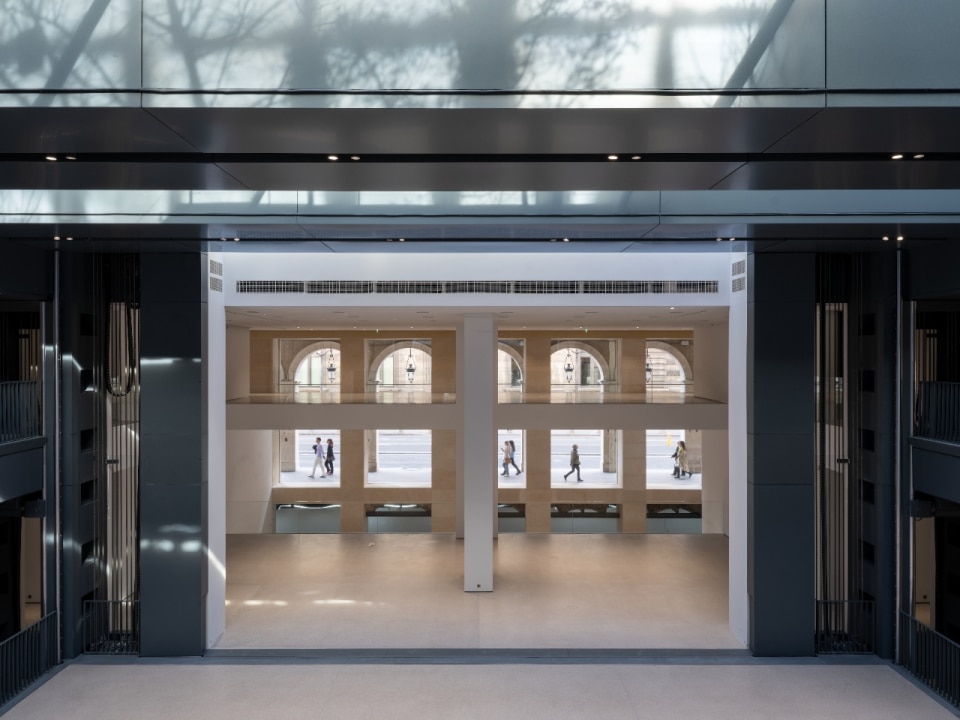
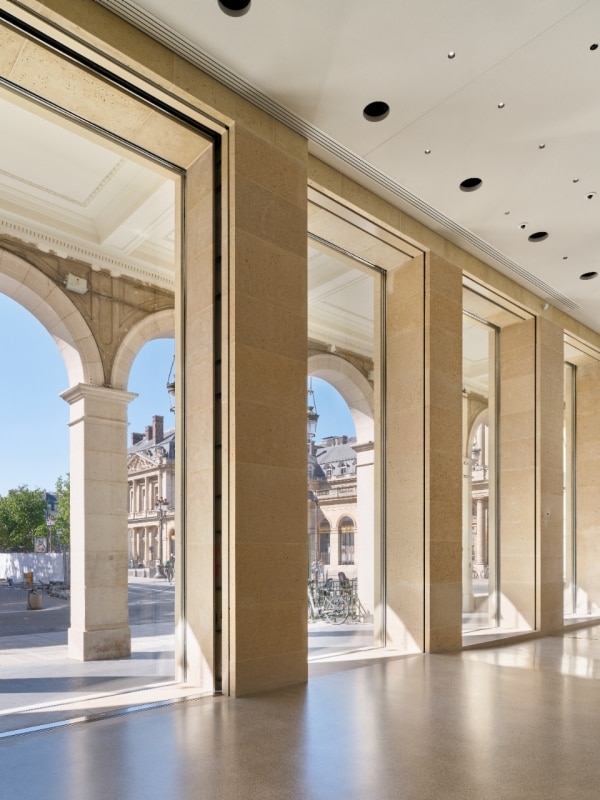
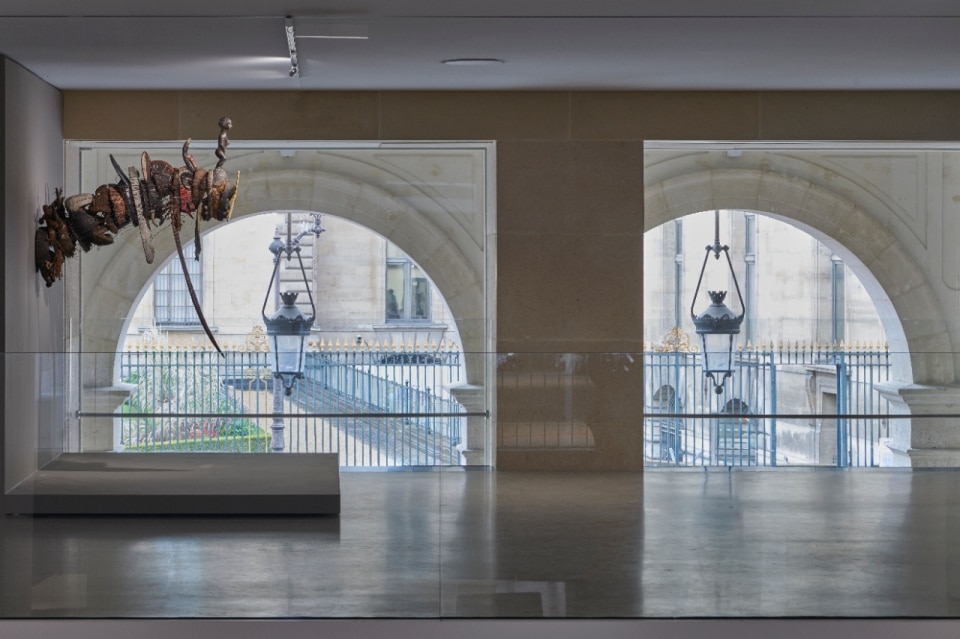
“How to establish a dialogue between the Fondation and Paris? […] How can history enter the heart of the Fondation Cartier?” hese are the questions that open the statement by Jean Nouvel, published in full on Domus, read by Dominique Alba, General Director of Ateliers Jean Nouvel – the architect, recovering from illness, was unfortunately unable to attend the inauguration. Nouvel’s answer, once again, lies in transparency. To let “the Parisian magnetism of the 21st century” permeate the space, he creates a dialogue between the street and the exhibition areas through large, full-height glass walls running along the building’s perimeter. The result, marked by a strong sense of porosity, not only allows natural light to flood inside but also creates a dual point of view, a double interaction between street life and museum life.
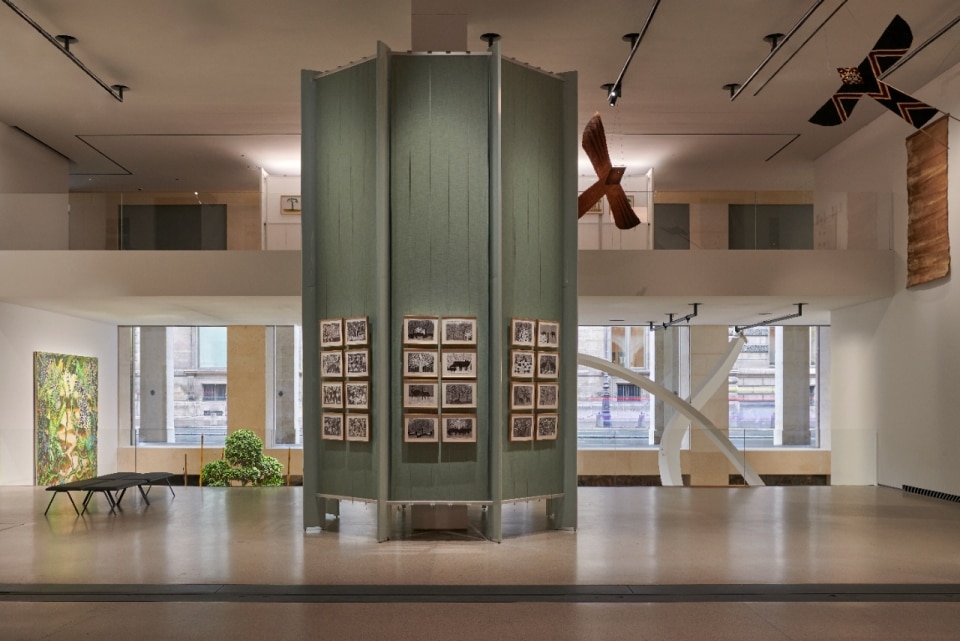
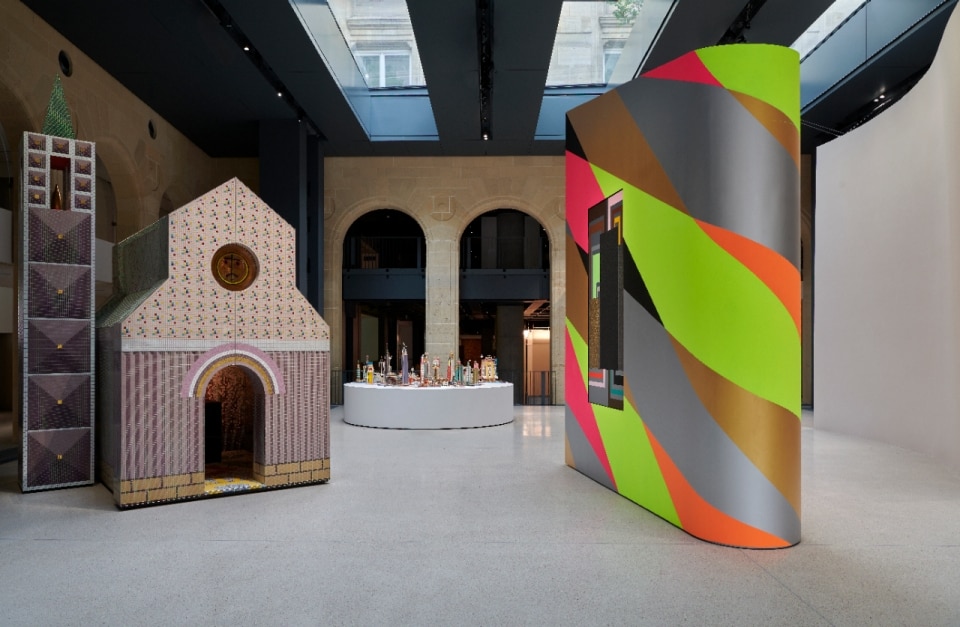
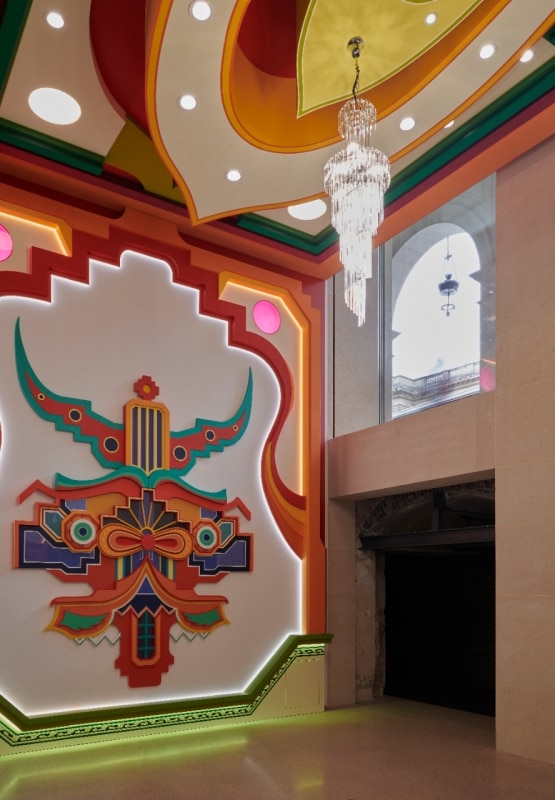
The works on display, gathered under the title “Exposition Générale”, offer an unprecedented opportunity to showcase a wide selection from the Fondation Cartier’s collection. The exhibition reveals the transdisciplinary nature that distinguishes it, a constant crossing of boundaries between disciplines, necessarily redefining their contours and extending art’s curiosity toward territories often overlooked or not legitimized by institutions. Formafantasma’s set-up moves with great elegance between Parisian stone, metal, and the concrete pillars dominating the interiors. Without opting for invisibility, it instead transforms a light architecture of aluminum profiles and fabric into a new experience of accompaniment and dialogue.
Opening image: The Fondation Cartier pour l'art contemporain, 2 Place du Palais-Royal, Paris. © Jean Nouvel / ADAGP, Paris, 2025. Photo © Martin Argyroglo