


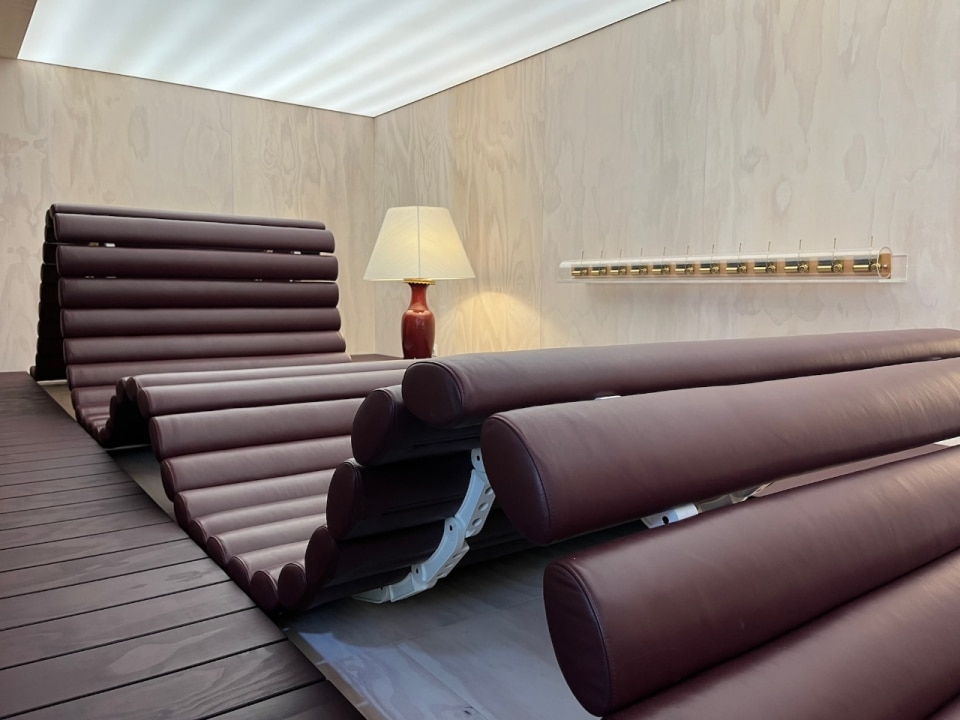

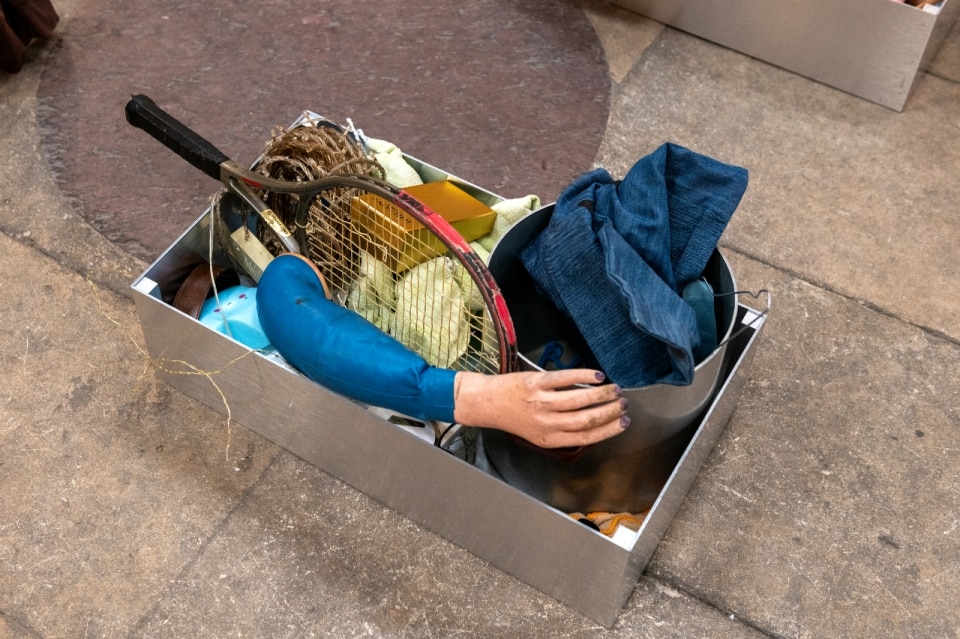

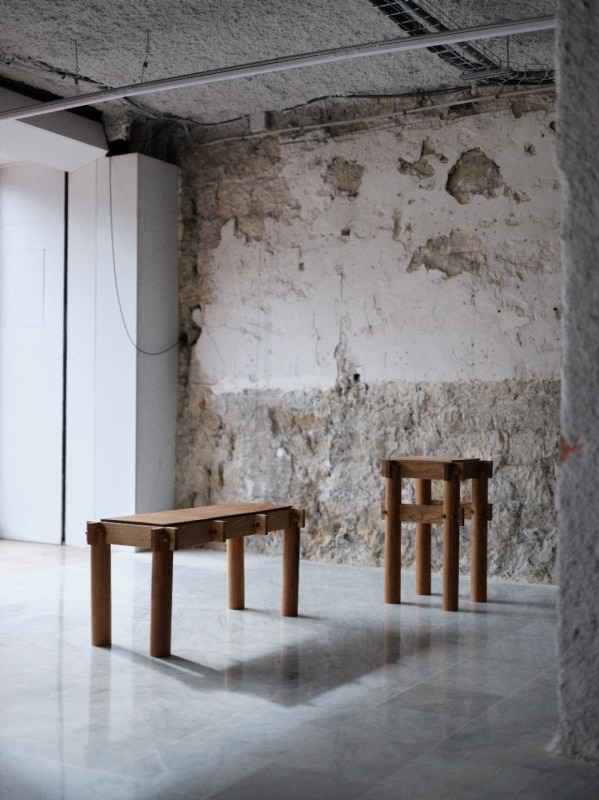
Every year we watch the geography of design take shape, with new scenes emerging and others consolidating their standing, and above all with the ignition of events that have by now become cultural landmarks. Whether it’s Milan Design Week (built around the Salone del Mobile) or formats conceived as distributed festivals with a long-standing focus on nurturing networks, such as Copenhagen’s 3daysofdesign, another fair steadily gaining importance, these moments define the map.
They are identifiable epicenters because product design sits at their core. But what happens if the design circuit widens its receptors and experiments with new forms of alliance, say, with the art world? This year more than ever, with Paris returning as a gravitational center for many different fields, we found ourselves asking this question in October, on the occasion of Art Basel.

Art Basel Paris is a galleries fair, a “young” event that has been present in the French capital for just three years, yet in a short time it has mobilized a great deal. One only has to think of the presence in the city of brands like Miu Miu with 30 Blizzards. by Helen Marten, or the extended Rick Owens monographic exhibition echoing it under the arches of the Palais Galliera. It inherits – also forcefully – the legacy of FIAC and the boost the city experienced in the post-Brexit years, with a swarm of galleries deciding it was more strategic to keep a foot on the banks of the Seine, intersecting flows of discourse and international collectors.
In 2025, the week of Art Basel Paris also took on some of the qualities of a Design Week. Paris transformed into a pinball of events, where art, design, and architecture began to work together.
It also brought with it something unspoken, yet perceptible in the Parisian air transformed into a pinball machine of events: in its 2025 edition, expanding something that had already been simmering for a few years, Art Basel Paris week also took on some of the qualities of a Design Week.
Here, “design” must be understood in the broadest and most transversal sense of the word, the same one that generated unique cultural aggregators like the early Fuorisalone in Milan.
In Paris, the design/architecture component was extremely strong and omnipresent; visually, architecture was constantly underfoot. This was the perfect opposite of the non-place concept of the fair as an all-white-cube environment, with overpriced drywall booths inside some functional shed conveniently located near highways.
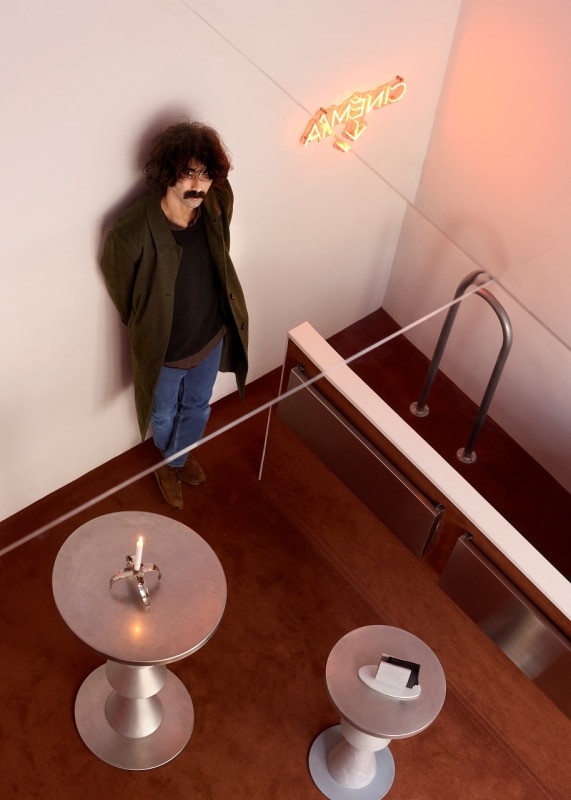
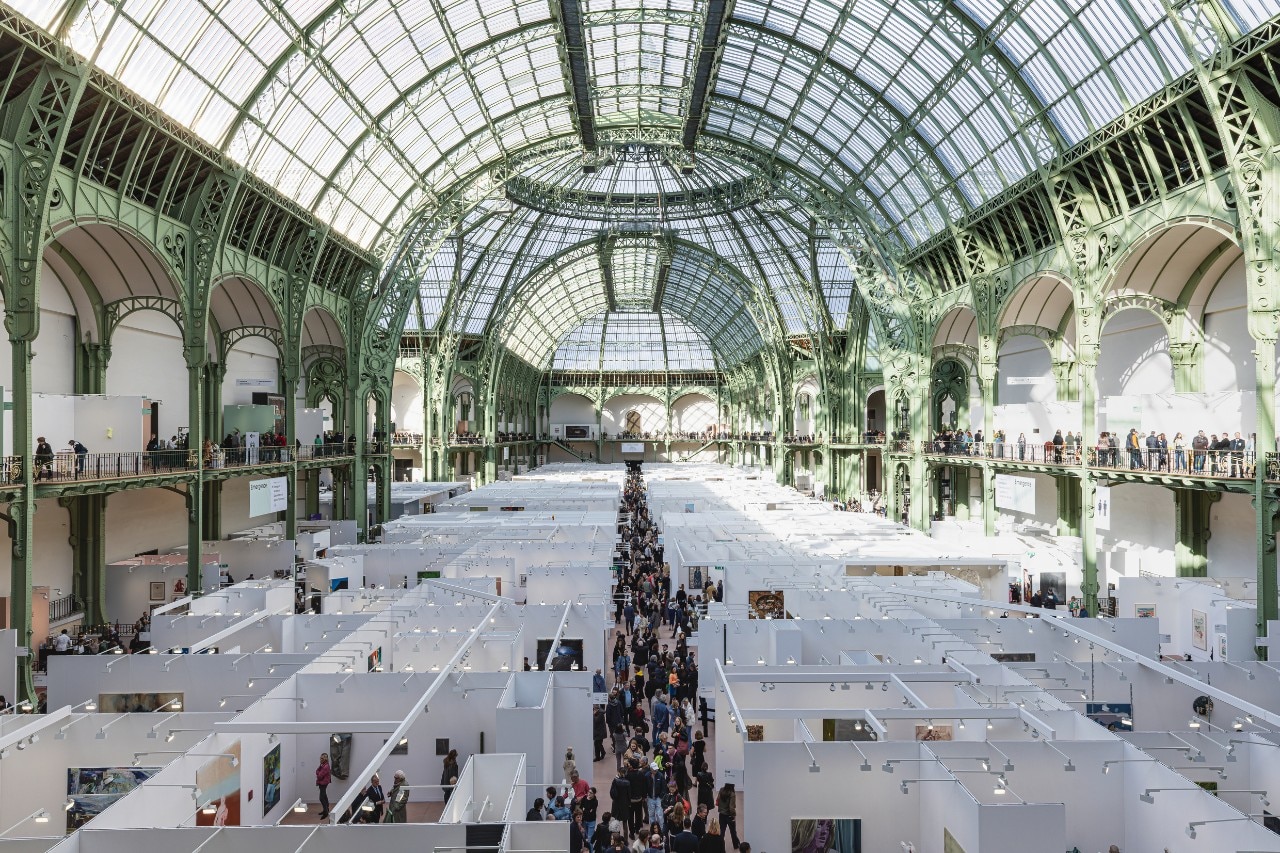
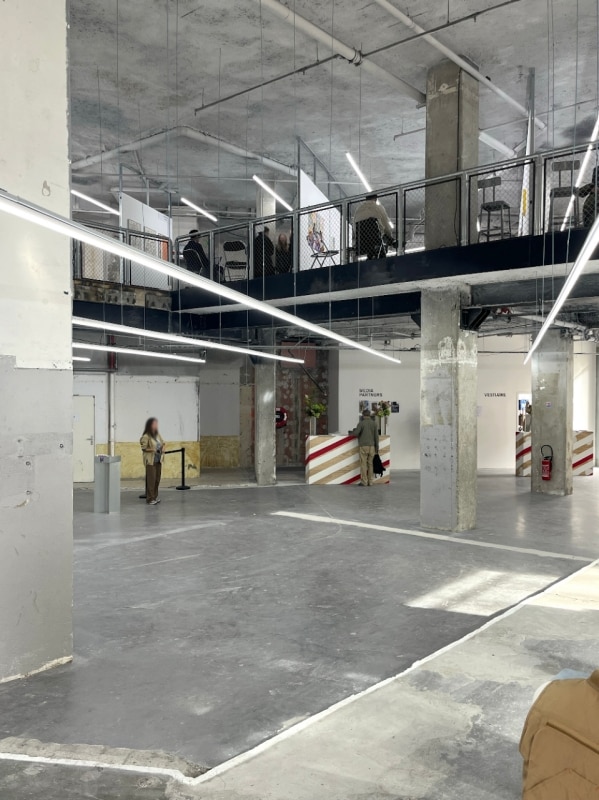
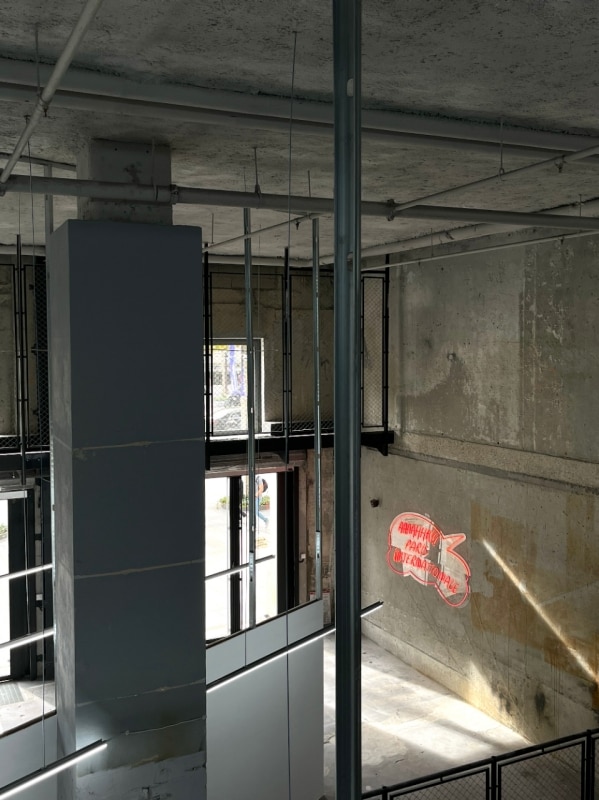
Art Basel itself takes place inside the Grand Palais, recently restored for the Olympics, effectively the flagship of the image the capital is projecting to the world for years to come. Miu Miu confirmed its choice of the Palais d’Iéna – a milestone of modern architecture designed in 1937 by Auguste Perret, prophet of reinforced concrete – placing it in dialogue with Marten’s space-based practice and an installation that functioned as a true infrastructural machine in aluminum. The most relevant off-site cluster, Paris Internationale, was also located on the Champs-Élysées, in the bare structures of a former store now empty and refitted with a project by Christ & Gantenbein. And then there was the Salpêtrière chapel opened by Offscreen Paris, and the brutalist ice rink by Paul Chemetov in the northern banlieue of Saint-Ouen, long closed but reopened by the Biennale de Paname.
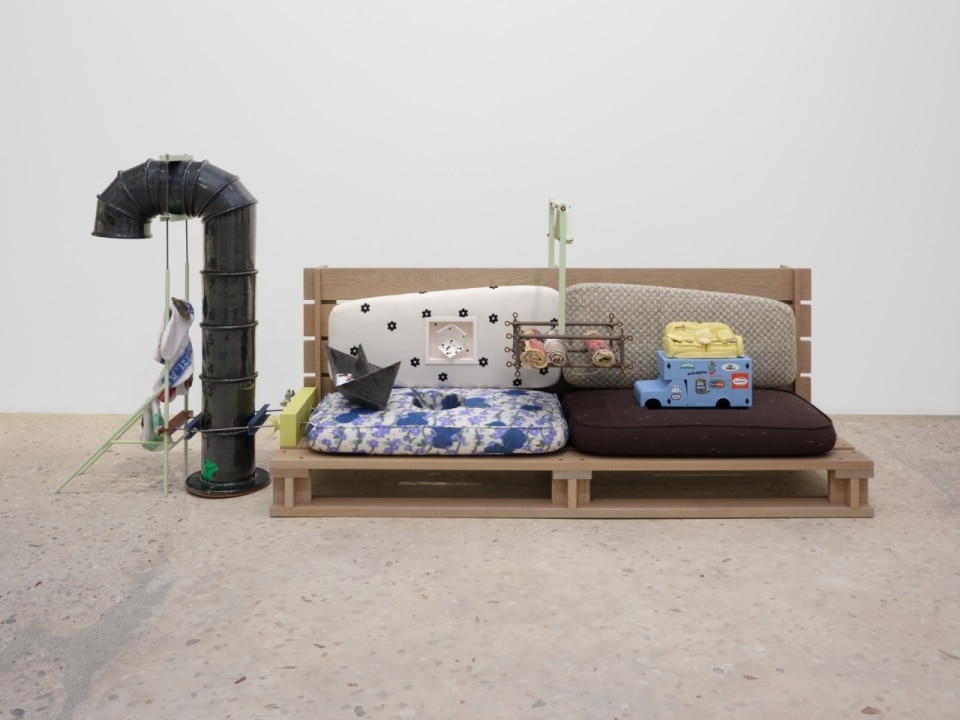
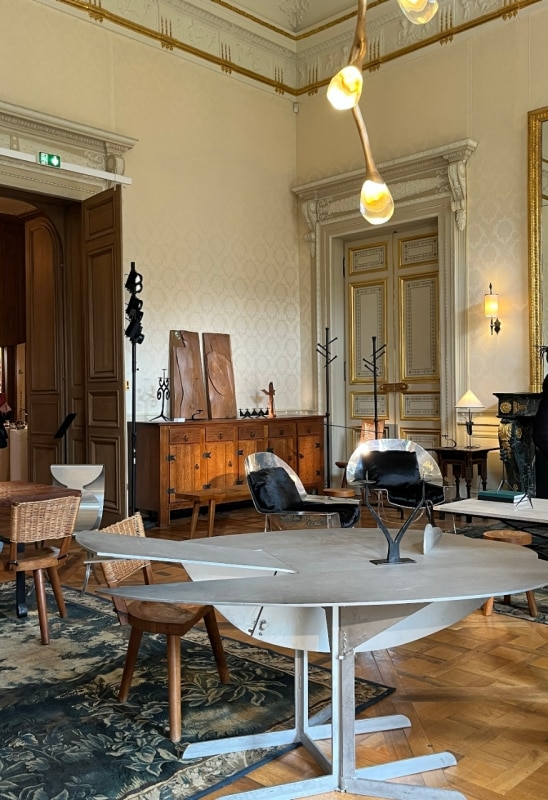
Then, design. The tone of the week was very much “gallery-driven,” so the catalytic presence was Design Miami Paris, running alongside Art Basel within the pierre de taille masses of the Hôtel de Maisons – the former home of Karl Lagerfeld – playing the tune of ultra–high-end collectible design. Its target and positioning were clear, despite the multiplicity of narratives told by the participants: from Patrick Seguin, who turned Jean Prouvé into a deity of the circuit, to Milan’s Nilufar with its unique curatorial signature, to the Mobilier National and Sèvres manufacture, or Pierre Paulin, presented through an unpublished piece by the archive-brand paulinpaulinpaulin.
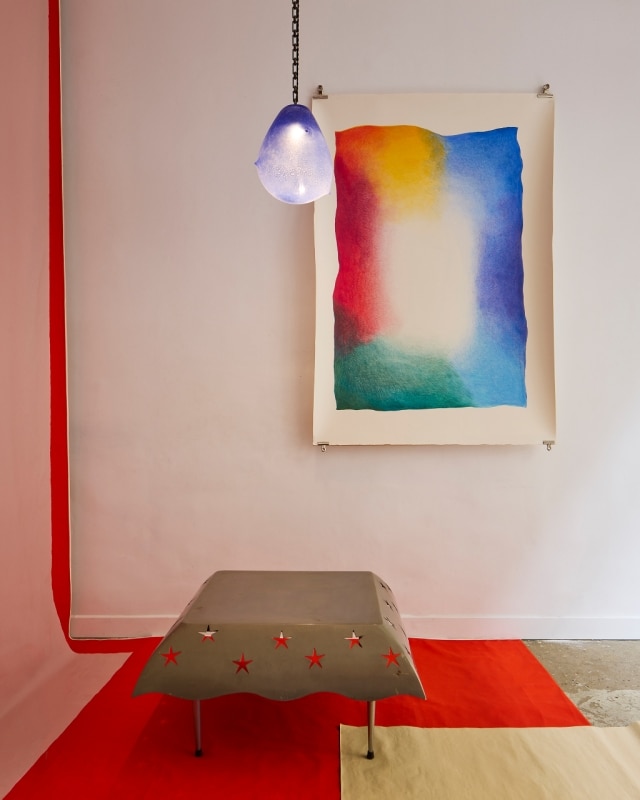
But let’s crack the crust of the apparent monolith of the “gallery audience,” of a monopoly dominated by Dubai–Miami luxury. It had just been announced that Art Basel’s next Florida edition would see a drop in exhibitors, while Paris was increasingly becoming the center of the network. And on the other hand, “it’s at Design Miami that I’ve had some of the most intellectually dense conversations,” designer Nifemi Marcus-Bello told us while chatting during a rare pause between events.
If Paris were to ‘claim the spotlight’ from Milan, it would do so through the force of culture, where design, art, and architecture converse without hierarchy
So there was something tangible. A design discourse leaning on an art week, making a shift not only in audience but also in epistemological sphere. The supporting event was not so much Maison & Objet, perceived as more Franco-French and local. Here, a design week moved onto the tracks of an art week to intercept a discourse that is fully international.
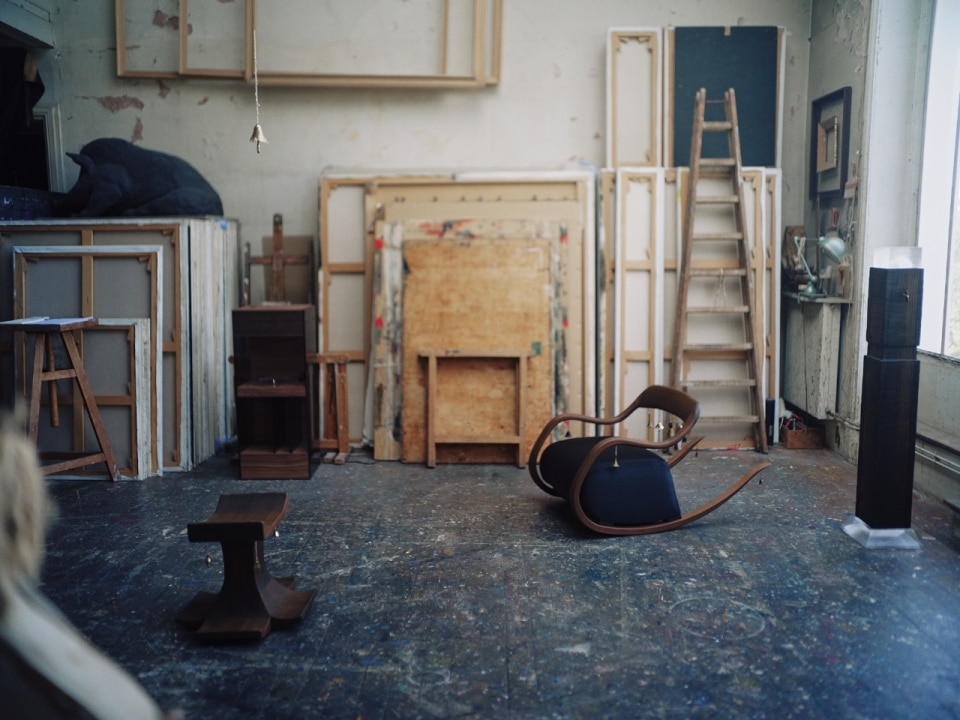
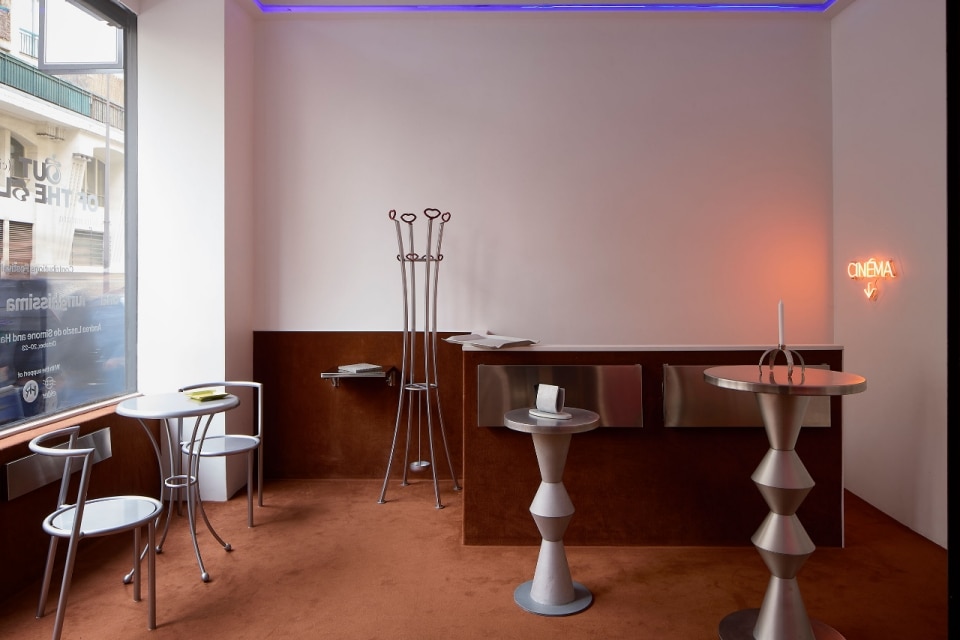
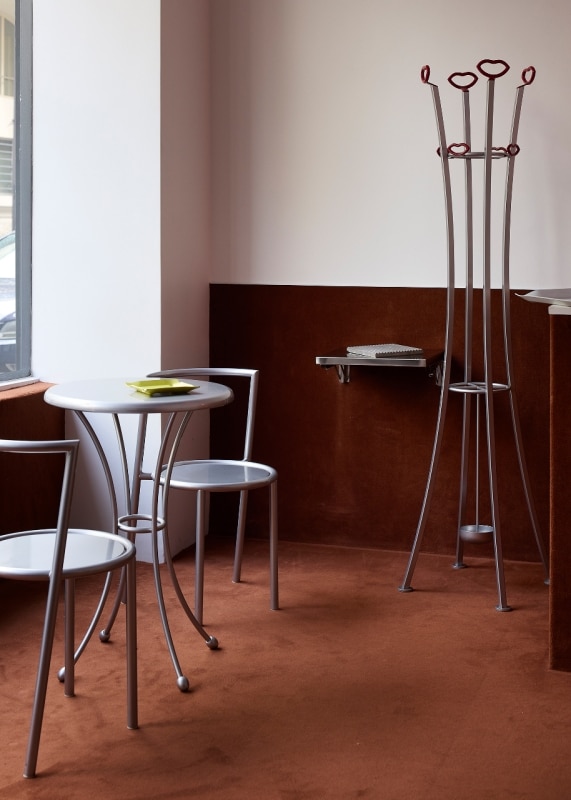
This was also evidenced by the renewed presence of projects like Contributions, a festival founded on cross-disciplinary pairings, this year between design and music. Among the examples: Nifemi Marcus-Bello designing a speaker with La Boite Concept accompanied by the sounds of Rodrigo Amarante; or the radical iconicity of Milan-based Metals with Andrea Laszlo De Simone, staged in a bar that screened short films in the basement while reviving the Metals bar of the 1990s on the street level. Once again, the theme was location and urban presence, in places of deep significance for the city’s history, such as Tati, the “people’s Lafayette” of northern Paris, which succumbed to the pandemic but is now being frequently reopened, whether by Jordan for the Olympics or by design culture, as in this case.
It felt natural to evoke a presence from the past: the original Milanese Fuorisalone.
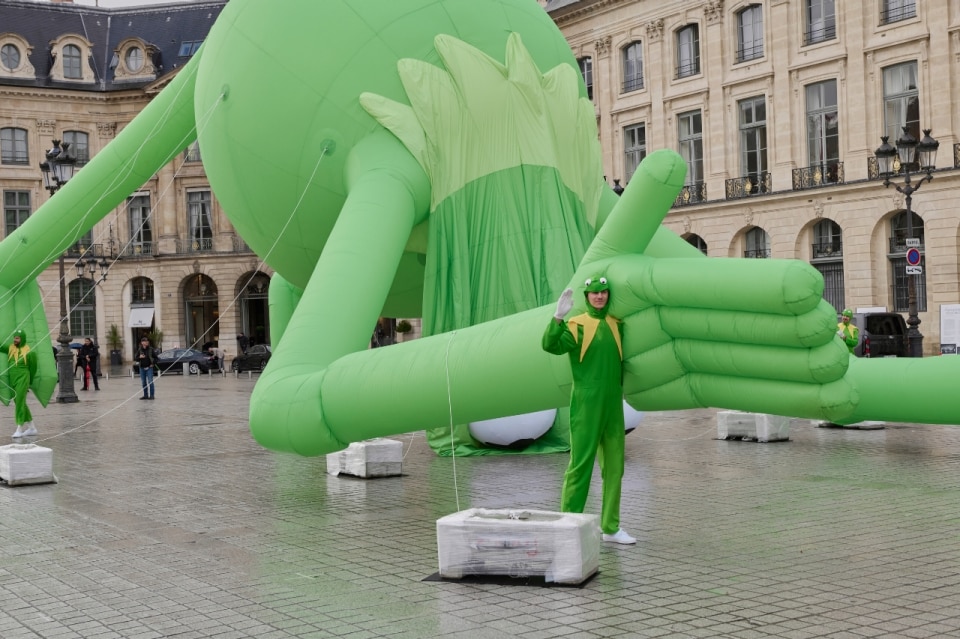
This aggregation around Paris as a hub of the collectible, across many different levels of discourse, suggests a design week that, rather than competing, could stand alongside Milan Design Week. The differing “cores” of market and origin already tell the story: furniture and industry in Italy with the Salone; art and galleries in Paris. Perhaps, however, the opportunity to develop in two distinct arenas could allow both narratives to grow, and then, in the future, lead to a renewed cross-pollination (forgive the term), this time on an even higher cultural level.