


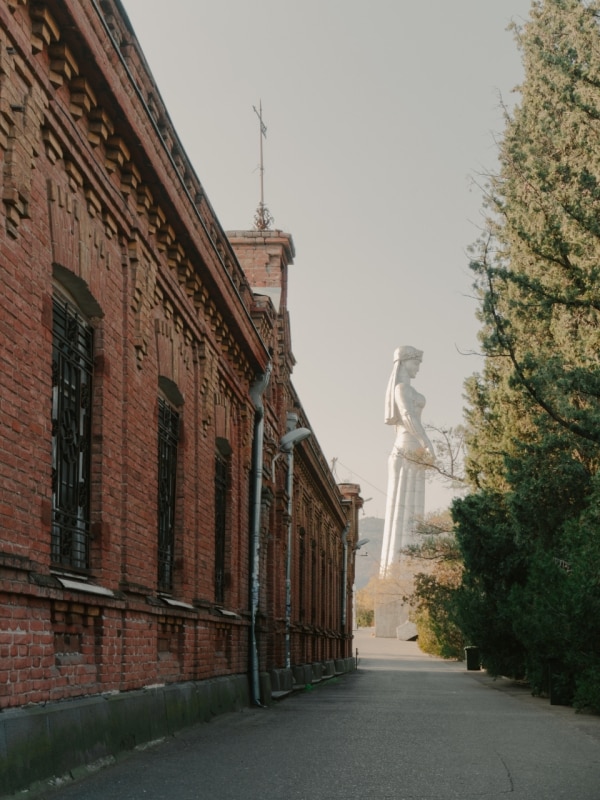
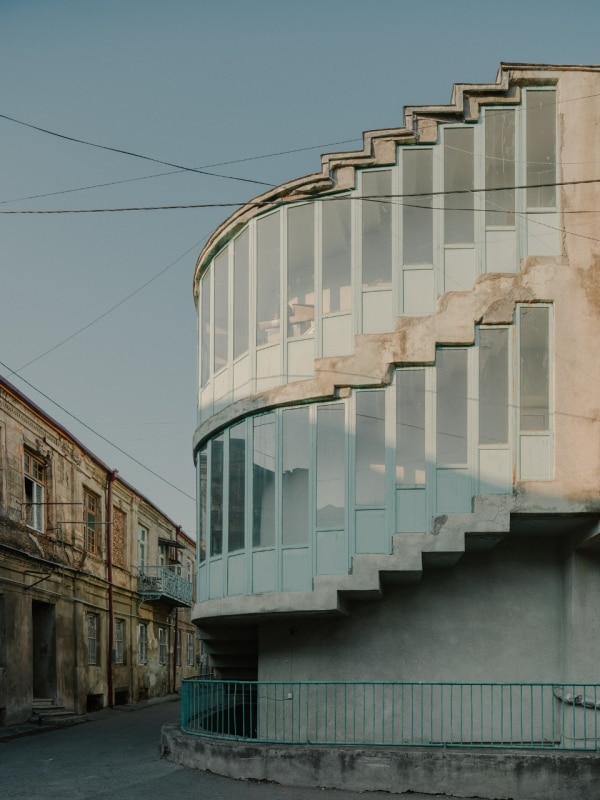
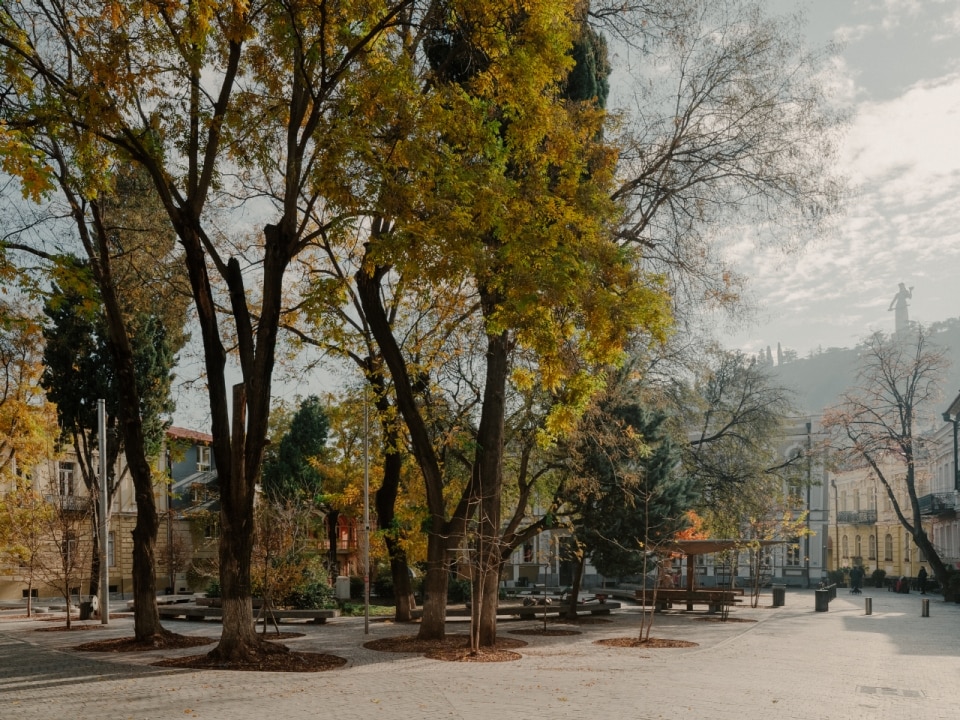
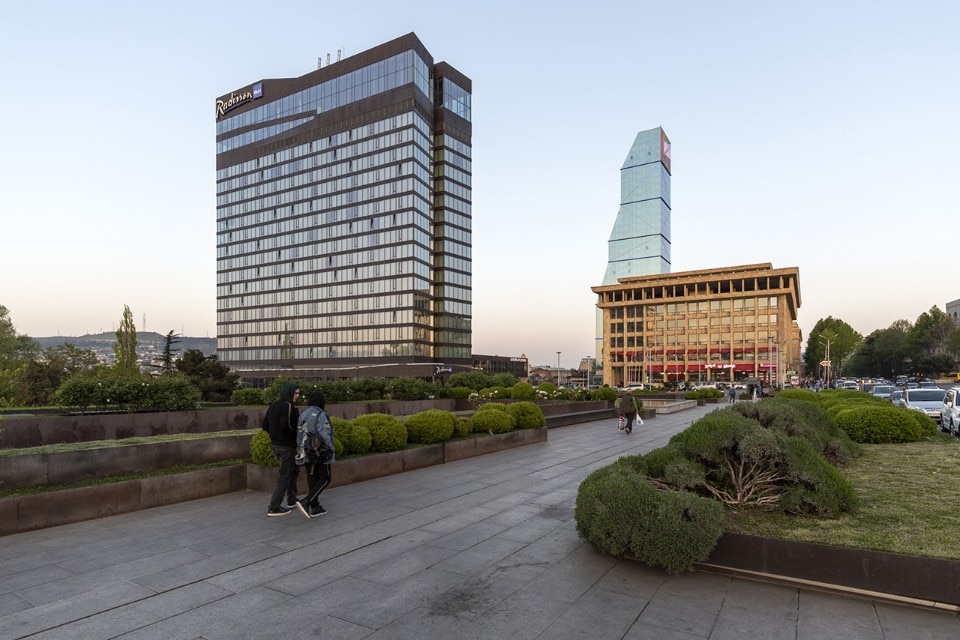
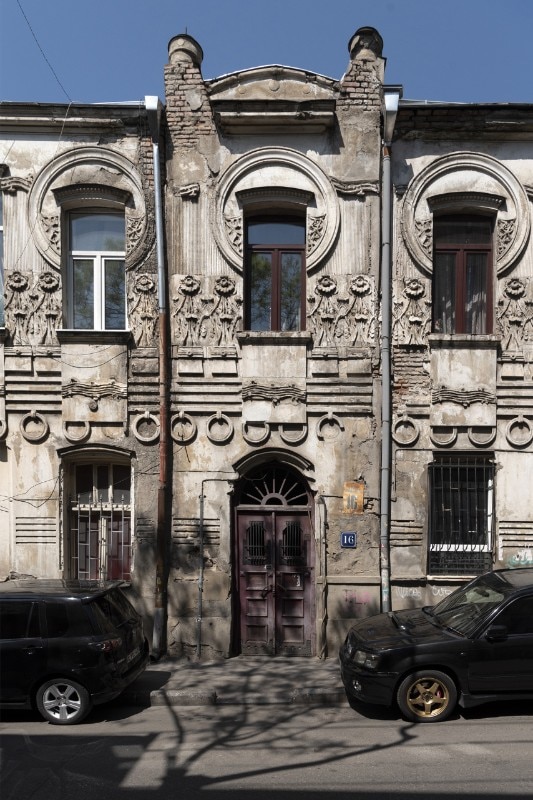
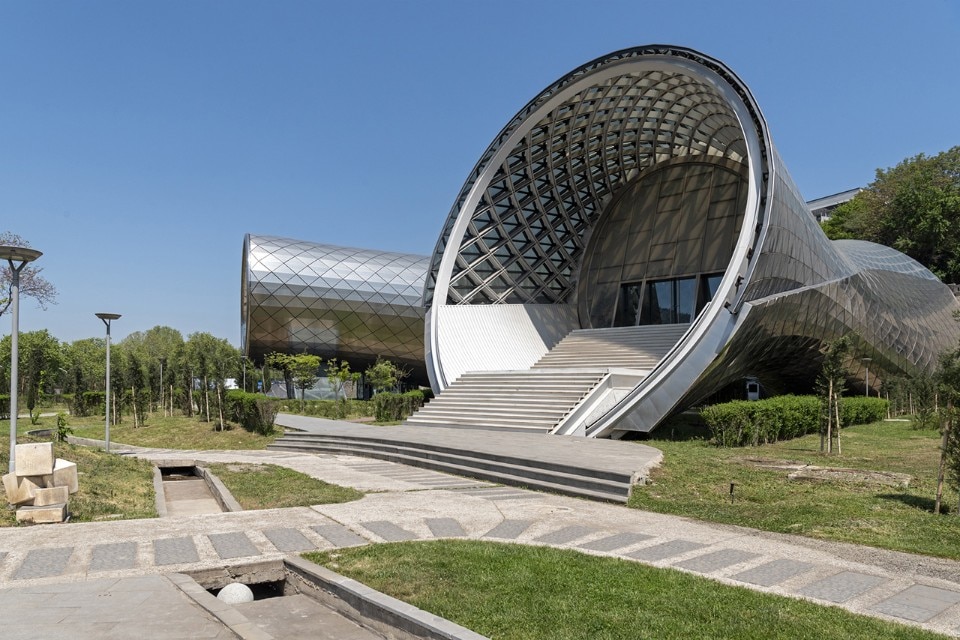
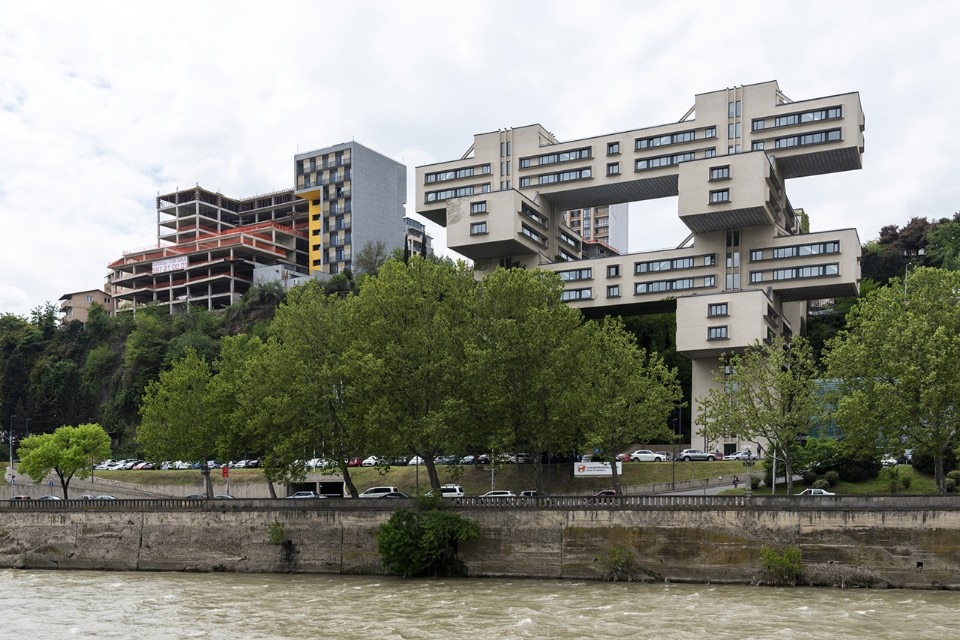
Tbilisi, the capital of Georgia, is a city that can be read through layers: ancient medieval fortifications, 19th-century mansions, Art Deco, Soviet modernism and 21st-century signature architecture coexist without much mediation. Here stands an icon of Brutalism, the Bank of Georgia Headquarters, with its horizontal and vertical reinforced-concrete volumes intersecting to create striking cantilevered structures. Italian projects are also present, including the Lighthouse of Tbilisi by Massimiliano Fuksas and the renowned Bridge of Peace by Michele De Lucchi. And Zaha Hadid Architects is now entering the scene as well, with its first building in the capital — Cityzen Tower — scheduled for completion in 2028.
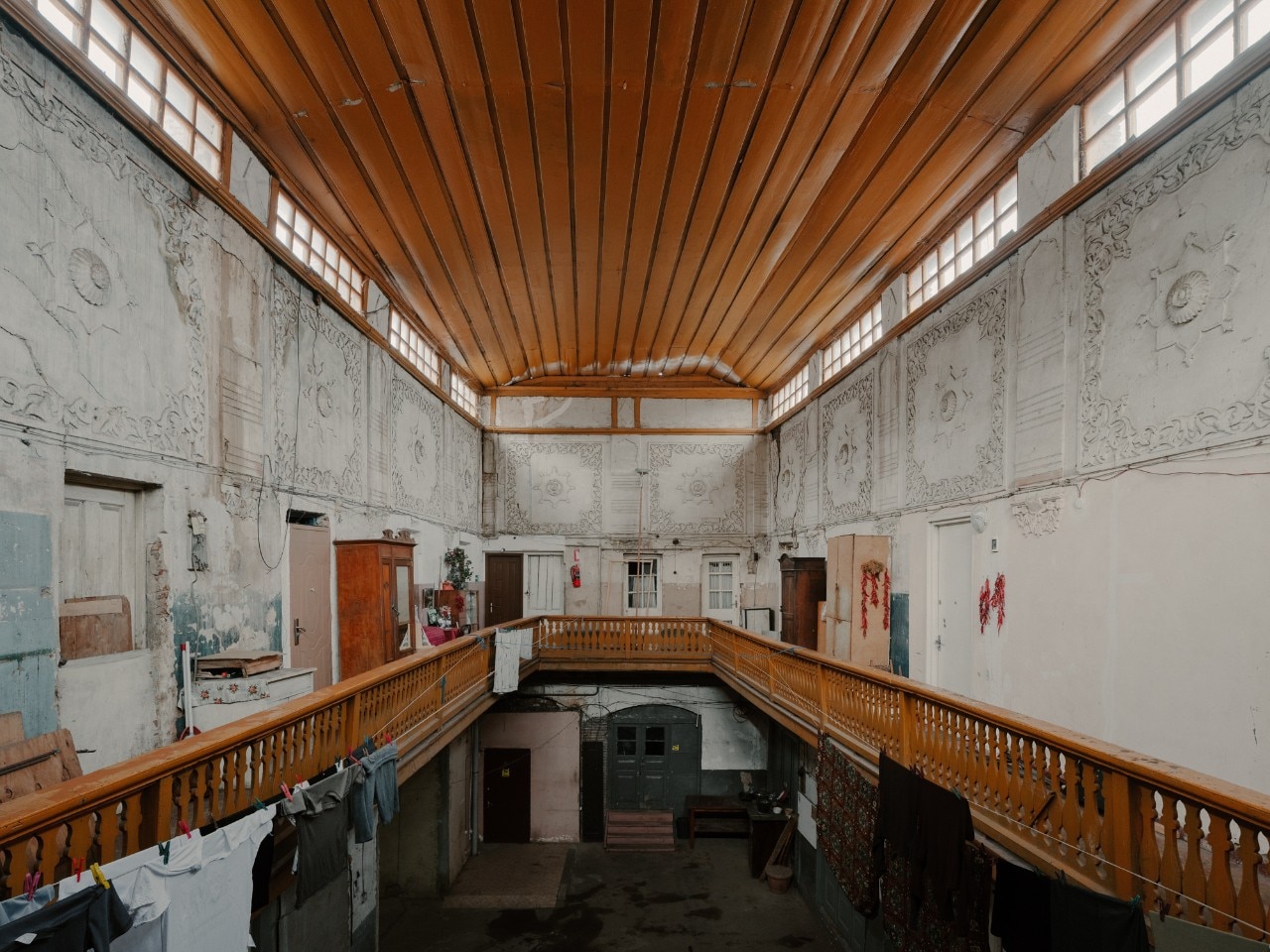
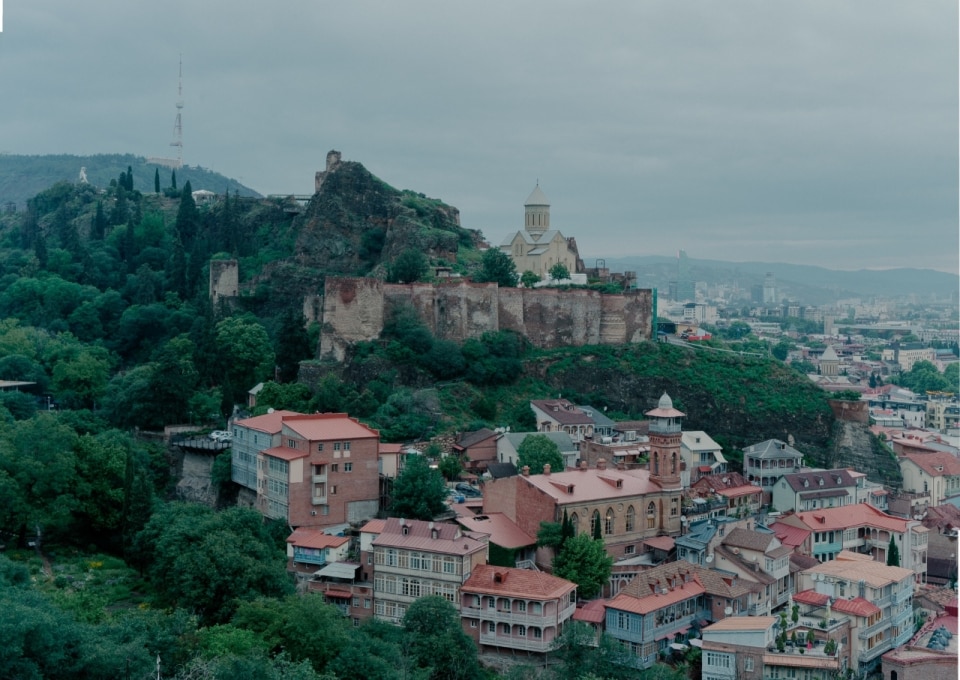
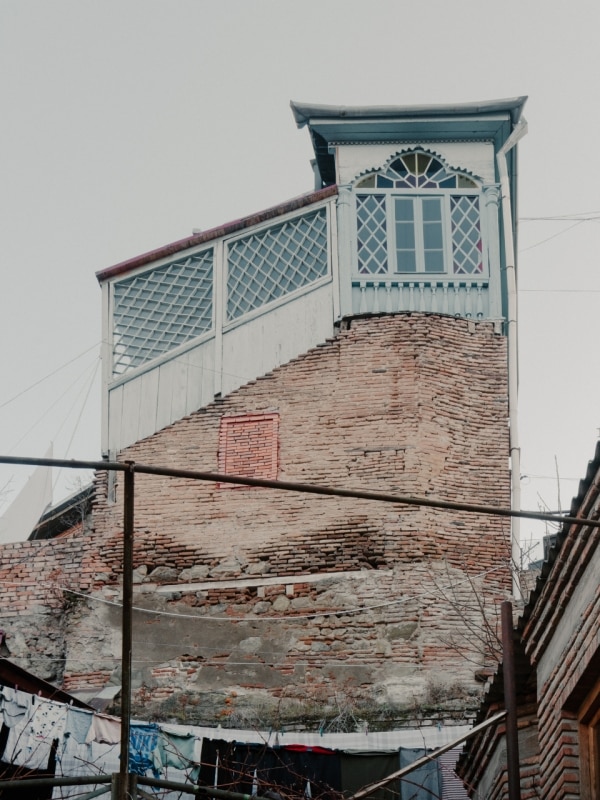
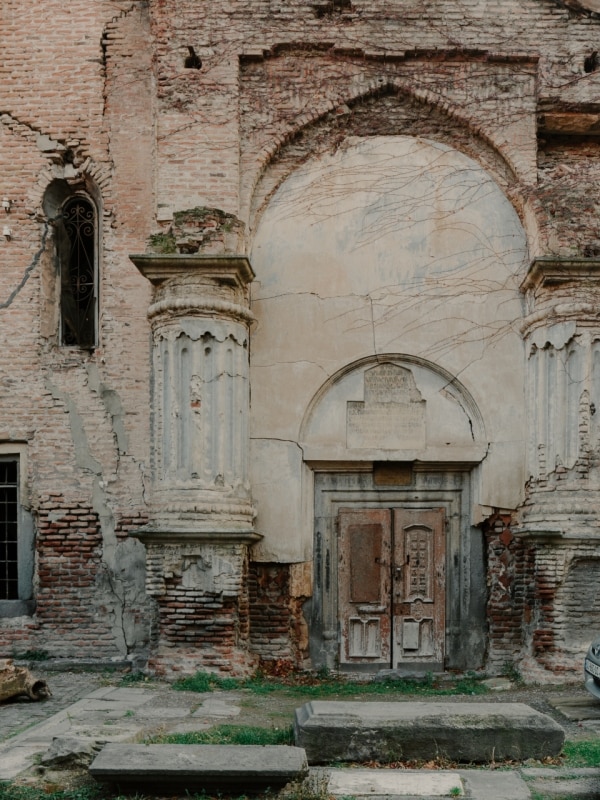
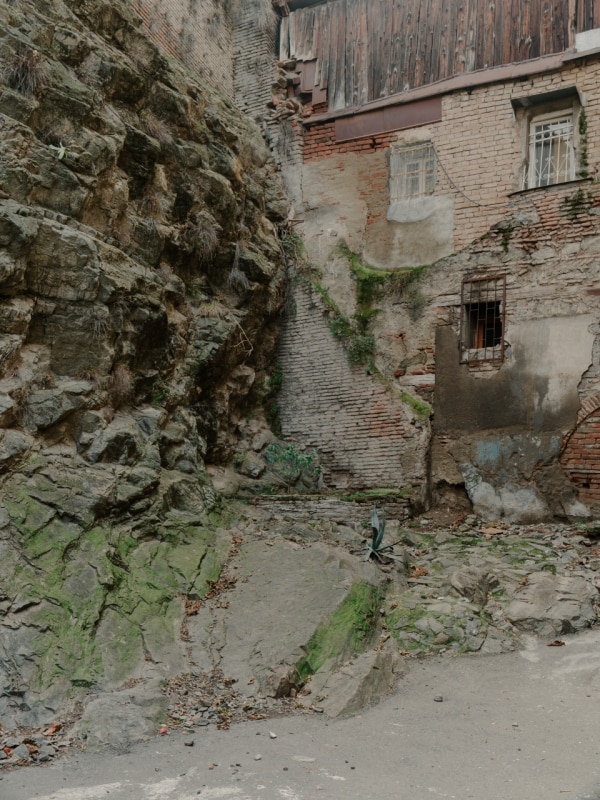
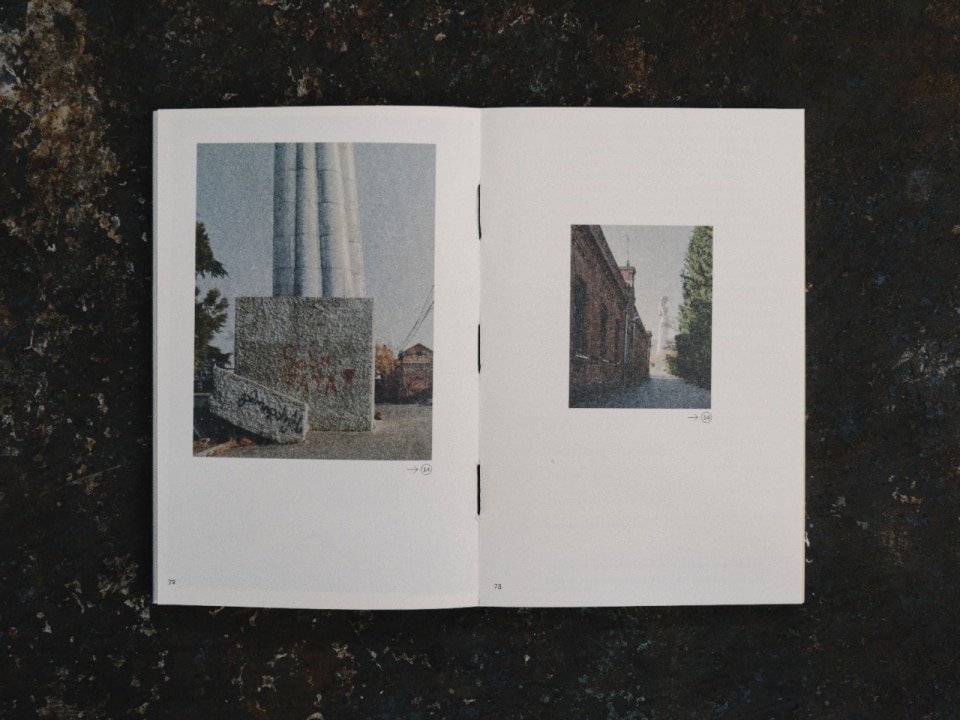
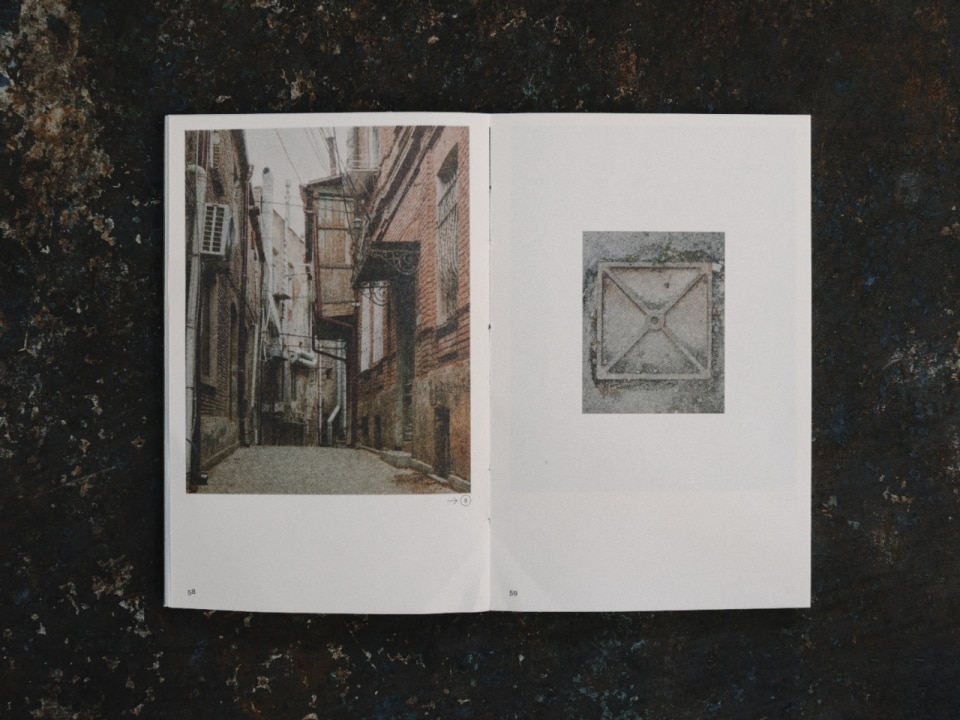
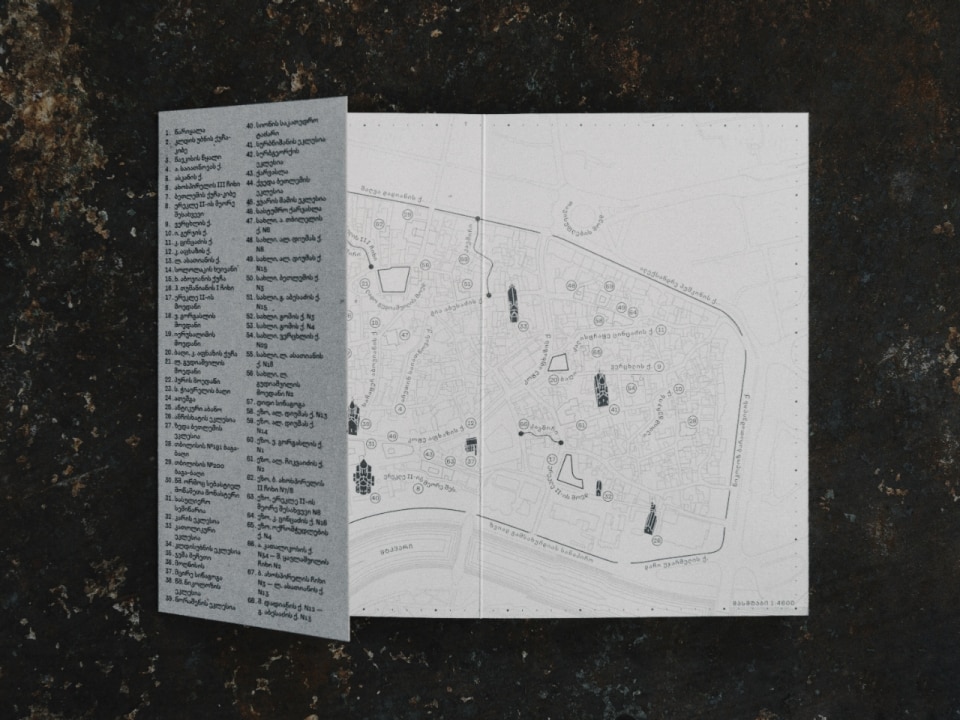
Yet, there is another Tbilisi: the older one of the historic Kala district, the longest-standing part of the capital. Narrow alleys, carved wooden balconies, hidden courtyards and urban fabrics that still preserve the medieval echo of the city. The first book by Ubani — a nonprofit organization that has been studying the architectural and urban landscape of the capital for years — is dedicated to this often-overlooked heritage, with the aim of making it accessible and understandable to a wide audience.



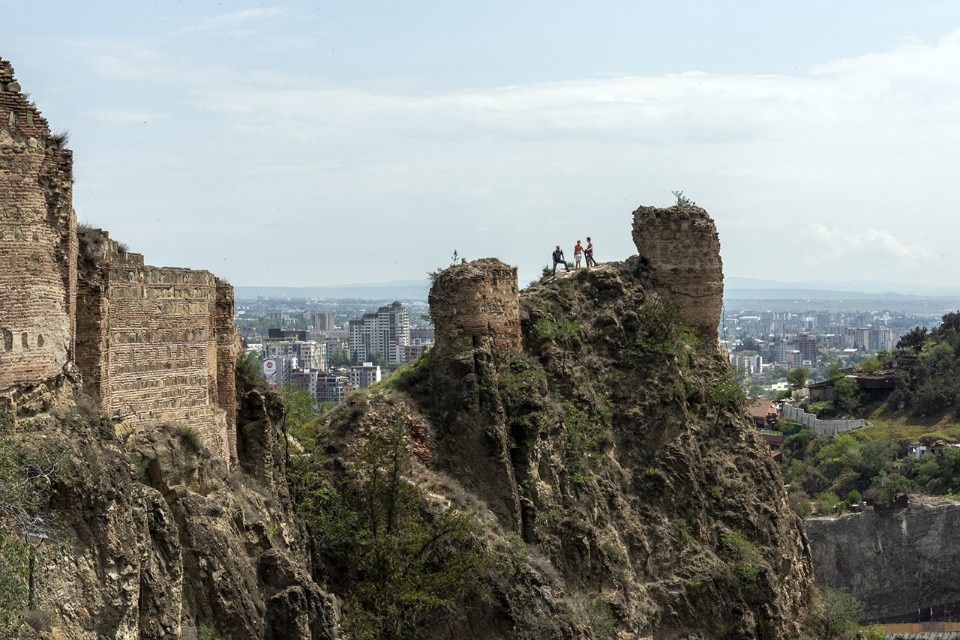
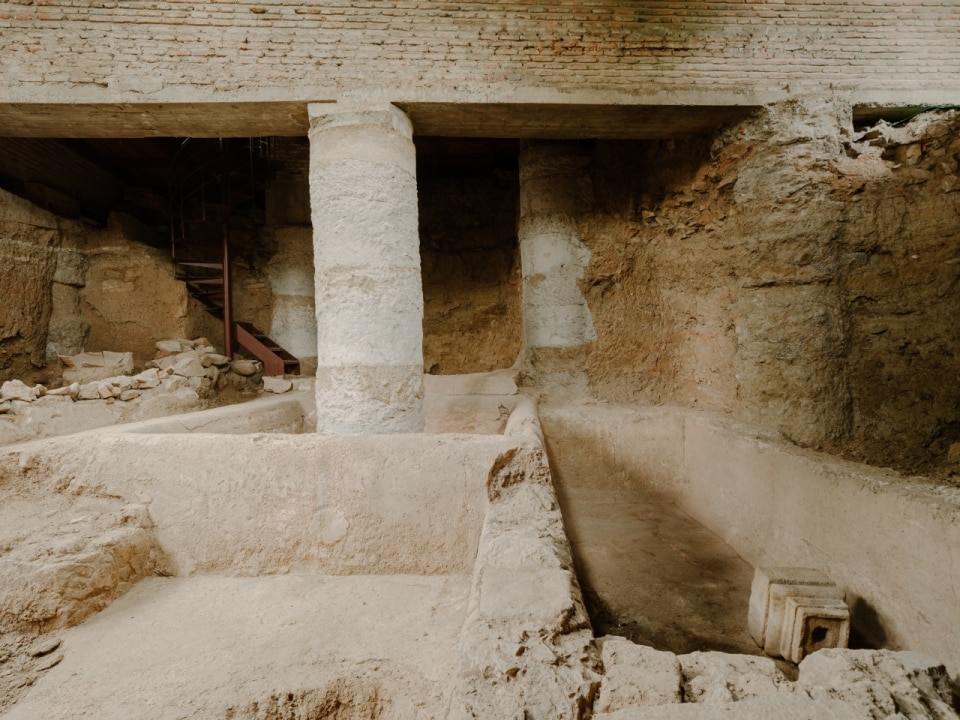
Kala, the most ancient heart of Tbilisi, is not only a physical place but a living archive: walls that testify to Persian and Russian eras, buildings that shift over time, and traces of the city’s earliest historical layers. Multiculturalism is deeply rooted in the city’s history; situated between the Black Sea and the Caspian Sea, right along the Silk Road, its fate has been significantly shaped by this strategic position over the decades.
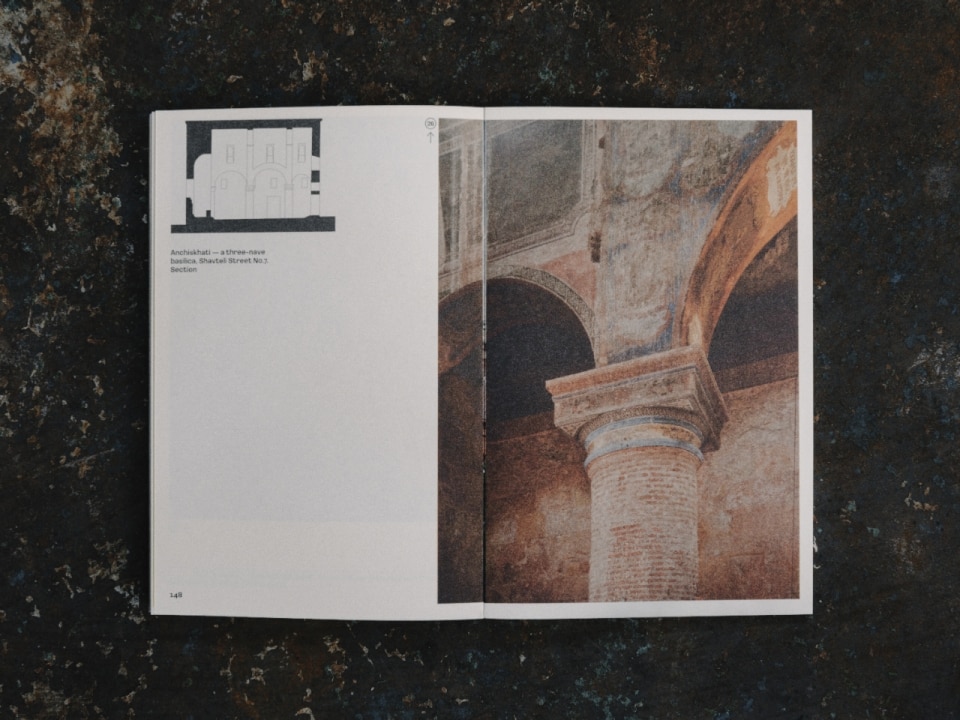
Guide to Tbilisi Districts — Kala is the inaugural publication in a new series by Ubani. The volume offers a fresh perspective — blending scientific research and artistic sensibility — to navigate the complexities of the district and understand its material history. It marks the first chapter of a longer editorial journey that will explore, district by district, the architectural identity of the capital. While today the map focuses on Tbilisi’s medieval origins, the next editions are expected to recount its more recent dimensions: Soviet modernism and contemporary architecture.