

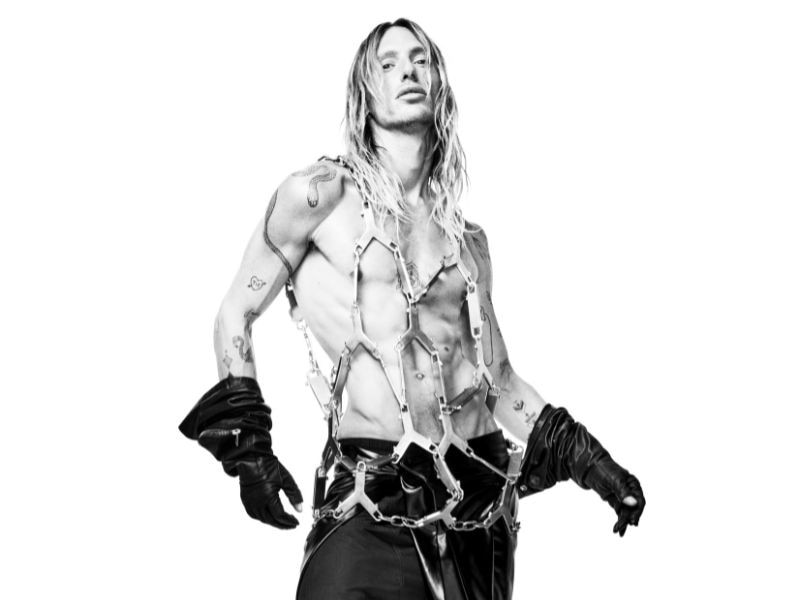

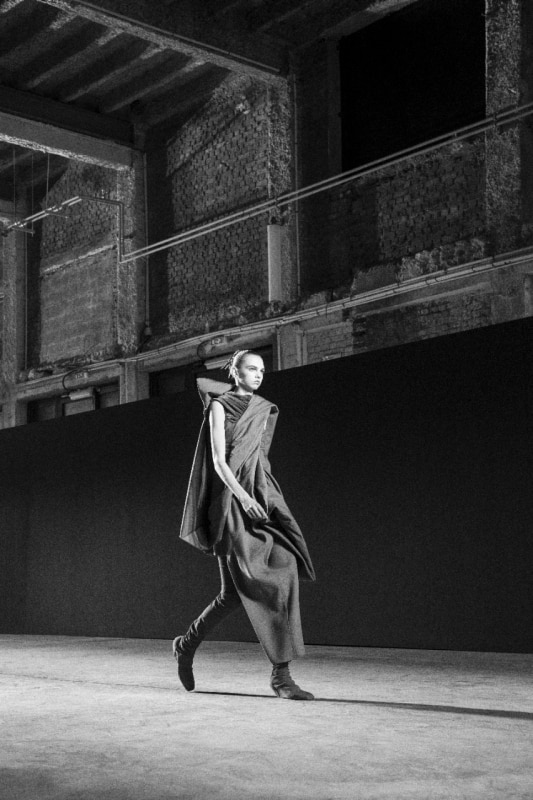

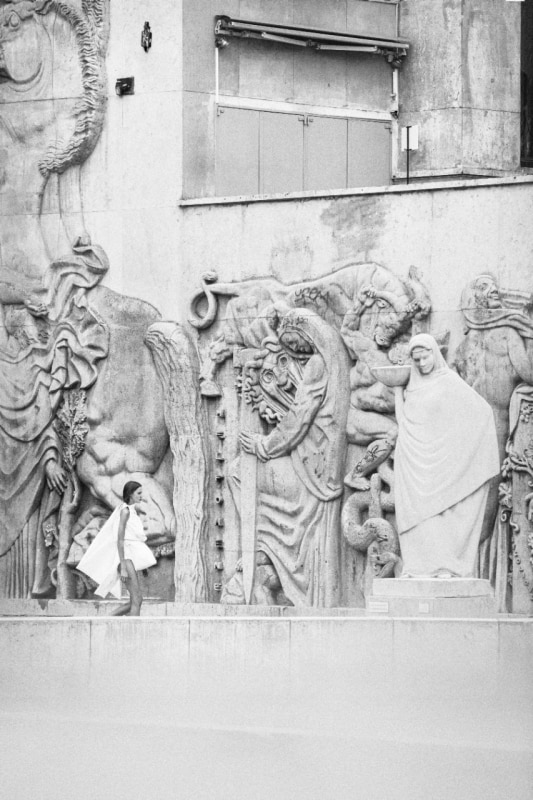
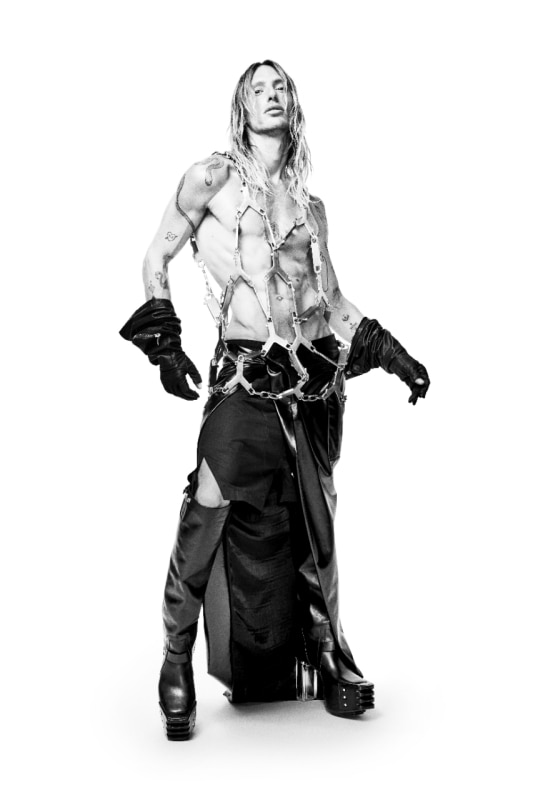

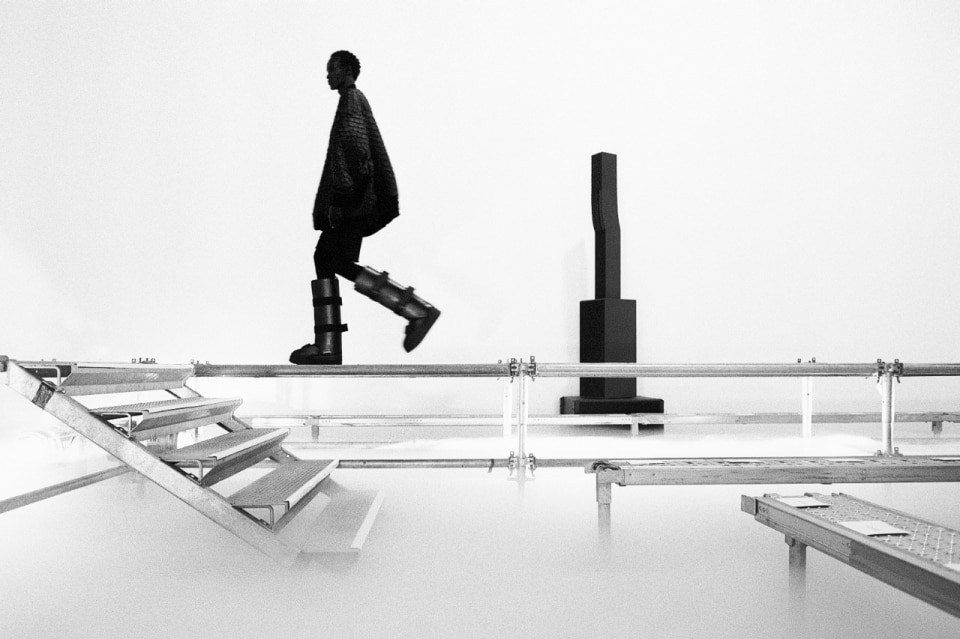
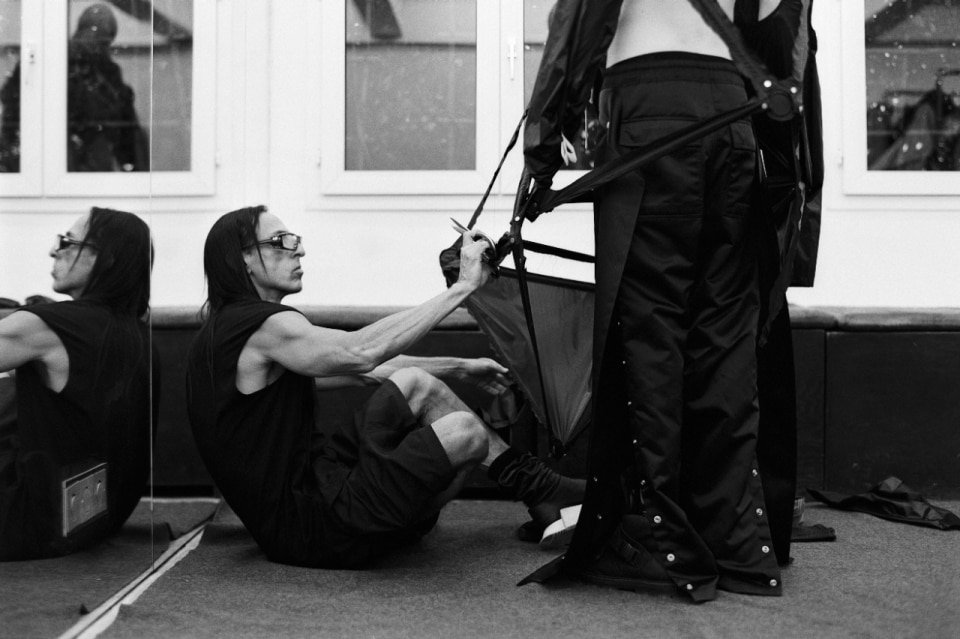
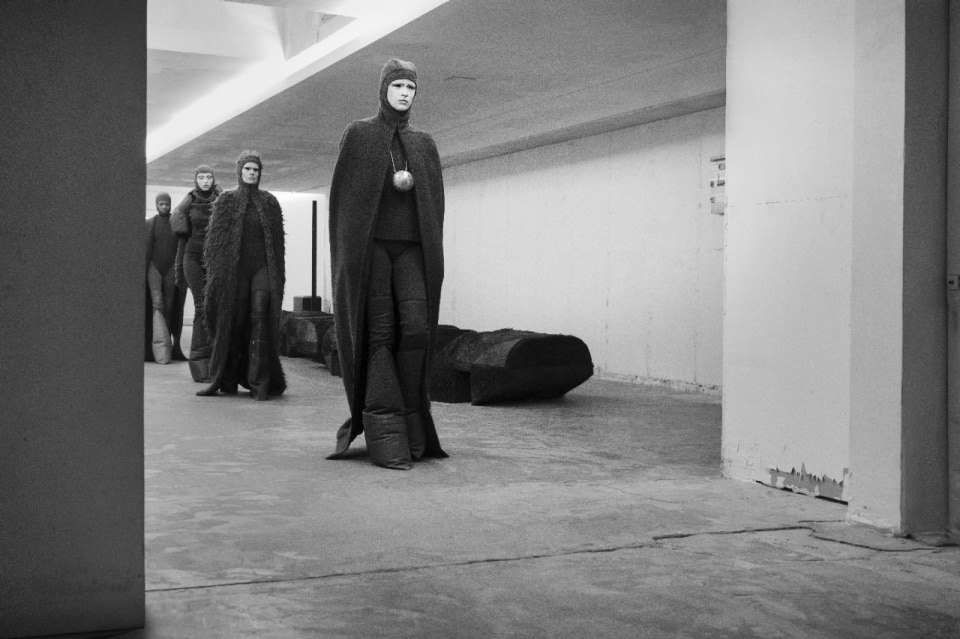
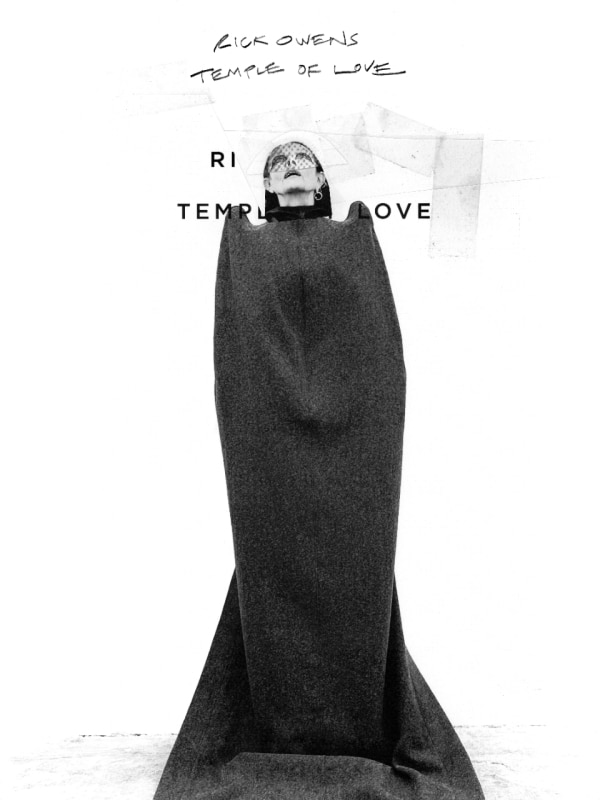
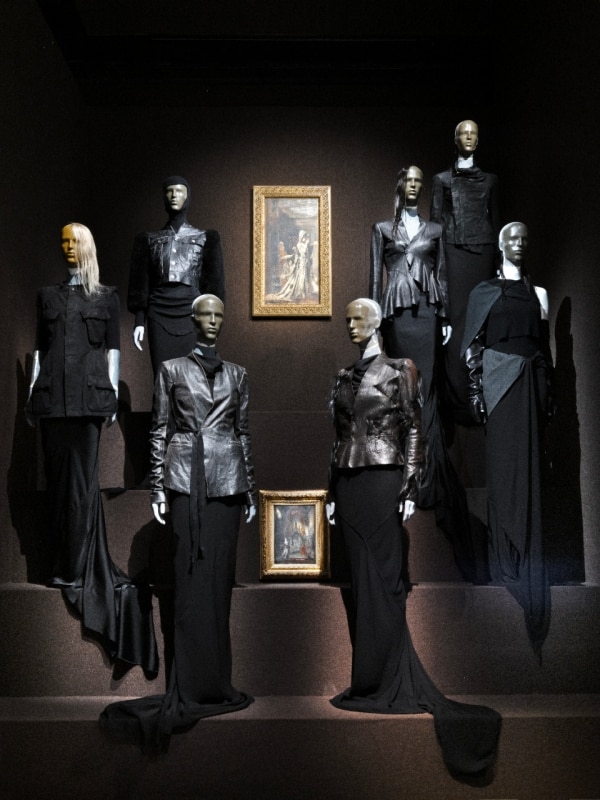
Before the summer, the Palais Galliera in Paris inaugurated Temple of Love, the largest exhibition ever dedicated to the work of sixty-three-year-old Rick Owens. The show reflects on the designer’s experience through archival pieces and evocative installations. It’s emblematic that the rigorous and sartorial capital of haute couture decided to celebrate a name that seems, at first glance, light-years away from Parisian fashion. Yet, the exhibition proved to be a great success, as it’s undeniable that Owens, despite his aesthetic being far from universal taste, has now become a permanent fixture in the pantheon of a fashion world spinning like a top.
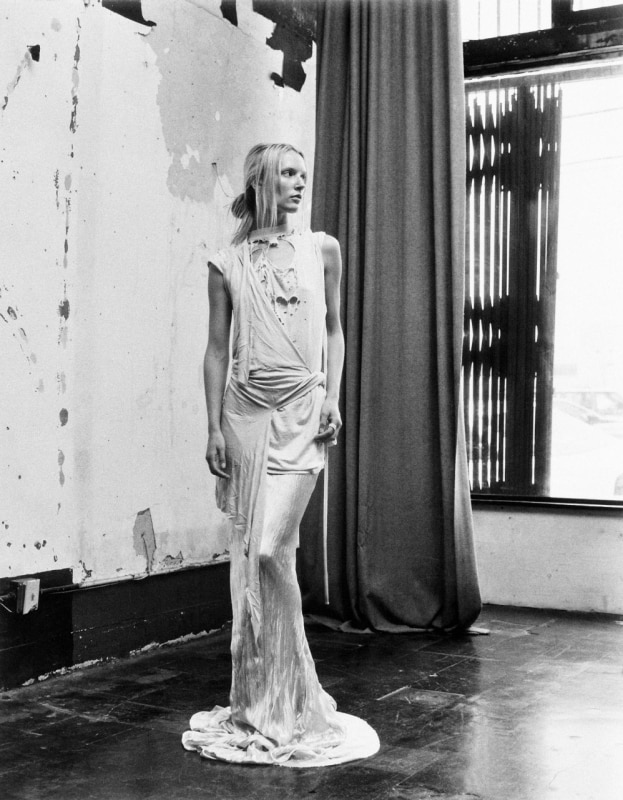
Today, it seems difficult for anyone to keep up with the pace of the fashion system. While some designers bid farewell to their trusted maisons after years of work, others are replaced after a single collection for being deemed unfit. Meanwhile, historic names lose credibility as young designers struggle to emerge. This deep instability has made fashion’s characters increasingly ephemeral and less defined, and more than ever the industry seems to lack firm roots, codes, and identities strong enough to withstand the surrounding confusion.
Some brands demonstrate that in a voracious, insatiable world like fashion, the key to win can sometimes be to go against the “mainstream” current in favor of a strong, recognizable, even rebellious aesthetic that feels more authentic.
In a completely opposite direction, some brands demonstrate that in a voracious, insatiable world like fashion, the key to win can sometimes be to go against the “mainstream” current in favor of a strong, recognizable, even rebellious aesthetic that feels more authentic. Rick Owens is the perfect example of this.
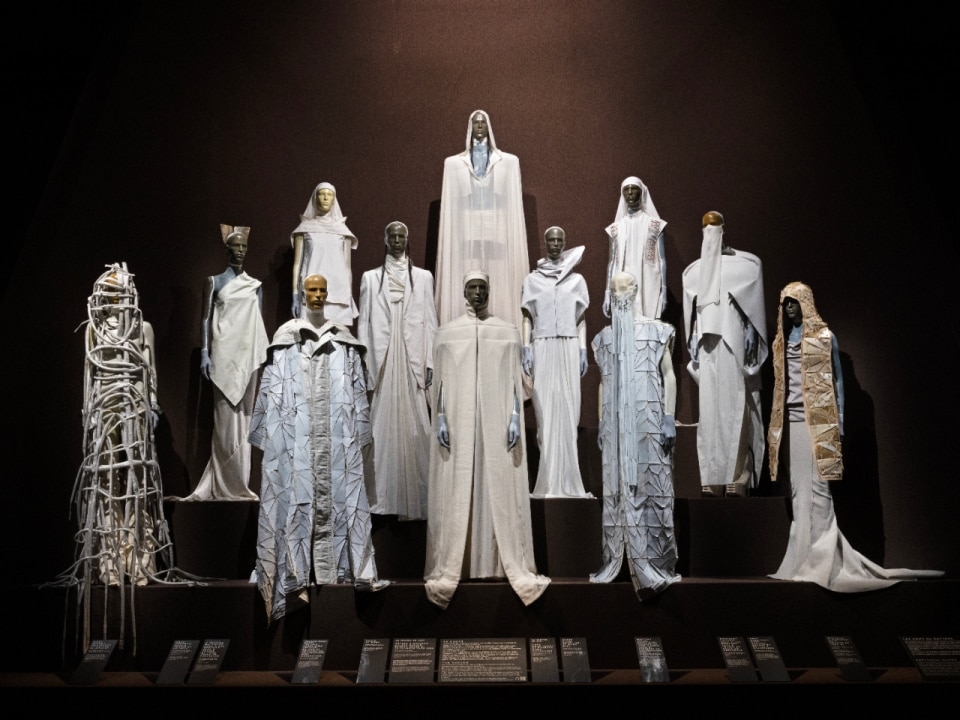
Rick Owens’ first emblematic experience in fashion was designing counterfeit copies of branded clothing. After studying art at the Otis College of Art and Design and later at Los Angeles Trade-Technical College, specializing in draping and patternmaking, his official debut came in 1994, exclusively with Charles Gallay, the most avant-garde boutique in Los Angeles. From the start, his dark and experimental approach drew both criticism and admiration, and in a short time the designer established his own aesthetic vocabulary, one inspired by primitive ideas and forces that seem to dwell within his own spirit.
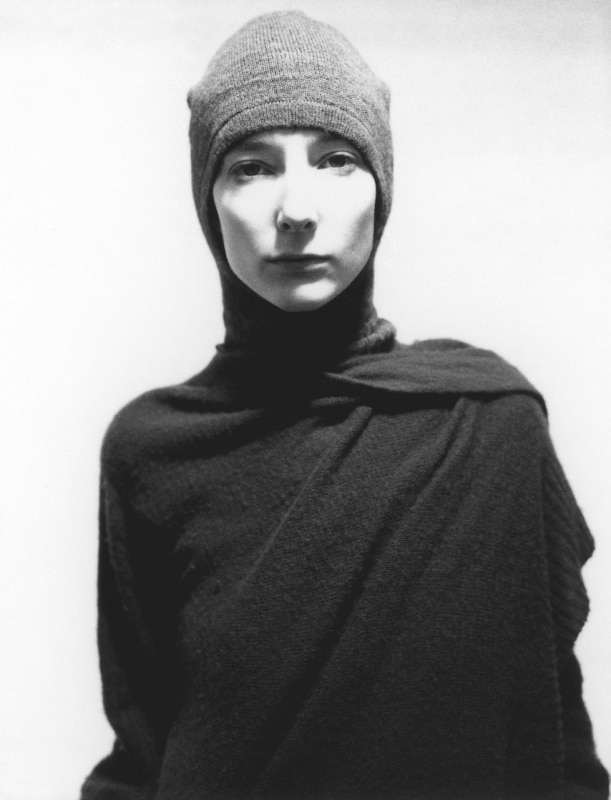
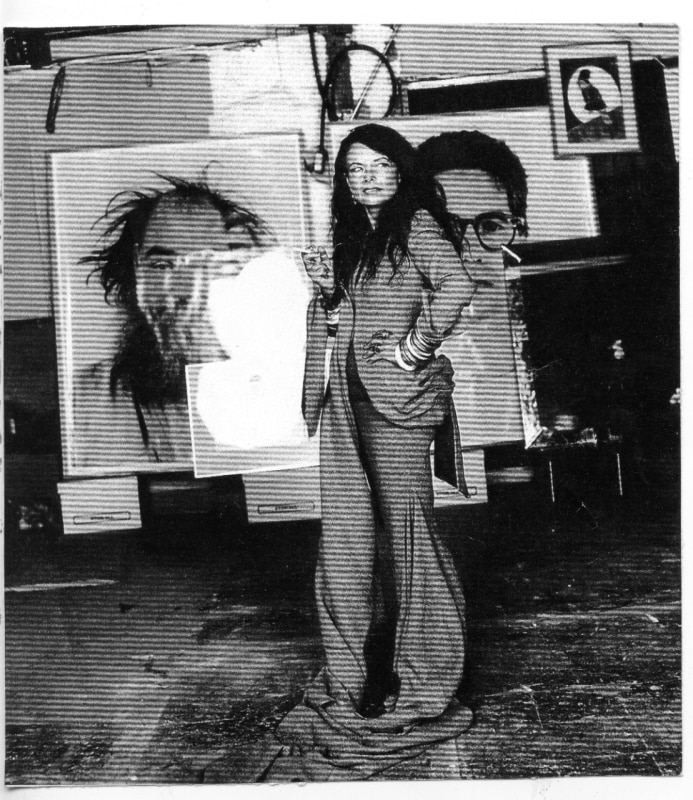
In 1998, he presented his first recorded fashion show, MONSTERS SS98, famous for its triumph of bias cuts and draped leathers and furs. Legendary was the presence of The Goddess Bunny, an American drag queen and pillar of the trans and queer community at the time, who became the face of the show’s campaign. This closeness to queer culture is one of the foundations of the Rick Owens philosophy, inherited from an American designer active in the ’70s and ’80s whom Owens symbolically claims as a spiritual ancestor: Larry LeGaspi. Owens credits LeGaspi for influencing both pop culture and fashion with a style dominated by black and silver, blending Art Deco, sci-fi, and sexuality.
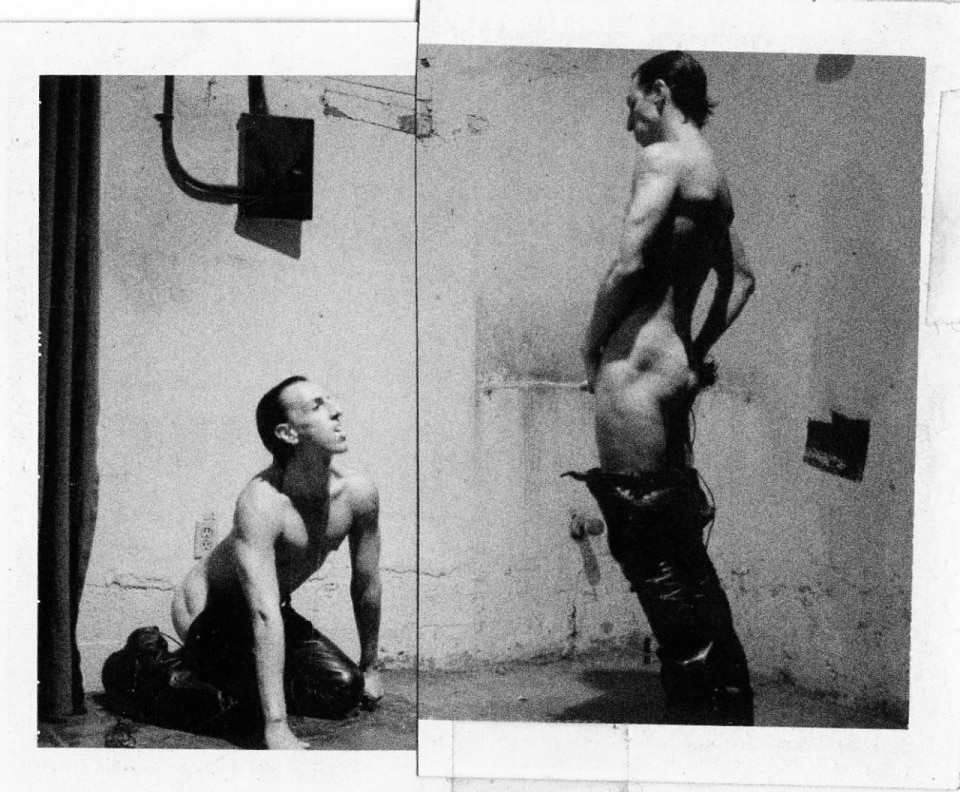
The designer’s signature piece is the mysterious leather jacket, reinterpreted countless times over the years. It became the symbol of the Rick Owens aesthetic in 2001, when a young Kate Moss was photographed in Vogue France wearing one of his jackets. That surge in popularity led Owens to debut at New York Fashion Week with the collection SPARROWS FW02, where he experimented with a more minimalist style, the first step in a lifelong exploration.
Each Rick Owens show follows an aesthetic he himself calls glunge: a brutalist, dystopian vision employing distorted silhouettes, intricate draping, and textile manipulation in pursuit of a new, post-human identity, macabre and raw.
Having established himself as one of the most unpredictable names in contemporary fashion, from the 2000s onward Owens has continued to develop his unmistakable style, built on the meeting of radically opposite poles: from haute couture to street punk, from creation to destruction. His work translates into an uneasy dialectic that plays with the alienation of bodies and the idea of the monstrous. Each Rick Owens show follows an aesthetic he himself calls glunge (a blend of grunge and glamour): a brutalist, dystopian vision employing distorted silhouettes, intricate draping, and textile manipulation in pursuit of a new, post-human identity, macabre and raw.
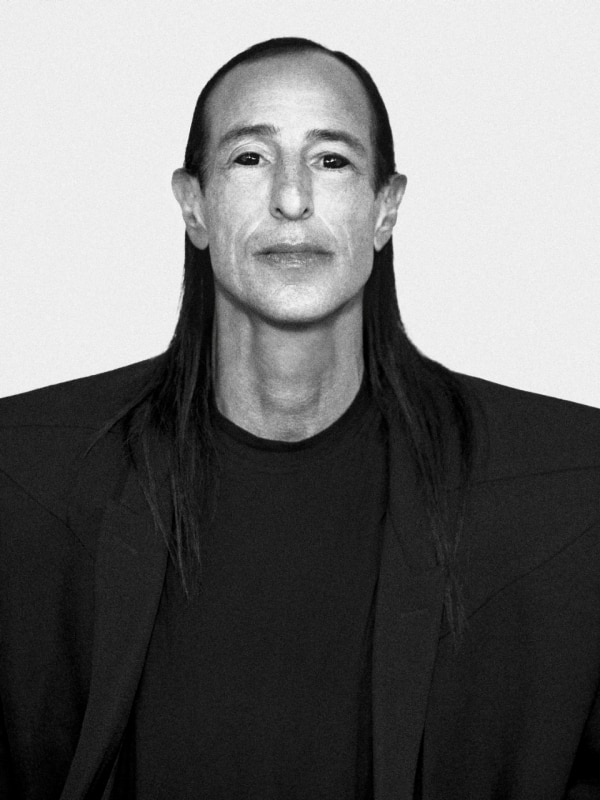
In 2009, Rick Owens wrote a true manifesto, a list of ten fashion commandments he called his “rules of style.” This “sacred text” encapsulates all of the designer’s whims, from what he loves to what he loathes: a passion for the gym and physical exercise, sharp geometric forms, and layering (capable of turning human bodies into sculptures); a hatred of “normal things” that fail to catch the eye, and of so-called “ugly Americans.” In this program, the color black triumphs over all others, which are dismissed as “too chatterbox.” Shoes and hair are praised, while handbags and bracelets are condemned. In the final commandment, the designer invokes his innate hatred for rules and his equally innate desire to break them, thus overturning and destroying his own manifesto, in perfect Rick Owens fashion.
Rick Owens’ fashion aligns with the Opium style, sought after especially by younger audiences and inspired by rapper Playboi Carti, Opium being the name of his label. It’s a fusion of gothic elegance and futuristic streetwear, drawing from subcultures like goth and punk, and like them, it seeks to radicalize individual personality through darkness and rebellion against traditional silhouettes. Just like Rick Owens, Opium style favors black for color, leather for material, and oversized proportions for form. The look is completed with massive jewelry, heavy boots (think of Owens’ collaboration with Dr. Martens), exaggerated platforms, and sculptural heels.
- Show:
- Rick Owens, Temple of Love
- Where:
- Palais Galliera, Paris Fashion Museum
- Dates:
- June 28, 2025 to January 4, 2026
- Date:
- Dal 28 giugno 2025 al 4 gennaio 2026