




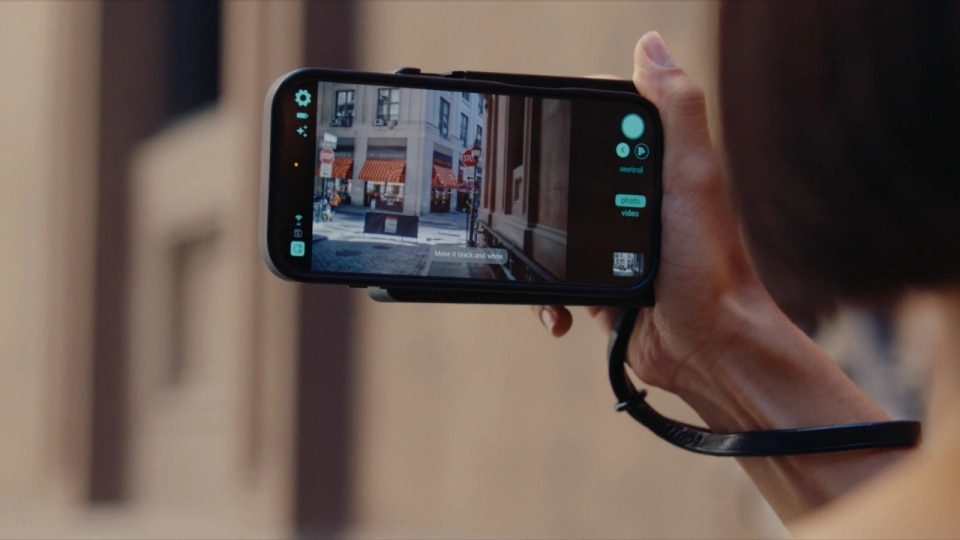
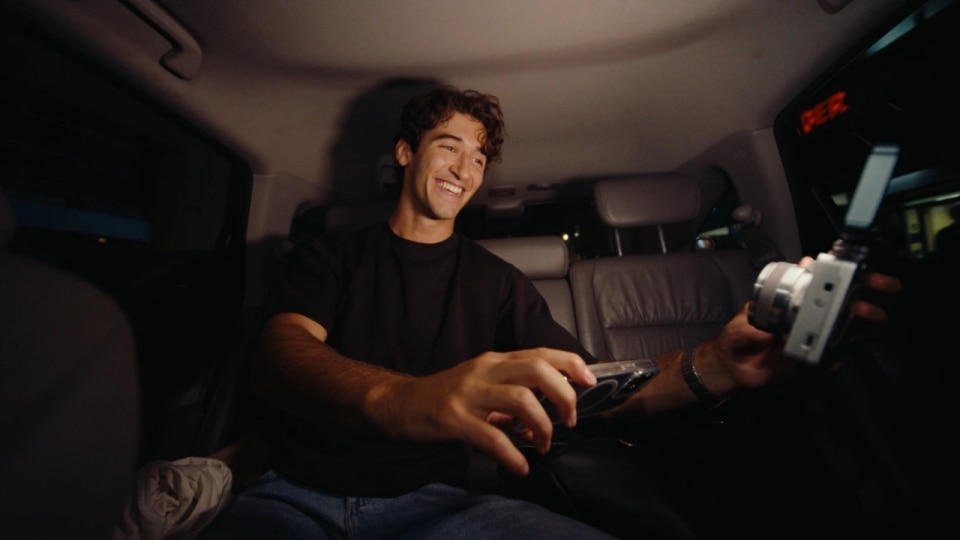
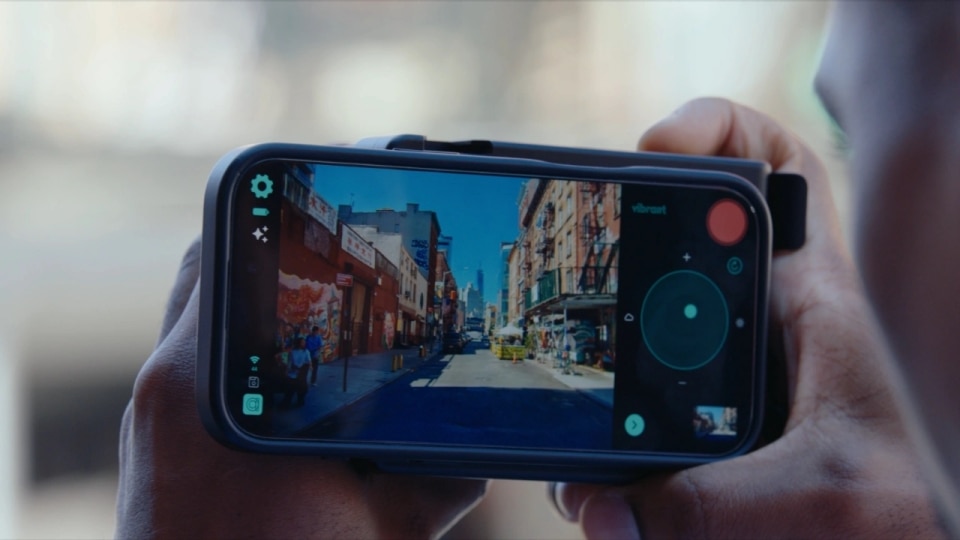
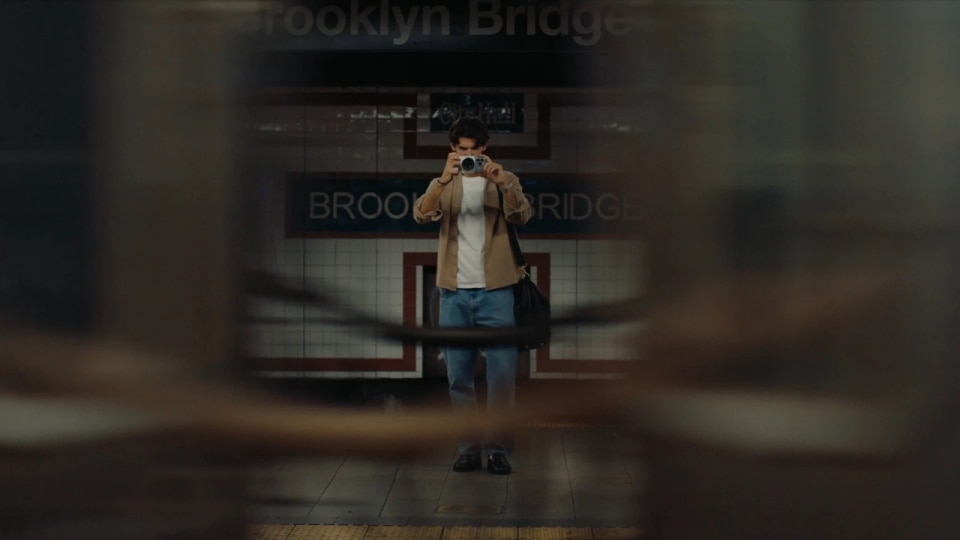
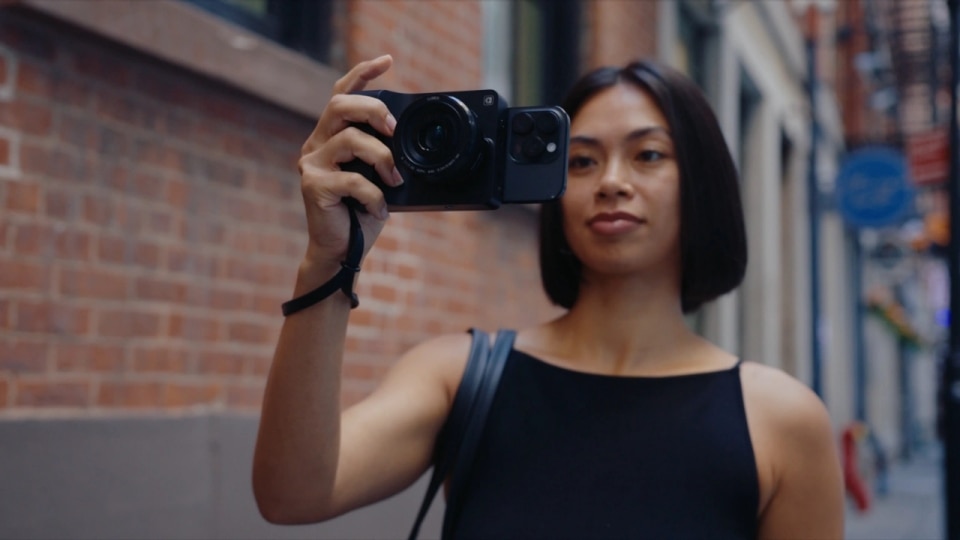

For some inscrutable reason, startuppers high on their own AI supply keep thinking that photography and generative artificial intelligence should be physically enmeshed in improbable ways. Startuppers also have a peculiar penchant for finding solutions and then searching for a problem they could solve. Caira, an AI-based micro four thirds camera, is a new device that perfectly embodies both of these forms of tech delusion.
"I wish I had a camera that could alter reality in front of my very eyes, faster than I could do that by uploading my picture to ChatGPT," said no one ever. Yet the inventors of Caira felt the urge to respond to this nonexistent plea.
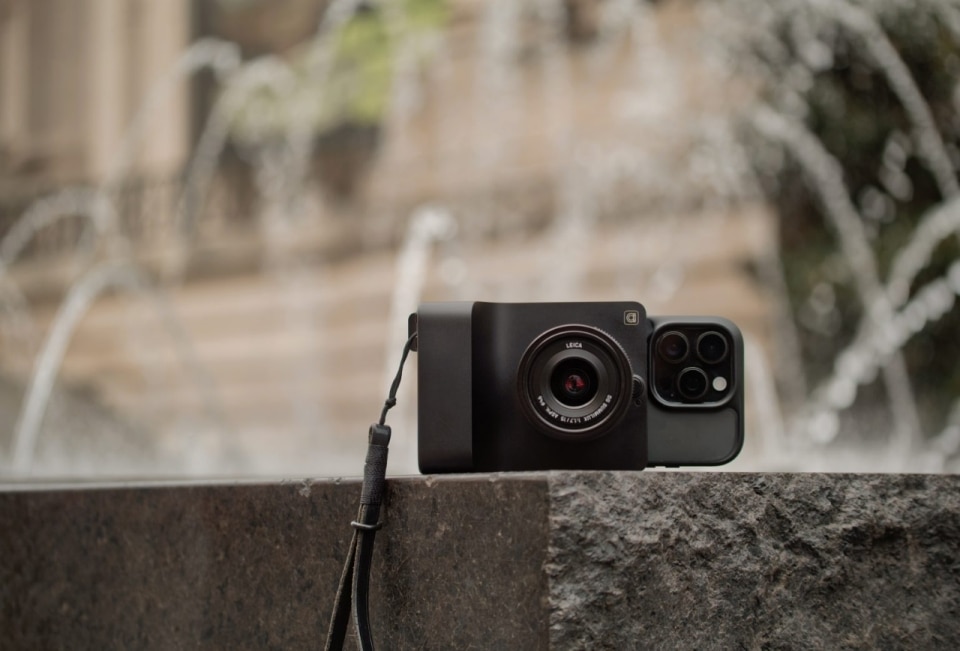
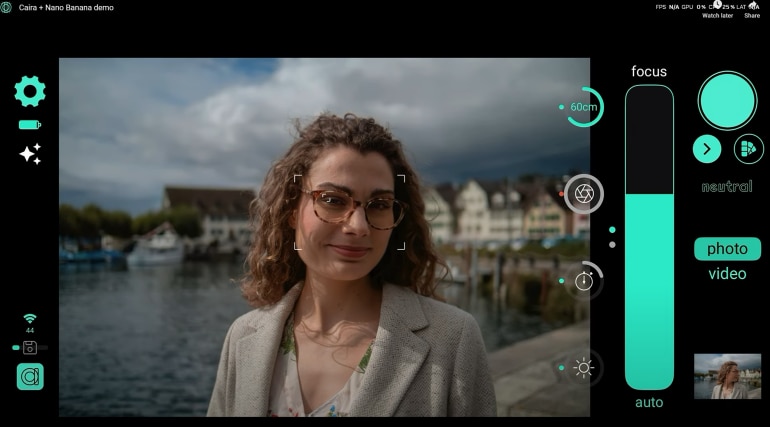
Pitched as "the camera of the future," the device is merely an attachment for an iPhone—not even a real camera per se—and works like this: you take a picture, which will at least be decent thanks to the device's physical lens, then you immediately proceed to mangle it along with its portrayal of photographic "reality" on your iPhone by means of a prompt for the Nano Banana model.
For example, you could photograph a glass of water and turn it into wine. Or you could take a portrait of a loved one and alter their hair or the surrounding environment, so that they could post on Instagram a life that never existed and is much better than reality.
Who wouldn’t want to have fun creating memories of situations that never happened, or photographing subjects that never existed?
But why would we need a physical camera to do something like that? Wouldn’t using Nano Banana on a phone be more than enough? These are questions that, for some reason, whoever invested in this project clearly did not ask.
Camera Intelligence, the startup behind Caira, aims to launch the device on November 4th. We believe that at best, it might become popular among a small niche of creators searching for another cheap AI gimmick to boost their social media creed. At worst, it will simply become another "AI Pin", swallowed alive along with the hopes of its creators who believed current gen AI trends could translate from empty promises into something people would pay for.