


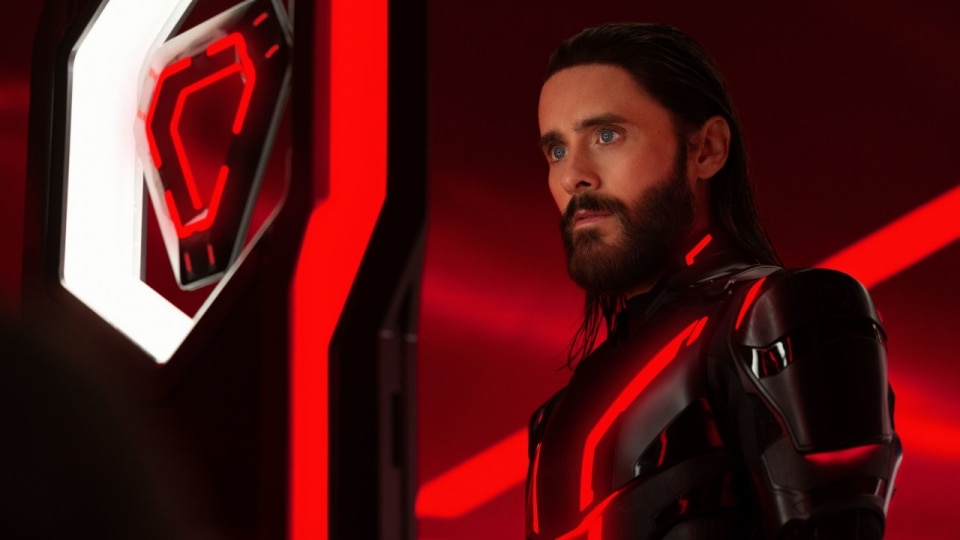

Film franchises that are founded more on design, visual impact, and aesthetic components than on writing are increasingly color coded—that is, each film in the saga has its own dominant color. This has become necessary since studios stopped numbering sequels (to avoid the absurdity of excessive numbering) and instead began using the same title followed by a different subtitle. Since no one really reads the subtitle, the emphasis shifts to the color of the title logo, which also becomes the dominant hue in the film’s visual palette.
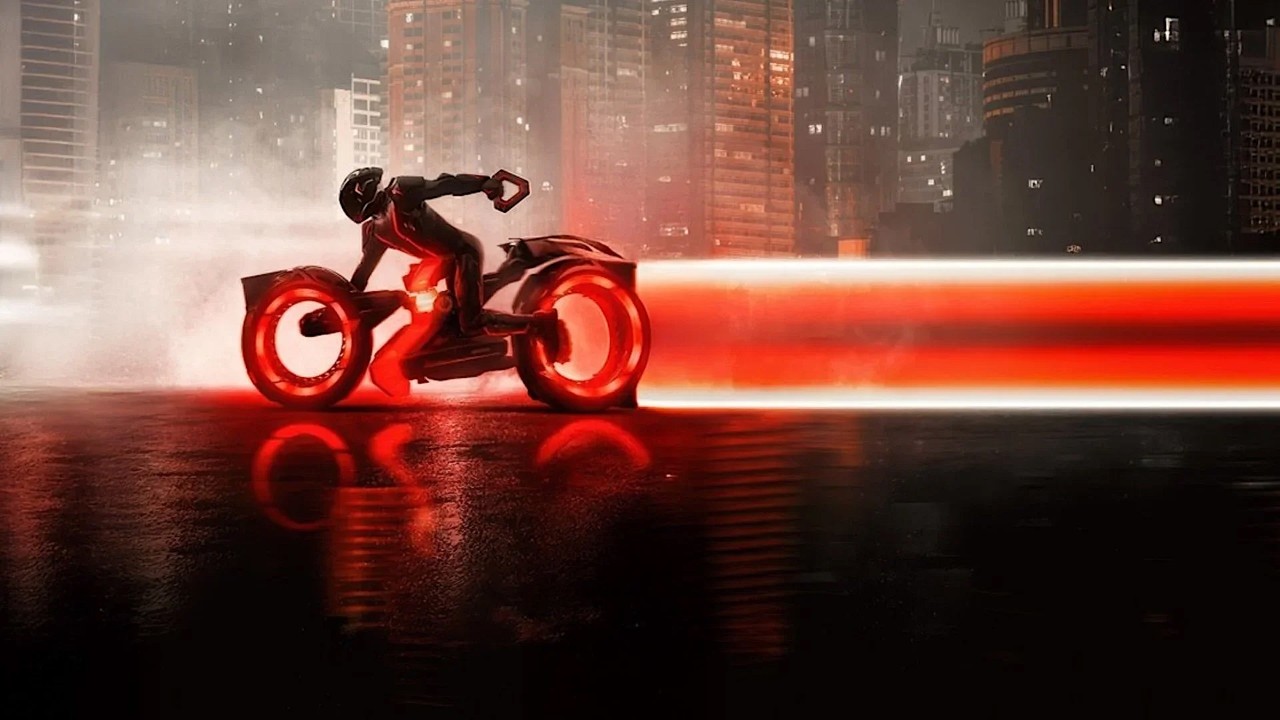
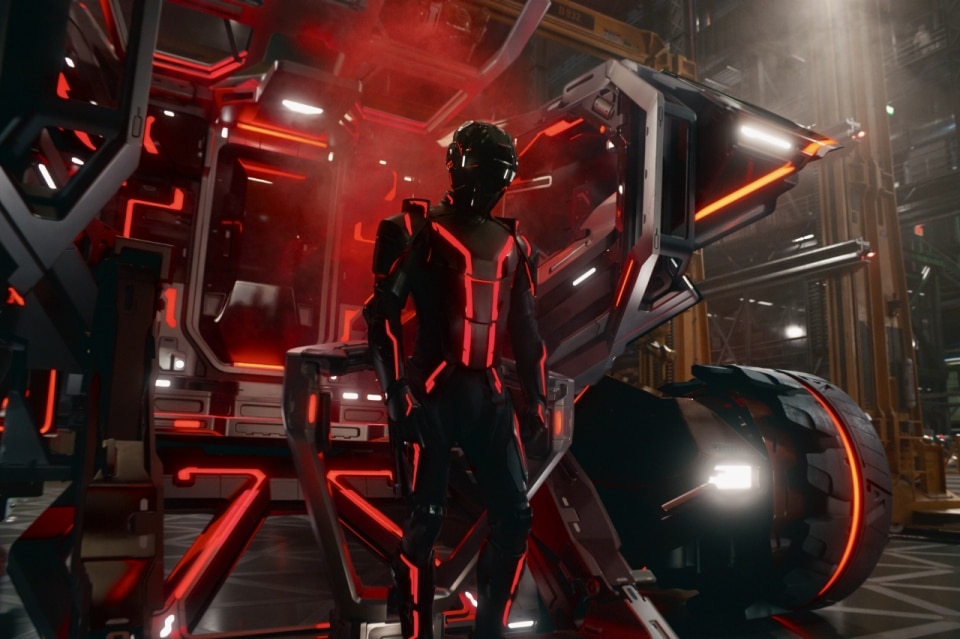
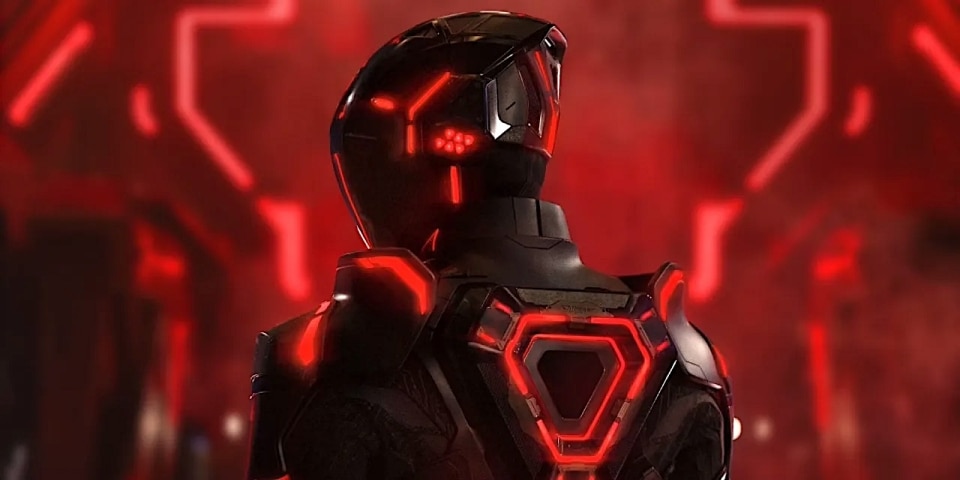
Avatar is the best example: since it became a saga, starting with the second film, it has used an aqua blue for a story set largely at sea and then red for the third film, which is full of fire. Tron, which doesn’t have such natural elements to rely on, decided to do the same arbitrarily. The new, third film in the series, Tron: Ares, is red—from the title itself to the neon and lighting within the computer world where it takes place. That same world, once filled with blue lights in Tron: Legacy, now glows red.
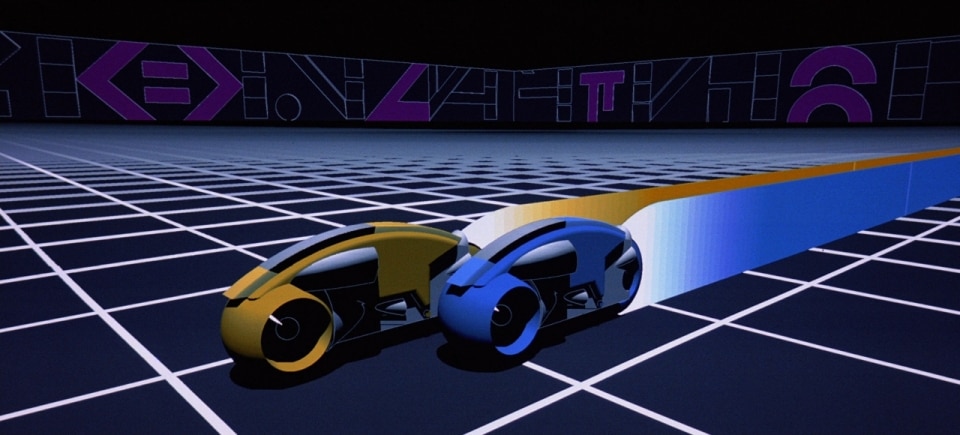
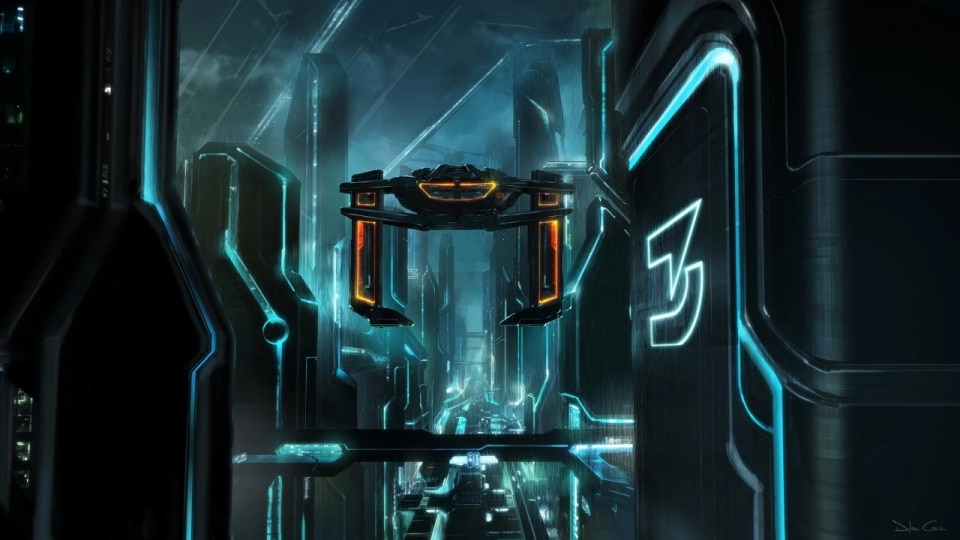
The parallel with Avatar is crucial, because both are synesthetic experiences born from almost entirely digital design. However, Avatar is the result of photorealistic digital design meant to make a distant planet and its creatures, plants, and animals believable. Tron, on the other hand, from the very first 1982 film, has always been an exercise in pure, abstract digital design—lines and geometric forms interacting with one another. At first, there was little that could truly be called design: the costumes borrowed from fantasy aesthetics, merely decorated with patterns resembling integrated circuits; the world itself wasn’t highly original but well-executed. There was an idea of grids and essential geometries, defined by glowing lines, futuristic motorcycles, and captivating geometry.
Tron, from the very first 1982 film, has always been an exercise in pure, abstract digital design—lines and geometric forms interacting with one another.
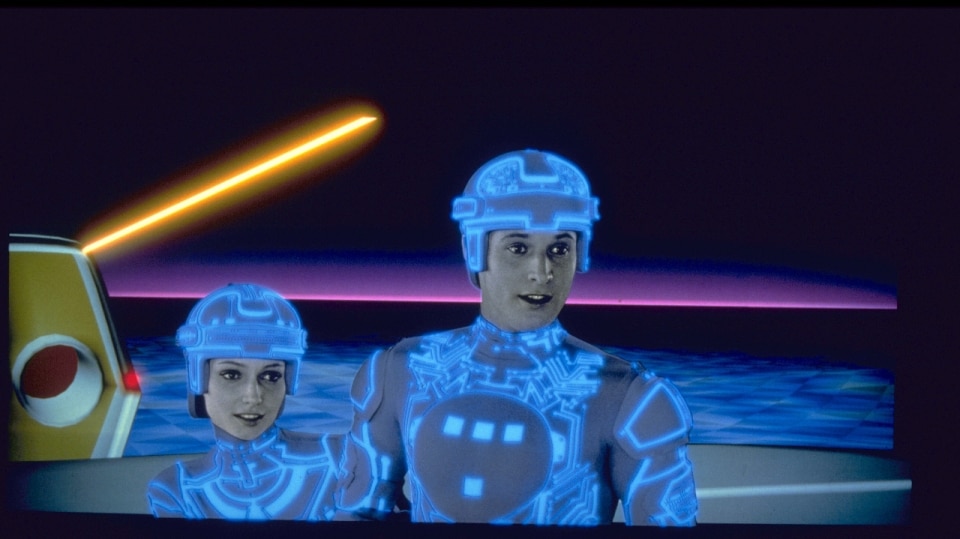
When Disney tried to make the property relevant again after thirty years, in 2010, designer Neville Page was tasked with reinventing that world using the full power of modern computer graphics. Page emphasized black backgrounds and imagined smooth, glossy surfaces everywhere—costumes inspired by biker gear laced with beams of light. Director Joseph Kosinski then built on this to create a synesthetic delirium of visual pleasure, fueled by an original Daft Punk soundtrack and stereoscopic 3D technology.
Fifteen years later, Tron: Ares brings back that mix but changes many ingredients. The Grid—the world inside the computers—still has the same basic structure, but this time it’s dominated not by the sleek, rounded design of Legacy, but by sharp angles and prominent objects. As is often the case in major American action and sci-fi franchises, the devices used by the characters are given great importance.
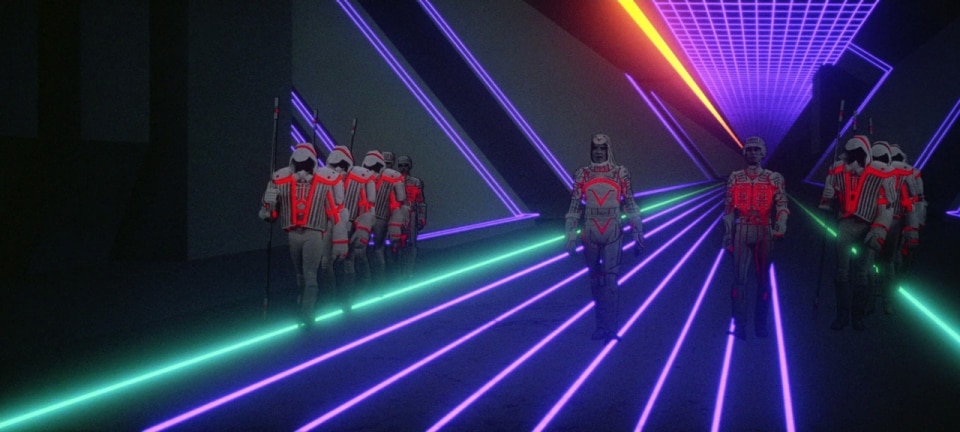
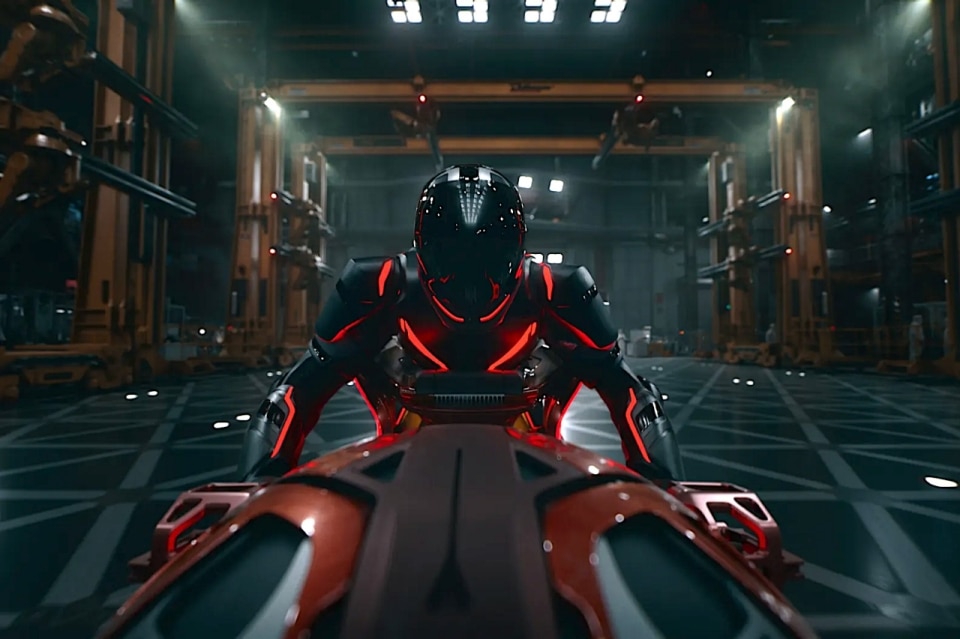
A crucial object is a thin, elongated hard drive containing “what everyone is looking for.” Equally vital is the machine that transfers software into our world—a kind of room-sized 3D laser printer that materializes real equivalents of everything inside the computers, including living beings and vehicles. The motorcycles, especially those of the Grid, are also key, with their iconic trails of light. In one of the film’s most sophisticated moments, a classic piece of technological design reappears: the device that sent a young Jeff Bridges into the Tron world in 1982, revived alongside 5.25-inch floppy disks, CRT monitors, and old-school keyboards—an aesthetic return to that grayish world, now lit by a palette of purples and greens.
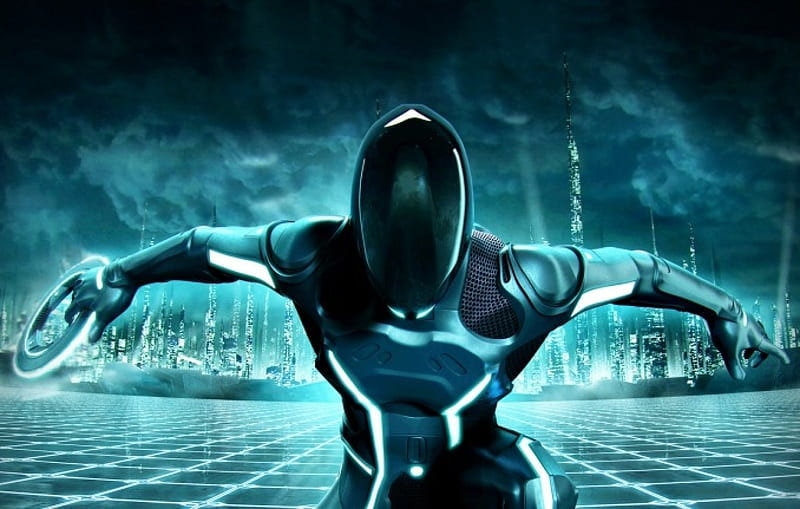
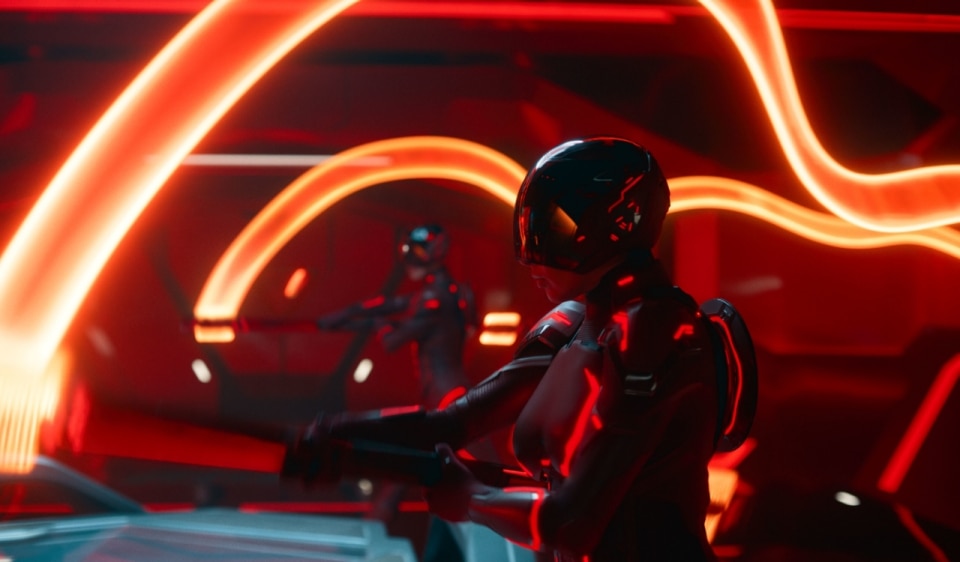
Above all, the weapons are central—the signature Tron disc, now triangular and pointed, and especially the staffs that generate solid walls of light, similar to the motorcycles’ trails. These are perhaps the best-designed elements because they are both functional and aesthetic: melee weapons that can also form temporary platforms during combat. Within the logic of fiction, they allow for new movements; within the film’s visual logic, they once again create harmony and engagement from Tron’s design language of light and darkness.
If Tron: Legacy combined this visual craftsmanship with the fitting Daft Punk soundtrack, this new installment features a score by another electronic (or rather, industrial) band from the 1990s—the Nine Inch Nails. Where Legacy enveloped the experience in stereoscopic 3D, Ares embraces IMAX projection technology. The film was shot entirely with IMAX cameras, meaning that in IMAX theaters, it fills screens that stretch from floor to ceiling, saturating the audience’s field of vision.
Amid all this, the screenplay is clearly a superfluous embellishment: the plot is a trivial tale of rebellion—no deeper than the storyline of a music video—and poorly told at that. Many events happen not because they make narrative sense, but because they enable a striking visual composition, movement, or image. The film’s real purpose goes beyond the plot: to visually reconfigure human–machine interaction through an aesthetic that itself speaks the machine’s language—digital. (This includes the return of a de-aged Jeff Bridges from Legacy, appearing in fake archival footage.) It’s still a combative aesthetic—filled with weapons, warriors, defenders, and small armies—because only an action film can justify such budgets, but Tron: Ares uses all of it to stage an exhilarating, functional design display.
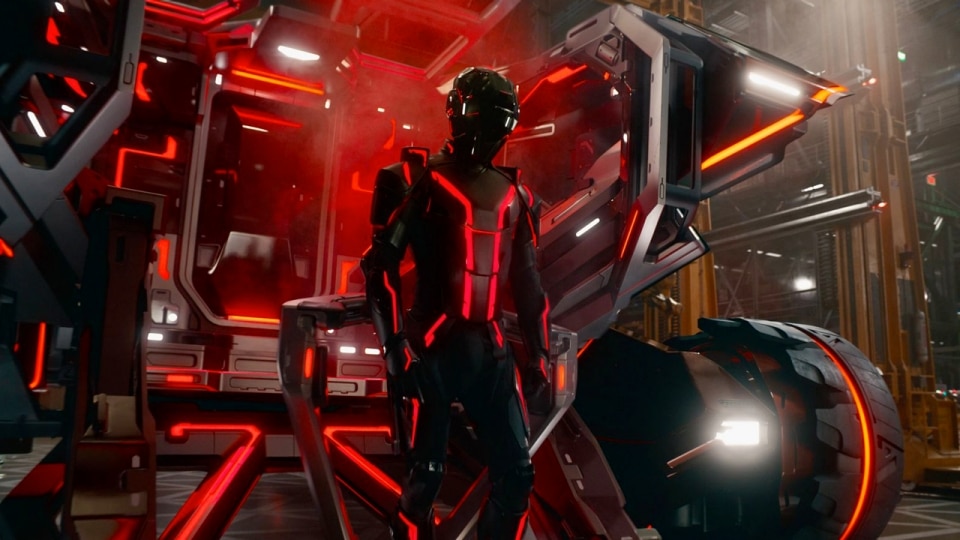
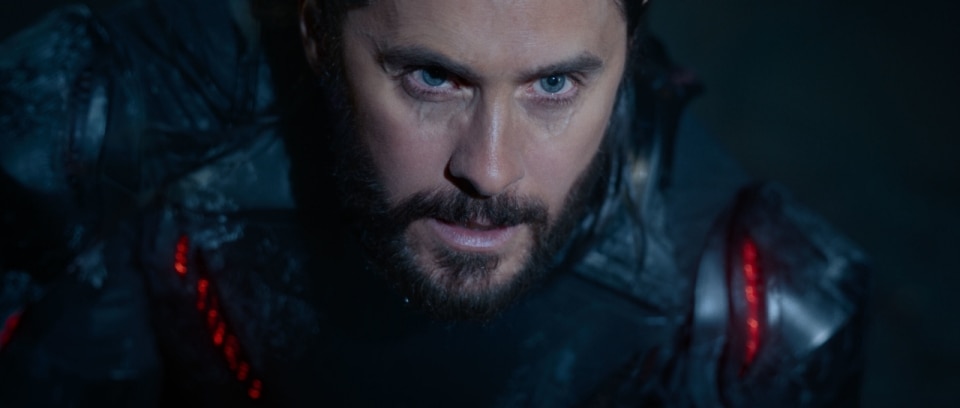
The human–machine relationship is explained early on, when one of the villains interacts with the main software character (played by Jared Leto) via keyboard—sending lines of code like one would to an AI, which in the digital world become spoken dialogue. It’s an interaction between an omnipotent creator–master and a program meant to obey his commands. The most exciting moments, however, are when interaction occurs between the digital and real worlds—between software and humans—because those scenes highlight how much of our reality resembles the digital one, and vice versa: the points of contact between design and its real-world counterpart.
It’s still a combative aesthetic—filled with weapons, warriors, defenders, and small armies—because only an action film can justify such budgets, but Tron: Ares uses all of it to stage an exhilarating, functional design display.
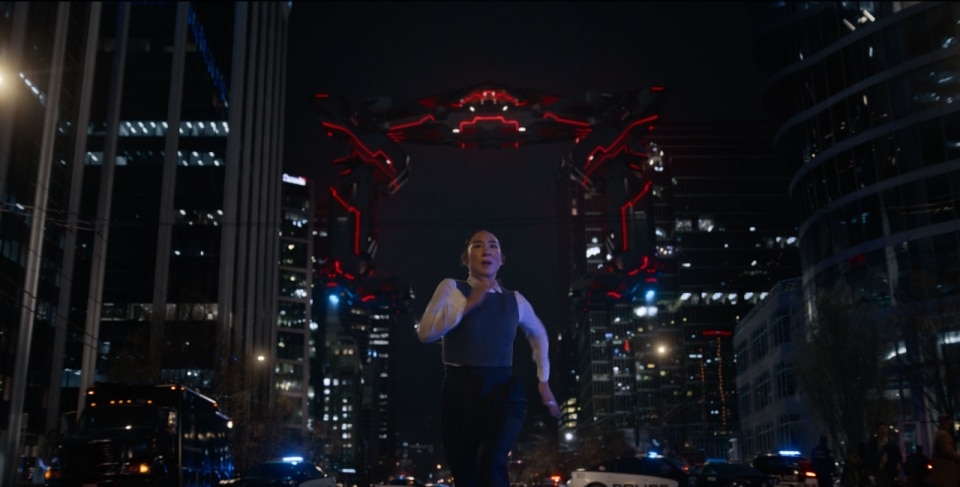
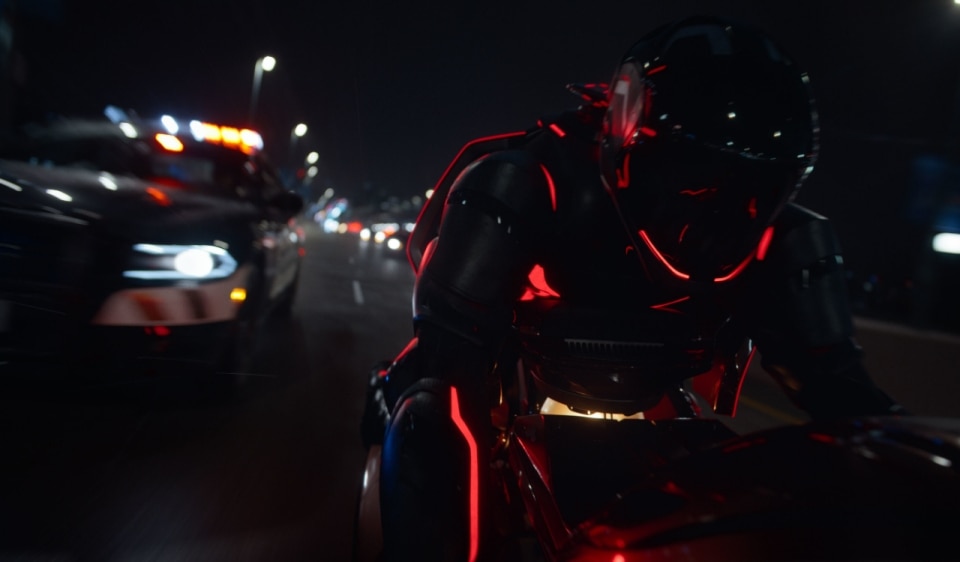
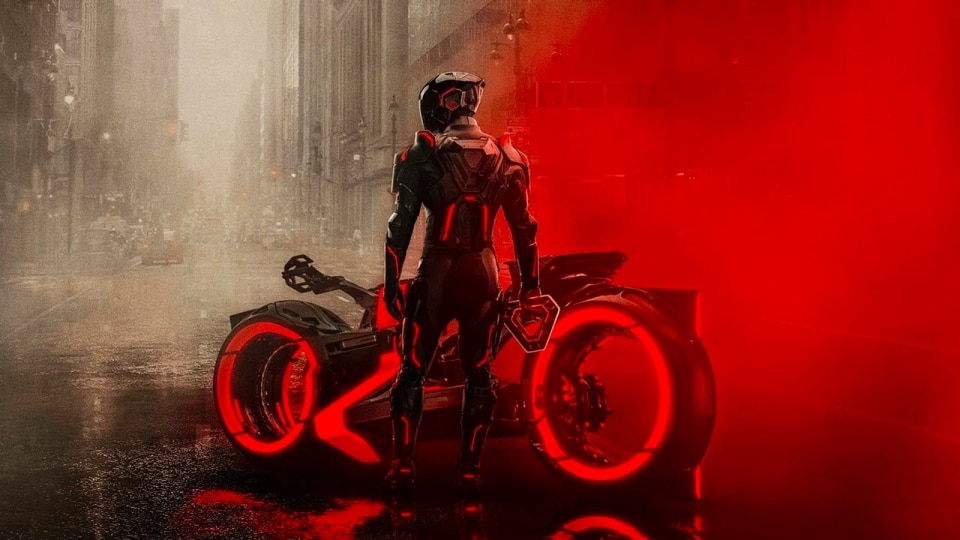
The film depicts this by transporting real people into the digital Grid world—and vice versa, bringing humanoid programs into cityscapes at night, recreating Tron’s neon-on-black palette in urban settings. It merges American city architecture with the franchise’s signature futuristic design, synchronizing all of it with the rhythm of the music. Once again, the digital reconstruction isn’t used to create photorealistic landscapes but to overlay an abstract layer of design—made of lights and shadows—onto our world. The Tron motorcycles move through streets leaving trails of light, as in Akira, except these aren’t optical effects but solid digital barriers that can collide or imprison.
A humanist ending teases another potential sequel and frees some characters from the confines of digital life, placing them in the real, tangible, natural world. It’s a classic ending, softened by an unusual faith that advanced technology—usually a source of fear in cinema—can instead lead to positive outcomes. That final note reveals the deeper intent of this new Tron series: to seek harmony between the digital and the real, from its imagery all the way to its story.