


Every year, Time Out has relied on a global network of journalists, editors, and experts to identify the world’s coolest neighbourhoods – those, in other words, off the beaten tourist paths, which may not stand out for the splendor of their architecture or appear on a postcard to grandma, but which best capture the community spirit and widespread creativity that are gradually redefining what it means to inhabit urban space.
Looking at the map of the 39 selected neighbourhoods, a common thread emerges: it is not ostentatious luxury or tourist centrality that defines these places, but rather everyday vitality, the meeting of past and present, the experience of community, art that seeps into the streets, experimental gastronomy, and the ability to reinvent themselves. These are neighbourhoods that still “breathe” the most authentic energy of major cities and invite discovery step by step.
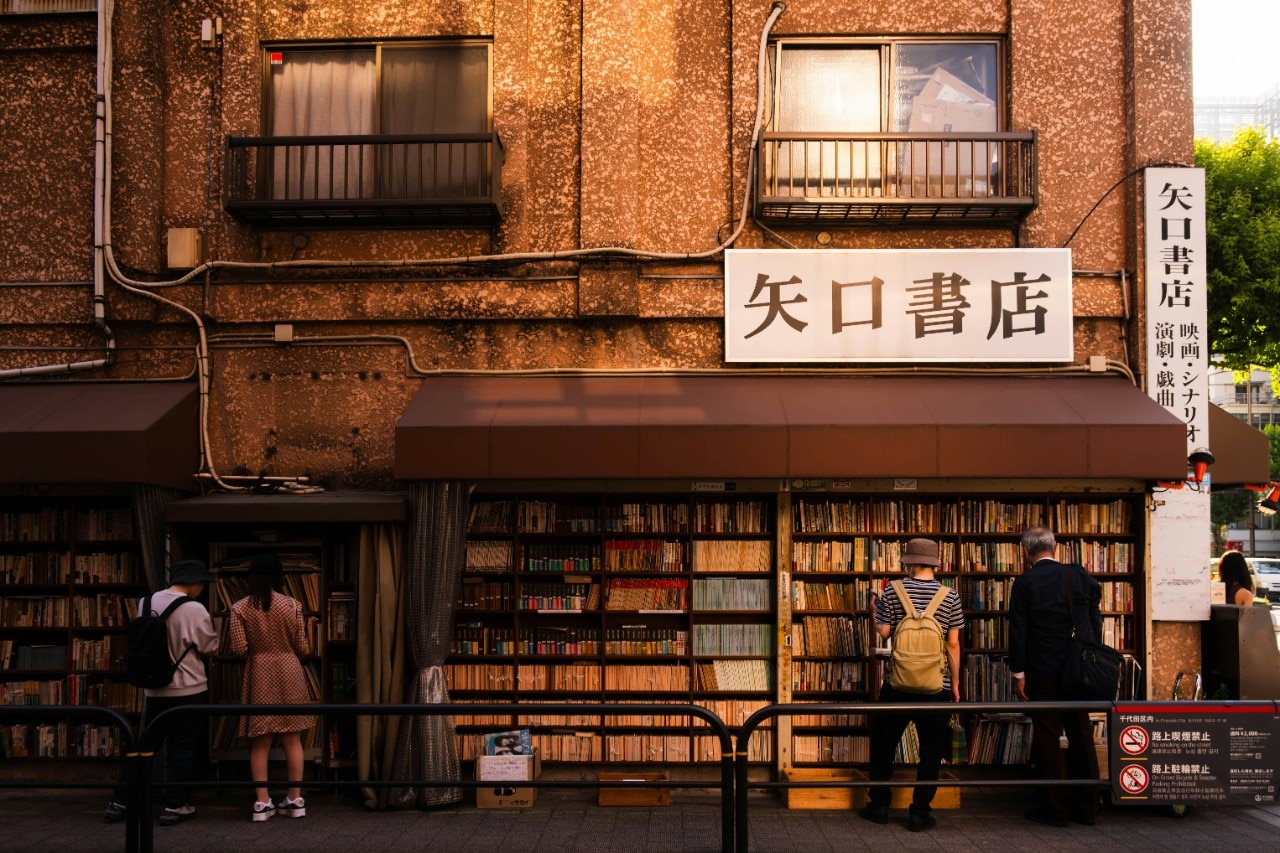
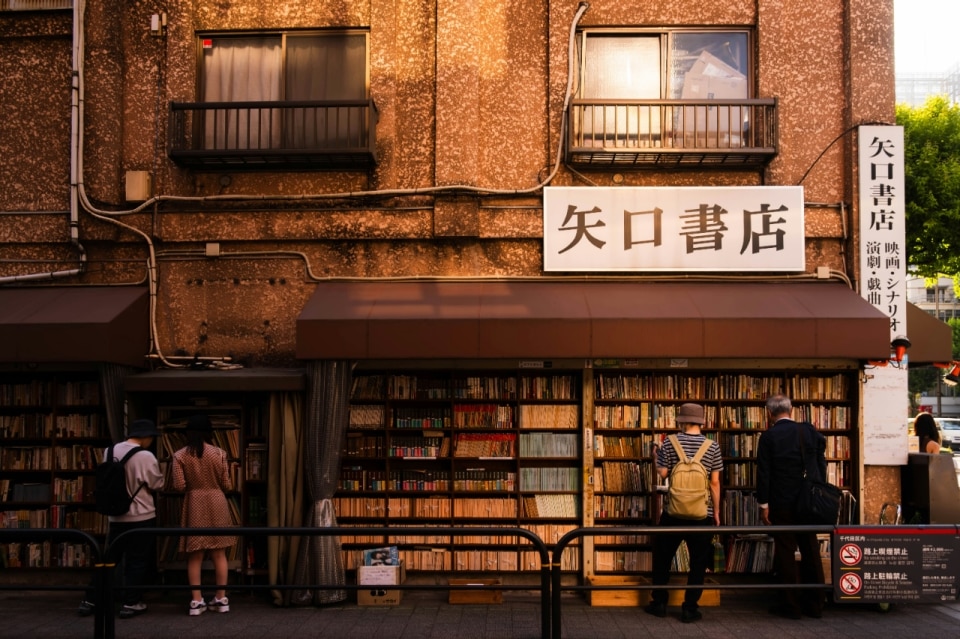
Take Jimbōchō in Tokyo, crowned the world’s coolest neighbourhood, where second-hand bookstores coexist with retro cafés, small concert halls, and curry houses, creating an experience that is both intellectual and popular. In second place is a European neighbourhood in the heart of Antwerp, Borgerhout, which stands out as an example of multiculturalism and social creativity, with Turkish and Moroccan market stalls alongside vegan cafés, galleries run by local artists, and open spaces for dialogue. Here, the “neighbourhood economy” – made up of independent shops, community initiatives, and collaborative culture – is still a driving force.
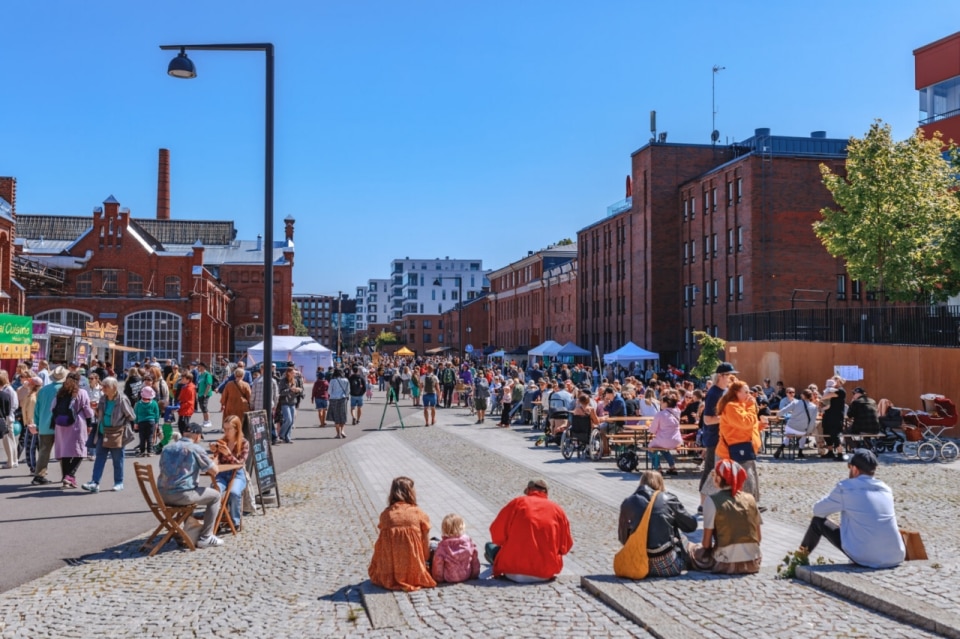
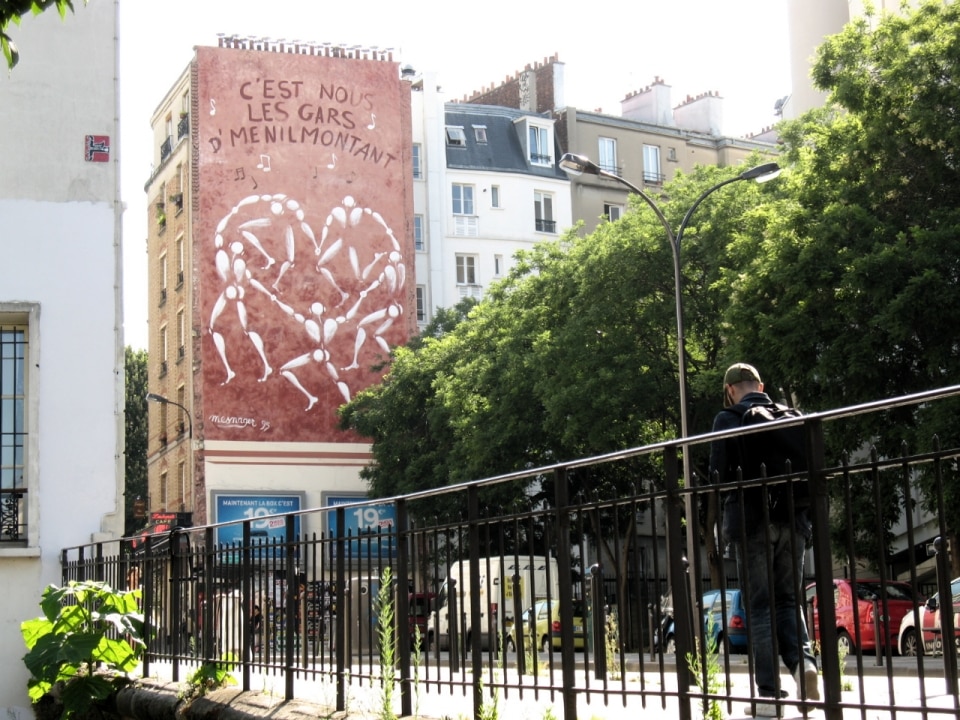
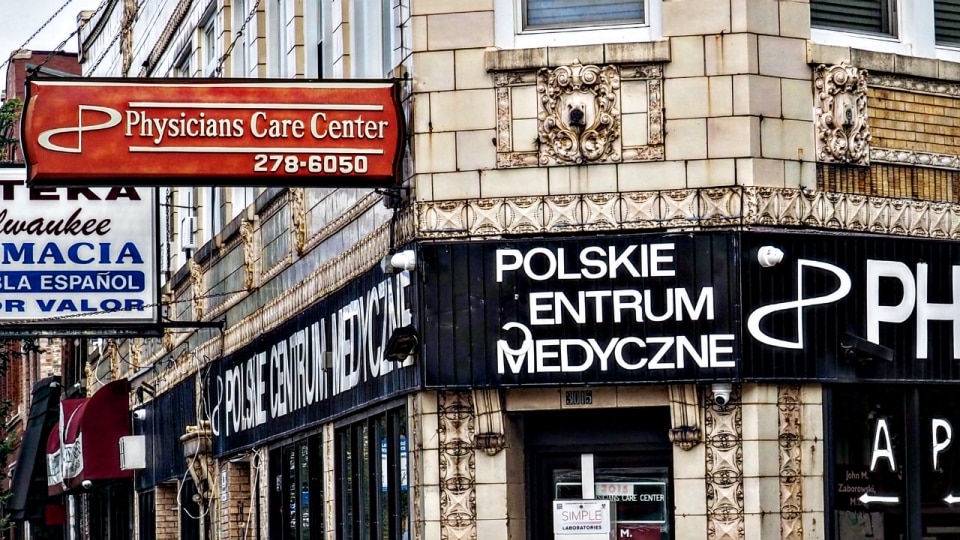
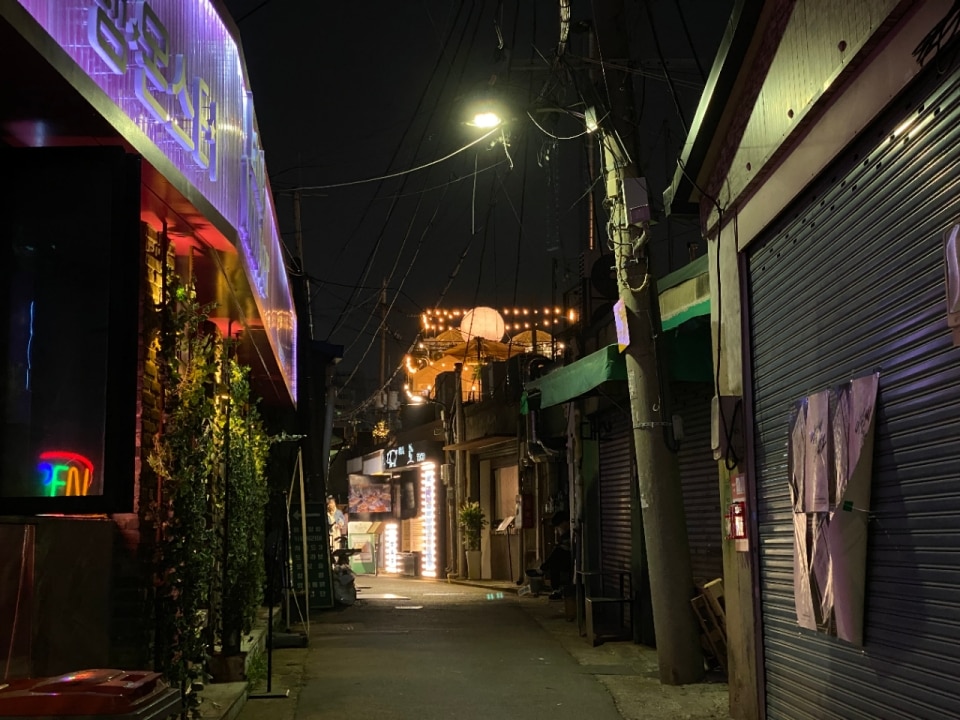
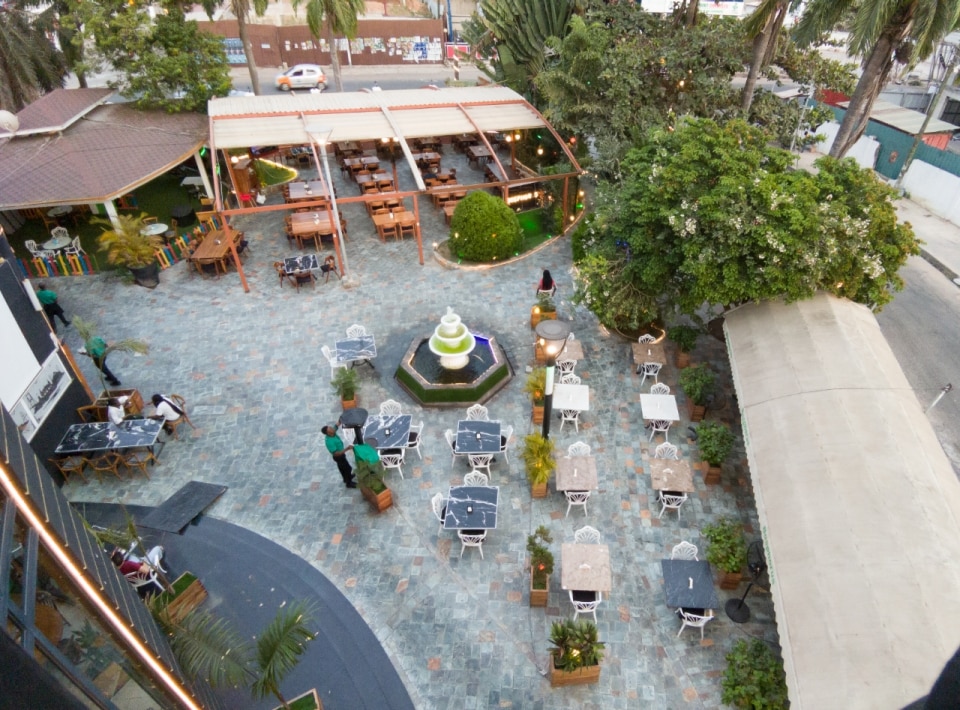
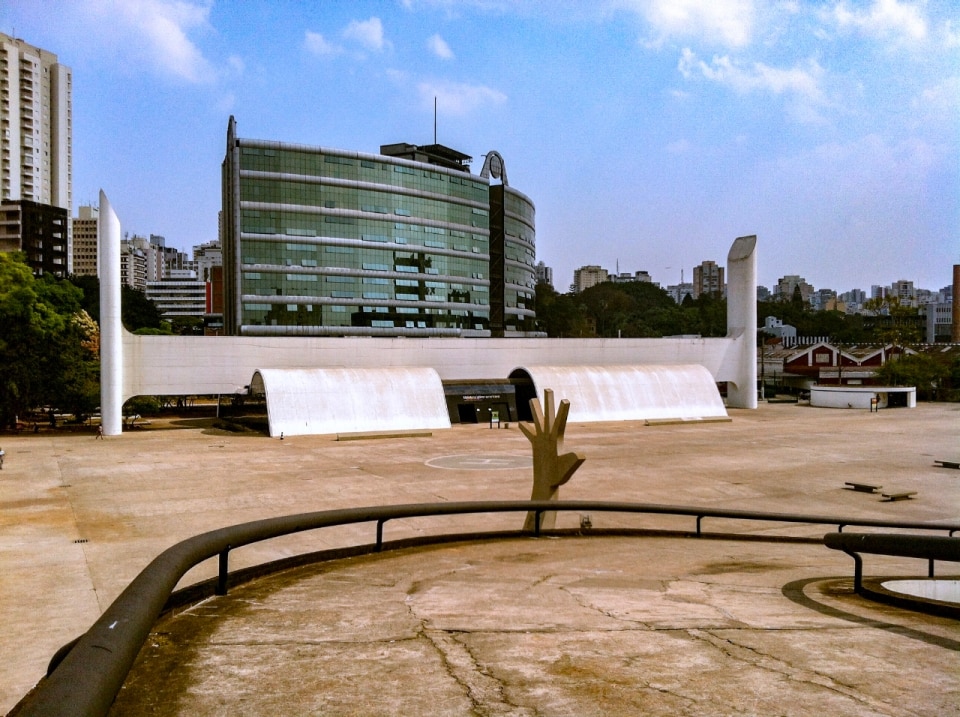
In São Paulo, Barra Funda reveals the charm of industrial transformation when merged with a creative atmosphere: old tanks, warehouses, and disused factories repurposed as art studios, trendy bars, and nightclubs. Other notable neighbourhoods include Camberwell in London, Avondale in Chicago, Mullae-dong, the former steel industry hub of Seoul, Ménilmontant in Paris, the Quartieri Spagnoli in Naples, the industrial halls of Vallila in Helsinki, and the hipster district of Labone in Accra.
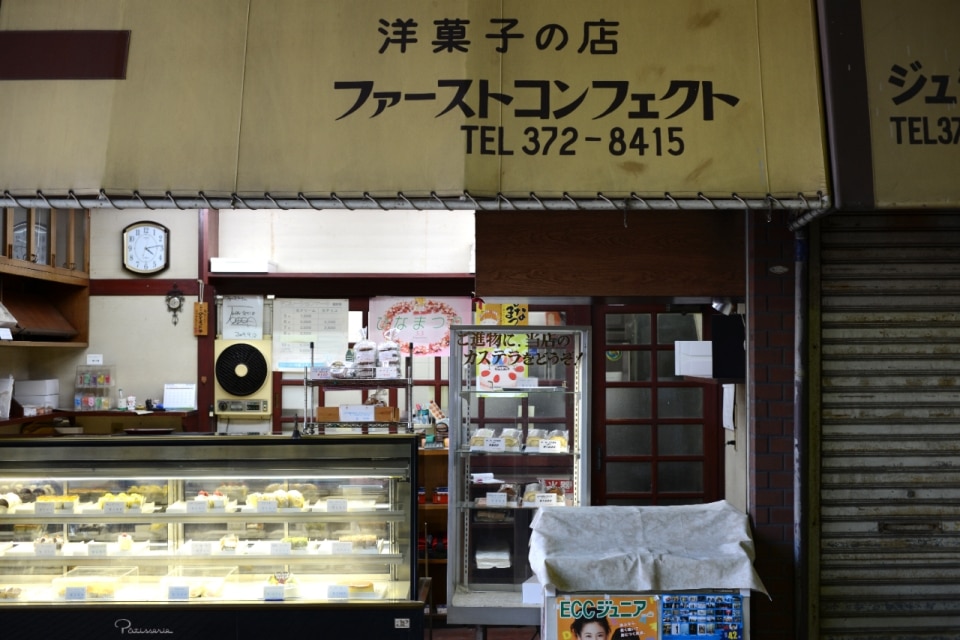
All these examples remind us that in 2025, what truly shapes cities are the neighbourhood-level spaces where standardized consumption is resisted and charm often lies in the details – a historic tea room, small local bookstores, hidden murals – as well as in collective, widespread initiatives that are historically rooted yet culturally open.
Here is the complete list of 39 selected neighborhoods:
- Jimbōchō, Tokyo
- Borgerhout, Antwerp
- Barra Funda, São Paulo
- Camberwell, London
- Avondale, Chicago
- Mullae-dong, Seoul
- Ménilmontant, Paris
- Nakatsu, Osaka
- Vallila, Helsinki
- Labone, Accra
- Nguyen Thai Binh, Ho Chi Minh
- Anjos, Lisbon
- Digbeth, Birmingham
- Red Hook, New York
- Perpetuo Socorro, Medellín
- Burwood, Sydney
- Lime Tree, Johannesburg
- Ex-French Concession, Shanghai
- Quartieri Spagnoli, Naples
- Bencoolen, Singapore
- Endoume, Marseille
- Plateau-Mont-Royal, Montréal
- The Liberties, Dublin
- Melbourne North, Melbourne
- Portales, Mexico City
- Davenport, Toronto
- Little River, Miami
- Kemang, Jakarta
- Botafogo, Rio de Janeiro
- Sheung Wan, Hong Kong
- Barranco, Lima
- Monte Kiara, Kuala Lumpur
- Clarksville, Austin
- Margit-negyed, Budapest
- Glen Park, San Francisco
- MiZa, Abu Dhabi
- Villa Devoto, Buenos Aires
- Mehrauli, Delhi
- Poblacion, Metro Manila