


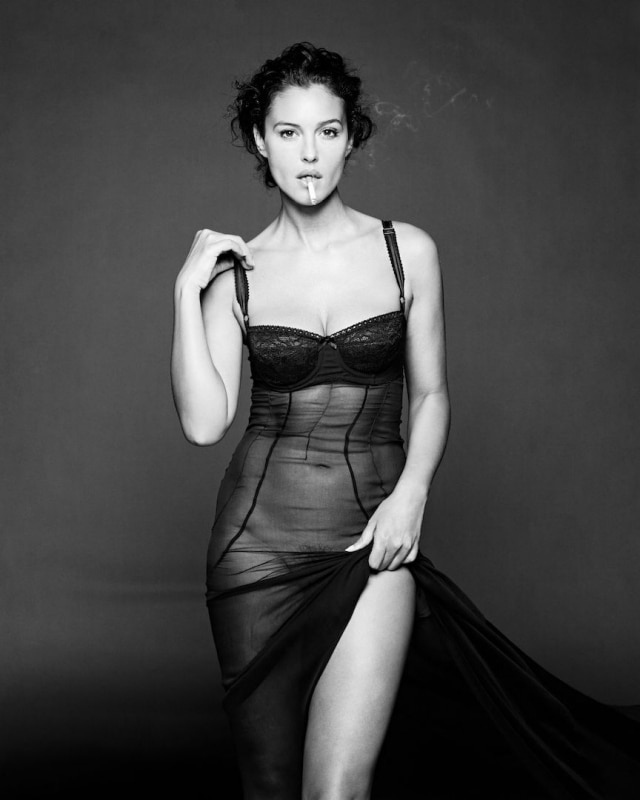
Considered one of the greatest fashion photographers of all time, for sixty years — from the foundation of his studio to 2024, the year of his death — Gian Paolo Barbieri created campaigns for Versace, Gianfranco Ferré, Armani, Bulgari, Chanel, Yves Saint Laurent, Dolce & Gabbana and Vivienne Westwood; and he photographed virtually everyone, from Audrey Hepburn and Monica Bellucci to Veruschka, Naomi Campbell and Eva Herzigova.
His photographs are part of the collections of the Victoria and Albert Museum and the National Portrait Gallery, but above all of a vast archive that includes many previously unseen works. This September they return to Milan — the city where the photographer was born — for the first retrospective there since his death.
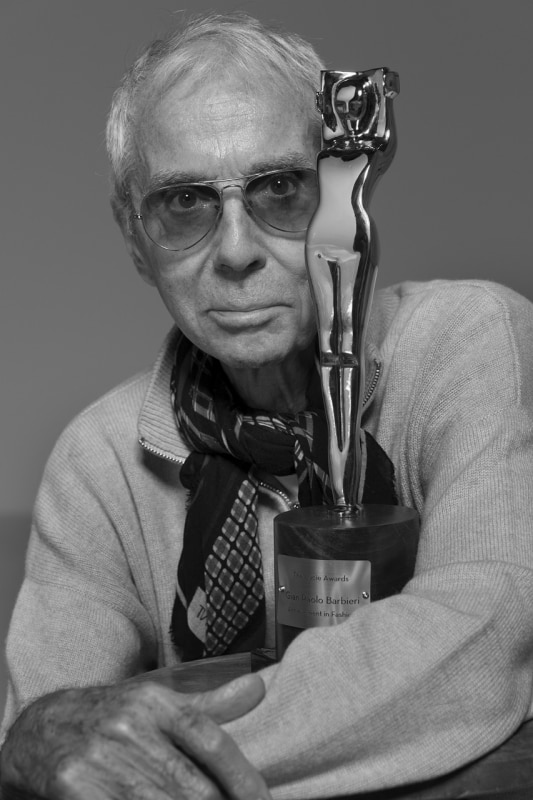
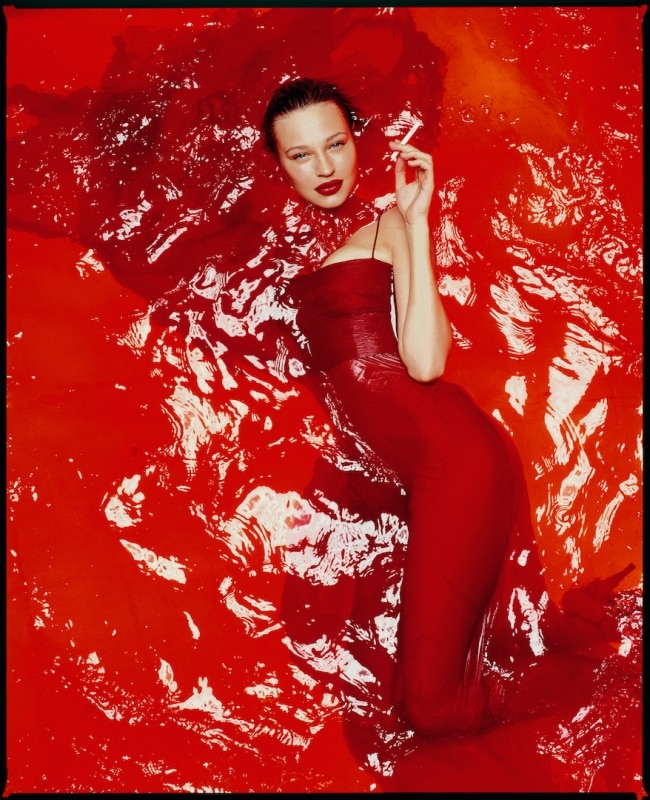
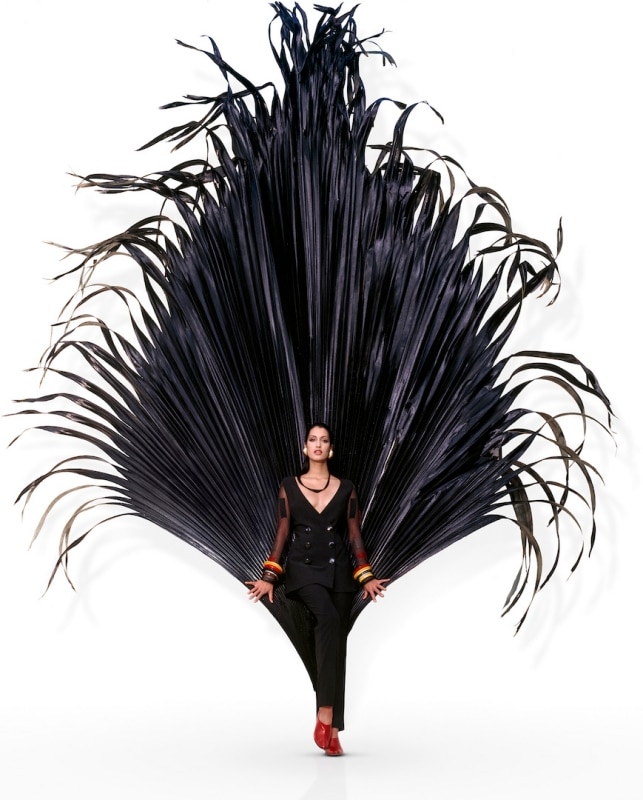
In "Eternal Elegance - The Timeless Photography of Gian Paolo Barbieri," the exhibition hosted in the new headquarters of Zurich Italia and Zurich Bank in Via Santa Margherita, open until January 15, 2026, everything is on view: above all, unpublished images from the most hidden corners of his archive, opened to the public for the first time. More than 100 photographs are displayed, including portraits of Sophia Loren, Audrey Hepburn and Yasmeen Ghauri, never-before-seen shots from Paris and Rome sets, and images that trace the evolution of Italian fashion from the 1960s to the 1990s. The setting is a recently restored 19th-century palazzo just steps away from La Scala, which now houses, in addition to the bank’s offices, an exhibition space co-curated by the Milanese gallery 29 Arts In Progress, which, together with the Gian Paolo Barbieri Foundation, has long carried forward the photographer’s legacy.
Barbieri’s early training was in theater, where he appeared as an extra in Medea directed by the great Italian filmmaker Luchino Visconti. As a very young man he was swept into the social whirl of Cinecittà’s Rome: surrounded by movie stars and dazzling sets, he absorbed the influences of American film noir. He began to experiment with the same framing and lighting techniques he observed on set, in his own room and with makeshift tools. He realized that, ultimately, it was light that created stardom — the illumination that made Sophia Loren Sophia Loren, and Audrey Hepburn Audrey Hepburn.
He wanted to do the same with photography: to bring the emotions of cinema beyond the camera. But he was self-taught, never attending a photography school — and never would. Seeking more experience, he moved to Paris, where he met Tom Kublin, first a war photojournalist and later a leading fashion photographer for Harper’s Bazaar.
This is the world of Made in Italy and Italian prêt-à-porter in which Gian Paolo Barbieri emerged: of models not yet supermodels, and designers not yet artistic directors, of Harper’s Bazaar pages pinned to the bedroom wall.
While working as Kublin’s assistant, Barbieri met Gustav Zumsteg, an art collector by passion and businessman by duty, whose textile company supplied silk to Yves Saint Laurent, Christian Dior and Balenciaga. “You have great talent. You are destined for elegance. You are a fashion photographer,” he told him. That meeting changed the course of Barbieri’s career.
He returned to Milan, the city of his birth, and opened his own photography studio. In 1964 he began his collaboration with Condé Nast, shooting for Novità — soon to become Vogue Italia — then directed by Consuelo Crespi, the model-journalist who discovered Valentino and… Benedetta Barzini, the model with whom Barbieri created his very first story for Vogue, making her the first Italian ever to appear on the magazine’s cover.
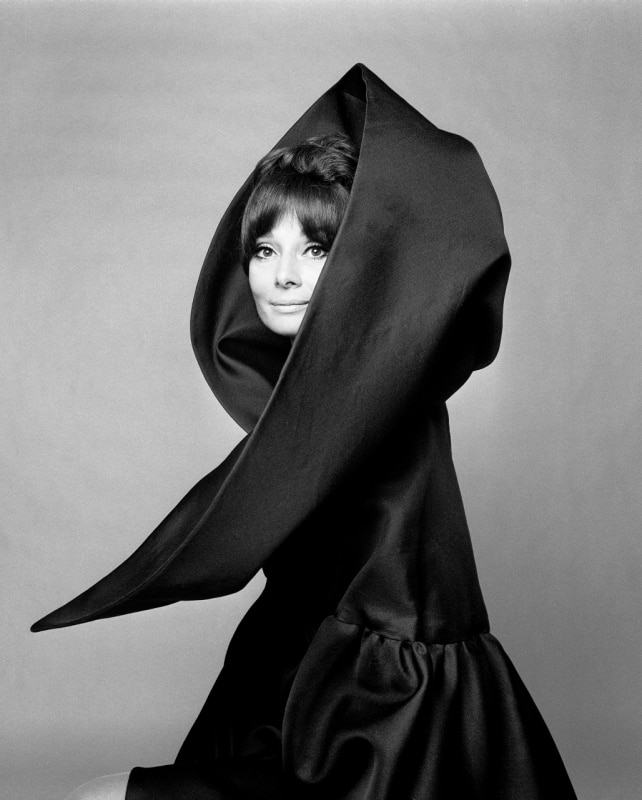
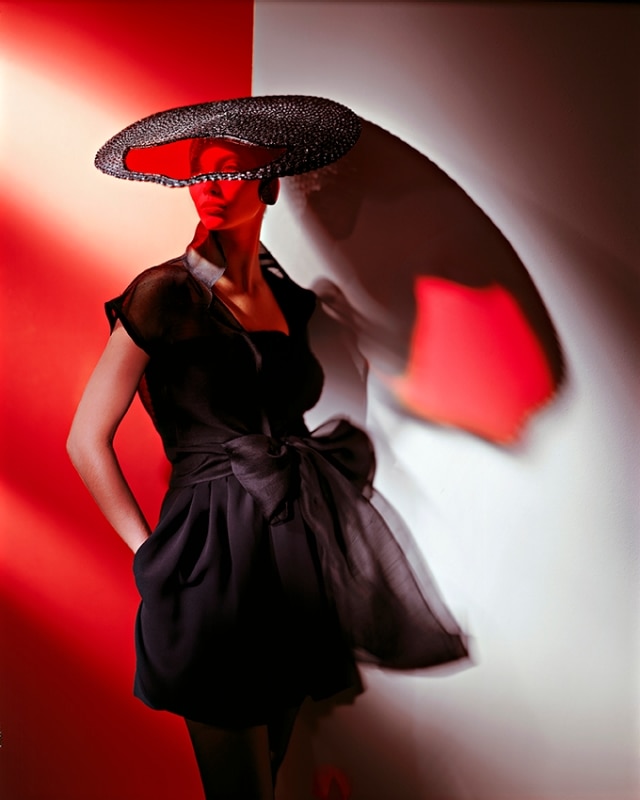
And then came… a table lamp placed behind Sophia Loren’s face, just after she won the Oscar for La Ciociara, wearing Valentino; Audrey Hepburn immortalized in one of her most striking portraits, playing with light and shadow in a Valentino gown that seems almost to engulf her; and Claudia Schiffer’s floating hat in the 1990s, for Vogue Italia.
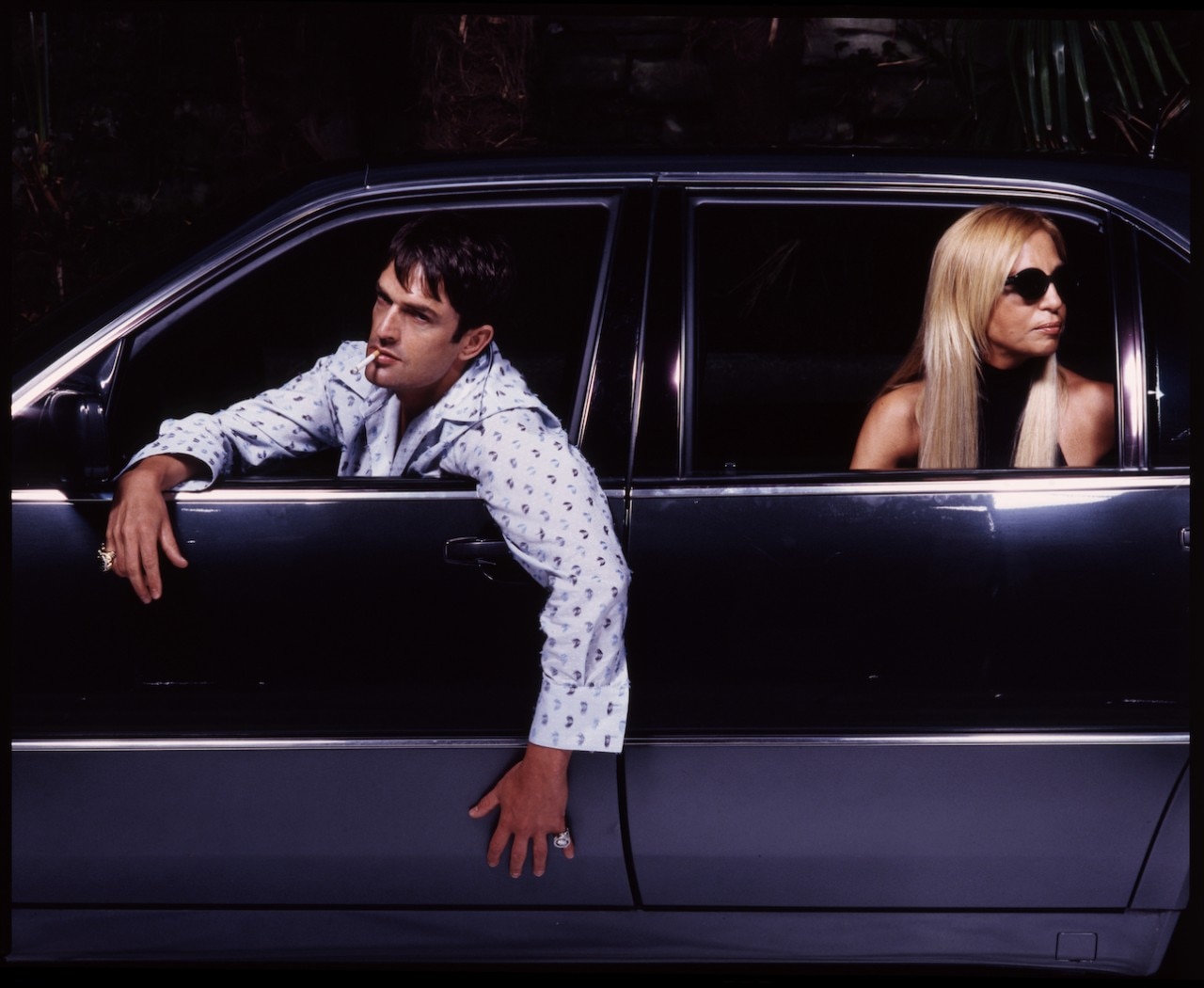
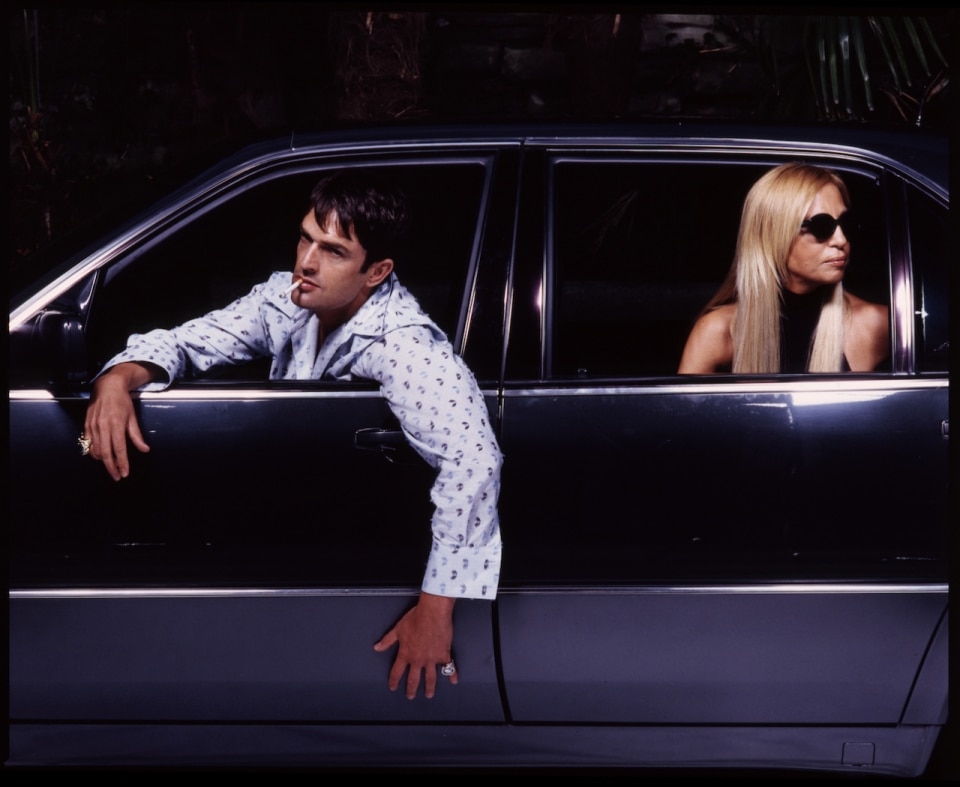
There were also the backstage photographs from 1980s runway shows, where Barbieri captured not only the models but also stylists and makeup artists, scattered and frantic. And lesser-known shots such as the portrait of Edie Sedgwick — Warhol’s ill-fated Factory muse to whom Dylan dedicated Like a Rolling Stone — photographed among draperies and mirrors in the 1970s. Or the image of Donatella Versace with actor Rupert Everett, leaning out of car windows in the 1990s.
This is the world of Made in Italy and Italian prêt-à-porter in which Gian Paolo Barbieri emerged: of models not yet supermodels, and designers not yet artistic directors. Of Harper’s Bazaar pages pinned to the bedroom wall, of faces far removed from today’s Instagram aesthetic. In this “different” fashion, Barbieri nonetheless created a style that lasts forever. Conventional in direction yet playful in tone, this great photographer gave a story to every model, actress and celebrity who passed in front of his lens — and to each of us, an image to hang in a bedroom or to revisit, nostalgically, in a museum.
All images: Photo Gian Paolo Barbieri. Copyright Giada Barbieri. Courtesy of 29 Arts in Progress Gallery
- Exhibition:
- Eternal Elegance – The Timeless Photography of Gian Paolo Barbieri
- Curated by:
- 29 ARTS IN PROGRESS gallery
- Where:
- Zurich Italia e Zurich Bank, Via Santa Margherita 11 – Milan
- Dates:
- 25 September 2025 - 15 January 2026