


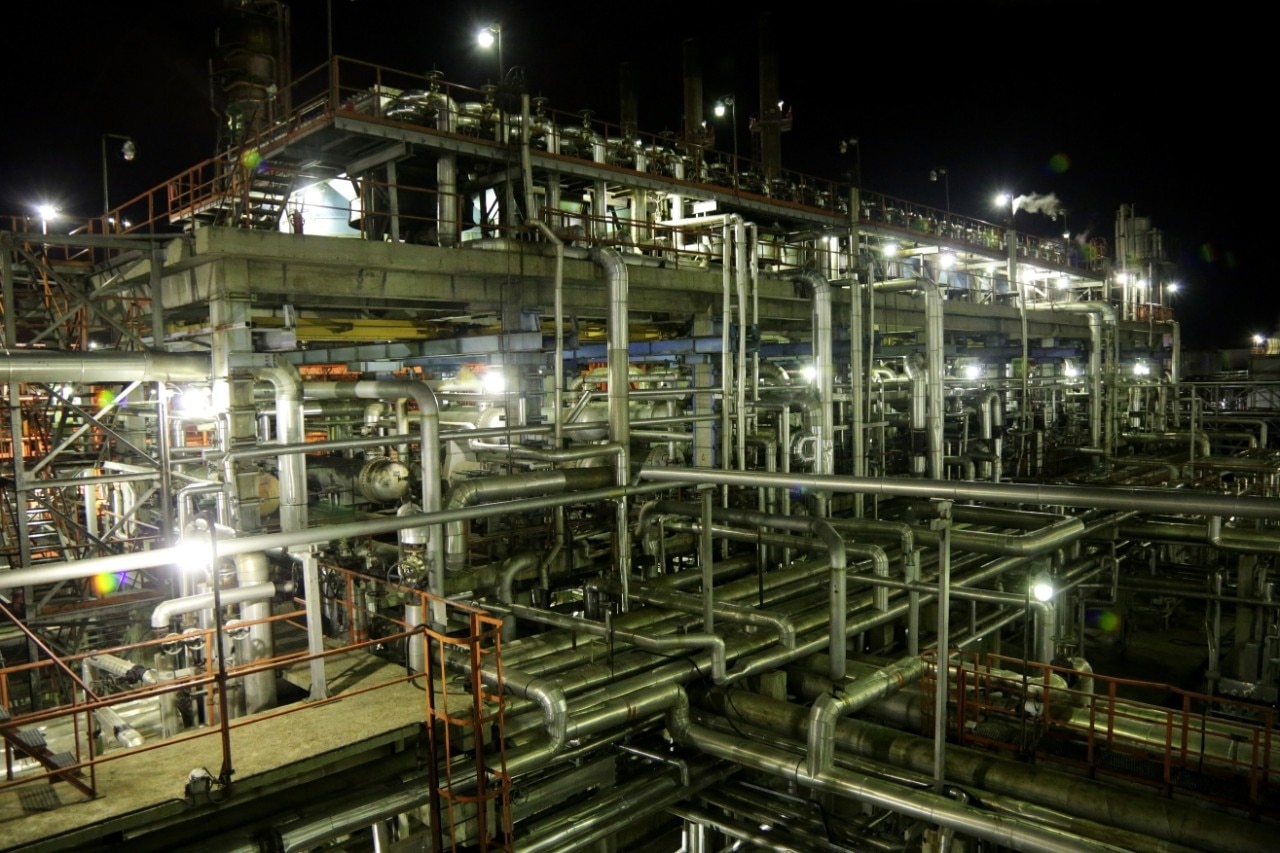

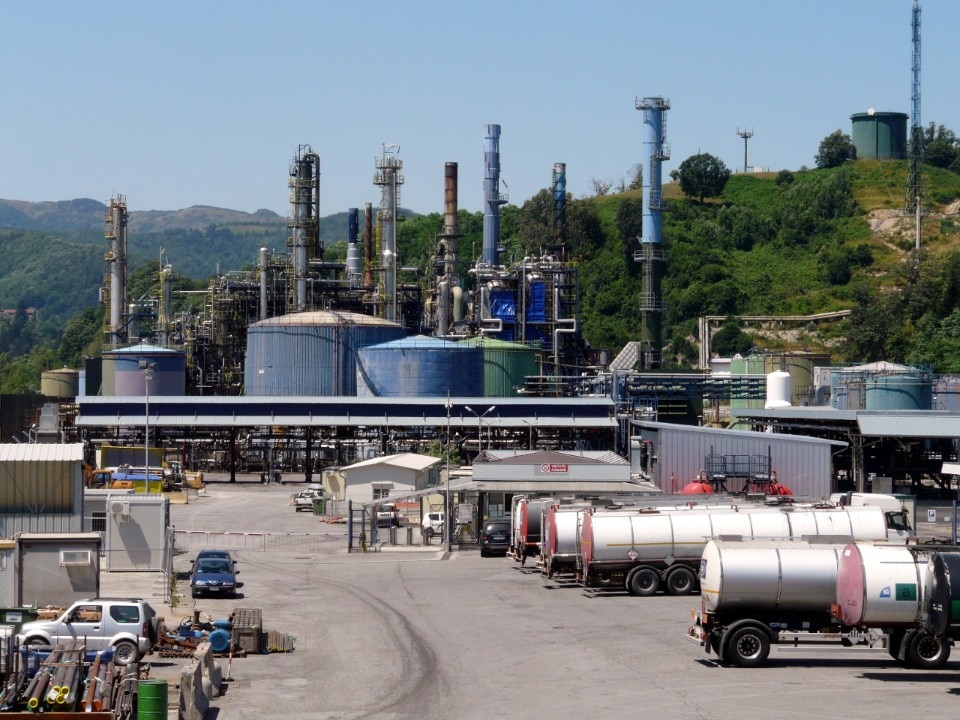
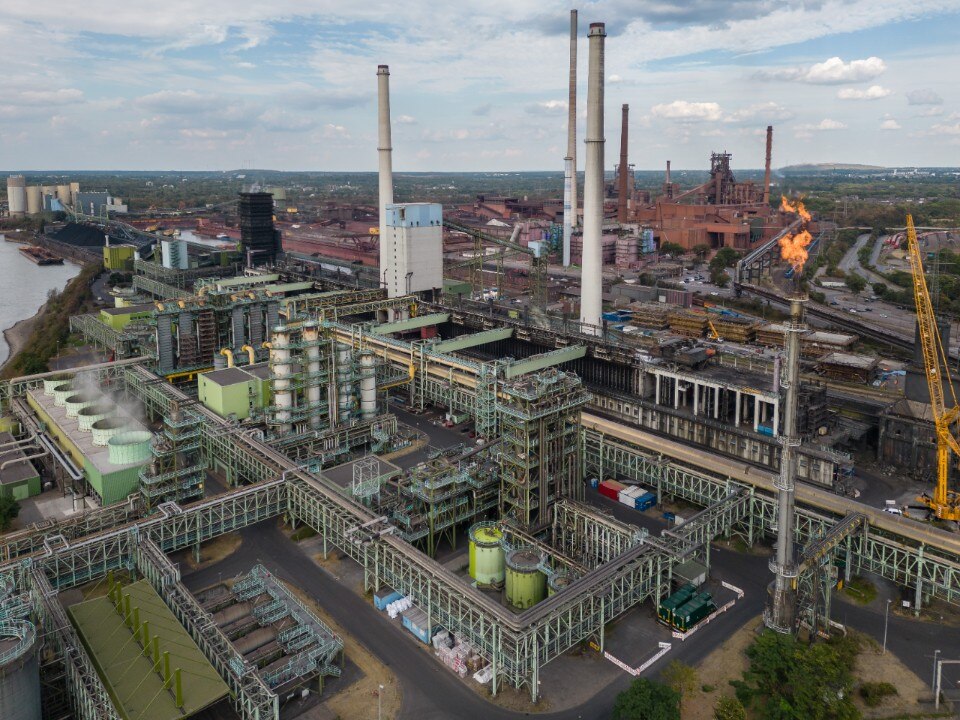

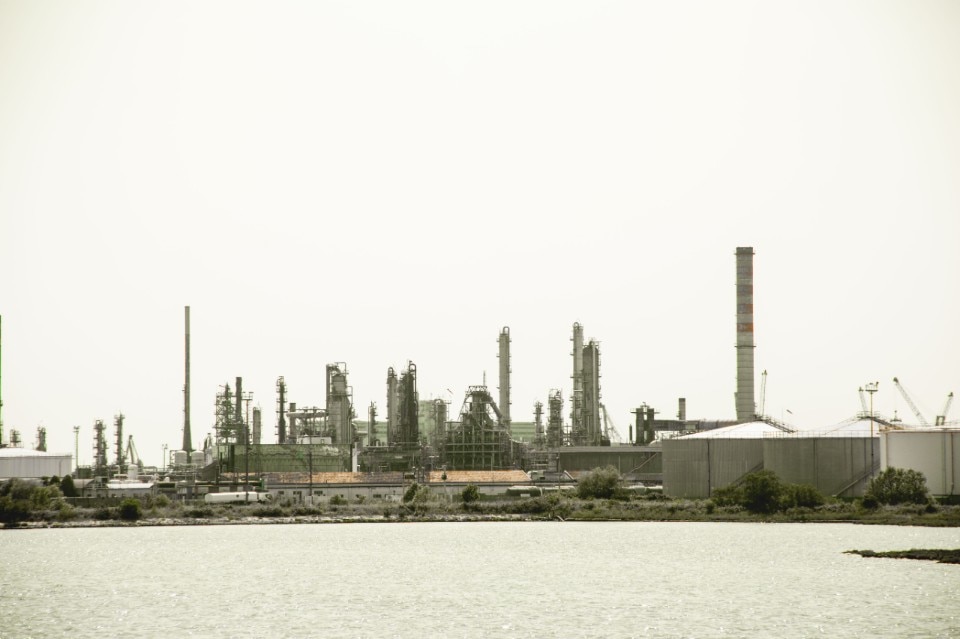
Recently, Italian artist Ambra Castagnetti gathered and shared a series of Instagram Stories featuring screenshots of Google Maps reviews left by passersby at the Busalla refinery in Liguria. Surprising comments speak of “technological cathedrals,” “unparalleled architectural works,” and “epic landscapes” — often in sincerely poetic rather than ironic tones.
Which leads us to wonder: while Instagram is flooded with brutalist building tours, interviews with residents of the Trellick Tower, and curated itineraries through architectural icons, could it be that Google Maps and TripAdvisor are quietly shaping a new way of seeing — more emotional, less filtered — capable of conveying the visual power of these places without added layers? After all, we’re not talking about influencers or wannabes here — there’s no overload of slick iPhone Pro videos or filtered selfies. Just a few lines of comment, like the ones you’d leave about a great seaside trattoria or a surprisingly good brioche at the corner café.

A silent army of Maps and TripAdvisor users is moved by the raw grandeur of refineries, silos, and industrial ports: landscapes suspended between the horrific and the sublime, between nostalgia for a vanishing material civilization and fascination with its unintentional monumentality. A different idea of beauty — not yet shaped by trends — offering a fresh, unmediated glimpse into our reactions to the transformation of the contemporary landscape.
Some, when passing by a refinery, see only metal pipes, smoke, and functional structures. Others, however, find poetry. But why are we so fascinated by these landscapes? Perhaps because they encapsulate, more than others, the ambivalence of modernity: technological grandeur and human vulnerability, productive force and decay, extreme functionality and unexpectedly monumental forms.
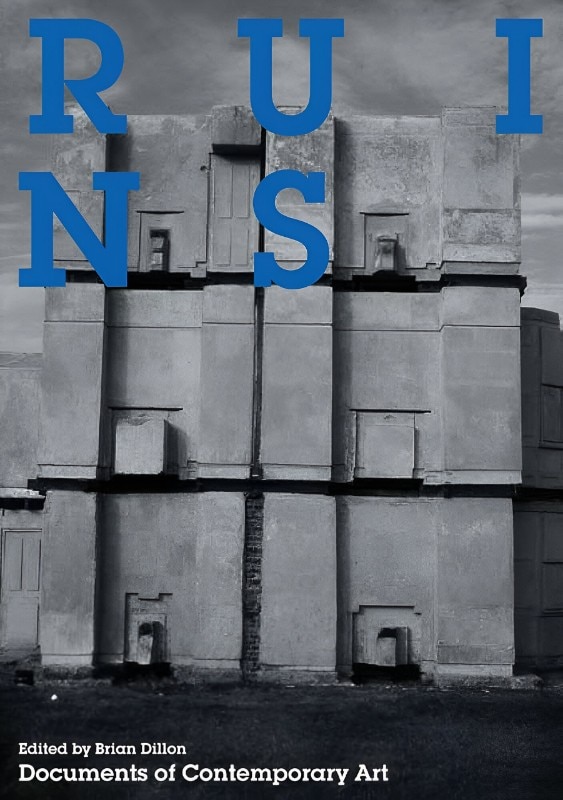
As Brian Dillon observes in his Essay on Ruins, modern ruins — including industrial ones — embody a tension between their original architectural ambition and the fragility of their current condition, transforming into meaning-laden places even in their state of disrepair. In doing so, ruins offer a kind of compressed temporal knowledge and vision: spaces where time seems to collapse in on itself. The interest they provoke isn’t necessarily nostalgic, but rather critical, layered, and in this sense, profoundly aesthetic.
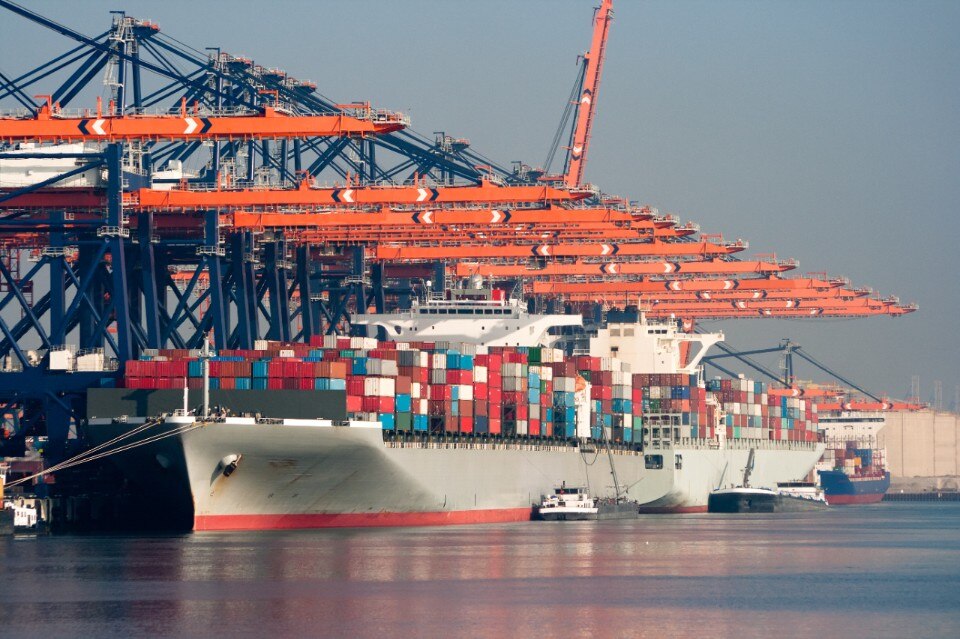
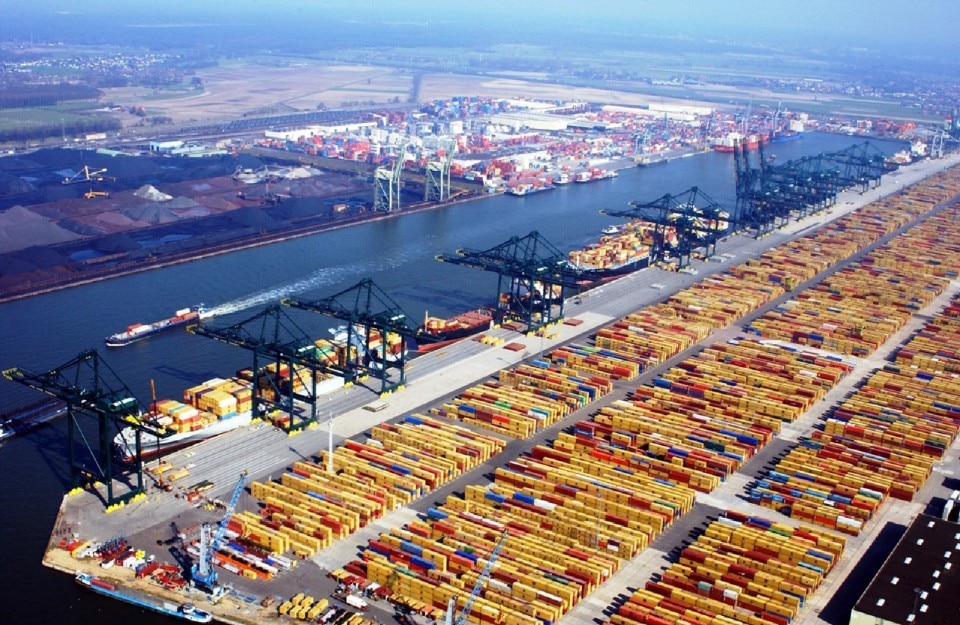
Take, for instance, the allure of the Port of Rotterdam — the largest in Europe — where among colorful containers and monumental cranes, one breathes an epic beauty that reflects the scale of global production and its impact on the landscape. It’s a vision J.G. Ballard had already anticipated at the end of the 20th century, seeing in airports, highway interchanges, and vast technological plants the new cathedrals of our time.
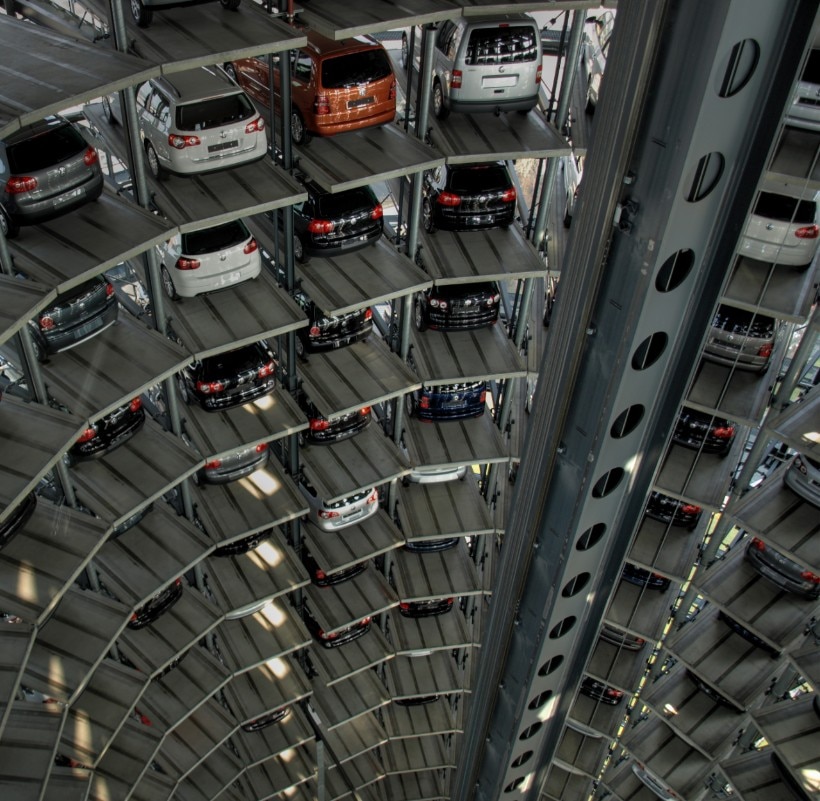
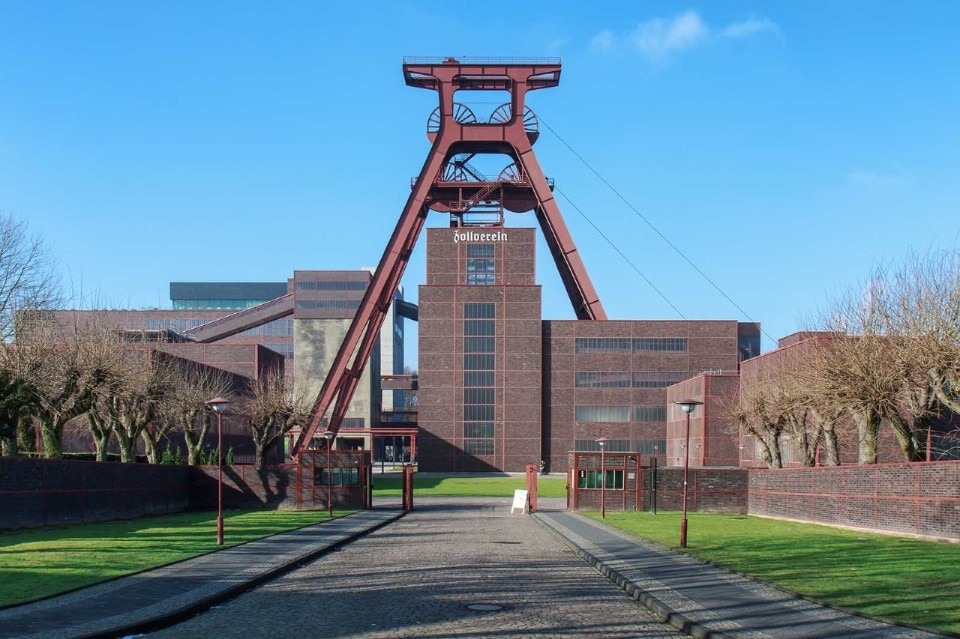
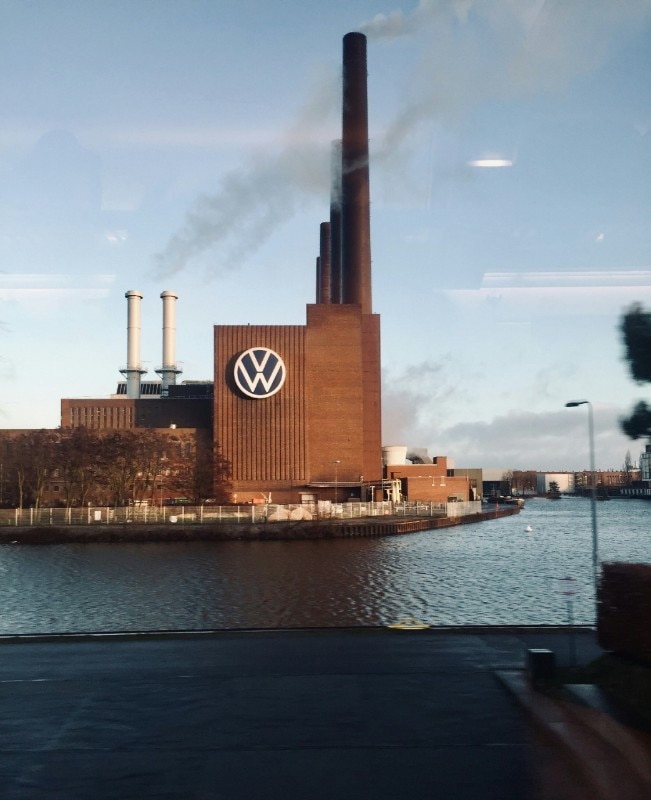
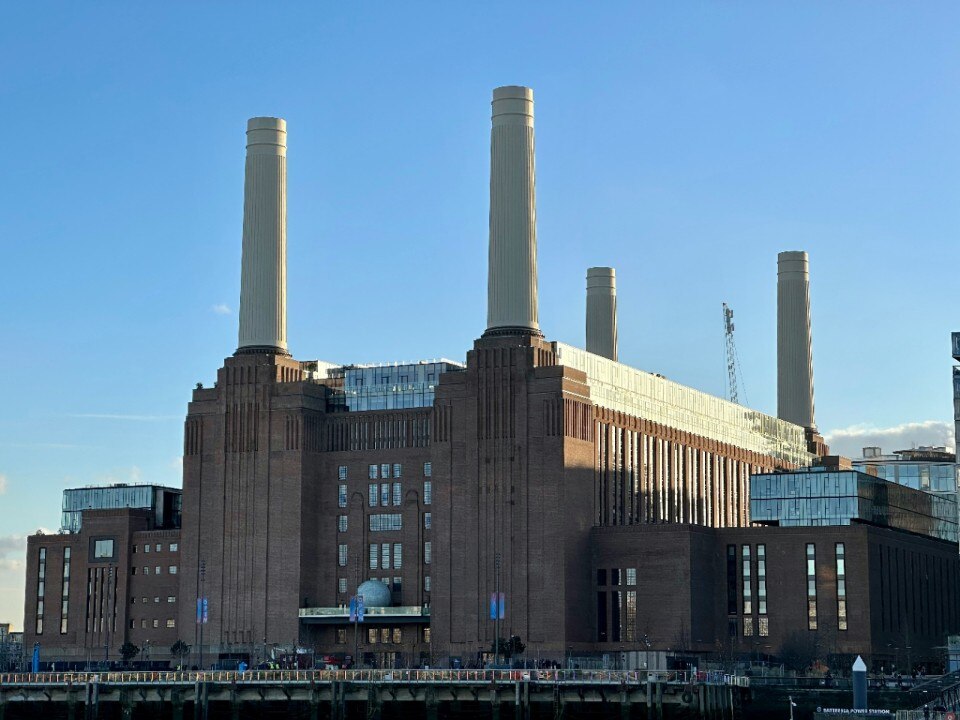
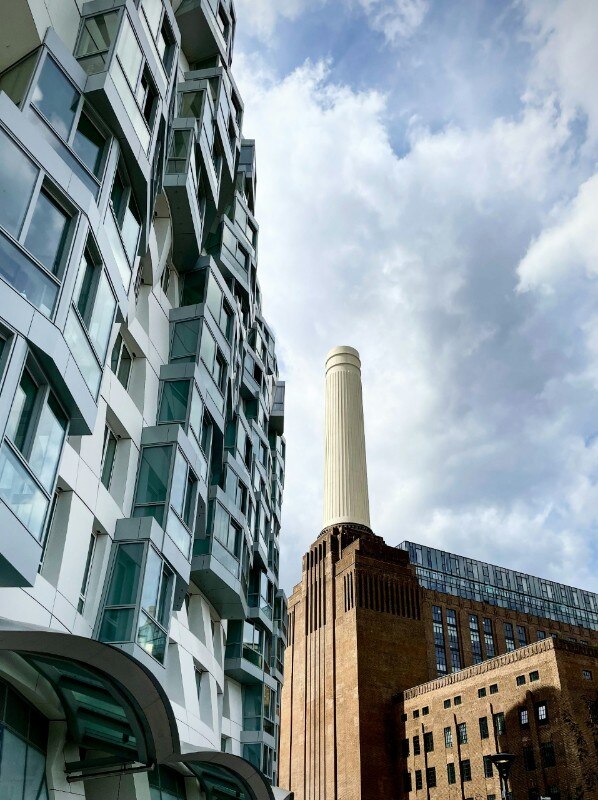
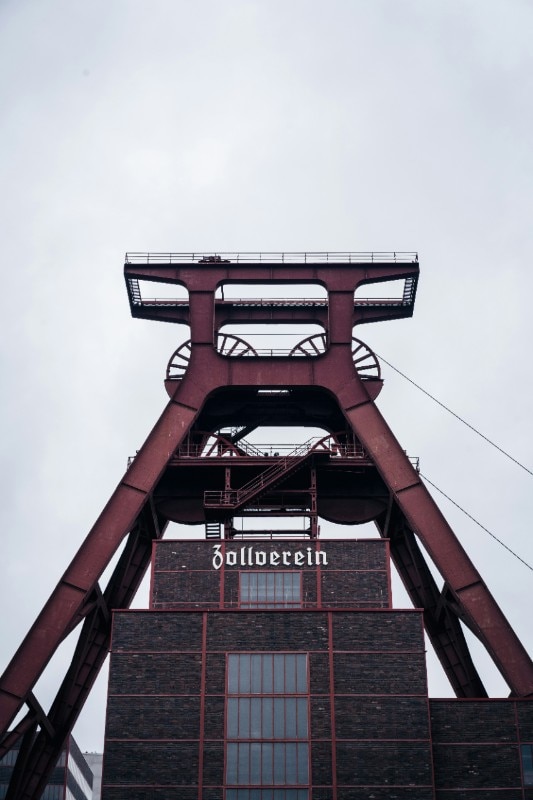
The silent monumentality of London’s Battersea Power Station — a former power plant overlooking the Thames, now transformed into a residential and cultural complex — stands as a testament to the ability to repurpose industrial heritage without erasing its identity. At Volkswagen’s Autostadt in Wolfsburg, industry is still in full swing, with automotive production turned into an architectural and symbolic experience. Meanwhile, in Germany’s Ruhr region, former mining and steel complexes have been converted into cultural parks and included in the Unesco World Heritage list, turning industrial archaeology into a living memory of the territory.
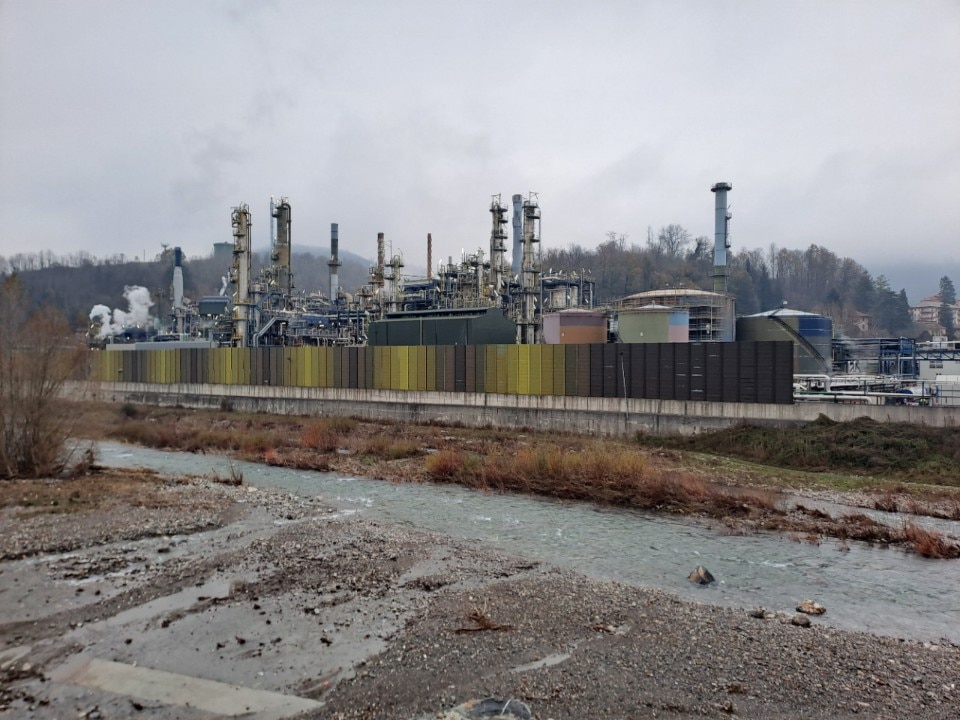
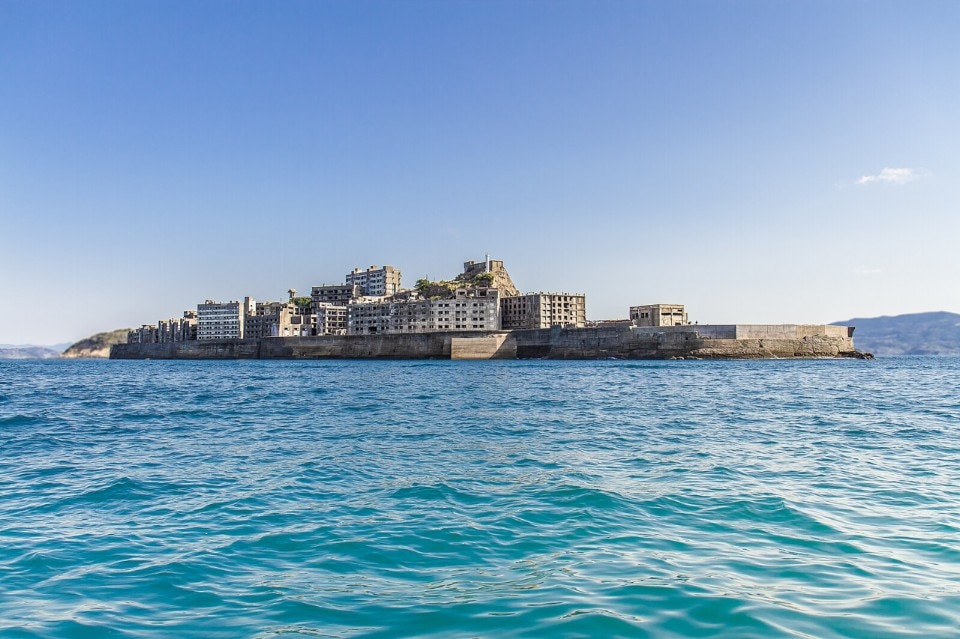
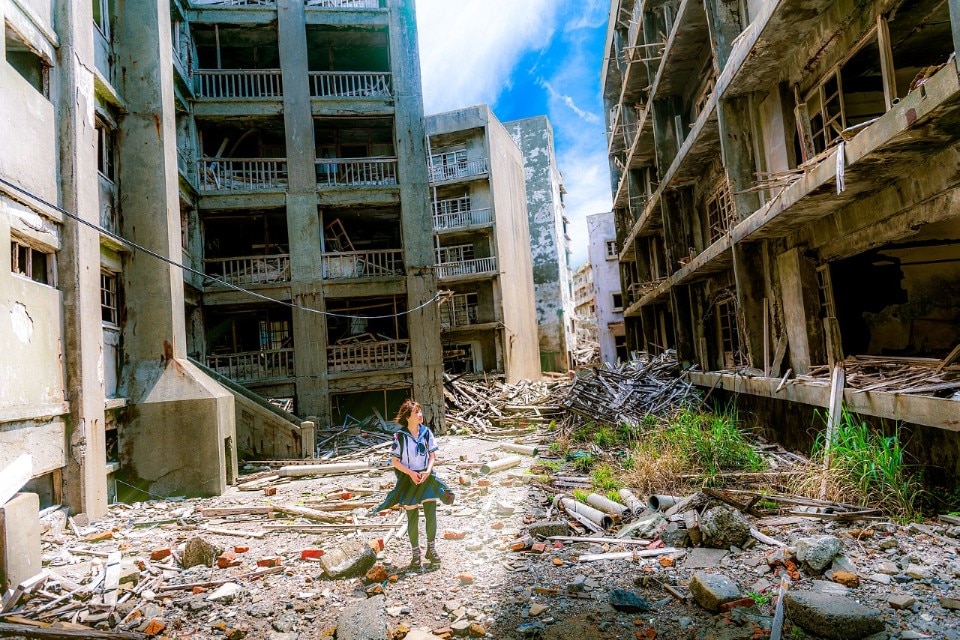
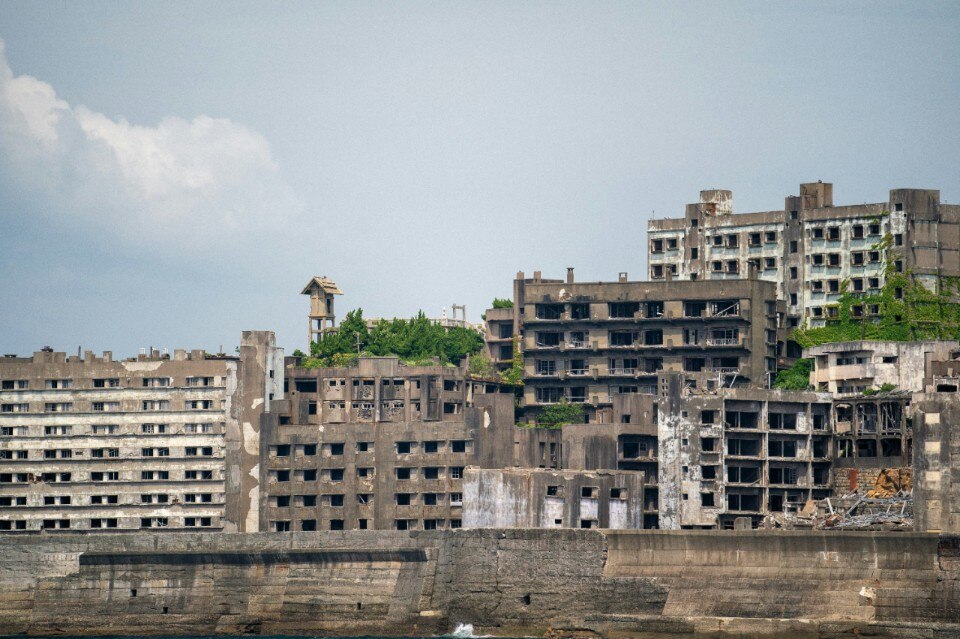
In Japan, one of the most extreme examples of contemporary industrial archaeology is Gunkanjima — Hashima Island, located off the coast of Nagasaki. Acquired by Mitsubishi in the late 19th century for coal mining, it became, in the postwar years, a dense and vertical city — one of the most populated places on Earth at the time. Workers’ housing, schools, hospitals, and industrial infrastructure were packed into a minimal space surrounded by sea. Its compact, armored silhouette — which earned it the nickname “Gunkanjima,” literally “Battleship Island” — has fueled a post-industrial and apocalyptic imaginary, leading to its use in 2012 as a cinematic setting for the James Bond film Skyfall.
Abandoned in 1974 with the collapse of the coal industry, the island has preserved its original urban structure, earning a place on the UNESCO World Heritage list in 2015. Since then, the Japanese government has allowed regulated guided tours, giving visitors access to selected outdoor areas. The experience offers a powerful, scaled-down encounter with the living material and gradual dissolution of an entire industrial landscape.
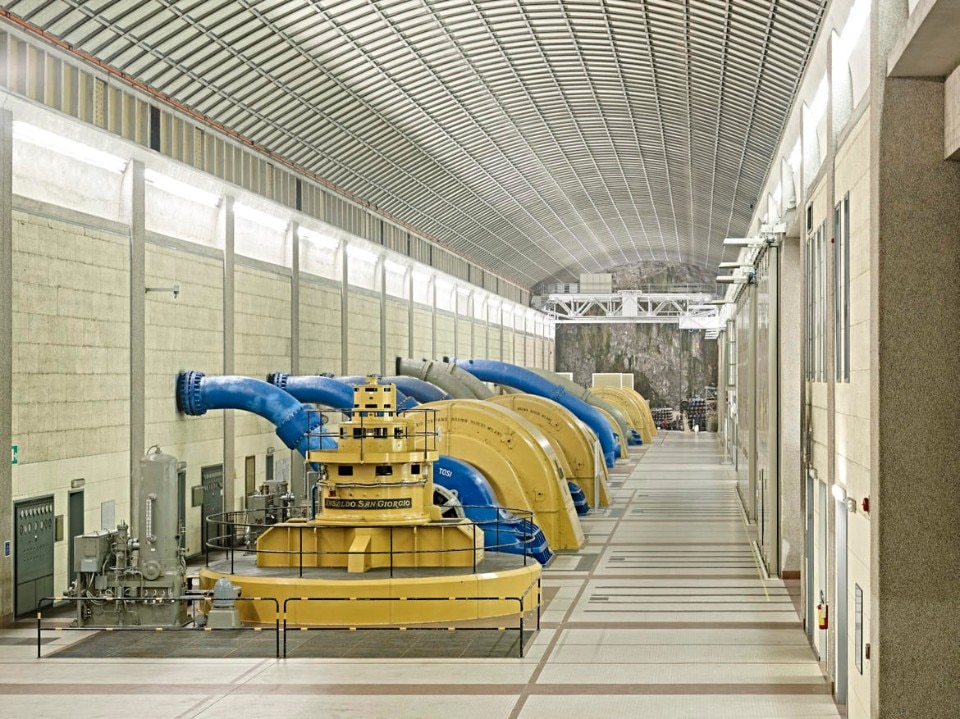
In Italy, alongside the Busalla refinery, the Santa Massenza hydroelectric power plant in Trentino stands out as an invisible masterpiece of contemporary engineering, still fully operational today.
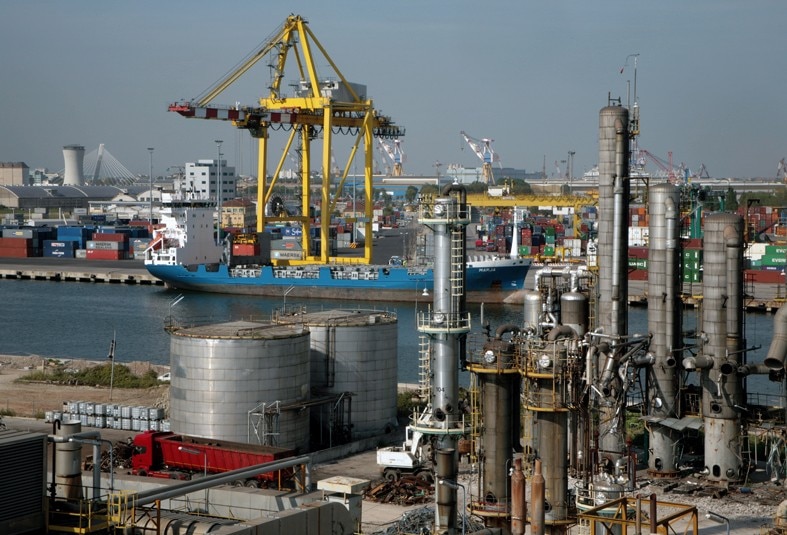
In Taranto, the vast steel complex of Ilva — now ArcelorMittal — continues to dominate the urban skyline with its imposing and controversial presence: a "city within the city," emblematic of the tensions between industrial development, environmental sustainability, and the right to health. Meanwhile, in Marghera, on the Venetian Lagoon, abandoned warehouses, silent chimneys, and concrete skeletons trace the arc of productive modernity, turning into a prime site for urban exploration.
I suspect that the most profound changes in society have more to do with aesthetics
J. G. Ballard
The longstanding allure of industry
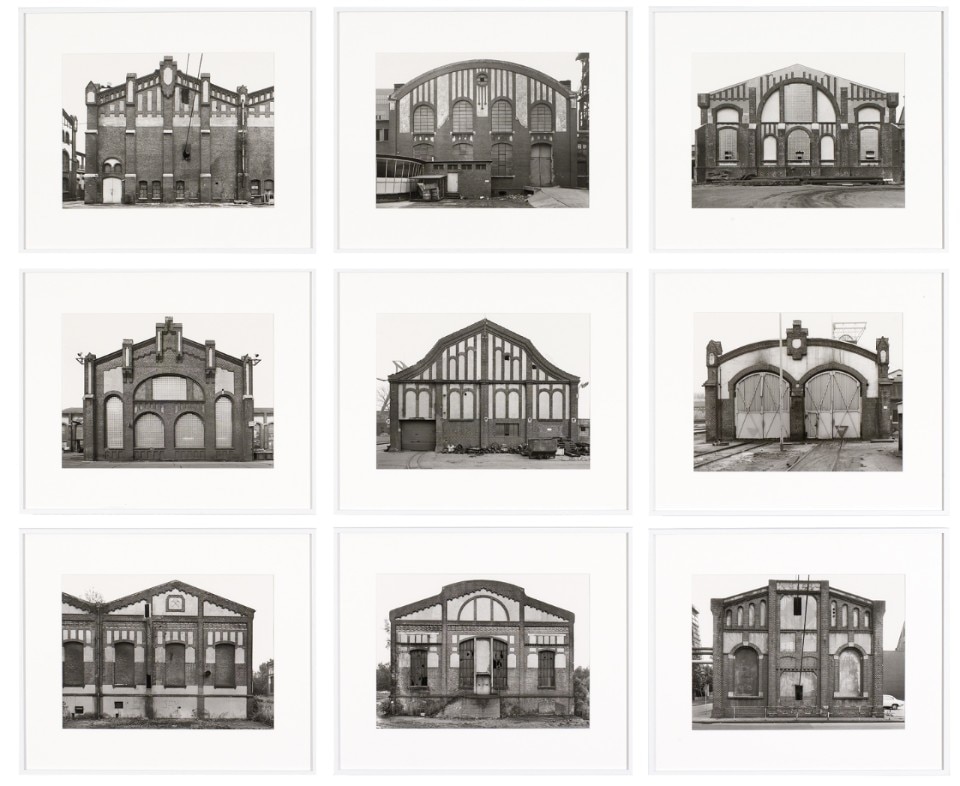
The aesthetic appeal of industrial architecture is far from a recent discovery. Beginning in the 1960s in particular, photographers and artists started to regard these landscapes as true modern monuments. Pioneers of industrial typologies, Bernd and Hilla Becher dedicated their careers to documenting water towers, silos, and chimneys with an almost archaeological precision, transforming them into aesthetic objects and testaments to a culture of functionality. As Bernd Becher noted, these buildings “arose without any aesthetic intention” — and it is precisely this purity of purpose that makes them so compelling.
Following in their footsteps are contemporary figures like Andreas Gursky, who brought industrial photography to a monumental scale, capturing production plants, warehouses, and global infrastructures in images of extraordinary formal clarity, where the architecture of production becomes an abstract landscape.
Similarly, Thomas Struth — also trained at the Düsseldorf School — has photographed power stations, factories, and technological infrastructures with an analytical and immersive gaze, revealing the hidden complexity of contemporary production systems.
Edward Burtynsky, on the other hand, has explored the human impact on the environment through spectacular visions of mines, refineries, and industrial complexes, elevating the productive landscape into a narrative that is both epic and unsettling.
Industrial tourism and new urban explorations
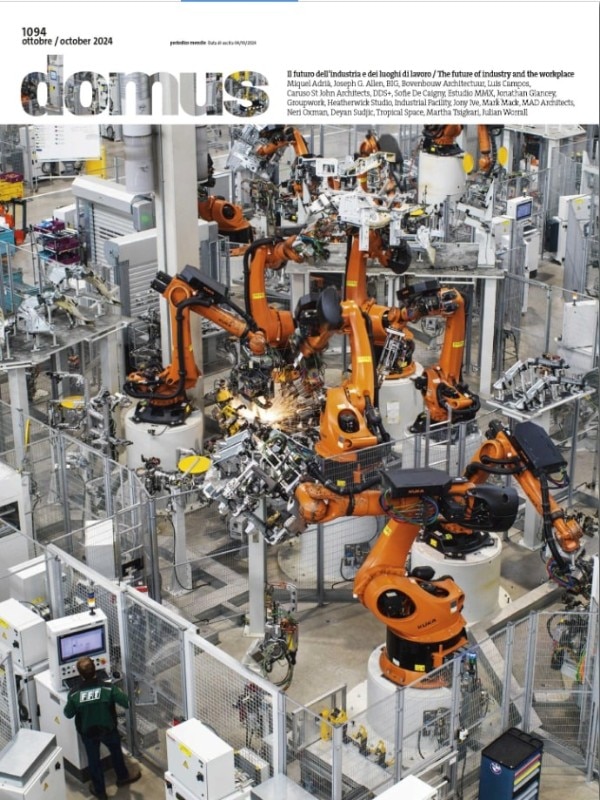
In recent decades, interest in industrial archaeology has grown, reaching a broader public. This has given rise to a new form of industrial tourism, offering visits — some more official than others — to former factories, power plants, ports, and mining districts that have now been transformed into cultural attractions. It’s a phenomenon that reflects the search for a different kind of aesthetic, one capable of telling the story of society through its productive infrastructures — appealing not only to artists but to an increasingly wide audience.
Alongside official tours, the practice of urbex (urban exploration) has also developed: the exploration and photographic documentation of abandoned buildings. A practice not necessarily reserved for professional photographers, but increasingly carried out by individuals skilled in this specific visual language.
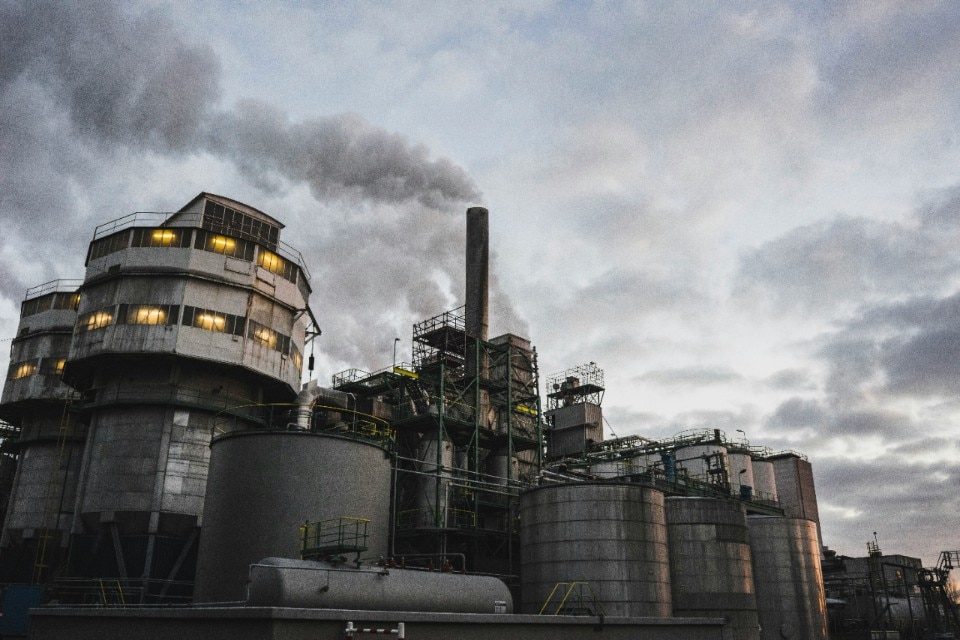
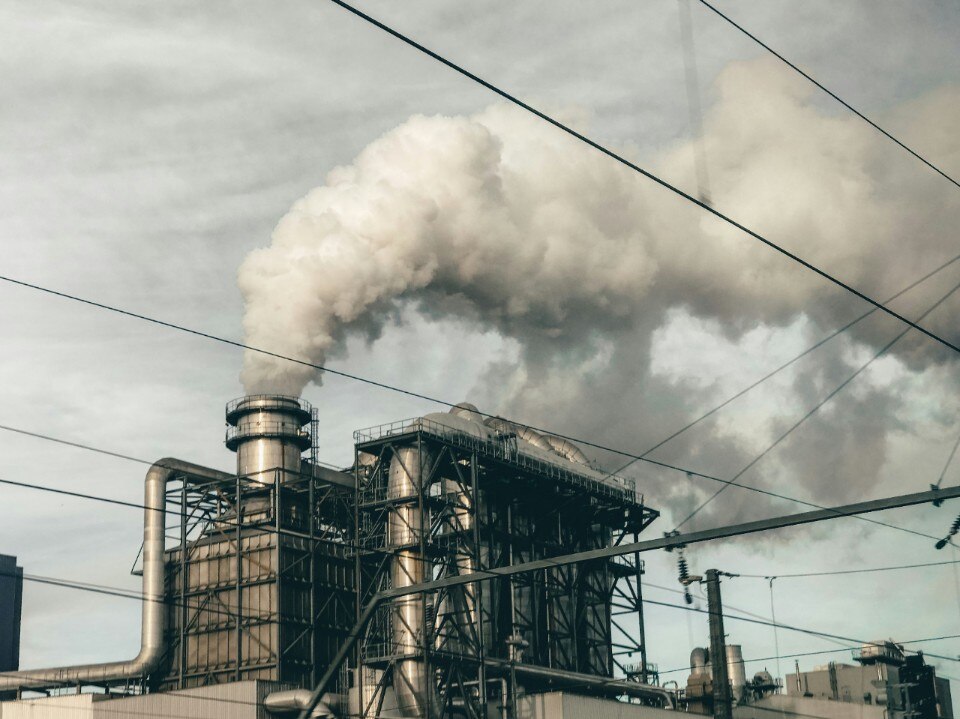
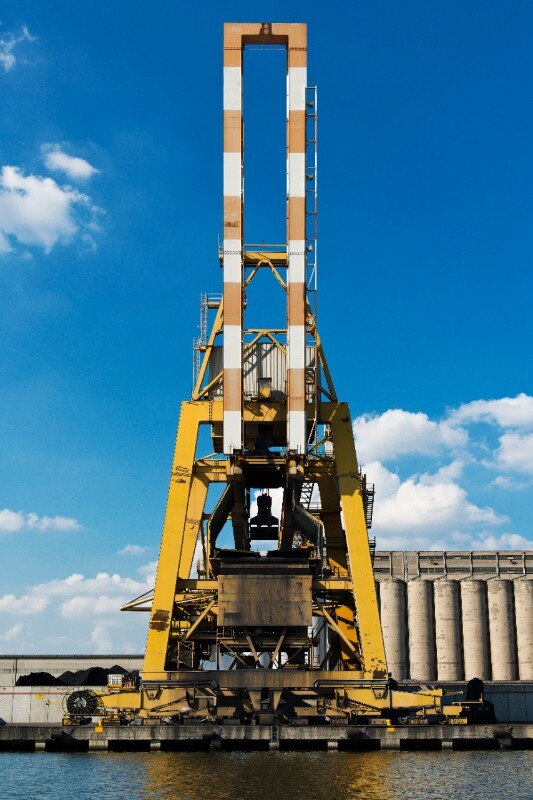
In the gallery, our selection of industrial sites — accompanied by comments gathered online — shows how industrial aesthetics continue to inspire wonder and poetry in the collective imagination.
Opening image: Photo Miketa15 from Adobe Stock