


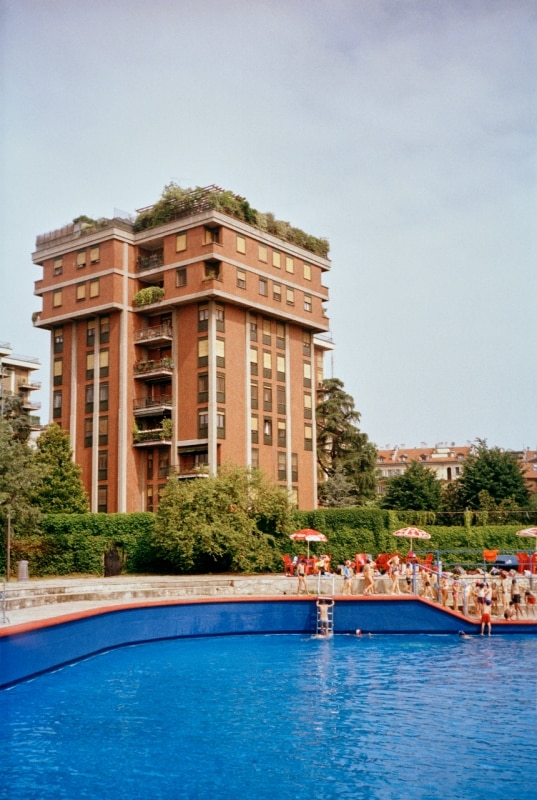
For decades, it was Milan’s urban beach. Entire generations learned to swim, sunbathed and spent the summer there without leaving the city, behind the Naviglio Grande, where the gates remain closed today.
Between 1958 and 1962, Arrigo Arrighetti, director of the Ufficio Studi e Progetti Edilizi (Office of Urban Planning) of the Municipality of Milan, completely redesigned the space, transforming the city’s first public outdoor pool into a manifesto of civic modernism. After closing for four years, Piscina Argelati is now at the centre of a major public regeneration project that aims to give it a new role while preserving its historic function as a public swimming pool.
The origins: Milan’s first public outdoor pool
The story begins in 1915, on the eve of the First World War, when Milan started building its first bathing centres. Architect Luigi Lorenzo Secchi designed the Guido Romano on Via Ponzio, the Roberto Cozzi on Viale Tunisia and the Casa del Sole pools in the Via Padova area. However, Piscina Argelati occupies a special place in the city’s history: it was Milan’s first public outdoor swimming pool, predating the advent of the Fascist regime by almost a decade.
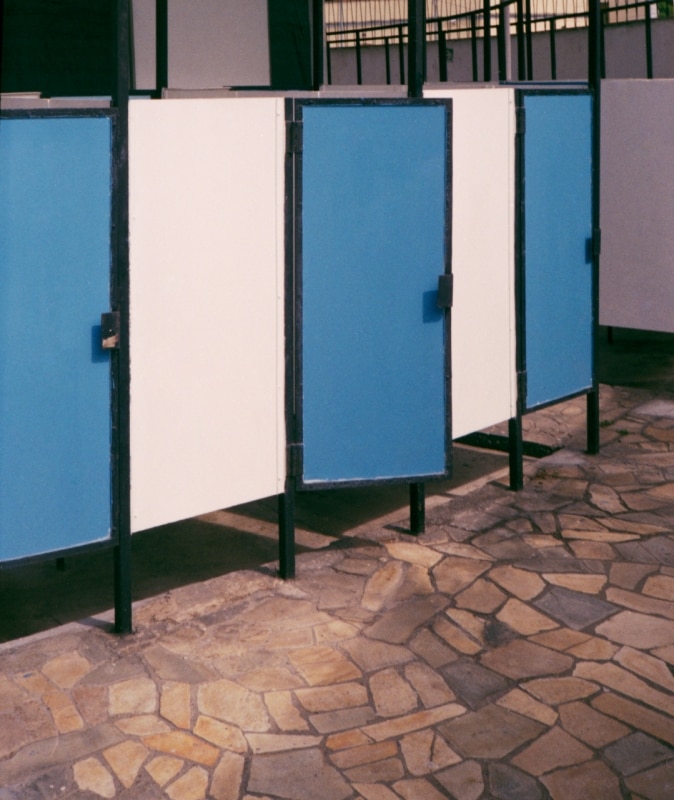
Built in 1915 next to the Roggia Boniforti, a Naviglio Grande bypass still visible today along the initial stretch of Via Argelati, the pool originally drew its water from this canal. At a time when Milan had not yet undergone the significant urban transformations of the twentieth century, the new bathing centre introduced a novel way for city dwellers to enjoy their leisure time: within a few years, it had become the “urban beach” for Milanese residents, offering a place to enjoy the summer without leaving the city.
In 1929, the facility stopped using water from the Naviglio and was fed by groundwater. Its activities continued until the Second World War, when bombings in Milan also interrupted life at the Argelati.
Reconstruction by Arrigo Arrighetti
The facility that the Milanese remember, even more than the early twentieth-century version, is the one designed by Arrigo Arrighetti. Between 1958 and 1962 – during the period in which the architect of the Biblioteca Sormani, the Sant’Ambrogio neighborhood, and the church of San Giovanni Bono directed the Technical Office of the Municipality of Milan – the pool was completely redesigned according to the principles of Italian modernism.
Arrighetti envisioned a bathing centre consisting of an Olympic-sized pool for professionals, one for beginners and one for children. These were to be immersed in large lawns intended for solariums and flanked by low, linear pavilions. While the reinforced concrete, large glass surfaces and horizontality of the buildings fully reflected the language of modern Milanese architecture during the economic boom, an anomalous architectural detail better expressed the idea behind the project than any programmatic statement.
Arrighetti wanted to present a different concept of a swimming pool, one that was far removed from the monumental sports facilities of the era: not competitive, but everyday; not celebratory, but accessible.
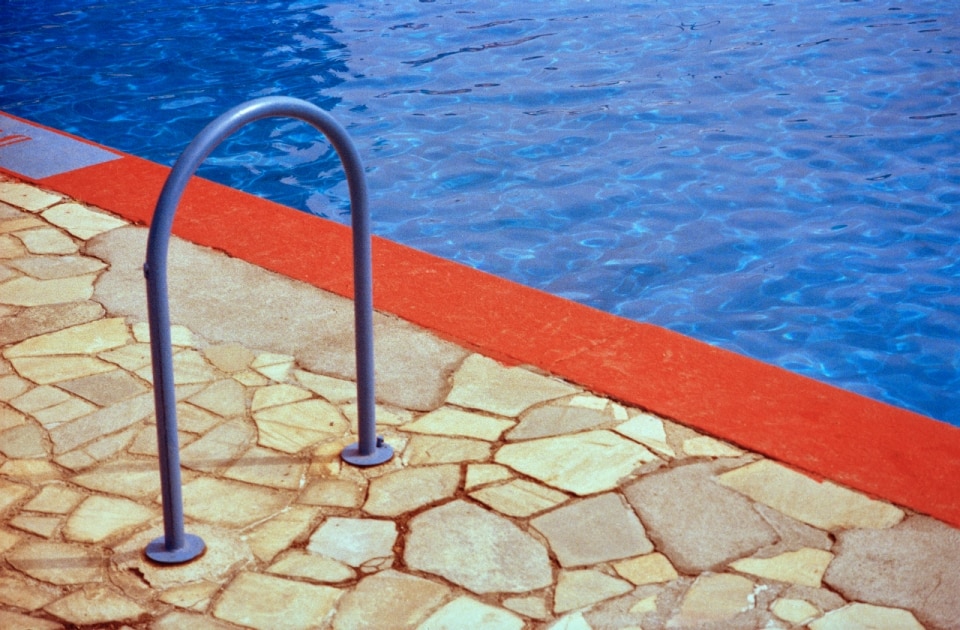
These pools’ rounded corners were a novel feature, but one that CONI, the sports authority that managed the facility at the time, strongly opposed as it was not well suited to competitive use. However, the architect was convinced of its merits.
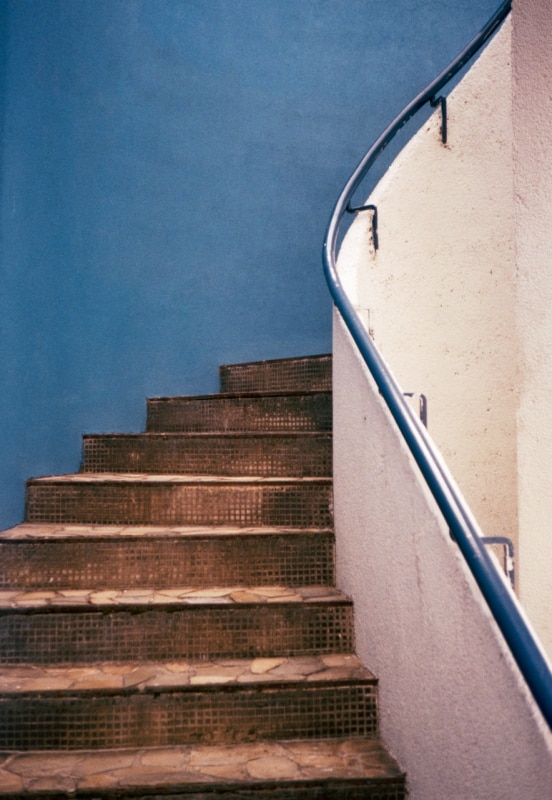
The curved line thus became the basis for all elements of the project: it was repeated in the entrance, bar, restrooms, showers and changing rooms, and the solarium planned for the roof was connected by a spiral staircase. Even the exterior feature was a large disc placed above the herringbone brick boundary wall. Arrighetti wanted to present a different concept of a swimming pool, one that was far removed from the monumental sports facilities of the era: not competitive, but everyday; not celebratory, but accessible.
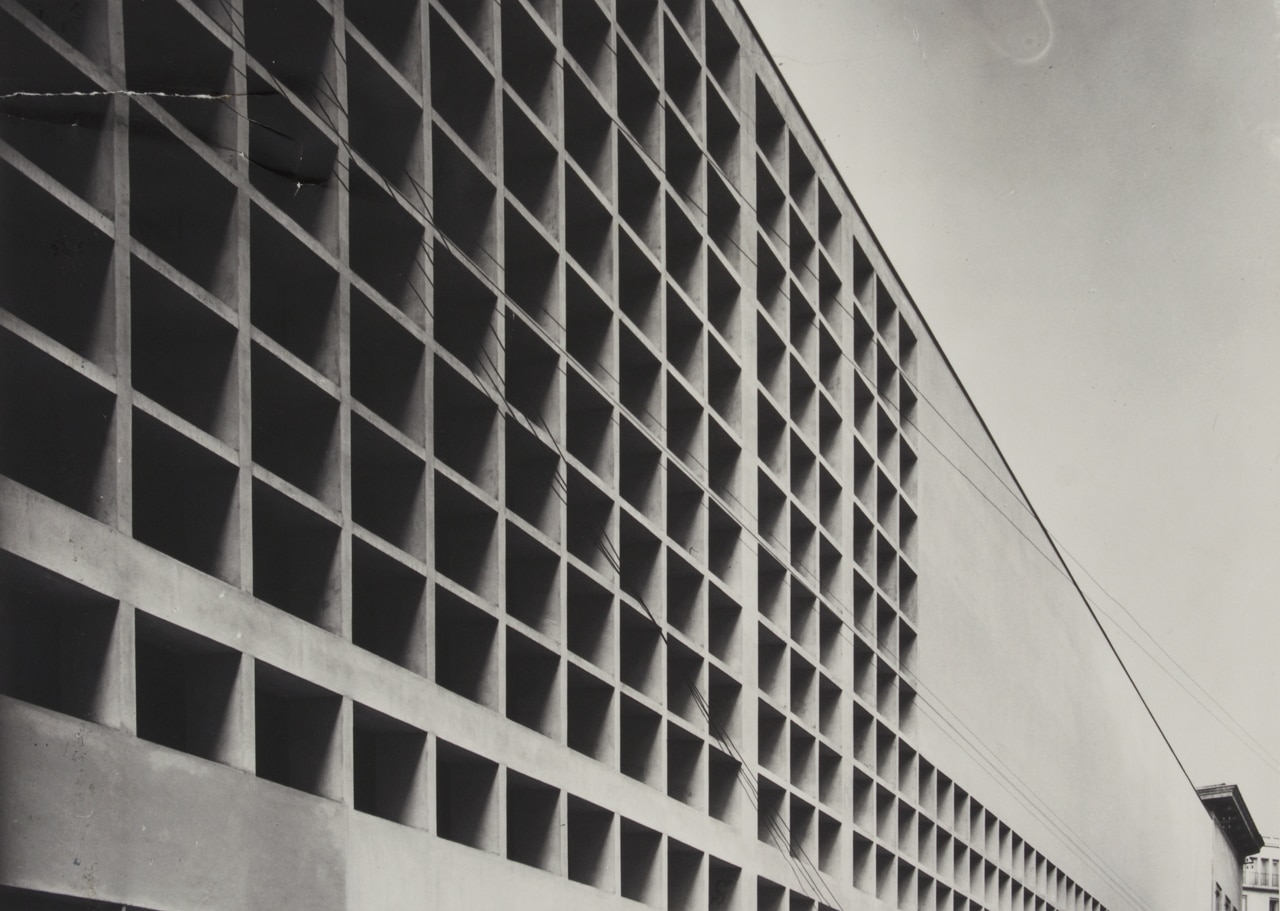


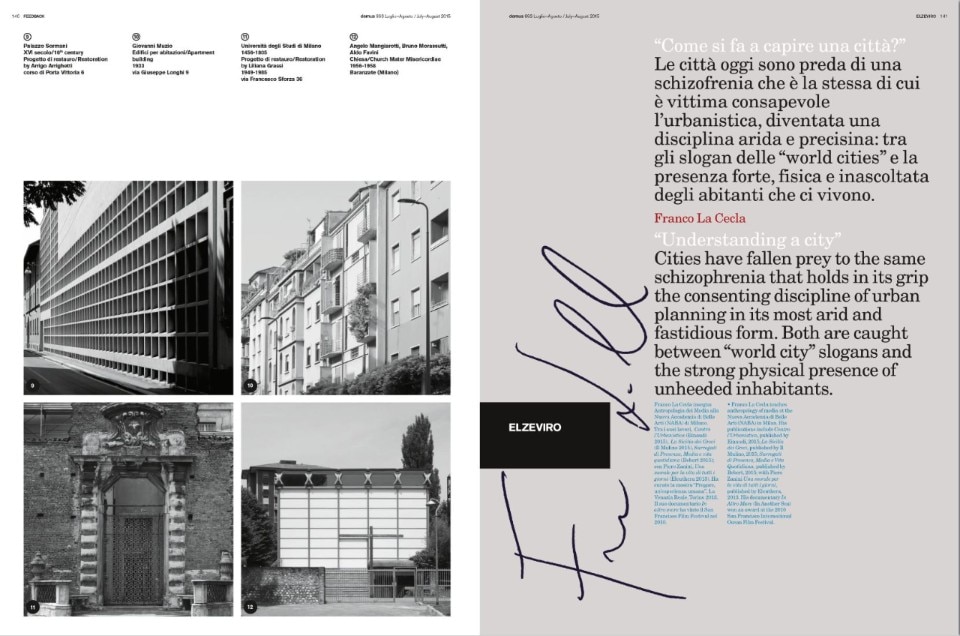
t is no coincidence that the Argelati remains one of the rare cases where a public infrastructure has succeeded in being a highly appreciated work of architecture and an essential service deeply rooted in the city’s collective memory at the same time. Generations of children learned to swim here, while families, young people and the elderly turned the large lawn surrounding the pools into an urban beach. Long before Milan began to question the scarcity of green spaces and cooling areas, the Argelati created a free, accessible space. Then, something changed.
Together, we are imagining the future of the Piscina Argelati
Structural and system issues led to the Argelati’s closure in 2022. Three years later, the Municipality of Milan allocated a public investment of 28 million euros for its conservative restoration, an intervention that is still ongoing.
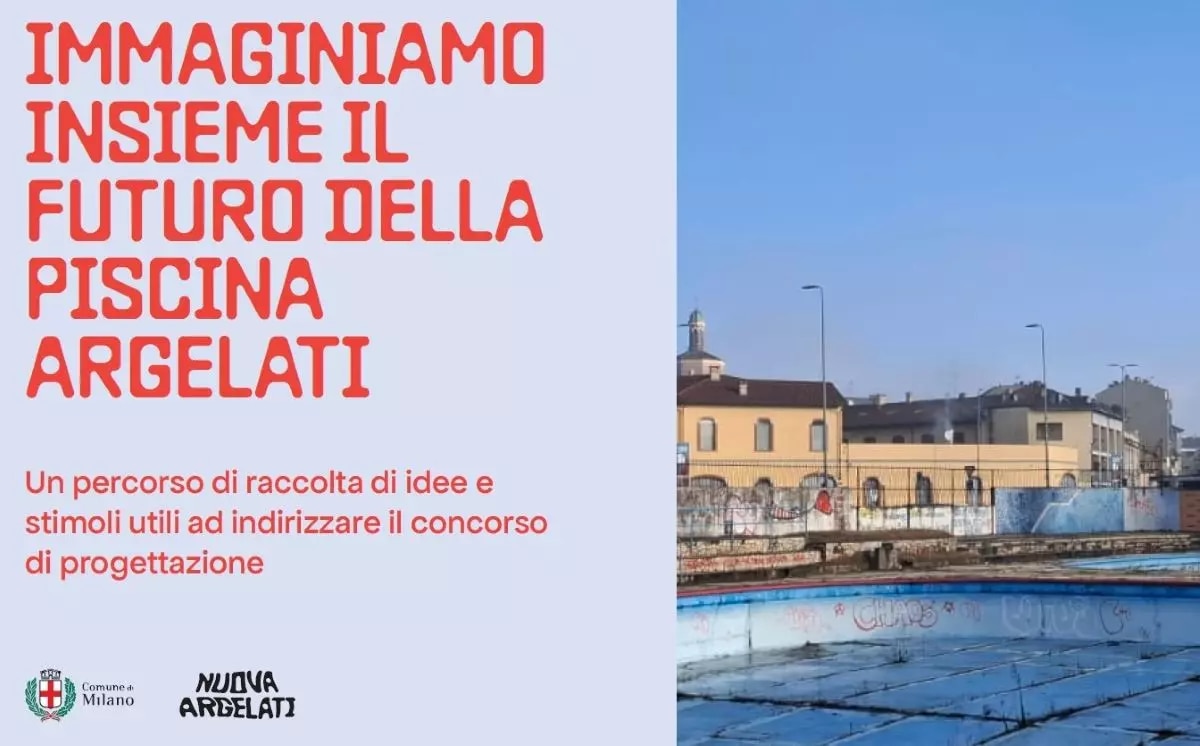
At a time when the debate over the progressive disappearance of truly public swimming pools in Milan is more heated than ever, the Argelati case is unique in that, from the outset, the municipality chose to finance the project exclusively with public funds and to design its future with its citizens. The participatory process, “Immaginiamo insieme il futuro della Piscina Argelati” – “Let’s imagine the future of Piscina Argelati together” – involved associations, stakeholders, experts and residents in defining the redevelopment guidelines over a period of two months.
The restoration will therefore be funded entirely through public funds via an international design competition, the guidelines of which will be dictated by the Documento di indirizzo alla progettazione, also known as DIP – the project brief – which also incorporates the outcomes of the participatory process. The aim is to select the winning project in early 2027, begin construction in the second half of the year and subsequently entrust Milanosport with the management of the facility.
The current idea is to create a sports centre with a retractable roof over the pools, so that it can operate year-round, and to keep the pool public, inclusive and economically accessible. “A place that combines the historic recreational and sporting vocation of the bathing centre with a profound social function, dedicating spaces and activities to young people and the elderly, with evening opening hours as well,” reads the Municipality of Milan’s website, which also envisages educational and wellness activities in spaces adjacent to the pools and the redevelopment of outdoor areas to include new green and shaded spaces.
The new Argelati could become one of the city’s first examples of reclaiming twentieth-century public infrastructure, combining architectural conservation, climate adaptation and civic participation.
“Piscina Argelati is not just a sports facility, but a part of the city and of collective memory,” declared councillors Martina Riva (Sport), Gaia Romani (Participation), Emmanuel Conte (Budget) and Marco Mazzei (Public Space). “This is why we chose to start by listening to hundreds of citizens, associations and local organisations. Today, we have a clear vision: a public, accessible, inclusive swimming pool that can operate all year round. The next step will be to translate this vision into a project that does justice to the history of Argelati and meets Milan’s expectations.”
If the project is approved, the new Argelati will not simply return to being the swimming pool where generations of Milanese learnt to swim. It could become one of the city’s first examples of reclaiming twentieth-century public infrastructure, combining architectural conservation, climate adaptation and civic participation. In a city where the number of public swimming pools shrinks every summer, the rebirth of the Argelati could demonstrate an alternative approach: continuing to invest in public spaces as common goods.
Opening image: Arrigo Arrighetti, Argelati Swimming Center, Milan. From the book Swimming Pools in Milan (Artphilein, 2023). Photo Stefan Giftthaler