

Something as seemingly simple as a highway carries a strategic, logistical, and geopolitical importance that we often overlook. On a global scale, one of the largest infrastructure projects currently being developed is located in Africa: the Trans-West African Highway, part of the broader Trans-African project.
Once completed, the road — already referred to as the “Lagos–Abidjan Corridor” — is expected to be 1,028 km long and will connect many of West Africa’s largest cities: Abidjan, with 8.3 million inhabitants; Accra (4 million); Lomé (2 million); Cotonou (2.6 million); and Lagos, with an estimated population of nearly 20 million. Construction is expected to begin this year, and completion of the works is ambitiously scheduled for 2030.
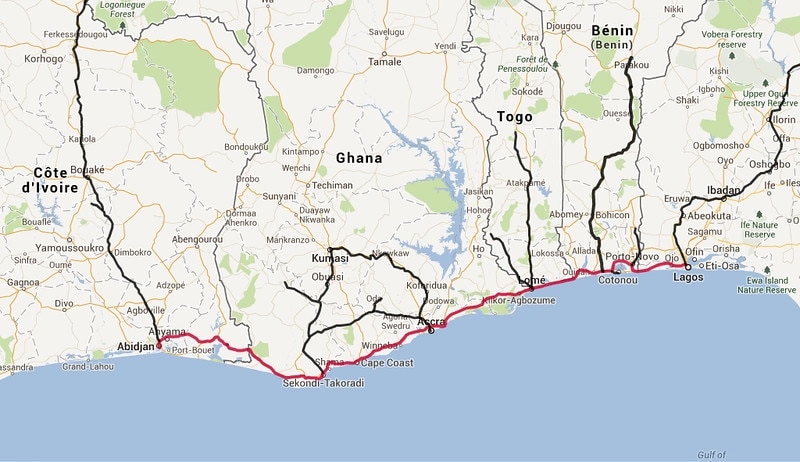
The project was conceived and is being led by the Economic Community of West African States (ECOWAS). The objective is to foster greater regional stability through shared infrastructure and by facilitating trade and movement between countries.
Funding and international cooperation
Initial approval of the plan — which appears destined to significantly reshape West Africa’s coastline — dates back eight years. Early estimates place the required investment at more than USD 15 billion. The project is expected to create over 70,000 jobs and to affect an estimated 173 million people by 2050. Among the key investors is the African Development Bank (AfDB), which has already co-financed USD 25 million for feasibility studies and USD 853 million for Special Agro-Industrial Processing Zones associated with the corridor.
Creating stability in the region from a common infrastructure.
There are also partnerships with international actors such as the European Union, which has committed EUR 150 billion through its Global Gateway strategy; part of these resources will be directed toward the Lagos–Abidjan Corridor, covering around 45% of the required investment. “These projects,” stated Kurt Cornelis, Head of Cooperation of the EU Delegation to Nigeria and ECOWAS at the time of the plan’s approval, “are complemented by institutional capacity-building actions, also aimed at supporting ECOWAS and its Member States in facilitating trade and improving the region’s competitiveness.”
Economic development and environmental risks
One of the most significant aspects is that many of the cities involved in the project are key ports for trade flows entering and leaving the region. From here, goods and raw materials are shipped worldwide. In particular, the project is expected to improve access to eight ports. Export costs are therefore projected to decrease by 30%. According to the AfDB’s Spatial Development Initiative, the expected economic impact of the project amounts to USD 16 billion, with regional GDP projected to increase by 7% by 2035.
While the highway appears to represent a clear economic step forward, it is less certain that it will not pose environmental risks. A report submitted to Nigeria’s Federal Ministry of Environment by the Department of Environmental Assessment notes that building the highway along the coastline could threaten local ecosystems. According to the report, “natural features such as swamps, mangroves, and wetlands complicate foundation works and roadbed construction. It is crucial to strike a balance between development and environmental conservation, with efforts aimed at minimizing damage to local ecosystems and wildlife habitats.”
Architectural potential
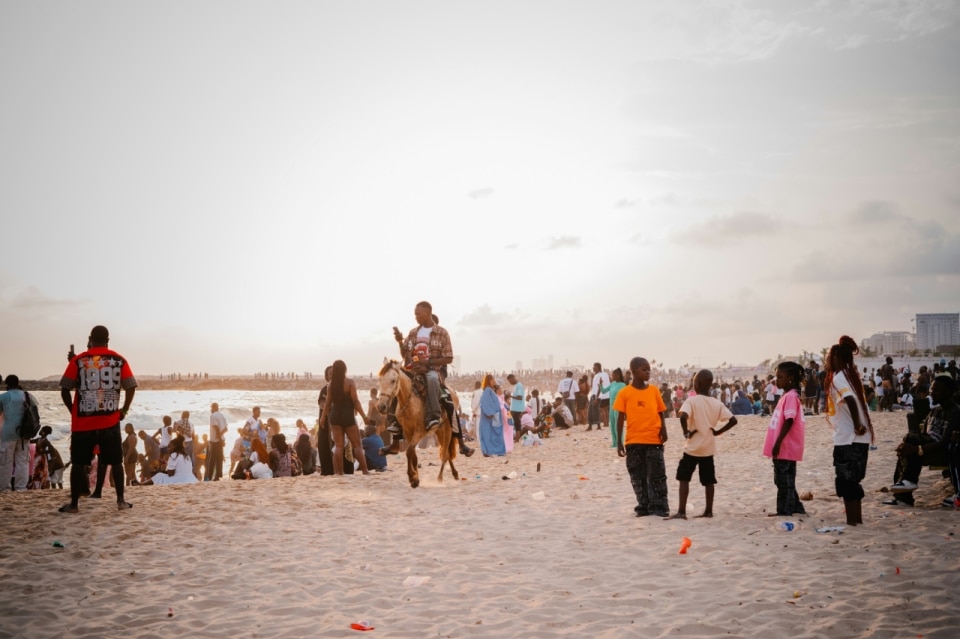
Beyond potential commercial development, questions are also emerging about the architectural opportunities the project might generate: from border posts between countries to hotels and buildings along the road and coastline, the architectural potential could be equally significant. Particular attention is being paid to spaces that exist along border lines, such as exchange points, markets, and nodes of the informal economy.mThe project is also expected to make large stretches of beach — currently private and inaccessible — public. It remains unclear whether this will open access for local communities or instead drive further commercialization of shared spaces.
In short, many issues remain open, and the project’s full impact may only become clear once construction is complete. One thing is certain: this massive new highway seems set to permanently reshape the face of West Africa’s coastline.
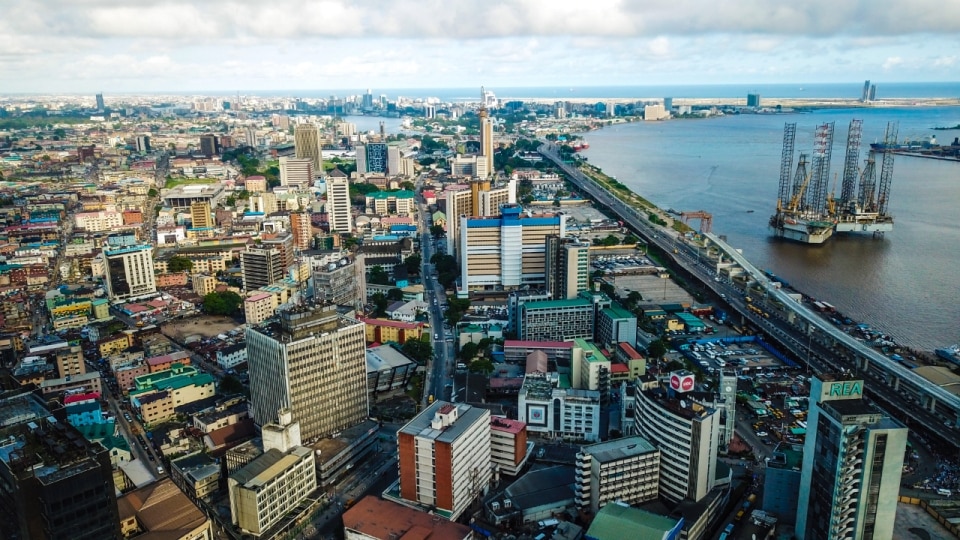
Opening image: Aerial view of Marina commercial business district Lagos Island Nigeria. Photo by Terver from Adobe Stock