

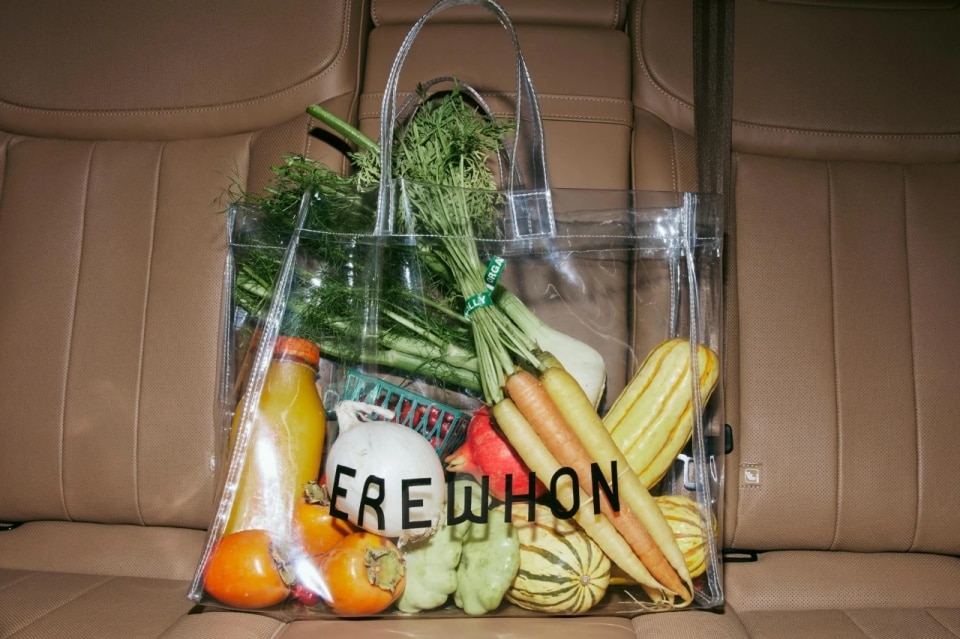
Erewhon is a supermarket, but calling it a supermarket is like calling Cartier a watch shop. Technically true, but essentially misleading. Erewhon is a cultural phenomenon, a social badge, a movie set where the aisles are the scenery and the customers are the actors. No one just goes grocery shopping — they go to be seen grocery shopping.
The name is an anagram of Nowhere. It comes from Samuel Butler’s 1872 satirical novel describing a dystopian world. The irony fits perfectly. Because Erewhon today is exactly that: a place that exists and doesn’t exist, located in Los Angeles yet replicable anywhere money concentrates enough to turn food into status. A world where normal rules don’t apply, where paying twenty-two dollars for a bottle of super-oxygenated water is fine.
Butler imagined a world turned upside down, where social conventions were reversed. Erewhon today isn’t so different. It’s where normal becomes luxury, luxury becomes necessity, and necessity becomes identity — a perfect anagram of nowhere that exists in a very real place, telling us something clear about where we’ve ended up.
Erewhon is a world where normal rules don’t apply, where paying twenty-two dollars for a bottle of super-oxygenated water is fine.
Founded in the 1960s by Michio and Aveline Kushi, pioneers of macrobiotics, Erewhon began as an attempt to make healthy food accessible. That word — accessible — now feels out of place. Erewhon has become the opposite. It’s gone full glitz’n’glam, as Angelenos say when they mean shiny and expensive but discreet. No visible logos, everything quiet luxury.
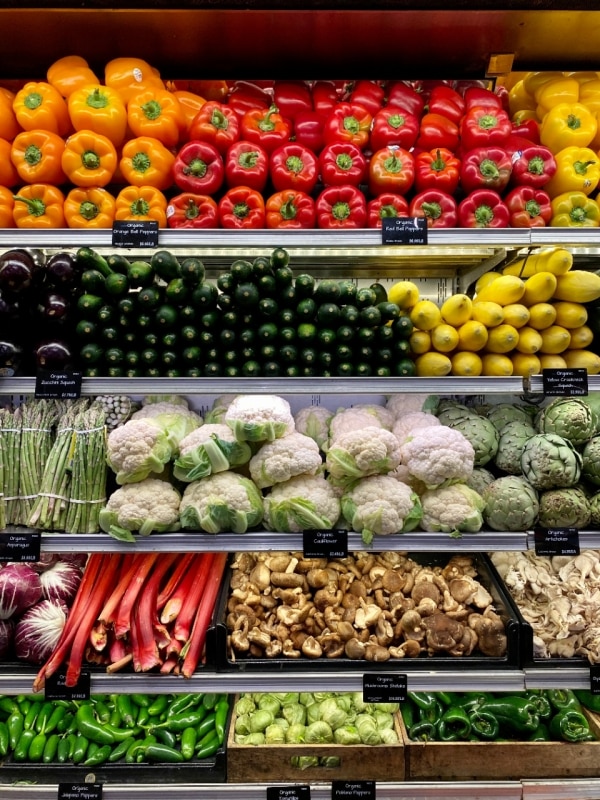
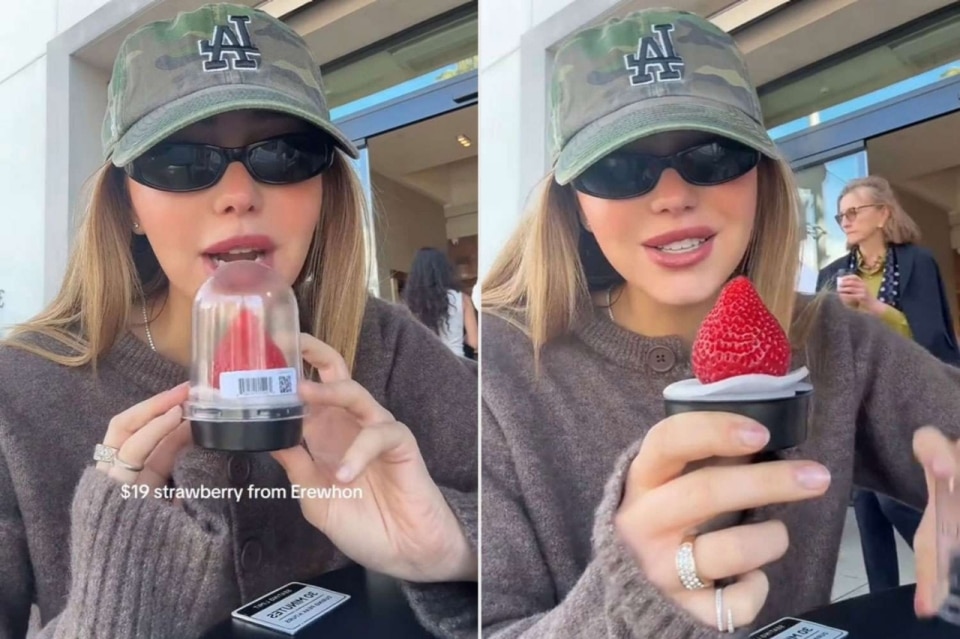
The shelves are curated down to the millimeter. No loud brands, no packaging that breaks the aesthetic spell. Products are organic, sustainable, clean — words that once meant something and now mostly mean expensive. The store’s strict standards ban artificial preservatives, synthetic dyes, and GMOs. These rigorous ideals justify prices 20 to 40 percent higher than regular supermarkets — sometimes much more.
There are energizing patches. Super-oxygenated water for twenty-two dollars. Pillow sprays that stimulate the vagus nerve. Every kind of product for what the internet calls the almond girl.
@thehungryfoodie $26 for water is crazy 😱 #erewhonmarket #erewhonhaul #erewhon #erewhonreviews #erewhonfavorites #erewhonreview #expensivefood ♬ original sound - Kelsie Flaim
Do you believe in oxygen water? Science says it’s useless, but Erewhon isn’t about what science says. It’s about what the price says.
Because the absurd price is part of the appeal: the higher it goes, the more desirable it becomes — a paradox marketing has always known, here reaching the purity of a mathematical formula.
Erewhon’s customers — erewhonians — have their own rituals. They plan outfits knowing they might be photographed by paparazzi or appear on an influencer’s live stream. There’s complimentary valet service. You don’t have to worry about parking; someone does it for you. A small detail that says something big: here, there are no ordinary hassles. Here, you’re protected from the banalities of normal life.
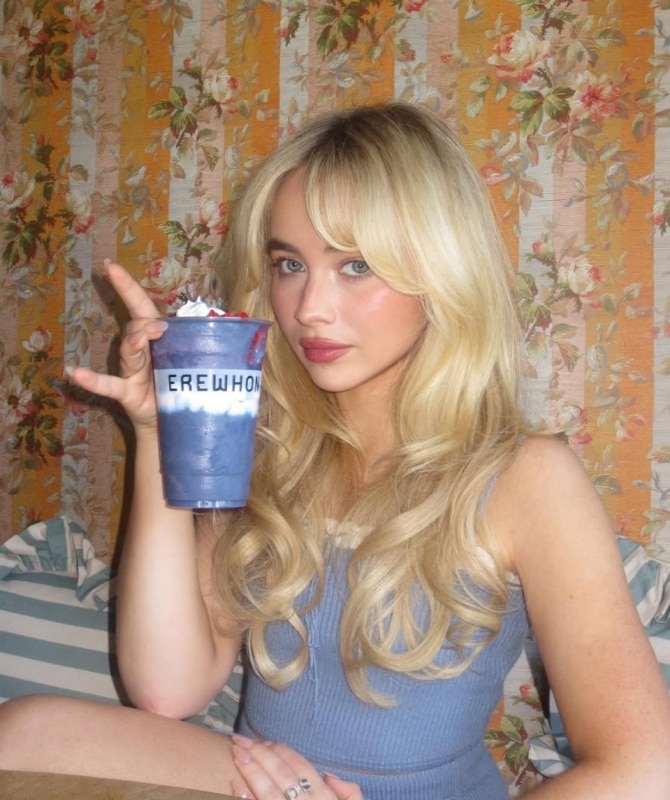
On social media, Erewhon has become a full-blown obsession. There are videos documenting every aspect of the experience, from the parking lot to the aisles, detailed price breakdowns, even complaints from customers who didn’t receive the freebies others did at pickup. The supermarket has turned into endless content — a viral case study where everyone can take a stance: admire it, mock it, or just watch, fascinated by this theater of contemporary consumption.
Los Angeles is the perfect setting for it. A city built on appearances, where reality has always been negotiable. Where the body is a project, health is an aesthetic, and wellness is a brand. Erewhon is the logical consequence of a culture that turned eating into identity and identity into content.
You are not what you eat. You are what you buy — and where.
Opening image: courtesy Erewhon