


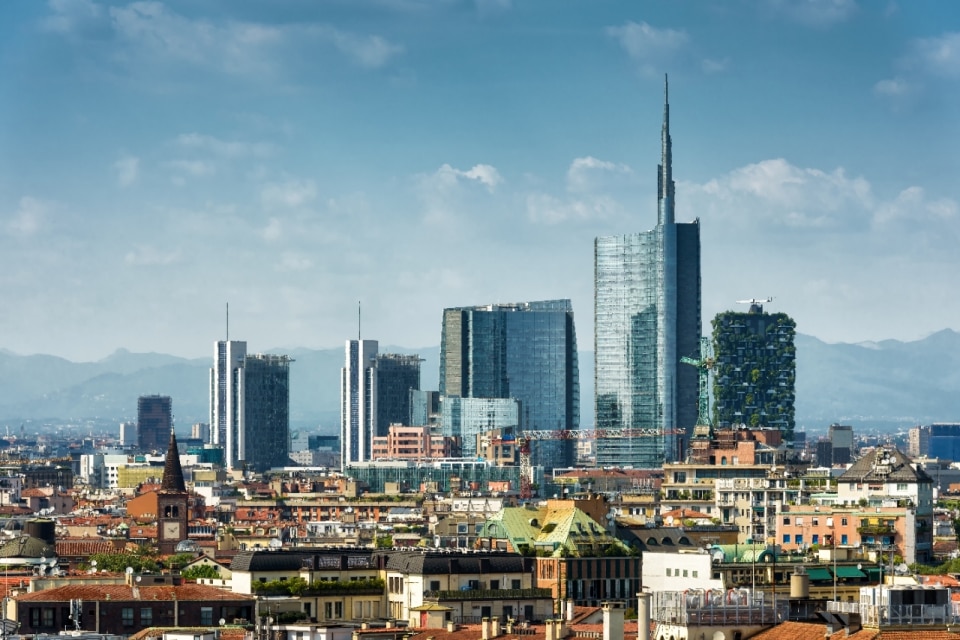
Over the past fifteen years, Milan has undergone a continuous transformation which—ten years after the Expo and following the pause imposed by the pandemic—has consolidated its position among the world’s leading cities, with new buildings, districts, and redeveloped areas aligned with the goals of the 2030 City Plan (PGT).
This is the latest phase of a longer trend of growth. From the postwar years to today, living in Milan has been the dream of many, with steadily increasing demand. According to a study by the Bank of Italy (Cannari, D’Alessio, Vecchi, Housing Prices in Italy, 1927–2012, Issues in Economics and Finance, No. 333, June 2016), housing prices in Milan remained stable until the mid-1960s, then began to rise sharply, with the average price index climbing from 1 (1941) to 171.9 (1966), and nearly tripling in real terms between 1970 and the early 2010s.
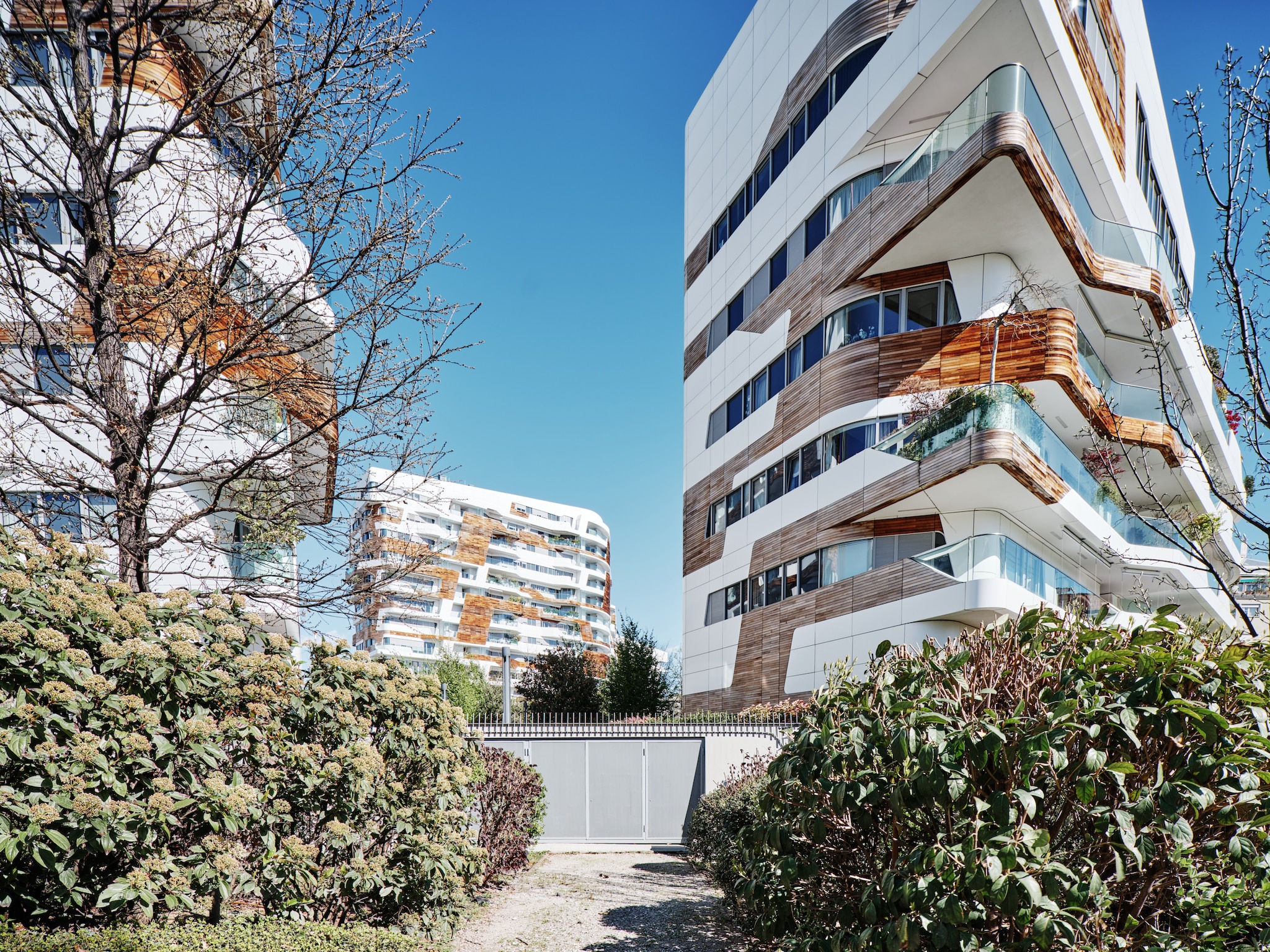



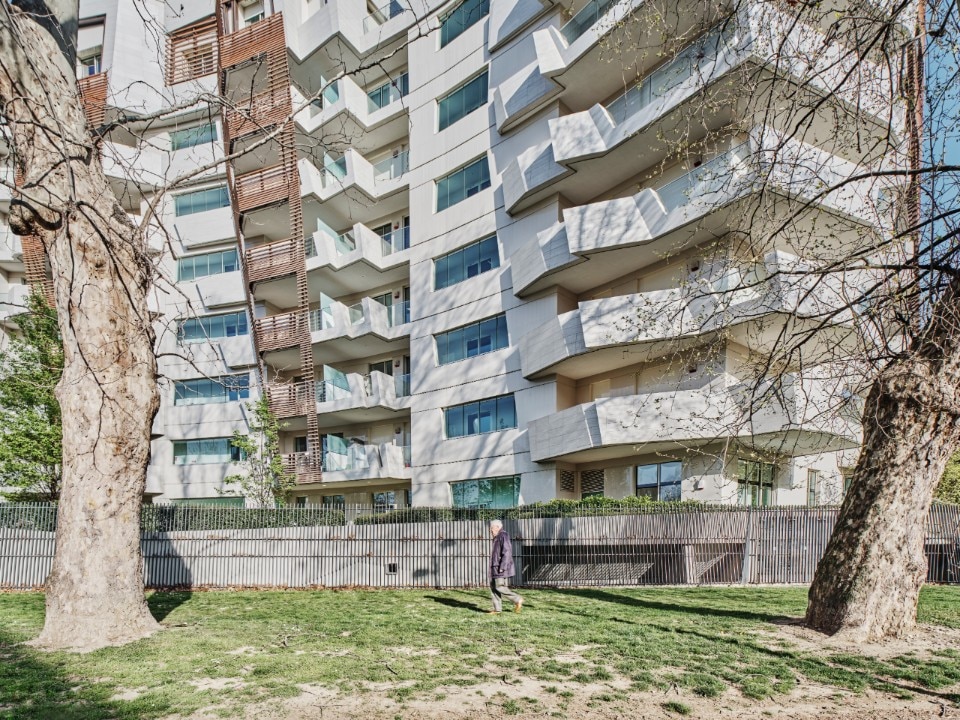
But alongside this boom, recent urban planning investigations have also revealed the cracks in the so-called “Milan model”: the heavy influence of private investors on urban development, a narrative of neighborhoods that fails to erase social inequalities, and—as Lucia Tozzi observes in The Invention of Milan (Cronopio, 2023)—a balance between growth and inclusion that has yet to be achieved.
This survey aims to offer an updated and concrete picture of the state of the art of the Milanese real estate market, with the goal of identifying some key elements to understand what is happening in the city and Milan's role in the international scenario.
The state of the art and accessibility of housing in Milan.
As Vicenzo De Tommaso, Communication Manager at Idealista , told us, the Milanese market is now registering price growth of between 3 and 3.5 % per year, steady, but more restrained than in the last five years when the increase exceeded 40%. Although it is a slower growth phase – due to the already high level of prices and the effects of extraordinary measures such as superbonus and subsidized mortgages – the appleal of Milan, especially for buyers arriving from abroad, shows no signs of waning.

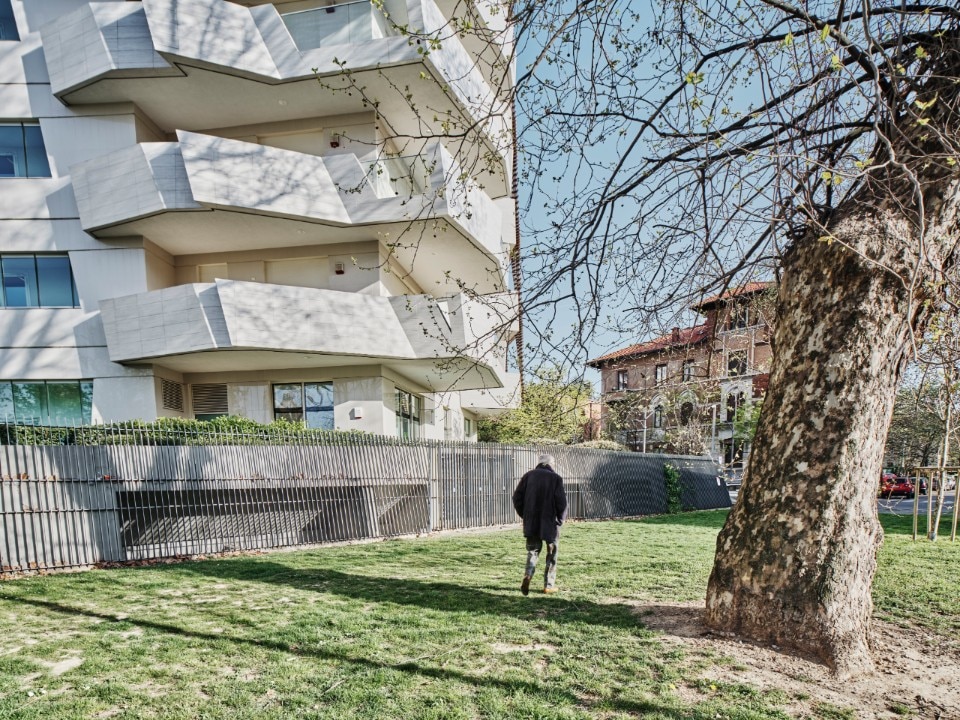
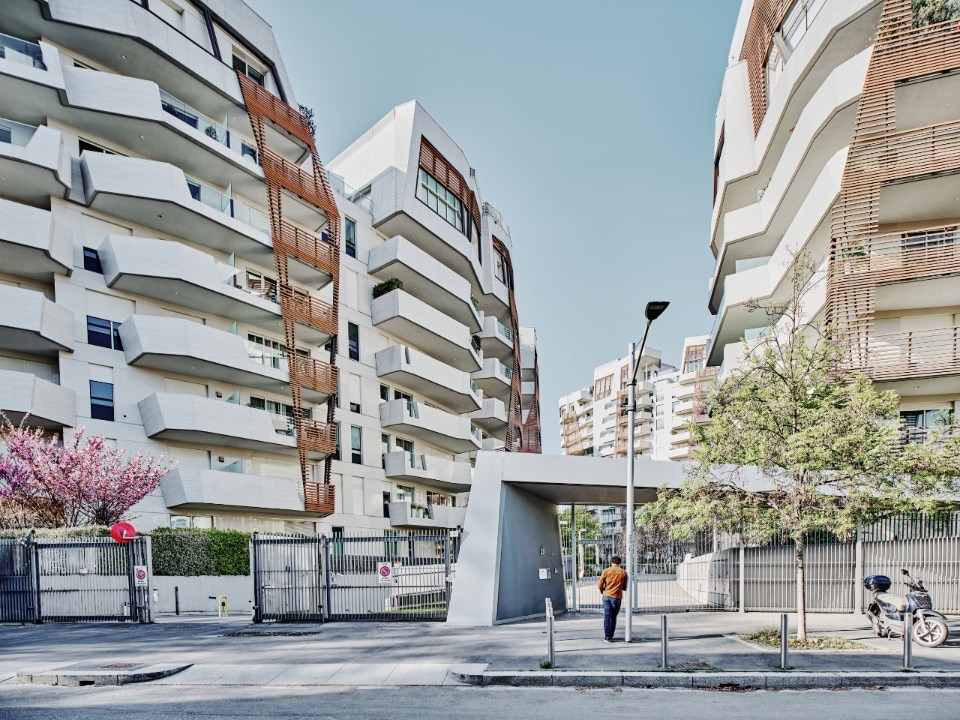
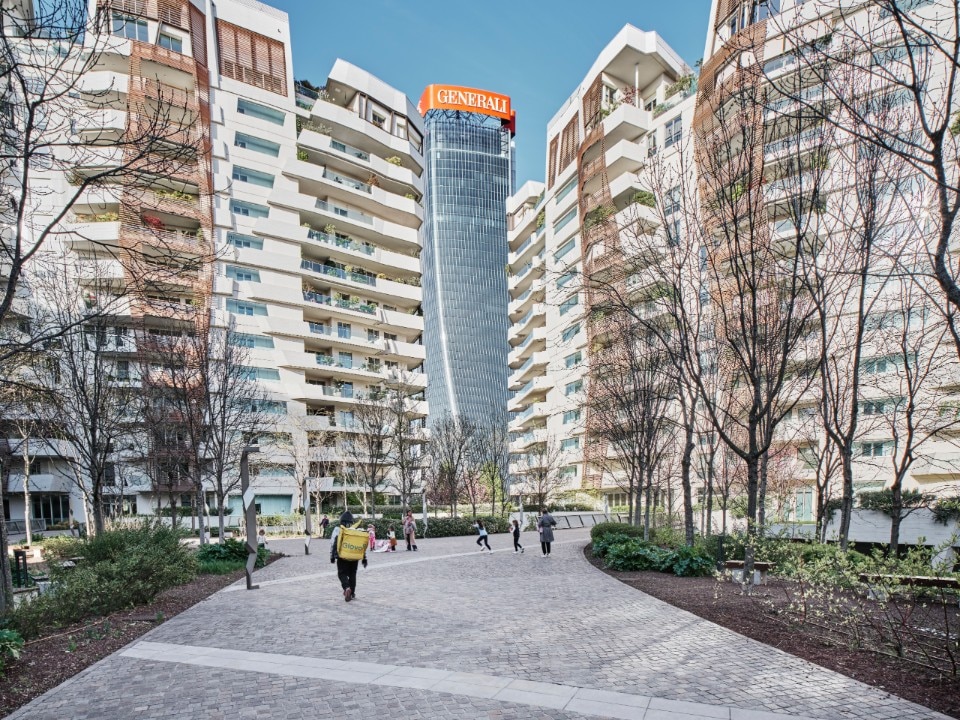
In fact, it is in relation to the global scenario that the city's real estate market should be read today, starting with the Brexit that has favored the migration from London to Milan of the headquarters of multinational companies, with the consequent displacement of professionals with higher salaries than the Italian average, along with the tax incentives provided for the so-called "return of the brains." But the flat tax for the super-rich has also made the Lombard capital the place to be for millionaires: according to a study by Henley & Partners, Milan is the third city in Europe for the number of super-rich residents after London and Paris. As evidenced by news such as LVMH Group CEO Bernard Arnault's purchase of the Casa degli Atellani with the attached Vigna di Leonardo, the luxury real estate market is booming. Immobiliare.it reports that 8 billion in value has been reached by 2024 (up 35 percent in five years), and renovated neighborhoods such as CityLife are reaching €23,000/m².
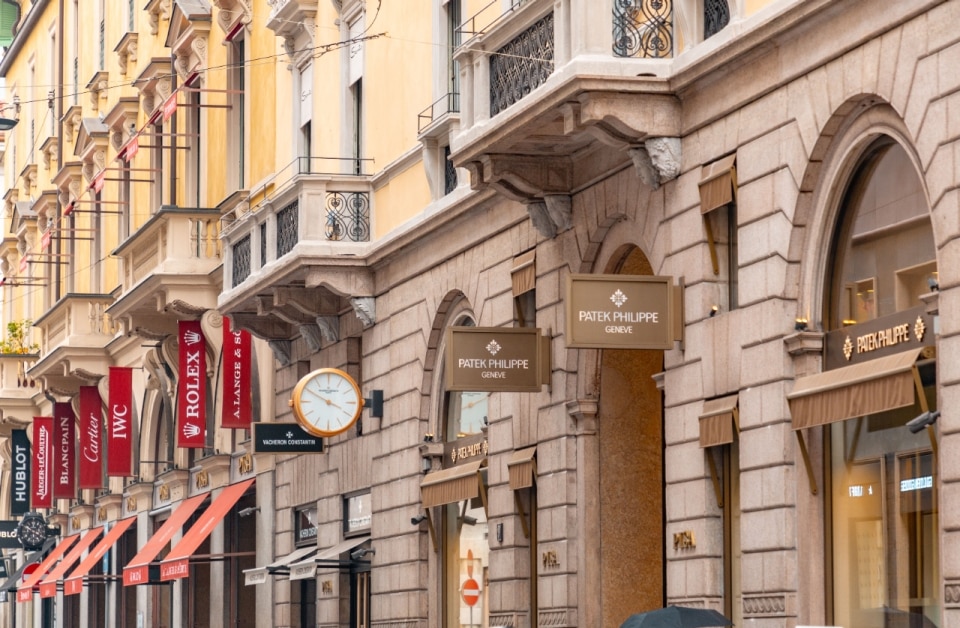
In this scenario, while on the one hand the New York Times tells how millionaires in the Big Apple prefer renting instead of buying, for reasons of flexibility, liquidity and lower tax and insurance burdens, on the other hand on Tik Tok you can find videos of foreigners telling why buying a property in Milan is one of the best investments you can make, while via Montenapoleone is now the most expensive shopping street in the world, with average receipt of 2,600 €.
And if luxury buyers choose their properties within the "Cerchia dei Bastioni" or in the most exclusive neighborhoods just outside, the middle class has to deal with prices that are increasingly prohibitive. From data compiled by Idealista, in the second quarter of 2025, the average housing price reached €5,104/m², an increase of +2.4 percent over the previous quarter.
These rising lines between the abscissas and ordinates of the graphs related to the surveys of the Milan housing market are a trend that puts increasing pressure on home seekers, both in buying and renting.
Affordability and ereditocracy
Among numbers, percentages, and rising values, two central concepts of the book Milano per chi? by Massimo Bricocoli and Marco Peverini (LetteraVentidue, 2024) cannot be excluded from the discussion: housing affordability and ereditocracy.
Housing affordability, is "the ability of individuals and families to access and maintain housing in given urban settings, primarily with reference to the relationship between housing costs and economic capacity guaranteed by income and wages." In Milan, this possibility is being drastically reduced, and from the point of view of population redistribution in the city's neighborhoods, again Bricocoli and Peverini suggest how a spillover phenomenon to neighboring municipalities is taking place.
Even in neighborhoods considered to be suburban, it is found that the index of affordable square meters by price for the middle range corresponds to the cut of a studio apartment (considering the studies of OCA Affordable Housing Observatory), certainly not the most desirable type of housing, despite the trend of tiny houses would have us believe otherwise. Vincenzo De Tommaso from Idealista explained to us how after the pandemic, even the suburbs are no longer affordable, with areas such as Corvetto or Ortles seeing a 70-80% price increase.
And here another key concept gets involved, that of inheritanceocracy - a term Bricocoli and Peverini use to describe a city in which access to housing is increasingly dependent on pre-existing capital, often of family origin. It is no longer (or not only) the income that determines where people can live, but the availability of an asset base: an inheritance, or the financial support from parents. It turns out that 40% of purchases and sales between 2015 and 2022 took place without taking out a mortgage. Basically, the chance of living in many central neighborhoods – and now in parts of the suburbs as well – is reserved for those who can count on these resources.
Milan as an expanding city
"It is no longer demand that determines price but price that shifts demand," Vincenzo De Tommaso of Idealista tells us: many service sector workers, thanks in part to the possibility of working remotely, are looking for homes outside the ring road, prioritizing the comfort of the domestic space. Municipalities such as Lodi and Pavia offer competitively priced housing that allows people to consider housing solutions that are way more spacious than a small two-room apartment in the city. Milan is also expanding and attracting satellite cities outside the region, as seen with Turin in the past and as may happen with Genoa in the near future.
The spillover phenomenon mentioned above is confirmed by a report by Gromia Study Center this year, which cross-referenced Google search data and data from the Internal Revenue Service. This study found that while users' searches focus on the city center, embodying the misplaced dreams and hopes of citizens, transactions mostly take place in hinterland municipalities and neighboring provinces.
Speaking of numbers, an analysis by Abitare Co. on the residential real estate market for new construction in the Milanese hinterland with easy access to Milan, dated December 2024, shows that in 2023 more than 15,400 residents chose the province (+9.7 percent over 2019), favoring the 37 first-tier municipalities served by metro or rail link, where values are up to 59 percent lower than in the city. With 300,000 euros, about 40-50 sqm are purchased in Milan, while in the hinterland the average is 97 sqm, with peaks of over 100 sqm in Abbiategrasso, Vimodrone, Peschiera Borromeo and Rho, Senago. The picture is also enriched on the qualitative front: the hinterland is now perceived no longer just as an afterthought, but as a choice supported by a strengthened infrastructure network, large green areas, high-performance services (schools, sports facilities, mobility), and new realizations marked by sustainability and innovation.
Milan compared to major European cities
But how does Milan compare with major European cities? The average cost of about 5 434 €/m² for residential real estate, solid but far from the most expensive markets such as Munich or Zurich, is still lower than Paris, London, and Amsterdam according to data published by Global Property Guide in July 2025. In comparison, London scores central average values of 9 296 €/m², Paris 9 530 €/m², Amsterdam 8 350 €/m², Berlin 5 317 €/m², Madrid 5 316 €/m² and Barcelona just above 4 800 €/m².

According to Idealista, Milan turns out to be closer to Berlin and Madrid, cities that attract talent and capital and that, like Milan, show no signs of declining values, albeit with slower growth. Similar phenomena also emerge in Lisbon, where international attractiveness clashes with local residents' difficulty in meeting housing costs.
Opening image: Photo Unsplash