



Until not so long ago, real estate agents were little-regarded figures in the social(e) sphere; now, however, they are everywhere: appearing in Instagram feeds, YouTube teasers, on TikTok live feeds, on Netflix, turning home sales into an aspirational narrative. Ryan Serhant, in the United States, built an empire selling hundreds of millions of dollars worth of penthouses while racking up millions of views on social media. In London there is Daniel Daggers, the star of the show Buying London, in Mumbai, Rafique Merchant who reinvented the trade by condensing it into thirty seconds of perfect verticality. Italy does not lag behind, impossible not to have seen one of Gianluca Torre's videos, who not surprisingly has worked in advertising, or those Ida Di Filippo or Mariana D'Amico, the other face of the Real Time program, Home at First Sight.
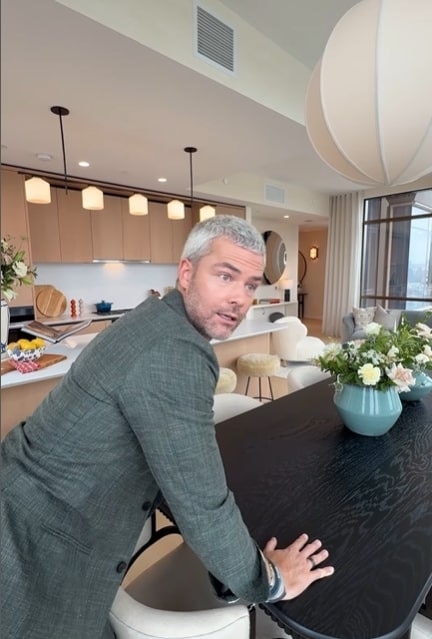
It is a global phenomenon, and it works because social media have turned the logic of the real estate market upside down: people are no longer just looking for a house but also for a lifestyle. Instagram, TikTok and YouTube are now hypnotic showcases where the ad disguises itself as a story and the tale as a dream: homes become sets for reality shows and TV programs, agents actors, the public an emotional audience that consumes architecture as if it were entertainment. The formats are multiple. The framing, however, transports you inside, and if you don't shake it off, you undergo a frenzied tour down immaculate hallways to the balcony with a view, or, at worst, you get emotional content that tells the story of the property. The opportunity for agents is obvious: instant visibility that breaks down geographic boundaries, the chance to create a direct connection with buyers and curious people, and the birth of a personal brand that becomes as much or more of a business tool than a physical office.
The boundary between real life and spectacle dissolves: the viewer inhabits houses he or she does not own, peeks into the refrigerators and bank accounts of strangers, and recognizes himself or herself in a cycle of images that feed desire more than reality itself.
The spectacularization, however, produces an aesthetic that risks trivializing architectural value, turning homes into fetish objects. Digital overexposure imposes a constant pace of production, where online performance becomes part of the work and real estate expertise risks giving way to the ability to entertain.
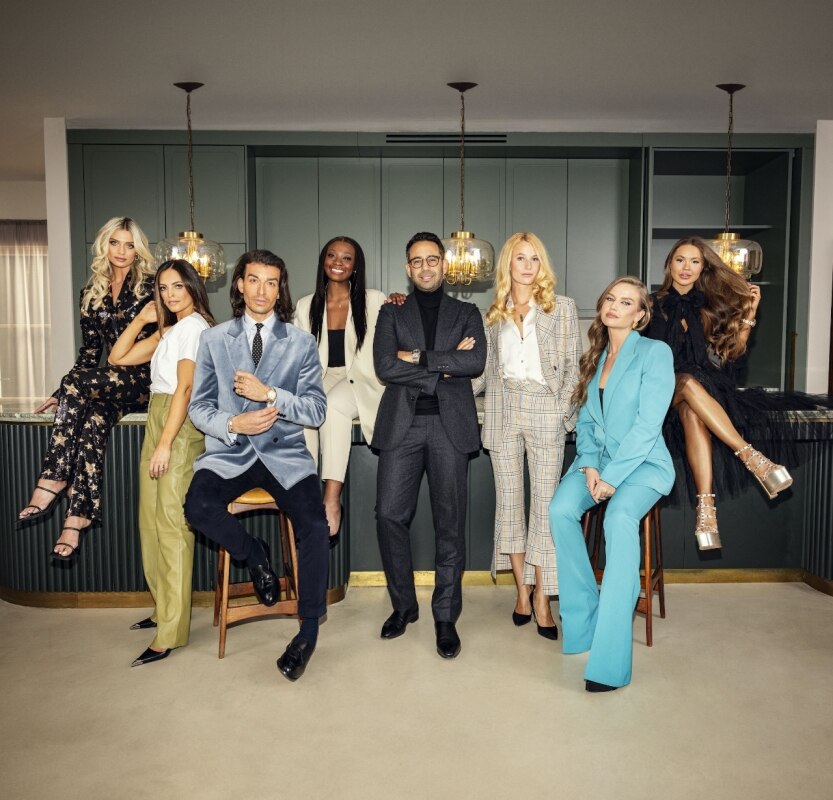
The agent-influencer phenomenon is intertwined with viral trends such as "let me see your house" or "how much do you pay in rent," where creators stop strangers on the street and follow them between makeshift kitchens and living rooms, transforming the intimate gesture of opening one's own front door into global entertainment. Here the boundary between real life and entertainment dissolves: the viewer inhabits houses he or she does not own, peeks into the refrigerators and bank accounts of strangers, and recognizes himself or herself in a cycle of images that feed desire more than reality itself. Agents-influencers insert themselves into this hybrid ecosystem, transporting the logic of sale within the dynamics of spectacle, as the home is increasingly reduced to a media surface, an object to be shared before it is inhabited.
This does not mean that the phenomenon is superficial in itself: it also tells of a profound cultural transformation. The relationship with the home is no longer only functional or aesthetic, but narrative: one wishes to inhabit not only the space, but the story that the space suggests, even if only in power. In this scenario, the agent-influencer becomes a hybrid figure, an interpreter of aspirations, a mediator between reality and spectacle, a teller of stories rather than of properties. What used to be measured in surface and location is now also measured in likes, shares and the ability to ignite the imagination of a community that may never buy, but will continue to watch. Home becomes image, selling becomes storytelling, and the profession of the real estate agent becomes a mirror of an age in which living is consumed in the same flow of desire as a trip, a dress or a designer object.
Opening image: Home at first sight. Photo Francesco Margutti