

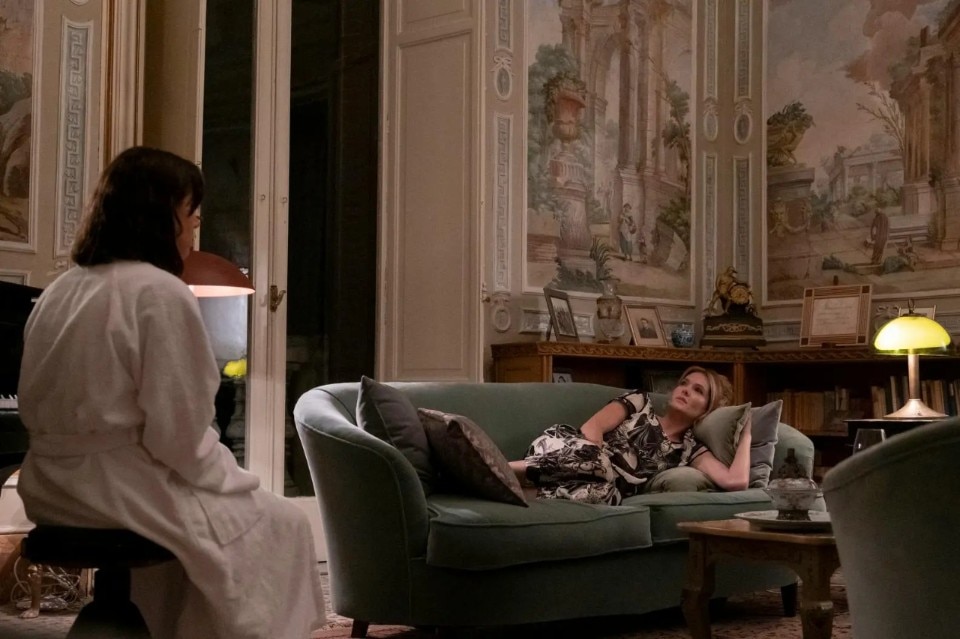
In the film Anora, a multi-award winner at Cannes and the Academy, the young billionaire protagonist spends his days gaming and partying in a lavish villa, beautifully furnished and originally built for a Russian oligarch. In the film, it was one of the most expensive locations: in 2013, the asking price was $30 million, although it was eventually sold for $7.2 million.
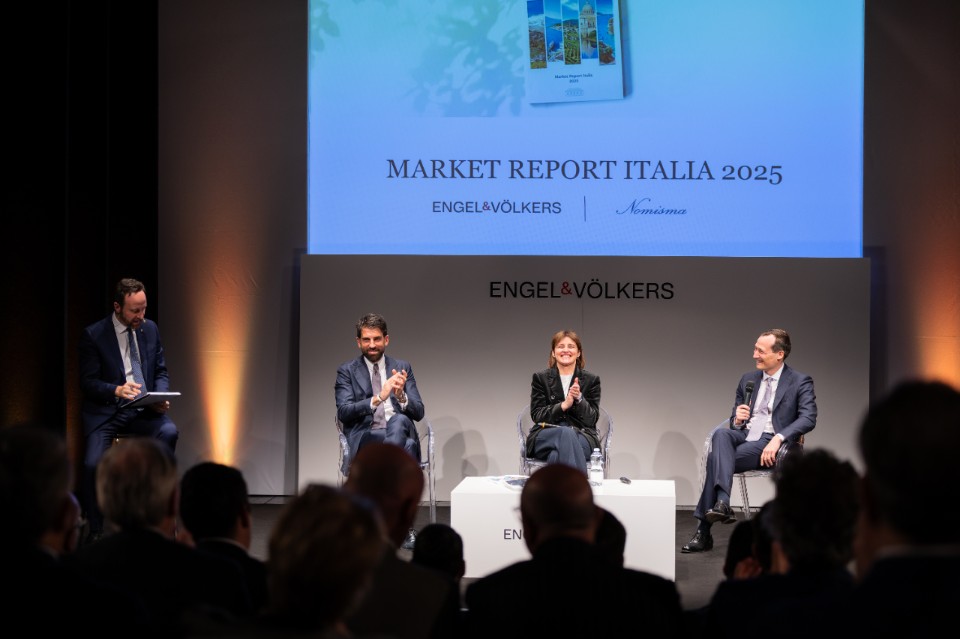
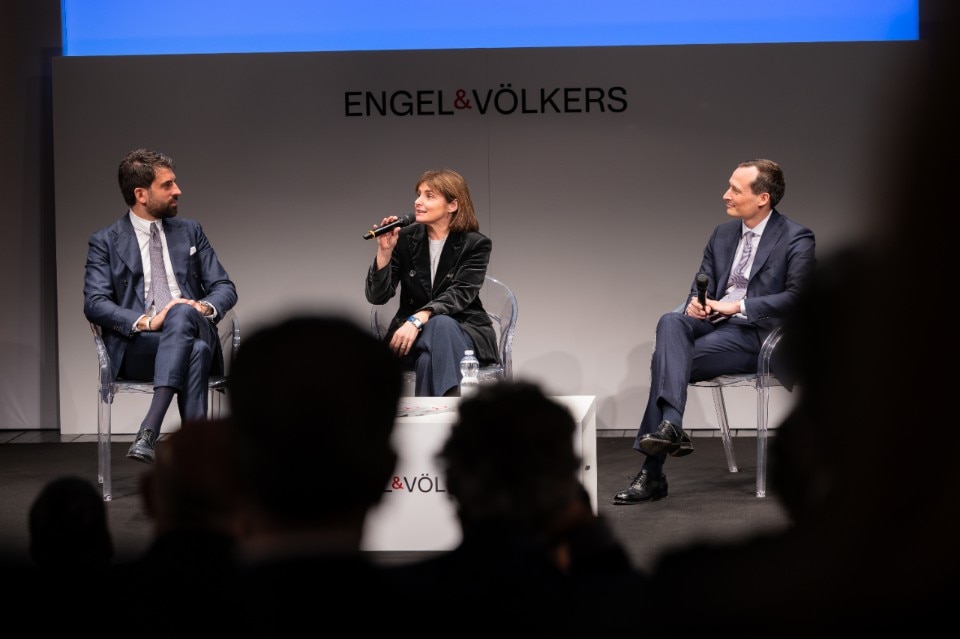
“In the social media era we live in, we must consider that today’s buyers also include millennials—people over 30, whom we define as high-spenders. They are aware, discerning, financially well-off, and they prefer ‘ready to live’ properties,” explains Elena Molignoni, Head of Real Estate at Nomisma, during the presentation of the first “Market Report Italia 2025” promoted by Engel & Völkers and focused on the luxury real estate market, created with the scientific support of Nomisma.

“The high-end market remains a niche segment, with its own dynamics. It is more demanding, faster-paced, and reflects a desire to move in with suitcase in hand. This undoubtedly presents a challenge for architectural firms, as there is extraordinary work to be done to meet the expectations of this specific demand segment. Work that involves not only structure and interior design, but also the protection of artistic heritage.” The report offers an in-depth analysis of the geographical areas covered by Engel & Völkers in 2024, with forecasts for 2025, spanning mountain and coastal destinations, art cities, and the islands of the Bel Paese.
“It’s not just Anora, which reflects a certain luxury clientele, but also series like White Lotus and The Leopard that have certainly brought attention back to fabulous locations in magical places—like Sicily, which has become a magnet for second-home investment, especially among foreign buyers. Compared to other destinations such as Croatia or Greece, Italy is simply Italy: it has enormous appeal. Post-Covid, Italy became a destination accessible even by car, not just by plane. This has transformed the country into a retreat—a glamorous one—full of charming residences.”
In 2024, prime areas saw stable price growth and increased demand, thanks to the rising interest in high-quality residences, with particular attention to energy efficiency and outdoor spaces. In major cities, demand is also growing in less central areas, partly due to ongoing urban development.
First-home purchases are driving the luxury market in the North, while the South is seeing a rise in investors, and foreign buyers are increasing in Central Italy. “Our analysis shows that the country’s most prestigious areas retain strong appeal, thanks to factors such as location, context, and property quality,” comments Muhannad Al Salhi, CEO of Engel & Völkers Italy. “We aim to meet the needs of both buyers and investors, with a real estate offering that is widely distributed across the country, as our data shows.”
In the North, first-home demand accounts for around 50% of high-end transactions, followed by second homes (35%) and investment purchases (15%). In Central Italy, first homes represent 35% of transactions, while second homes account for 45%. In the South and on the islands, first homes make up 30% of purchases, and second homes 42%. The most favored region among international buyers is Central Italy, with 60% of all transactions. Foreign buyers represent about 30% of the market in the North, and 35% in the South and the Islands.
In the Northwest, Milan remains the hub of Italy’s luxury market, with districts like Brera and the Quadrilatero reaching peaks of over €22,000/sqm for newly renovated residences. Other “prime” markets in the region include luxury destinations in Liguria—such as Portofino and Santa Margherita Ligure—Courmayeur and Cervinia in Valle d'Aosta, and the lakes of Northern Italy. Around Lake Como, renovated properties range from €4,000 to €10,000/sqm, making it a key reference point.
In Central Italy, Rome continues to see strong demand for residences in prestigious areas like the historic center and surrounding districts such as Prati, Parioli, and Pinciano, as well as EUR in the southern quadrant. Florence presents significant investment opportunities, and in the Chianti hills, historic villas can fetch up to €8,000/sqm, attracting foreign investors also interested in rural areas of Tuscany and Umbria.
The South and the islands hold particular appeal for international buyers. In Campania, Capri's properties with views of the Faraglioni are the most sought-after, alongside the Amalfi Coast, Ravello, Positano, and Sorrento. In Naples, the highest property values are found in Chiaia, Posillipo, and Vomero, while the historic center—a UNESCO World Heritage Site—attracts investment, with prices between €4,000 and €5,000/sqm.
Other sought-after destinations include Apulia and Sicily—Mondello in Palermo is in high demand, along with Taormina, Cefalù, and the Aeolian Islands. In Sardinia, Porto Cervo and Porto Rotondo remain the most prestigious locations.