

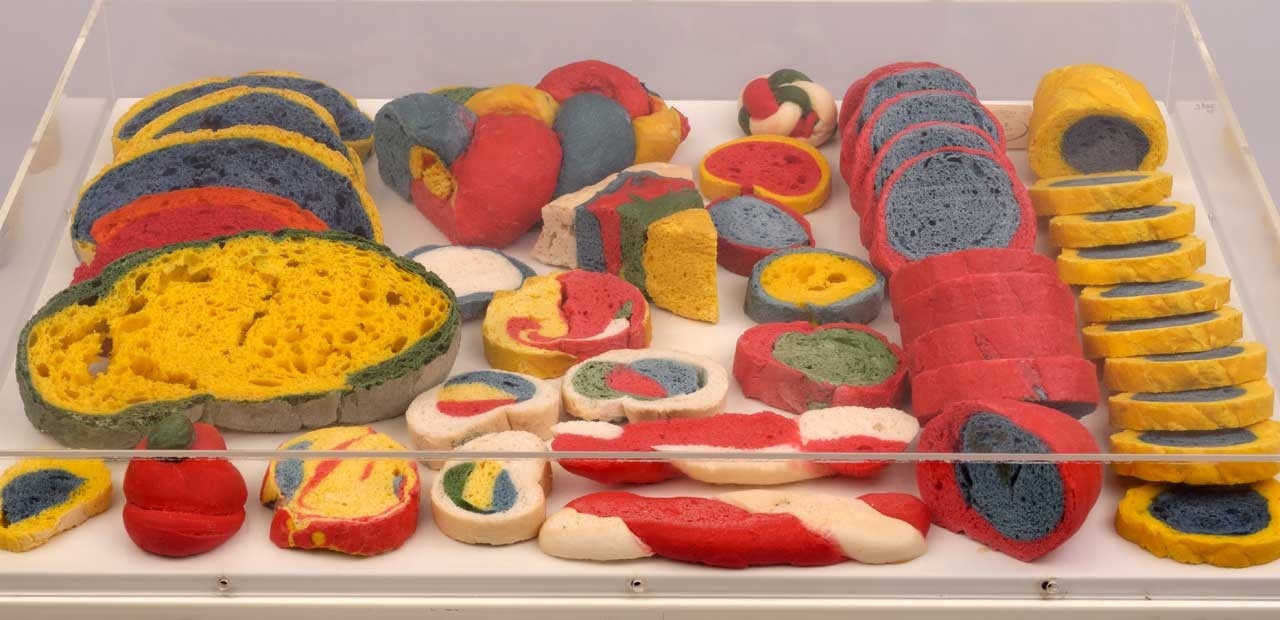
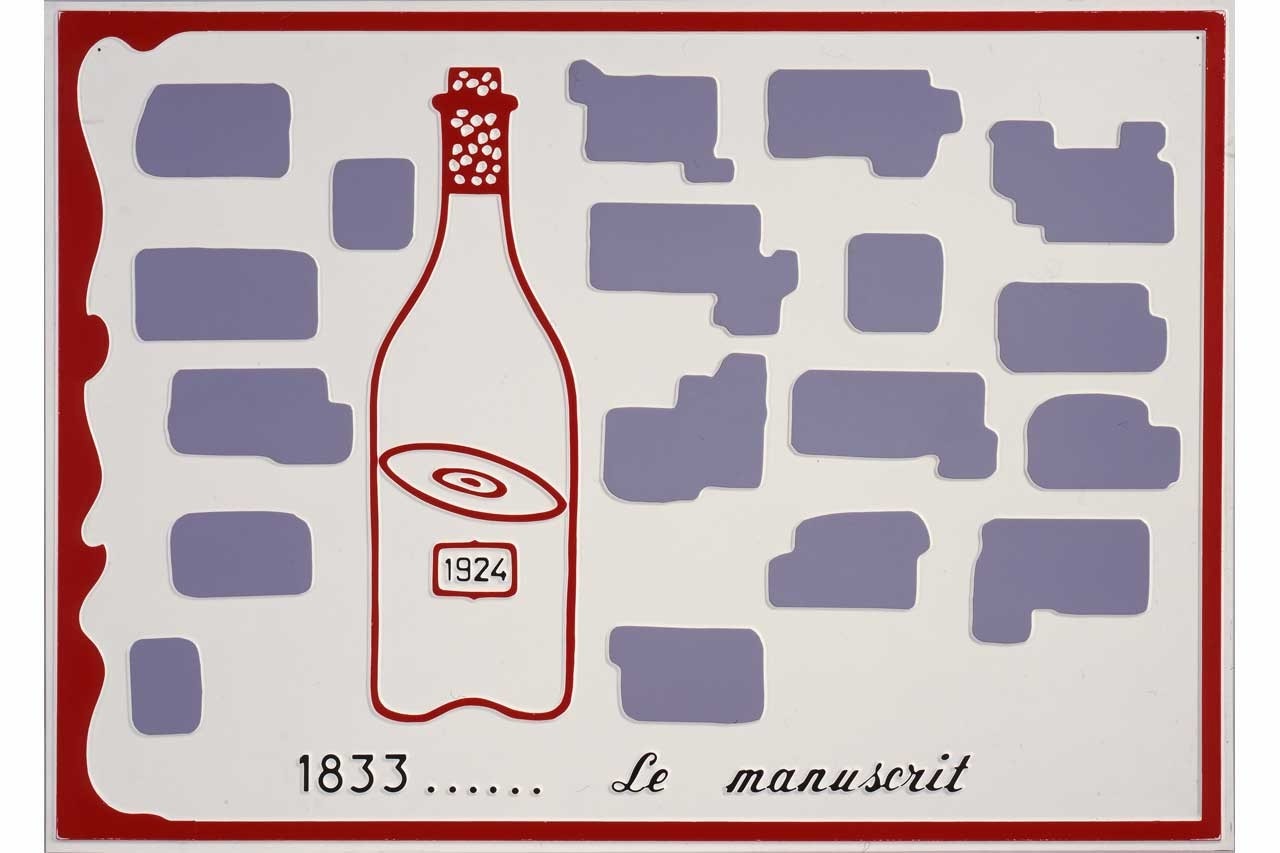
“Food” is an initiative of ART for The World, an NGO associated with the United Nations Department for Public Information, and is the result of an action carried out over three years (2012-2015) with different partner institutions and artists around these questions.
This travelling project has taken place in three different countries (in Switzerland, at the Musée Ariana-Genève, in Brazil at SESC Pinheiros- São Paolo, in France at MuCEM in Marseilles) within three institutions that have been able to make this project possible with the support of their teams and their resources.
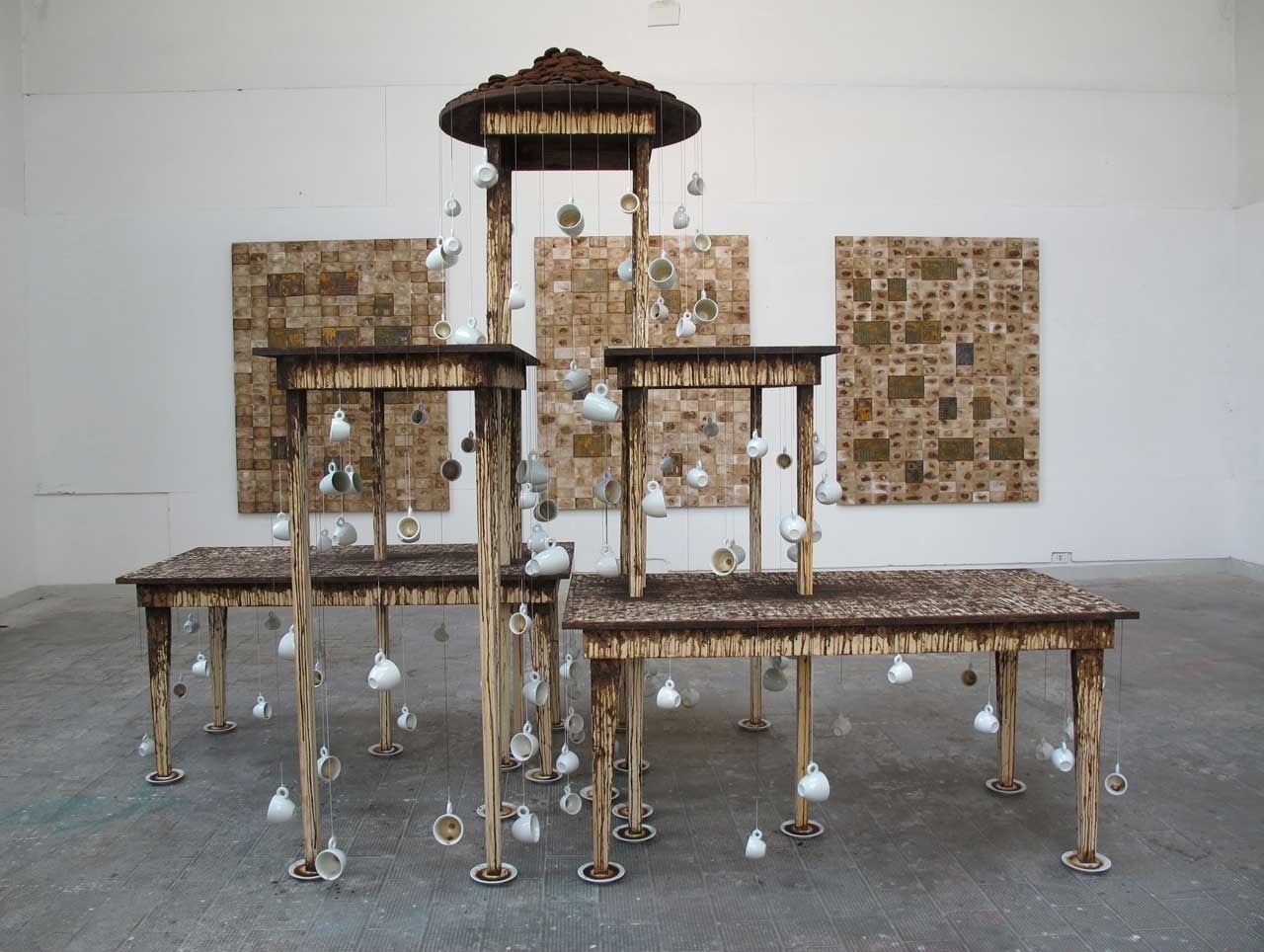
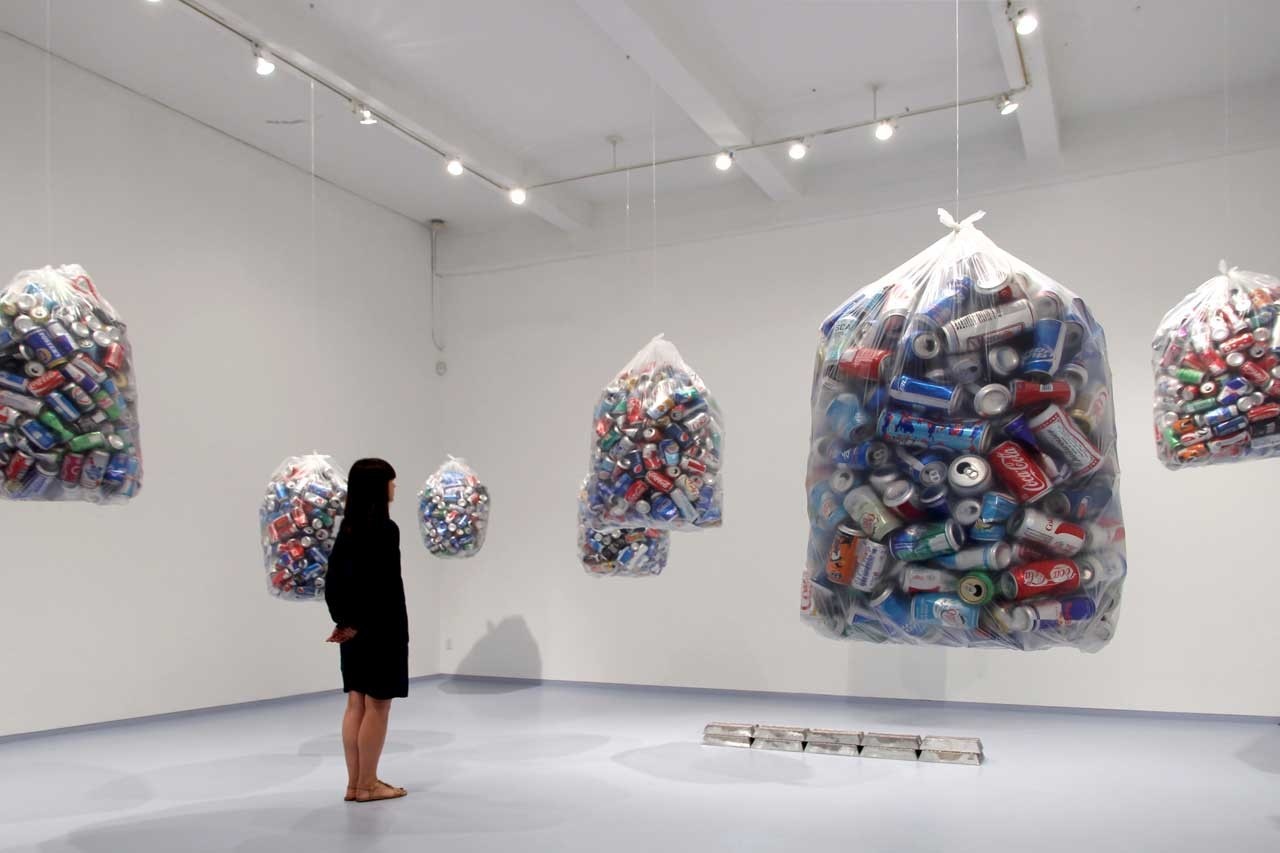
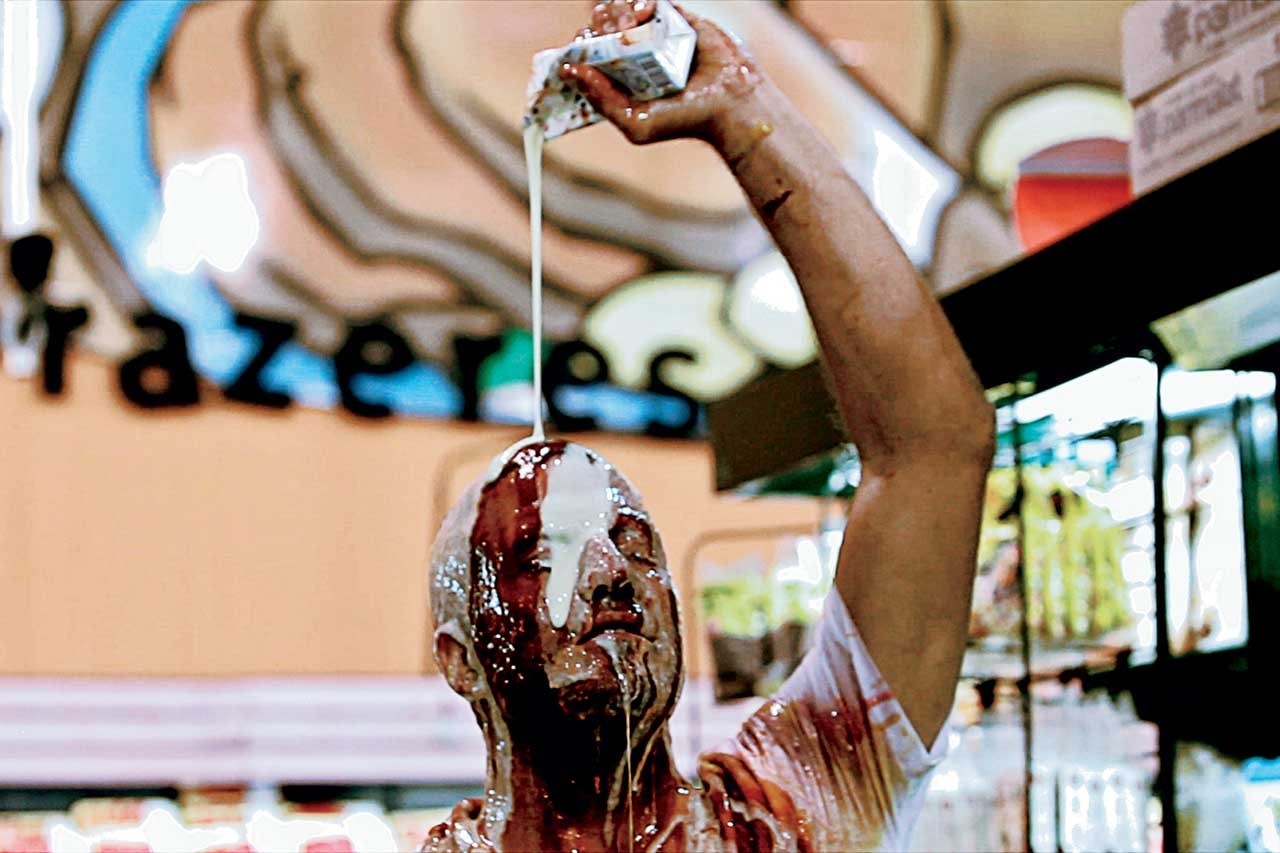
The artists invited to participate in this exhibition come from five continents, from different regions and represent several generations. In addition to the artistic quality of their work, they have in common a strong identity, speaking an intercultural language sensitive to the themes directly or indirectly linked to food, such as the consequences of climatic change, poisoning of agricultural produce, unequal distribution of food, but also the preservation of our nourishing Mother Earth, the choice of foods, different cuisines, the rituals and ceremonies around food and other subjects linked to the theme.
The works, contributing to aesthetic and cultural history, are thus also relevant to the main challenges to our contemporary society, like sustainable development, immigration, religious differences, human rights, gender equality, etc.
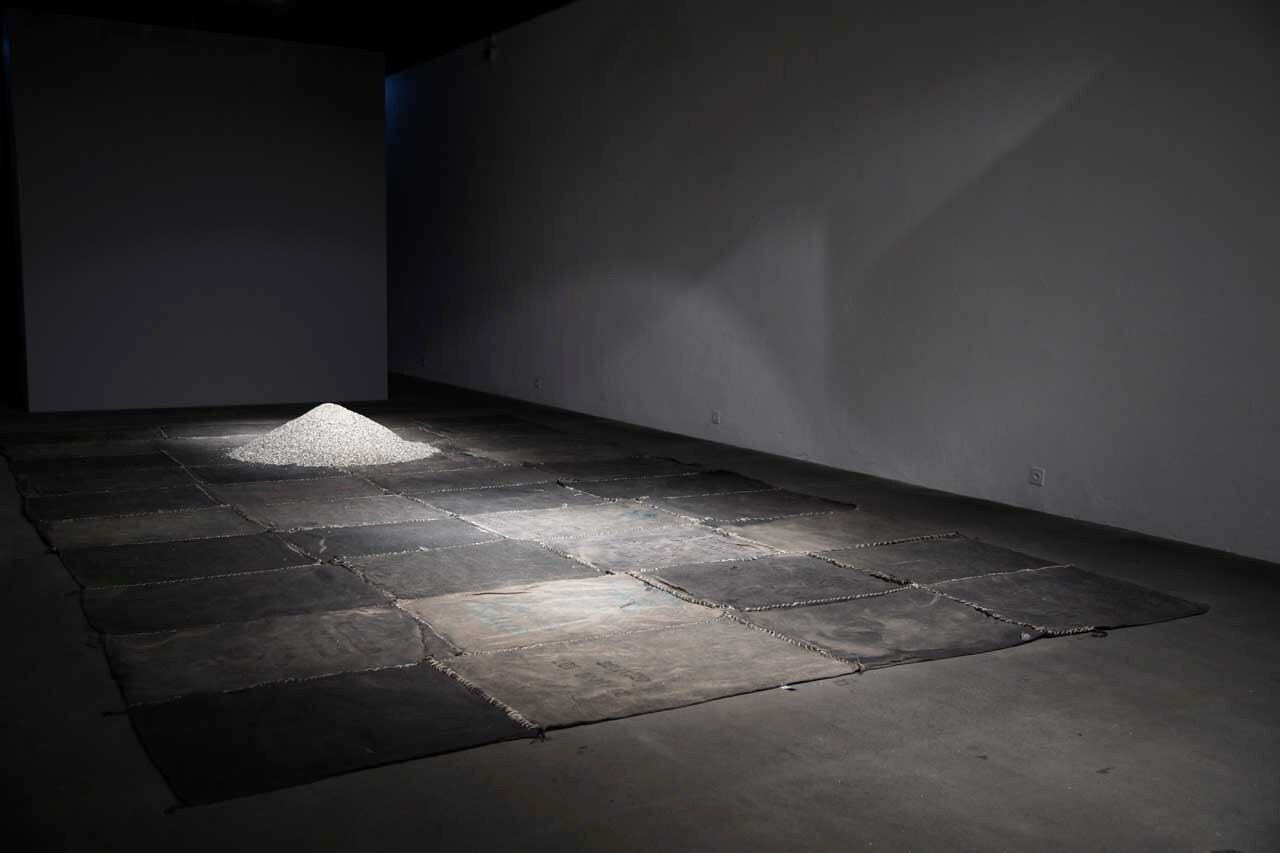
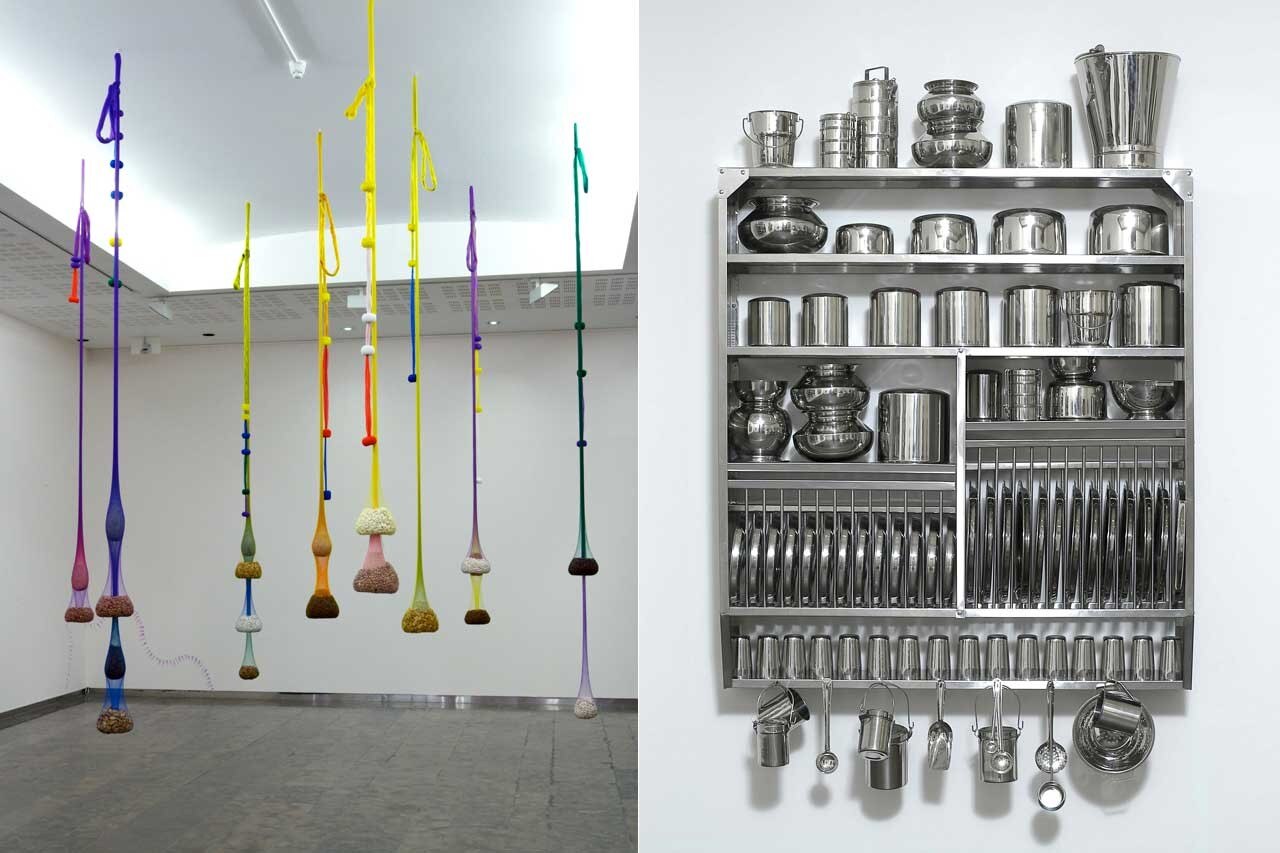
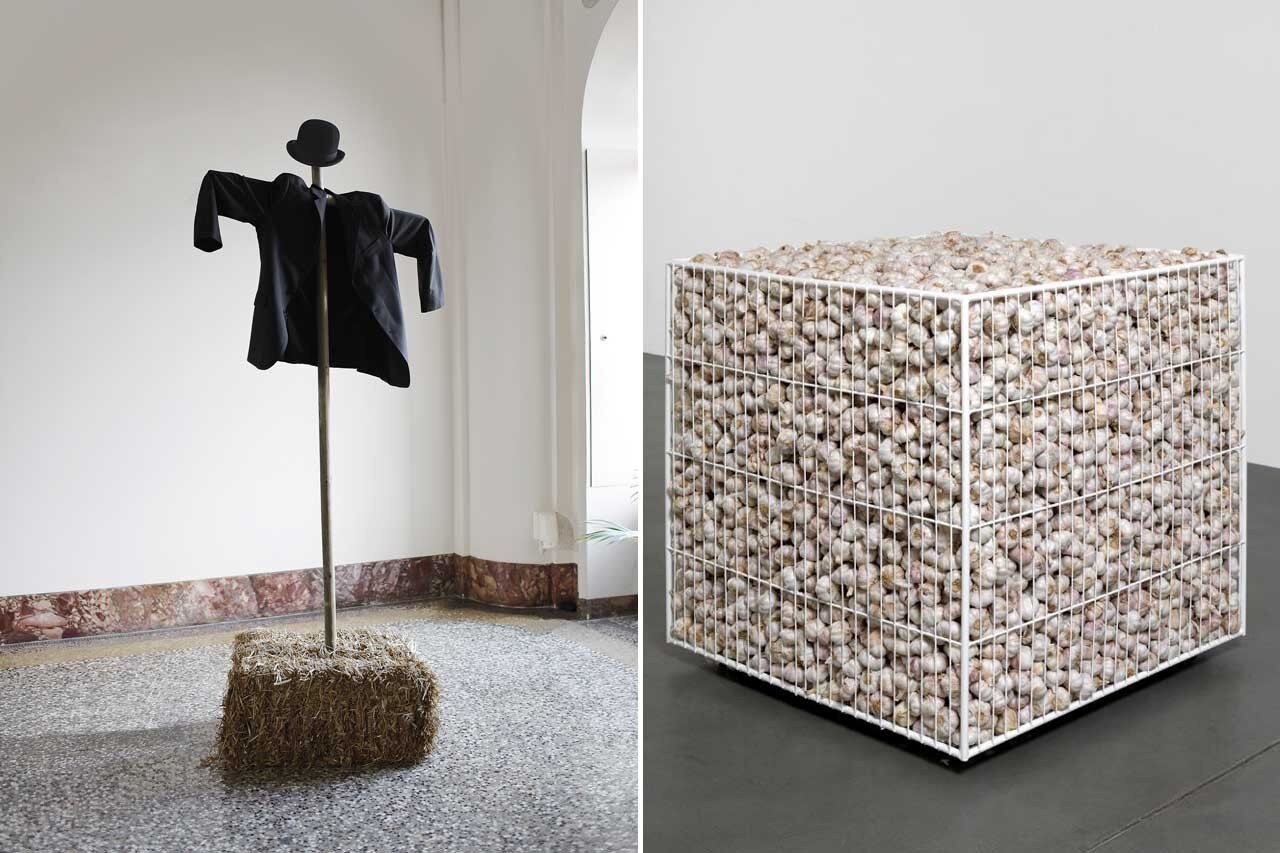
Although the artists utilize agricultural raw materials like, for example, Ernesto Neto’s beans (Variation on Color Seed Space Time Love, 2009) or Jannis Kounellis’ sunflower seeds (Untitled, 1968), Food is not an exhibition of gastronomy or cuisine. Of course, we observe the Indian photographer pointing his lens on the movement of the hands that carry, give and serve foods. In his photographs we see the hands of Chennai women with rice, the hands of a water seller in Delhi, or the hand that tips the aluminium kettle to pour tea into a cup at the Mumbai markets.
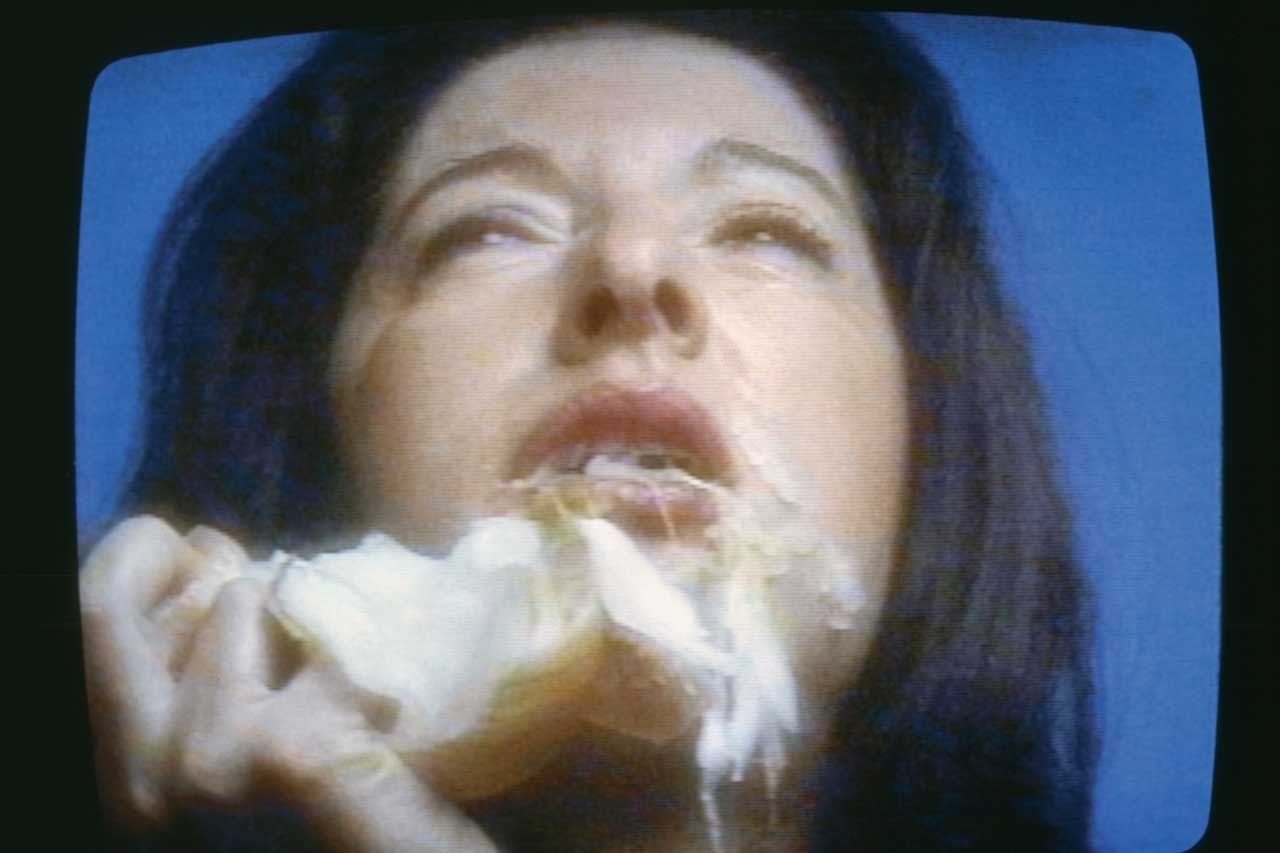
“An open hand for giving and receiving.”, as taught by Le Corbusier. One can also discover a woman concentrating on eating an onion (Marina Abramović, The Onion, 1995), a pseudodeclarative performance about physical and psychological endurance, but also on human vulnerability, identity and the independence of women, notably when the artist’s voice speaks of feeling worn out by her everyday life: “I’m tired of changing planes all the time, waiting in waiting rooms, bus stations, airports...”
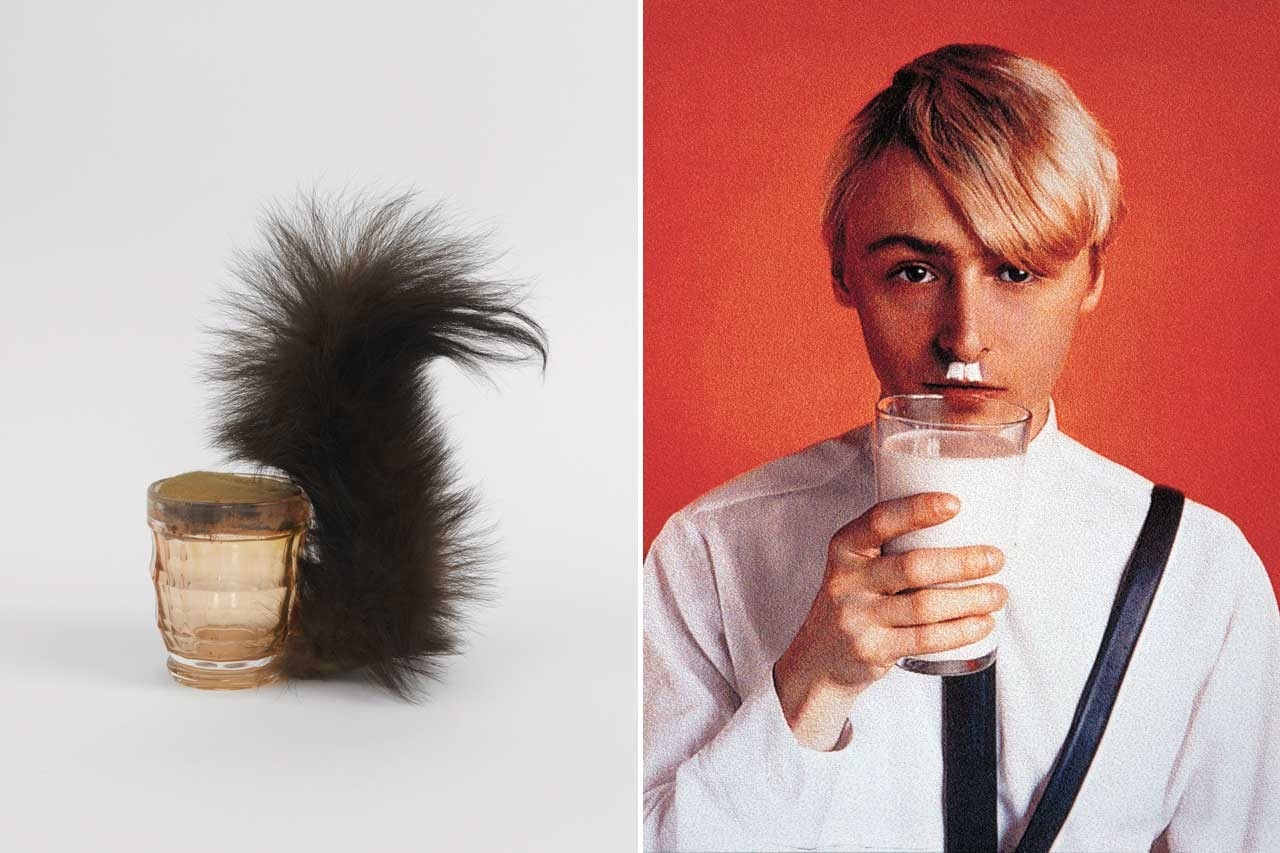
Drawing from the vast collection of the objects at MuCEM, some of the invited artists have created new works, like the Cameroonian artist Barthélémy Toguo who, taking inspiration from his own project Banjoun Station Agricultur, has created an installation with ploughs, harrows and carts.
Or there is the Italian Stefan Boccalini who takes a fresh look at 19th and 20th century bread stamps, with a series of new stamps based on the concept of his most recent work, Crédit/Débit, or the Catalan artist Miralda who has brought together 124 objects, including 80 table bells and water pitchers decorated in the tradition of popular taverns, reminding us of the relationships to domesticity.
 View gallery


until February 23, 2015
Food
Produire-Manger-Consommer
curated by Adelina von Furstenberg
MuCEM
1 esplanade du J4
Marseille