



“We hate touchscreens.”
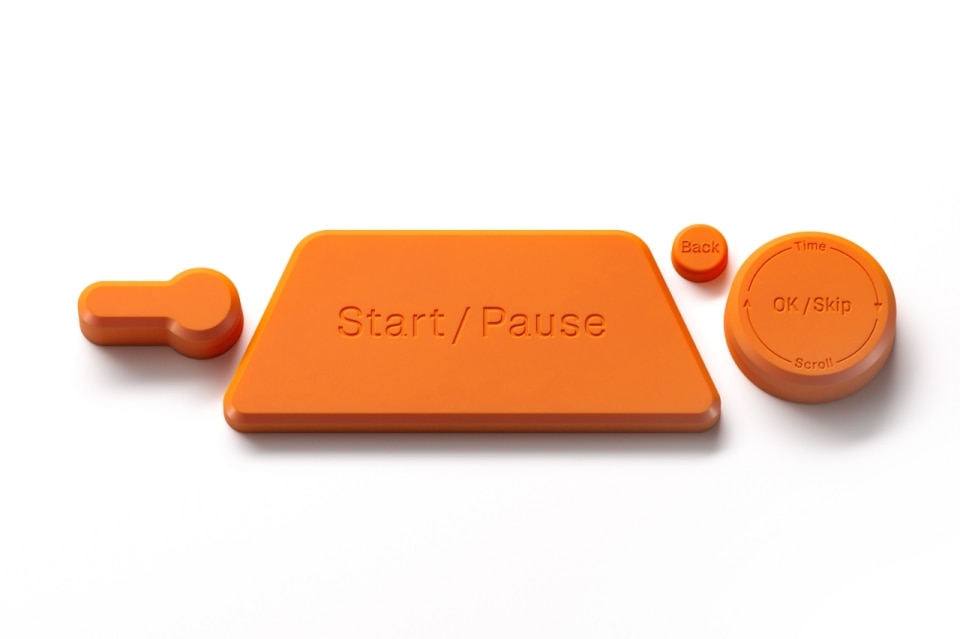
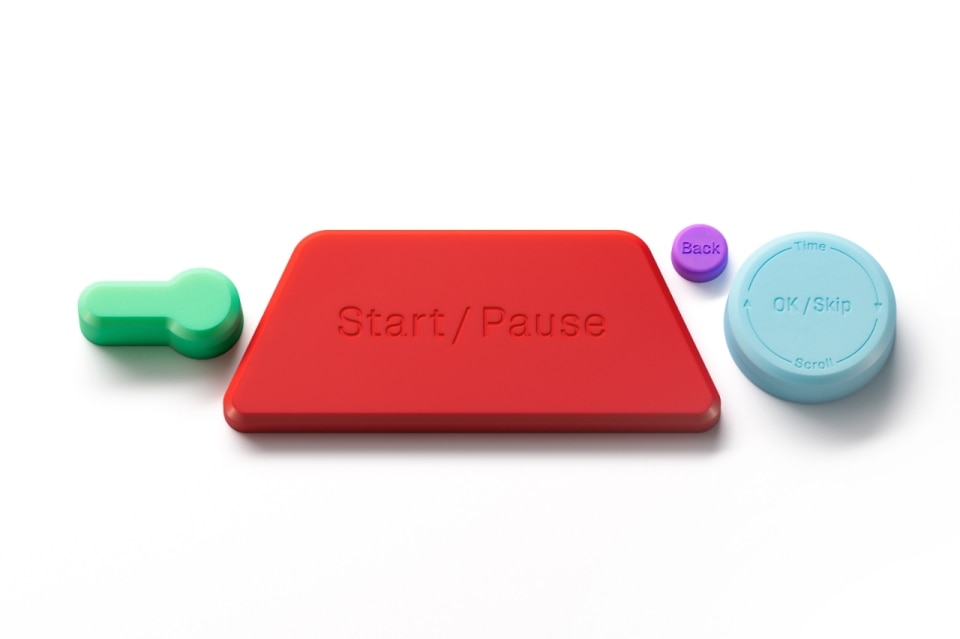
This is how the team behind BUSY Bar explains one of the most immediately recognizable features of its new device. With its large button, scroll wheel, pixel displays and brightly illuminated messages, it looks like a retro-futuristic office tool—the kind of object that might have appeared on George Jetson’s desk.
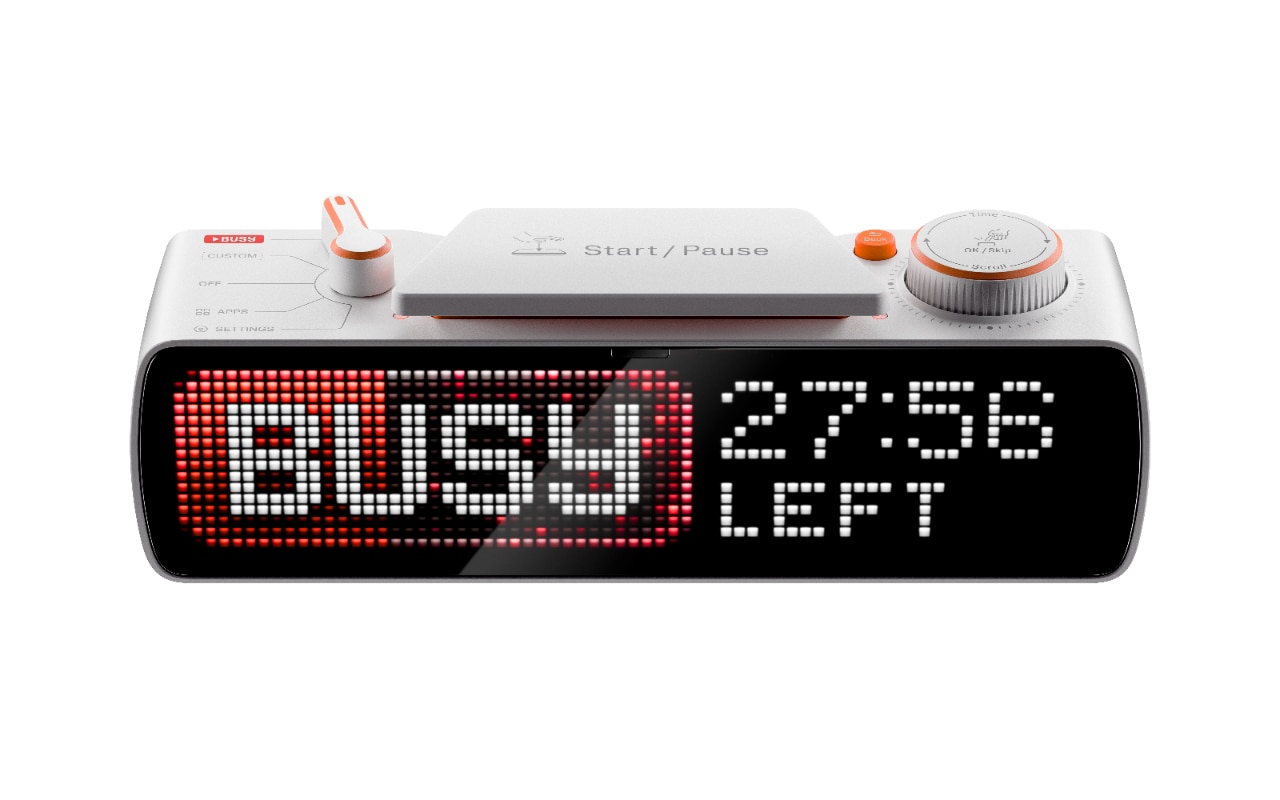
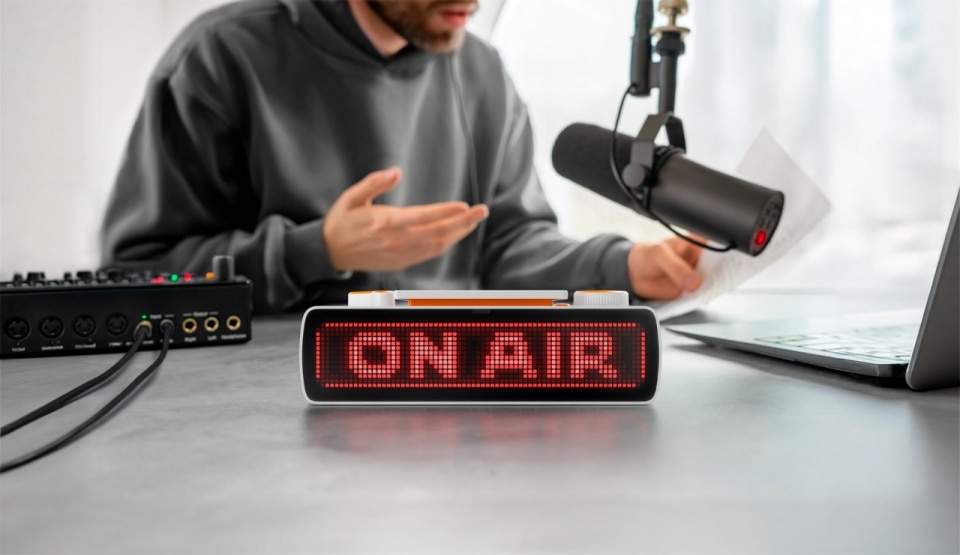
The funniest thing about BUSY Bar is also the reason it works. You press its button and a pixelated message suddenly informs everyone around you that you are busy. It is colorful, slightly theatrical and perhaps even a little ridiculous. But it is much harder to ignore than the focus mode buried somewhere inside your phone—the same phone you are supposedly trying not to look at.
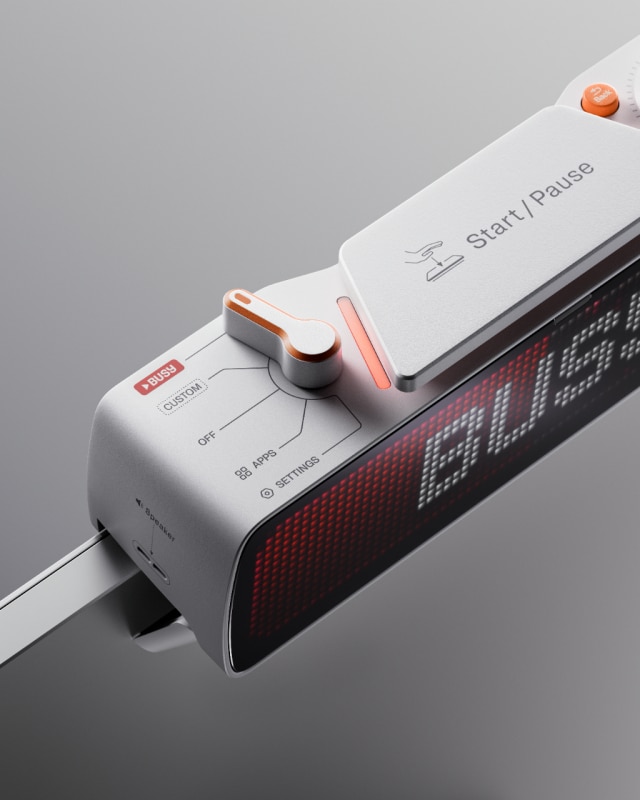
BUSY Bar is the new product from Flipper Devices, the company behind Flipper Zero, the electronic multitool that became a celebration of hacker visual culture. If Flipper Zero was designed to reveal the invisible technologies surrounding us, BUSY seems to pursue the opposite mission: making them disappear for long enough to finish something.
The company does not consider the two products opposites. BUSY Bar is a standalone device designed for a different set of problems, but it shares Flipper Zero’s principles of “openness, multi-functionality, customizability and operational flexibility.”
A programmable “do not disturb” sign
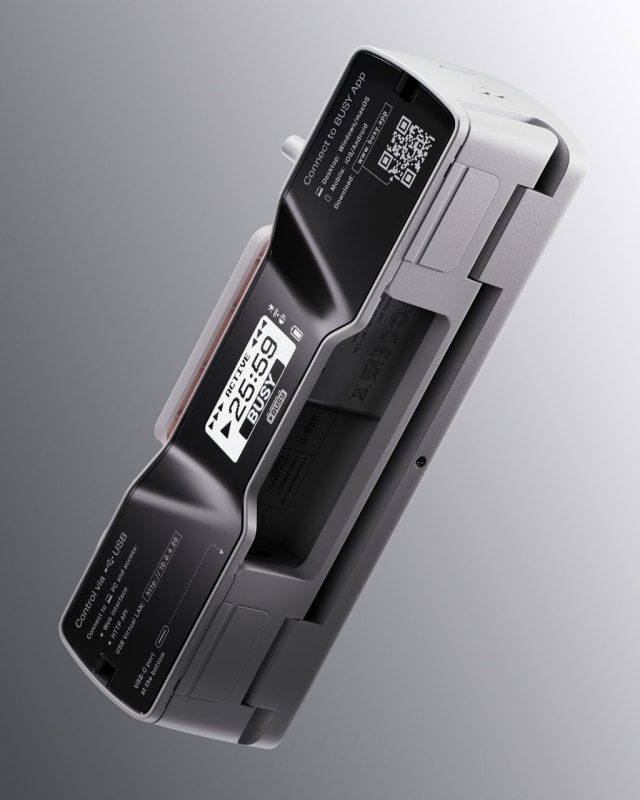
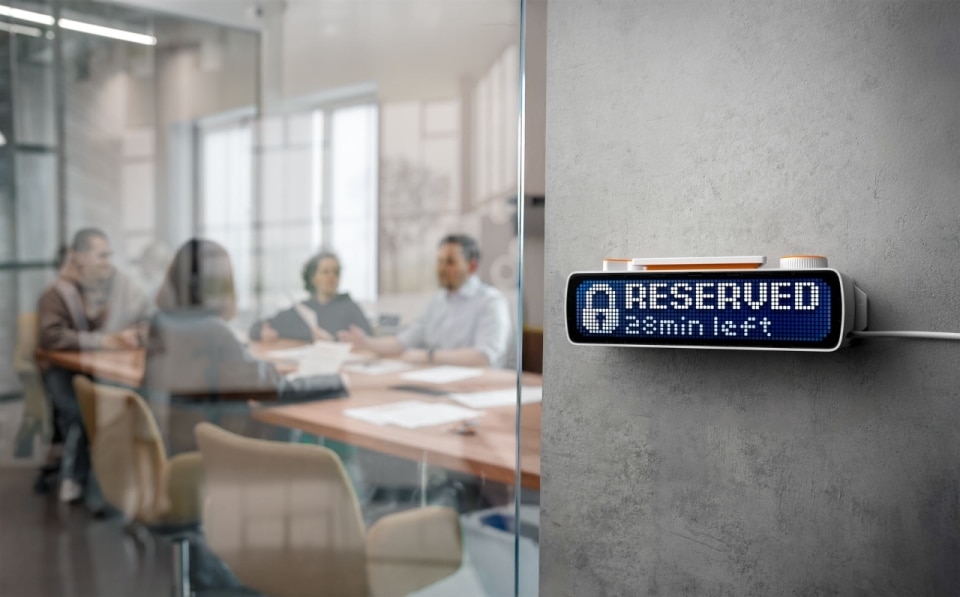
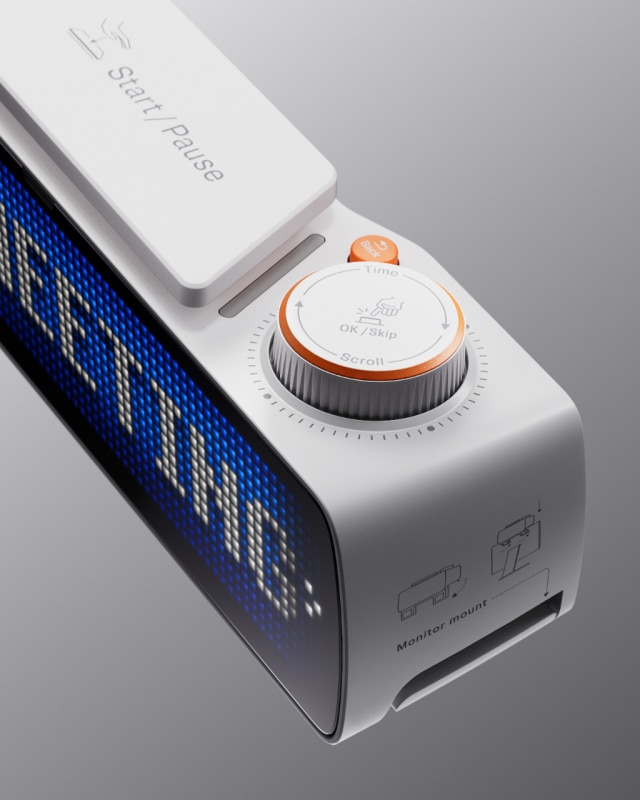
BUSY Bar looks like a retro-futuristic working tool, the kind of object you might expect to find on an office desk in an episode of The Jetsons. Its 72-by-16-pixel LED matrix faces the room, while a monochrome OLED display on the back shows the owner what is happening. It can sit on a desk, attach to a monitor or hang outside a door.
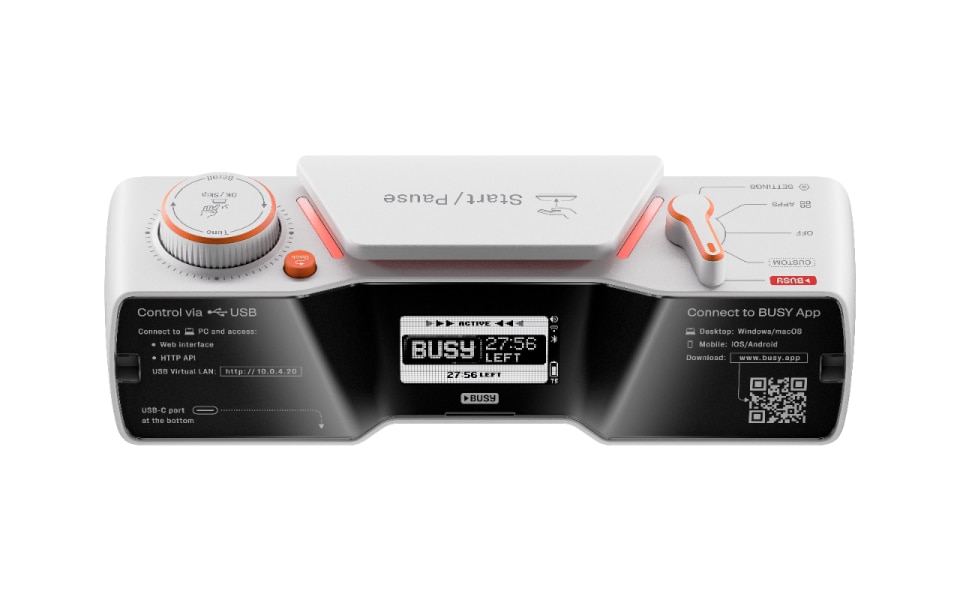
The resemblance is not merely aesthetic. Like many imagined technologies of the future, BUSY Bar turns an invisible process into an exaggerated physical signal: concentration becomes a glowing message, while a button, scroll wheel and mode selector give the user direct control over the surrounding digital environment.
There are two equal sources of noise: the people around you and the temptations inside your smartphone.
BUSY Bar team
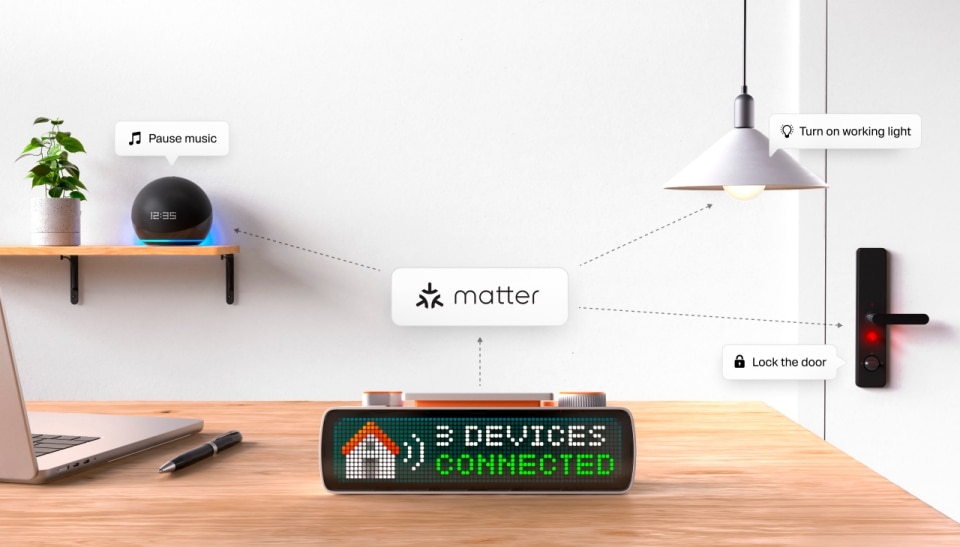
Pressing the button activates BUSY Mode. A timer begins, notifications are muted, distracting applications can be blocked and a message appears for colleagues, family members or anyone else considering an interruption. Through Matter, Apple Home, Google Home and Home Assistant, the same gesture can also alter the surrounding environment, adjusting lights, music and connected devices.
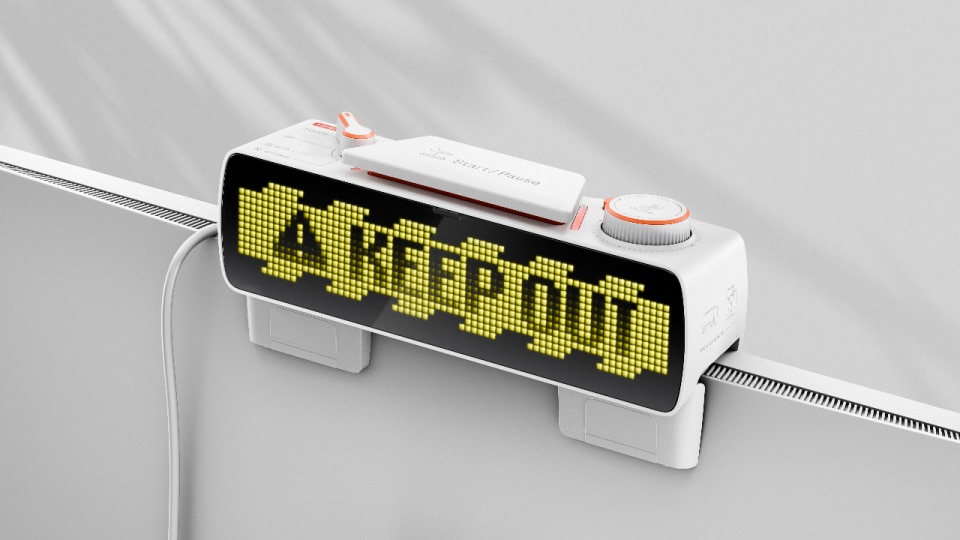
The object therefore does not simply organize the behaviour of its owner. It attempts to alter the behaviour of the room.
“The hardest part of deep work is regaining focus after being interrupted by colleagues or family members over something trivial,” the BUSY team told Domus. A bright sign mounted on a monitor or outside a door can prevent the interruption before it happens. “It establishes a polite boundary.”
The ambition is to address every possible source of disturbance at once: “digital, verbal or physical,” from notifications and distracting apps to annoying colleagues, excessive light, sound and connected devices.
“With just one click across all channels, you can find peace and focus.”
The phone cannot protect us from the phone
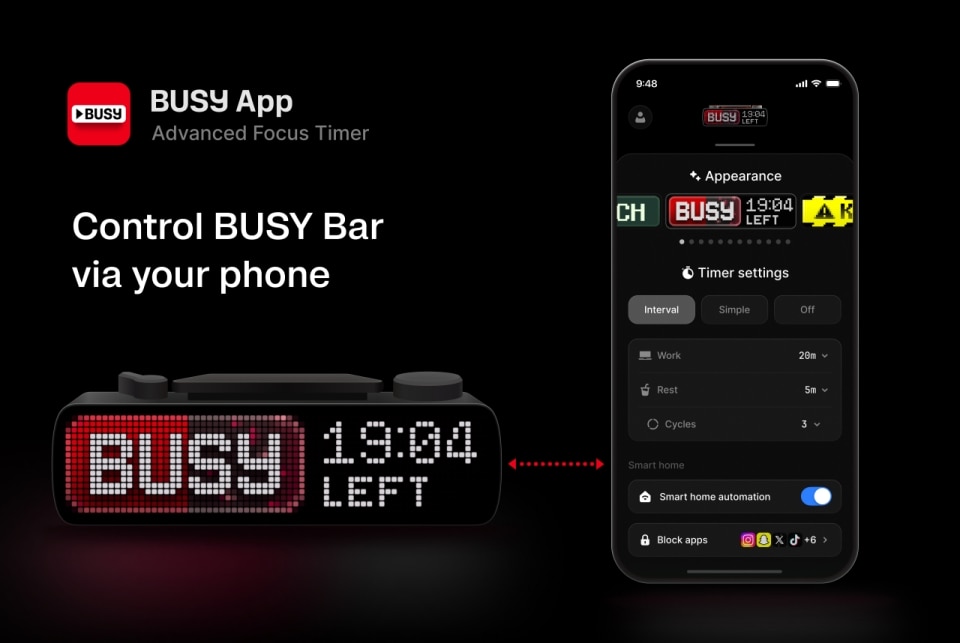
This is the part that another productivity app could not reproduce. The phone can silence notifications, start a Pomodoro timer and block selected software, but it cannot communicate with the person walking towards your desk.
More importantly, the phone is itself part of the problem. You pick it up to activate a useful function and, twenty minutes later, find yourself inside a feed with little memory of how you arrived there.
“How often have you picked up your phone for a specific task, only to find yourself mindlessly scrolling through a TikTok feed twenty minutes later?” the team asks.
Their argument is deliberately blunt. The ritual of activating focus has to be moved onto an external object, “one that won’t suck you into a vortex of brain-rotting procrastination.”
BUSY Bar and its companion app therefore divide the problem between the physical and digital worlds. “There are two equal sources of noise: the people around you and the temptations inside your smartphone.” The display deals with the first; the app silences the second.
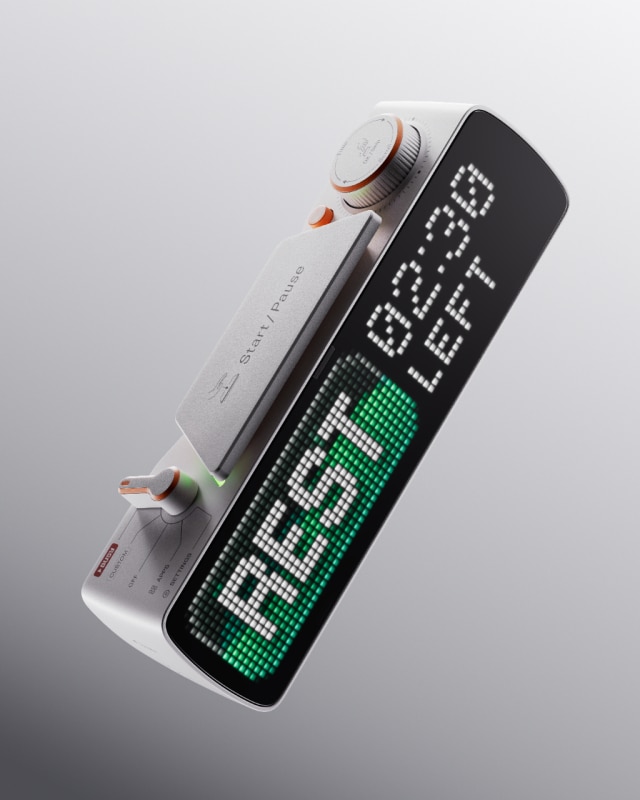
The physical button is not merely decorative. “Touchscreens are soulless and inconvenient when it comes to the ritual of a simple action,” the designers say. “But, more importantly, they don’t provide a sense of control.”
This hostility towards frictionless design connects BUSY Bar to Flipper Zero more closely than their different functions initially suggest. Both devices have buttons, constrained displays and the character of electronic toys from an alternative technological timeline. They look closer to Tamagotchis, old handheld consoles and experimental hacker hardware than to the neutral glass surfaces of mainstream consumer electronics.
Low resolution as a form of discipline
The pixel aesthetic comes from the team’s engineering and hacker background, but it also performs a practical function. “It conveys ideas quickly, avoids clutter and doesn’t pretend to be something it isn’t,” they explain. “Content dictates form.”
The front matrix and tiny rear screen leave little space for visual noise. Any message has to be simplified until only the essential remains. The limitation becomes a filter, forcing both the company and external developers to decide what deserves the user’s attention.
“You have less opportunity to clutter the screen with superfluous signals,” the team says. A developer creating an application is forced to filter the information and display “only what is truly important.”
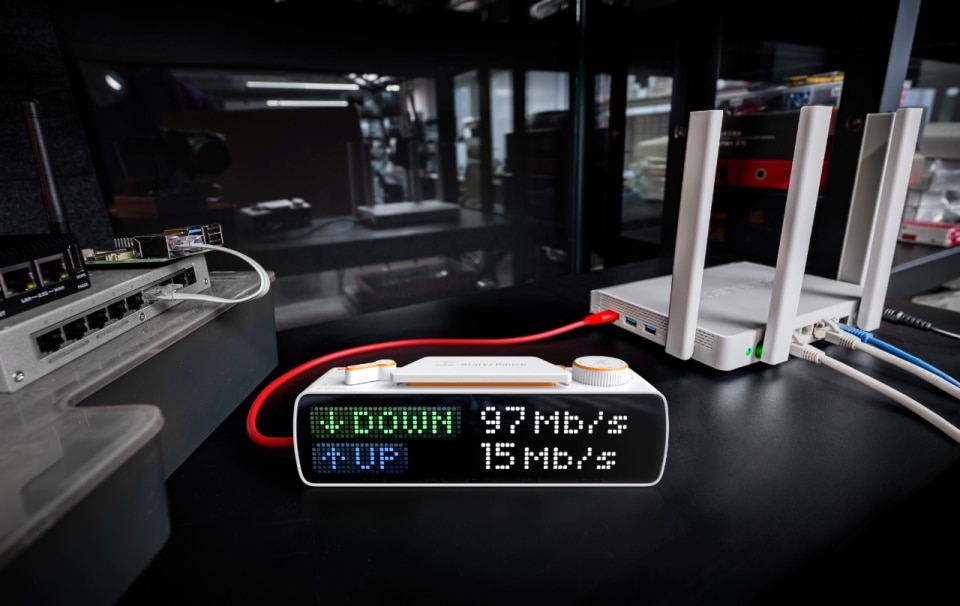
Like Flipper Zero, BUSY is conceived as an open platform rather than a finished appliance. Its open-source firmware, HTTP and MQTT APIs, and Python and TypeScript libraries allow users to create their own integrations. The display can already show statuses, clocks, pixel art, weather and information from services such as Spotify, Notion and Google Calendar.
“We aren’t building a product just to sit on a shelf,” its designers say. They want it to adapt to each user’s tools and workflows—and for the community to participate in its development. “Anyone should be able to rewrite the firmware from scratch if they want to or need to.”
An object for people who still have a desk
In person, BUSY Bar is pleasant and surprisingly funny. There is something satisfying about giving concentration a visible beginning: you press the button, the room receives the message and, at least symbolically, the rest of technology retreats.
Its physical presence, however, is also its clearest limitation. BUSY Bar seems designed for a worker who still has a permanent desk, or perhaps even an office door. It is less convincing for those who work at a café in the morning, on a train at lunchtime and at a shared desk in the afternoon.
The device is compact enough to move around a room, but not quite small enough to become part of a daily portable kit. A pocketable version, closer to the scale and strange desirability of Flipper Zero, could have been nearly perfect: a tiny illuminated boundary to place beside a laptop wherever work happens.
For decades, technology companies have promised to make their products invisible, seamless and permanently available. BUSY Bar proposes a curious correction. Sometimes technology has to become visible again—not to capture more of our attention, but to protect what remains of it.
“We are not Luddites,” the team says. “Anything can be a medicine or a poison—it all comes down to dosage and balance.”