



This article was previously published on Domus 1113, June 2026.
“Now more than ever, there is an urgent need to explore the world and be amazed once again, remembering that the project is a primordial human need and an act that must be cultivated as an antidote to alienation.” I reread these words by Francesco Faccin in the introduction to his book Rafts (Corraini, 2024), a handbook collecting ten stories of emblematic projects that can inspire the creation of “sincere and comprehensible” objects.
The simplicity, frugality and intelligence of raft design were a springboard for discussing the designer’s profession, which for him, in its finest form, is about conceiving objects that serve human needs in a changing world facing housing and climate crises.
“Rafts remind us that we live on a wild planet and that the unknown, the unexpected, in our case the shipwreck, the emergency, the sudden and radical changes, are the very essence of our being human and reconcile us with the rest of nature which follows this pattern with ease, unaware of alternative models,” he writes.
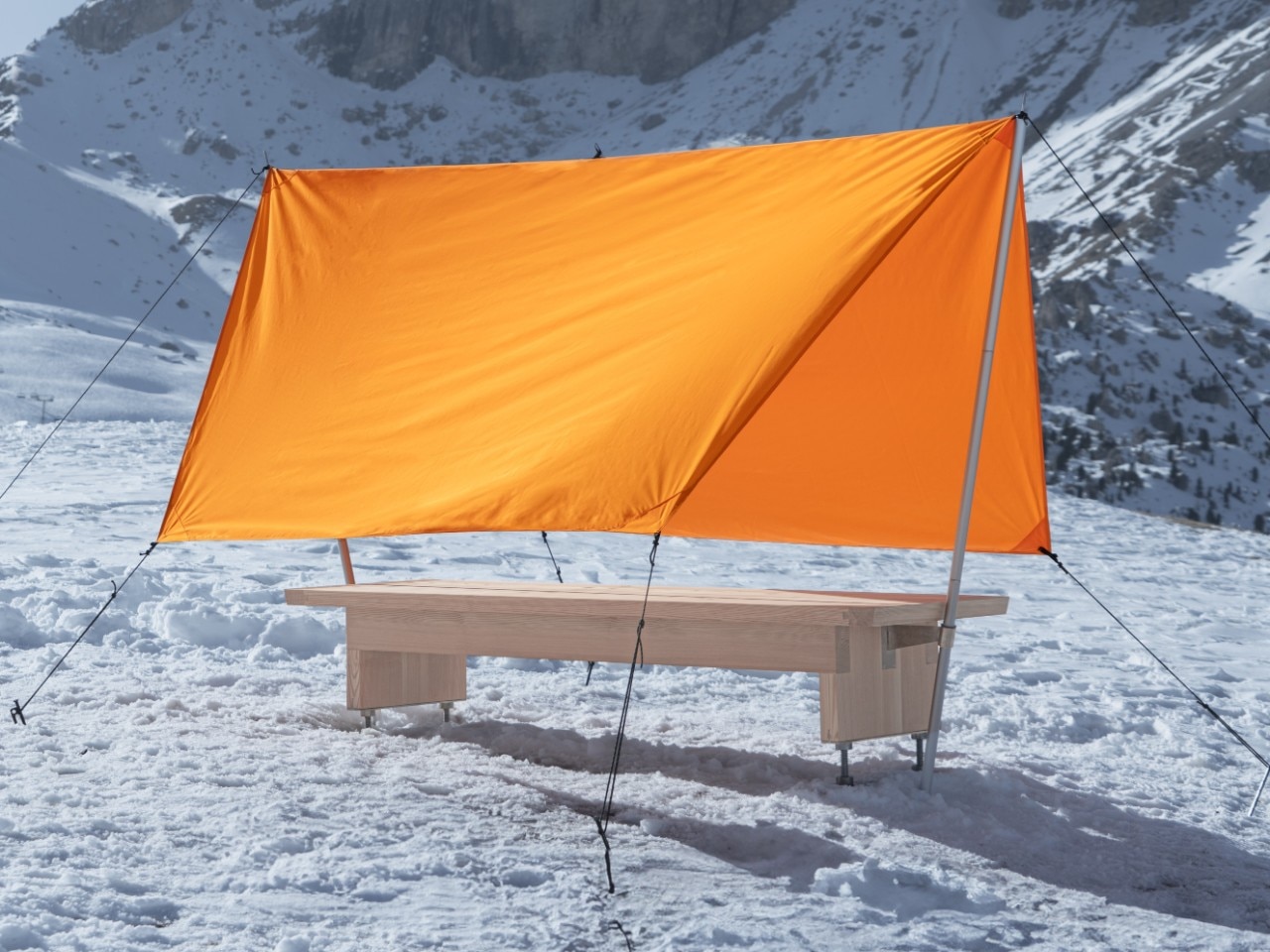
In this sense, Pancalpina – his latest project commissioned by the Autonomous Province of Trento – is surely a raft: formally simple, typologically basic, designed for emergency contexts, and responding to a change in how we experience mountains today.
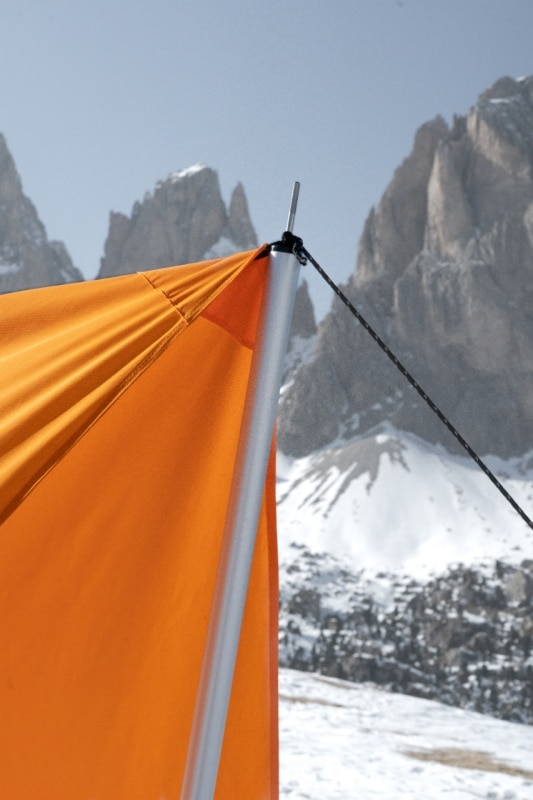
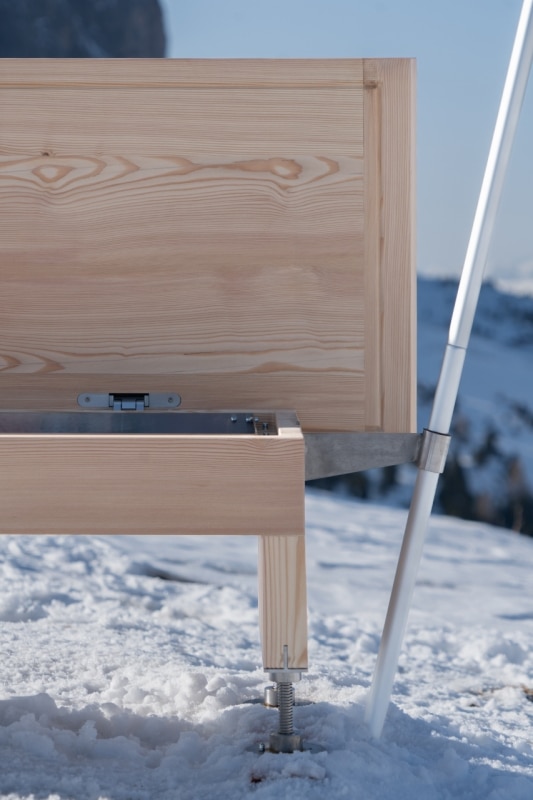
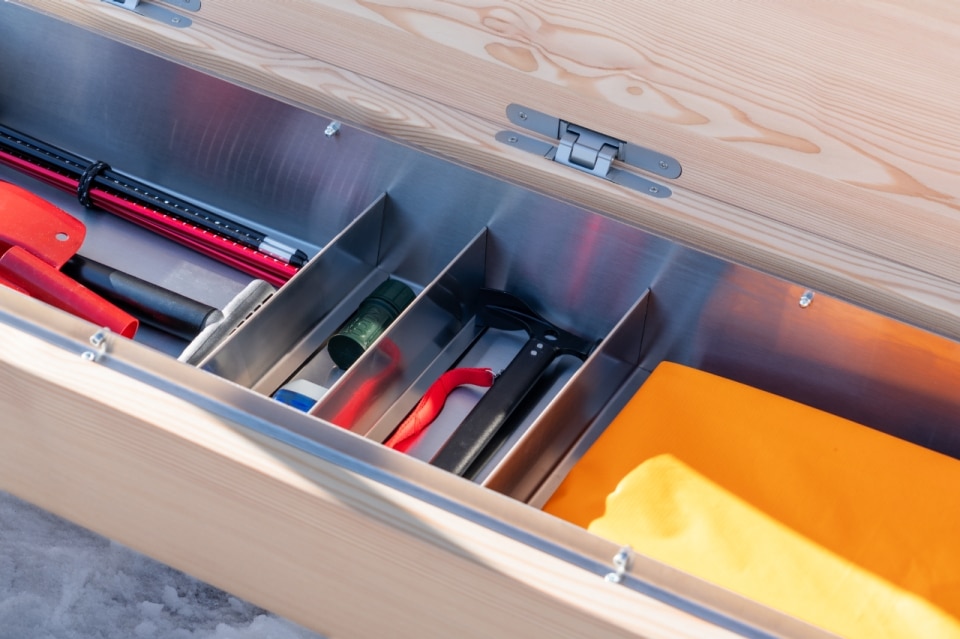
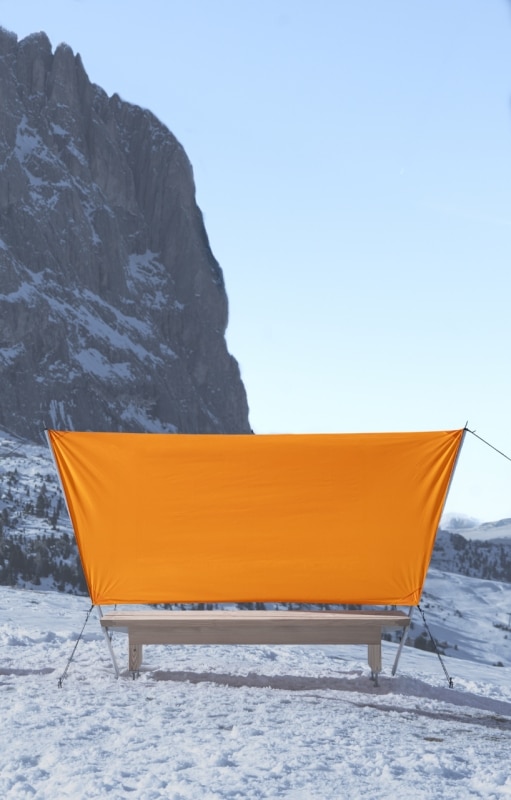
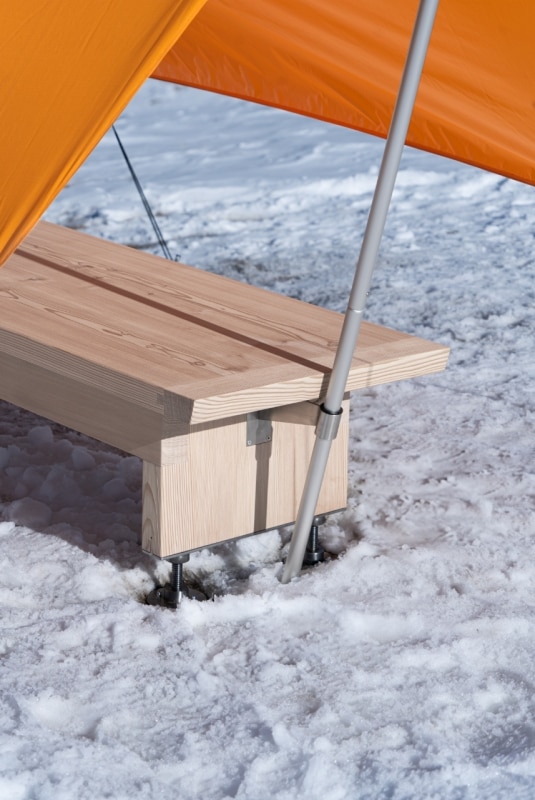
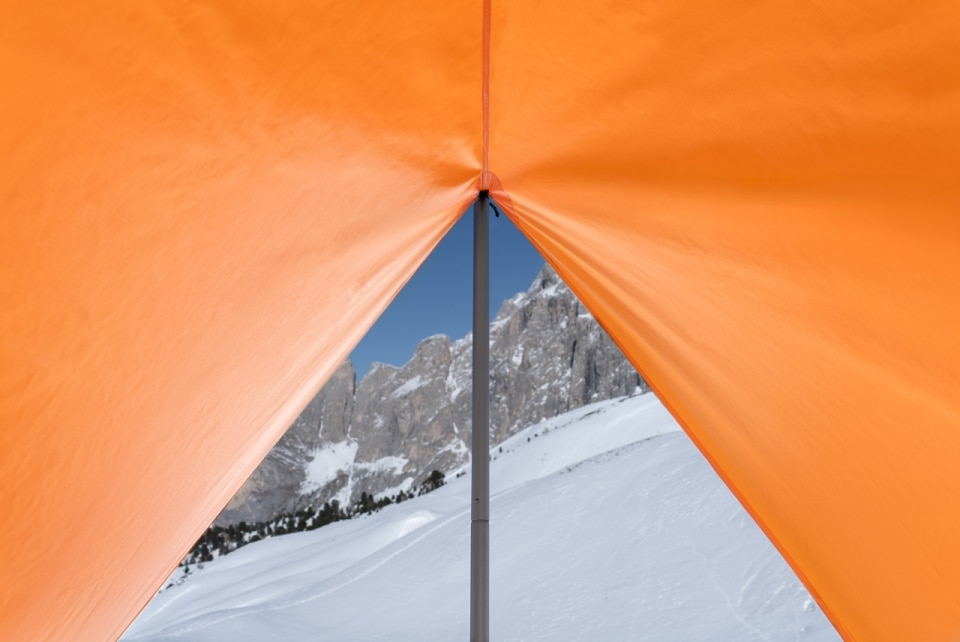
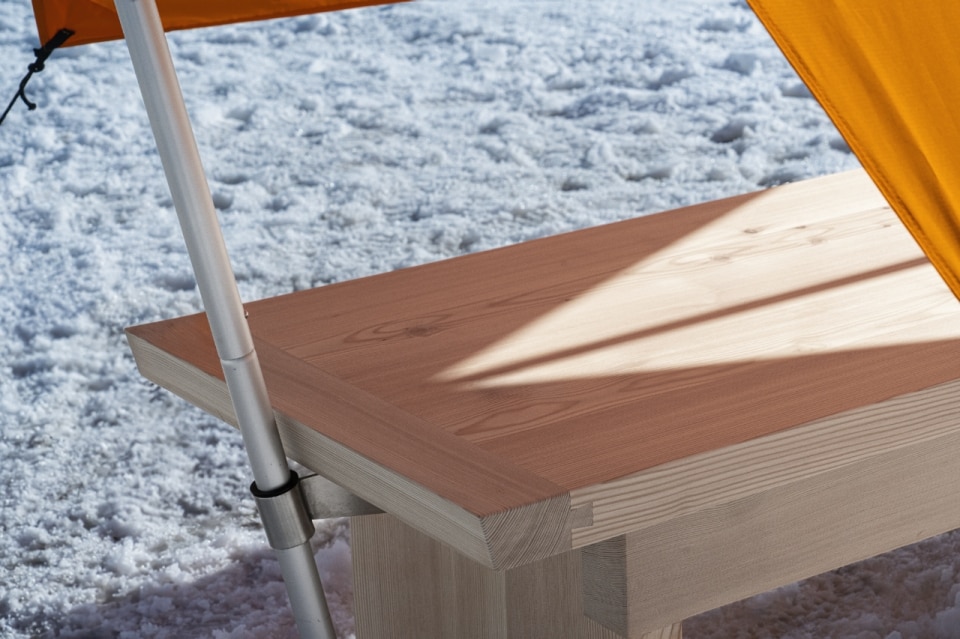
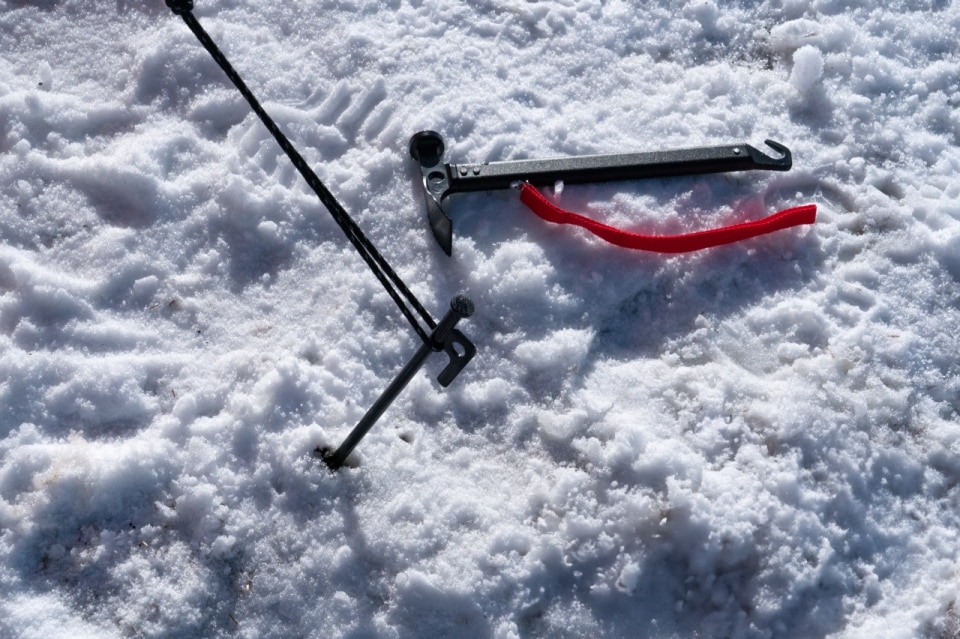
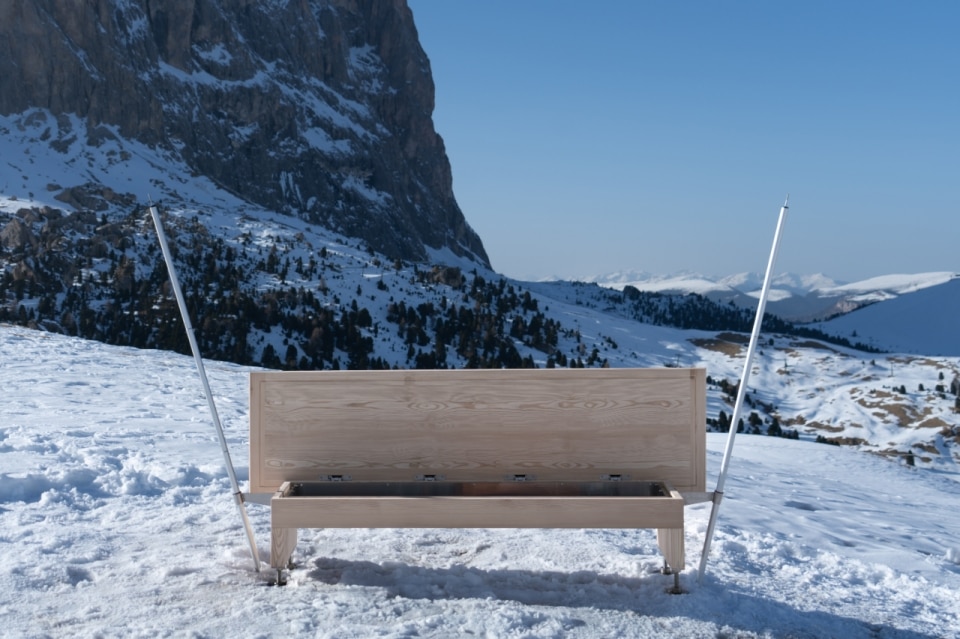
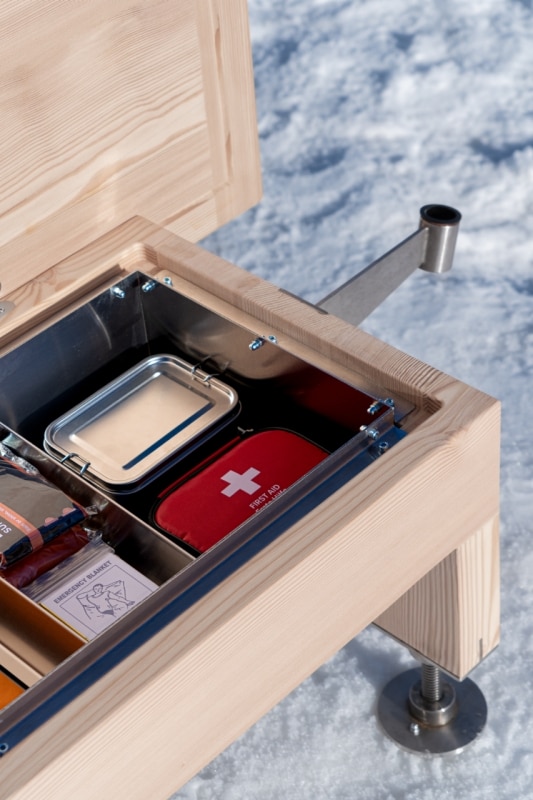
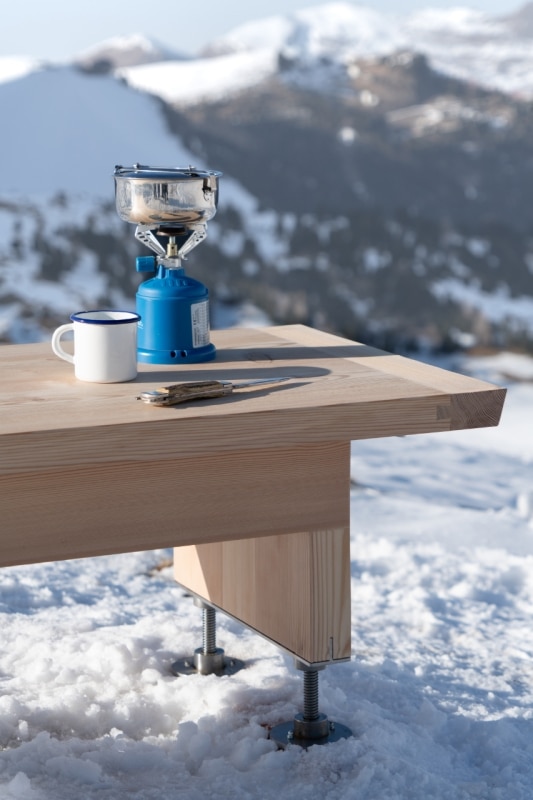
Alongside huts and bivouacs, benches are almost anonymous objects in mountain landscapes. They help with orientation and shelter and are used for rest and contemplating the landscape. Faccin’s version turns the bench into an aid that helps people experience mountains more safely. Its “belly” contains a survival kit – with useful items such as thermal blankets, a spade and a torch – and a tent that can be pitched using the bench’s structure. Not designed for long stays, it is a basic survival shelter while awaiting rescue, or for spending a night protected from rain or snow.
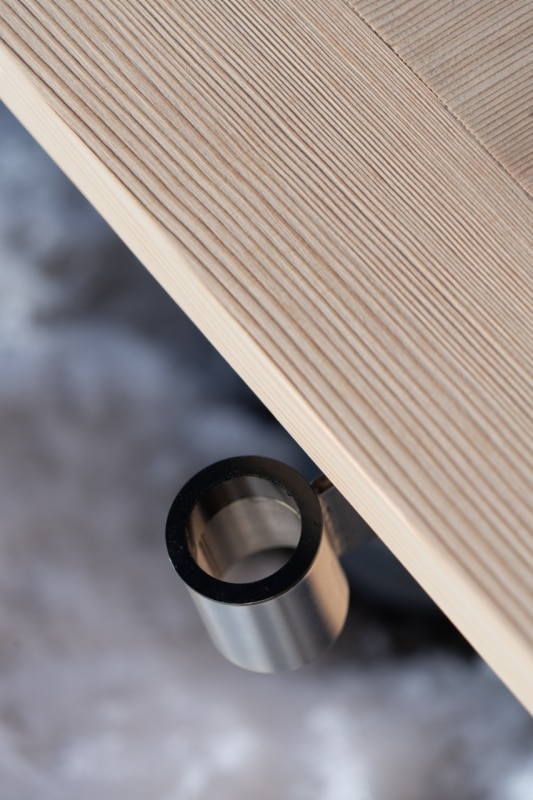
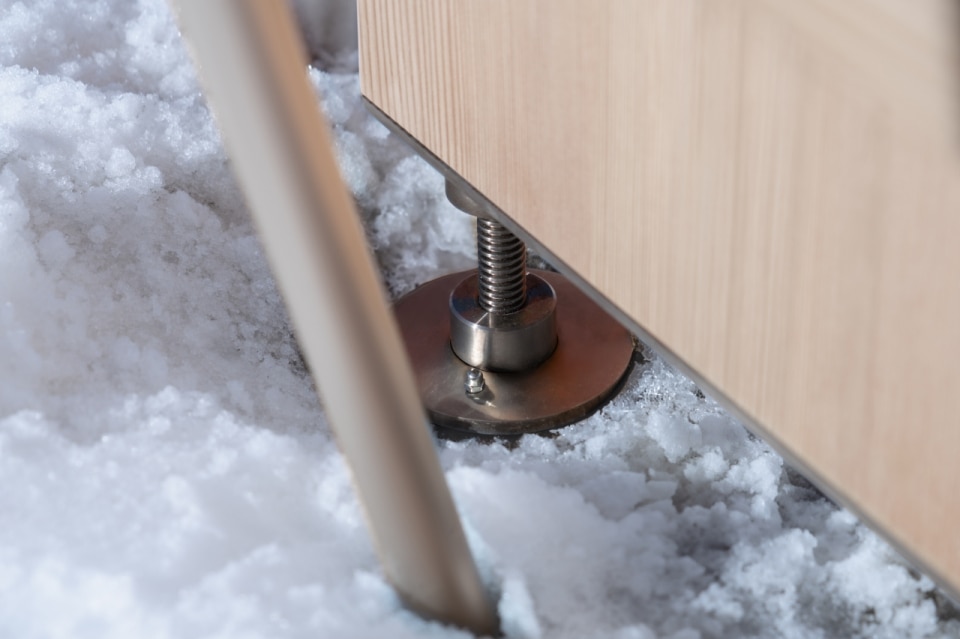
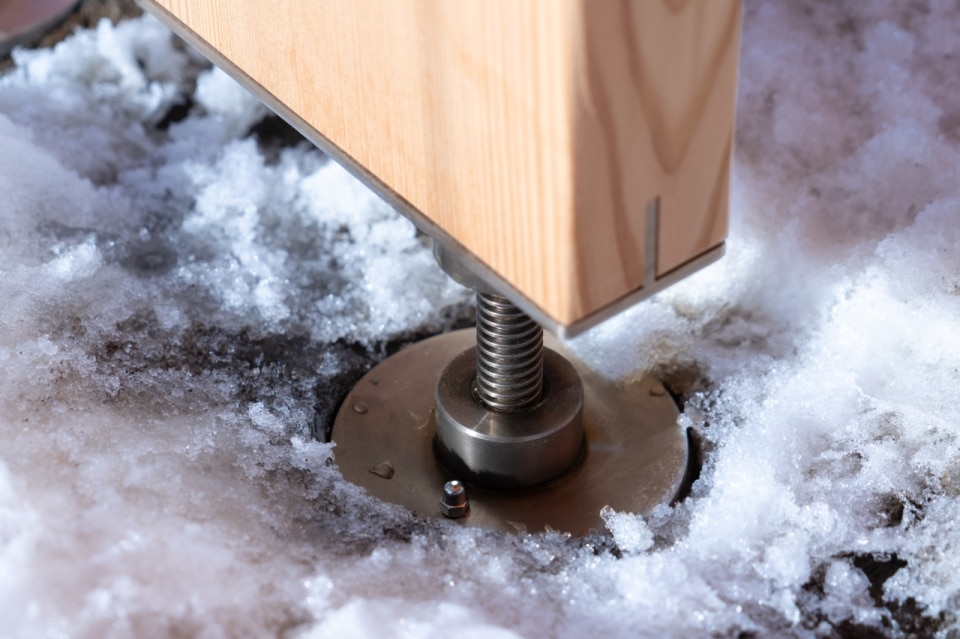
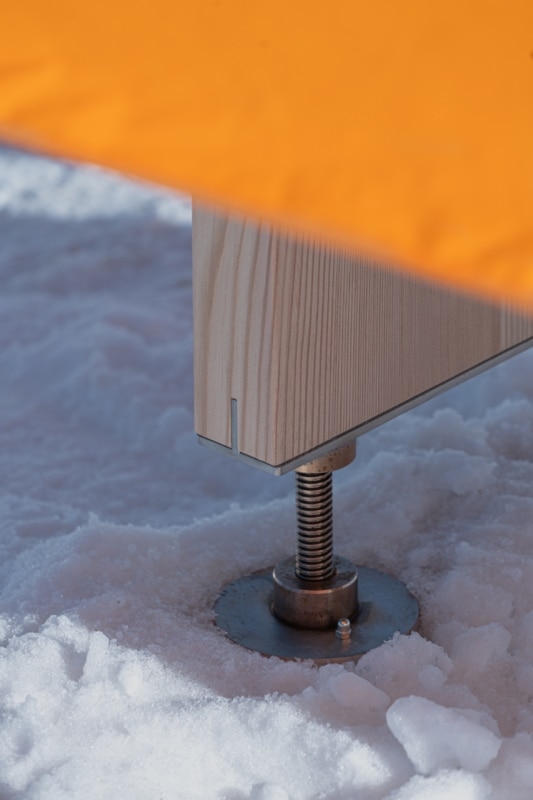
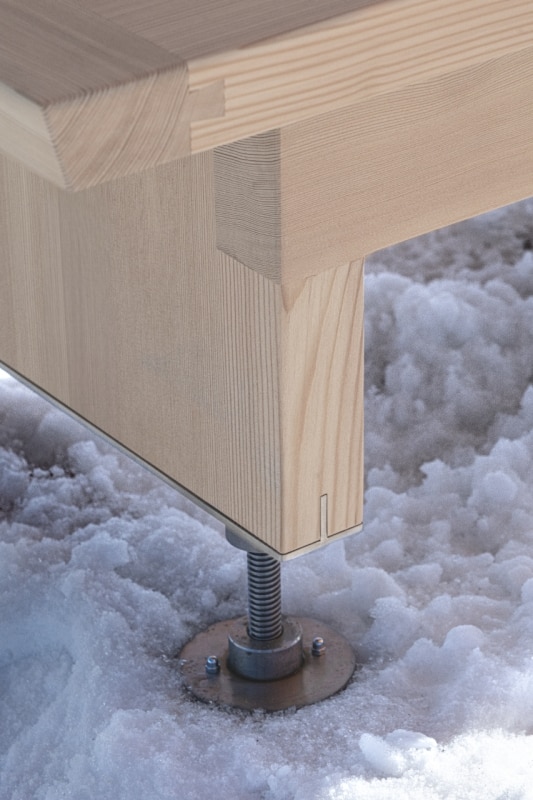
The solid larch structure, with stainless steel elements, ensures resistance to extreme weather; the construction approach focuses on a few components to respect and preserve a largely unspoilt environment. Climate change and the growing influx of people into mountain environments have made it both interesting and necessary to rethink one of the “furnishings” found in the Alps, one of Europe’s few remaining islands of wild nature
“There’s been a change in the typical profile of visitors to these areas,” he explains. “It’s no longer just experienced enthusiasts, but also an unprepared public who may find themselves in emergency situations.” The project’s premise was to use local firms and raw materials: the larch structure is by the Decrestina carpentry shop, the equipment is supplied by Franco Gecele, and the tent is from Ravelli Sport.
Faccin believes it has great potential even though it arose from a project to promote Trentino timber with no outlook to production or distribution (the initiative involved other designers’ pieces showcased in the “Nodi” exhibition in April at ADI in Milan). With his team, he is envisioning possible additions and developments, such as an app showing the benches’ geotagged locations along the route so they can be easily found.
Of course, the support of local authorities is key to rolling out the project at a local level, and media visibility is another contributing factor. “One of Pancalpina’s biggest fans is a blogger on a tiny island in the Atlantic Ocean, Tristan da Cunha, probably the world’s most isolated place,” he says.
Politics and communication are the driving forces behind this kind of project. A case in point is Honey Factory, an urban beehive launched in 2015, which later found its way into parks in Seoul, Kyoto and Germany – an expansion aided by tax breaks for people investing in green projects – until Faccin found an Italian partner, a beehive manufacturer that also sells beekeeping equipment and provides customer support. A slow but virtuous journey resulting from vision, perseverance and a bit of luck.