



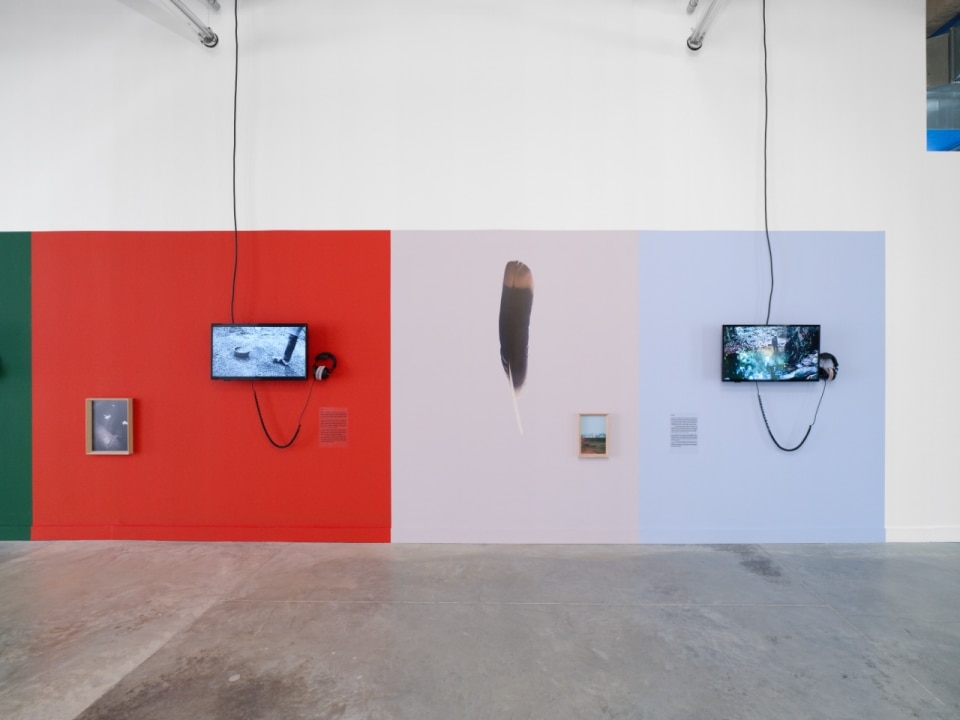
The title of the exhibition, “Le singe et l’argile” (“The Monkey and the Clay”), sounds like a lost fable by Aesop or La Fontaine: one of those stories that neither of them ever wrote, yet they could have — perhaps even should have — invented. A parable in which an animal and a mineral intertwine their destinies, revealing a highly urgent moral: not only the inescapable interdependence binding every form of life on Earth, but also the no longer postponable necessity for active cooperation between worlds, species, and matter.
This is the core of the exhibition, which recently opened at the Fondation Martell in central France. A radically contemporary theme that finds its ideal setting in Cognac: immersed in the orderly landscape of vineyards and housed in a former production site with a long industrial history, the Foundation — which is approaching its tenth anniversary — was born from a company’s desire to cultivate the most fertile areas of experimentation.
While most private foundations today tend to build collections to rival museums in their heritage vocation, the Fondation Martell is a rare place where research into materials, artisanal savoir-faire, and contemporary practices cross-pollinate, making design not a closed discipline, but an open laboratory. Rather than an exhibition center, the Foundation conceives itself as an ecosystem of residencies, production, and research: a space where ideas are tested against matter and matter, in turn, generates new ideas.
Curated by Emilie Villez, former director of the KADIST collection in Paris, the exhibition explores the possibilities of interspecies cooperation, searching for situations where the hierarchical, pyramidal order that governed their relationship throughout modernity cracks, allowing alternative forms of coexistence and production to emerge.
A workshop outside the hierarchy
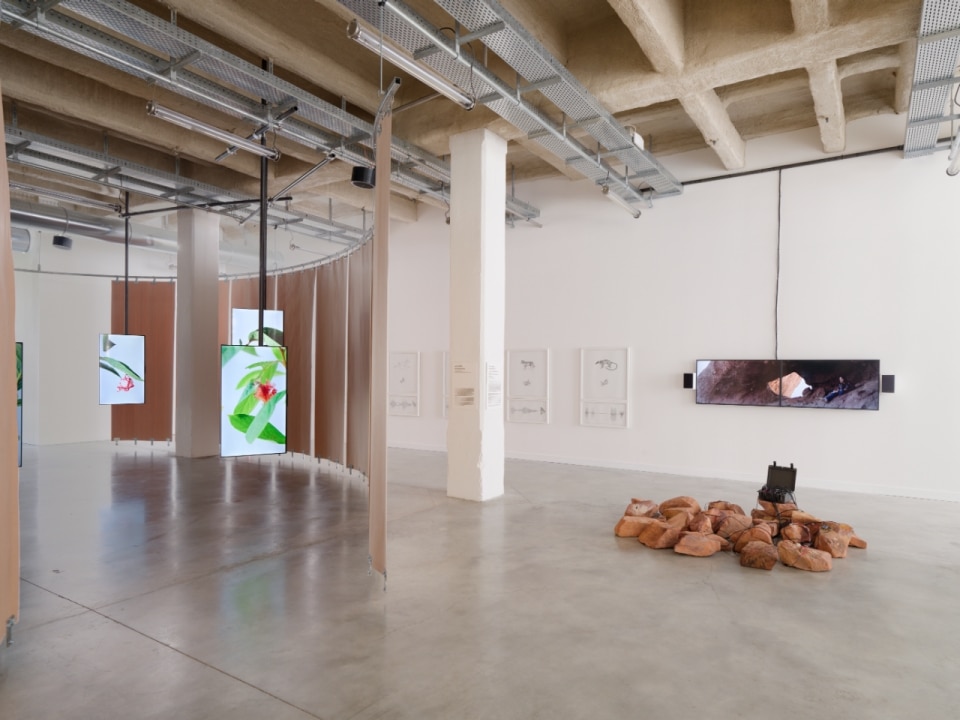
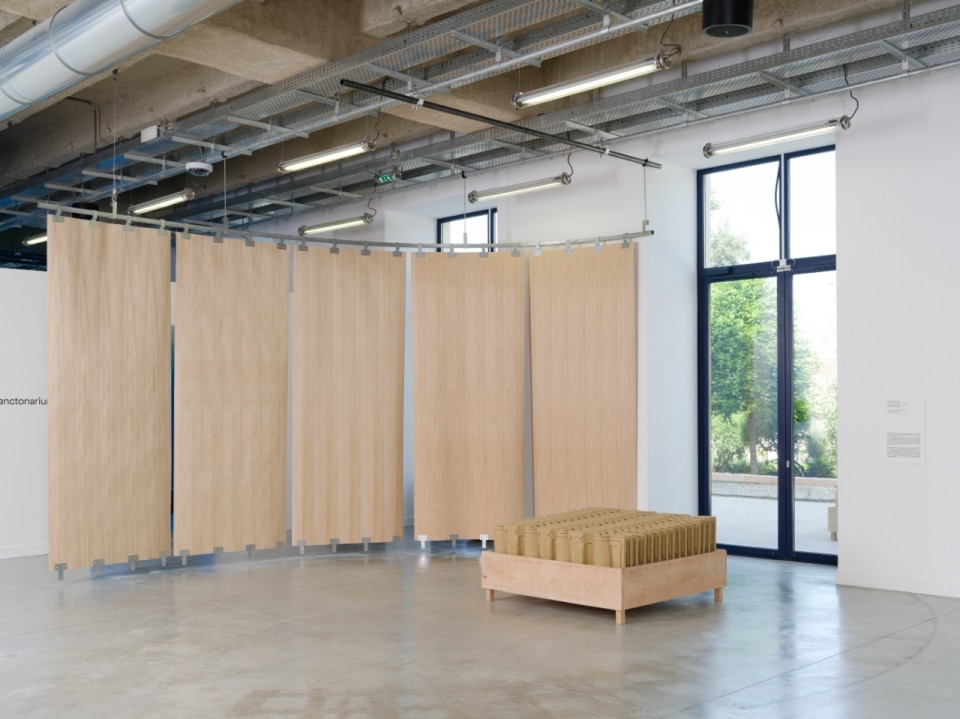
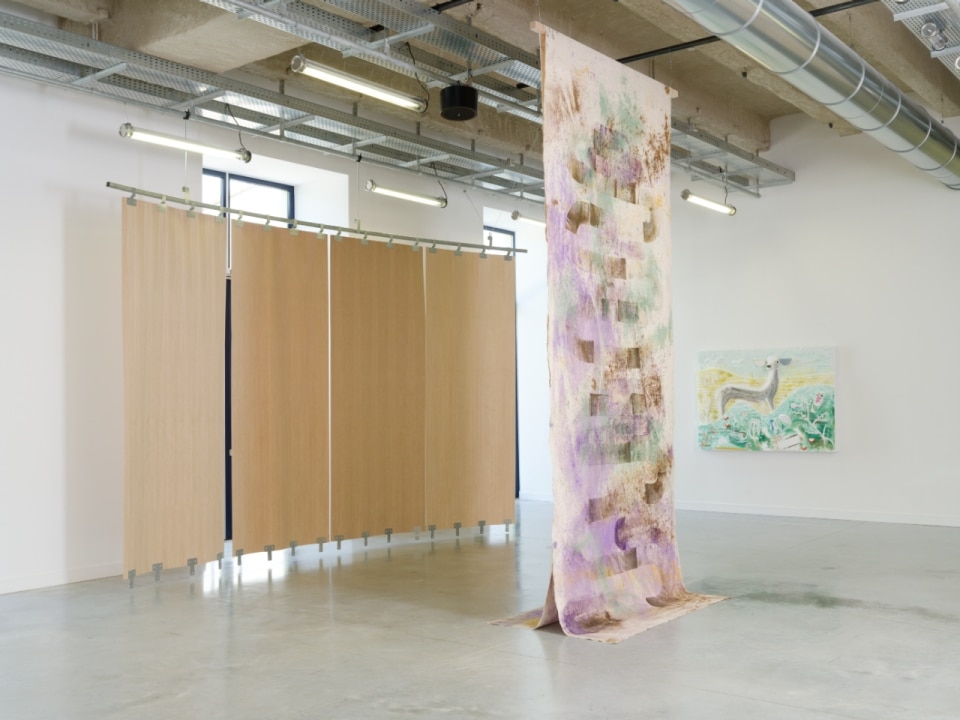
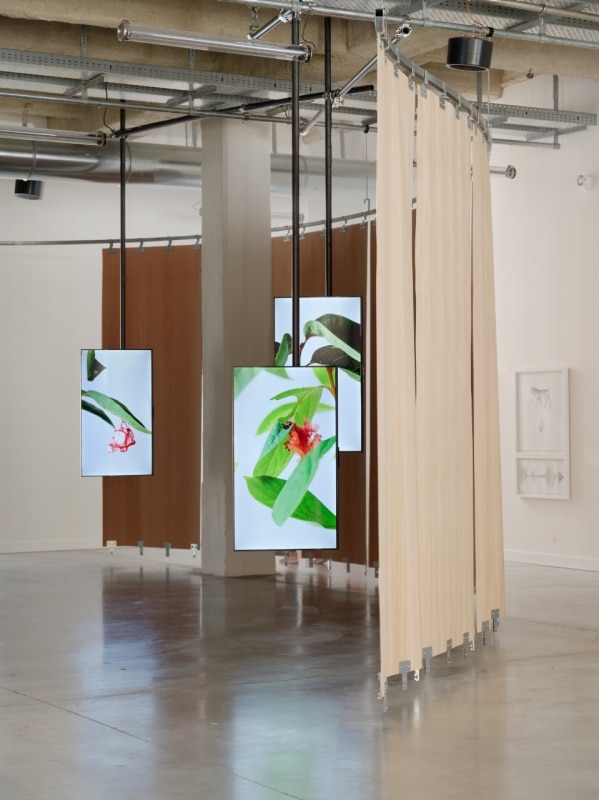
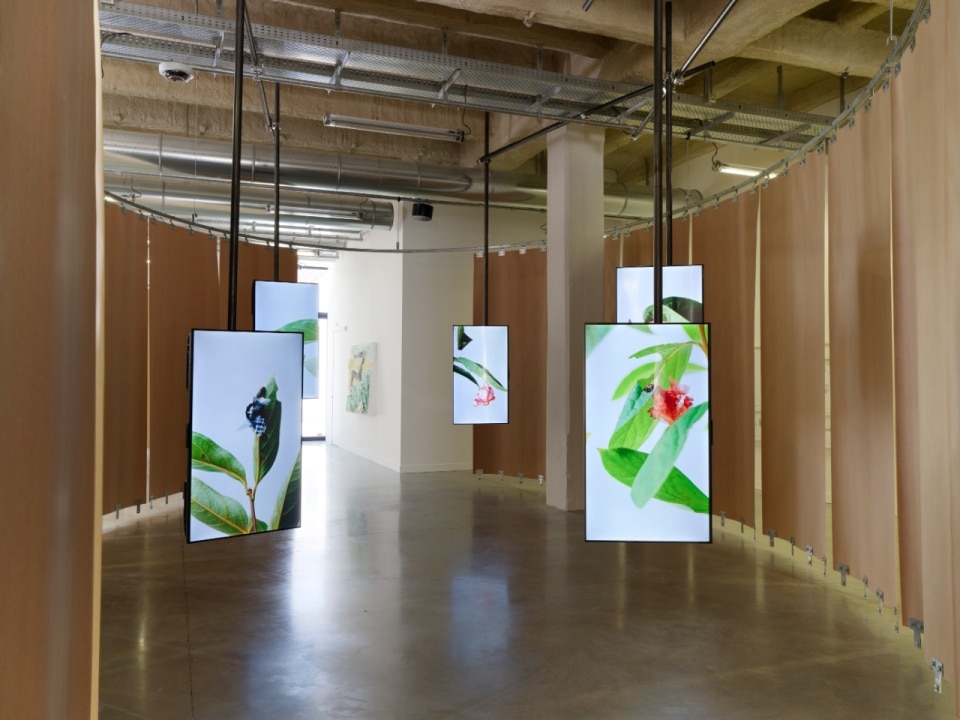
Set up in a vast open space, the exhibition unfolds within the scenography conceived by Atelier Craft: immense “tree skins”, thin sheets of laminate with woody grains, design a sinuous path that traverses the space like a trail through the undergrowth. In this landscape, simultaneously artificial and organic, nine international artists approach the theme from different perspectives.
It is a matter of combining the visual and sensitive approach of art with an expertise of the non-human
Emilie Villez, curator and art critic
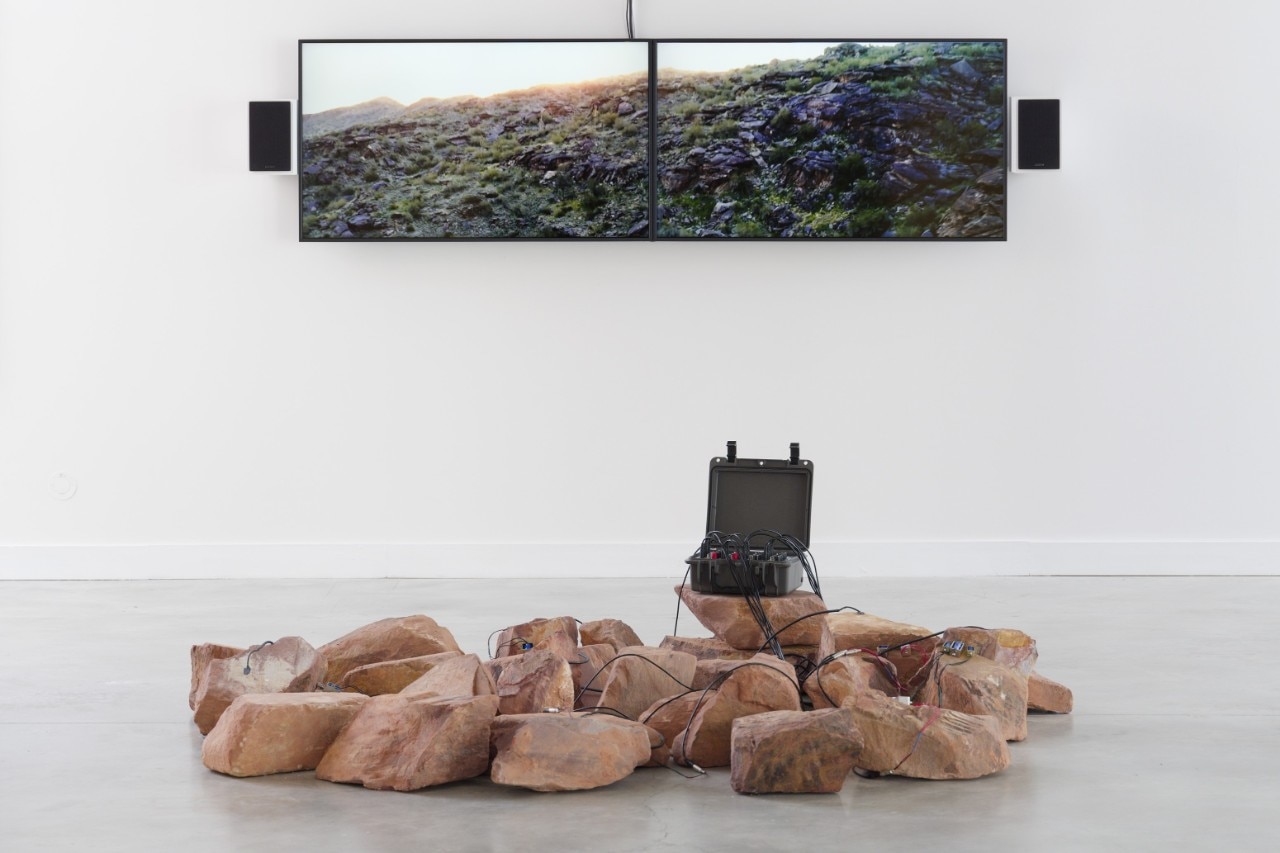
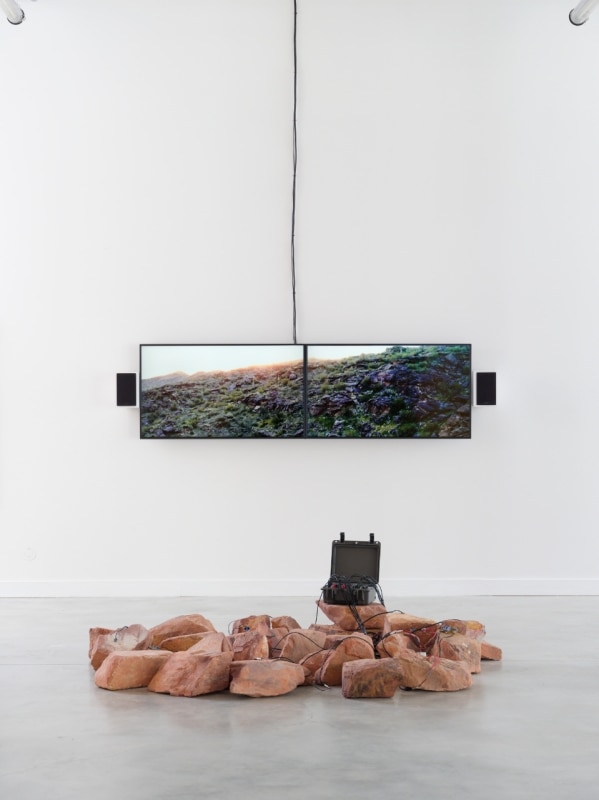
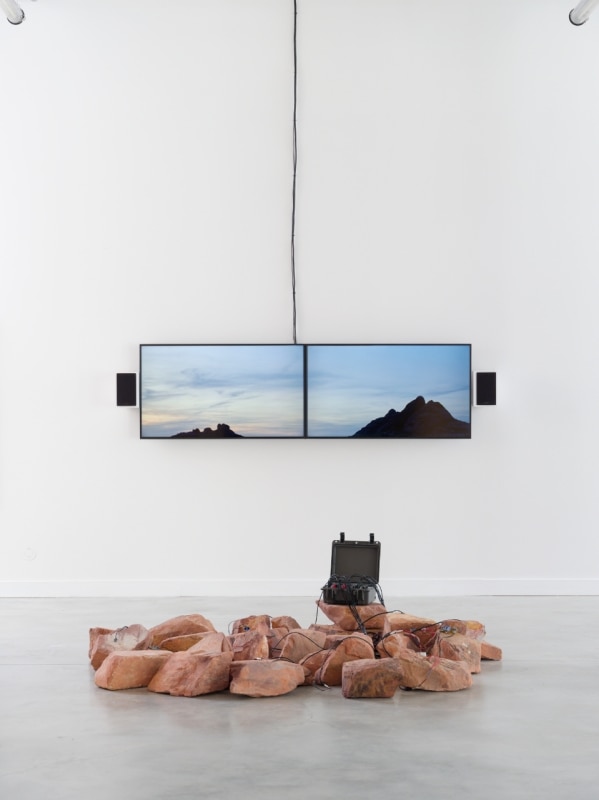
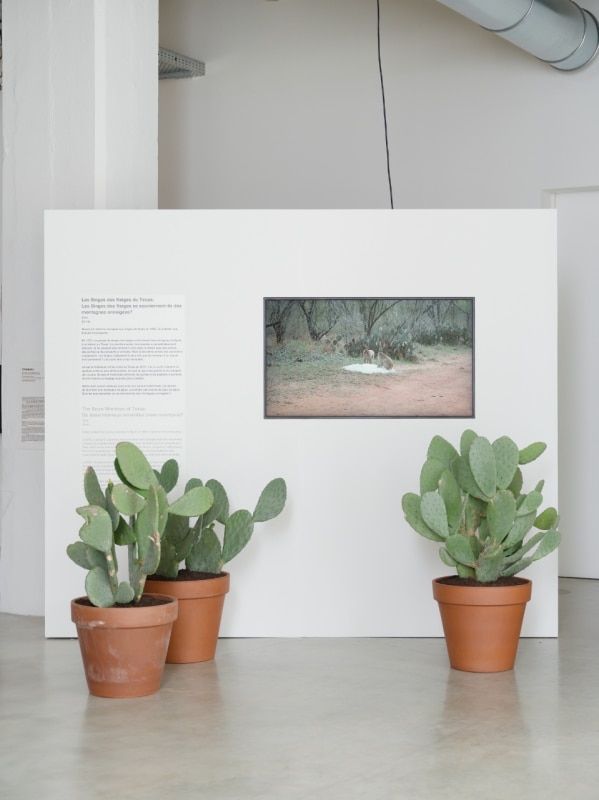
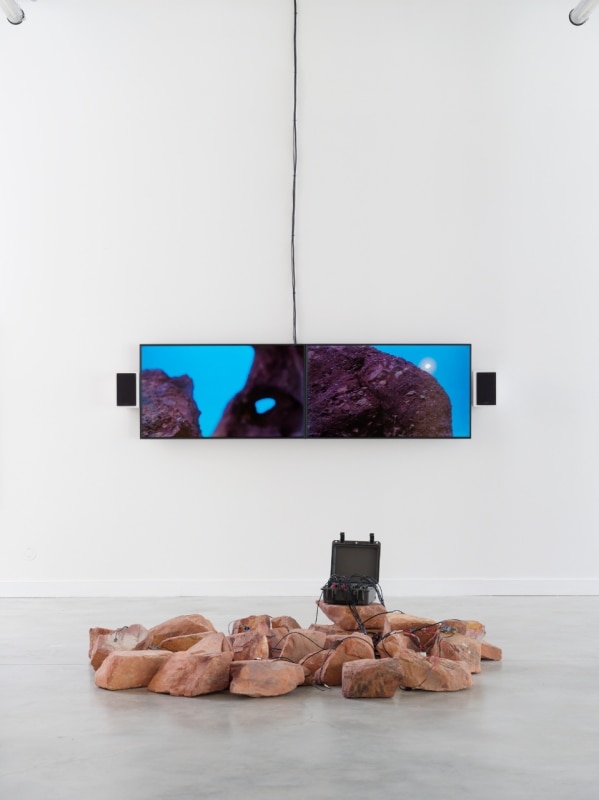
A first line of research tackles the question of language, the traditional boundary between the human and non-human. Mexican artist Tania Candiani presents a series of sound works conceived for the animals inhabiting the Arizona desert, while Japanese artist Shimabuku signs one of the most surprising works in the show: a video where he shows snow to a community of macaques who, despite being known as “snow monkeys”, have never actually experienced it.
Co-creating with animals, rivers, and plants
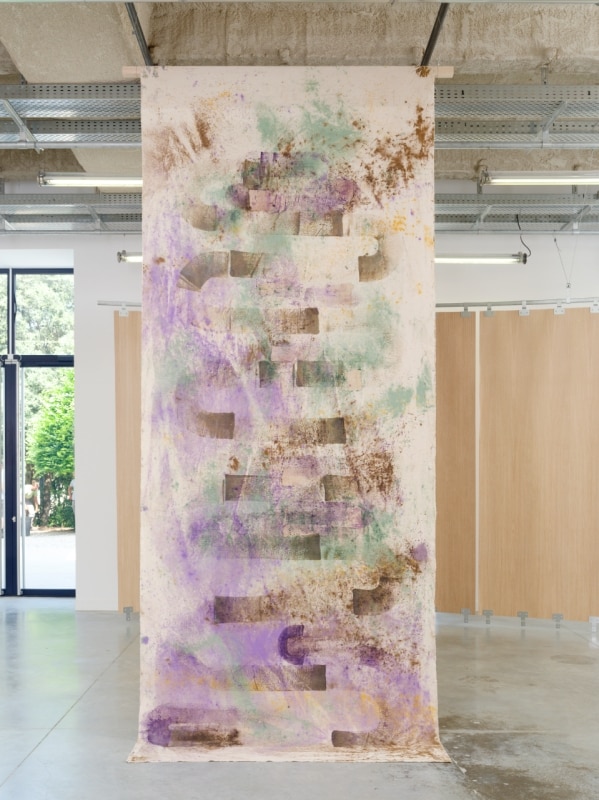
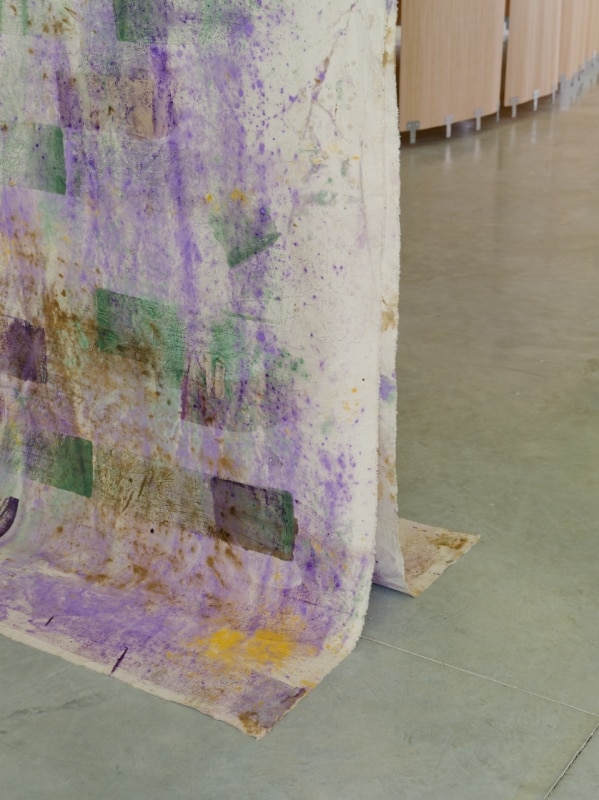
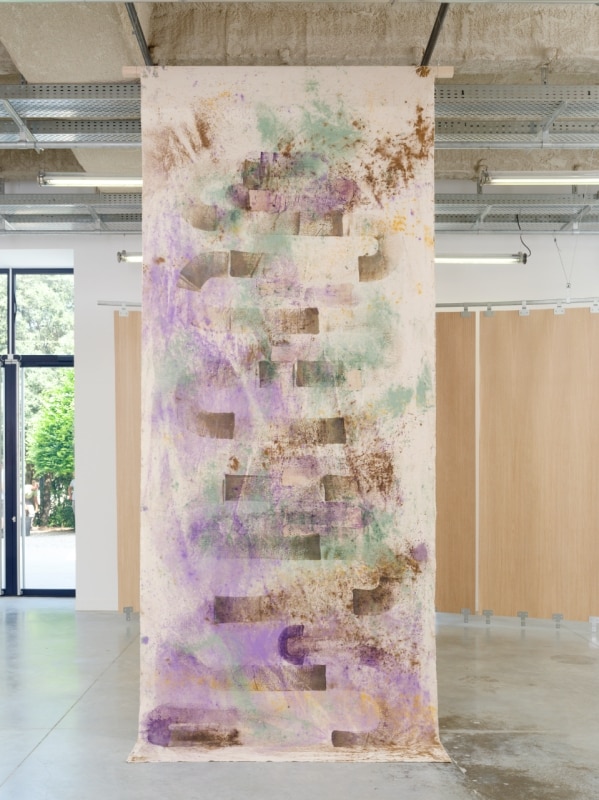
A second core explores the idea of co-creation between species. Aki Inomata invites insects to occupy tiny textile architectures she has crafted, giving life to hybrid forms in which the animal’s body and its “clothing” end up merging. Jessica Warboys, at the crossroads of painting and performance, creates large canvases printed with the help of the waters of the Charente, the river that flows through Cognac, transforming the unpredictable force of the current into a creative tool.
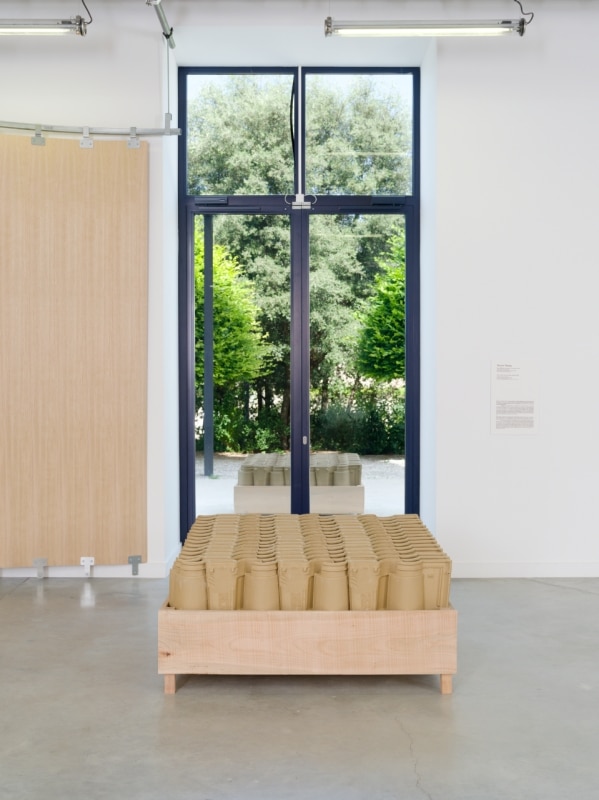
Trevor Yeung, on the other hand, presents a series of unfired clay tiles placed both inside and outside the building, leaving them to the action of time and atmospheric agents: a process-based work, entrusted to erosion, chance, and the transformation of matter.
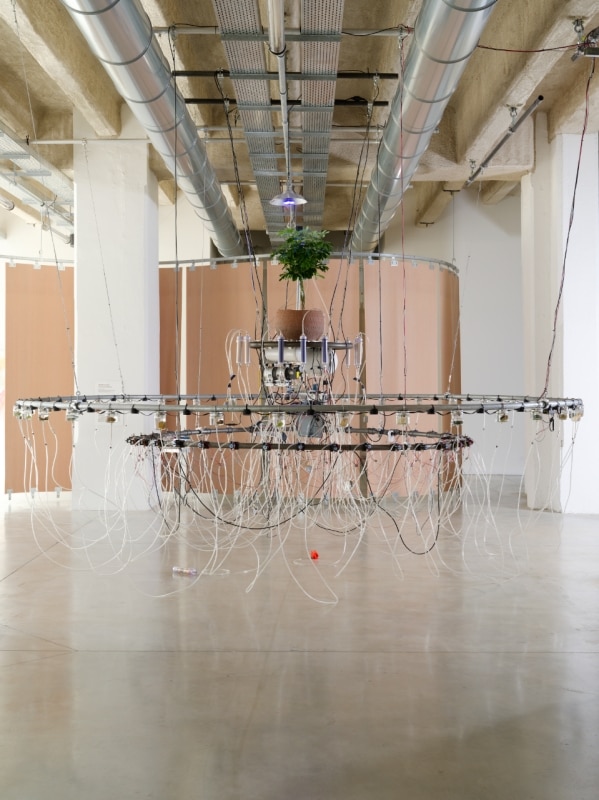
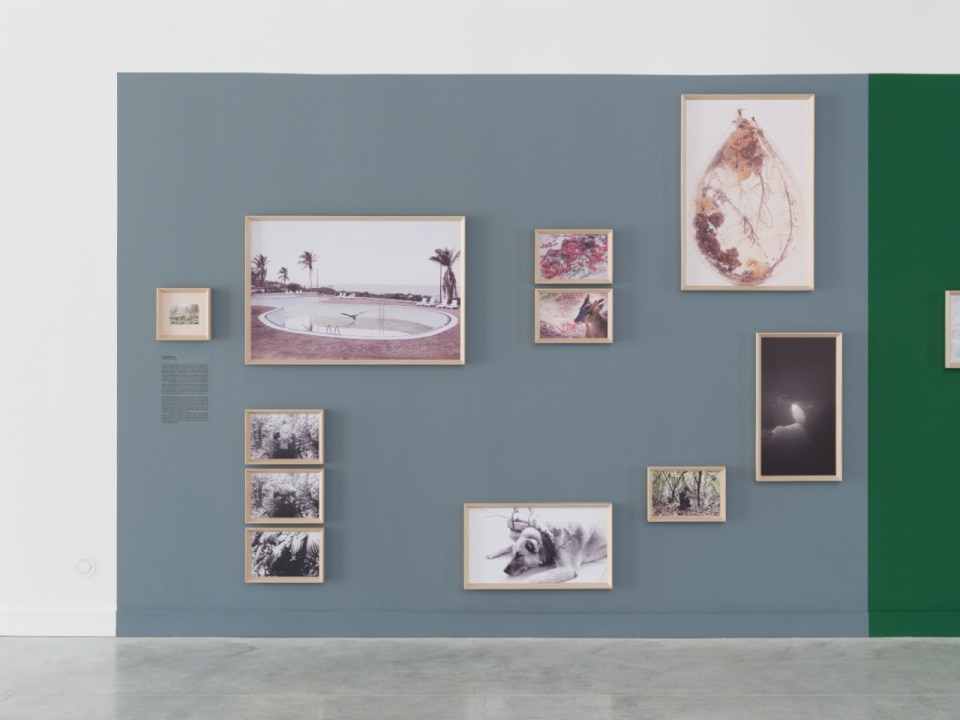
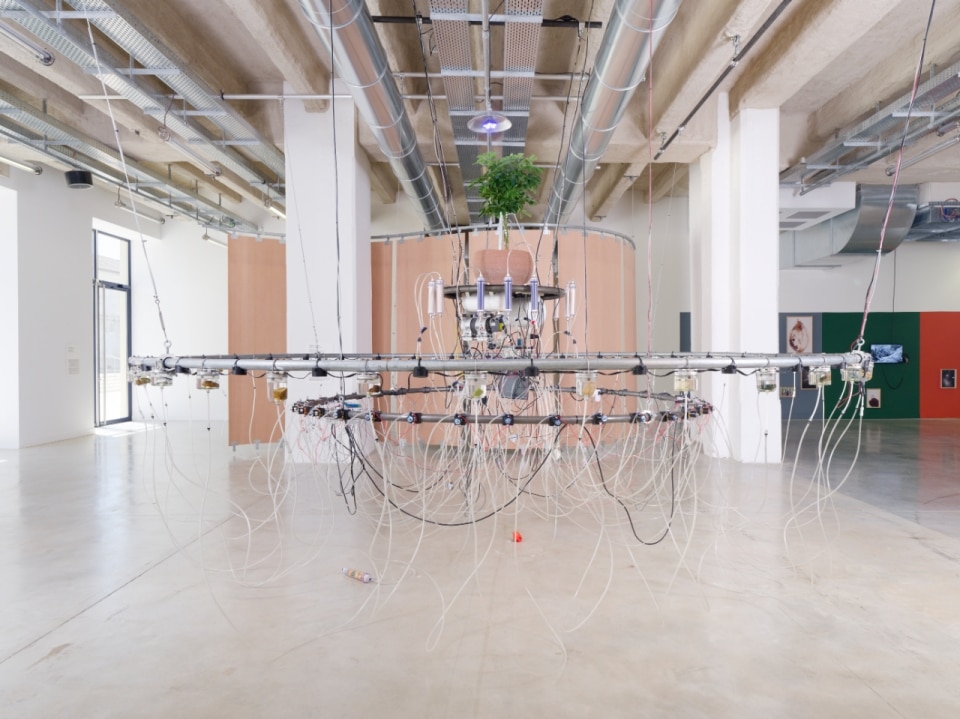
Finally, the exhibition opens up to alternative imaginaries. Robert Zhao Renhui documents the processes through which animals reclaim spaces and habitats deeply transformed by human intervention in different areas of the planet, while Bagus Pandega stages a monumental tentacular machine capable of generating oxygen from the biofeedback of a plant.
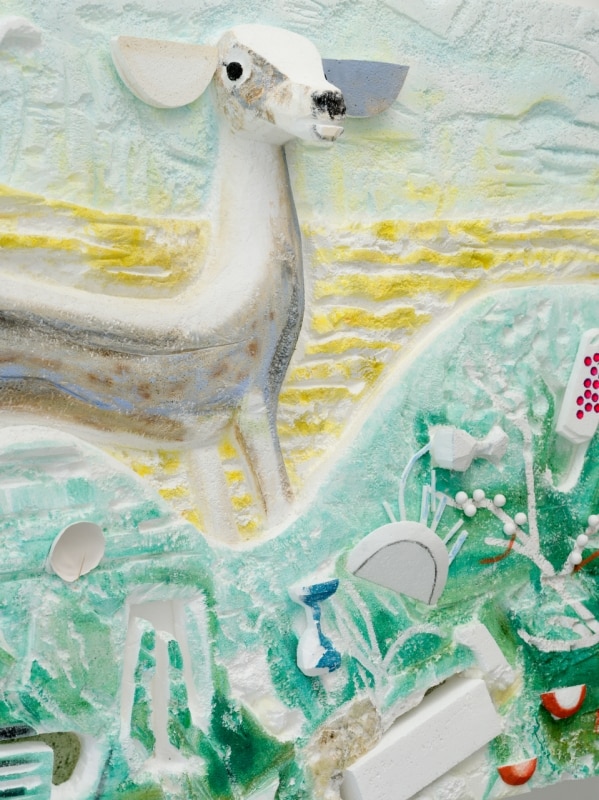
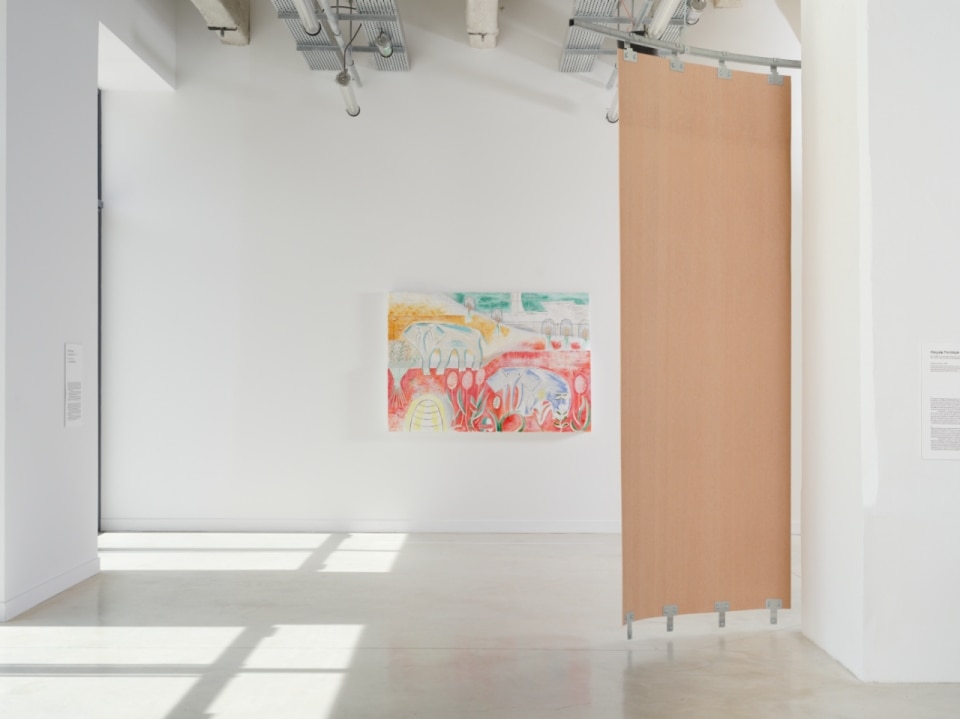
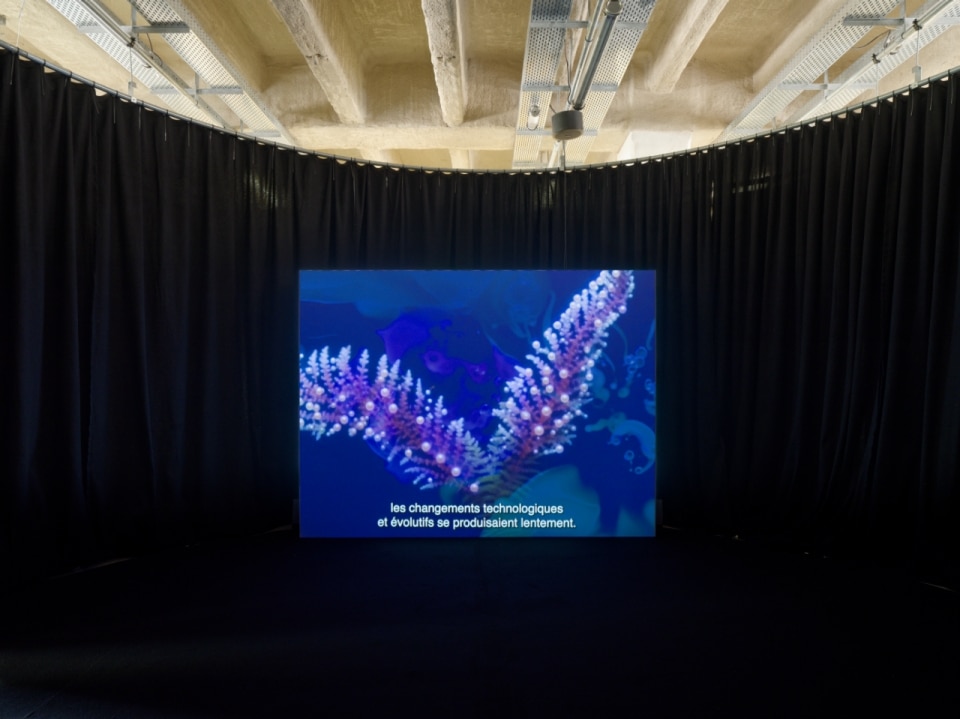
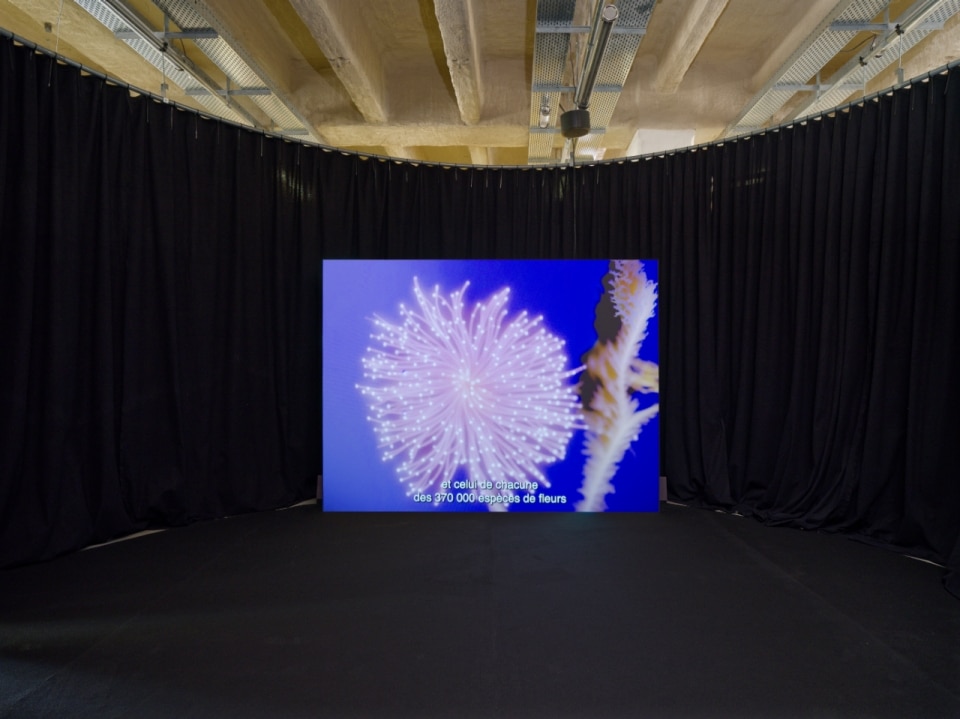
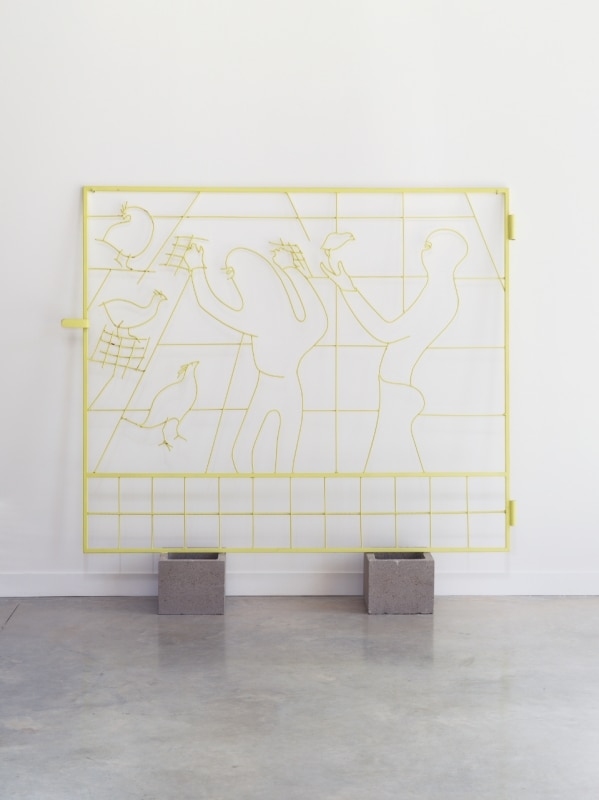
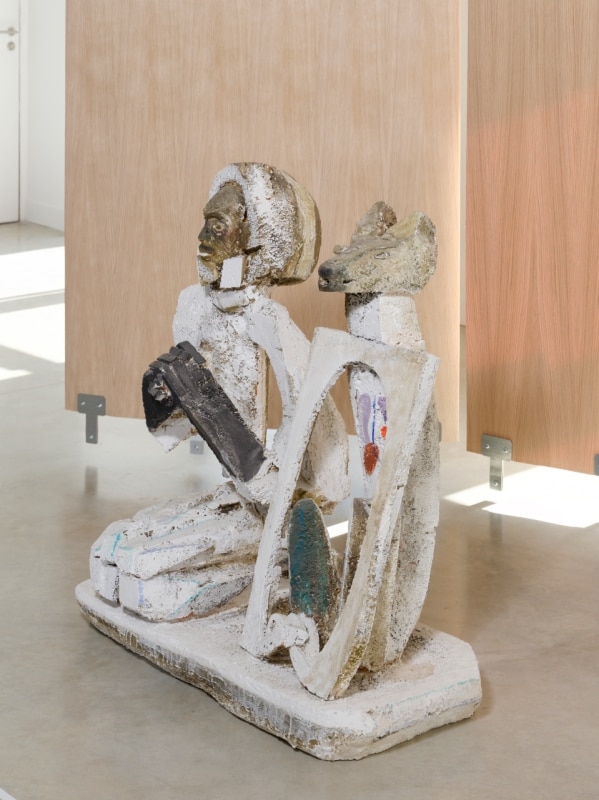
Lin May Saeed, an Iraqi-German artist who passed away in 2023 and is among the most significant revelations of the exhibition, presents delicate polystyrene sculptures in which animals, humans, plants, and deities coexist in a pacified dimension, removed from all hierarchy. In Agnieszka Polska’s film, instead, the tale of an ancient osmosis between humans and flowers takes shape — a symbiotic relationship now lost that the artist reactivates as a visionary narrative.
the Foundation conceives itself as an ecosystem of residencies, production, and research: a space where ideas are tested against matter and matter, in turn, generates new ide
Unlike many exhibitions that transform artworks into mere illustrations of a curatorial thesis, “Le singe et l’argile” avoids the trap of didacticism. While rooting its thoughts in a theoretical ground widely shared today by artists and designers — from Donna Haraway’s Companion Species to the reflections of Anna Tsing, Vinciane Despret, Baptiste Morizot, and Bruno Latour on overcoming human exceptionalism — the exhibition fully exploits the open, polyphonic, and sometimes contradictory nature of the display setup
As curator Emilie Villez notes: “It is a matter of combining the visual and sensitive approach of art with an expertise of the non-human”. In other words, it is about thinking of art as both a critical and utopian space for experimenting with new societal models, where the principle of coexistence and cooperation extends to the entire horizon of the living. A perspective that does not only make one think, but also gives one hope.