






.jpg.foto.rmedium.png)
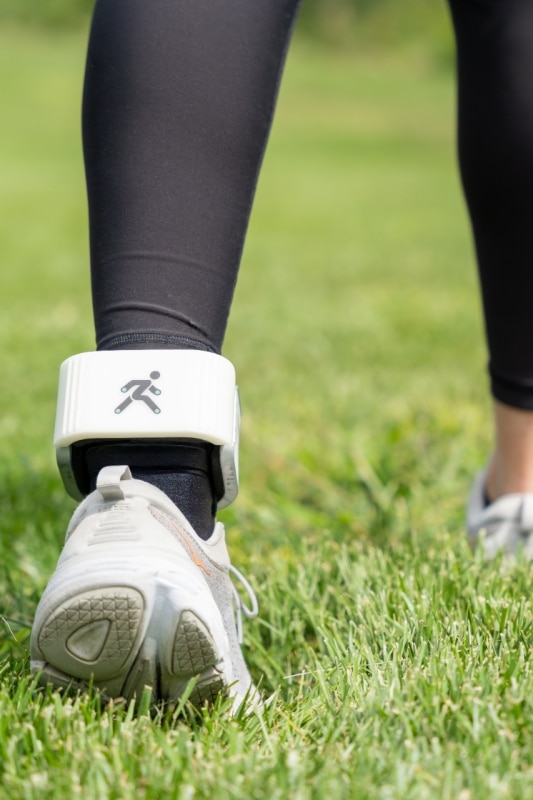
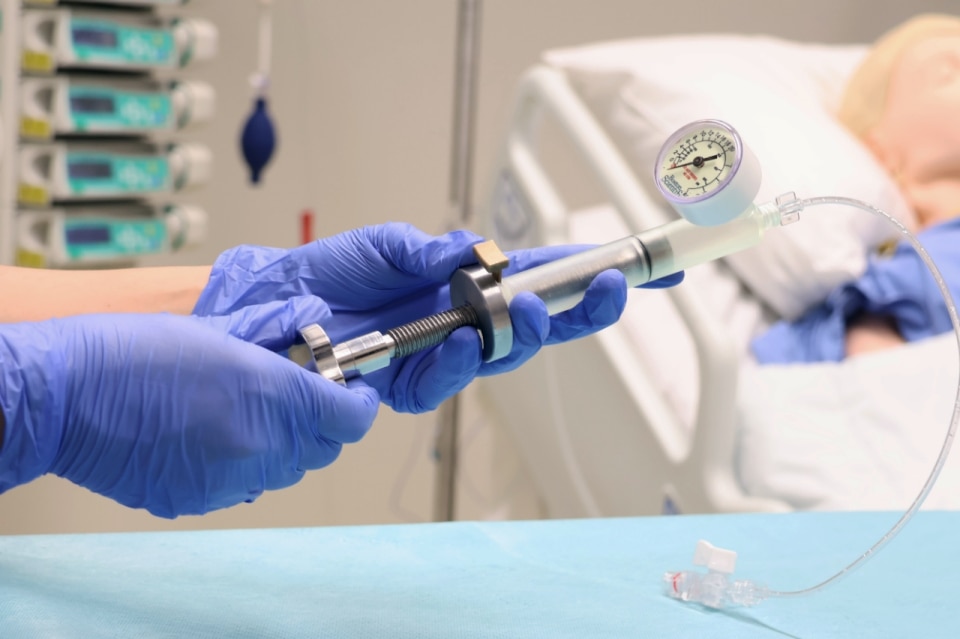
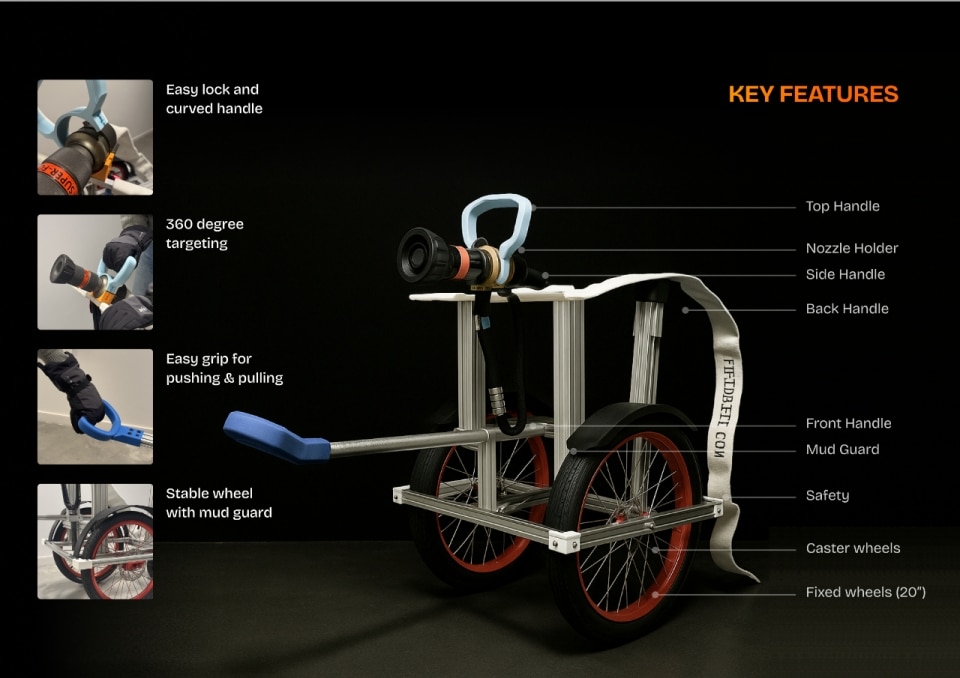
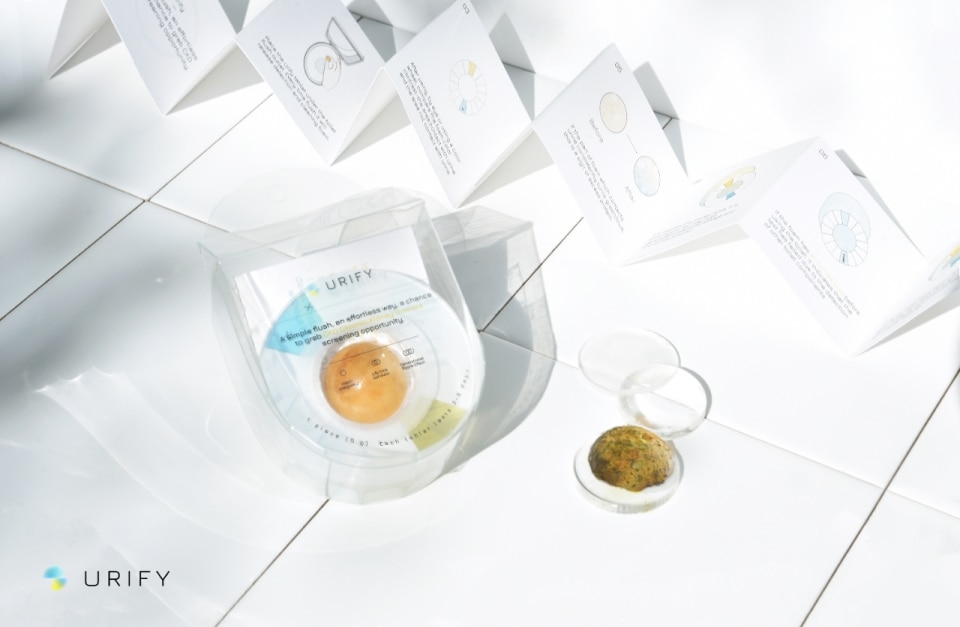
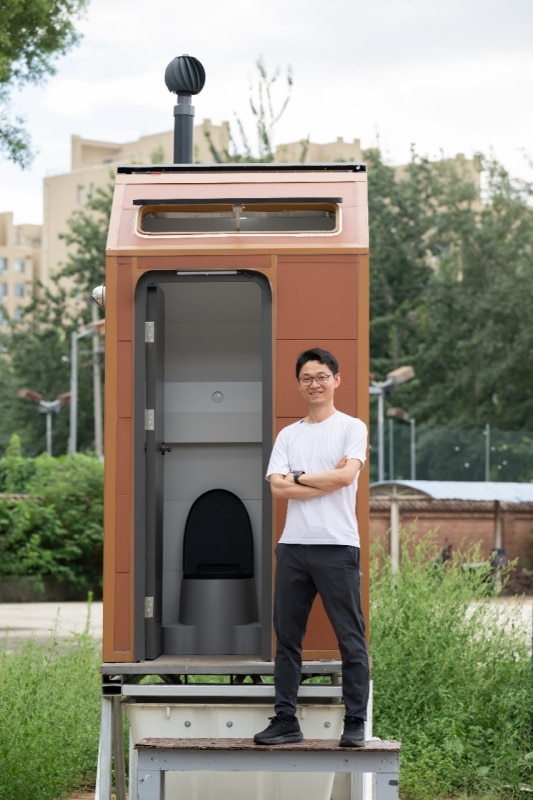
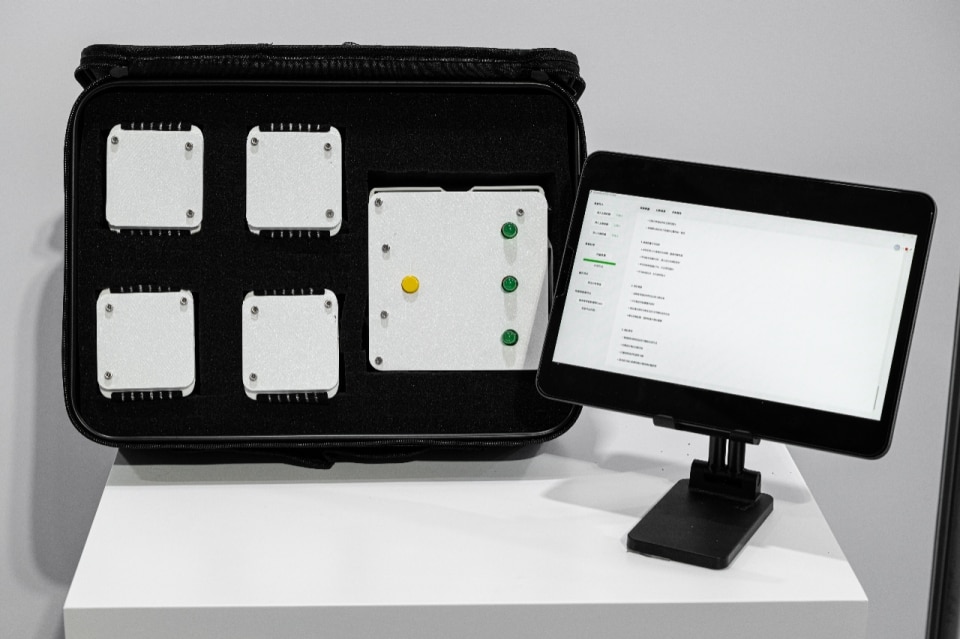
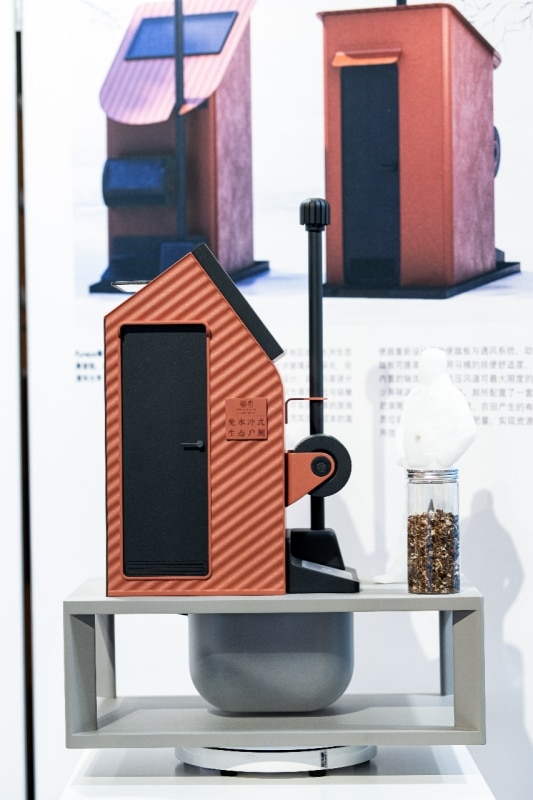
Dyson has unveiled what it considers the 20 most important inventions of 2025. A panel of 15 engineers from the renowned British company selected the global finalists for the 2025 James Dyson Award, to be announced on November 5. Each invention was evaluated based on functionality, design process, originality, and commercial feasibility. Beyond the £30,000 prize to support development, the award provides crucial visibility each year to engineering and design projects by emerging talents seeking real-world impact. For this edition, Dyson has chosen to highlight solutions addressing climate change, healthcare accessibility, and even disaster response.
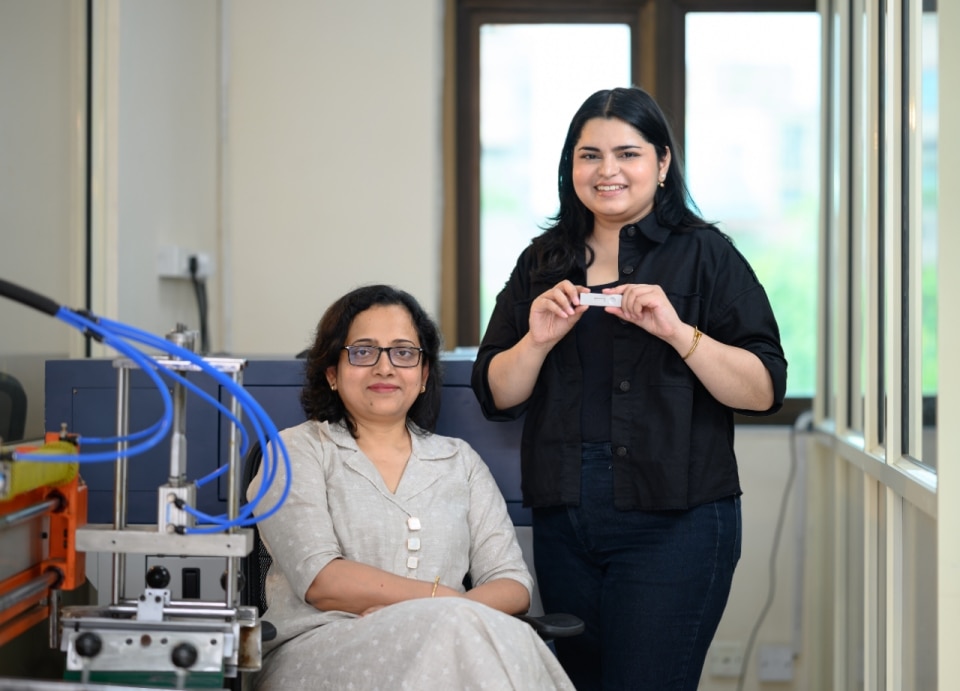
Among the candidates stands out OncoALERT, a needle-free screening device—developed in India by Dr. Jayanti Kumari—that resembles a pregnancy test but actually detects oral cancer within minutes using saliva. Users simply place the soft suction tip under the tongue; saliva is gently drawn into a paper-based microchannel, where it flows toward a zone of nanotechnological biosensors. “There, salivary biomarkers react with gold nanoparticles through a high-affinity molecular bond, producing a clear binary result: no lab, no specialist, no pain,” notes Dyson.
Dyson has chosen to highlight solutions addressing climate change, healthcare accessibility, and even disaster response.
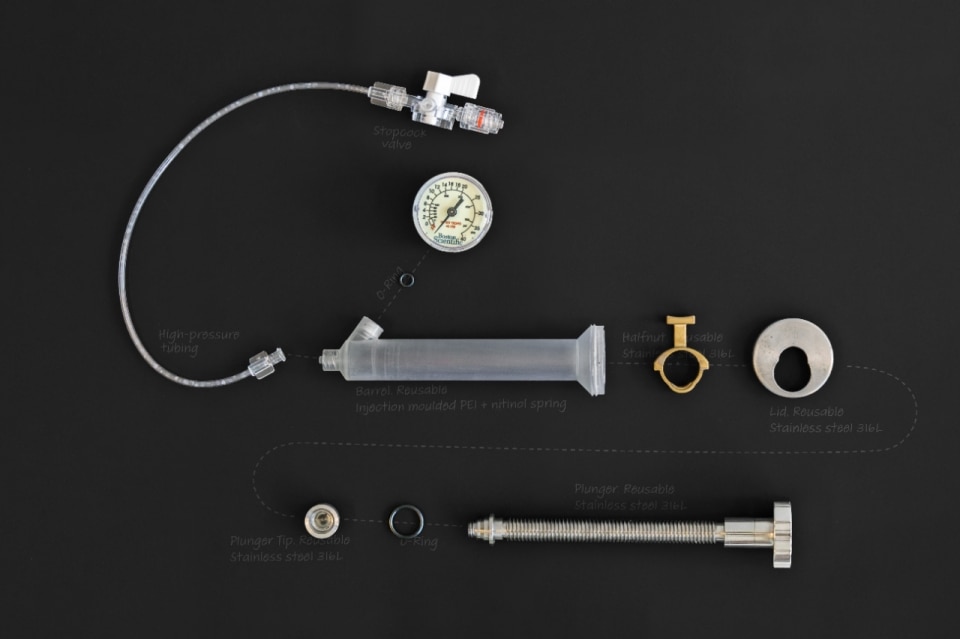
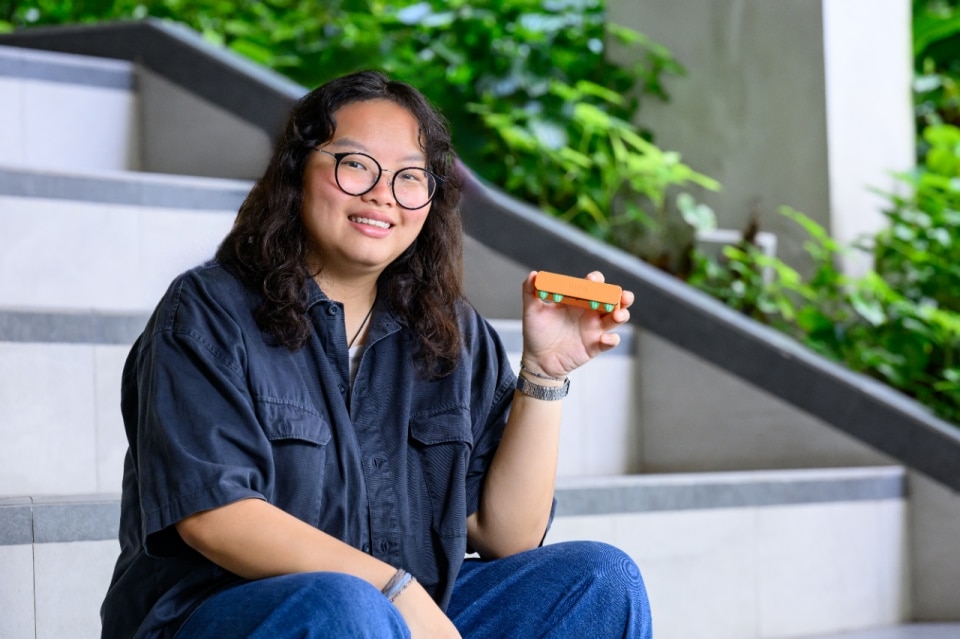
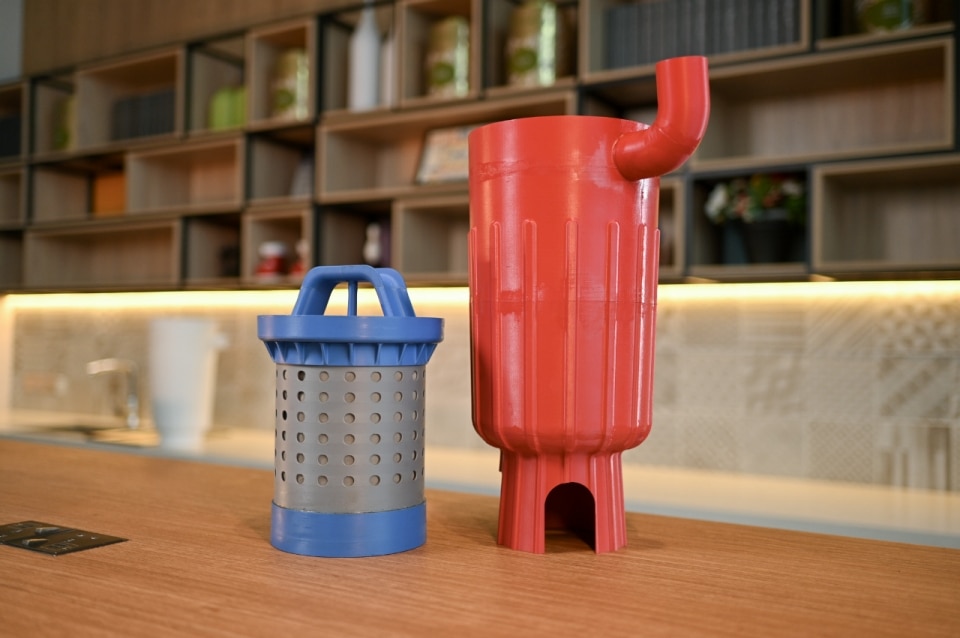
UNBLOK, on the other hand, is a device that prevents household clogs caused by fats, oils, and grease through a biocomposite filtration system derived from palm oil industry waste, simplifying wastewater treatment. This material leverages its natural oleophilic properties to attract and retain oils and grease effectively. It was developed by a research team from the Asia Pacific University of Technology & Innovation.
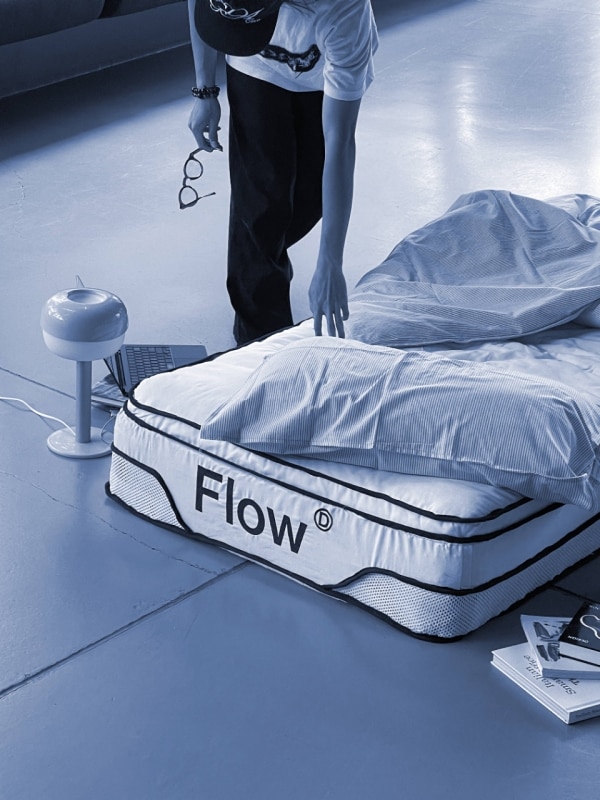
FLOW is the world’s first truly 100% recyclable mattress, designed for circularity by Professor Ricky O’Brien of RMIT University in Melbourne. It can be disassembled in less than 30 seconds. Its core is made from a single extrusion of TPE polymer—an emerging alternative to conventional viscoelastic polyurethane foam. The lattice structure forms “a continuous monomaterial with multiple densities for multi-zone support,” while the outer cover, made of cotton and polyester, is fixed with a single chain stitch. “It can be removed in one motion, without tools, and its material mix is selected for compatibility with existing textile recycling systems,” Dyson specifies. The entire system avoids glues, staples, and mixed materials, making recycling easier.
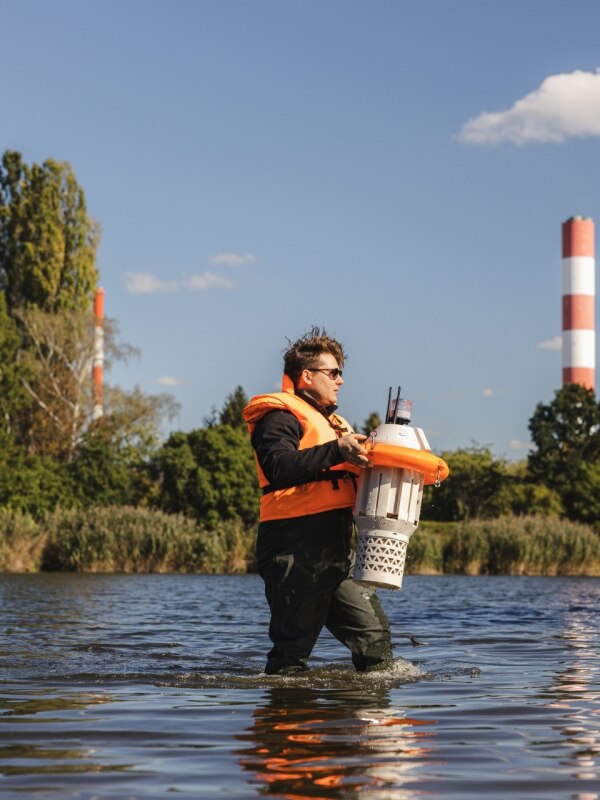
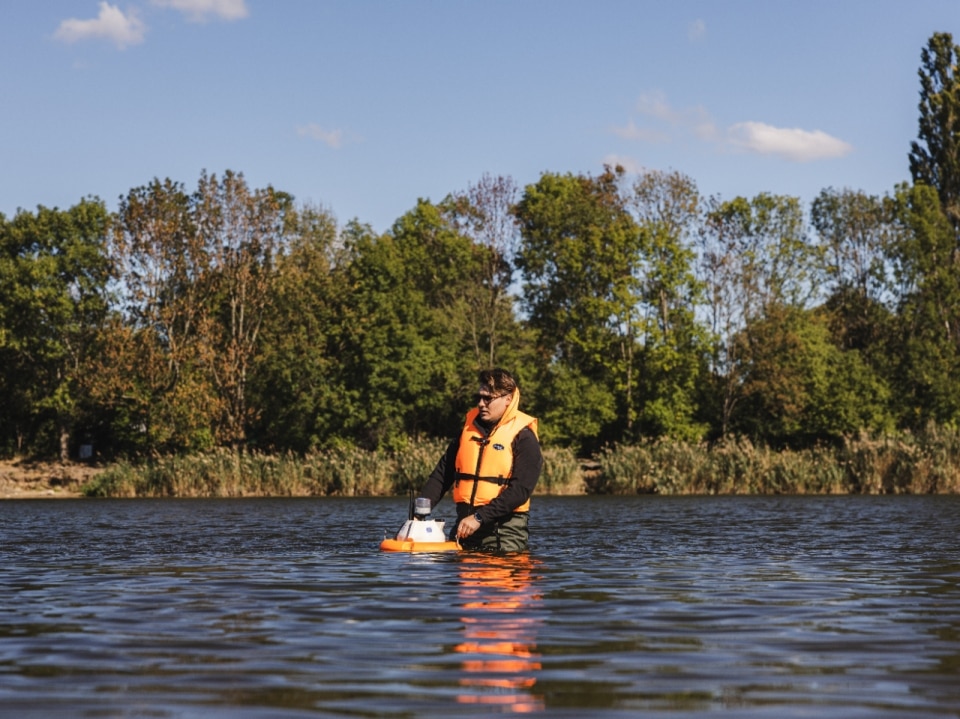
WaterSense looks like a simple floating buoy but is actually an advanced smart monitoring system for rivers and lakes. A central unit processes data and transmits it via mobile network, while the sensors are disposable modules lasting up to 12 months. These monitor more than 20 key parameters (such as pH, dissolved oxygen, nitrates, chlorides, and conductivity). Once a day, the system automatically replaces the used sensor—like film in an analog camera—ensuring lab-grade precision without manual maintenance. Power comes from a hydro-generator module, enabling fully autonomous, maintenance-free operation year-round. The proprietary AI model, WaterForecast, enables early pollution detection up to 72 hours in advance, making WaterSense a crucial tool for protecting aquatic ecosystems. The system was developed by researcher Filippo Budny from the Warsaw University of Technology.

“This year we received a wide range of innovative proposals addressing some of the greatest challenges facing society today. The jury faced a real challenge narrowing the selection down to 20 finalists, and there was lively debate over which ideas were truly innovative and at the same time realistic for the market. All participants should be proud of their inventions. I can’t wait to see who wins!” said Robyn Coutts, Dyson’s Head of Innovation and Delivery.
All images Courtesy Dyson