OK
Domus Domus
newsstand
SUBSCRIBE
  • Magazine
  • Digital Edition
  • Digital Archive
LANGUAGE
  • it
  • en
Hi Logout
Sign up / Log in
  • News
  • Architecture
  • Interiors
  • Design
  • Art
  • Archive
  • Products
  • Design Essentials
  • Design Stories
  • Submit your project
Sections
  • News
  • Architecture
  • Interiors
  • Design
  • Art
  • Archive
  • Products
  • Covers
  • Biographies
  • Architecture Firms
  • Sustainable Cities
  • Gallery
  • Design Stories
  • Domus for Design
Magazine
  • Subscriptions
  • Digital Edition
  • Current Issue
  • Guest Editor
  • Digital Archive
  • Nordic Design
Specials
  • Design Essentials
  • Modern Work
  • DomusAir
  • Milano Design Week
  • Worldesign
Current Issue

Domus 1106 hits the shelves

Follow us
LANGUAGE
  • it
  • en
Hi Logout
Sign up / Log in
newsletter Icon
results No results Please enter a long search term

      The essentials: 20 of the best stools

      The essentials: 20 of the best stools

      Next gallery

      A vertical micro dwelling in Buenos Aires

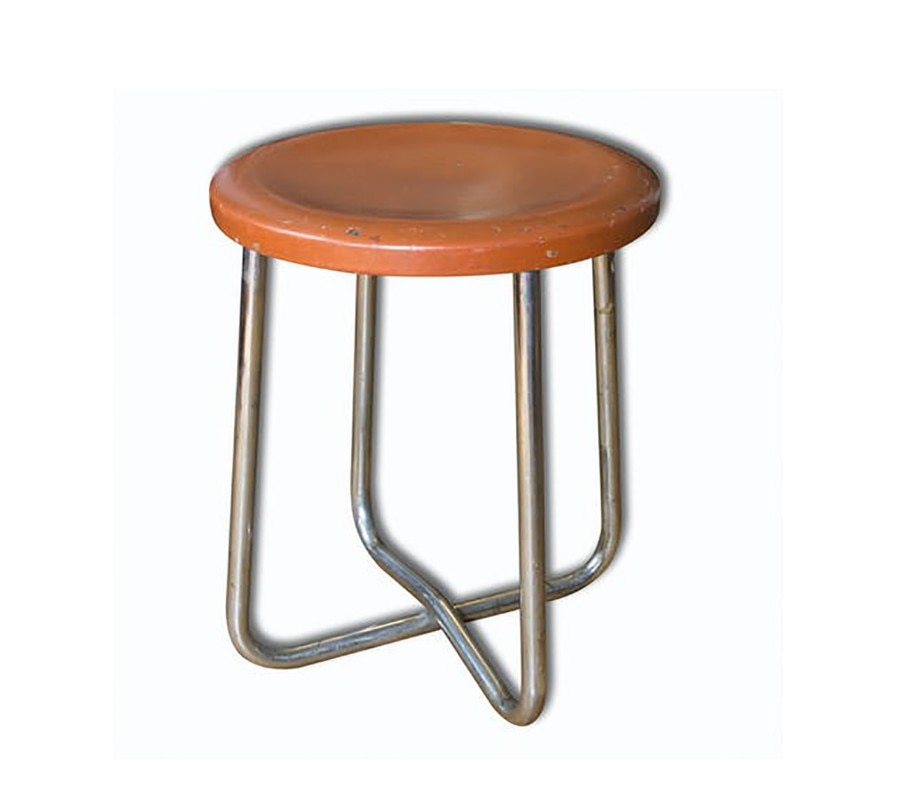
      Bauhaus Stool, Karel E. Ort, Hynek Gottwald, 1930s

      Among the many stools designed during the Bauhaus years and by the followers of the movement - we have stackable, height-adjustable and cantilever stools - Hynek Gottwald's stool stands out for the subtle elegance of the barely hinted curves of the steel tubular frame, a gentle variation of a hyperfunctional model that more than others, can easily be used as a coffee table.

      Lacquered wood and chrome tubular steel frame. 35x35x42 cm

      View article
      View article
      • SHARE
      • PIN IT

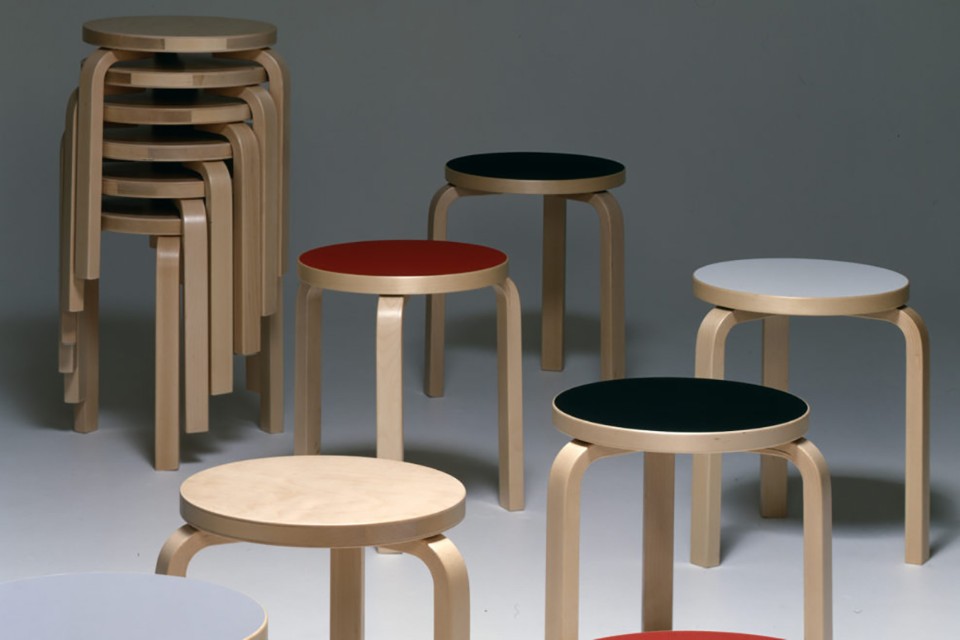
      Stool 60, Alvar Aalto, Artek, 1933


      Forefather of the L-shaped leg composed of solid bent wood, a 20th century design icon whose commercial success has not yet declined, this stackable stool designed for the Viipuri library in Vyborg, Russia, embodies Aalto's design philosophy: a preference for natural and warm materials such as wood, for organic shapes, for a comfort that results in a holistic vision of the relationship between man and environment.


      Birch. 38x38x44 cm

      View article
      View article
      • SHARE
      • PIN IT

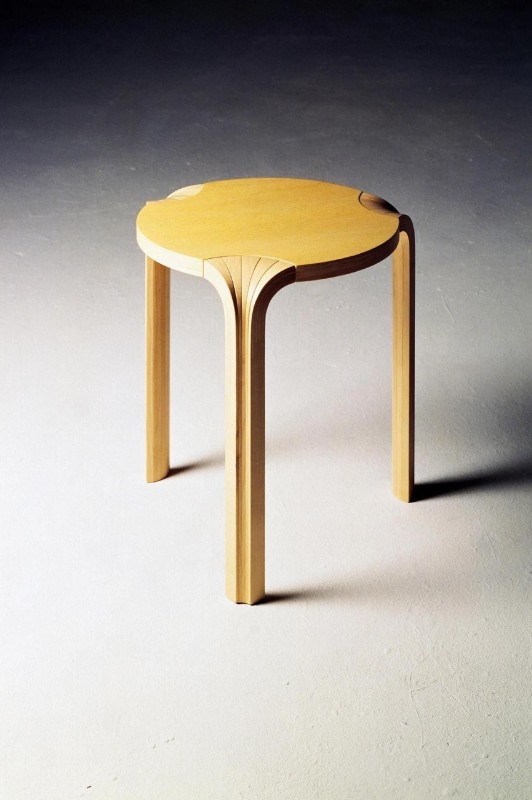
      Fan-leg stool x601-x600, Alvar Aalto, Artek, 1954

      An evolution of the L-leg, the fan-shaped leg version offers an even more harmonious connection with the seat.

      Laminated birch, leather. 43x43x45 cm

      View article
      View article
      • SHARE
      • PIN IT

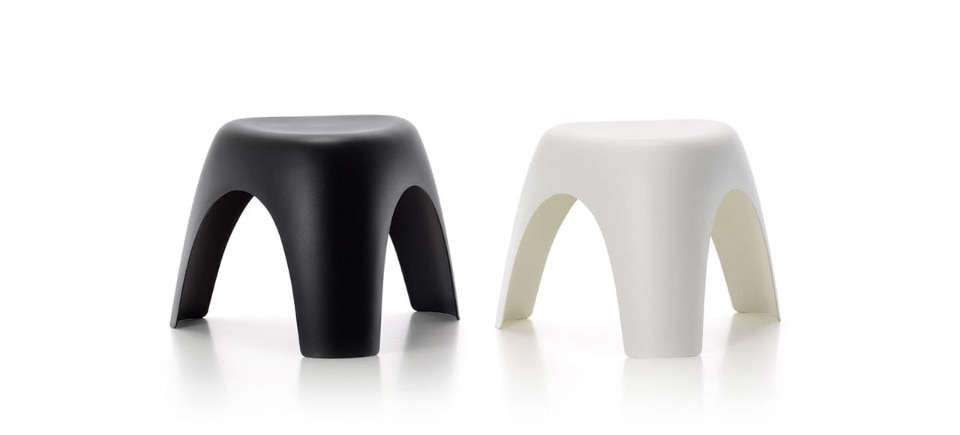
      Elephant, Sori Yanagi, Vitra, 1954

      This stackable three-legged stool, first made of fibreglass and then of injection-moulded polypropylene, represents a perfect synthesis between a strong and democratic functionality - small in size, also suitable for outdoor use, easily transportable even for a trip outdoors - and a shape that is easily understandable and at the same time seductive and smooth.

      Injection-moulded polypropylene. 51,5x46,5x37 cm

      View article
      View article
      • SHARE
      • PIN IT

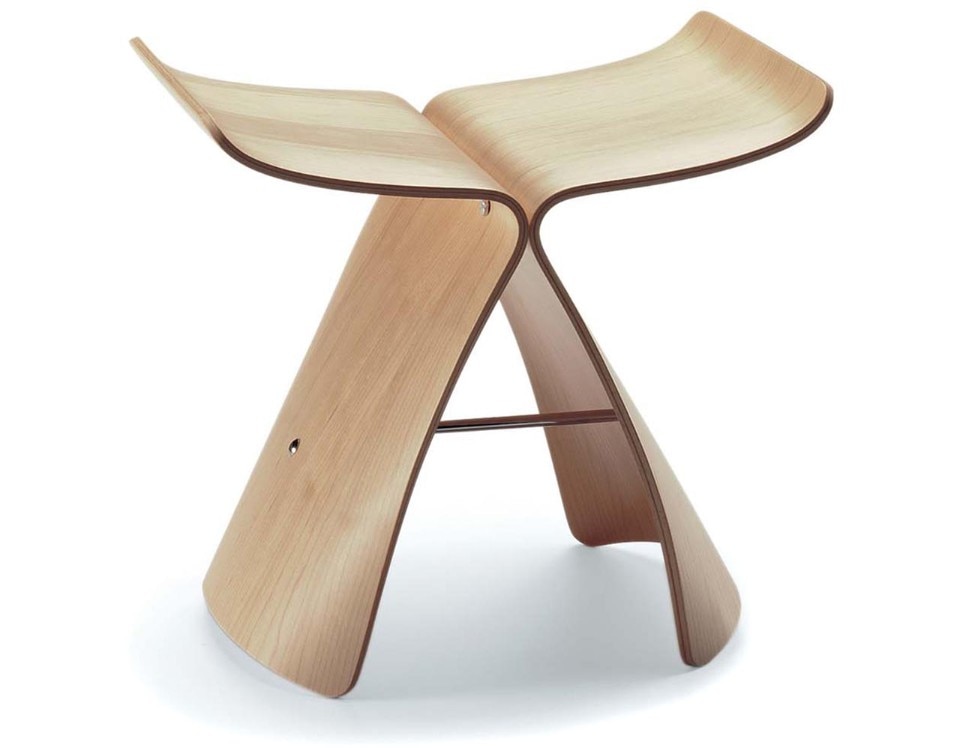
      Butterfly, Sori Yanagi, Vitra, 1954

      An ideal bridge between cultures, Butterfly has the shape of a "western" stool, but mixes it with a Japanese soul: the shape is not only reminiscent of a butterfly's wings, as the name would suggest, but also of traditional Japanese buildings.

      Five-layer curved plywood, veneered with rosewood, whit brass cross-bar and metal fittings.

      View article
      View article
      • SHARE
      • PIN IT

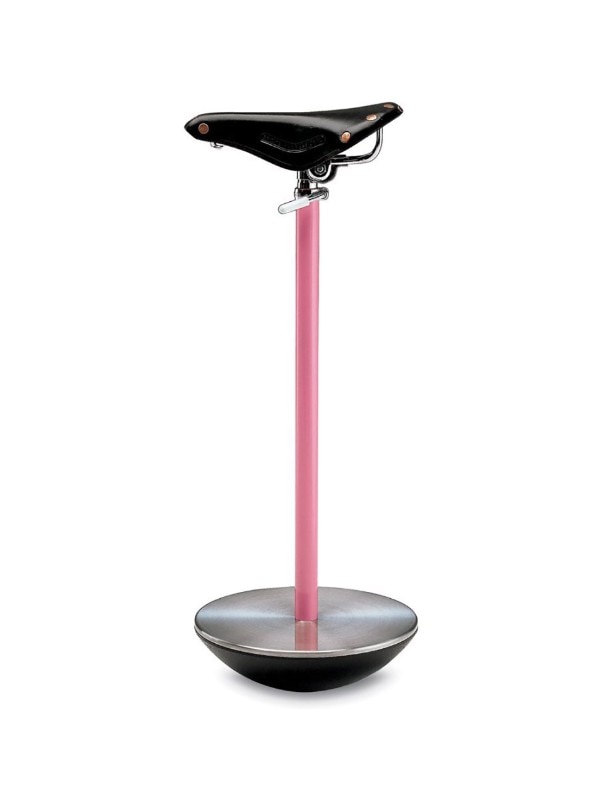
      Sella, Achille and Pier Giacomo Castiglioni, Zanotta, 1957

      Emblem of the ready-made objects that have distinguished the work of the Castiglioni brothers, among the most iconic pieces of Made in Italy design after World War II, Sella stands out as an atypical seat, not only because of the saddle of a real racing bicycle, but also for the type of mobile support offered by its hemispherical base, which makes it a tilting seat, not surprisingly designed as a “telephone stool” when these devices were still fixed to the wall. When designing its shape, the Castiglioni family was inspired by the traditional milking stool, a particular one-legged seat, particularly comfortable for doing that kind of work. The pink colour of the steel column is a tribute to the Gazzetta dello Sport, Italy’s leading sports newspaper.


      Black saddle of racing bike, pink lacquered steel column, cast-iron base. 33x33x71cm

      View article
      View article
      • SHARE
      • PIN IT

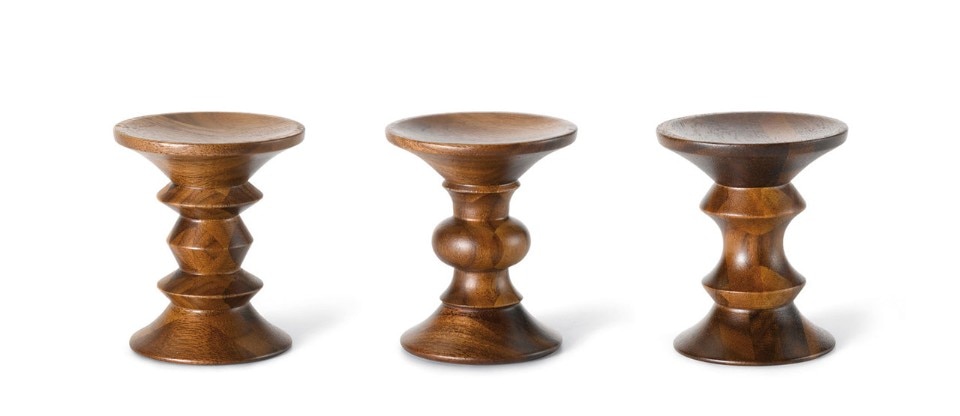
      Eames Stool model C, Charles and Ray Eames, Vitra, 1960

      Inspired by an African stool in the living room of the Eames House, Model C is part of a line of stools crafted from solid turned walnut designed for the lobbies of the Time & Life Building at Rockefeller Center in New York.

      Solid walnut. 28x28x38 cm.

      View article
      View article
      • SHARE
      • PIN IT

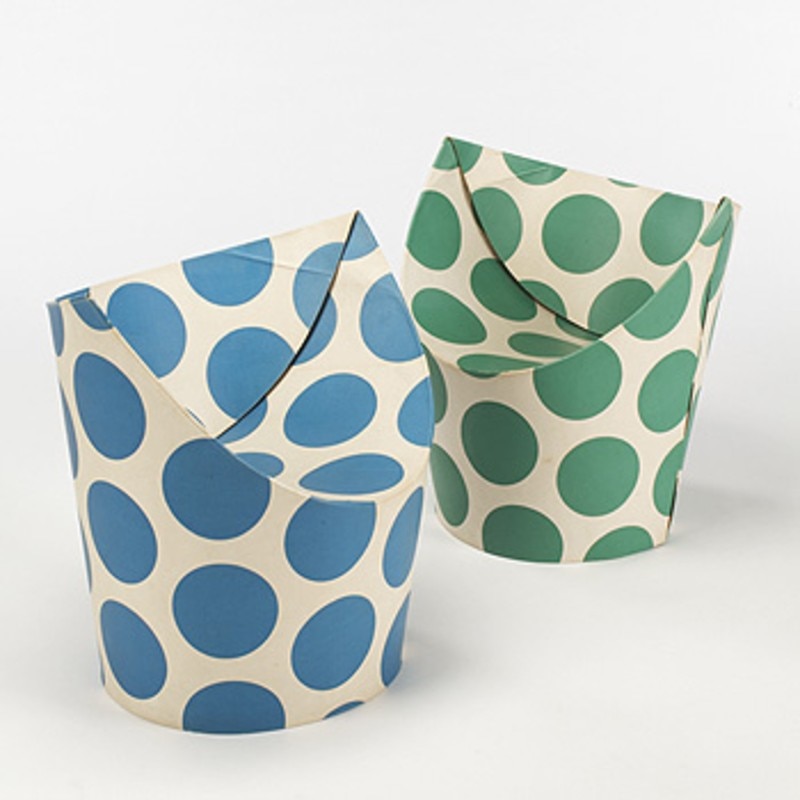
      Spotty, Peter Murdoch, International Paper, 1964

      Famous for its iconic bucket shape and large coloured circles that evoke the pop-art movement, Spotty is a stool made from a single piece of die cut self-assemble cardboard. The laminated polyethylene layer makes it washable and therefore particularly suitable for children, for whom the stool was originally designed anyway. More than 76,000 pieces in six months were sold in 1967, retailing for less than £1 each.

      Polyurethane coated laminated paper, die-cut and folded. 52.5x46.5x52 cm

      View article
      View article
      • SHARE
      • PIN IT

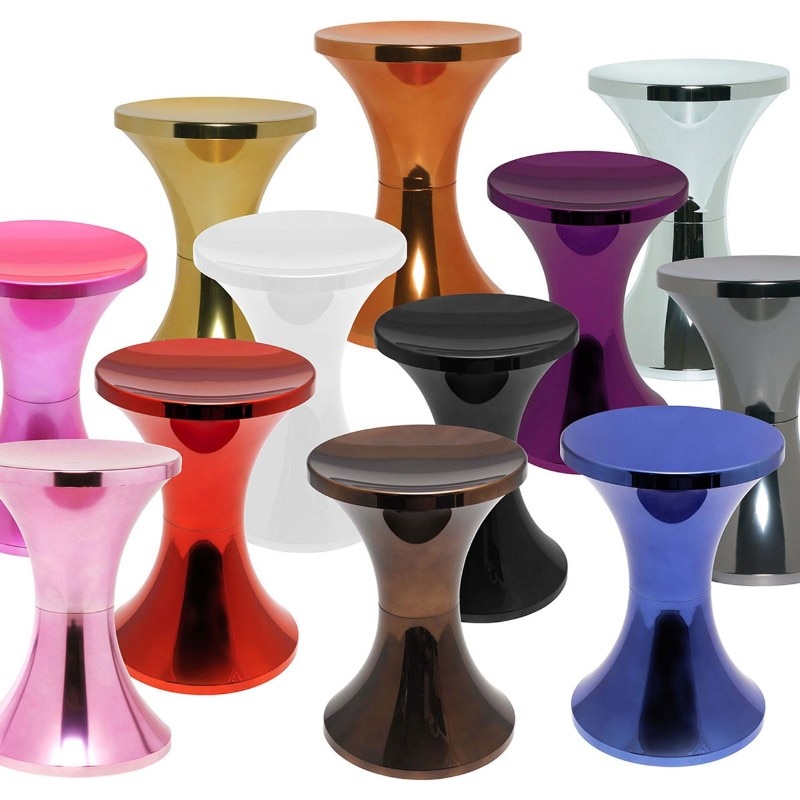
      Tam Tam, Henry Massonnet, Stamp, 1968

      An icon of French design, Tam Tam was originally designed as a fishing stool, and then made its way into the home, where it established itself as an affordable, practical and versatile piece of furniture. Composed of two cones surmounted by a slightly convex plateau that serves as a seat, it became the emblem of the love for colour and informality of the plastic furniture season. Its great commercial success - over twelve million pieces sold in ten years - is partly due to Brigitte Bardot, who helped to make it famous by sitting on it during an interview.

      Polypropylene, 13 colours. 30x30x45 cm

      View article
      View article
      • SHARE
      • PIN IT

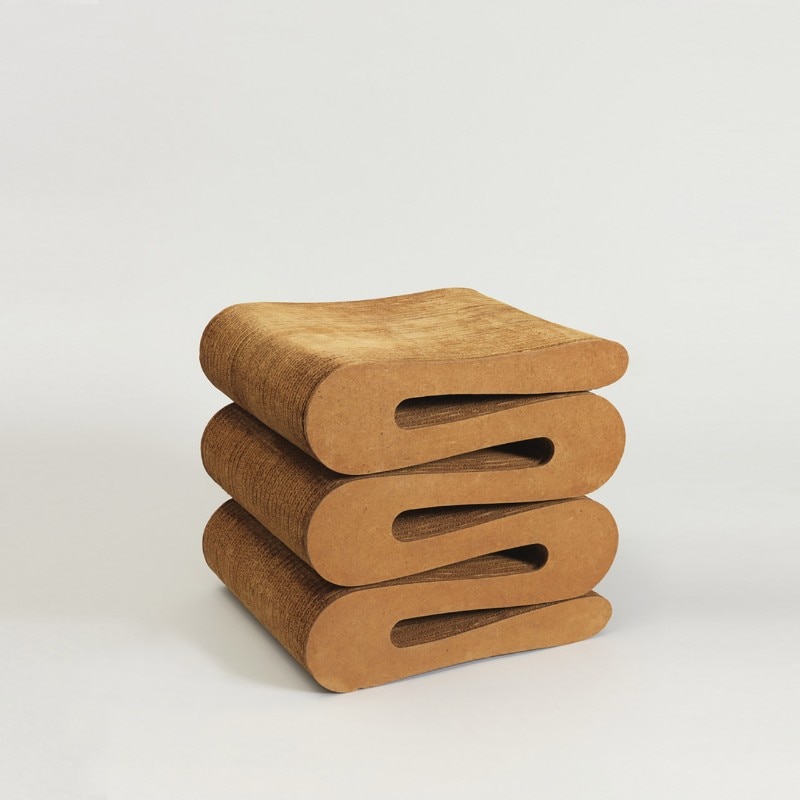
      Wiggle Stool, Franck Gehry, Vitra, 1972

      Part of the Easy Edges series, the Wiggle Stool has helped to ennoble a poor material such as cardboard, highlighting its formal potential and resistance to use even in the furniture sector.

      Corrugated cardboard, 40x43x40.6 cm

      View article
      View article
      • SHARE
      • PIN IT

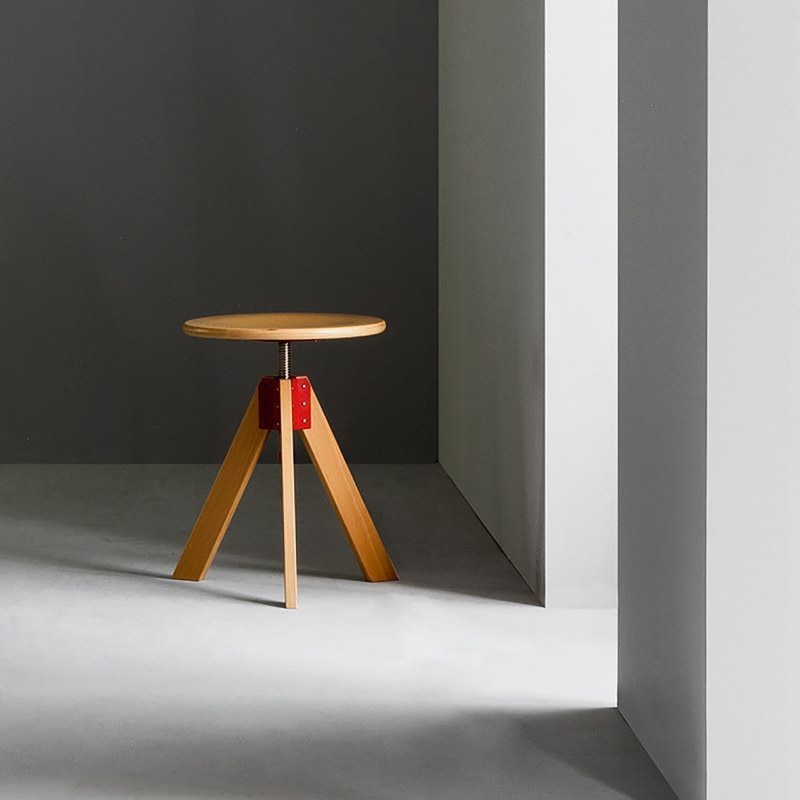
      Giotto, De Pas, D'Urbino, Lomazzi, Zanotta, 1975

      Inspired by the shapes of the swivel and height-adjustable workshop stool, Giotto is exalted by classic proportions and materials that turn it into a long-lived and discreet presence in our everyday life.

      Natural varnished beech frame with red bracket. Vertically adjustable revolving seat. 45x45x45/55 cm

      View article
      View article
      • SHARE
      • PIN IT

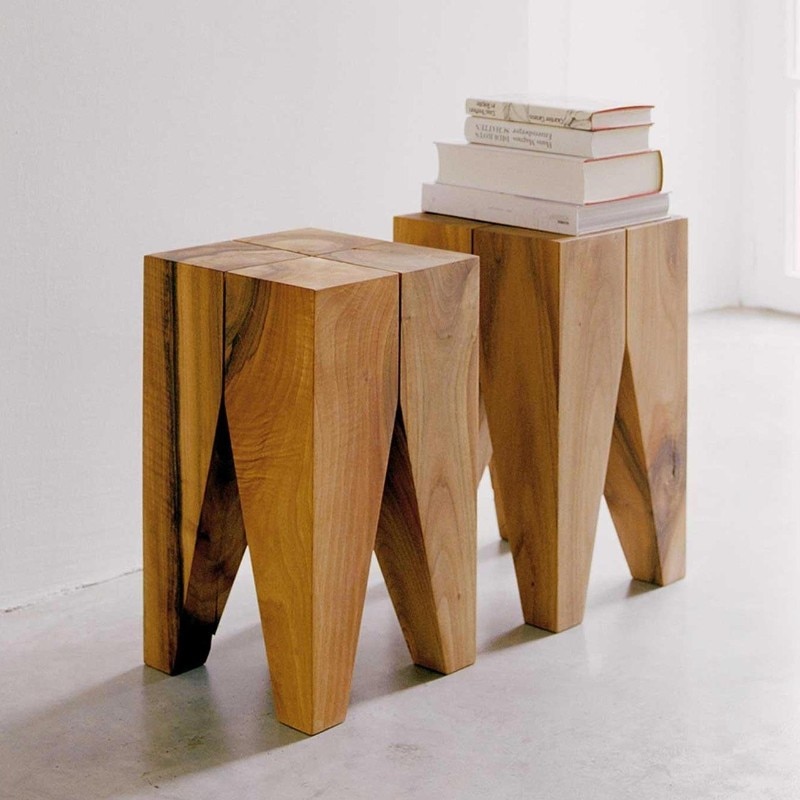
      Backenzahn, Philipp Mainzer, e15, 1996

      Exaltation of the material and a taste for cutting reminiscent of the craftsmanship of carpenters, Backenzahn consists of four stumpy oak or walnut legs that, when combined, create a slightly concave seat to ensure great comfort. The seasoning of the solid wood causes some characteristic cracks to form on the legs, making every stool unique.  

      Solid oak or walnut. 27x27x47 cm

      View article
      View article
      • SHARE
      • PIN IT

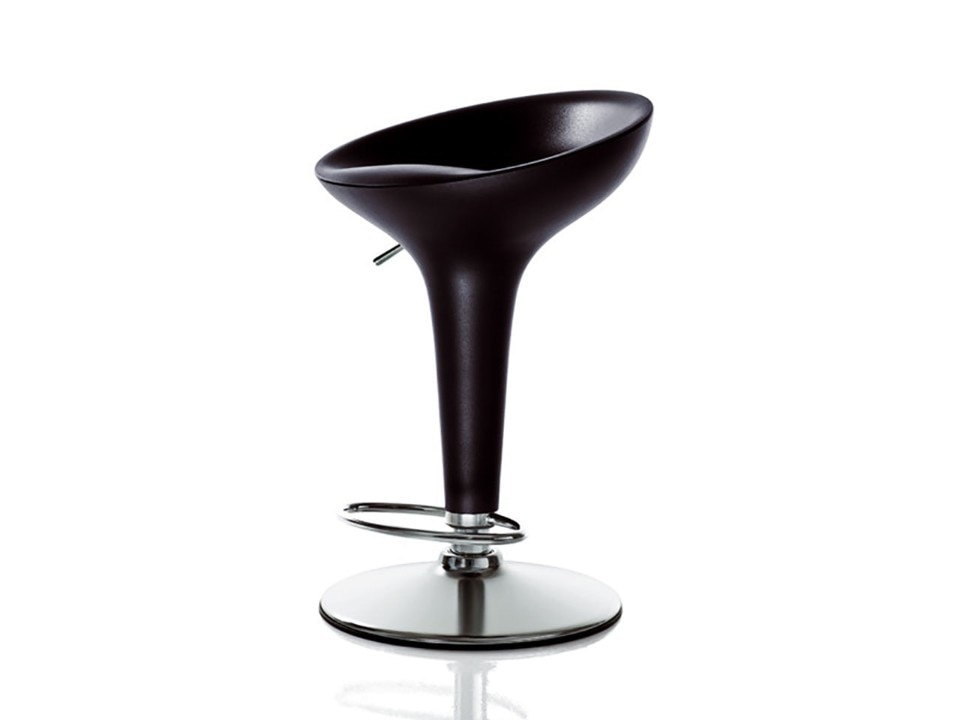
      Bombo, Stefano Giovannoni, Magis, 1997

      Bombo is the successful outcome of creative reuse. In 1997, Stefano Giovannoni was asked by Magis to create a stool that could reuse some thousands of gas pistons from a supply of stools. Made of injection-moulded plastic with a chrome finish, swivel, and adjustable in height thanks to the gas piston activated by the side lever, Bombo was the forerunner of a future generation of bar stools, establishing itself in public and residential spaces and helping to clear the habit of American-style cooking even in Europe.

      Chrome-plated steel base, standard injection-moulded ABS seat. 44x37x61/85 cm

      View article
      View article
      • SHARE
      • PIN IT

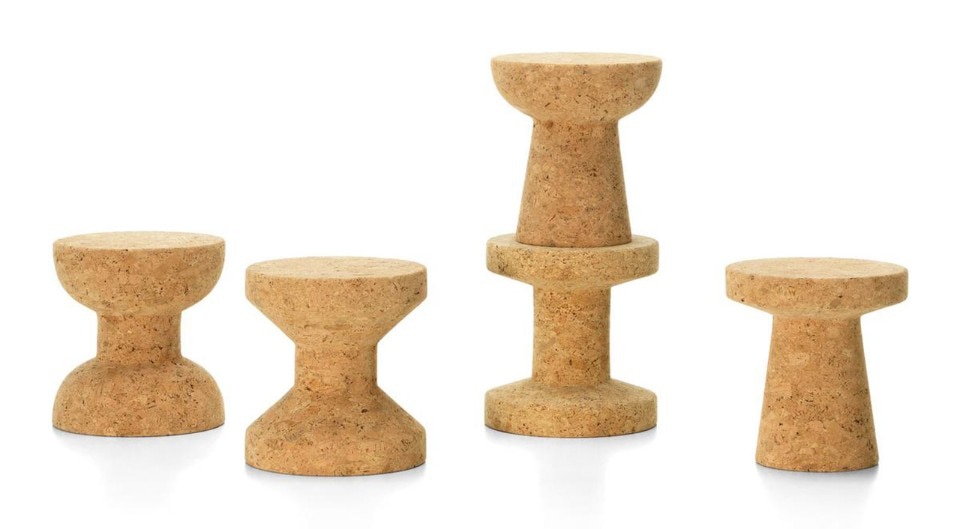
      Cork Family, Jasper Morrison, Vitra, 2004

      The series of five Cork Family stools is the result of the experimentation with a noble material - natural and sustainable, resistant yet light, warm and pleasant to the touch - yet rarely used in the furnishing sector. Research on form starting from the iconic profile of a cork, Cork Family enhances the beauty of the material and responds to the aspiration of "super normal" objects, so dear to the British designer.

      Turned cork, untreated surface

      View article
      View article
      • SHARE
      • PIN IT

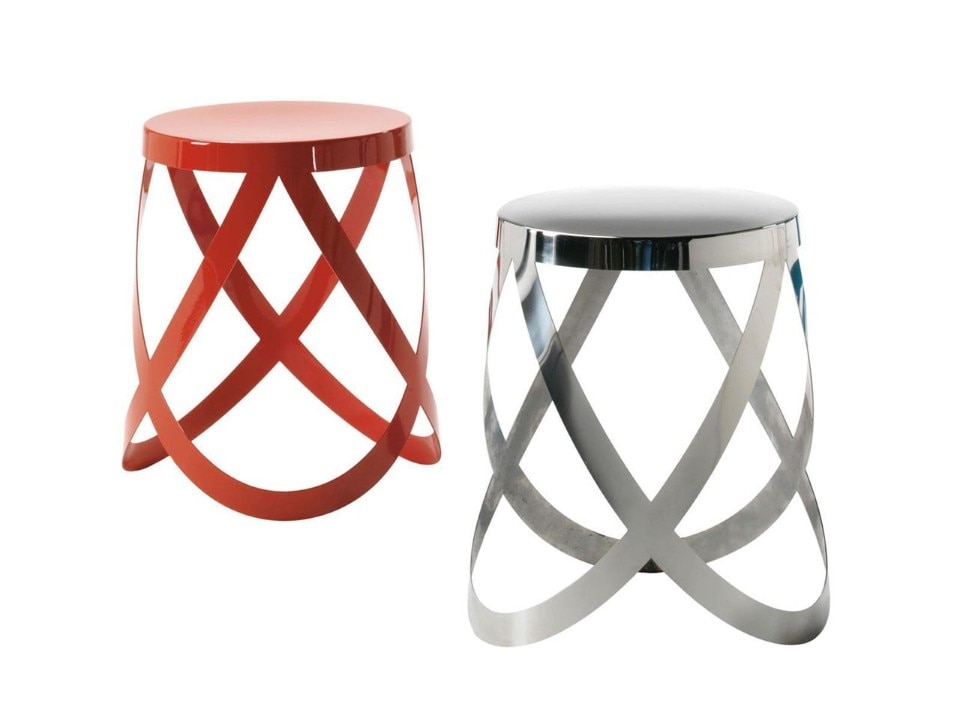
      Ribbon, Nendo, Cappellini, 2007

      Research on lightness inspired by the movement of a ribbon in the air, the Ribbon stool takes up the ironic tension that so often distinguishes the works of the Japanese studio, playing with the feeling of disbelief that comes from the very light aerial structure of the seat. It can be completed by a magnetic cushion in polyurethane foam that adds comfort.

      Laser cut and folded sheet metal, low and bar version available

      View article
      View article
      • SHARE
      • PIN IT

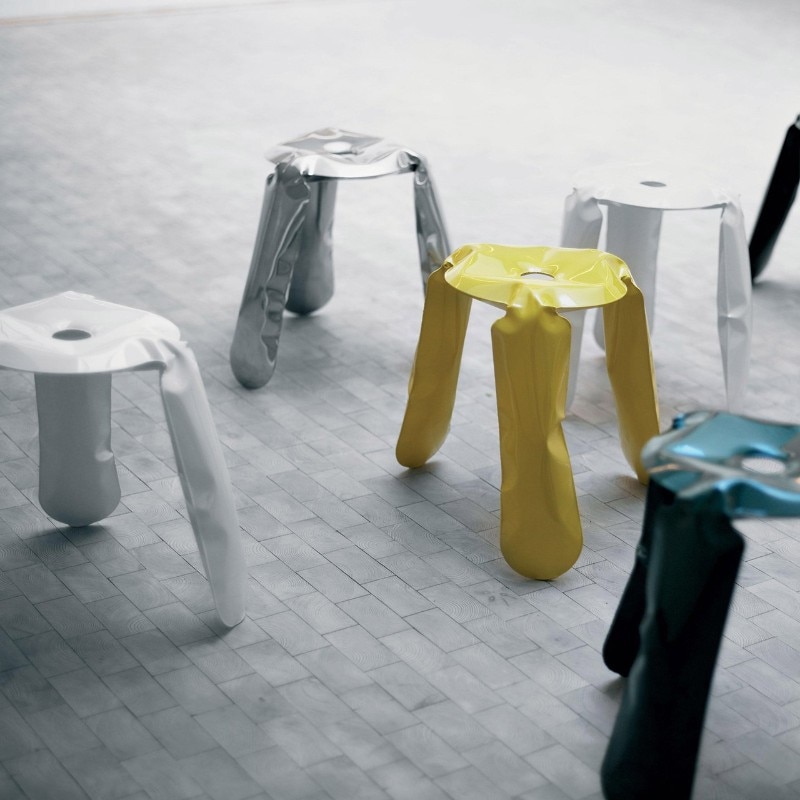
      Plopp stool, Oskar Zieta, 2008

      Application of FiDU technology - Free Inner Pressure Deformation - developed by Zieta himself during a doctorate at ETH Zurich, Plopp is achieved by injecting a powerful jet of compressed air between two sheets of steel previously welded together into 3D objects. Despite looking like a dinghy, the extremely strong structure can support ten times its weight.

      Sheet steel. 35x35x50 cm

      View article
      View article
      • SHARE
      • PIN IT

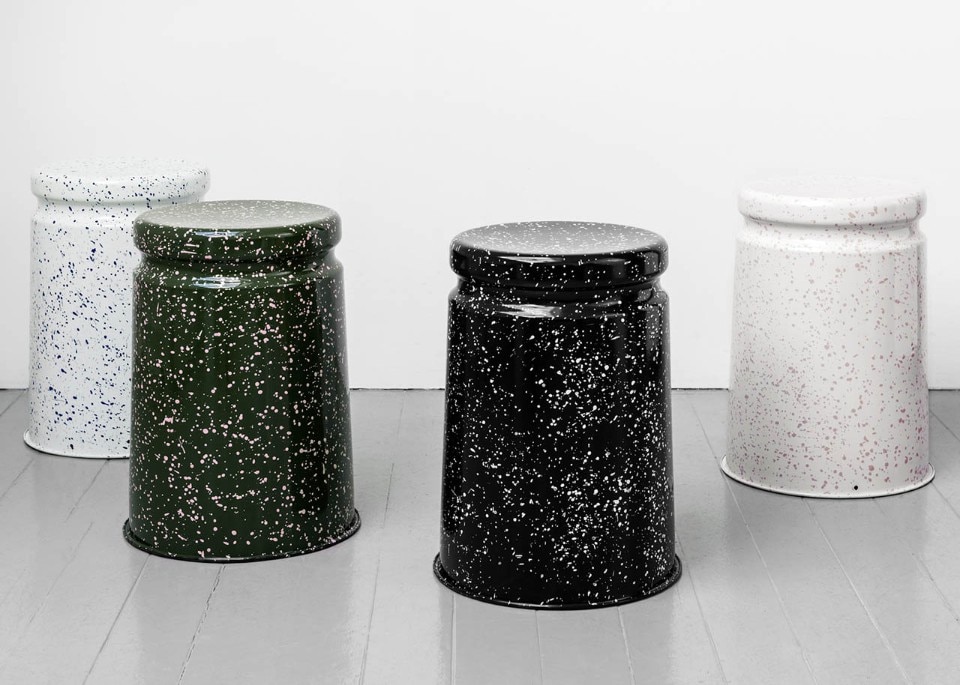
      Last Stool, Max Lamb, Discipline - Hem, 2012

      A tireless experimenter of ready-made seating, with Last Stool Max Lamb created a strictly functional mass-produced product made from a turned metal sheet. Stackable, distinguished by the recessed top that makes it easier to grip, with the 2016 version for Hem, it will mark the return to the "sketch" texture that has marked all the years to come.

      Available in enamelled steel, polished copper, polished brass. 32x44 cm

      View article
      View article
      • SHARE
      • PIN IT

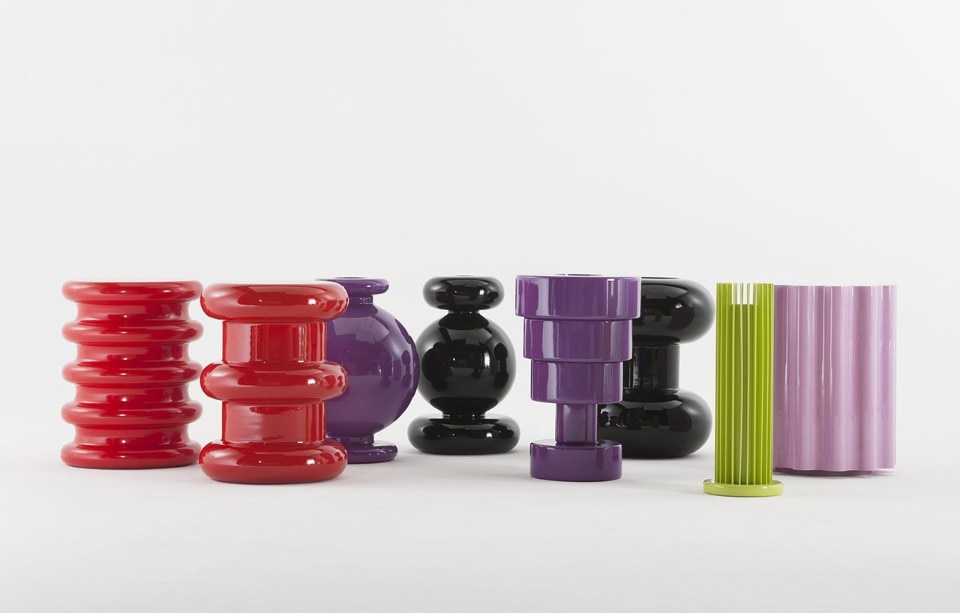
      Pilastro, Ettore Sottsass, Kartell, 2015

      A posthumous homage to Ettore Sottsass and the entire Memphis group, Pilastro stool is an unpublished project from 2005, inspired by an adaptation of the homonimous 1969 ceramic work.

      Thermoplastic technopolymer. 35x35x50 cm. Image: '' Kartell goes Sottsass. A tribute to Memphis'' collection.

      View article
      View article
      • SHARE
      • PIN IT

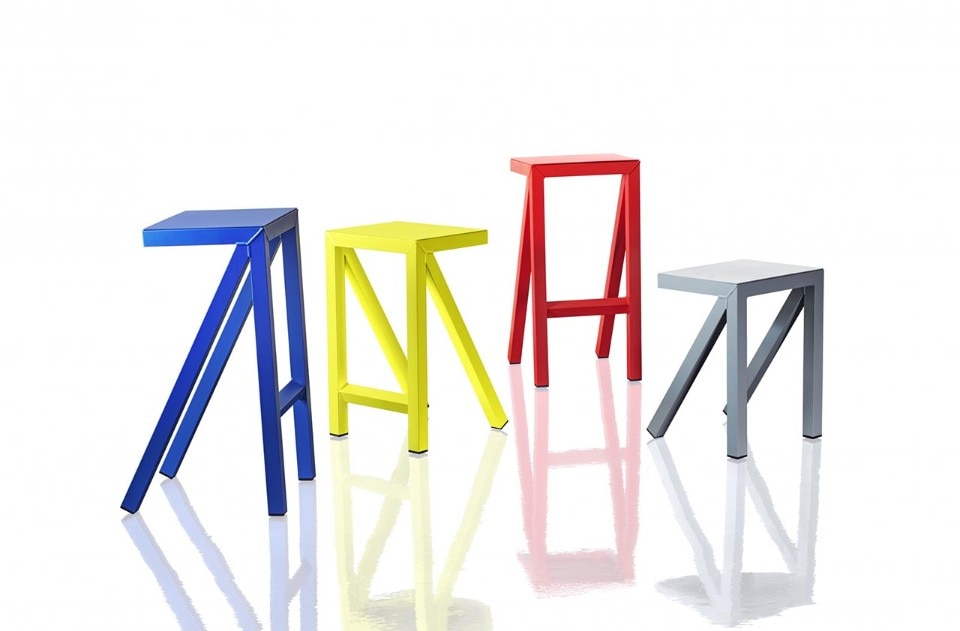
      Bureaurama, Jerszy Seymour, Magis, 2017

      Coming together with a complementary table with the same stylized shape, Bureaurama is an essential piece of furniture that allows for an agile working angle. Equipped with a footrest, it stands out for the strong graphic design resulting from the diagonal legs that engage in the right angle of the seat structure.

      Polyester painted aluminium. 36,5x36x50 cm

      View article
      View article
      • SHARE
      • PIN IT

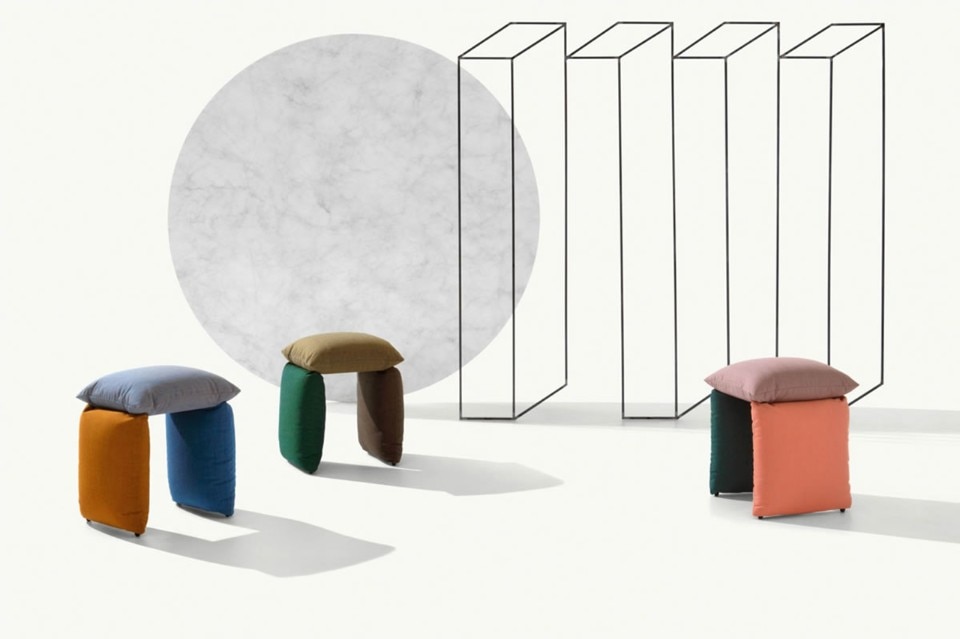
      Pillow, Andrea Anastasio, Metalmobil, 2018

      An ironic perceptive game that deceives our most consolidated expectations, Pillow stool translates the use of the cushion as a floor seat typical of many oriental cultures into a stool that maintains the apparent, iconic lightness with which we know this furnishing accessory.

      Padded pouf with fabric upholstery. 49x37x54 cm


      View article
      View article
      • SHARE
      • PIN IT

      View article
      View article
      • SHARE
      • PIN IT
      Loading
      Share
      • Sections
        • Design
        • Design essentials
      • Keywords
      • News
      • Architecture
      • Design
      • Art
      • Opinion
      • Archive
      • Products
      • Foreign Editions
      • Biographies
      • Architectural movements
      • Buildings
      • Architecture Firms
      • Design Essentials
      • Urban stories
      • Gio Ponti
      • Contacts & Editorial Team

      • Follow us
      Legal Note

      Editorial DomusEditoriale Domus Spa
      Via G. Mazzocchi, 1/3
      20089 Rozzano (Mi) -
      Codice fiscale, partita IVA e iscrizione al Registro delle Imprese di Milano
      n. 07835550158
      R.E.A. di Milano n. 1186124
      Capitale sociale versato € 5.000.000,00 - All rights reserved - Privacy - Informativa cookie completa - Gestione Cookies

      China Germany India Mexico, Central America and Caribbean Sri Lanka Korea icon-camera close icon-comments icon-down-sm icon-download icon-facebook icon-heart icon-heart icon--mobile-logo icon-next-sm icon-next icon-pinterest icon-play icon-plus icon-prev-sm icon-prev Search icon-twitter icon-views icon-instagram