

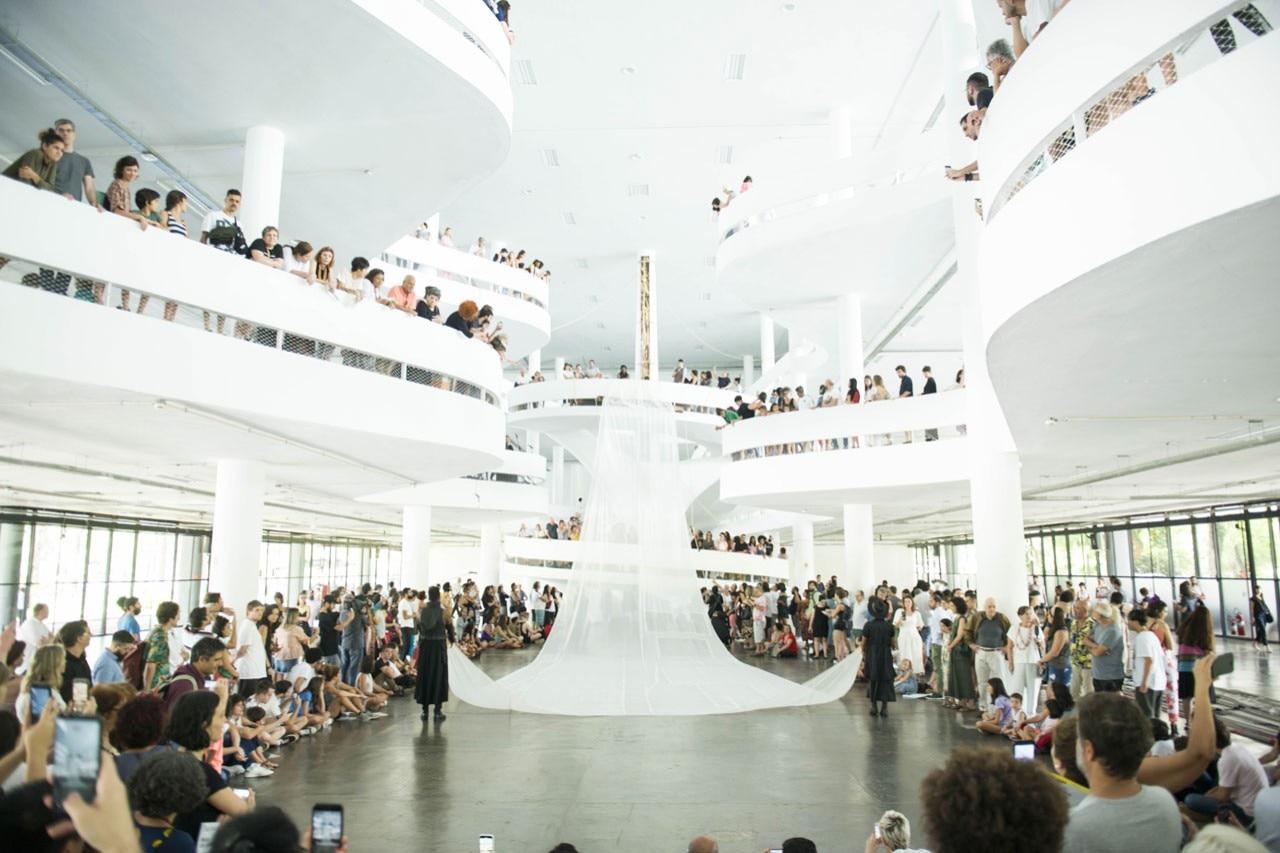

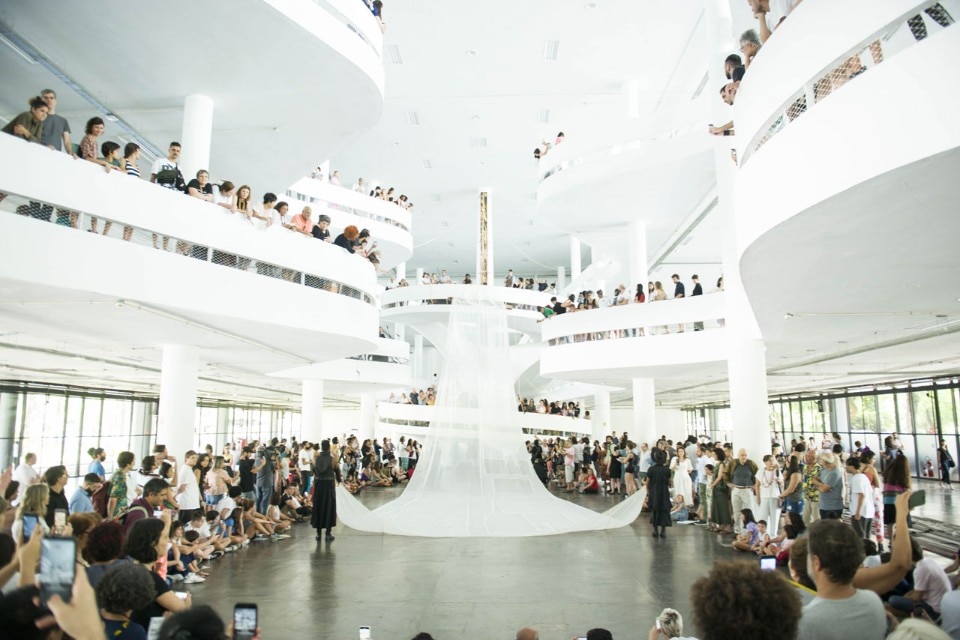
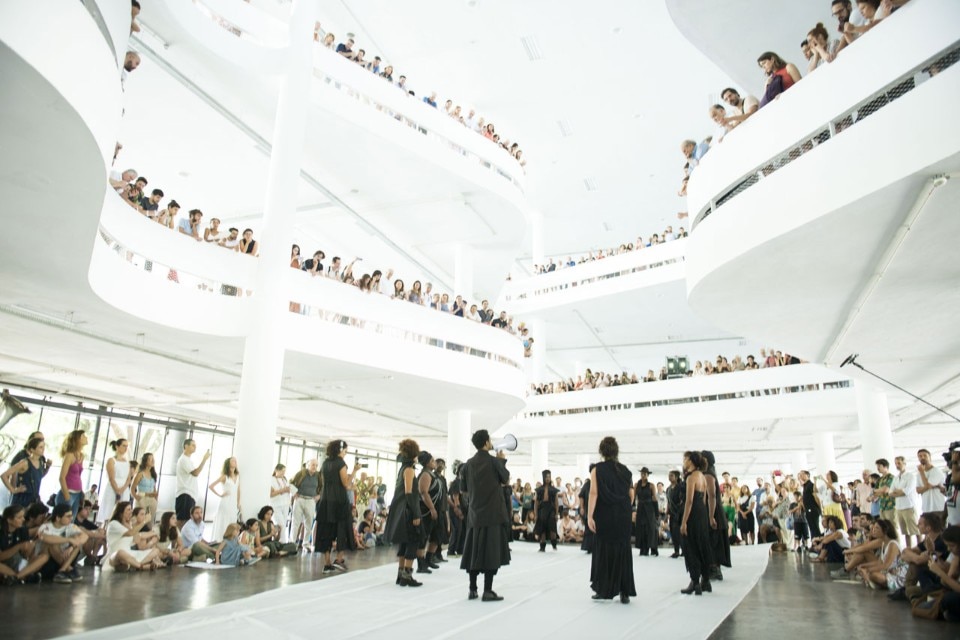
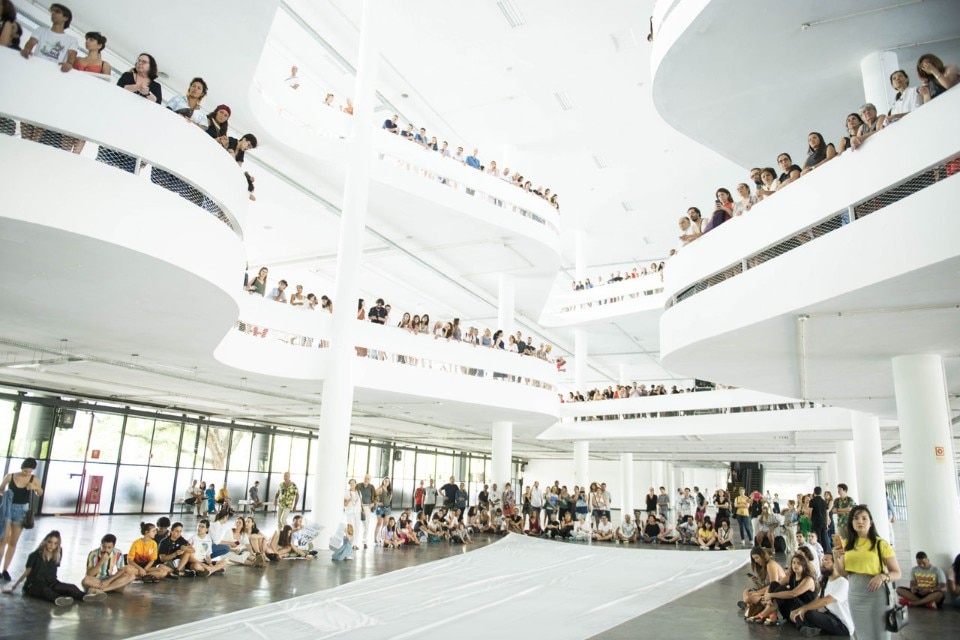
Composing and exhibiting a “poetics of relation” is the main objective of Jacopo Crivelli Visconti for the 2020 edition of the São Paulo Art Biennial, titled “Faz escuro mas eu canto”.
His project was chosen among those presented by several Brazilian and international curators due to its strong innovative character, which marks a clear break with more traditional approaches that were experimented in the past.
Crivelli Visconti holds a degree in Humanities from the University of Naples and a PhD from the University of São Paulo, Faculty of Architecture and Urbanism (FAU-USP). He arrived in Brazil in 2000, where he worked for several years at the Biennial Foundation, before becoming a freelance curator in the last decade.
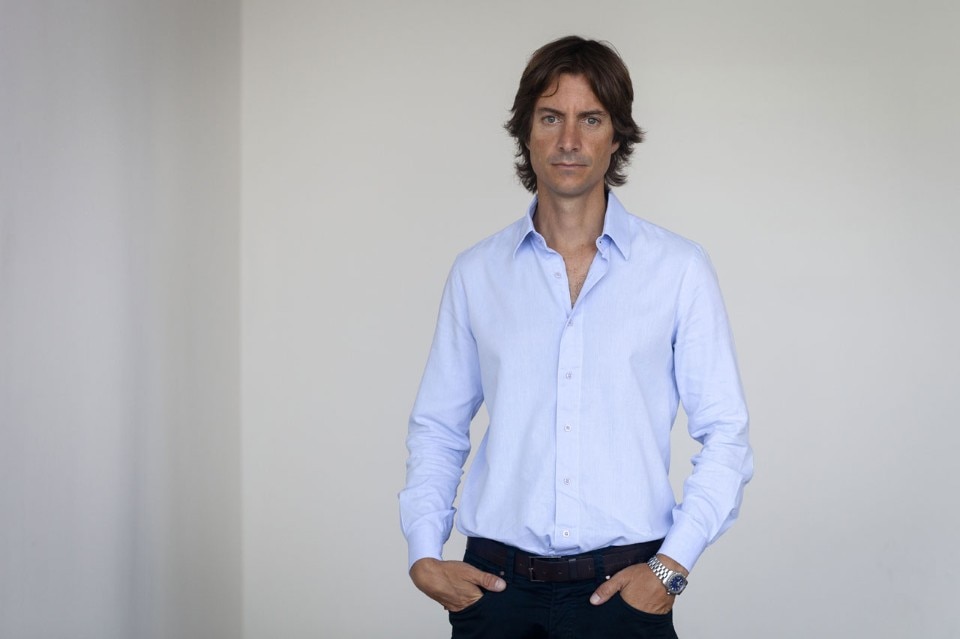
Your project is based on the concept of “relation” and aims to build a network of cultural connections in São Paulo. The fact that the Biennale is involving other places in the city is some kind of innovation, or this process had already begun before?
This is something new, that has been introduced for the first time for this Biennale. Historically, on the occasion of this highly-visibility event, all the cultural institutions of the city organize important exhibitions, but there has never been an explicit or programmatic dialogue, a real synergy.
There are a number of reasons that led me to suggest this kind of organization: the first is the large number of visitors that the Biennale welcomes every year – in the last editions, between 800,000 and one million – and therefore the need to create an exhibition that can appeal both to the specialized and non-specialized public. Hence the need to work in close collaboration with other cultural institutions in the city. This network includes both mainstream spaces (such as the Pinacoteca de São Paulo and the Museu de Arte Moderna de São Paulo – MAM São Paulo) and more peripheral spaces from a geographic and programmatic point of view.
Each of these spaces will host an exhibition by an artist who will also have an exhibition at the Biennale, emphasizing how much the context and prior knowledge of an artist profoundly define the way we interpret each artwork. The intention is therefore to be able to speak clearly, without paternalism and without being too cryptic, to this diverse, Brazilian and international audience. It is a challenging task, which in a way requires the exhibition to be both sophisticated and simple, so as to address different audiences in a profound way.
The complexity of the curatorial architecture will, I believe, be immediately understandable to the specialists who, visiting the different exhibitions in the Biennial Pavilion and then those in the other partner institutions, will be able to grasp the cross-references and links between the various works. At the same time, non-specialists will find more paintings and sculptures at the Biennale than usual: the sophistication of the curatorial project allows us to create an exhibition that is somewhat more conventional than previous editions.
Your theoretical foundations are represented by Eduard Glissand (especially his Poetics of Relation) and Eduardo Viveiros de Castro, the anthropologist who spoke about Amerindian perspectivism.
I am interested in the juxtaposition between Glissant and Viveiros de Castro because they both talk about relations, always starting from extremely traumatic moments. In his books and in his philosophical speculations, Glissant almost always starts from the period of slavery, of the genocide of African slaved shipped to America, to the Caribbean; Viveiros de Castro, on the other hand, referring to Amerindian cosmologies, speaks of a relationship in constant evolution, a bit as if men’, animals’ and nature’s relationships were constantly changing. An animal can be the prey or the hunter of another animal; the same is true for men, in relation to animals or nature, and vice versa. Hence the term perspectivism, because the picture changes depending on the point of view from which you look at it.
The closer, strongest relationship that you can build is, paradoxically, the one with your worst enemy: the one who kills and the one who is killed symbolically exchange roles. So, in both Glissant and Viveiros de Castro, we sense a very close relationship – even if from completely different points of view – with the enemy, with the other. So, these lessons become urgent and necessary in the polarized context in Brazil and worldwide today, where the different sides are increasingly closed off to each other and to dialogue, and people pretend that the other doesn’t exist: it seems that everyone lives in a bubble that protects them and doesn’t want to establish relationships with those who have an idea different from their own.
How will the exhibitions inside the Pavilion be structured?
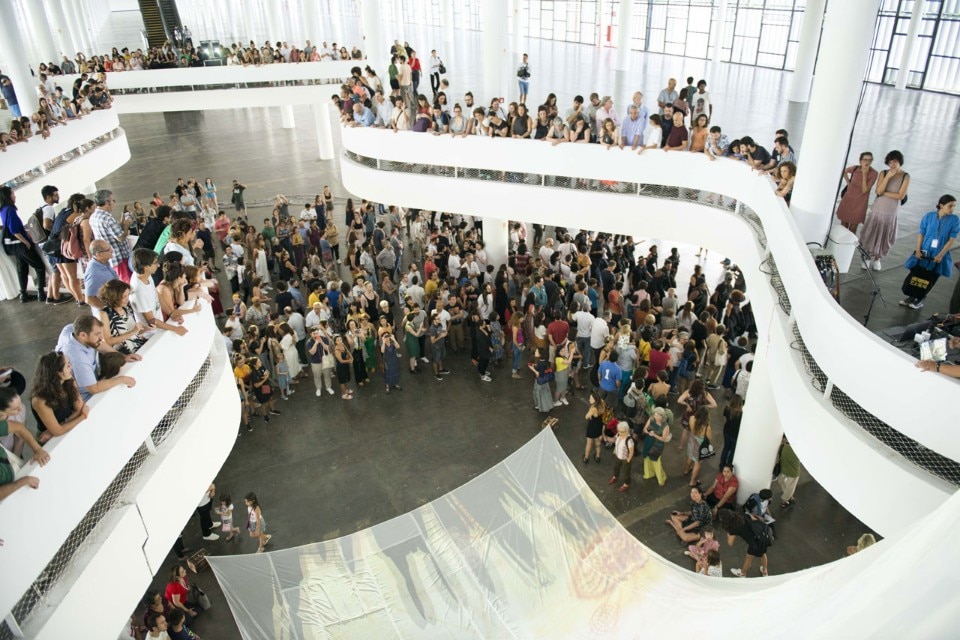
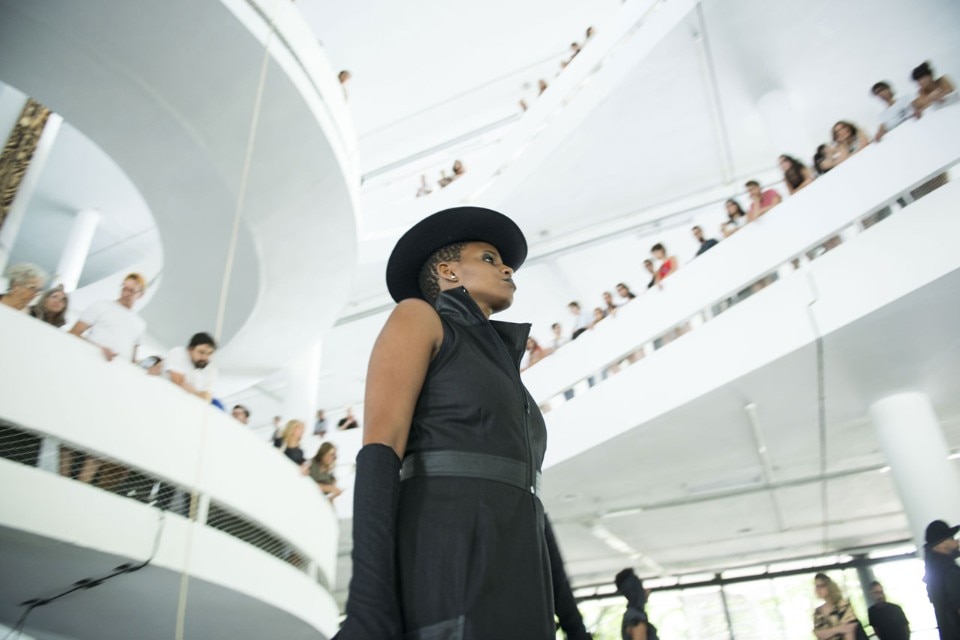
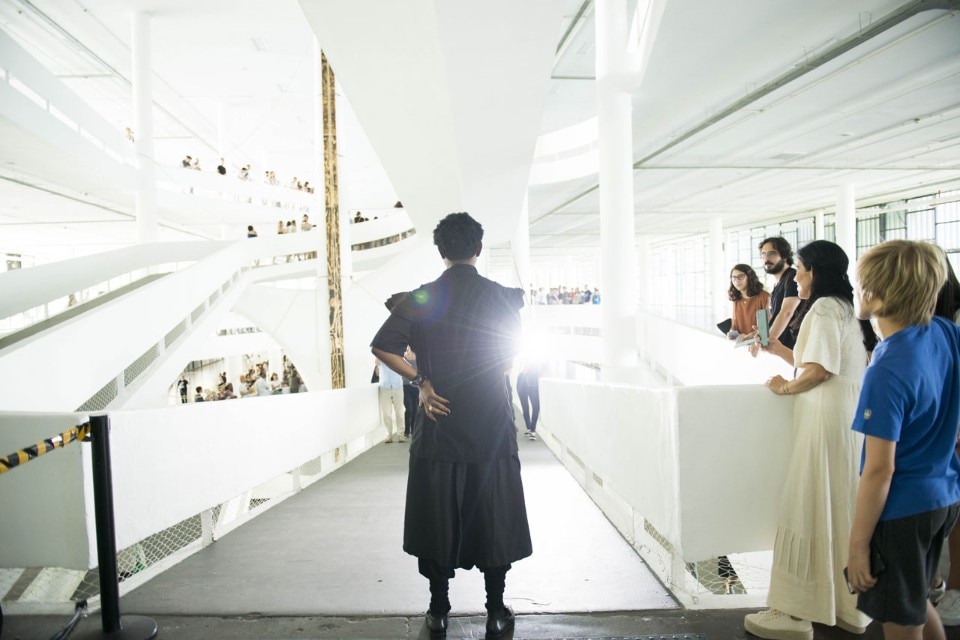
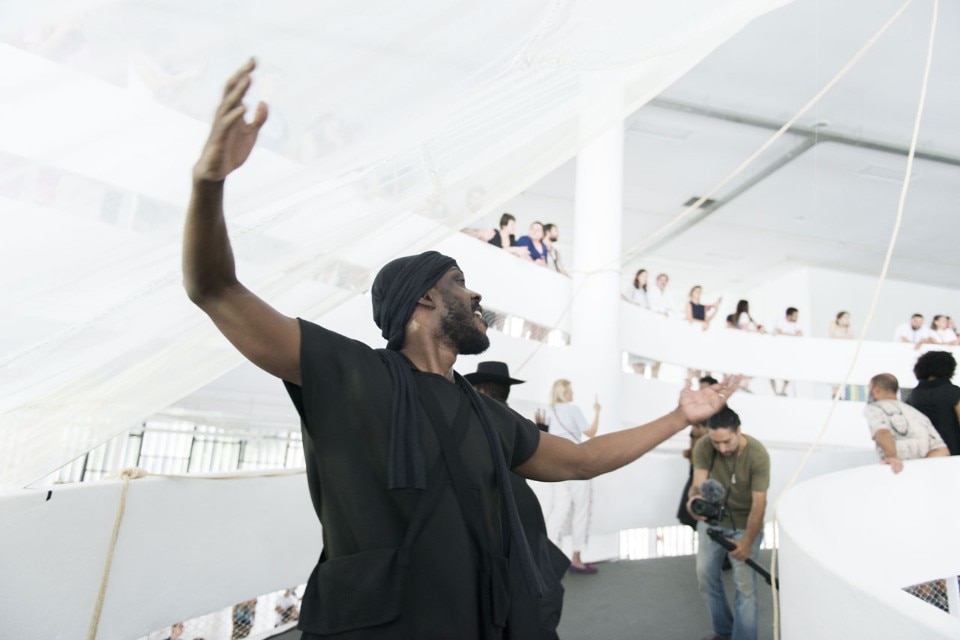
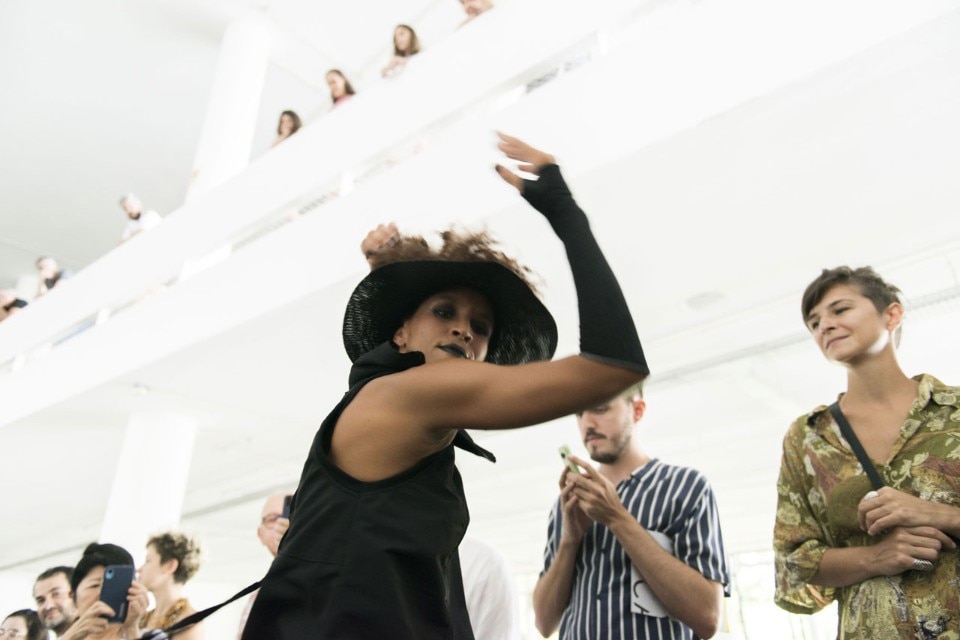
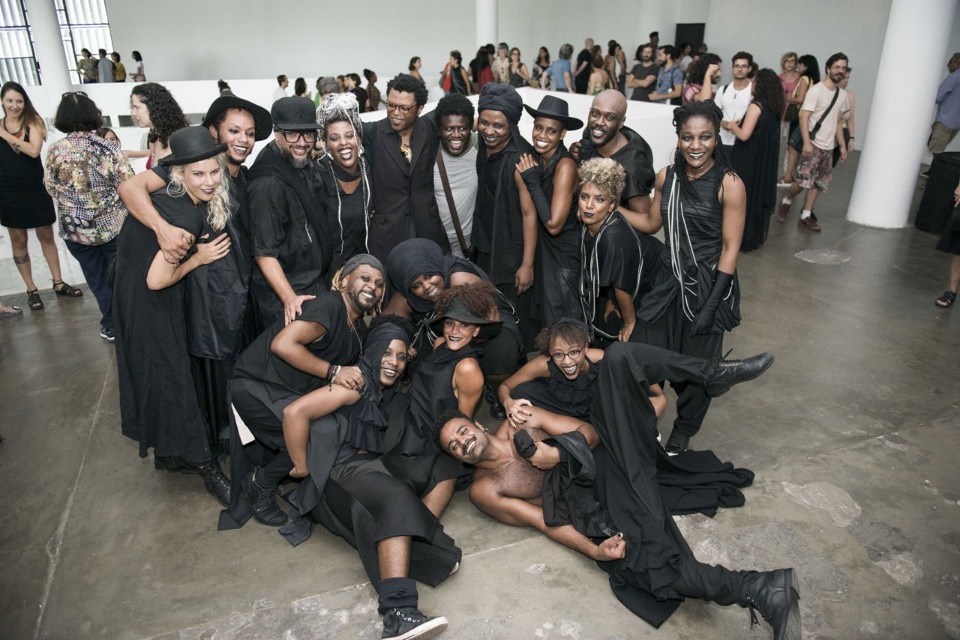
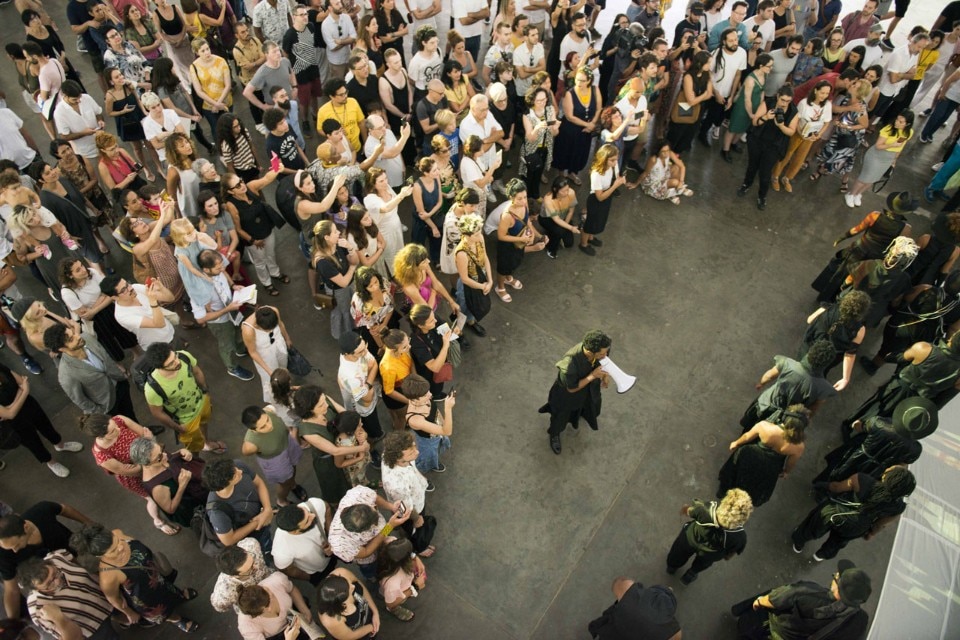
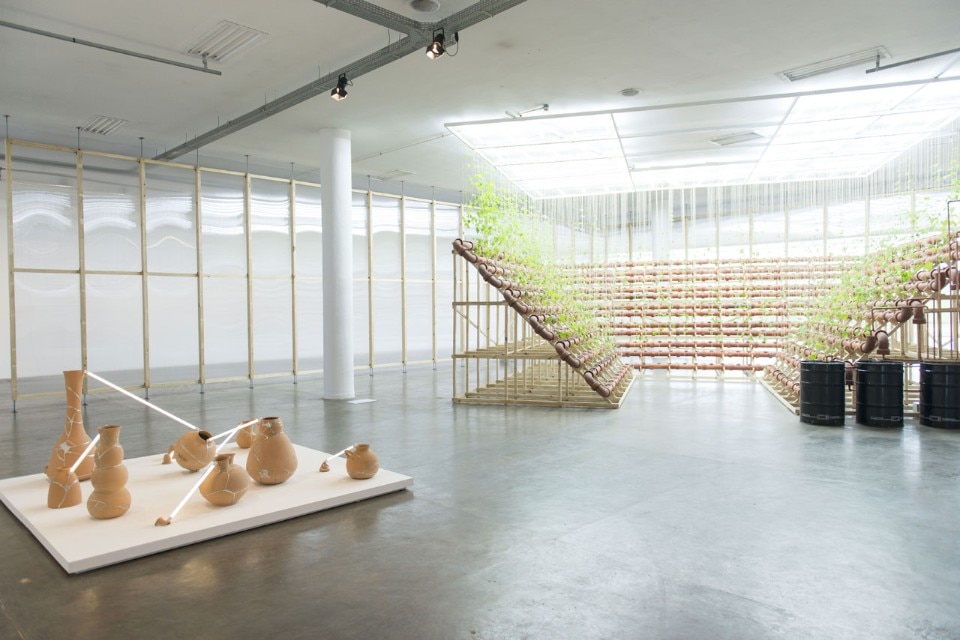
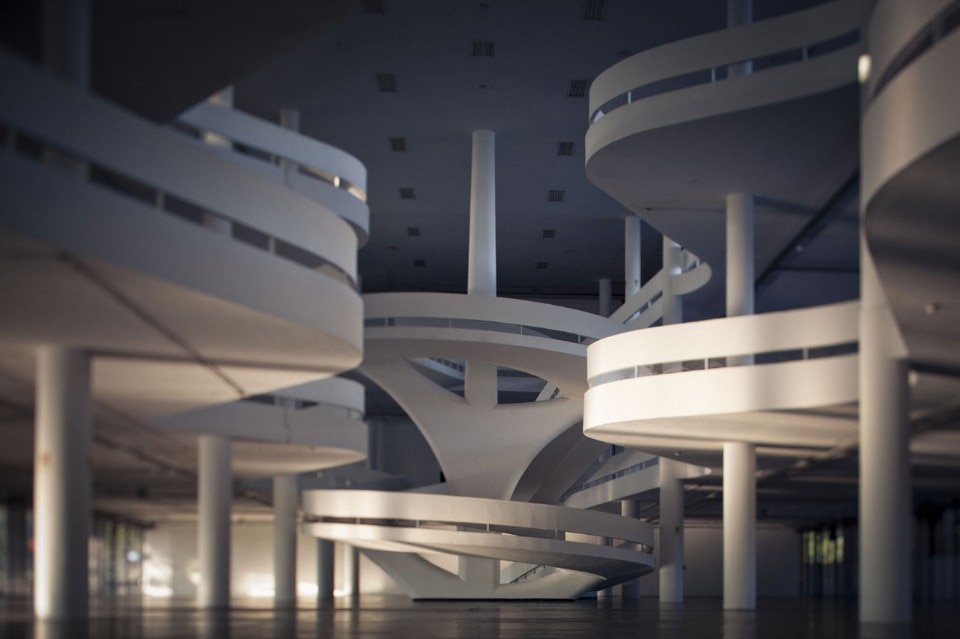
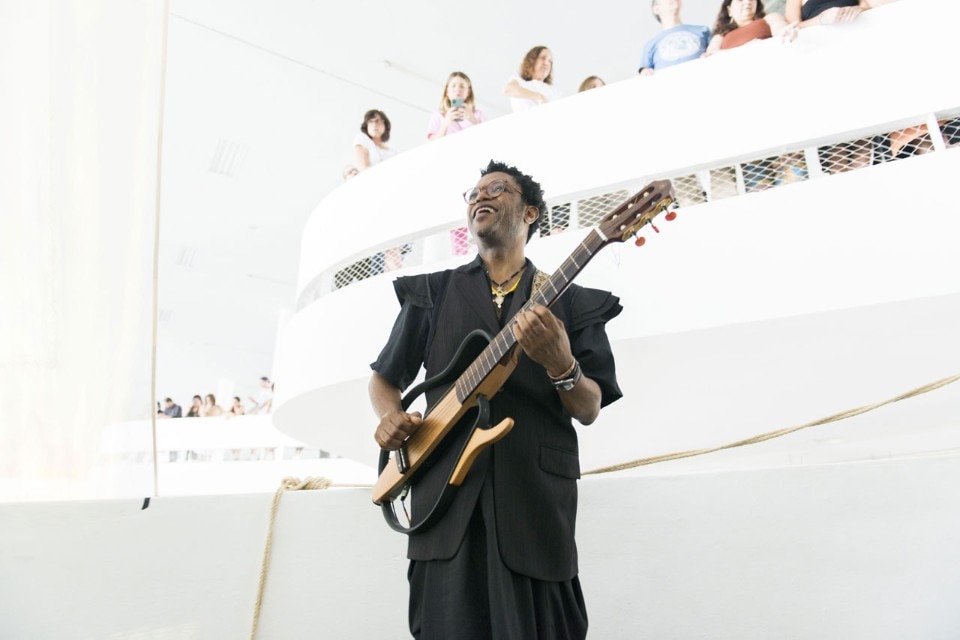
Since February 8th, with the individual exhibition of Peruvian Ximena Garrido-Lecca and a great performance by South African Neo Muyanga, we have inaugurated a series of events in the Biennale Pavilion that anticipate the official opening of the Biennale on September 5th. The first three exhibitions, scheduled between February and August, will occupy relatively small spaces, of 400-600 square meters, and will be solo shows of artists who will later also be present at the main exhibition, so that the same works will be visible shortly afterwards in two different contexts: first in an individual exhibition focused on individual poetics, then in a group show in relation to works by other artists.
A similar exercise can be done during the months of the Biennale, from September to December, seeing the exhibitions of our partner museums and institutions. Those who will see the works of an artist will be able to reflect on the relationships created with their surroundings – with other works and also with the context of the museum – and will be able to interpret them in a different way. This is the great curatorial challenge: to be consistent at the institutional level and to establish a relationship with different audiences without creating conflict.
How’s your team doing? What themes did you choose?
They are topics related to this methodological approach. For example, we worked on the metaphor of the forest, which obviously is linked with both Viveiros and Glissant, as an example of different species living together.
An important aspect of the process is that from the very beginning we decided that we didn’t want to start from a theme, but rather from artists and works. We therefore discussed and identified a group of artists or even specific works that seemed important and urgent to us, and the themes that would then be visible in the exhibition emerged little by little from these artists and these works, and not vice versa.
Are there some international institutions involved in your network of cultural exchanges?
We have established an important collaboration with Kunsthalle Basel, Liverpool Biennial, CCA Lagos and CCA Wattis, San Francisco for the organization of the three solo exhibitions and the performance of Neo Muyanga. These can therefore be seen first in the area of the Biennale Pavilion before September, then in the context of the main Biennale, and finally inside partner institutions outside Brazil.
What about the show’s architectural and exhibition design? Which studio took care of that?
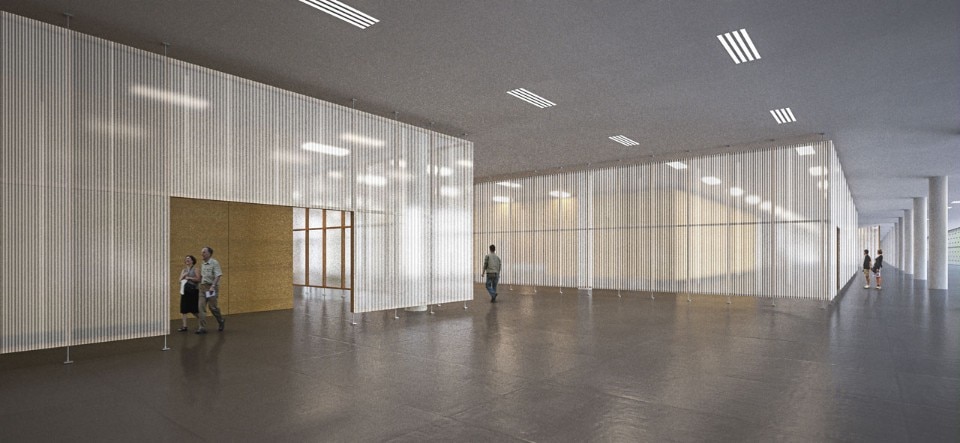
We held a little competition, we invited two Brazilian studios and an international one, offering everyone the challenge of thinking about the architectural design starting from the building, and not from the artworks as it almost always happens.
I have already worked on several biennials and I know that Niemeyer’s building may seem neutral, so curators and architects often start from an almost free plan, as if it were possible to design the exhibition spaces freely, with no constraints. But this modus operandi doesn’t work in the end. That’s why we decided to reverse the process, and think in a totally architectural, non-expository way, and we finally chose Andrade Morettin, a São Paulo-based studio that presented the project that we found the most suitable for the event.
The starting point for them was the “urban” scale of the Biennale pavilion, where they suggested creating continuous spaces, which in a sense would correspond to streets and squares, and enclosed, more intimate spaces, where the scale becomes almost domestic, or at least more intimate, so as to protect the smaller artworks.
- Event:
- 34th Bienal de São Paulo
- Title:
- Faz escuro mas eu canto
- Curators:
- Jacopo Crivelli Visconti, Paulo Miyada, Carla Zaccagnini, Francesco Stocchi and Ruth Estévez
- Opening solo exhibitions:
- 8 February – 6 December 2020
- Opening group show:
- 5 September - 6 December 2020
- Where:
- Pavilhão Ciccillo Matarazzo
- Address:
- Parque Ibirapuera, Portão 3, São Paulo