

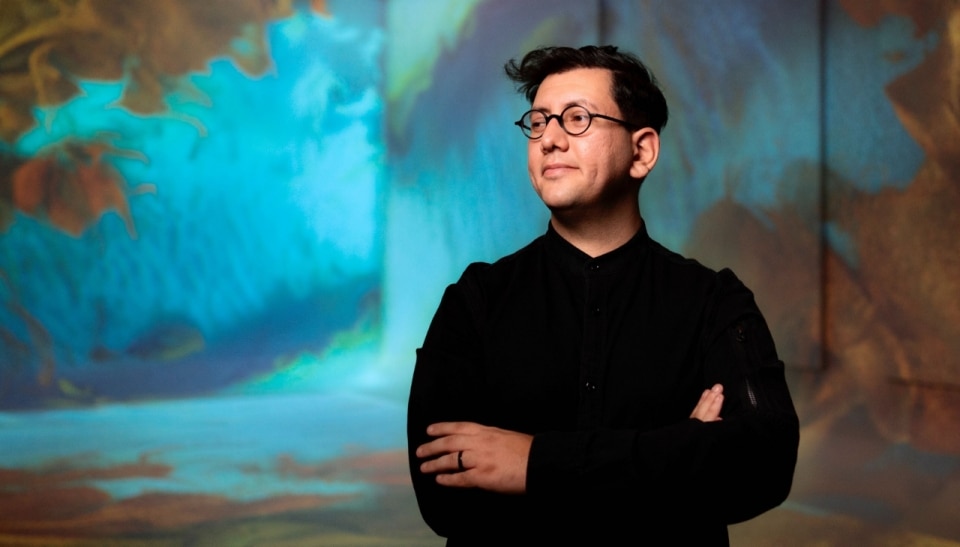
Born in Istanbul in 1985, Refik Anadol works in a zone of friction: between the growing opacity of algorithmic systems and a desire – ancient as art itself – to make the invisible visible. His practice is not limited to producing spectacular images with artificial intelligence; on the contrary, it insists on turning AI into a field of critical inquiry, where aesthetics, epistemology, and ethics are continuously questioned. “I am a media artist and I have been working with data and artificial intelligence for over ten years,” he explains to Domus. Yet what truly defines his work is the way he conceives data: not as a resource to be extracted, but as living matter, culturally and politically situated.
Within an artistic ecosystem in which AI is often treated as a productive black box – an automatic generator of forms – Anadol performs a countercultural gesture: he slows down, builds, makes processes explicit. “My work is different from that of many artists who use AI: I work only with data obtained with permissions, and we train proprietary models.” This statement is not merely a technical distinction, but an implicit critique of the extractive data economy underpinning much of contemporary AI. Here, the artist does not “use” pre-existing models; he constructs them as cultural infrastructures, making training an integral part of the creative process.
 View gallery


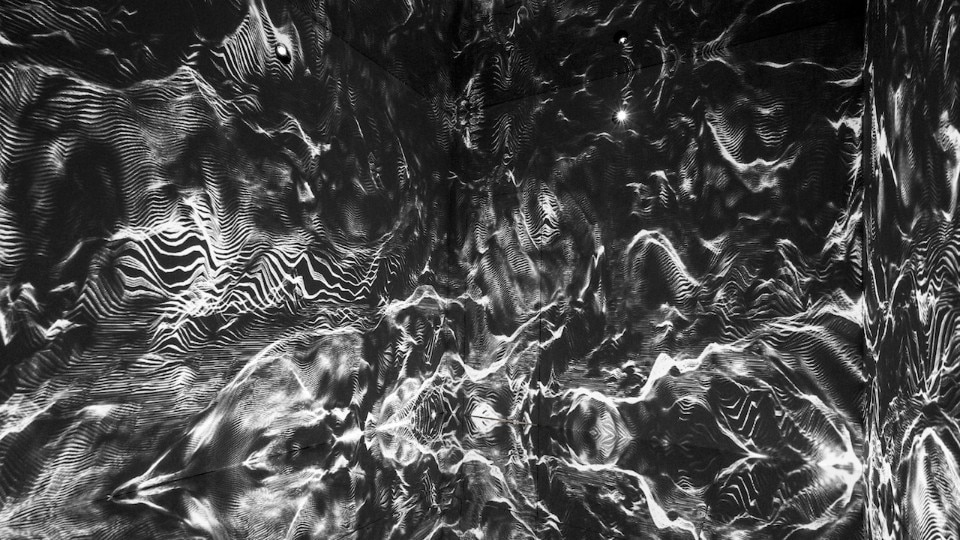
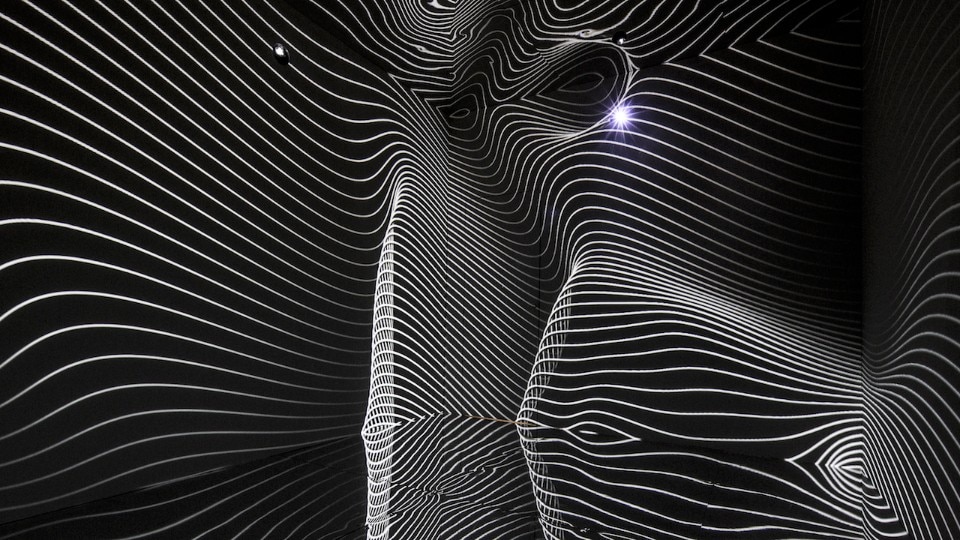
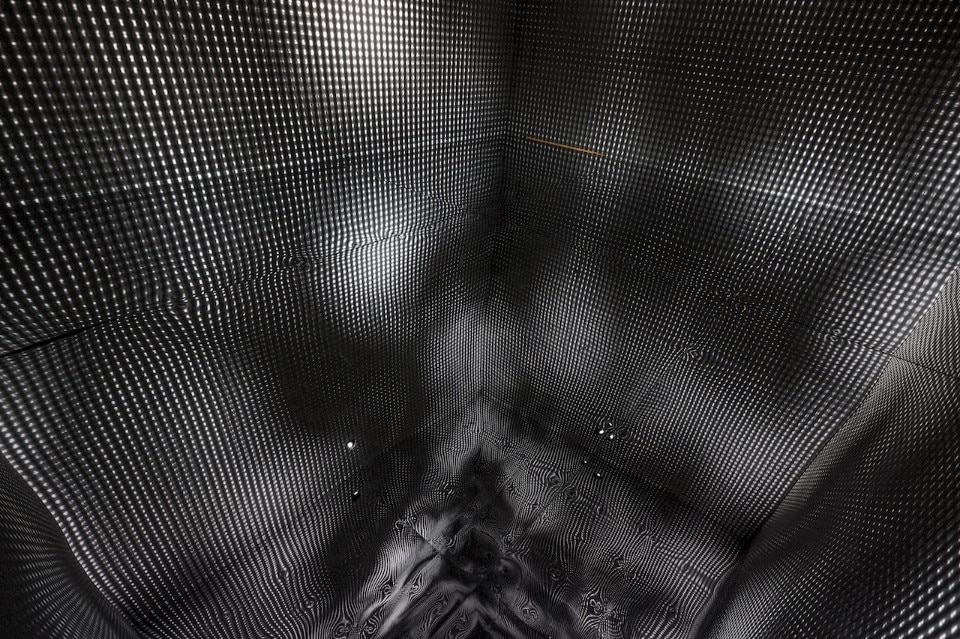
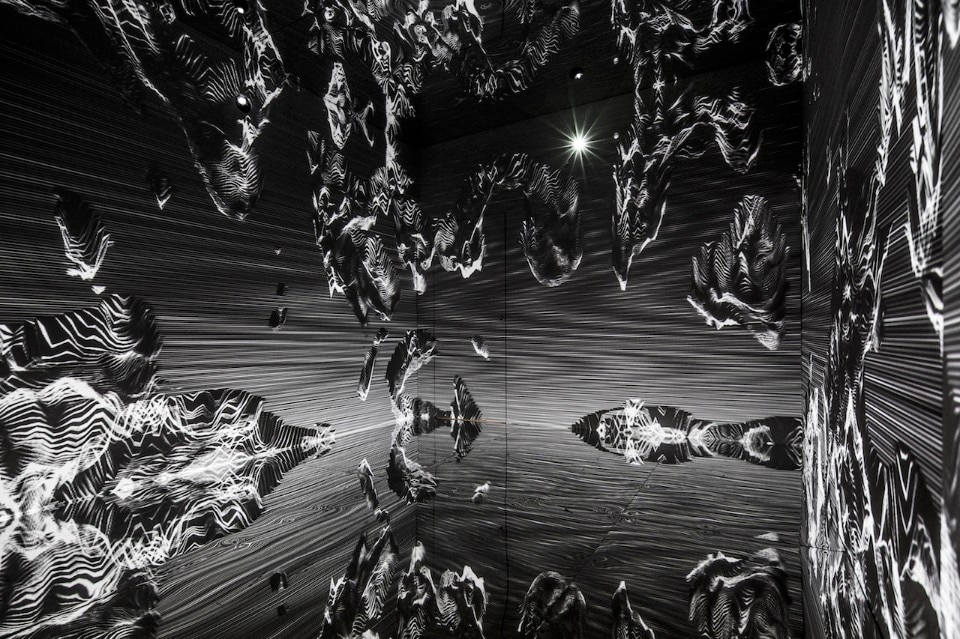
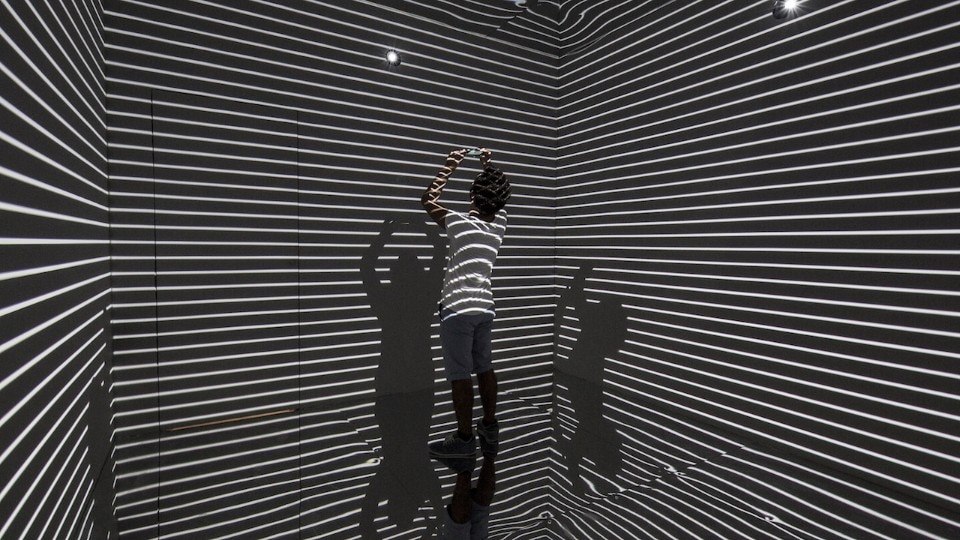
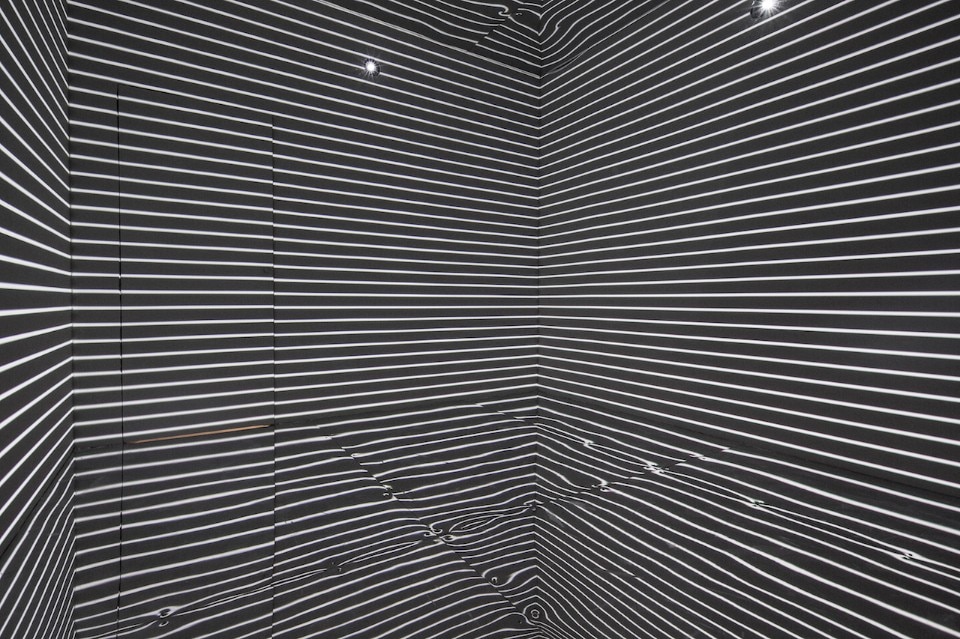
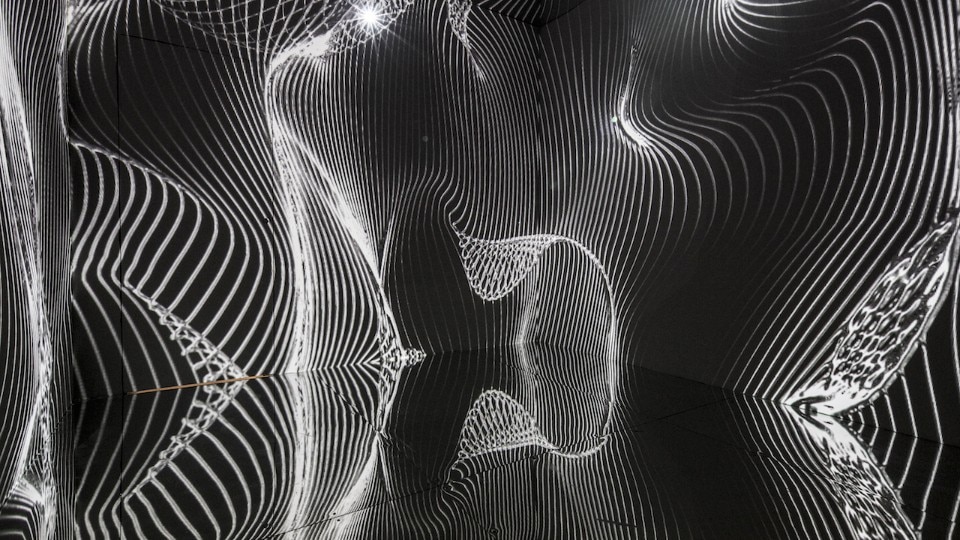
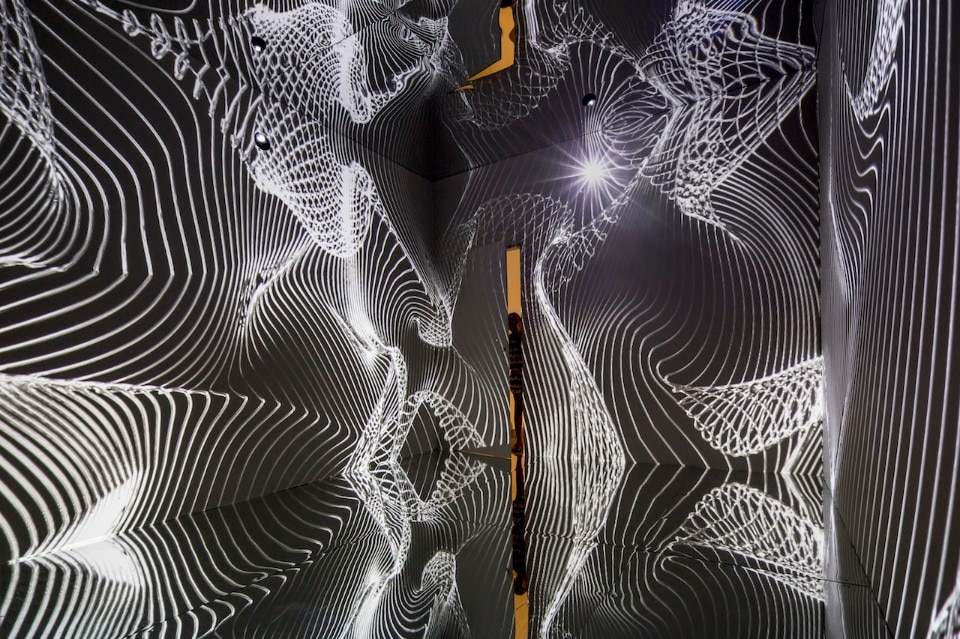
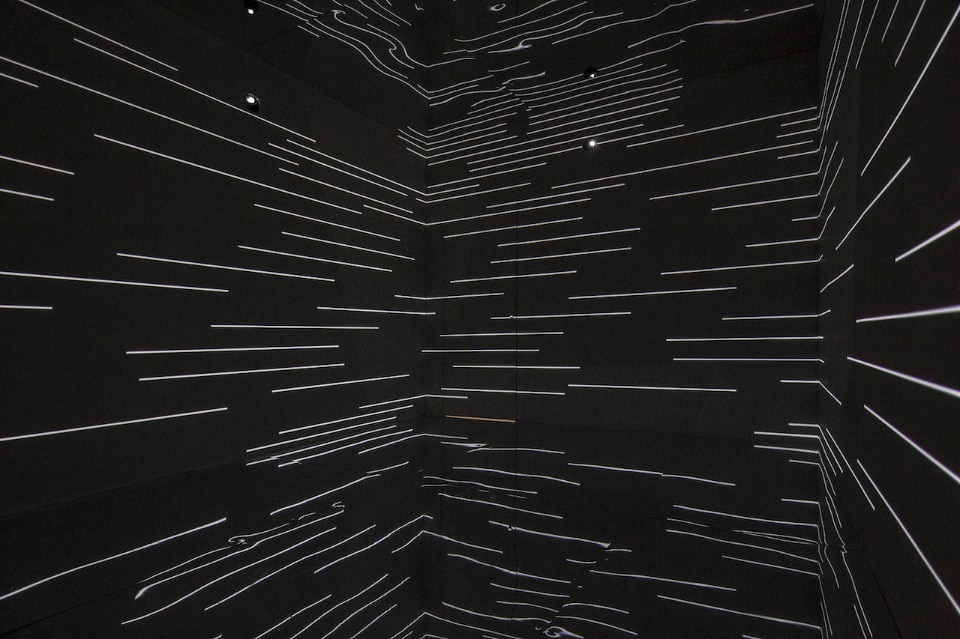
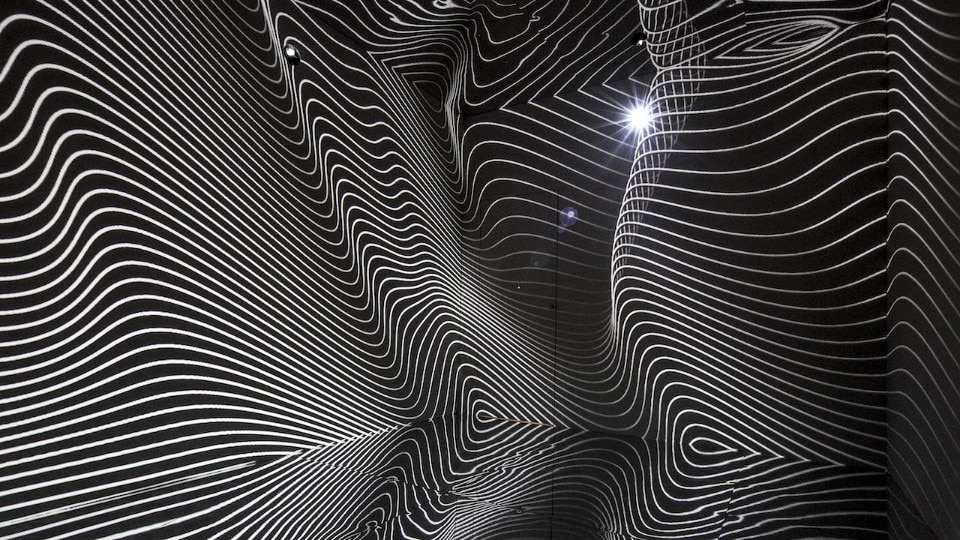
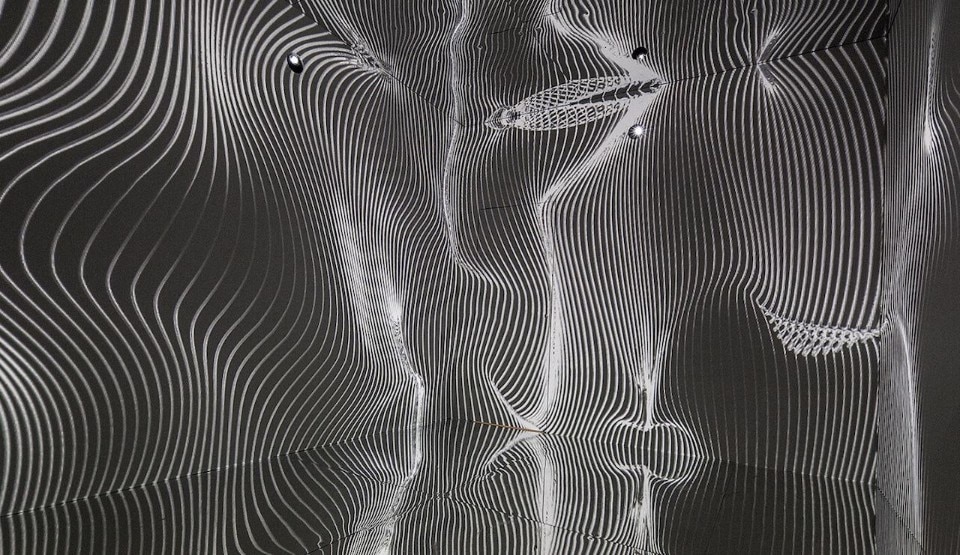
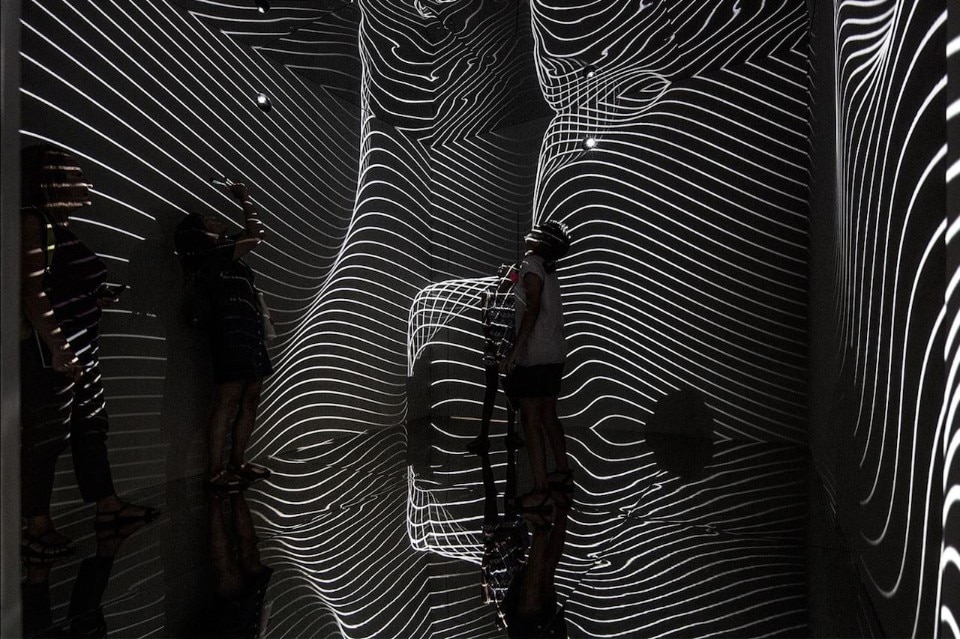
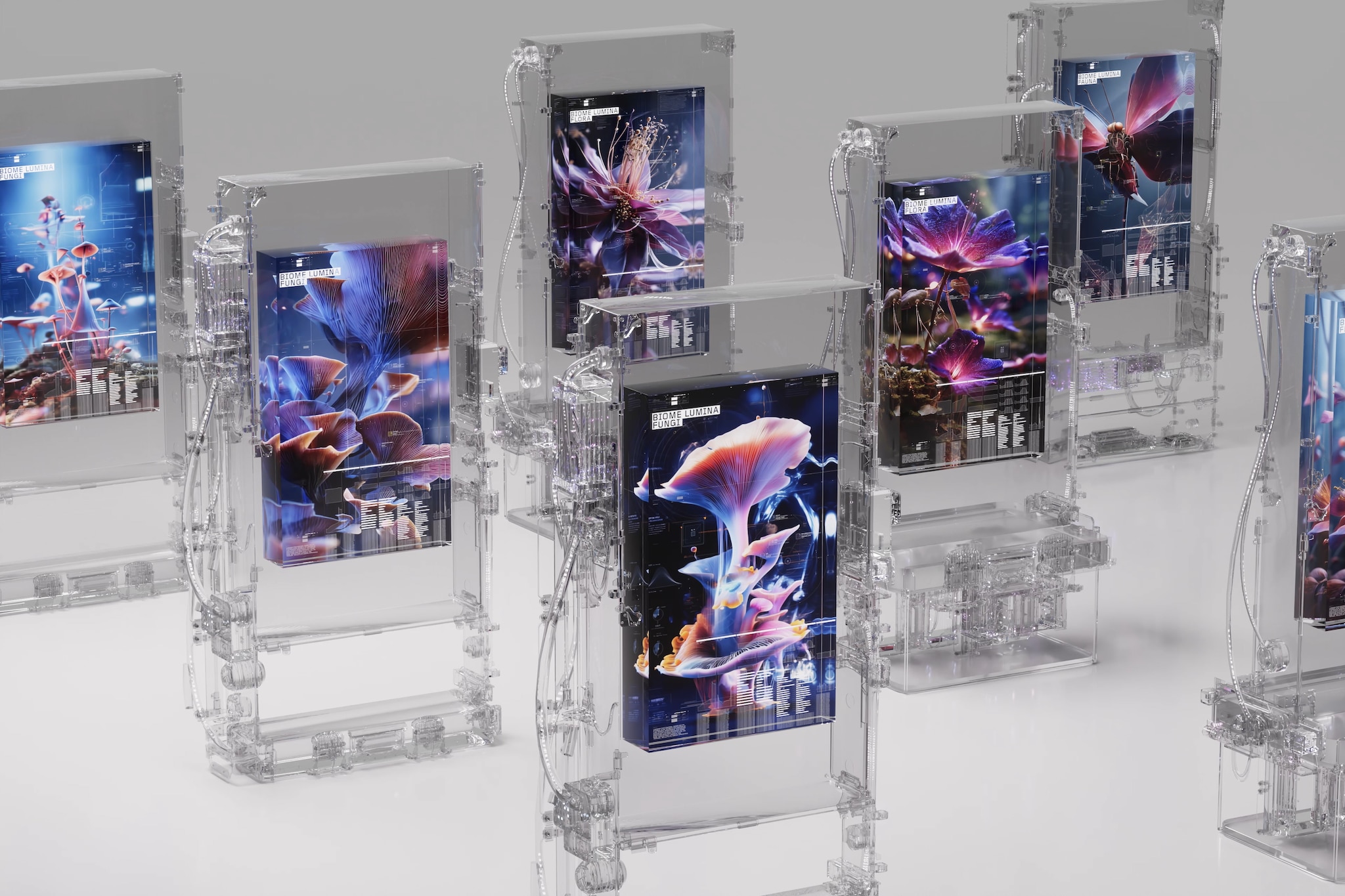
It is within this framework that Large Nature Models emerge, one of Anadol’s most radical contributions to the debate on art and artificial intelligence. Unlike Large Language Models, trained on human-produced texts, Large Nature Models are systems trained on vast archives of natural data: millions of images of ecosystems, landscapes, atmospheric phenomena, and organic structures. The result is a computational model that learns from natural patterns. “The data used comes from the Large Nature Model, the largest natural dataset in the world,” the artist explains. The stakes are high: shifting the axis of artificial intelligence away from anthropocentrism toward a form of learning that acknowledges non-human complexity.
The future is not AI: the future is collaboration between humans and machines.
Refik Anadol
Anadol pushes this intuition toward an almost philosophical formulation: “For me, nature is a form of artificial intelligence that we do not yet fully understand.” In this statement lies a vision that overturns the classical hierarchy between the natural and the artificial. Nature is no longer the opposite of technology, but a system of distributed, stratified, evolutionary intelligence.
From an aesthetic standpoint, this approach translates into what Anadol calls data painting. “In the end, we use a technique I call data painting: just as the masters of the past saw through the mind’s eye, today we use a ‘thinking brush.’” The reference to the painterly tradition is not nostalgic, but structural. Just as perspective redefined visual space during the Renaissance, today data redefines the field of the visible. “As in the Renaissance, today technology is redefining our perception of life,” he states. The artist does not represent the world; he constructs perceptual conditions in which the world – filtered, transformed, and reworked through computation – can be experienced in new ways.
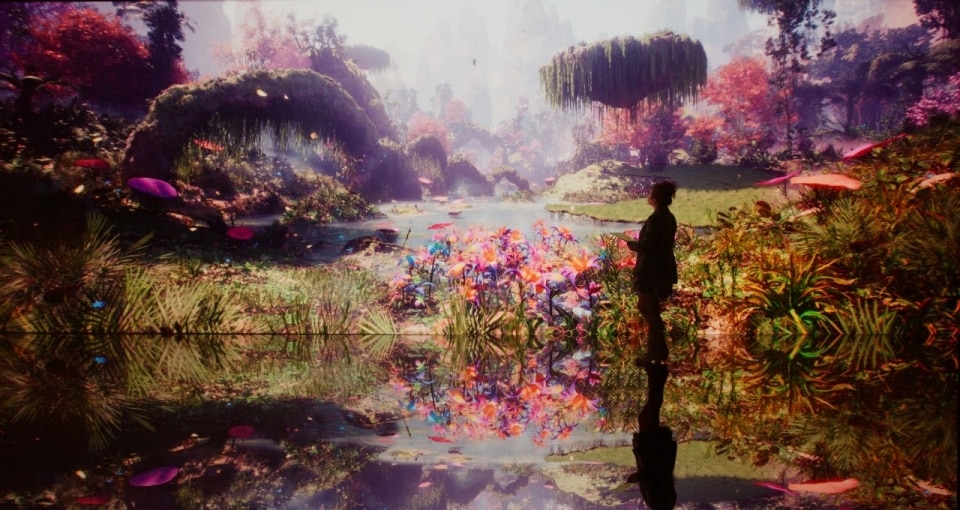
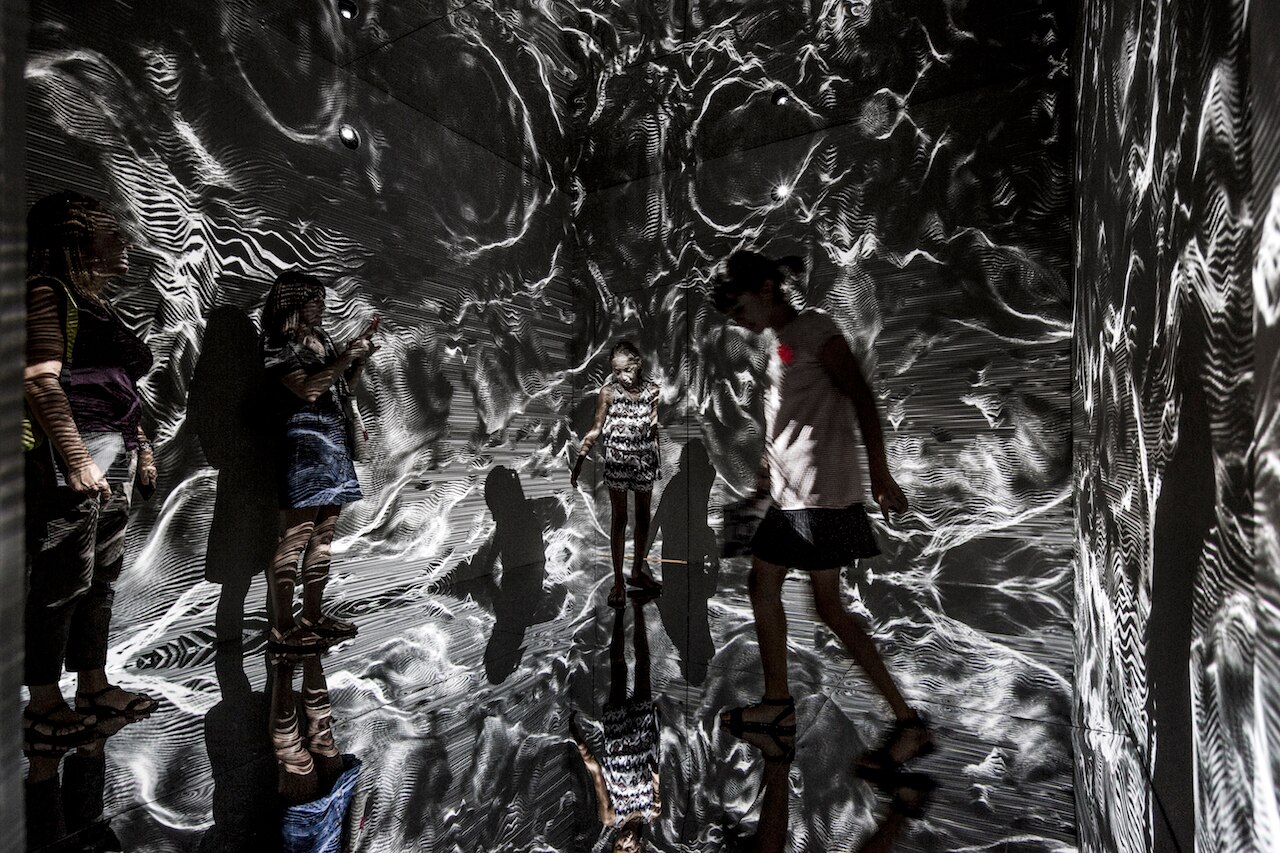
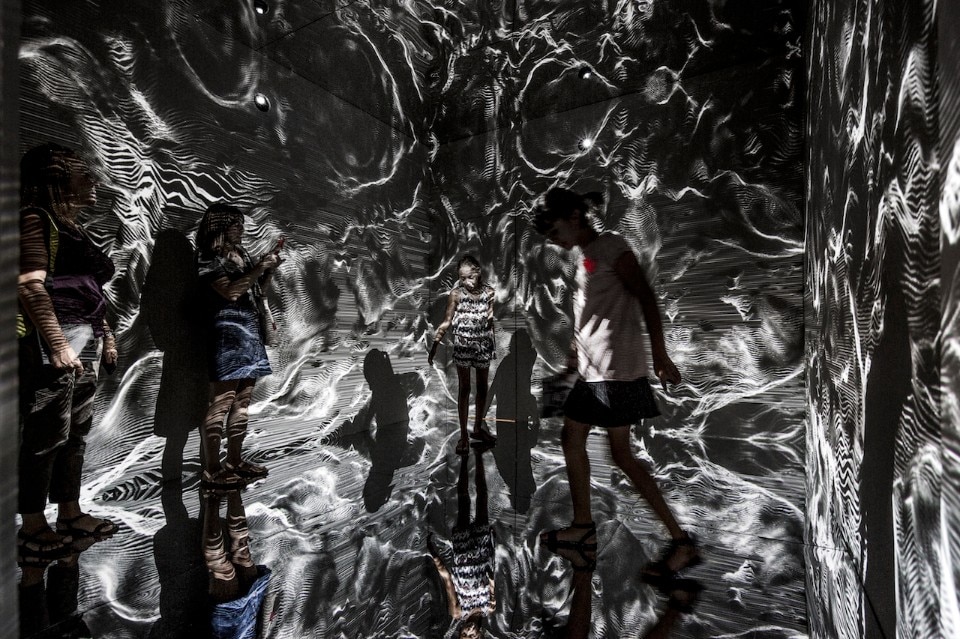
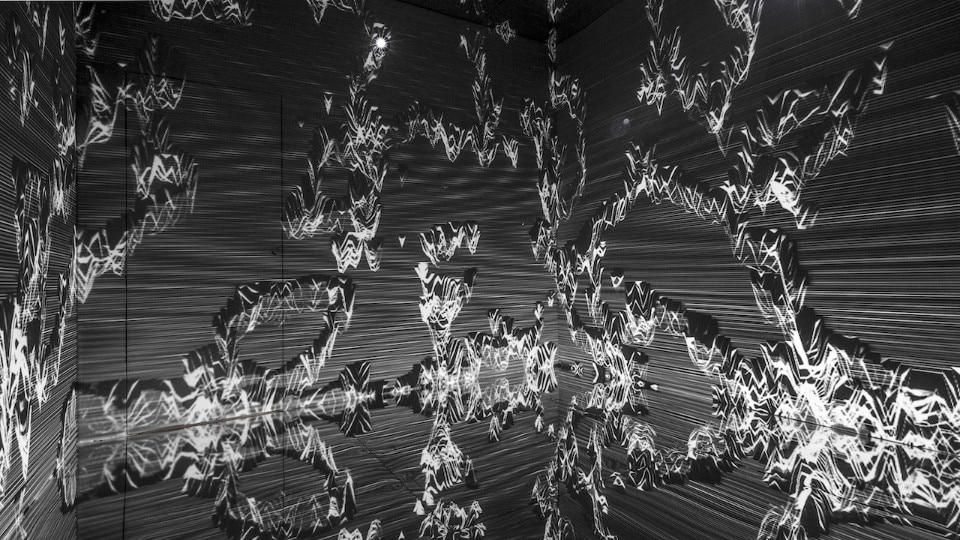
This experience is almost always immersive, environmental, architectural. “The tunnel becomes a three-dimensional data sculpture. It is an immersive experience, not a two-dimensional screen.” Even when the reference is Data Tunnel, the installation created in Gorizia and open to the public until the end of 2026, the point is not the artwork itself but the paradigm it embodies: art as a sensitive infrastructure, as an augmented public space. “My focus is public art: art for anyone, anywhere. Art is more powerful when it is not only in museums, but in shared space.” In this vision, AI is not an elitist medium, but a civic technology, capable of redefining how we collectively inhabit space.
 View gallery


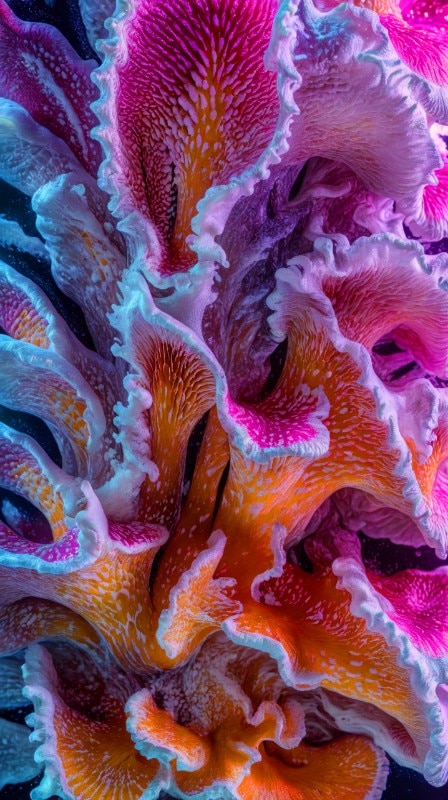


Ethics explicitly permeates Anadol’s entire practice. “Today there is great attention on the origin of data and the ethics of AI. This project [Data Tunnel, ed.] demonstrates how AI can be used in a sustainable and ethical way.” Sustainability here is not only environmental, but cognitive and cultural: it concerns how images are produced, distributed, and internalized. For this reason, the artist insists on the human labor that precedes every algorithmic output. “The future is not AI: the future is collaboration between humans and machines. There is no ‘magic button.’ Behind every artwork there is an enormous amount of human work.” Teams, expertise, time: AI becomes a multiplier of intentions, not a substitute for authorship.
AI is a mirror: it reflects who we are.
Refik Anadol
Anadol defines the artist as a “sensor of change.” “We are living through a moment of profound transformation in art. Artists are sensors of change; they ask questions before society changes.” In this sense, AI is not the subject of his work, but its most visible symptom. “AI is a mirror: it reflects who we are.” His works do not celebrate the machine; they stage our relationship with it, with its promises and its ambiguities.
The numbers – such as the three million visitors at MoMA – are signals, not goals. “Digital art can bring millions of people into museums: a very strong signal.” But the true project is cultural: building a new visual and technological literacy, as demonstrated by the opening of the Data Science and AI Museum in Los Angeles. In an era in which AI is everywhere but rarely understood, Refik Anadol’s practice operates as a critical device – not to simplify complexity, but to make it experientially tangible. Ultimately, his work does not ask whether AI is art; it asks what kind of world we are modeling through data, and whether we are willing to take responsibility for the forms – aesthetic, political, cognitive – that emerge from it.
Opening image: Refik Anadol. Photo Efsun Erkilic