


This year the Prague Quadrennial International Exhibition of Scenography and Theatre Architecture changed its title to the (somewhat) more succinct Prague Quadrennial of Performance Design and Space. This shift marks a serious change in scope, expanding its relevance across contemporary theatrical practice. While this change was controversial amongst some, it is broadly agreed—in theory if not practice—that set design risks stagnating if it chooses to remain in its disciplinary box.
As well as the typical sections of national exhibitions, student installations and a distinct architecture section, the event incorporated the extreme costume project, performative environments (and performances), workshops and presentations. A very successful series of curated conversations by some of the world's leading performance directors included Romeo Castellucci, Kirsten Dehlholm (Hotel Proforma) and Carlos Padrisa (La Fura dels Baus), laid out cohesive bodies of work united in their tenacious hunger for a richer visual and theatrical language.
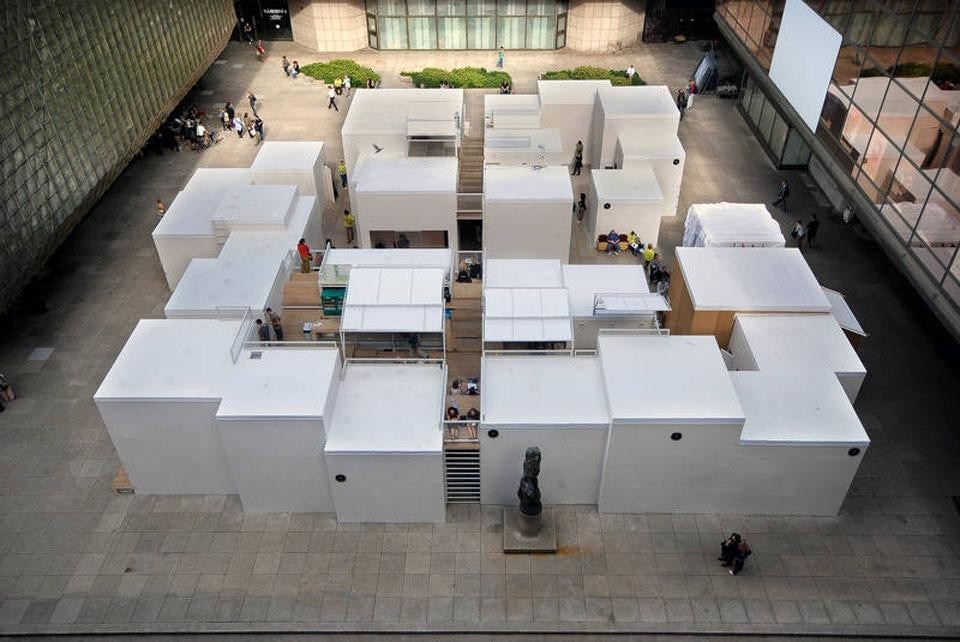
The reframing of the festival away from conventional scenography led to an emphasis on what would traditionally be considered anti-theatrical. Several exhibitions disposed of performative bodies entirely: Switzerland constructed elaborate ikebana sculptures of large-scale objects such as cable cars and trains, while Latvia created an inhabitable instrument, with objects such as miniature saws, stones and timber logs enacting a series of measured, automated gestures that combined to produce an uncanny soundscape.
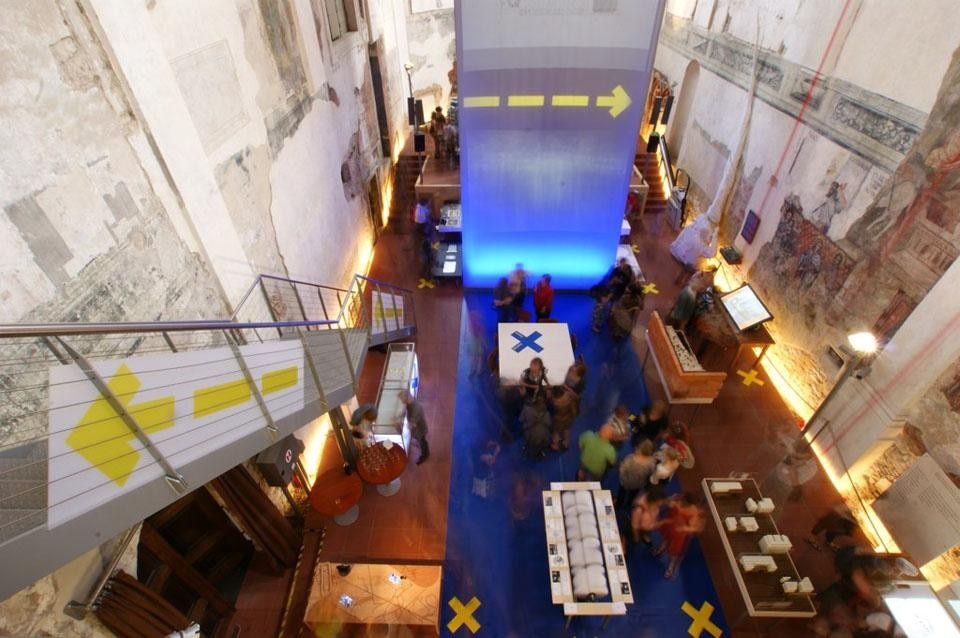
Dorita Hannah's direction of a very different Architecture section for the Quadrennial saw the relationship of architecture and theatre move from the conventional hierarchical arrangement of backdrop and enclosure to a site of creative collision and collaboration. In the extraordinary environment of the deconsecrated St. Annes Church—now operated by Vaclev Havel's cultural foundation, Vision 97—Hannah curated a series of works on tables that invited visitors to gather, commune and discuss.
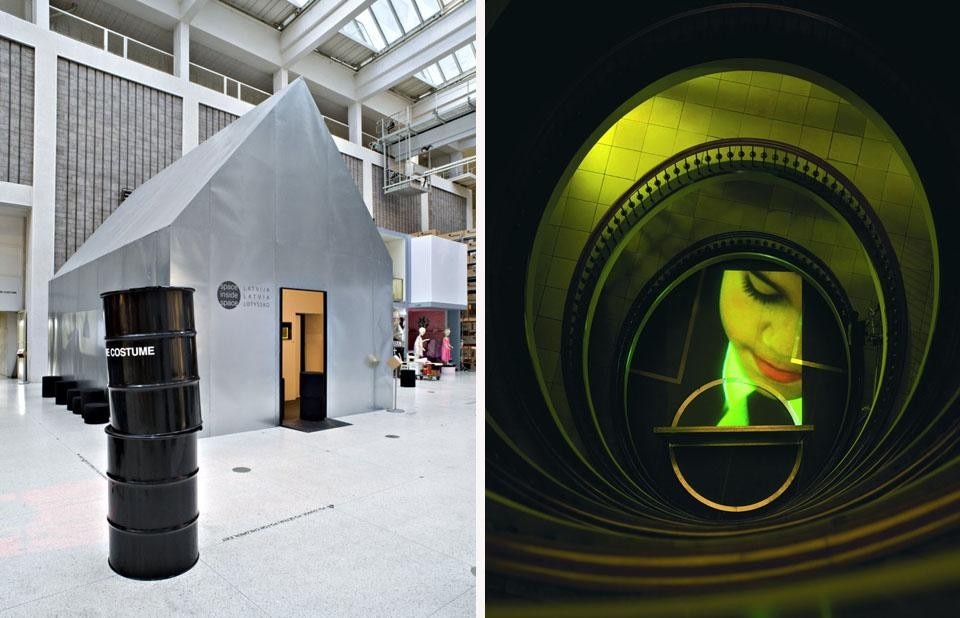
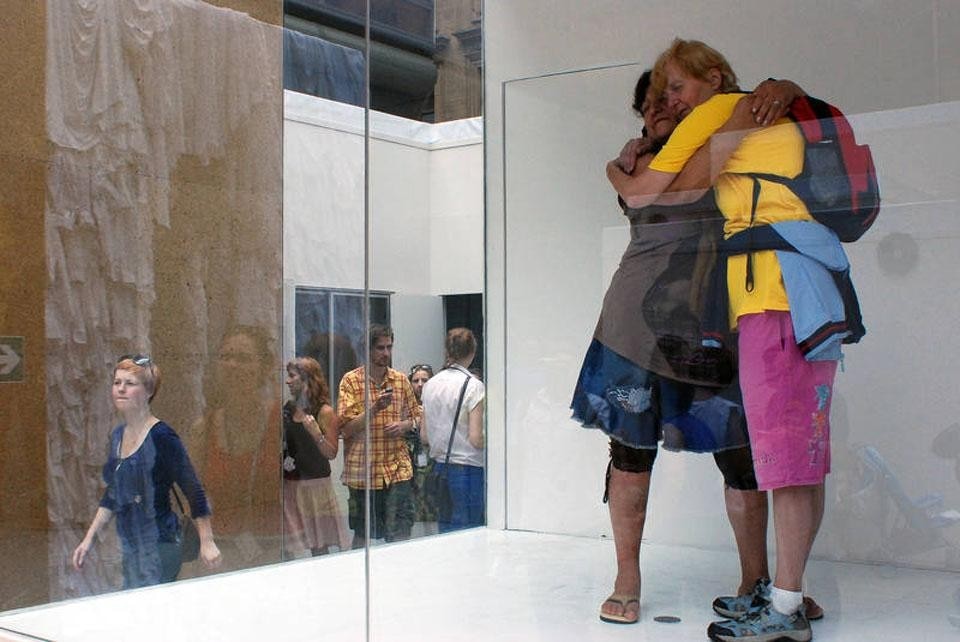
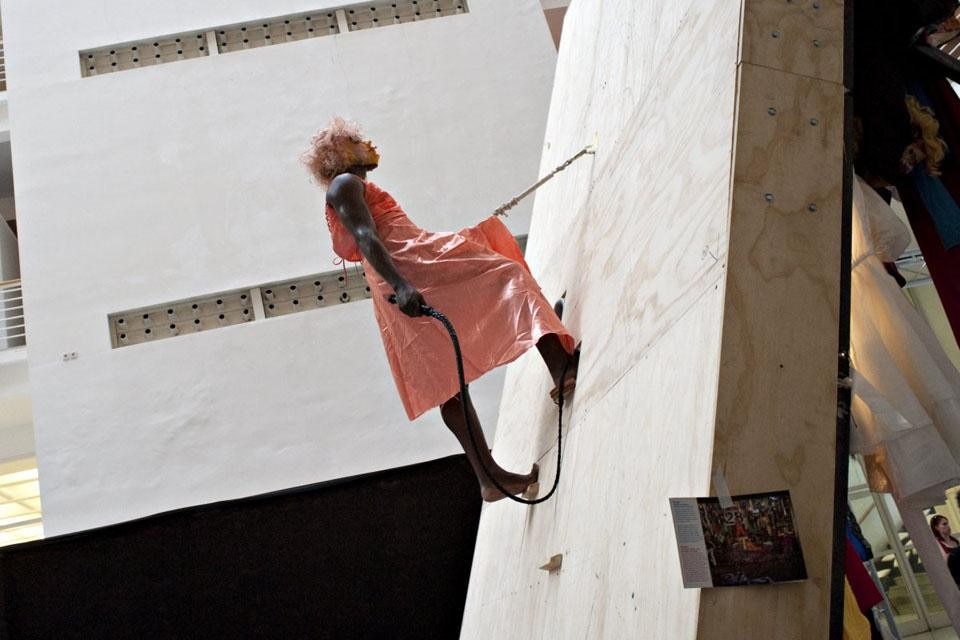
For so many professionals adept at world-making, there was still a notable inability to grasp the shift in context from stage to exhibition. Key countries such as the USA, UK and Germany presented set design in the conventional and deeply uninspiring exhibition format of posters and models. The stark lighting of objects in a gallery exposed the lack of craft and precision while also forgoing the delight of theatrical illusion. The horror of Castellucci's installation or the visceral gentleness of Pormale's Hug stood in stark contrast to the banality of the trade show mentality of a surprising number of the participating exhibitions. One assumes that the example set by this year's Quadrennial will eventually help compel them into new territories. Samantha Spurr