



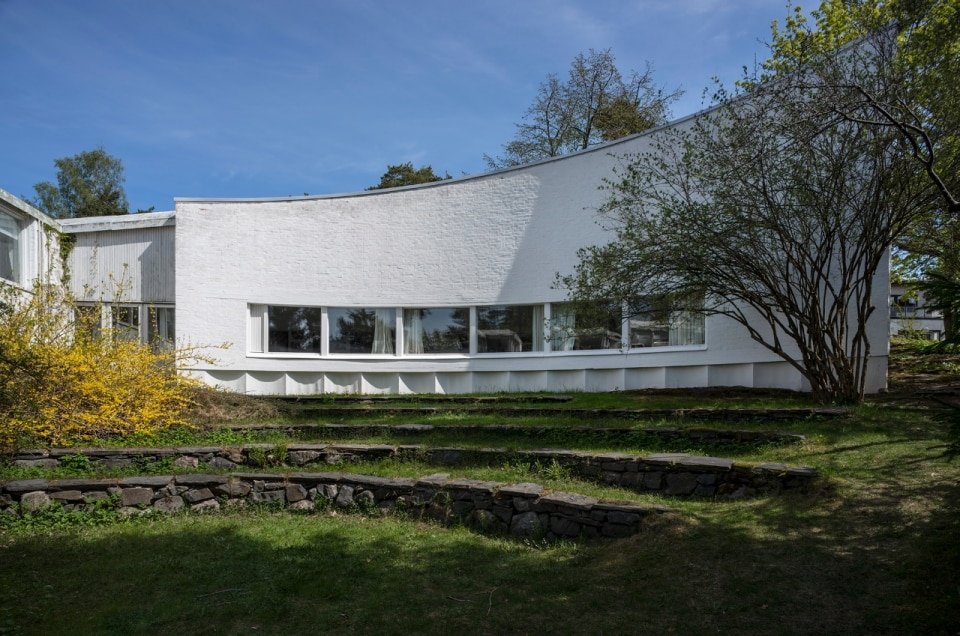
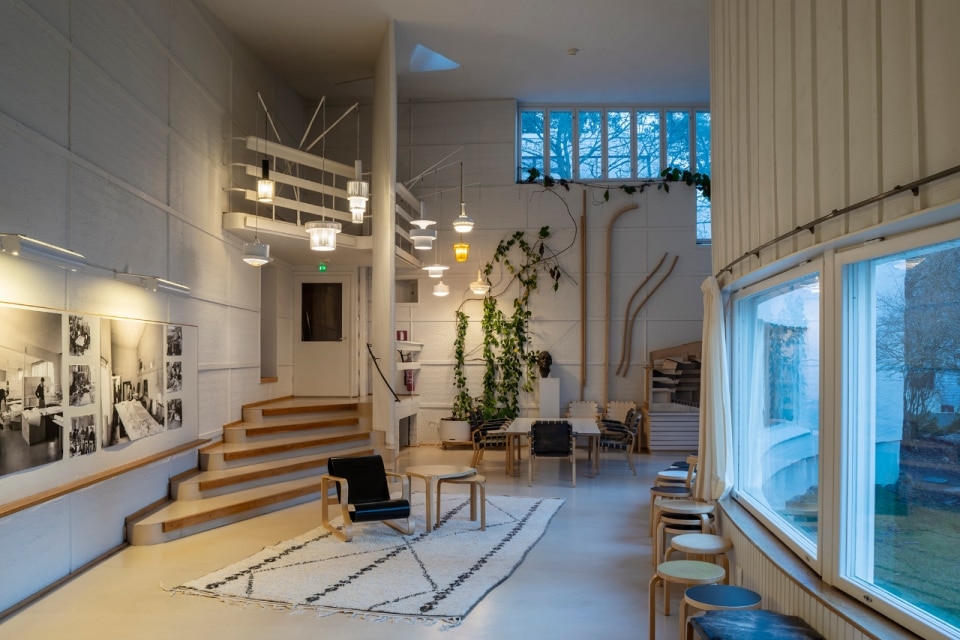
In the pantheon of the masters of the Modern Movement, in which efficiency and the machine are often erected as myths, Alvar Aalto (1898-1976) occupies a lateral position by taking in the tools of rationalism and reconfiguring them to put light, the forest, and the transience of life at the center. Critics will recognize him as the most "human" face of modernism, capable of transforming functionalist abstraction into tactile, domestic architecture even when it is public. For Aalto, "true architecture exists only where man stands in the center": architecture really begins when at the center is not the isolated object, but the life of those who inhabit it. It is no accident that he often defines building as "building art is a synthesis of life in materialised form," a synthesis of life made material, holding together techniques, landscapes, everyday rituals.
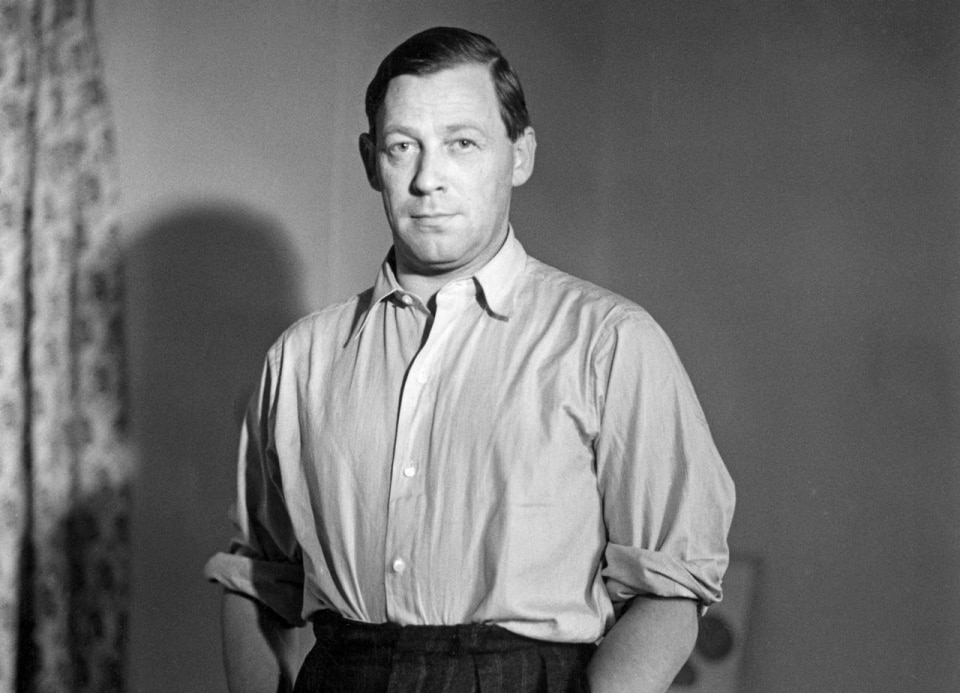
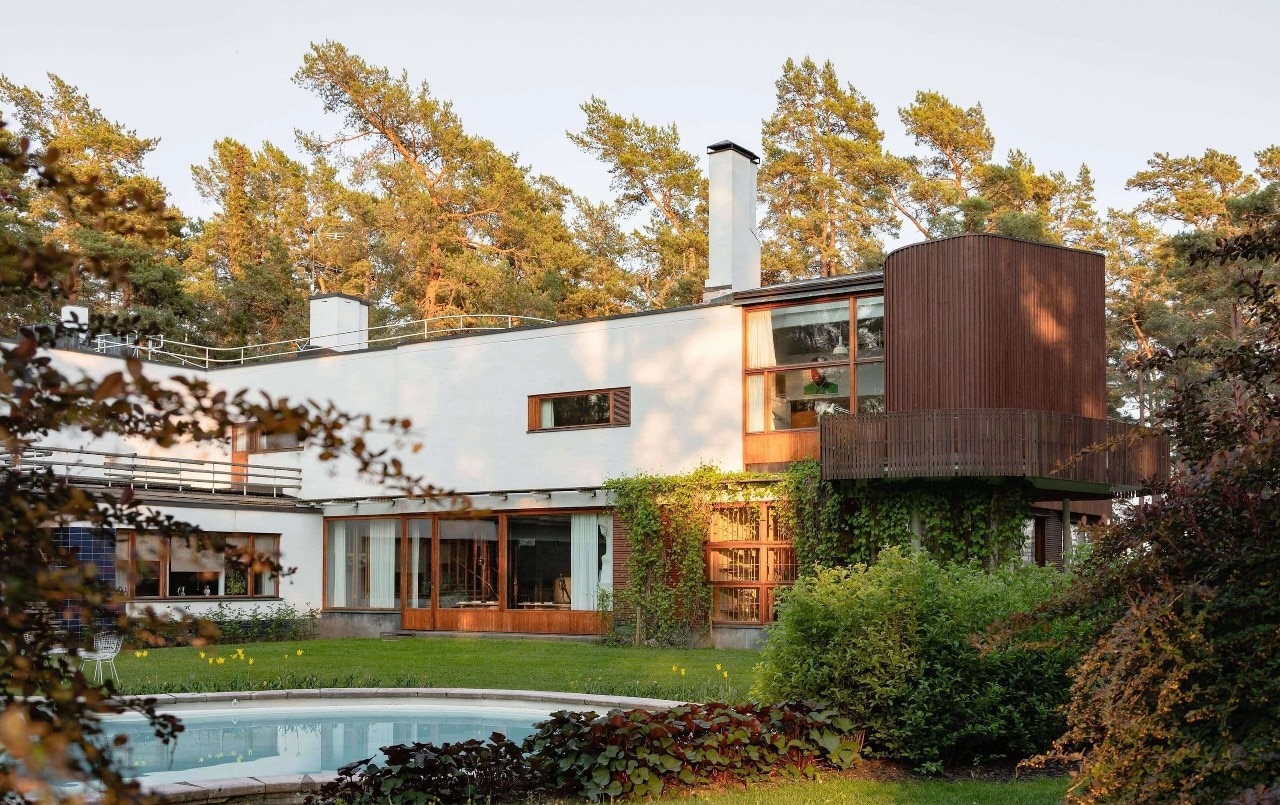
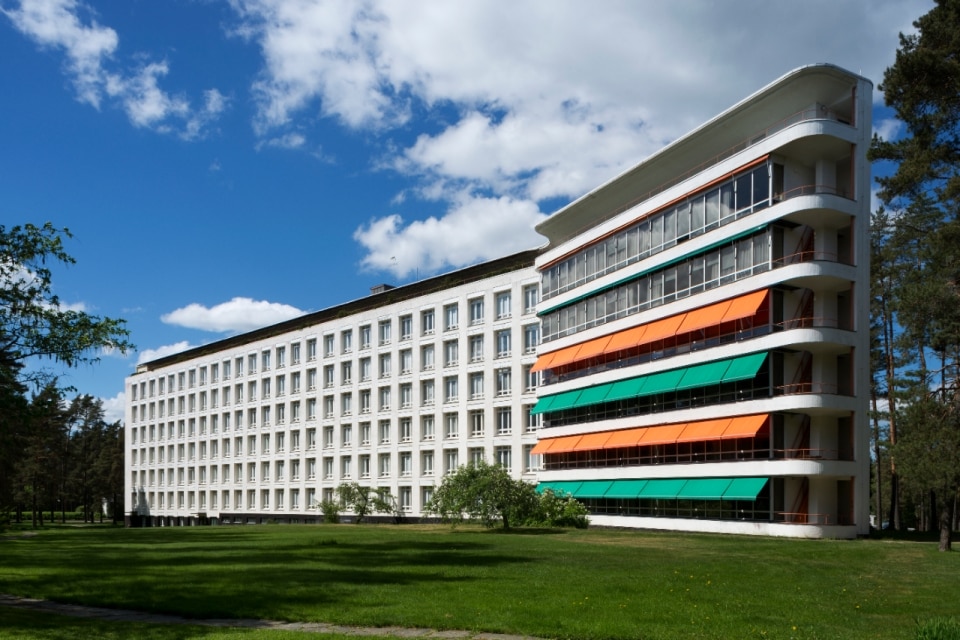
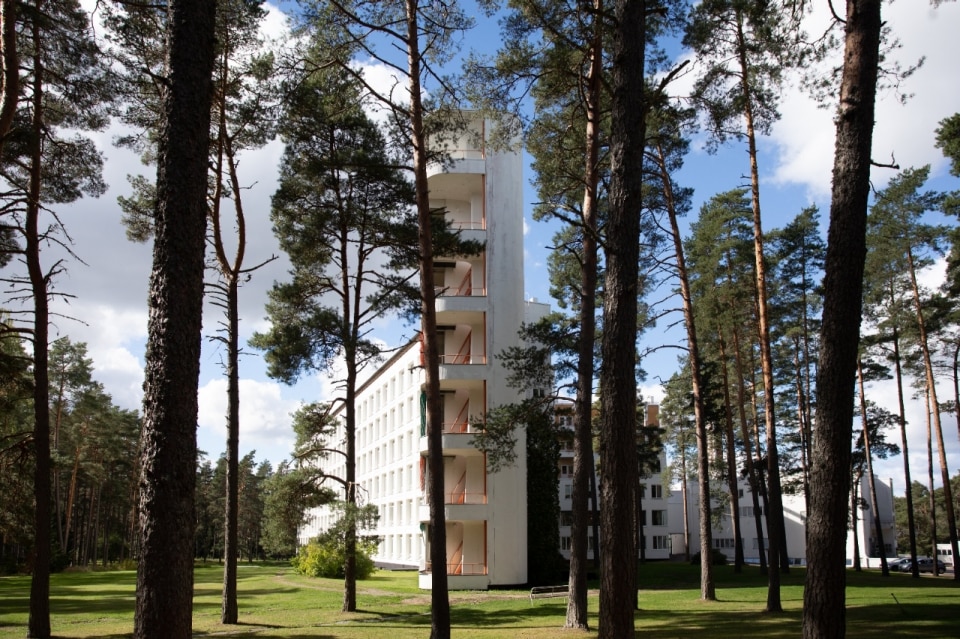
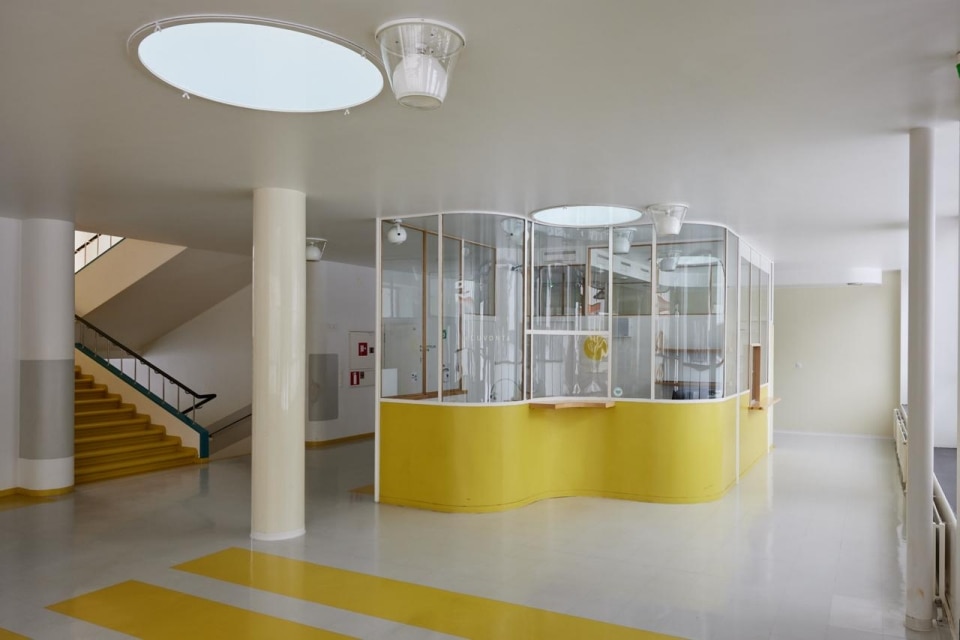
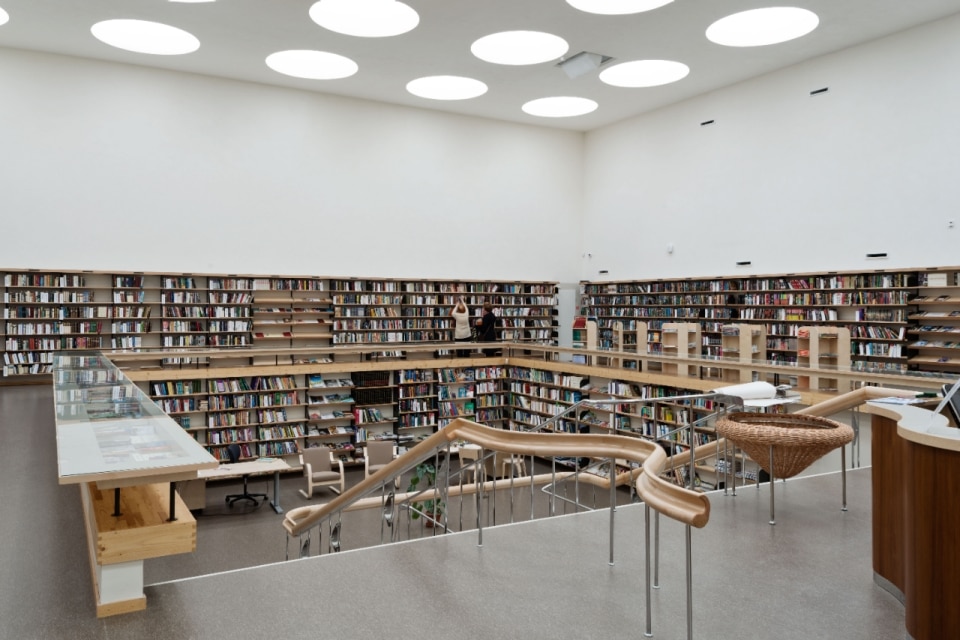
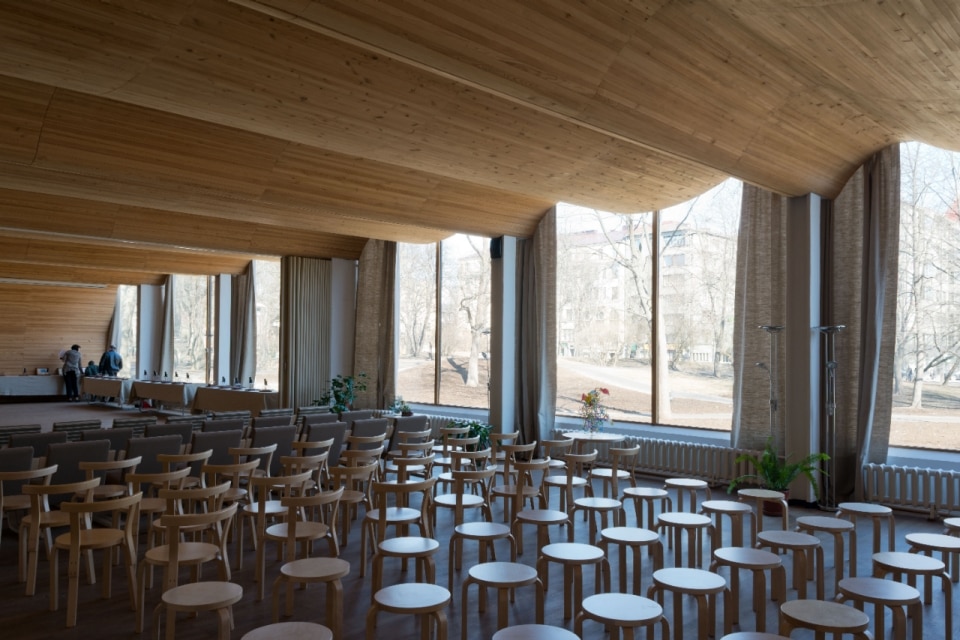
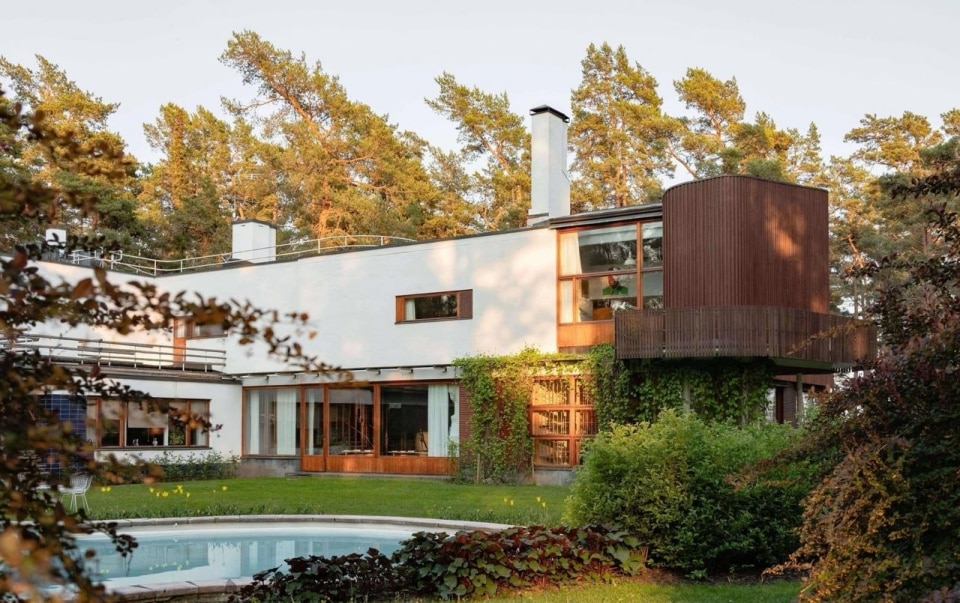
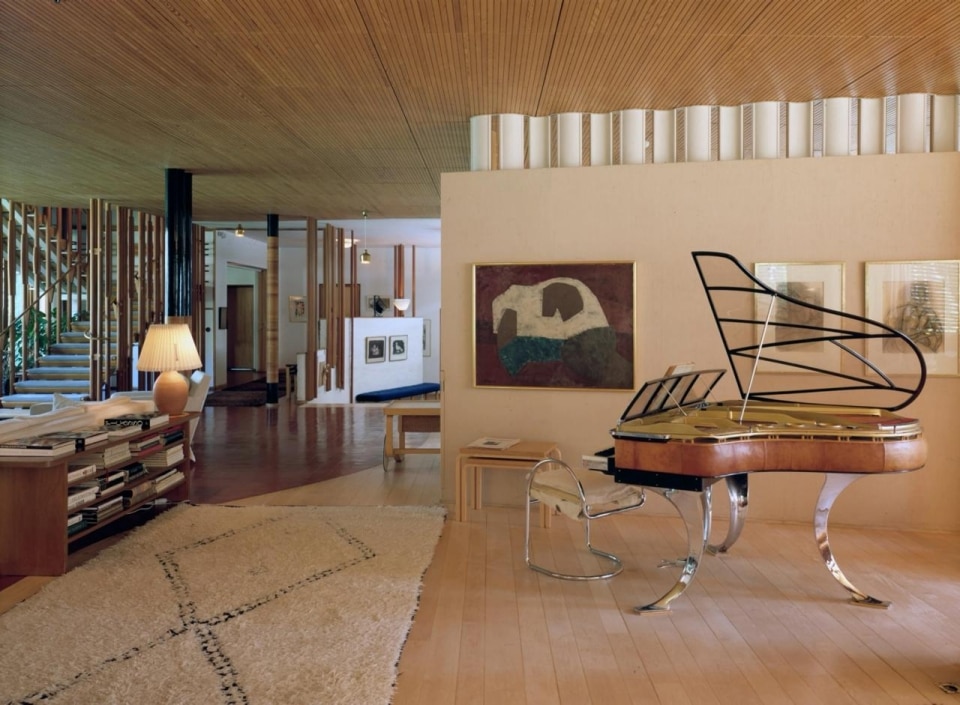
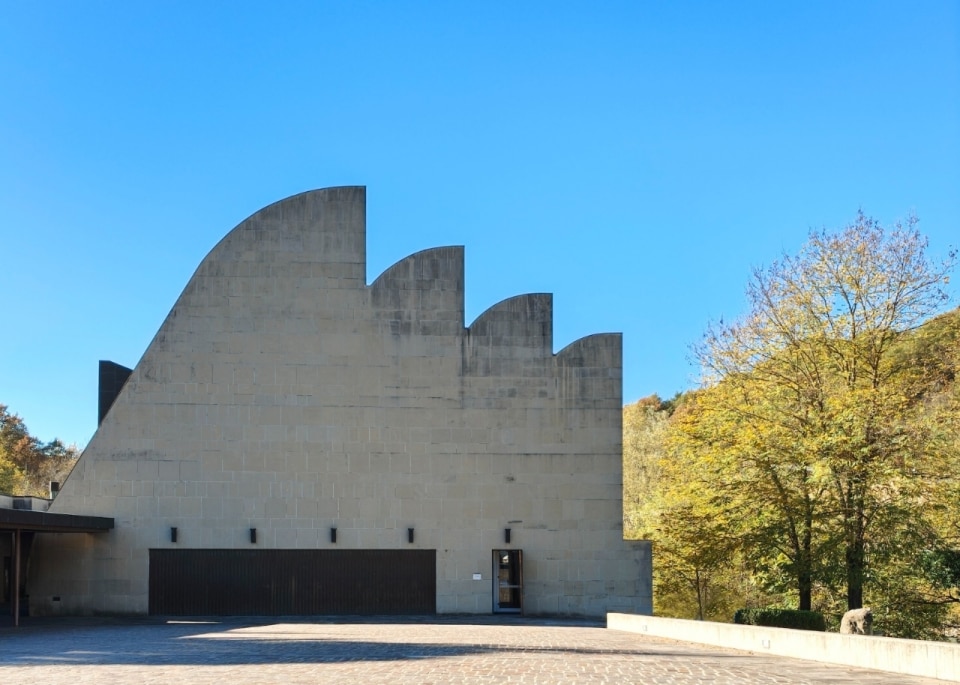
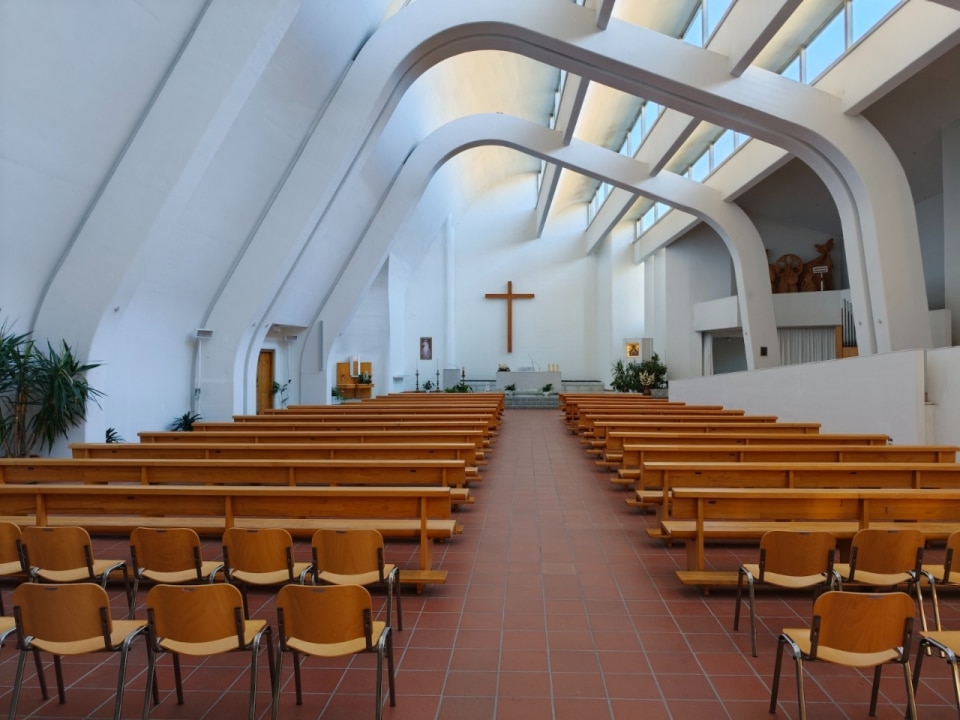
From this horizon comes work that traverses different scales and programs. From the hospital architecture of the Paimio sanatorium to the library of Viipuri, to the domestic dimension of Villa Mairea and the house-studio in Helsinki, Aalto's work remains faithful to a single idea: architecture as an everyday, corporeal, almost musical experience. The Riola church – the only significant work built in Italy – translates this attitude into a liturgy of light that brings community, Apennine landscape and modern tradition into dialogue. The five works that follow recount, in fragments, this "possible paradise" that Aalto tries to build for man.
Opening image: Photo Jarno Kylmänen, Villa Mairea Archives