



It was 1903 when Josep Batlló i Casanovas, a leading figure of Catalonia’s booming textile industry, and his wife acquired their future home on Passeig de Gràcia – the Champs-Élysées of the new Barcelona – slicing through Ildefons Cerdà’s Eixample grid as it climbs toward the hills.
The initial plan was to demolish and rebuild from scratch. But the architect they hired, Antoni Gaudí, was not one to appreciate simplifications: the Sagrada Família, already under construction at the time and still incomplete today, is ample proof of that.
Renovation it would be, then. Casa Batlló, one of the great manifestos of Modernisme, Catalonia’s answer to Art Nouveau, was ahead of its time twice over: first, for daring to flaunt its surreal forms right in the heart of bourgeois Barcelona; and second, for being an early example of adaptive reuse, in an era when demolition and new construction were the norm.
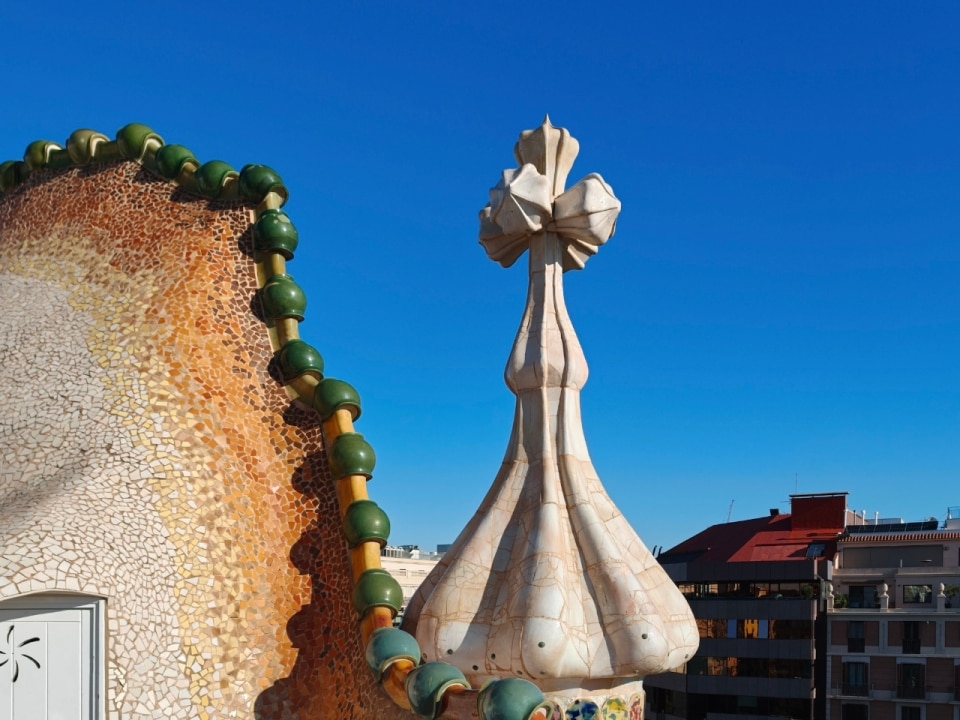
Built on the 1877 structure designed by Emili Sala Cortés – one of Gaudí’s own teachers – the transformation was, above all, spatial. Each of the now-iconic decorative features of Casa Batlló originated from a functional idea.
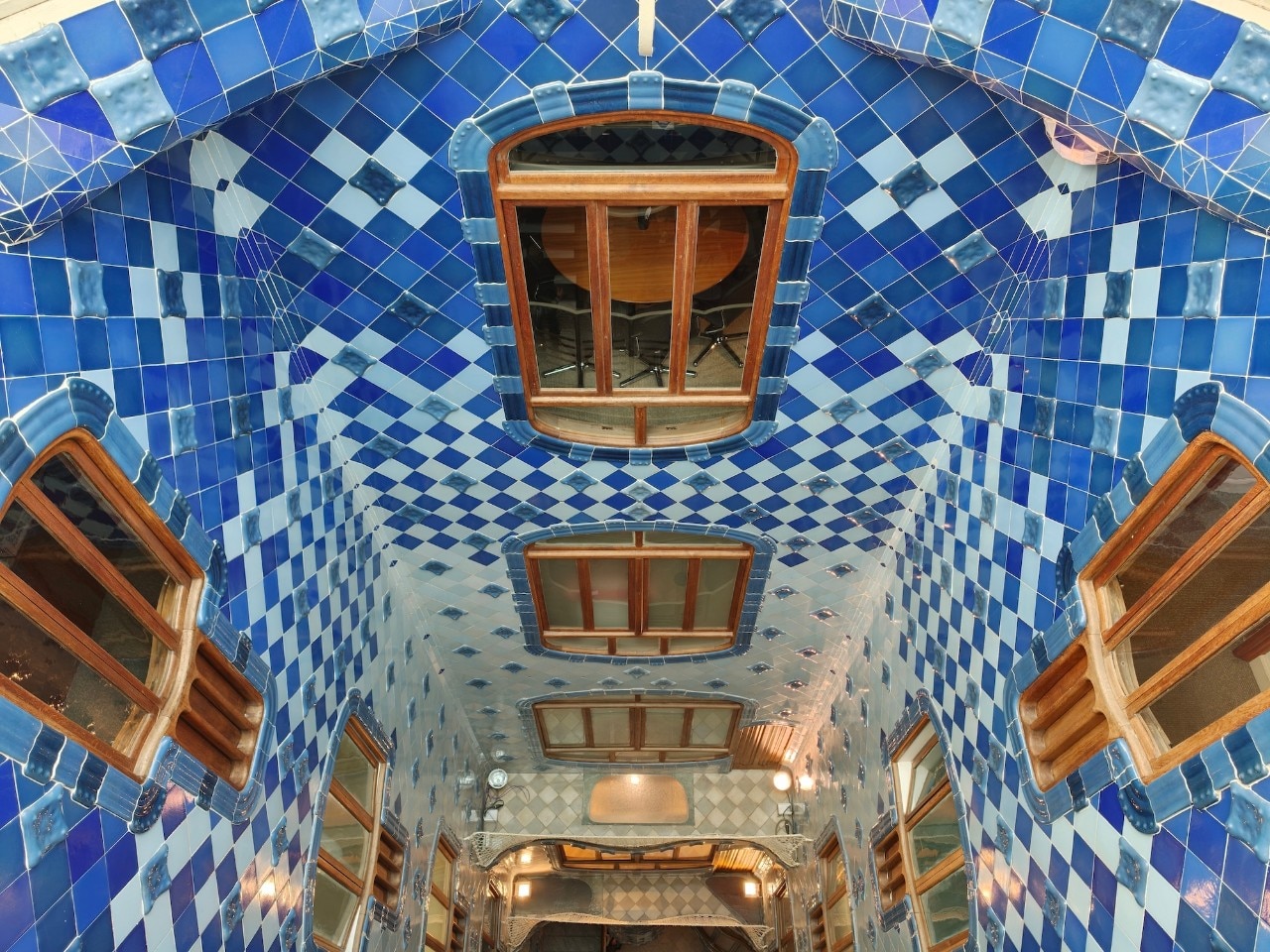
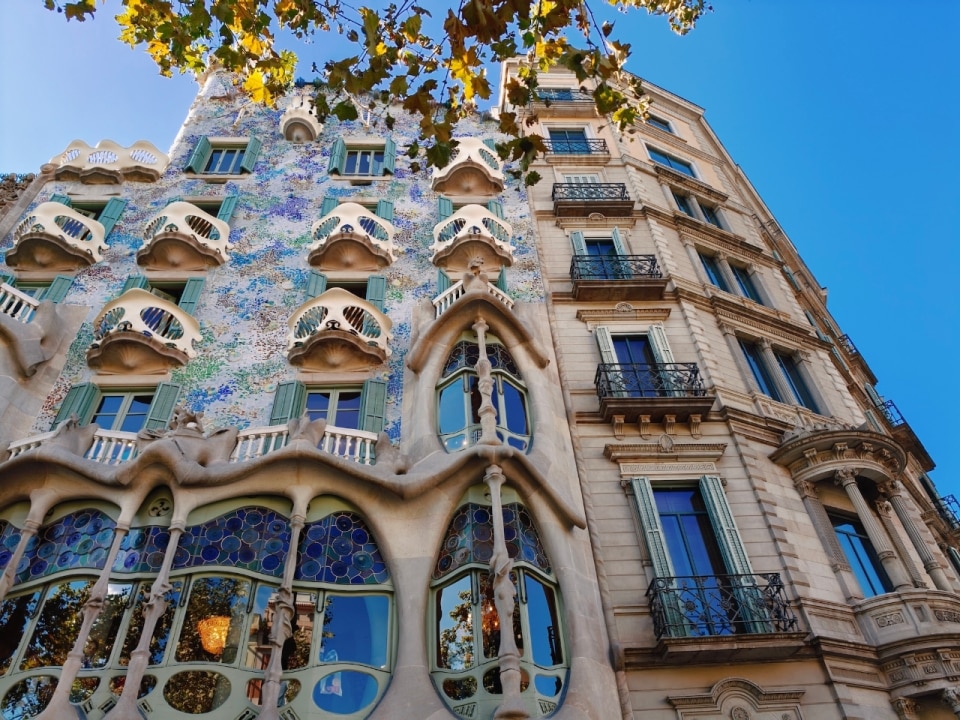
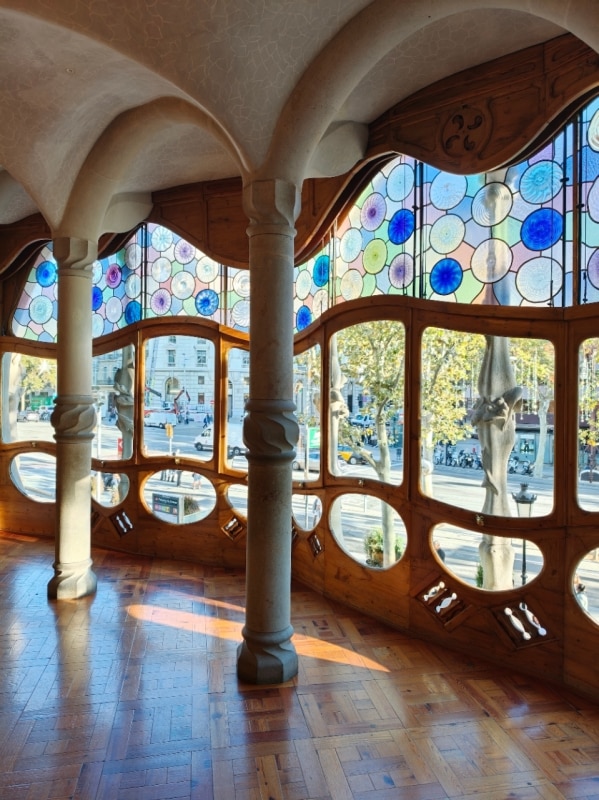
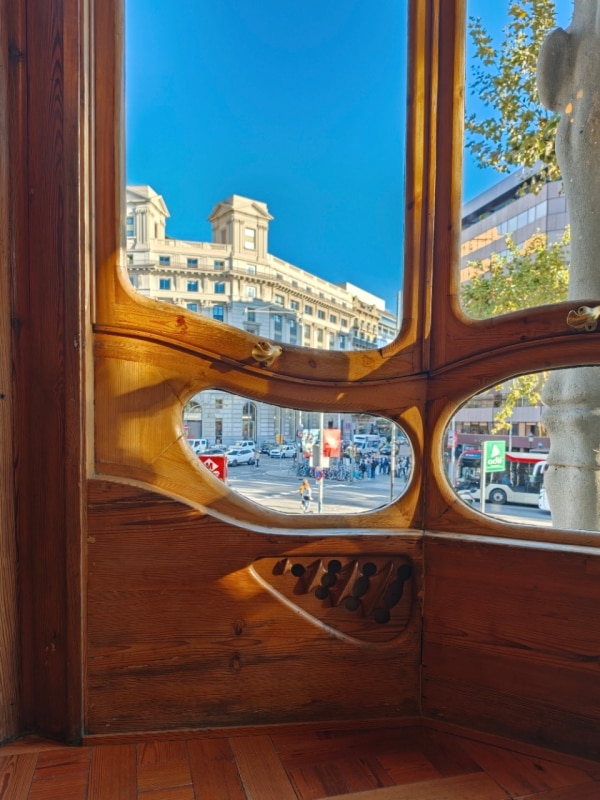
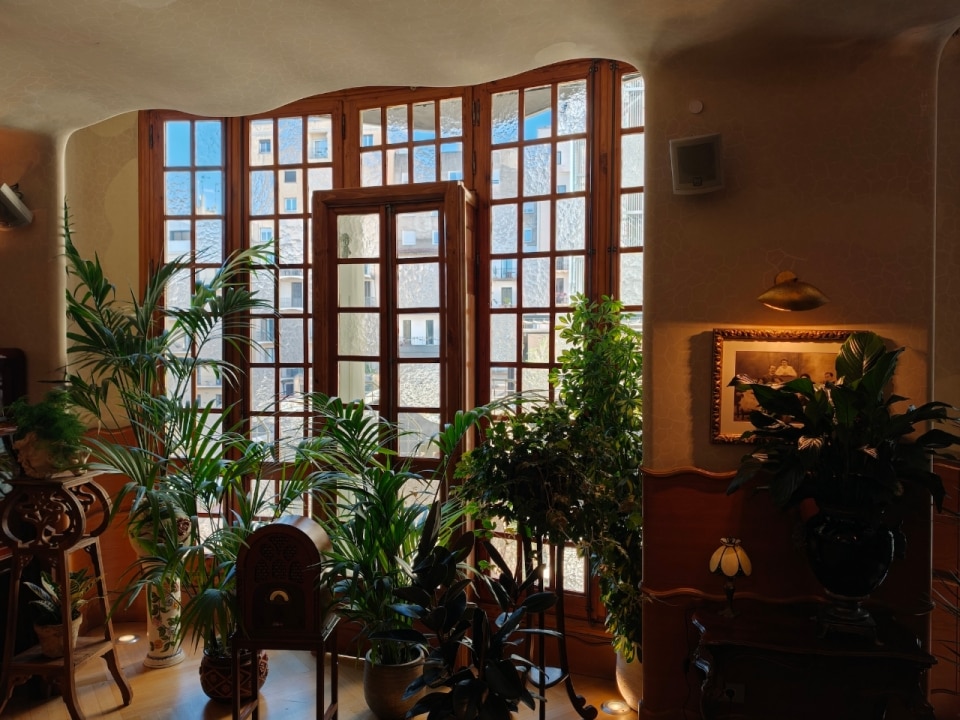
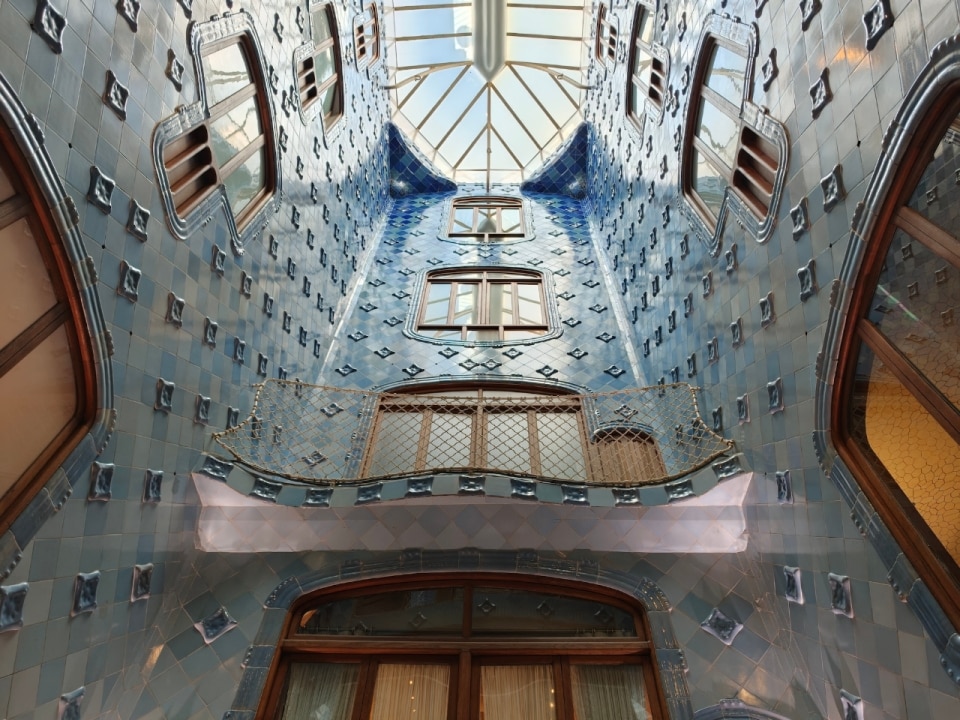
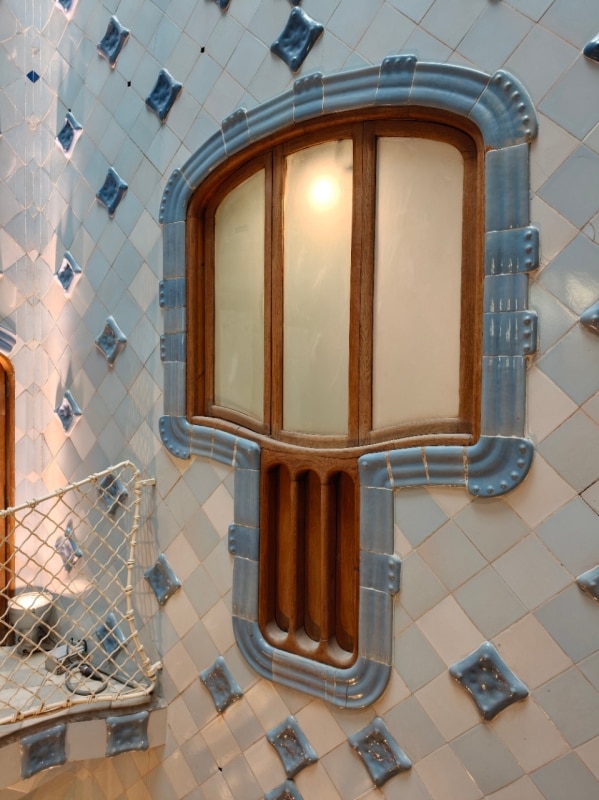
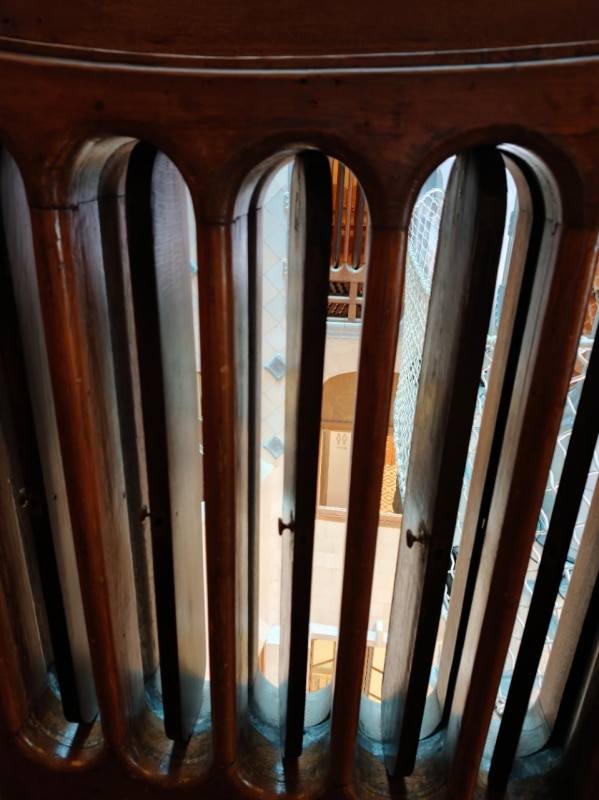
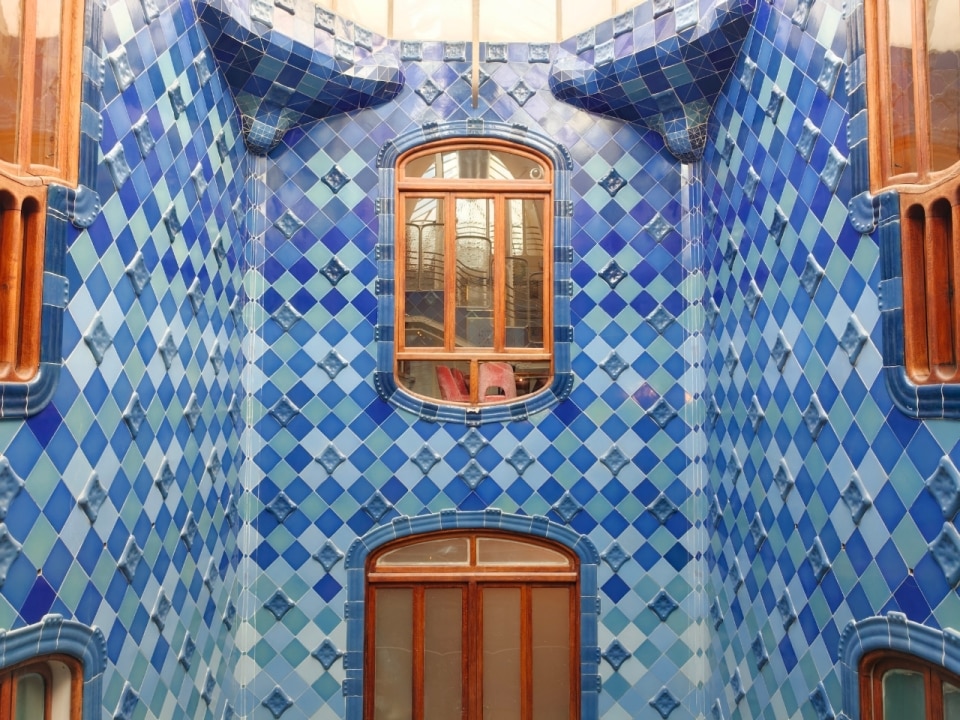
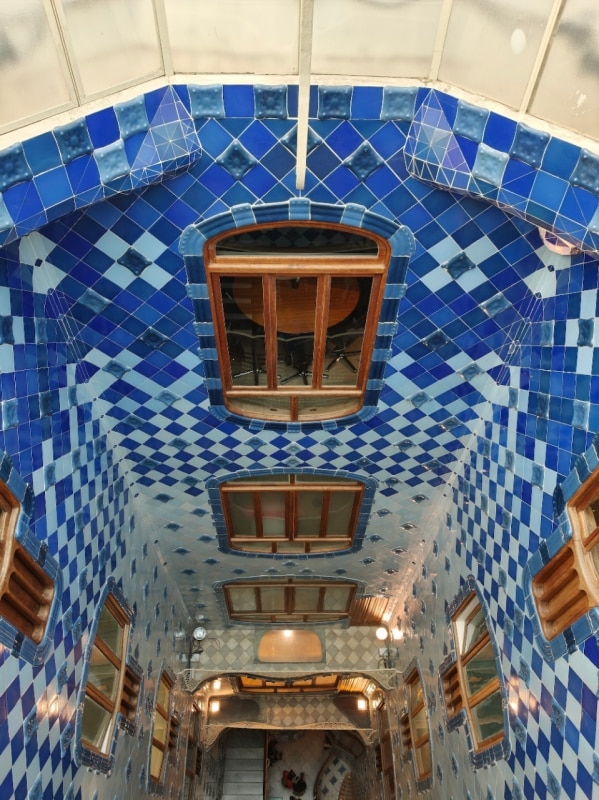
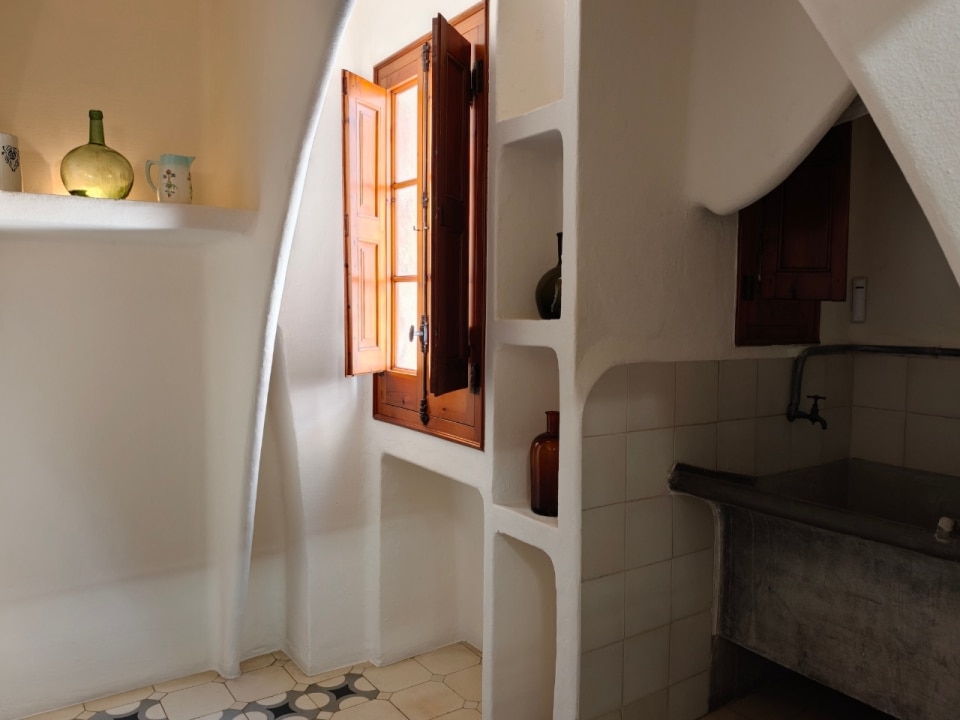
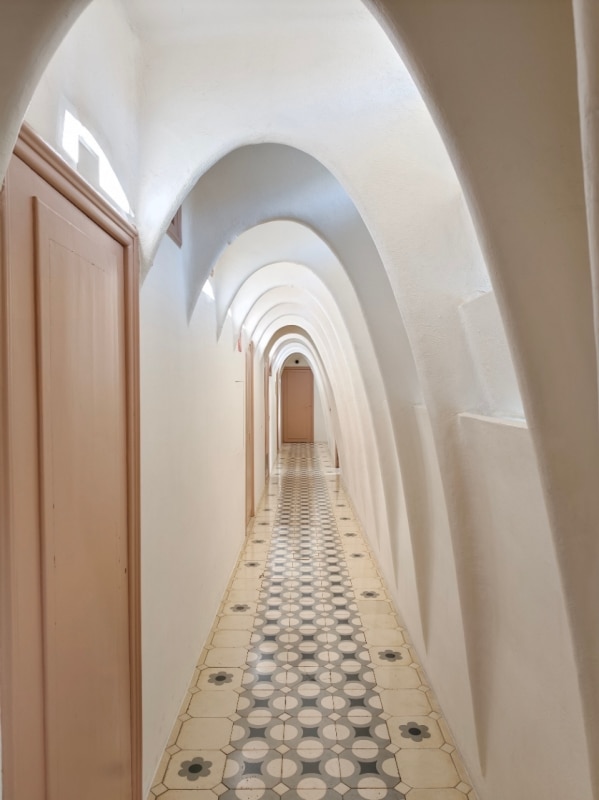
The grand sculptural window of the main salon is both a masterpiece to behold, from inside and out, and a statement of the family’s social status. The dazzling ceramic lightwell at the heart of the building was born from the expansion of an existing shaft: its tiles shift gradually from pale to deep blue as they ascend toward the brighter upper floors. The mushroom (or skull-) shaped windows expand to capture natural light, while the wooden shutters below them allow manual control of cross-ventilation, exploiting the stack effect for natural airflow. Even the high, white-painted Catalan vaults beneath the roof contribute to this passive ventilation system, aerating the service spaces.
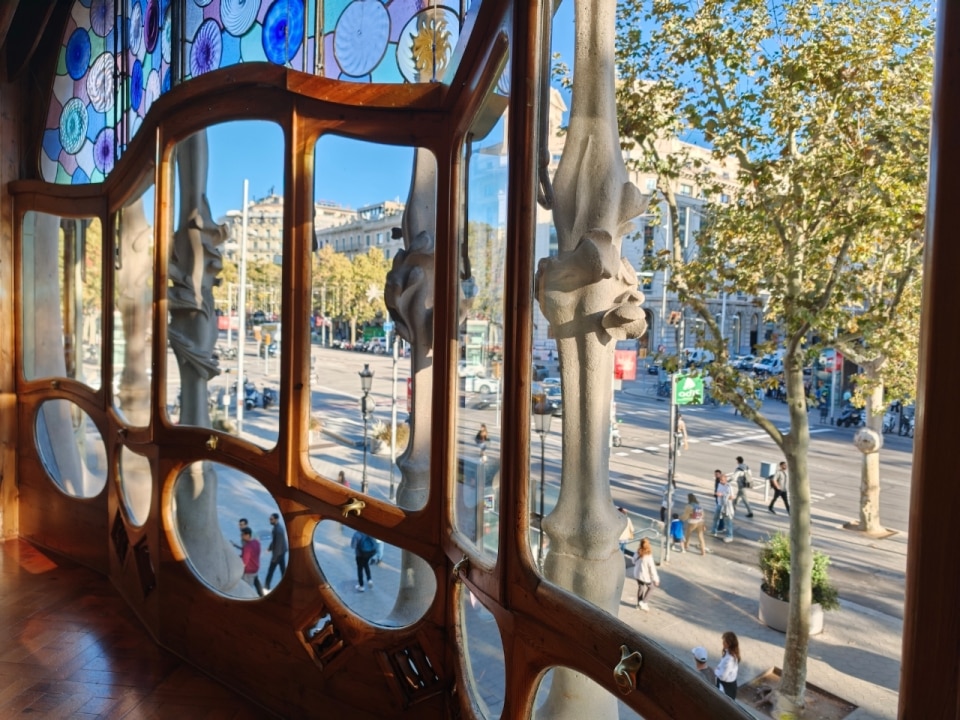
Then there’s the legendary aesthetic: a kind of total expressionism, rather than decorative Art Nouveau. It lives not only on the façade but also in the constant play between inside and outside, tying the entire house together as a fantastical creature.
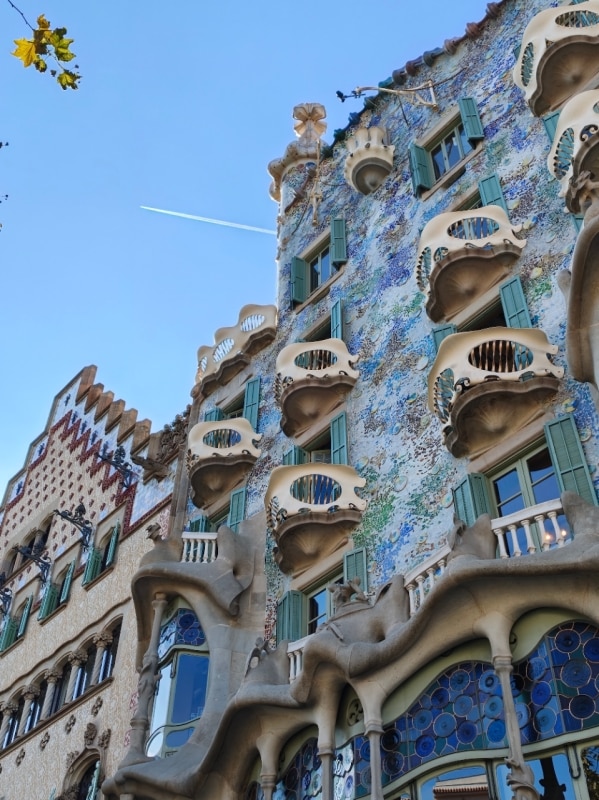
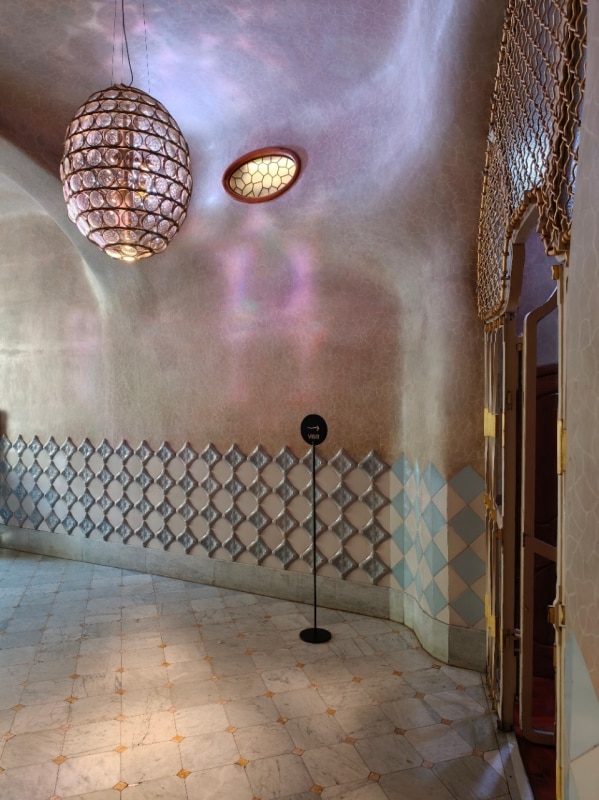
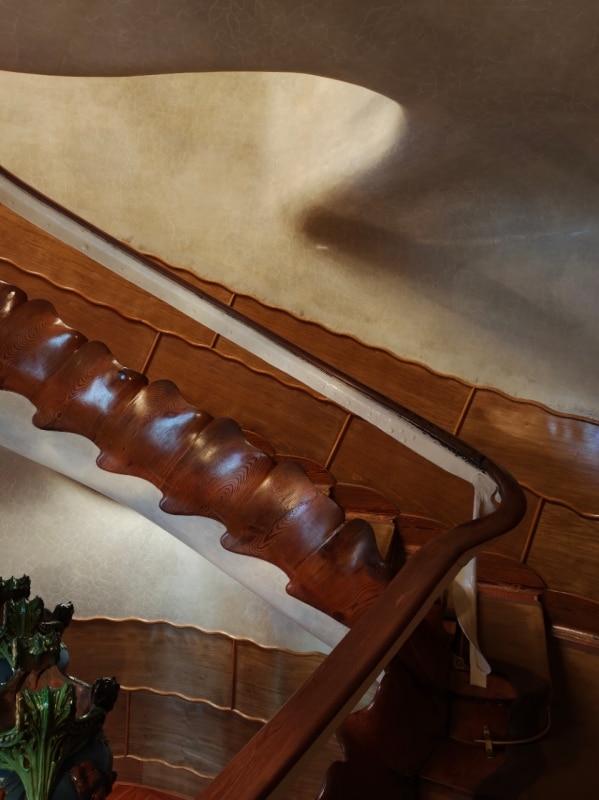
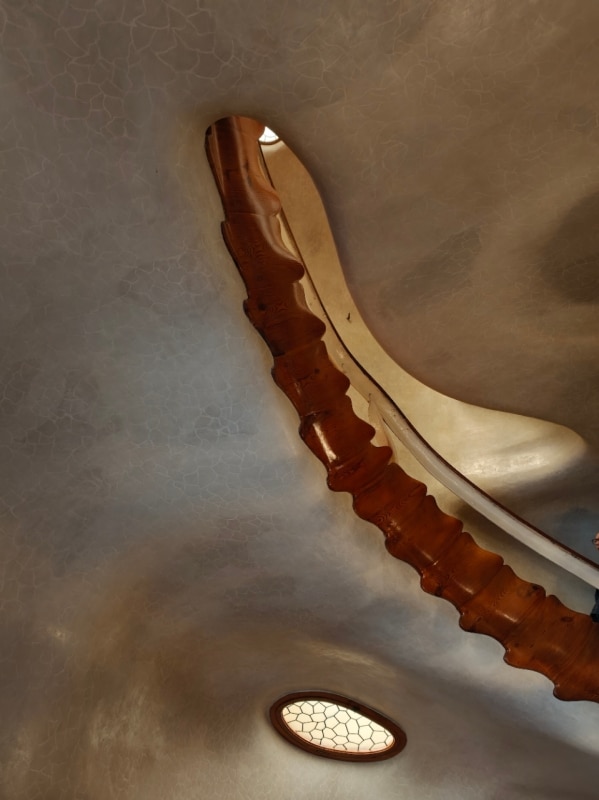
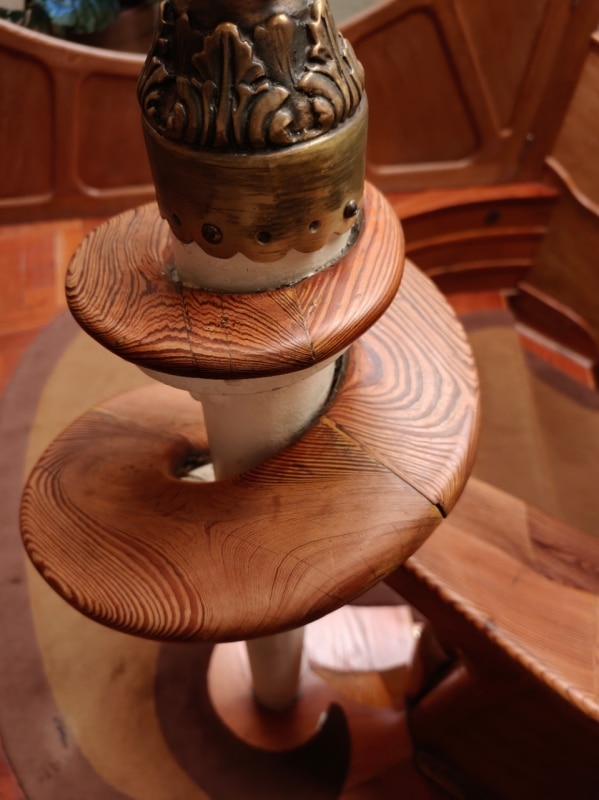
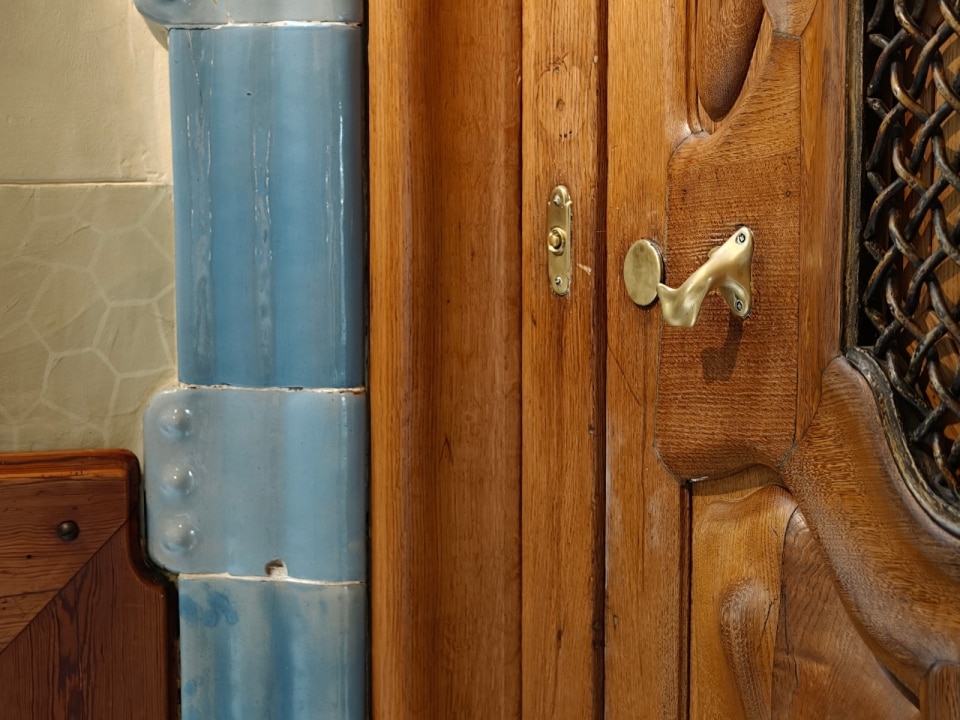
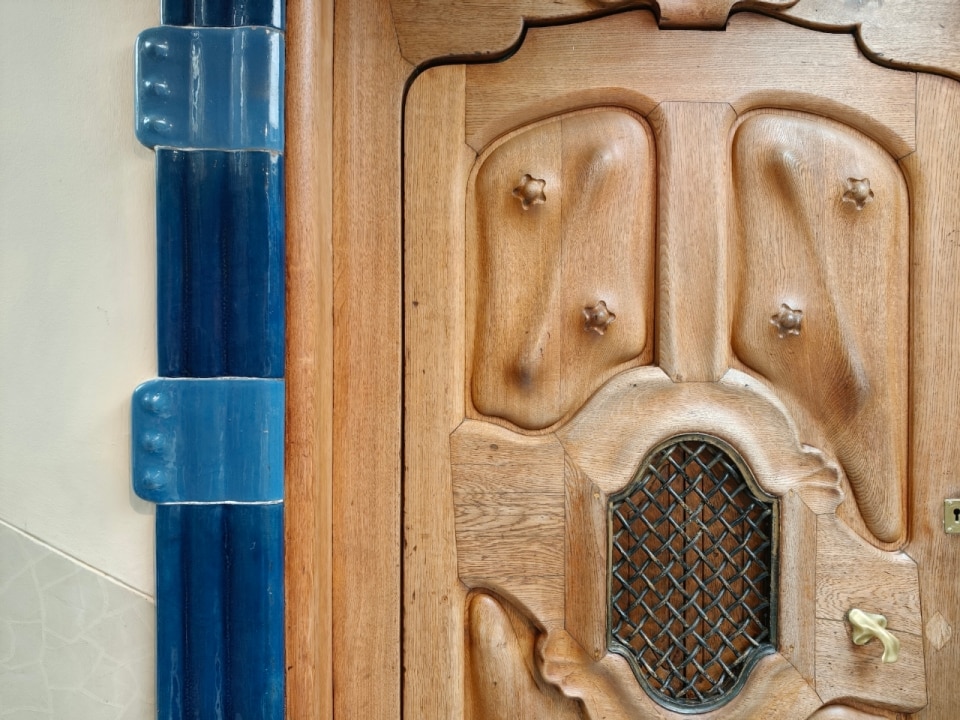
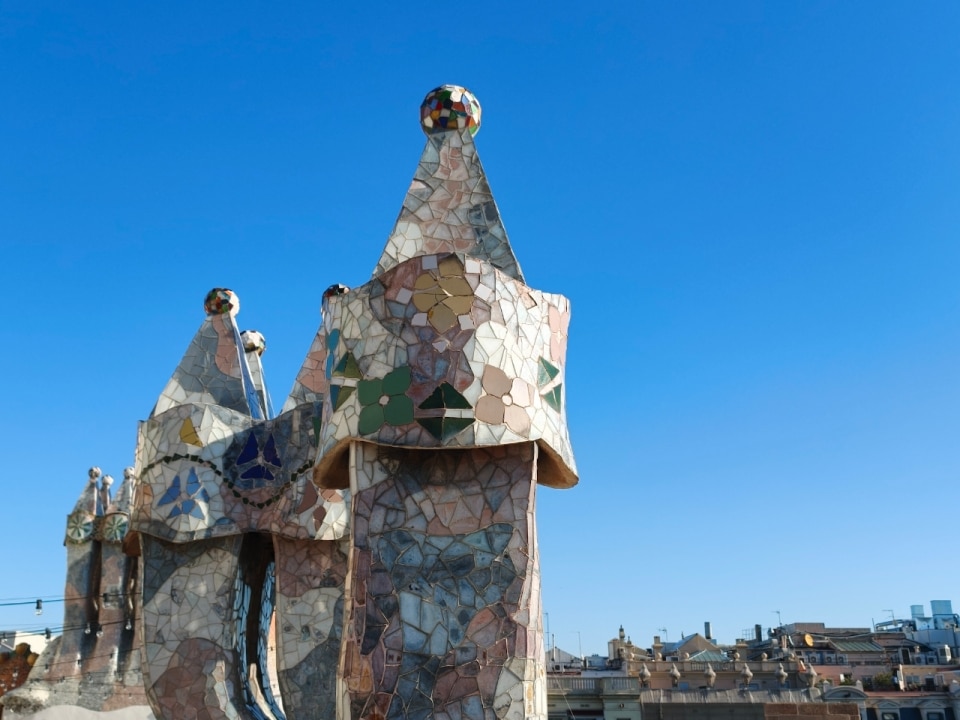
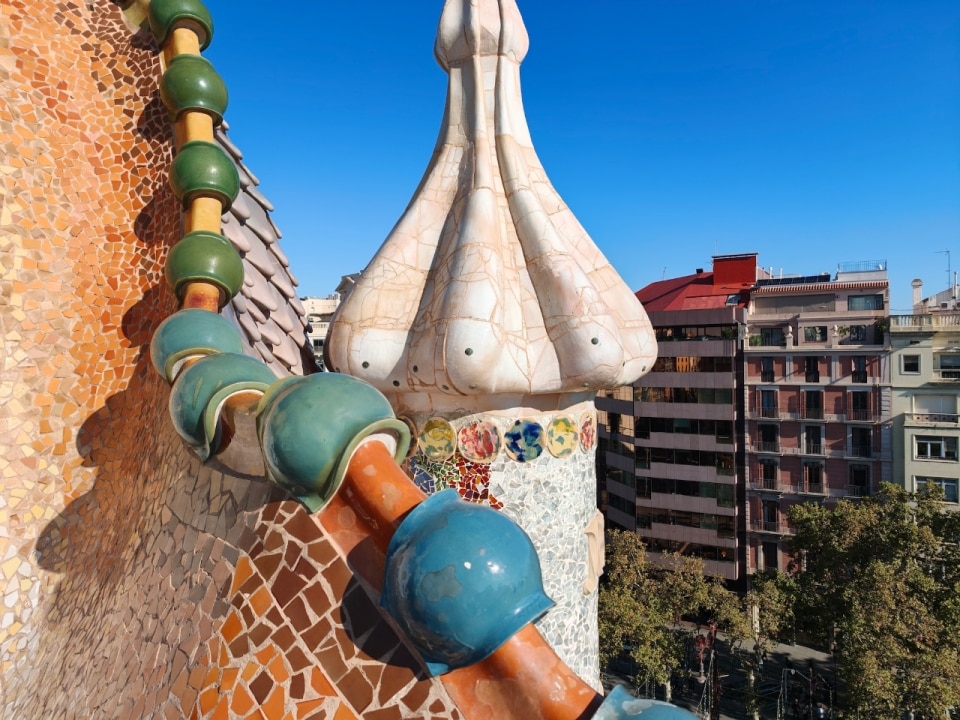
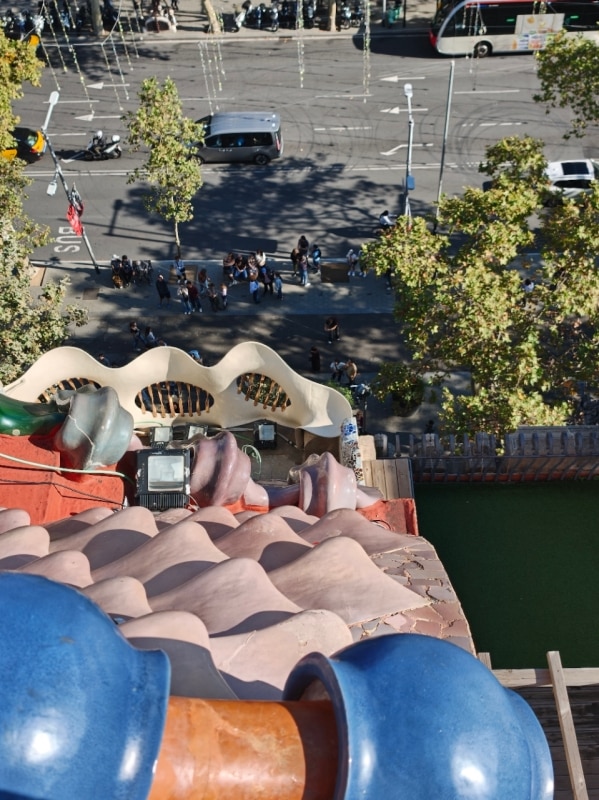
Its vertebral spine of carved wood becomes the main staircase, flowing seamlessly into the undulating vestibule ceiling, then emerging again at the top where the “dragon” turns into a sculptural roof clad in iridescent ceramic scales. The spine reappears as a chain of colorful globes along the roofline. This decorative torrent spills over the façade, where bone-like columns and mask-shaped balconies have earned it the nickname “House of Bones.” Is it the dragon slain by Saint George, its victims’ bones below, or the waves of the Mediterranean crystallized in ceramic, as Salvador Dalí once suggested? The answer remains open, and endlessly reinterpreted.
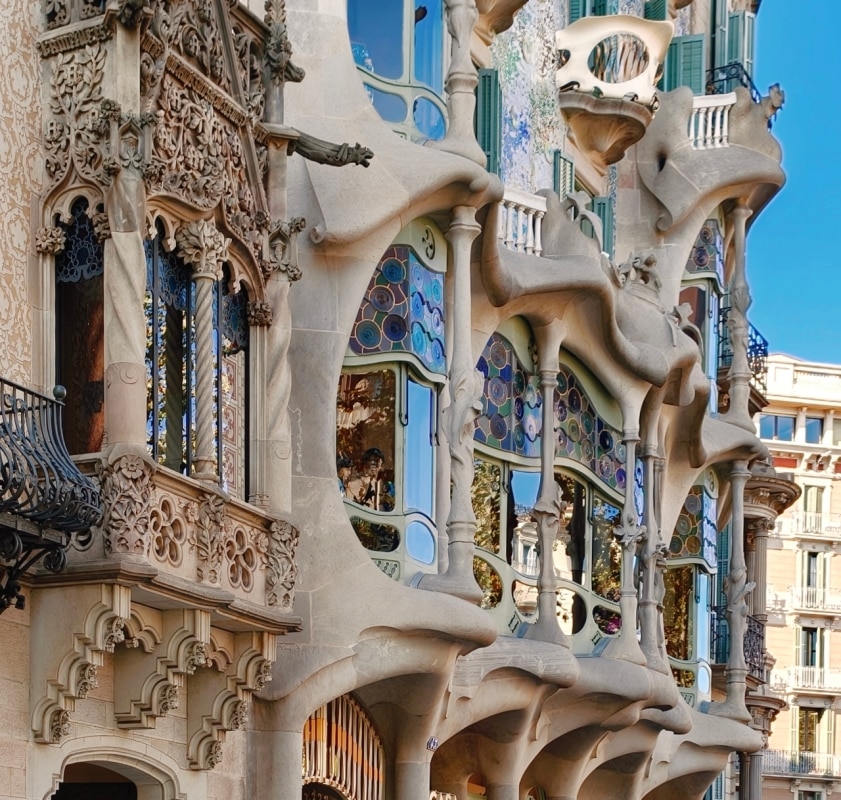
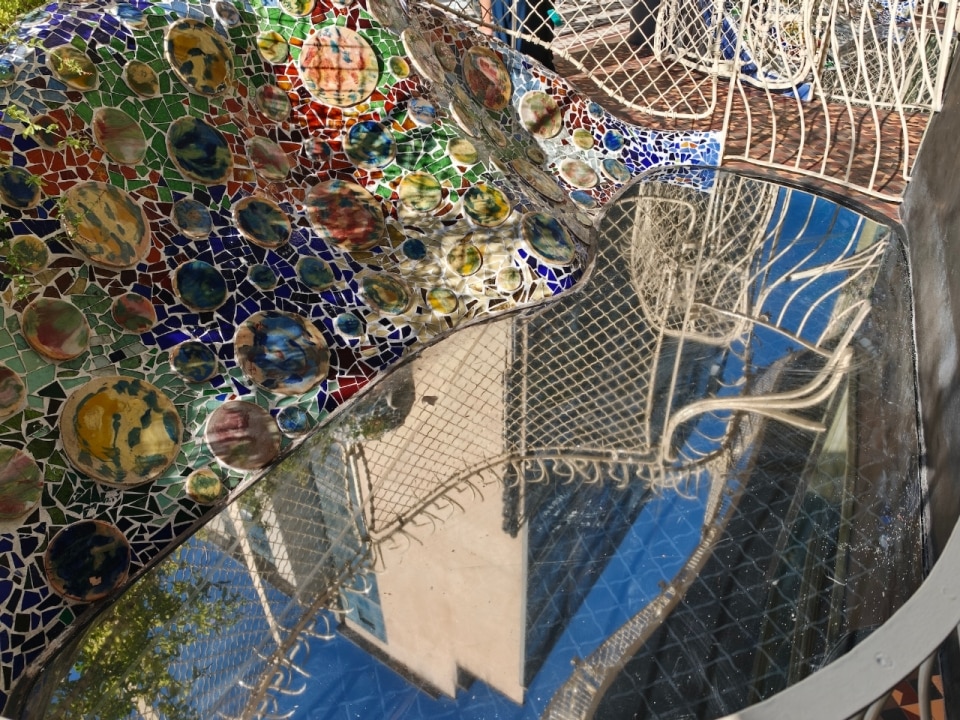
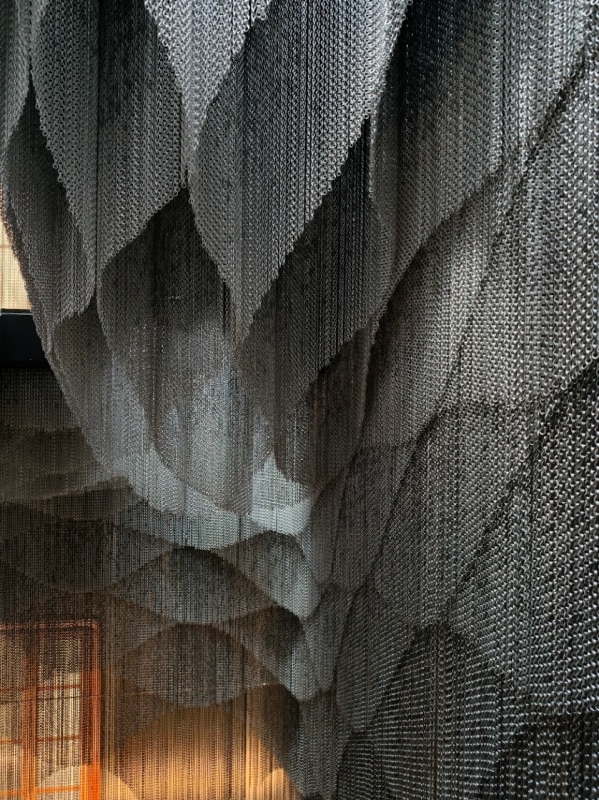
A renovation re-renovated, Casa Batlló has undergone several maintenance and restoration campaigns. In 2021, as tourism surged again, a new visitor route was introduced, complete with staircases by Kengo Kuma & Associates. Then in 2025, a full restoration of spaces and surfaces brought back the brilliance of its trencadís mosaics, revived the hydraulic-tile floors, and restored the courtyard façade to a deep tone that contrasts with the bright ceramics of the planters and the pale wrought-iron grilles and railings, in dialogue with the light Catalan vaulting of the rooftop pergola. New digital installations now inhabit the house too, Re-coding by Quayola in the attic, Refik Anadol’s immersive work in the basement; and so do reissues of custom furniture pieces like the Batlló chair, originally designed for the home.
You can now explore Casa Batlló with us through our photo gallery, captured with the new Oppo Find X9 Pro, launched globally in Barcelona at the end of October 2025.