



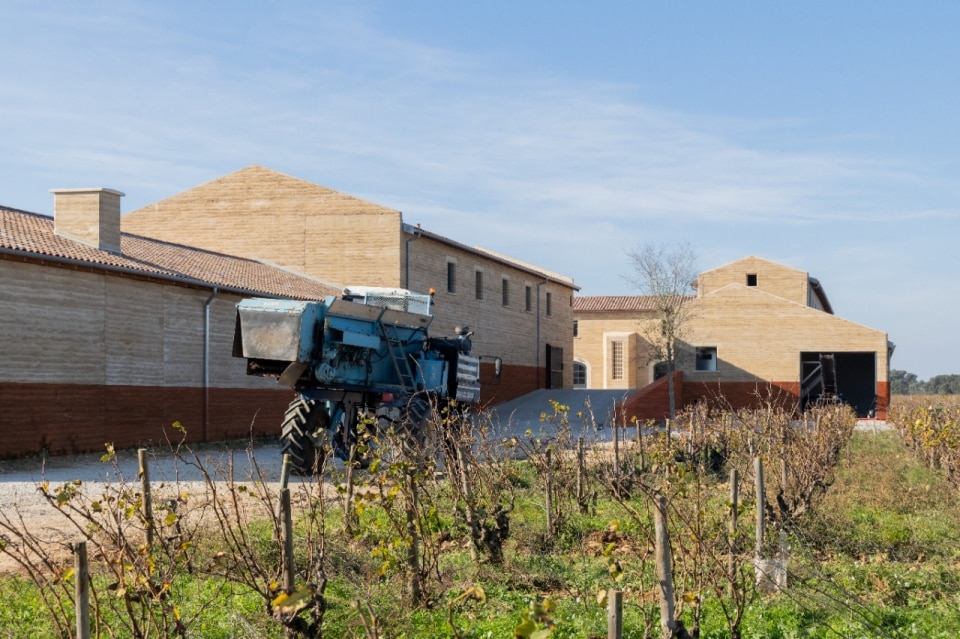
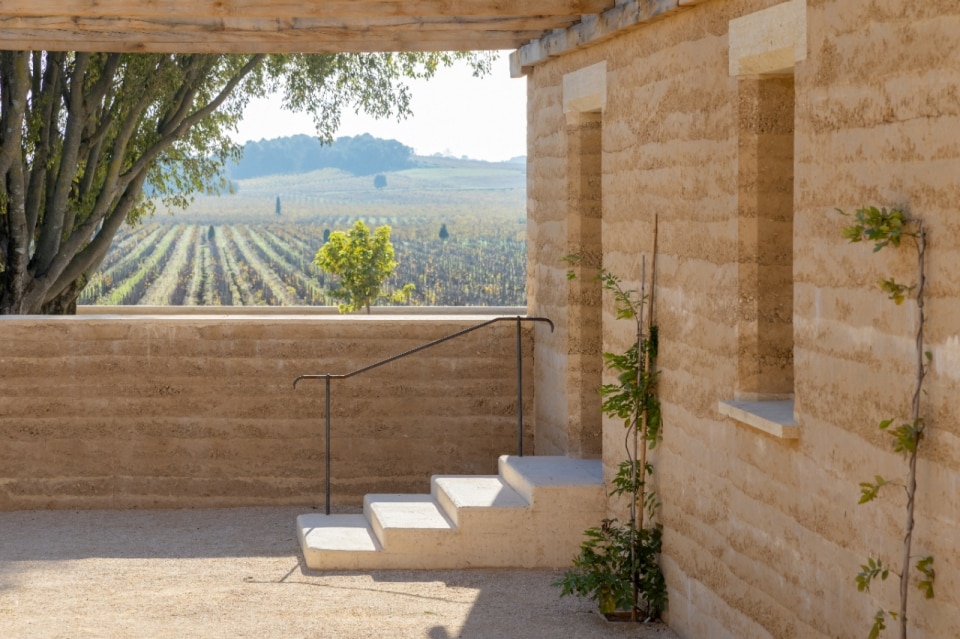
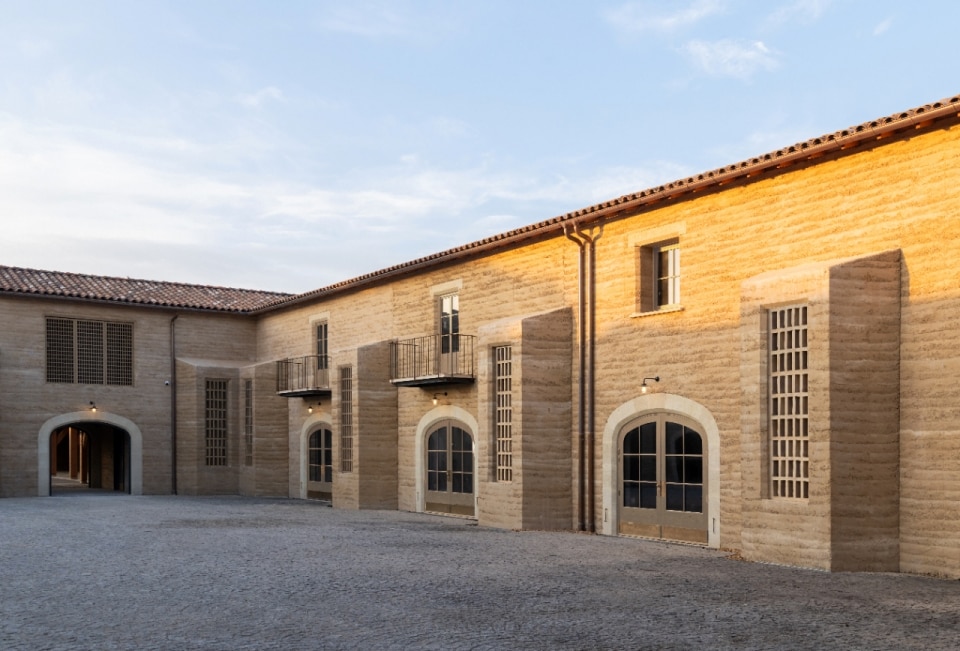
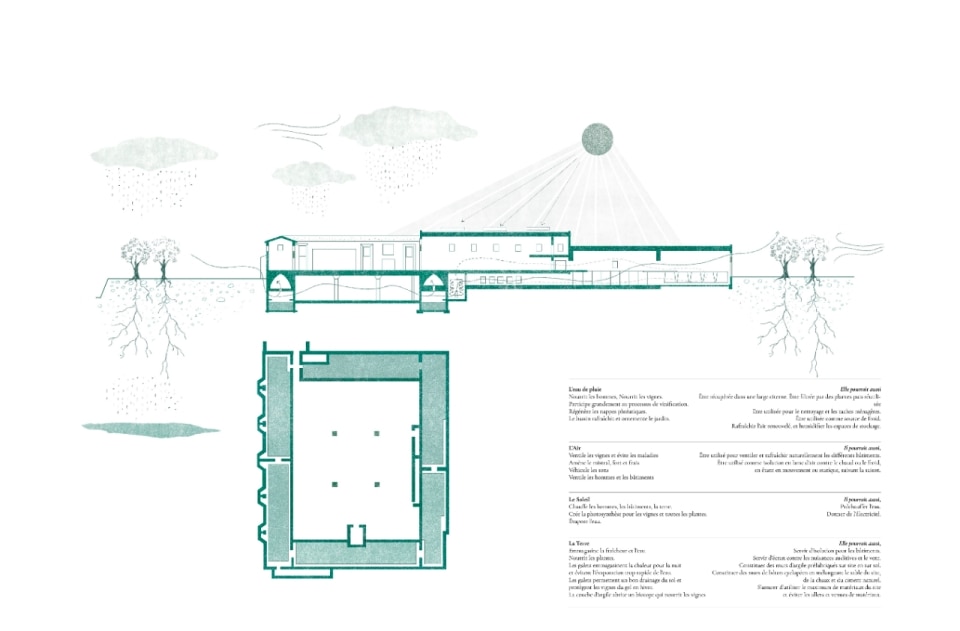
In the wine region of the Côtes du Rhône in southern France, Studio Mumbai & Studio Méditerranée have completed a renovation and expansion project for a historic estate owned by a family of winemakers who, for more than five generations, have cultivated the land and produced — through a biodynamic process — wine of the highest quality, thanks to the particular “terroir” of the area.
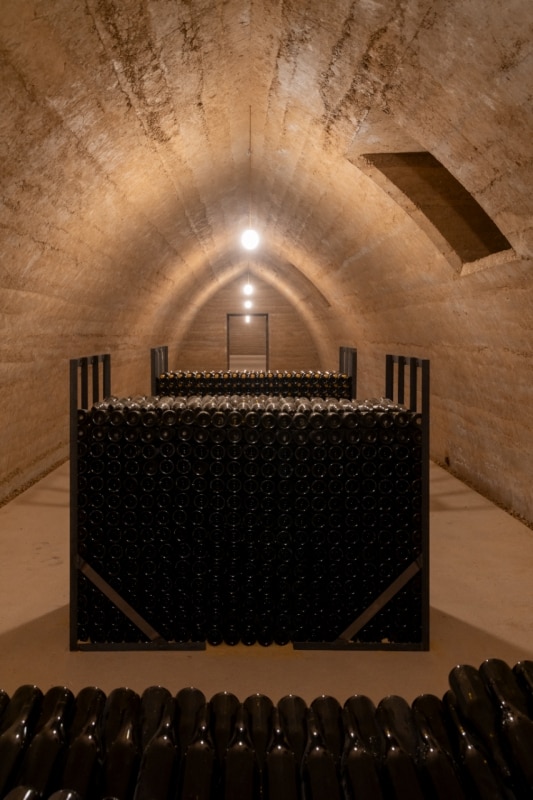
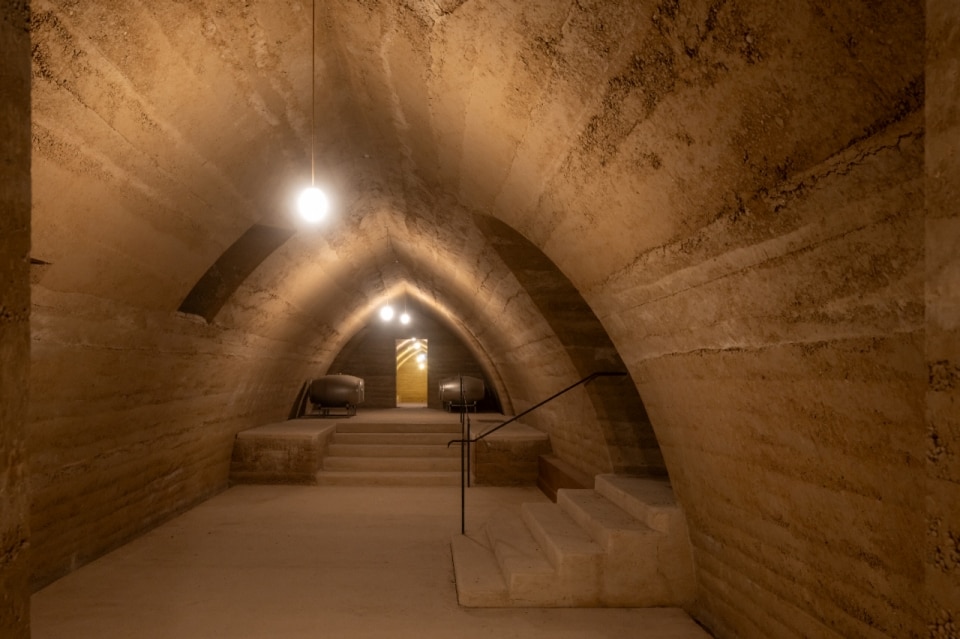
And it is precisely the soil of the area that nourishes the vineyards — composed of Quaternary gravel and clay, and Miocene sand and stones — that becomes the true protagonist of the intervention: a fertile womb from which not only the grapes but also the architecture itself takes shape. The elements that compose it are molded and renewed through a meticulous extraction and reworking of the excavated ground, collected, crushed, remixed, and converted into material for the project and for construction, paying homage not only to the genius loci but also to a principle of circularity and sustainability that lies at the core of the company’s philosophy.
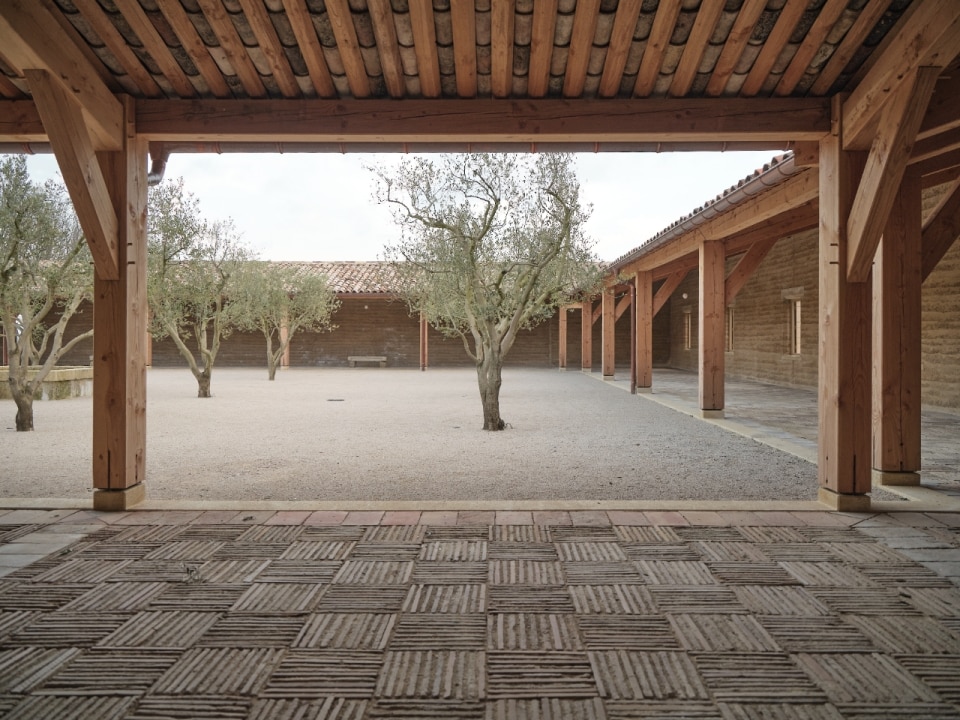
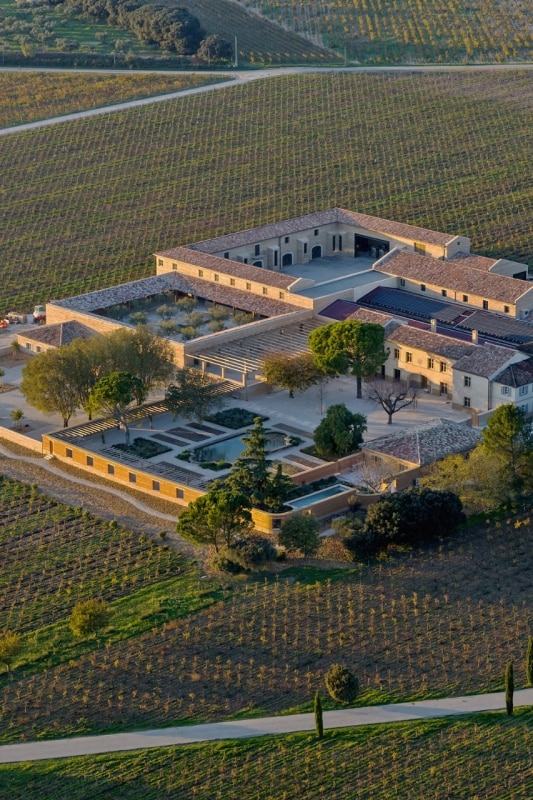
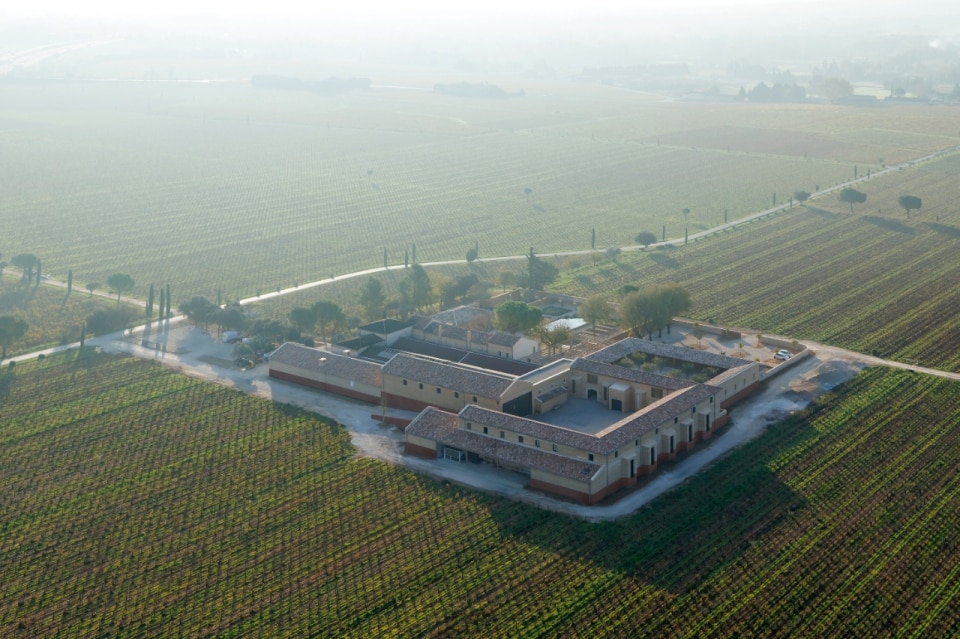
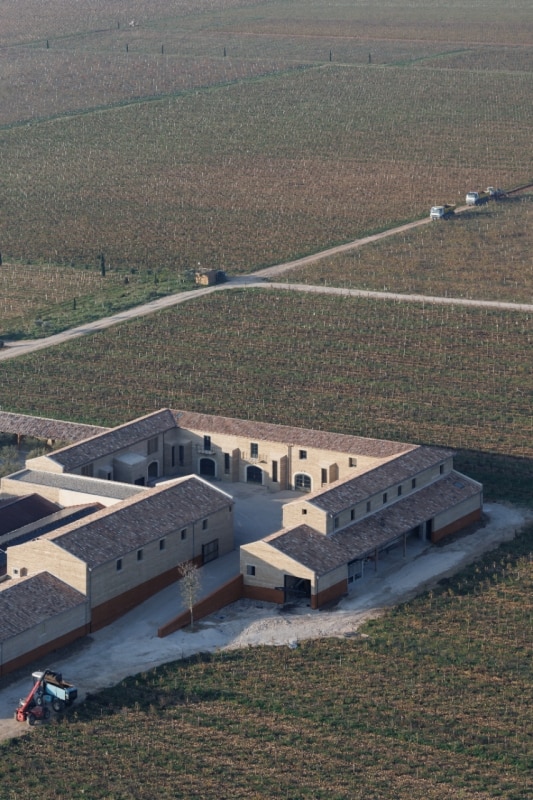
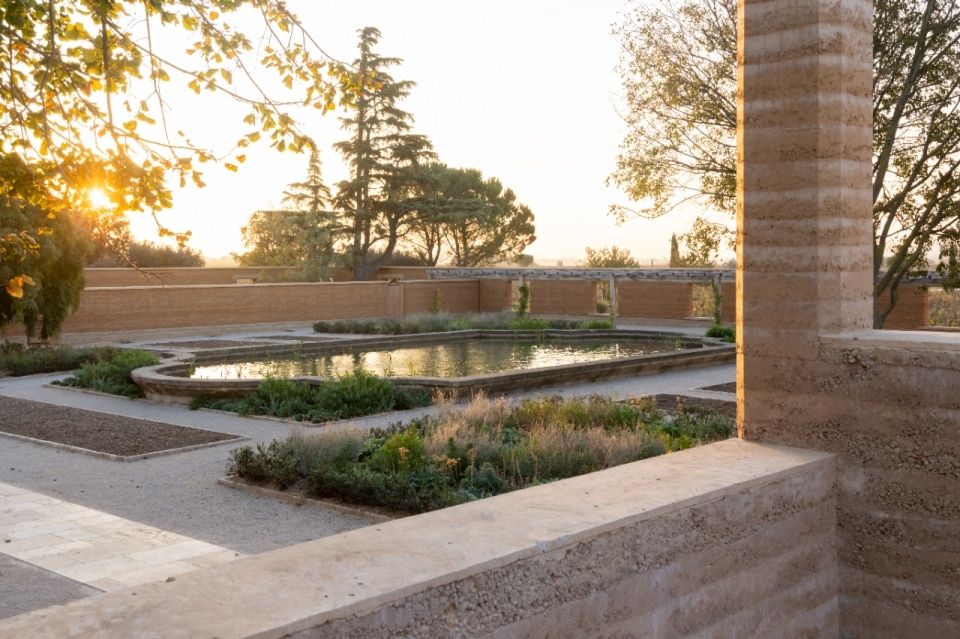
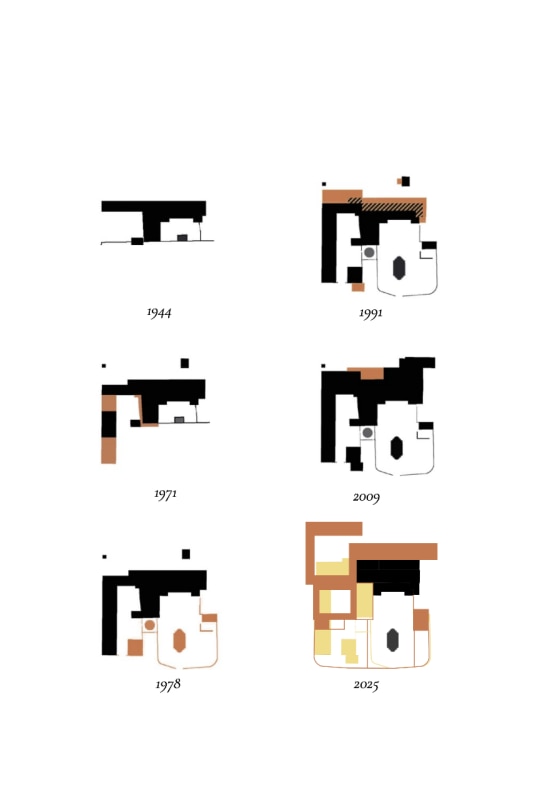
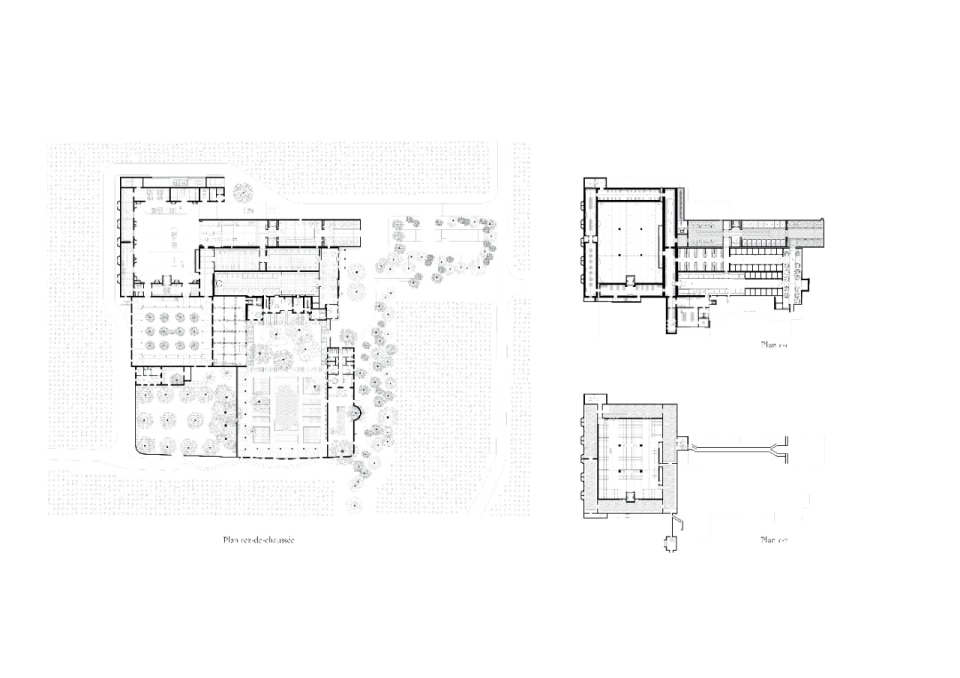
The project includes the renovation of the main historic nucleus, the demolition of incongruous building volumes, and the construction of new structures, including a residence and a sequence of courtyards designed to soften the impact of the wind on the property.
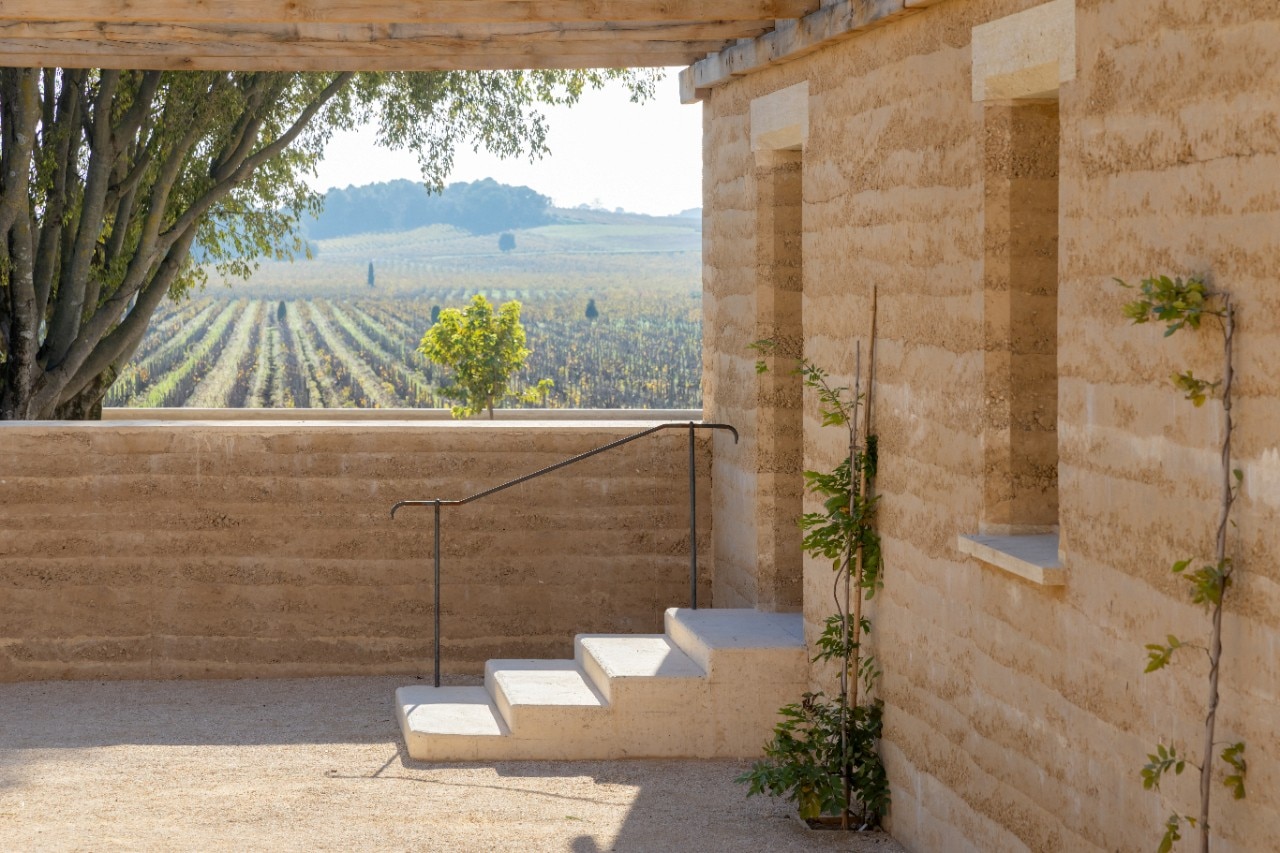
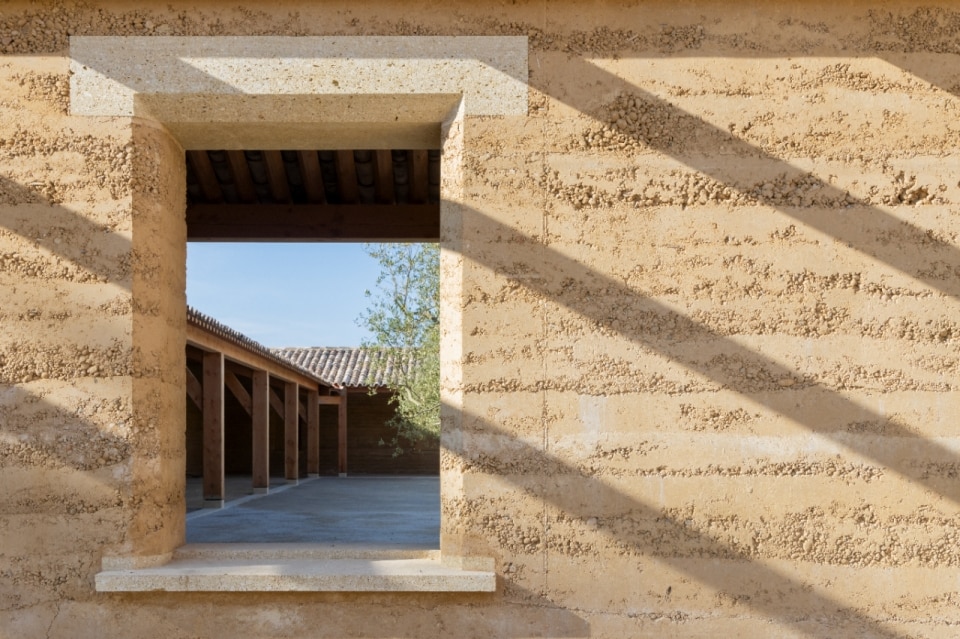
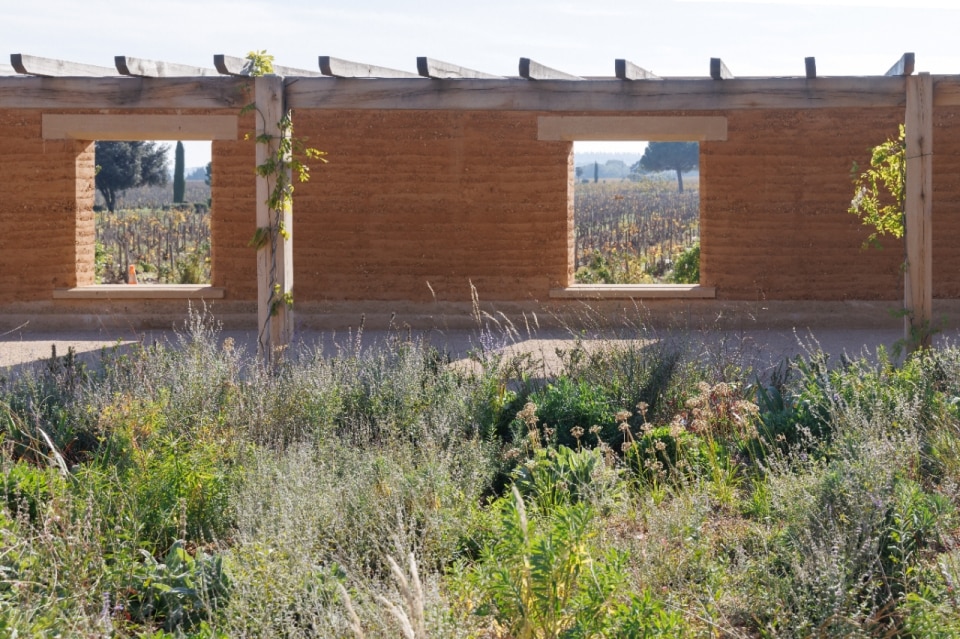
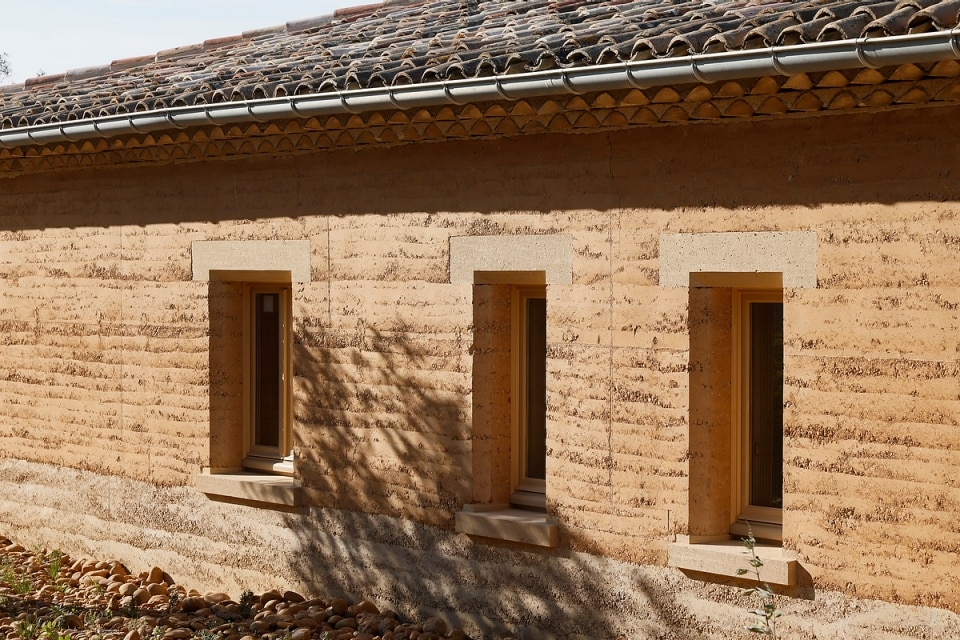
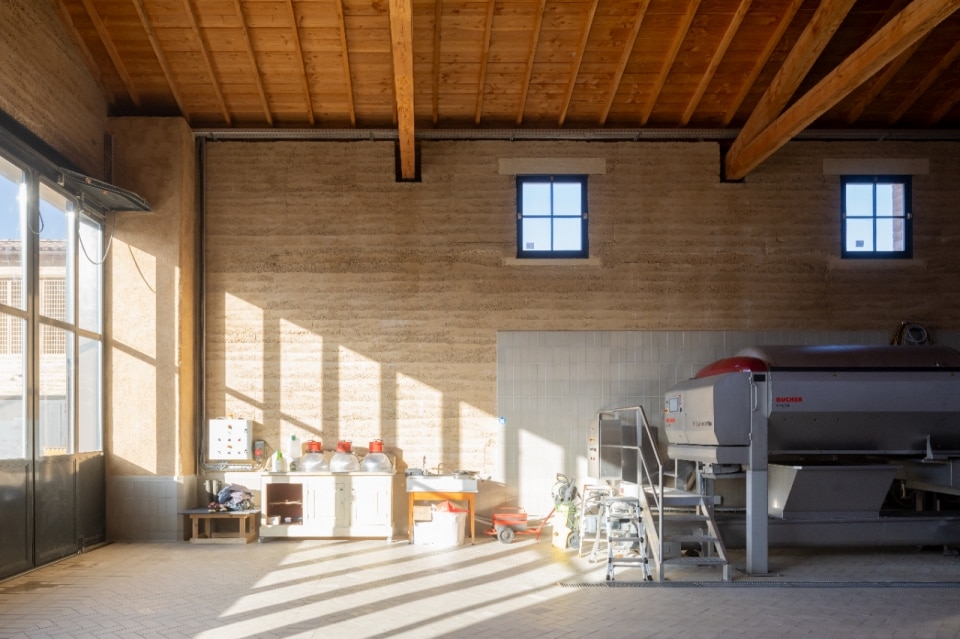
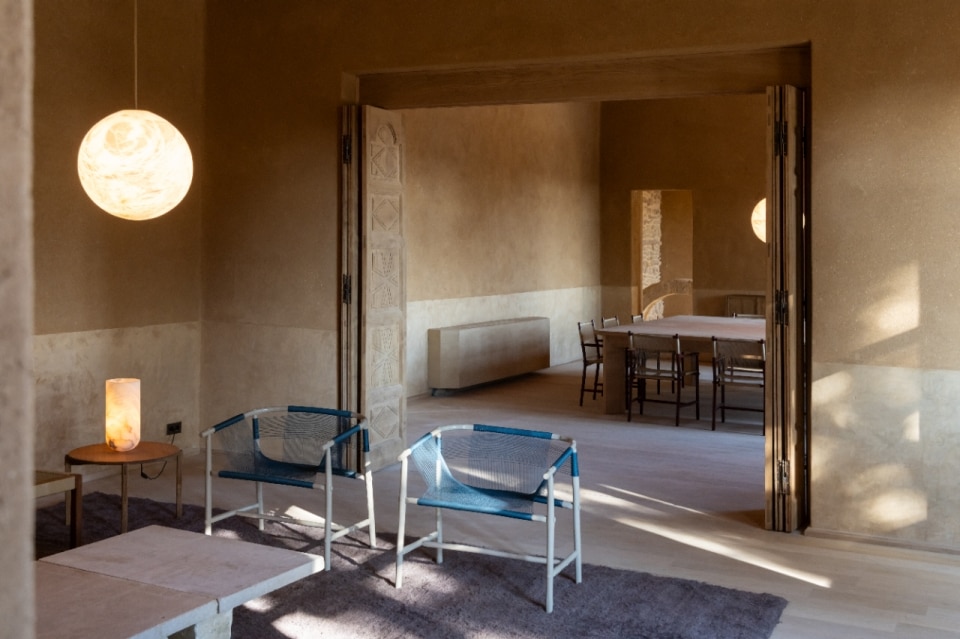
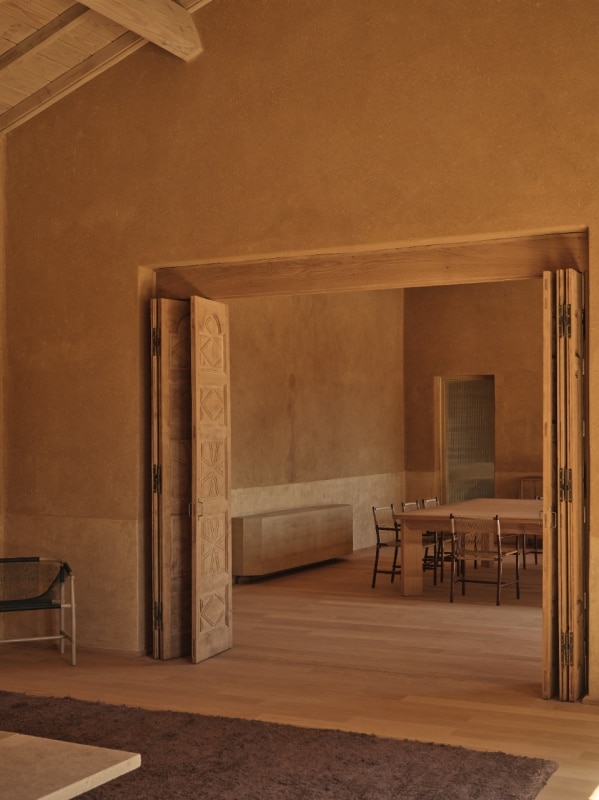
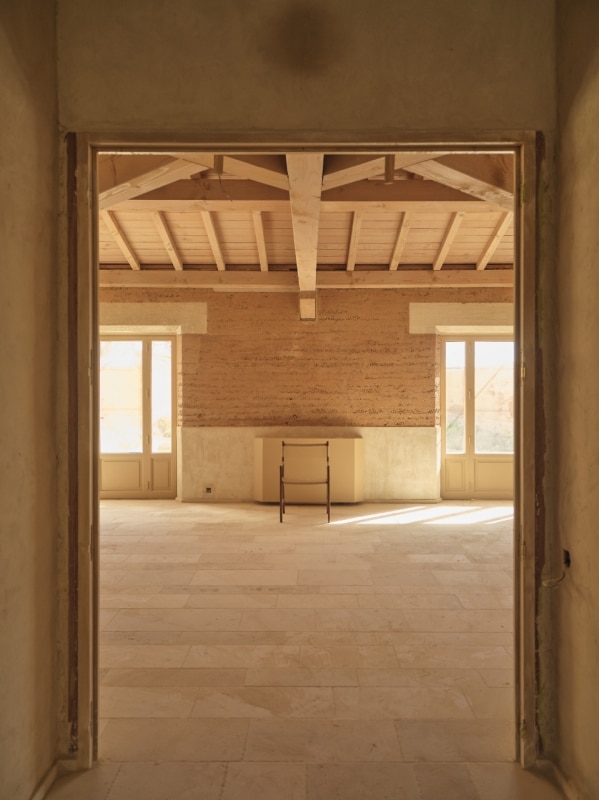
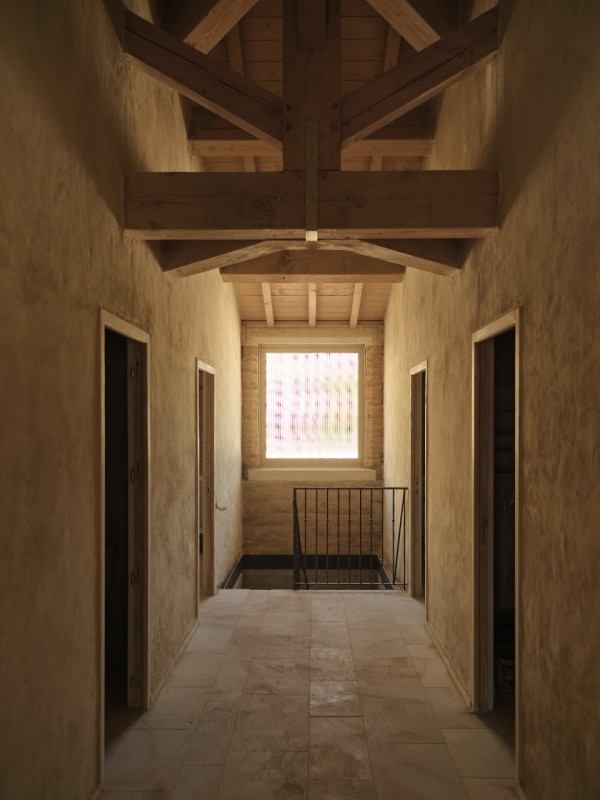
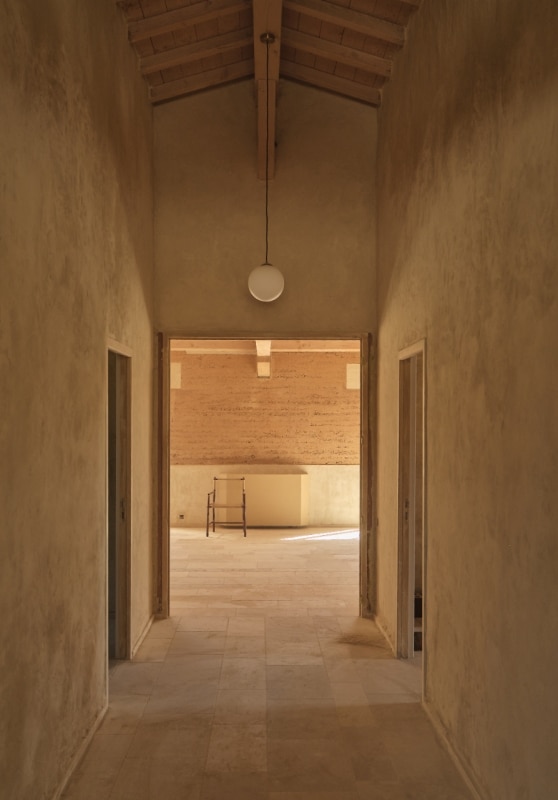
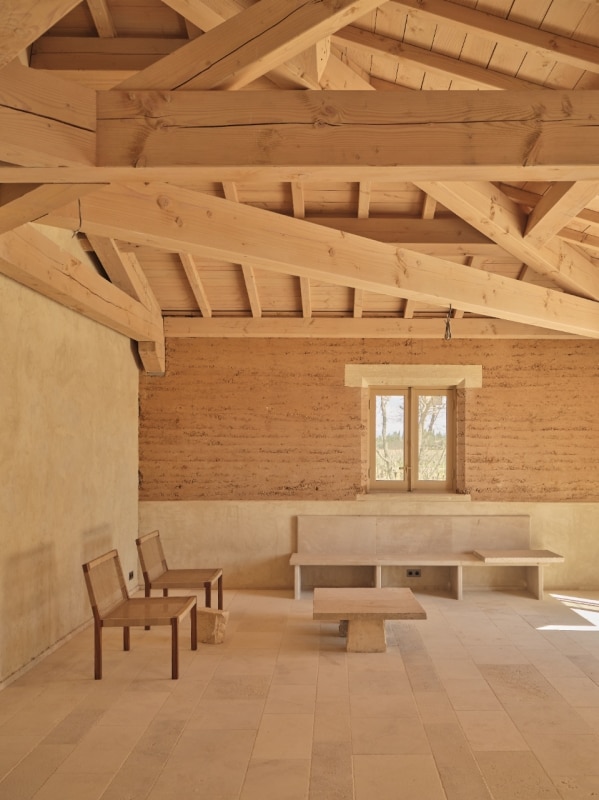
Through a 60 × 40 × 12-meter excavation carried out in the area affected by the main demolitions, 25,000 cubic meters of reclaimed earth were recovered and put to different uses in the project: from the clay used for the new boundary walls and the new residence, to the site concrete made from a mixture of gravel and sand and remnants of conglomerate from the demolished buildings, to the finishing plasters and paints — composed of a blend of earth, lime, and hemp — for the renovation of the 17th-century farmhouse. In the newly built courtyards, the primary material is pisé, an orange clay found on the estate, stratified into layers and compacted according to a construction technique used for centuries throughout the Rhône Valley.
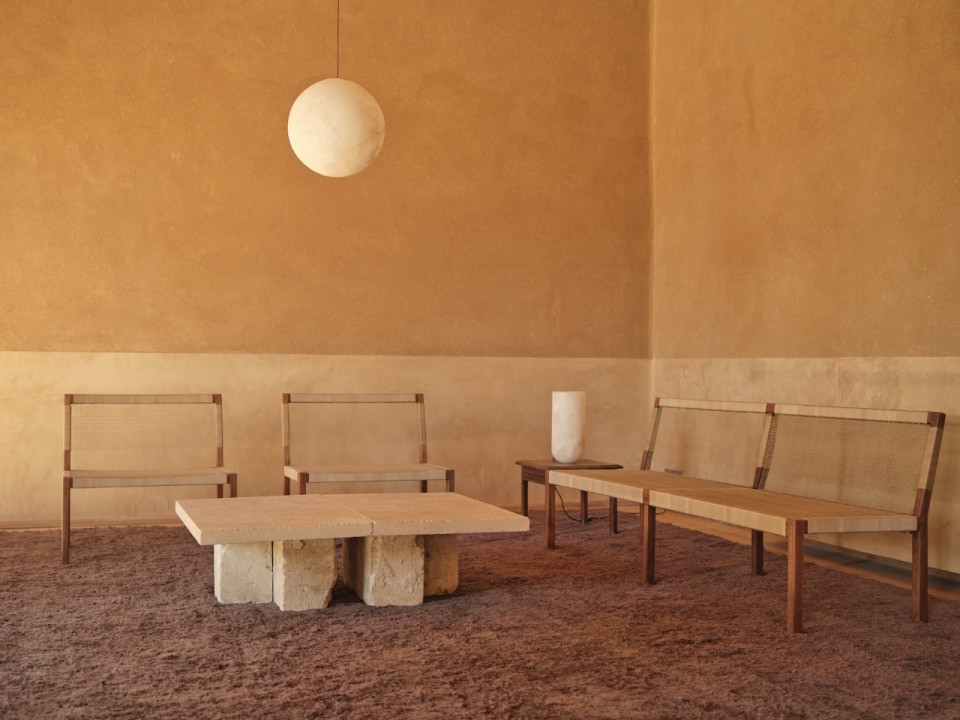
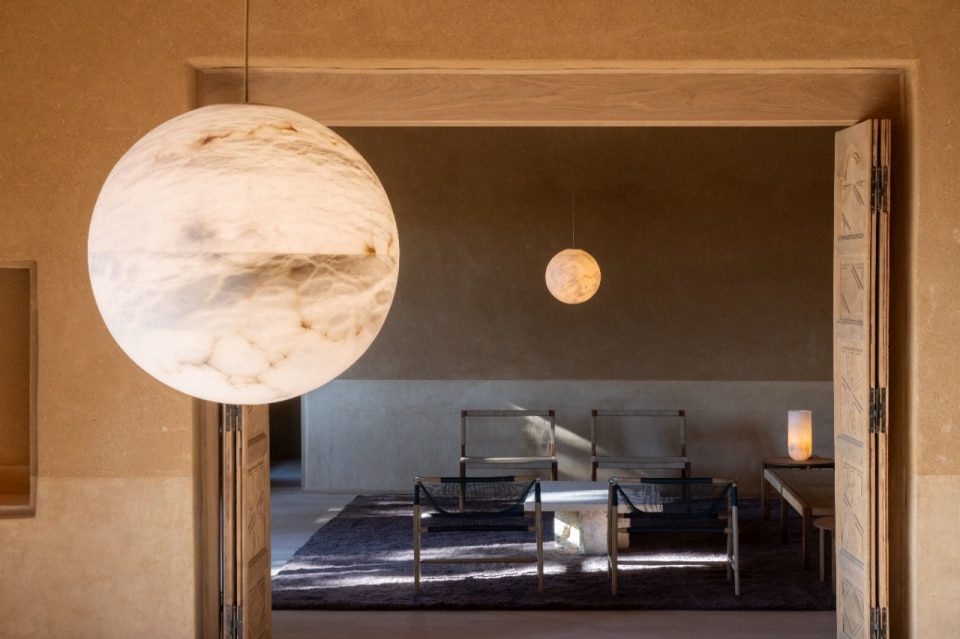
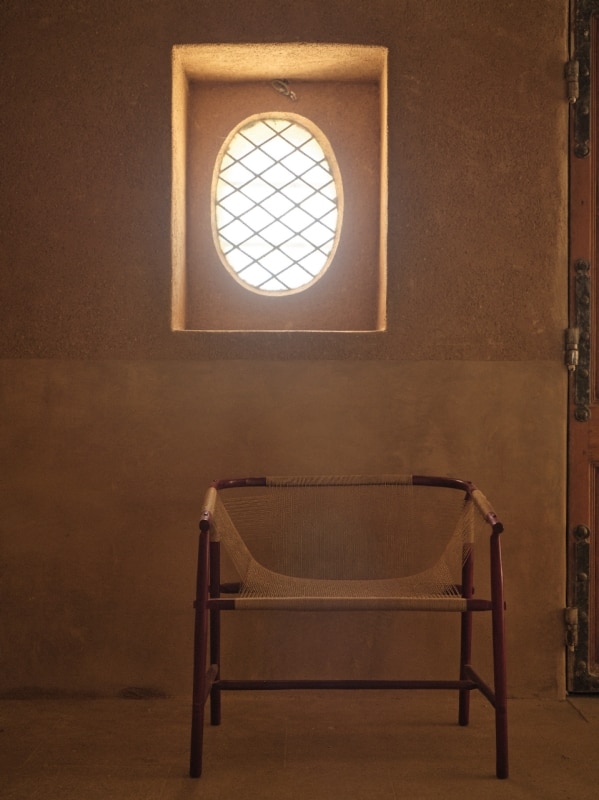
Inside, a palette of tactile and warm materials gives the spaces a rough yet welcoming atmosphere: from bamboo furnishings, to artisanal textiles in earthy tones, to chandeliers that evoke full moons glowing over the vineyard-dotted landscape. In line with the project’s environmental sustainability approach, a passive cooling system helps maintain a stable micro-climate even during the hottest season. A historically proven and efficient system of “wind towers” harnesses the region’s wind power, channeling air indoors through movable slats and directing it toward an underground rainwater collection cistern, where — through a nebulization process — the cooled air is released at a controlled temperature into the rooms above.
- Project:
- Domaine de Beaucastel
- Architectural design:
- Studio Mumbai & Studio Méditerranée
- Project leaders:
- Bijoy Jain (Studio Mumbai), Louis-Antoine Grégo (Studio Méditerranée)
- Contributors:
- Giacomo Monari (Studio Mumbai), Simone Picano/Lucas Stein (Studio Méditerranée)
- Landscape:
- Tom Stuart Smith Ltd.
- Consultants:
- Ingerop