



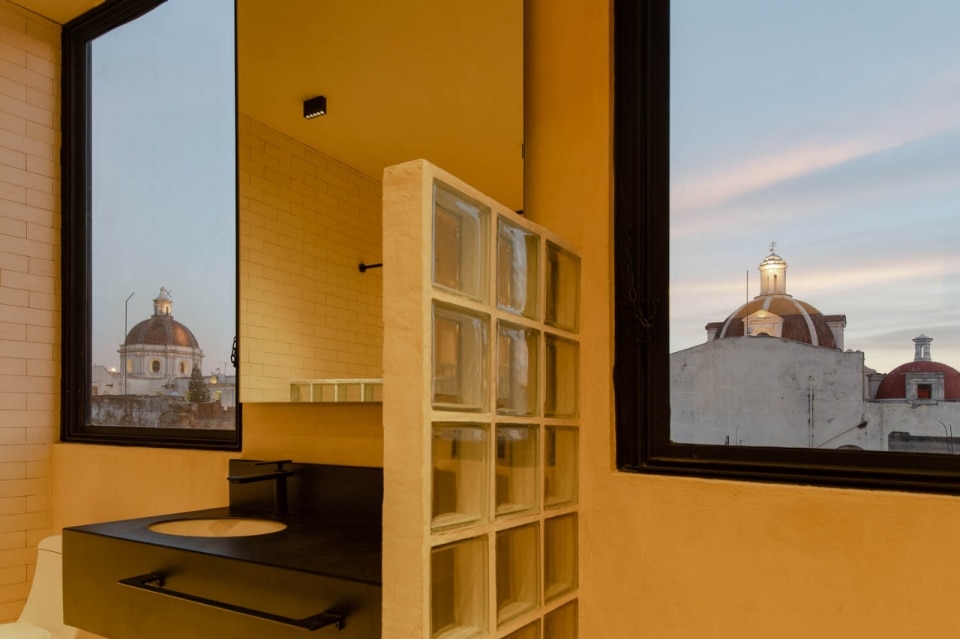
Just a two-hour drive from Mexico City lies a colonial town recognized by UNESCO as a World Heritage Site, known for preserving over 2,500 historic buildings constructed between the 16th and 19th centuries: this is Puebla, where the Chapel of the Rosary and the Cathedral stand out as prime examples of Baroque architecture.
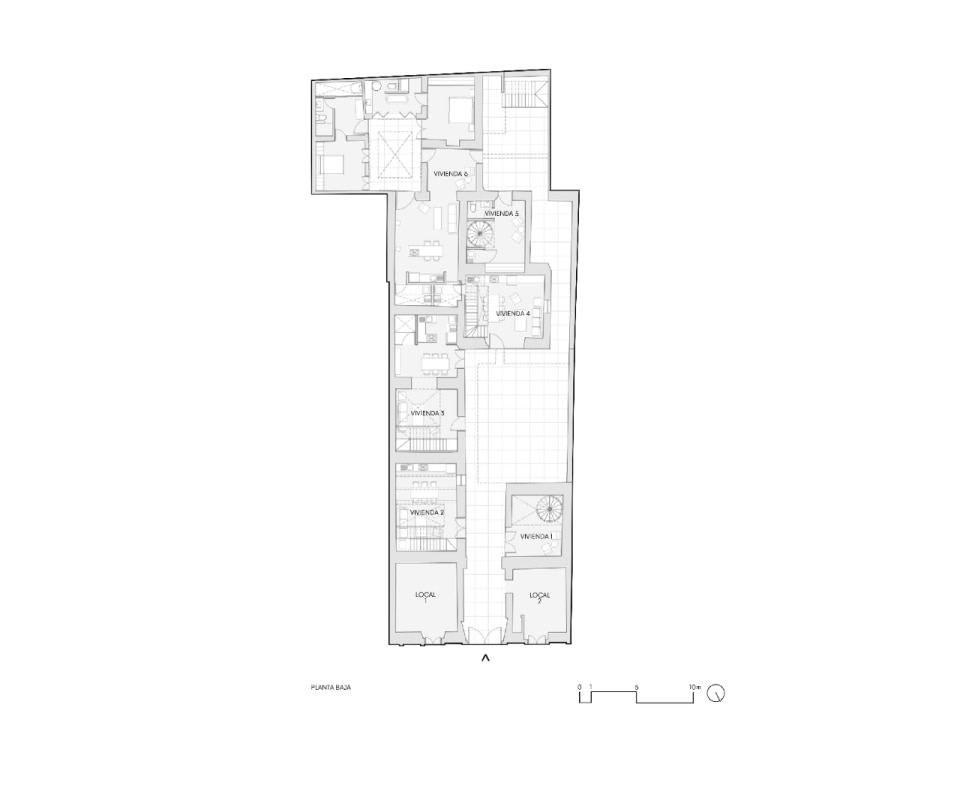
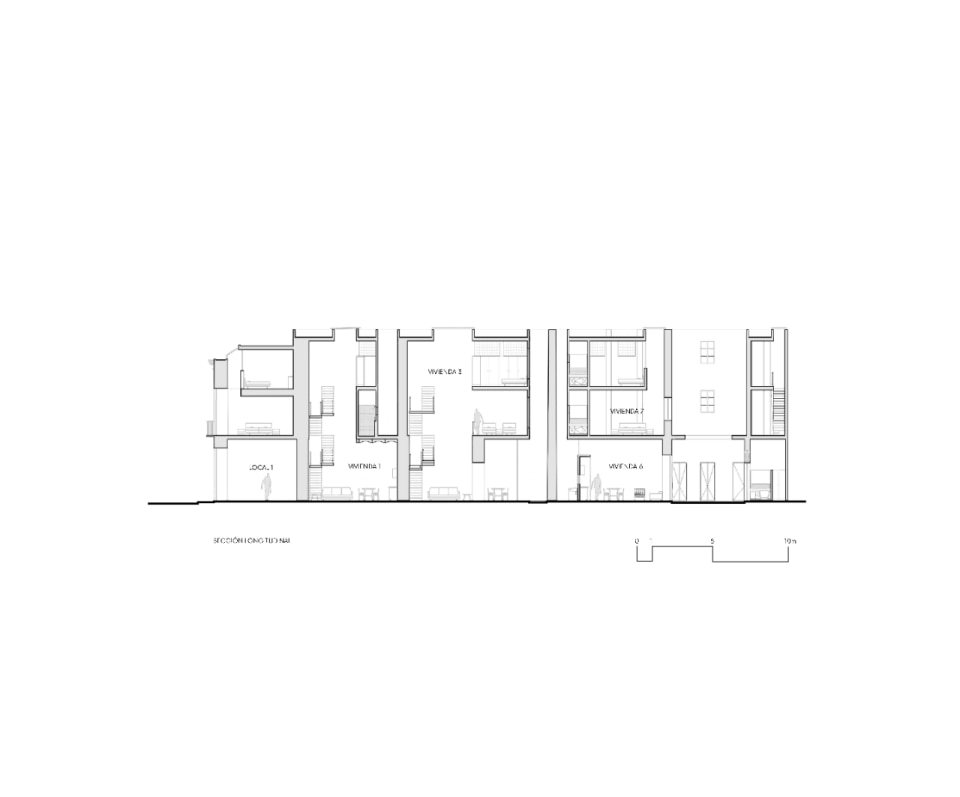
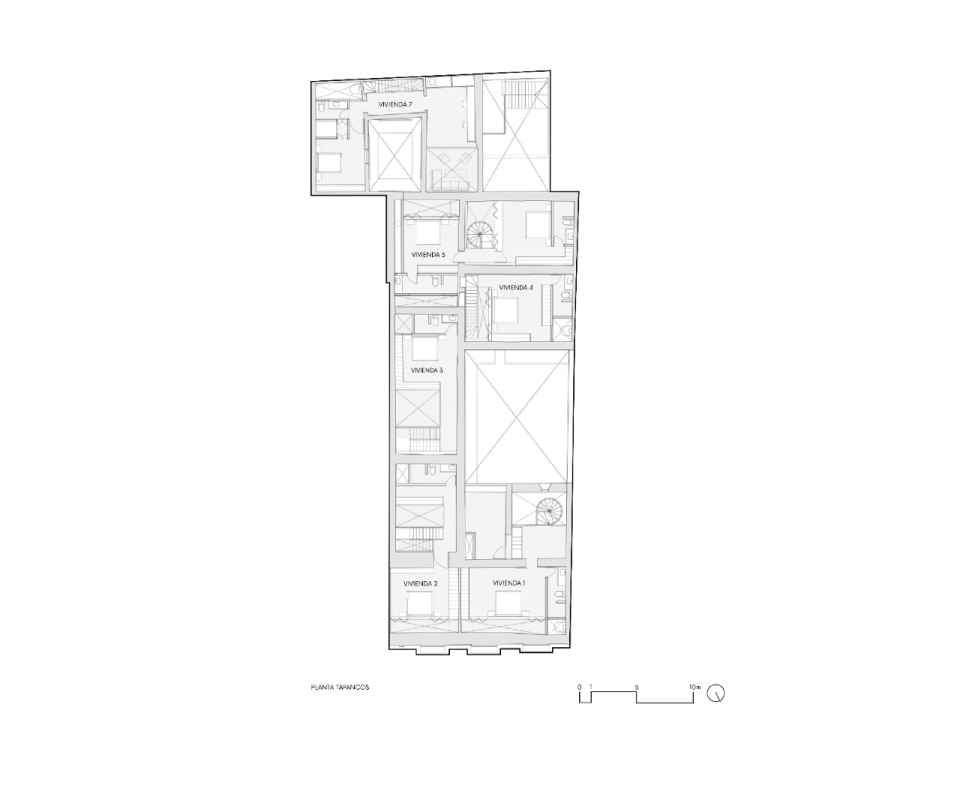
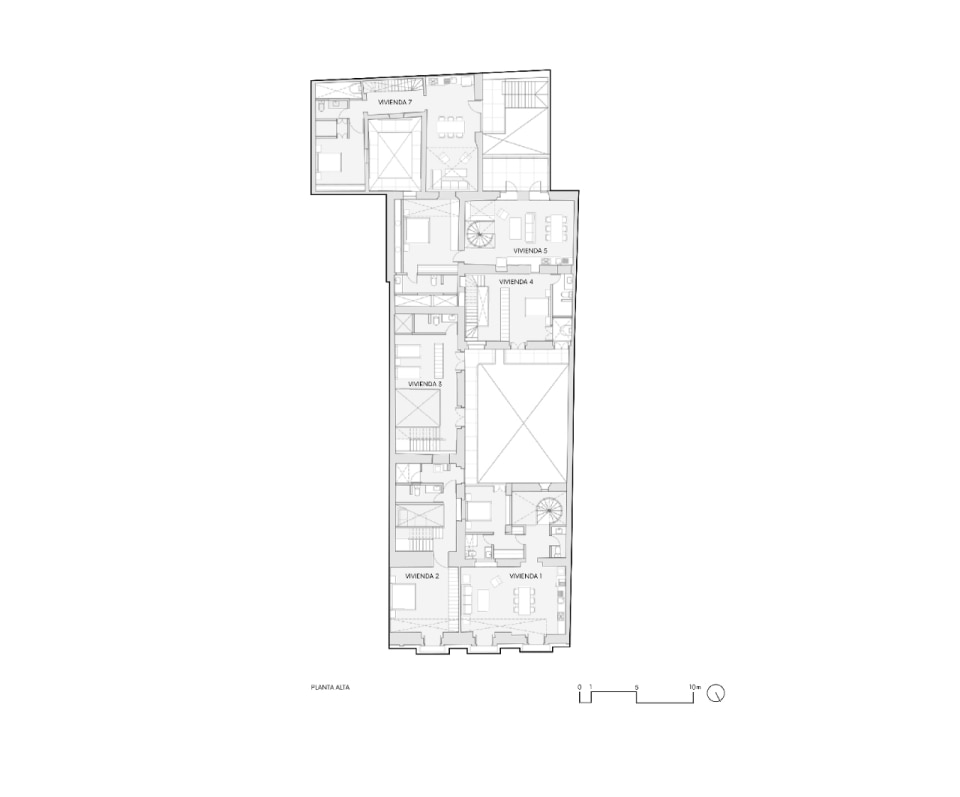
Right in the historic center, an old residence built between the 17th and 18th centuries finds new life in contemporary living thanks to the project by the Mexican studio Taller Ezequiel Aguilar Martínez Workshop (Team), which transformed it into the Los Pacheco Apartments, a 1,375-square-meter complex composed of six residential units.
The project is part of a broader effort to revitalize the city’s historic center. To counter abandonment and reactivate local vitality, the strategy was to make historic buildings habitable again, recognizing the enormous potential they still hold. For this reason, Team chose an approach that centers on the memory of the place, but also—and above all—on its ability to adapt to the present.
The project is part of a broader initiative to revitalize the city’s historic center, where, in order to curb abandonment and reactivate local vitality, historic buildings have been made habitable once again.
Addressing the signs of time
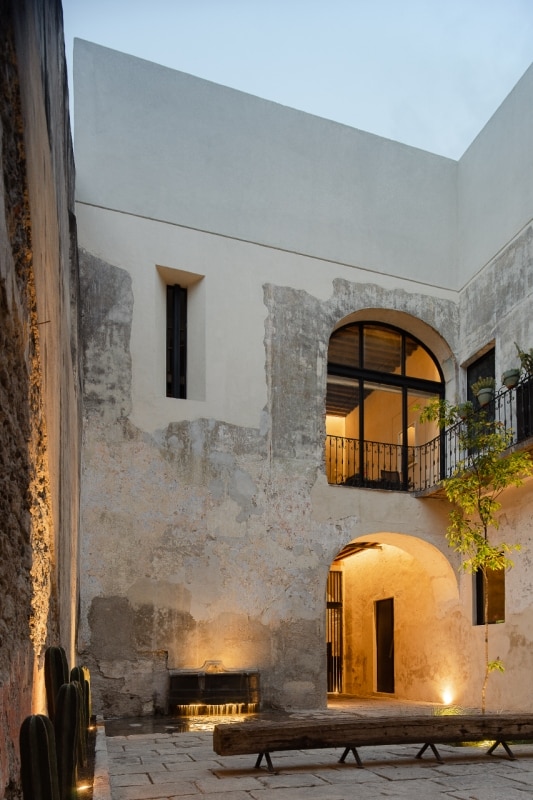
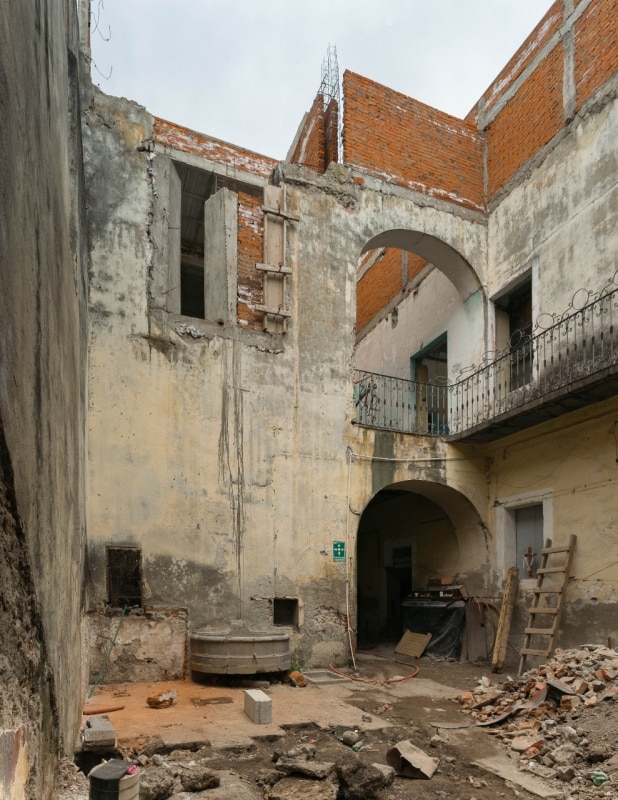
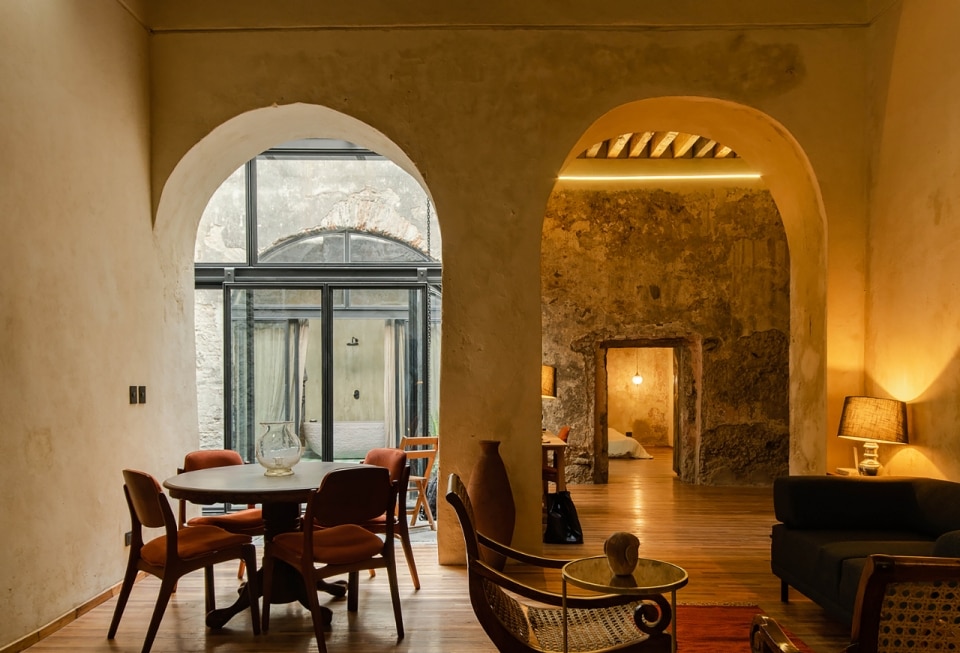
Listed in the registry of the National Institute of Anthropology and History (INAH), the residence was in a state of advanced decay: collapses, superimpositions, and signs of aging had obscured its original structure. Restoring the house to its initial form was the first step—a process of architectural excavation that uncovered courtyards, arches, and bricked-up openings, bringing the complex’s historic proportions back into view.
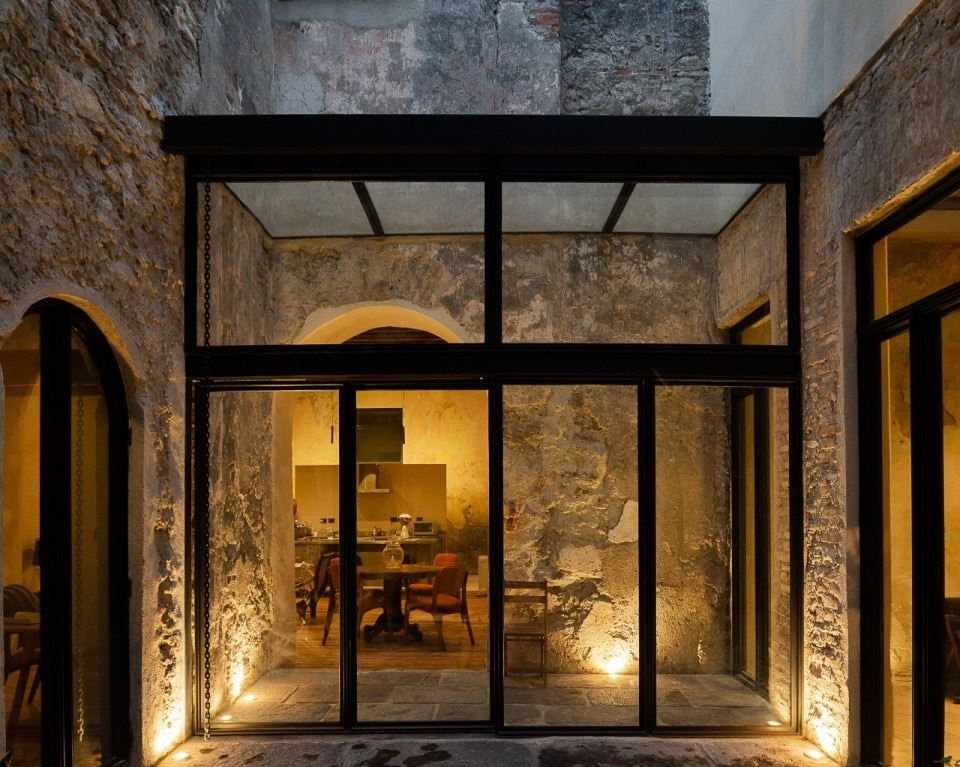
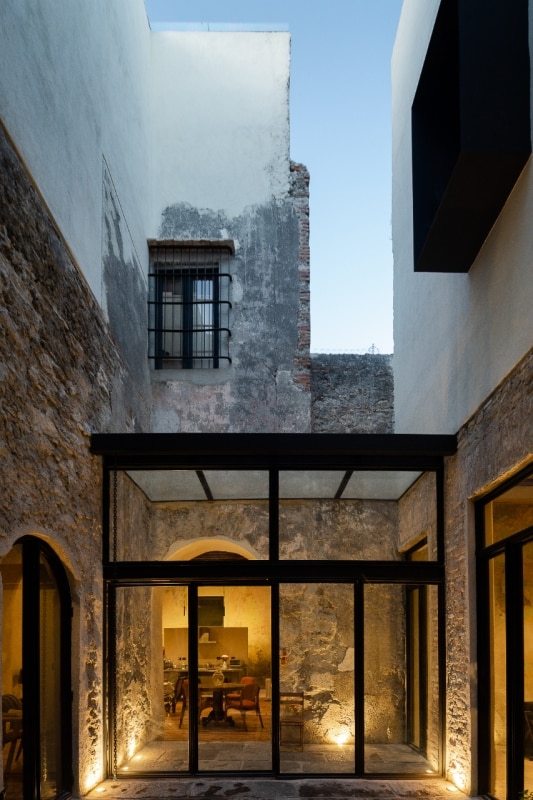
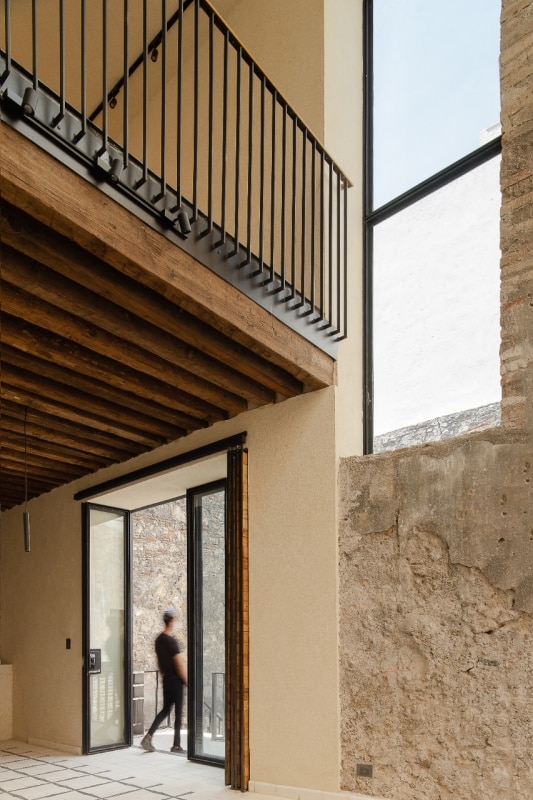
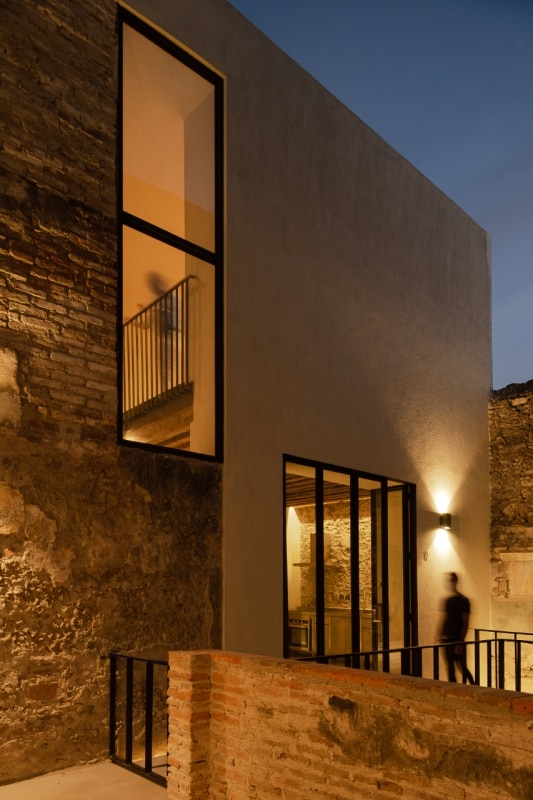
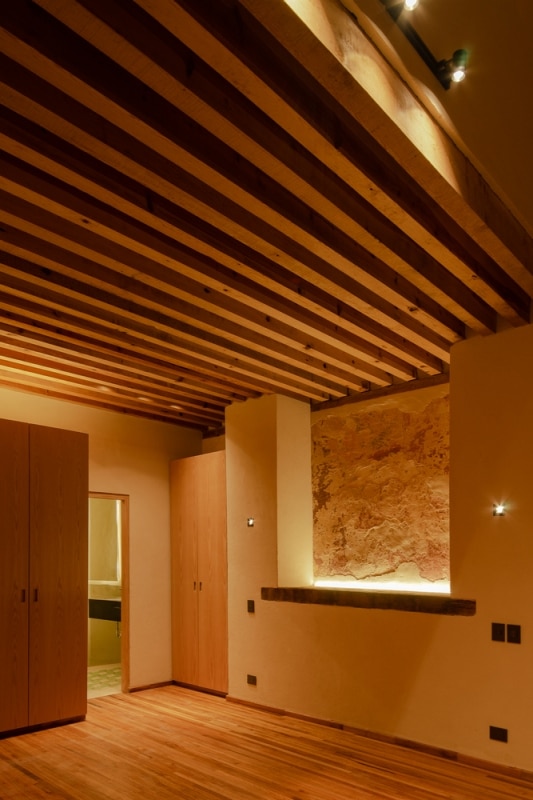
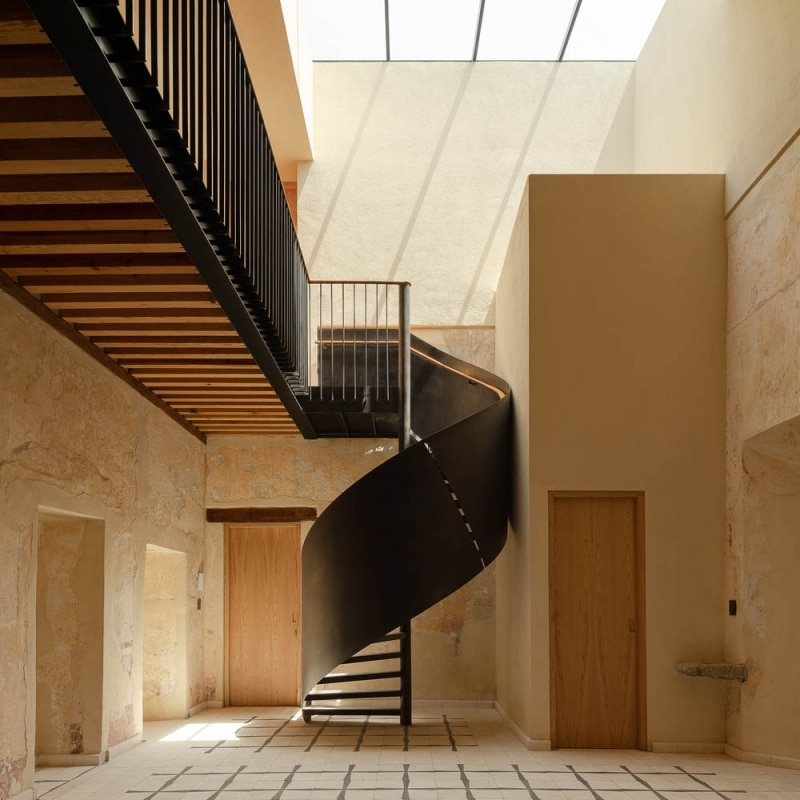
The project goes beyond restoration; it aims to reinterpret. Faced with constraints imposed by the building’s monumental value—which forbade new openings in courtyards and facades—the designers developed a vertical spatial solution. Through double- and triple-height internal volumes, skylights, and roof light cuts, the spaces open upwards, creating a continuous dialogue between solids and voids. Light reveals the thickness of the stone walls while simultaneously shaping domestic life.
Project development
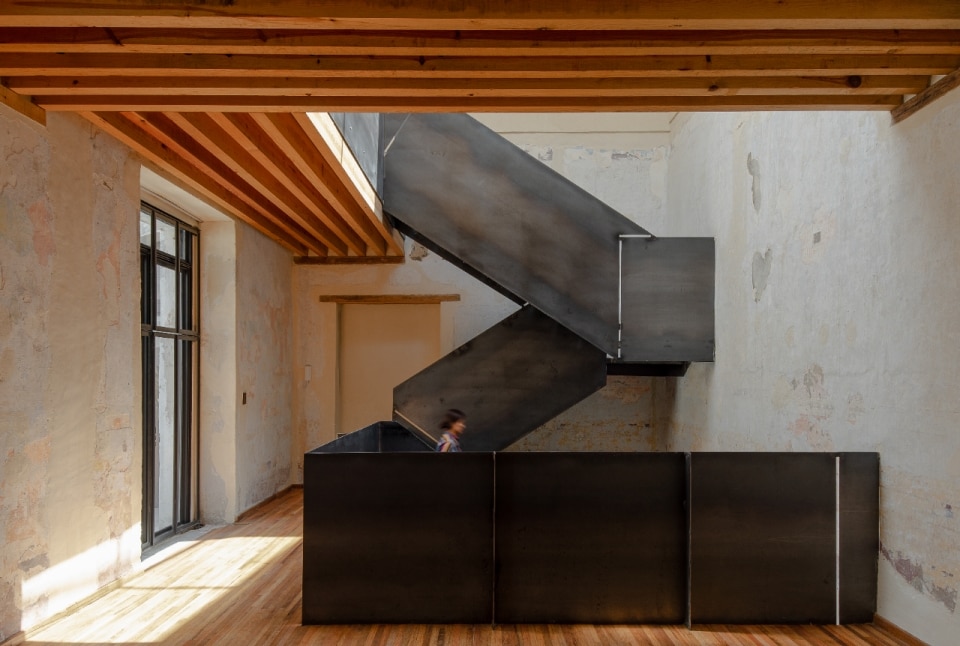
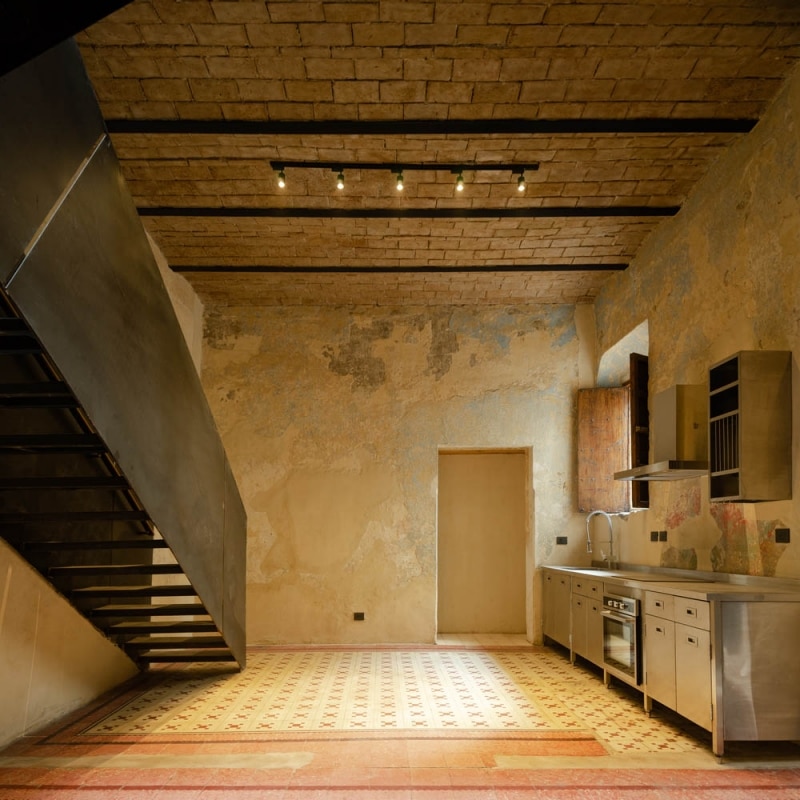
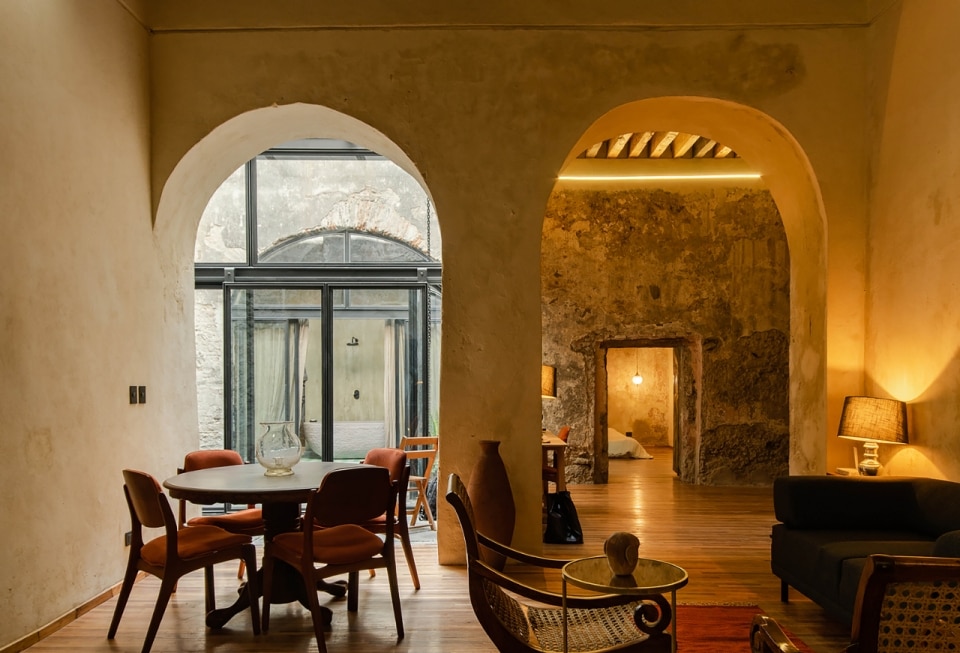
For the six residences created within the complex, distributed over one, two, or three levels, Team chose to remove all excess layers accumulated over the years to highlight the original building’s quality. Bricked-up openings were reopened, plasters were not redone but cleared, allowing the original colors hidden beneath the layers to reemerge and narrate the house’s long life.
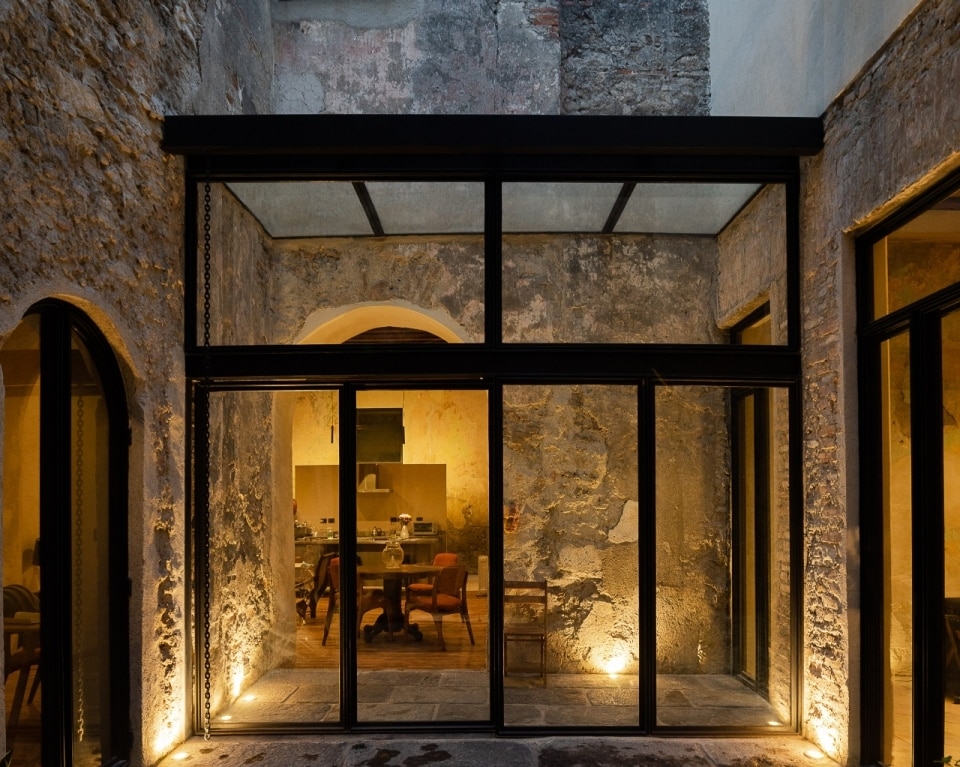
Alongside these ancient materials, new elements—steel plates, decorative cement tiles, and custom furniture—establish a subtle dialogue between permanence and innovation. Glass in transitional spaces contrasts with the historic stone.
The result is a coherent ensemble of old and new, prompting reflection on the role of living spaces within the architectural heritage at hand. By restoring function to these buildings, Puebla offers a model of sustainable—and importantly, replicable—urban regeneration. Not surprisingly, the project received the Dna Paris Awards 2025 in the Refurbishment category and was a finalist at the Quito 2024 Pan-American Architecture Biennale, recognitions that underscore its significance.