



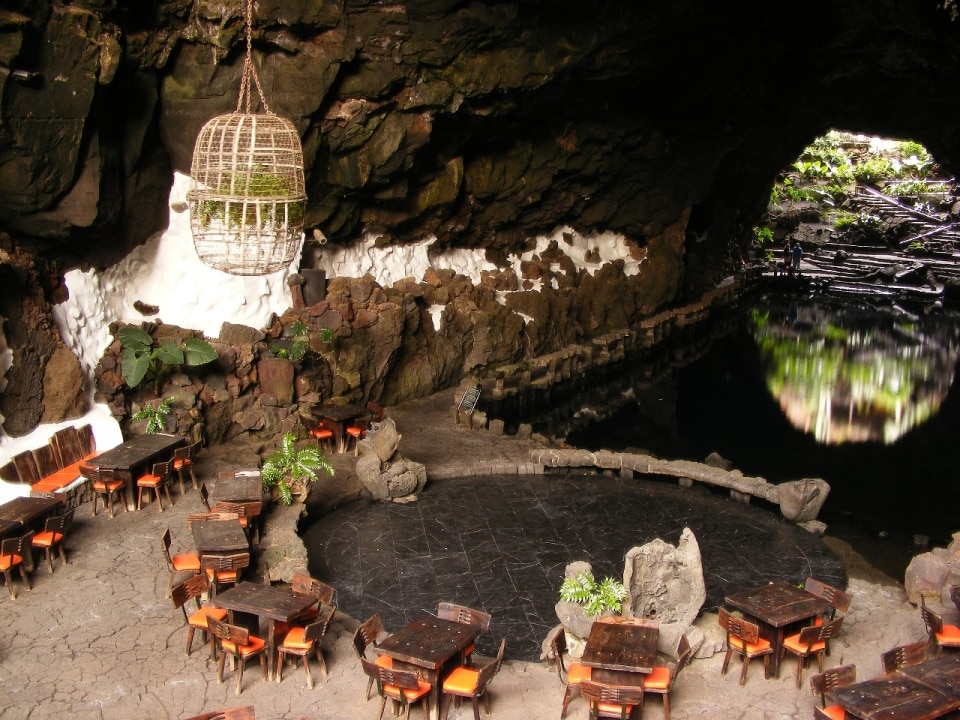
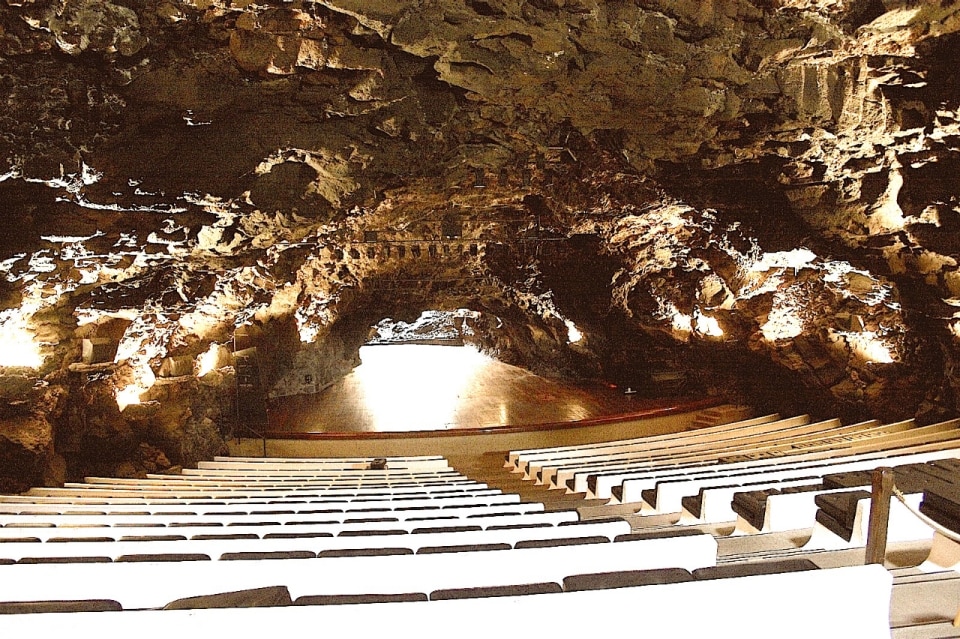
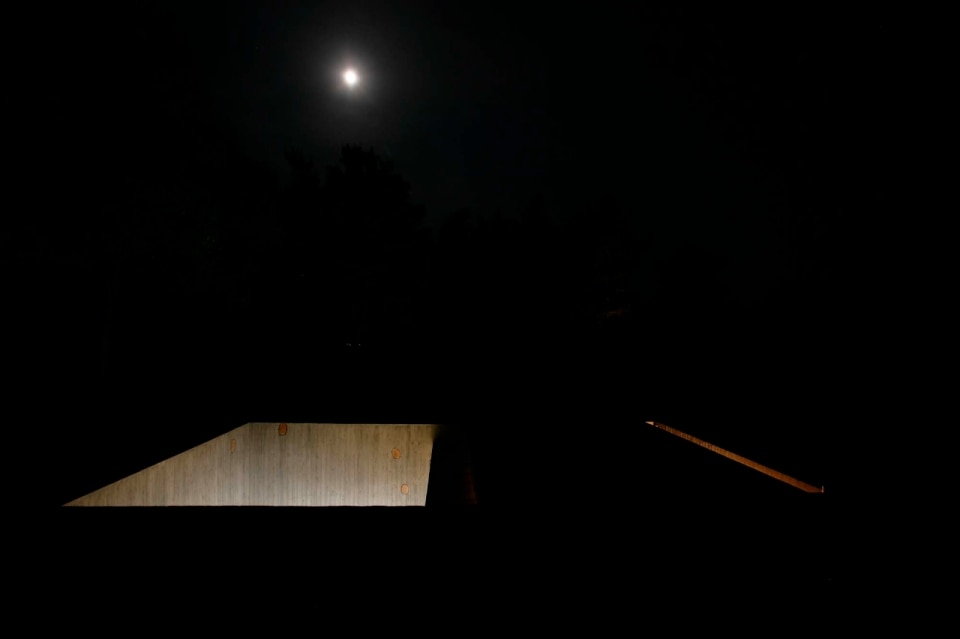
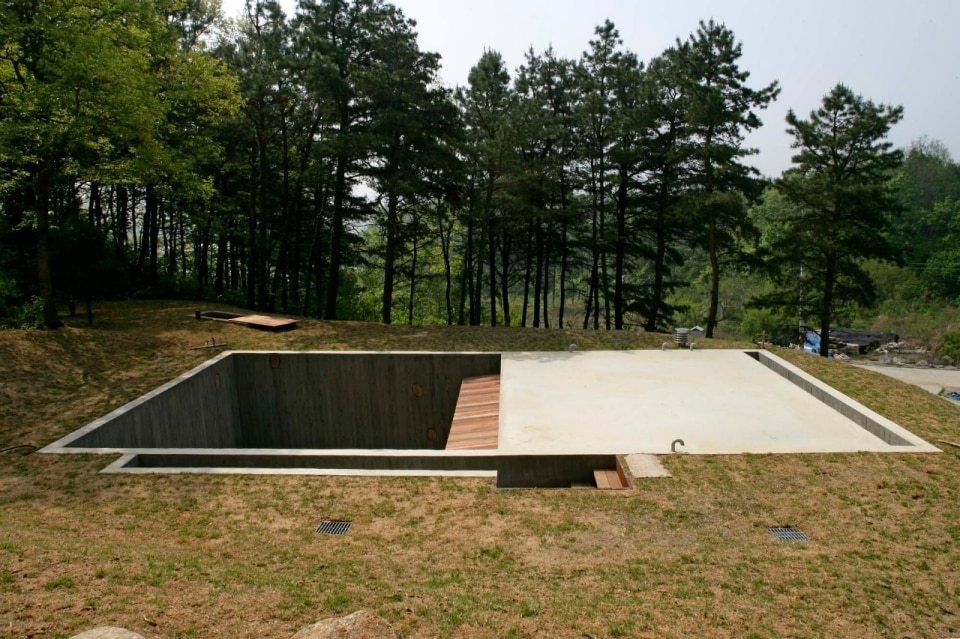
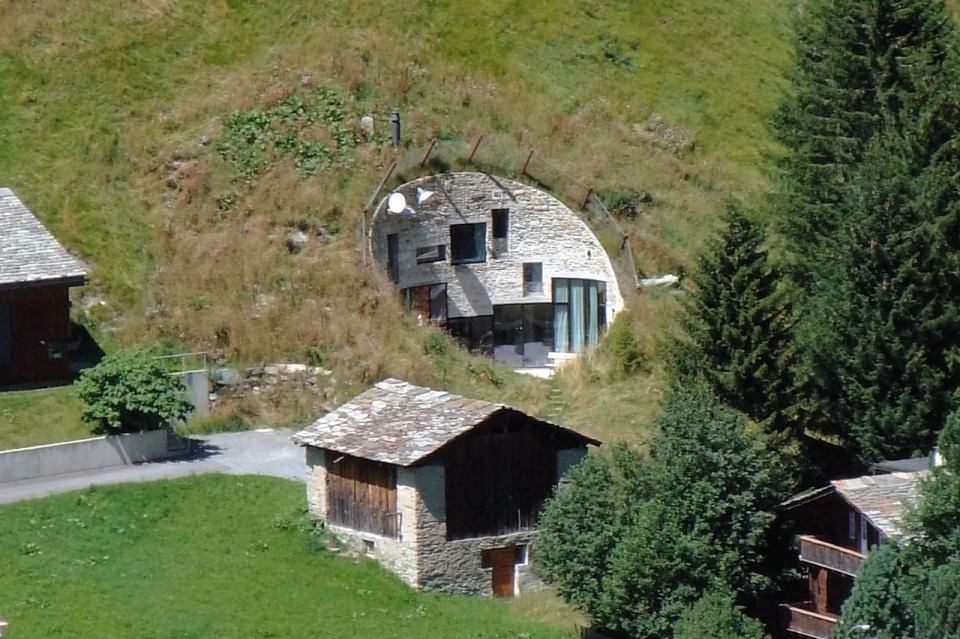
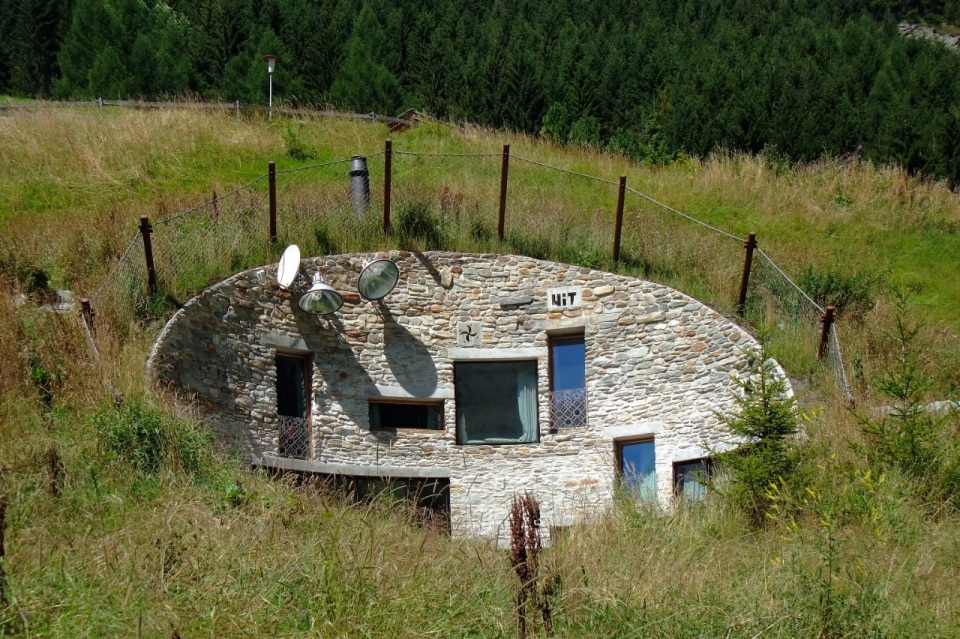
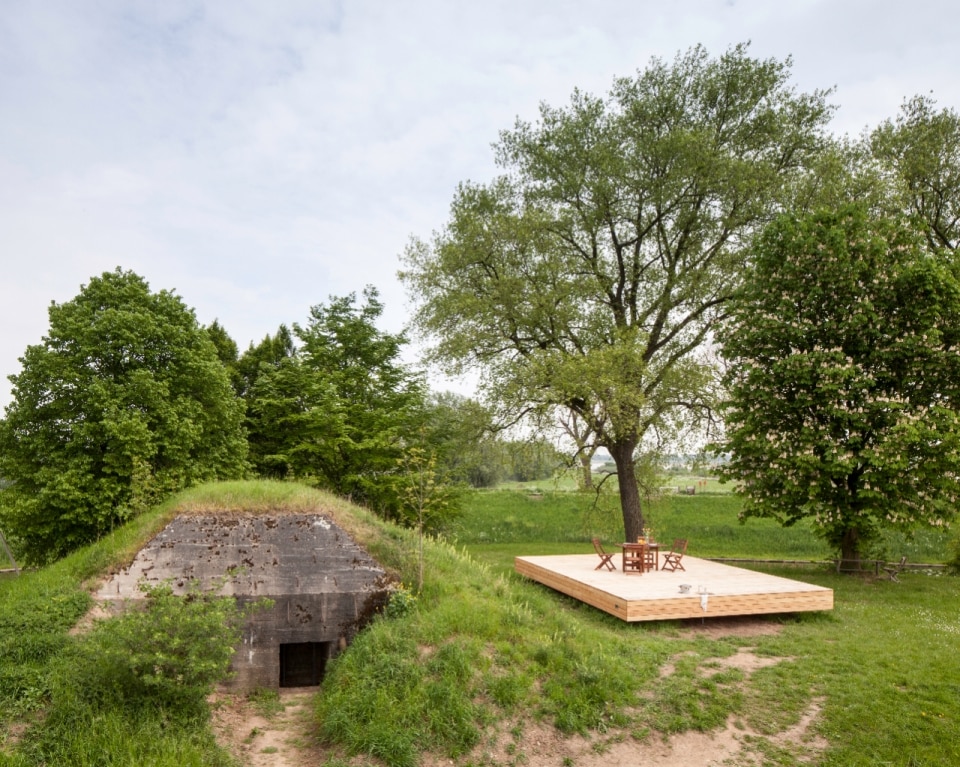
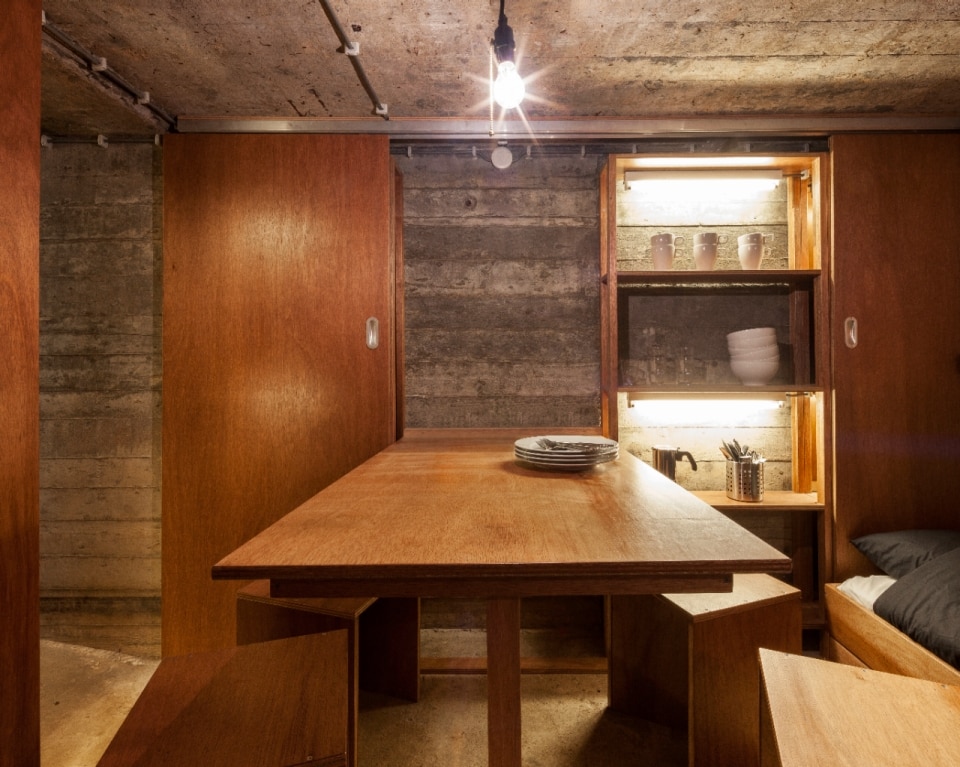
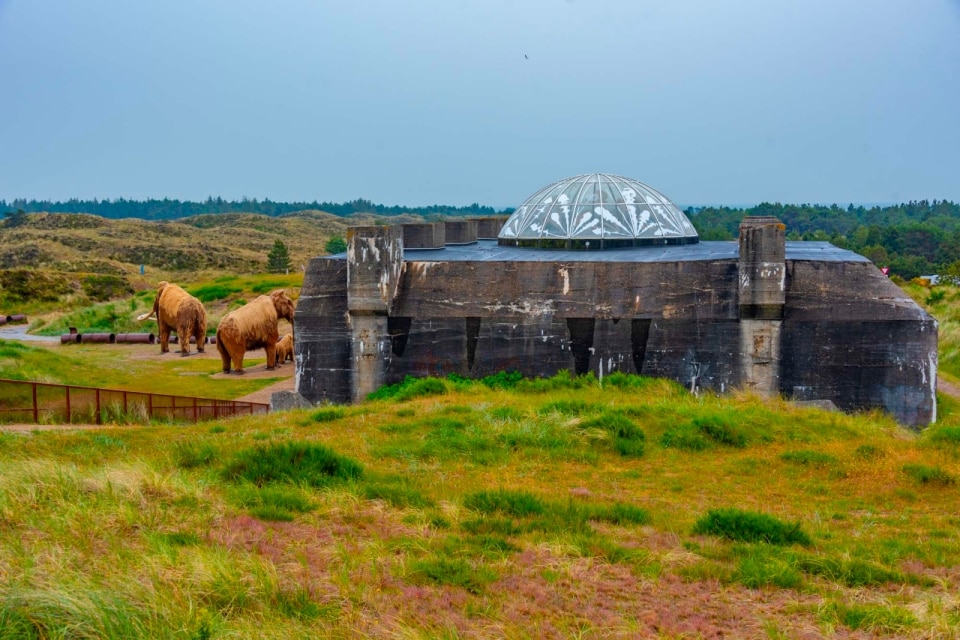
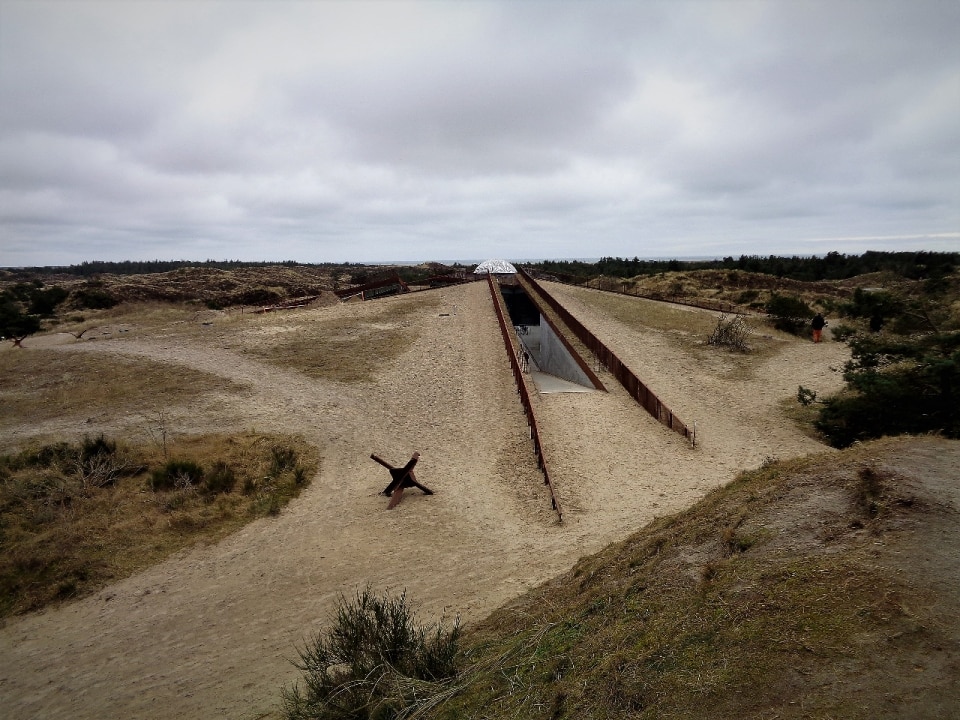
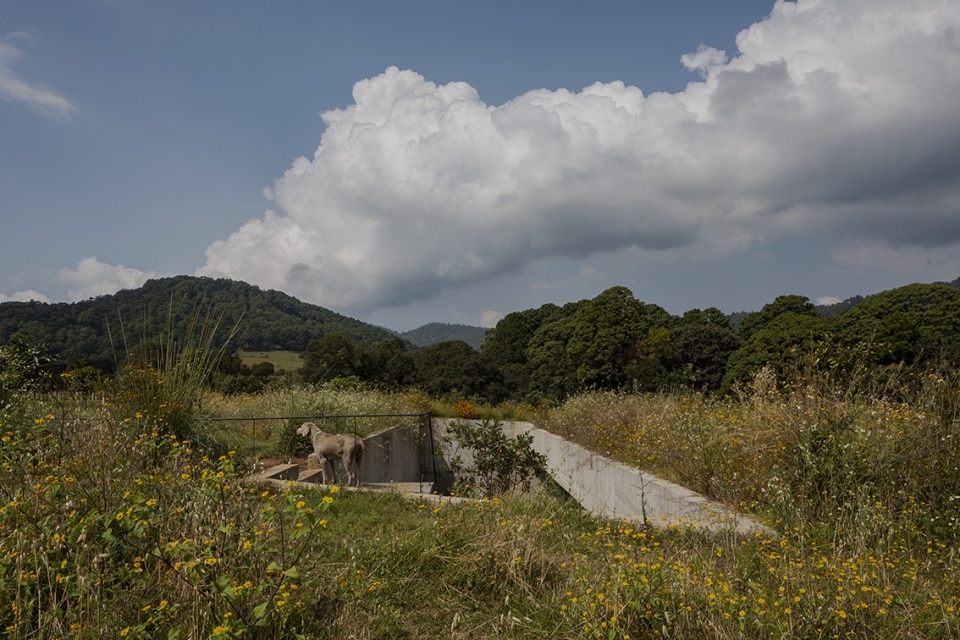
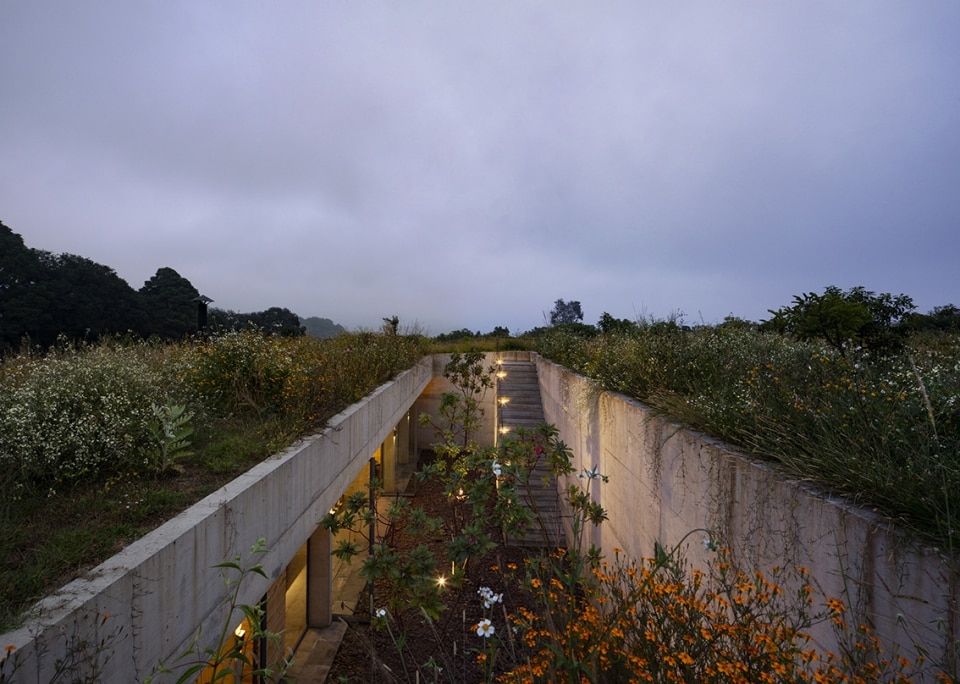
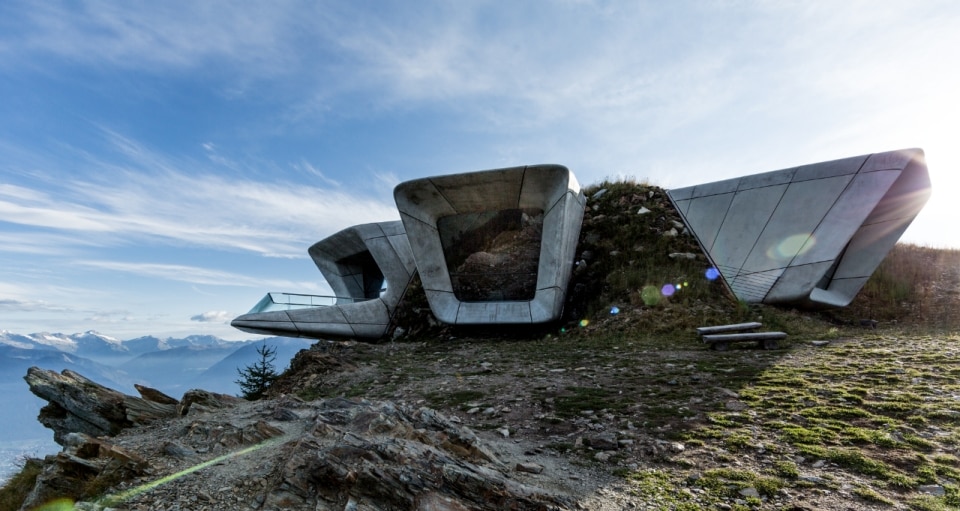
Hiding and blending into nature is a practice that dates back to ancient times and across many latitudes, born from defensive, ritual, or climatic needs. From Paleolithic cave dwellings to the Berber underground houses of the Maghreb, from North American pit houses to Chinese yaodong villages, camouflaged architectures—built underground or integrated into the landscape—share a common thread: the deep interpenetration between the natural and the artificial, and a minimal visibility from the outside.
In recent decades, architectural thinking has turned camouflage into a field of compositional research, exploring the tension between “nature” as a living, organic habitat and “city” as an artificial, inorganic construct. From the 1970s onward, bioclimatic architecture has widely investigated underground buildings for their reduced ecological footprint, their ability to “vanish” into the landscape, and their remarkable energy efficiency, thermal and acoustic insulation, and microclimatic stability—thanks to the ground’s natural thermal inertia.
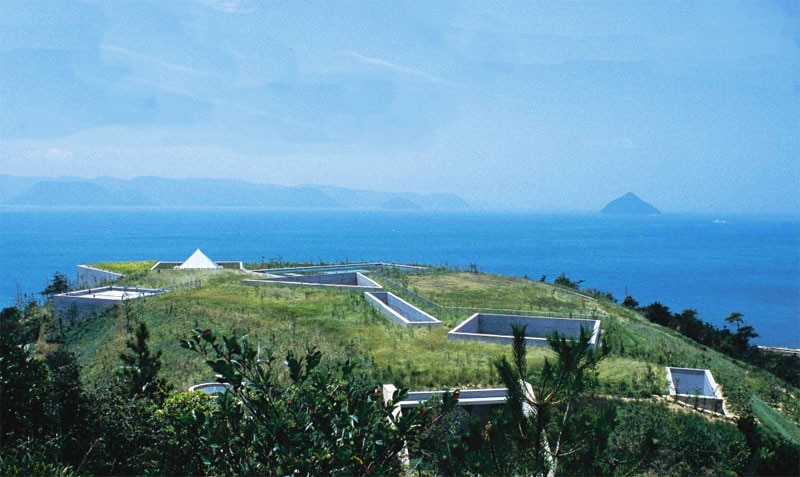
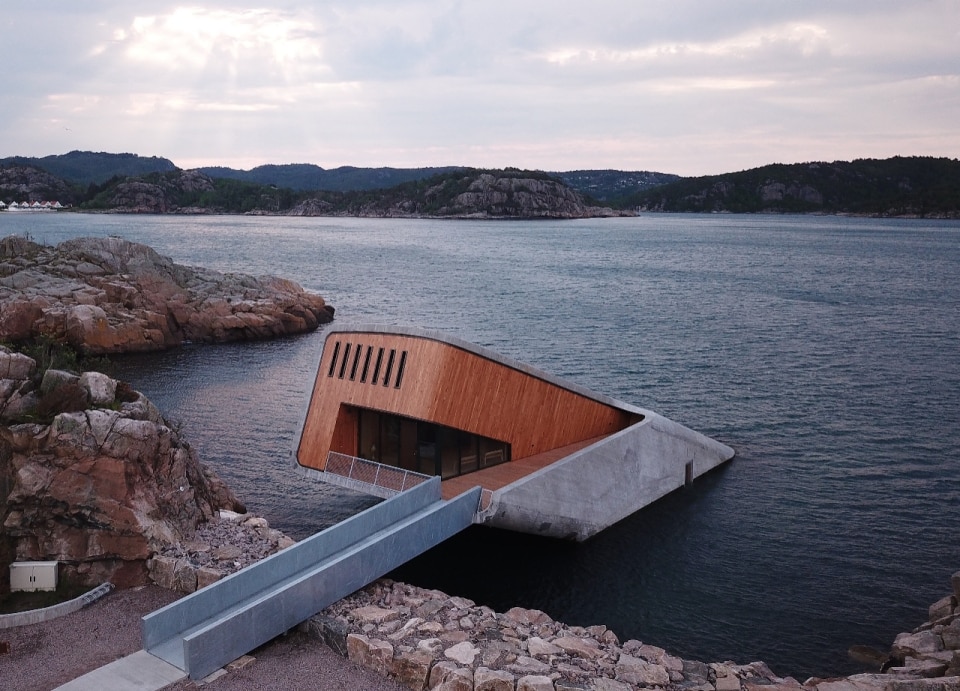
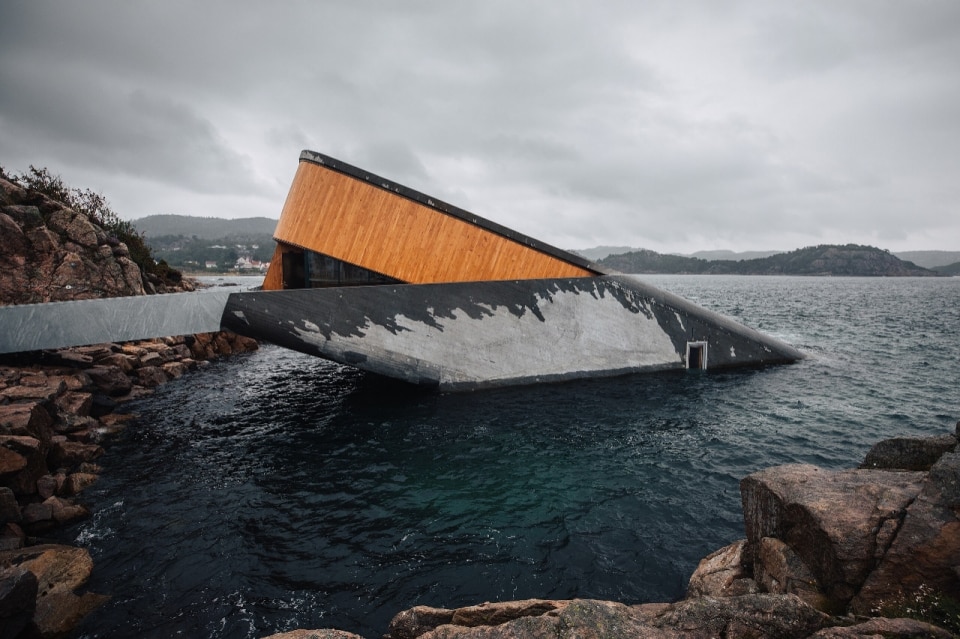
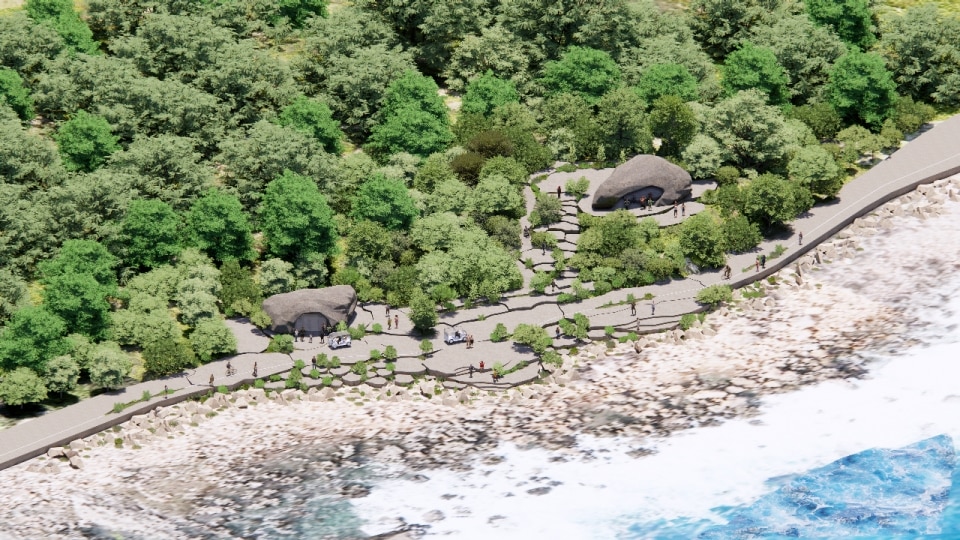
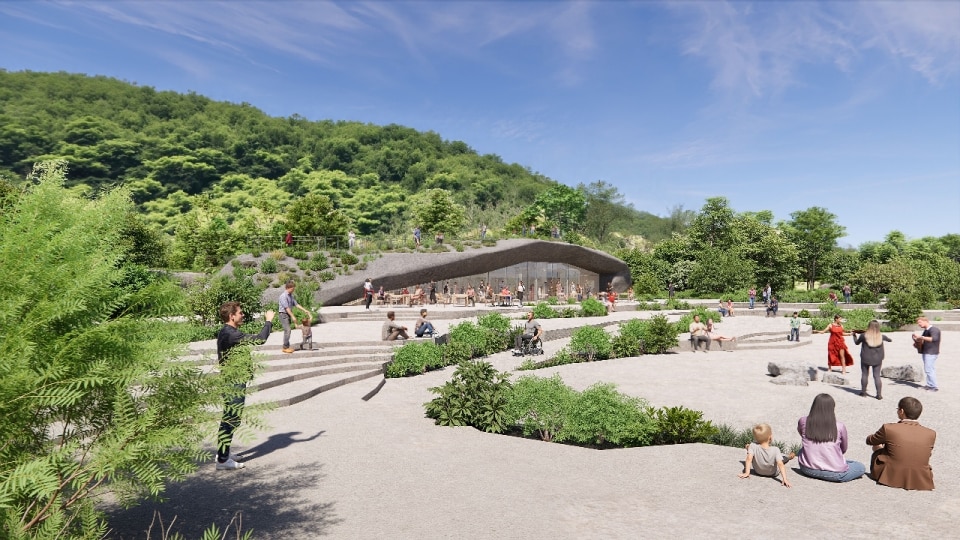
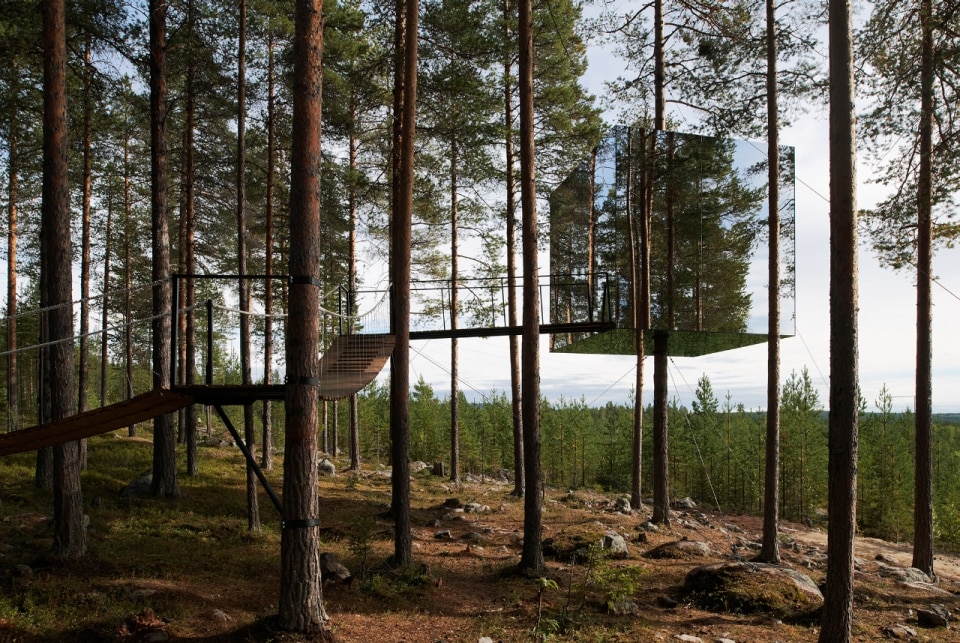
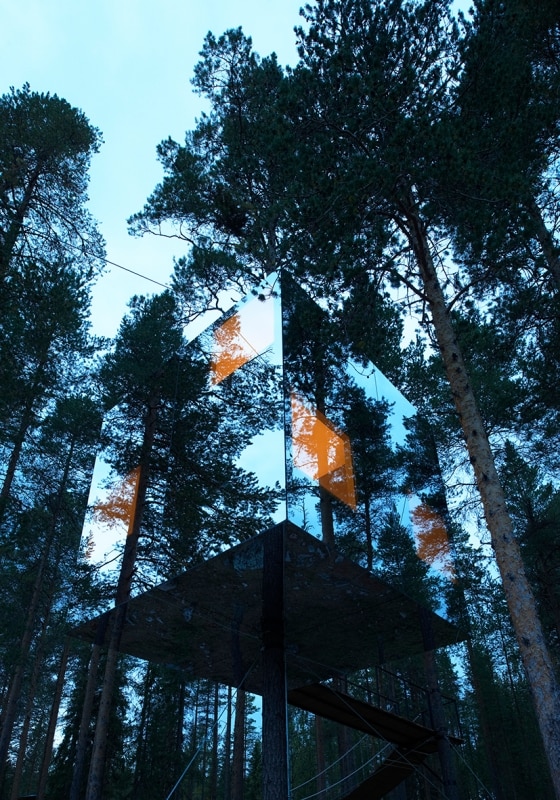
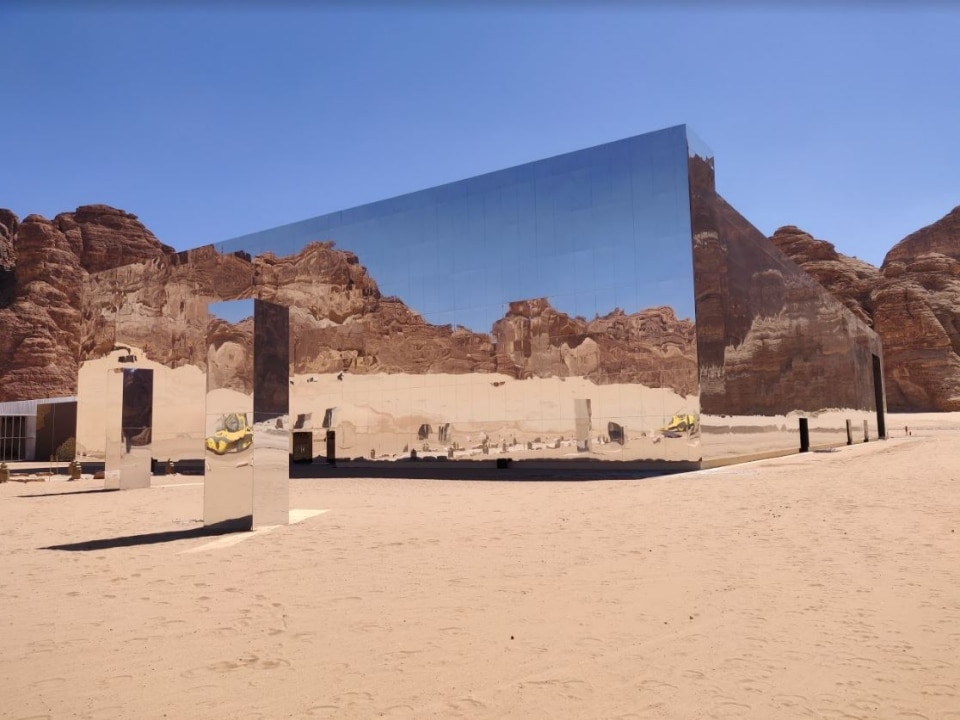
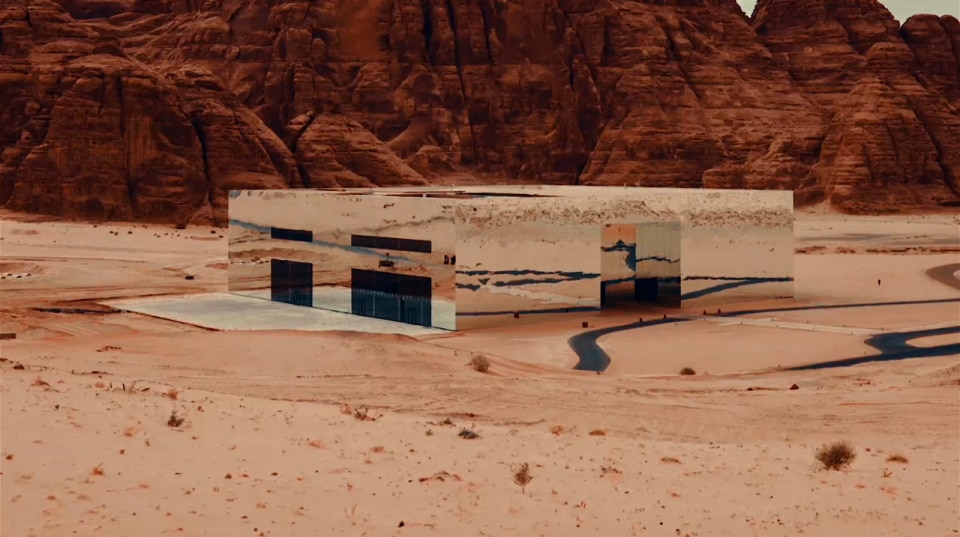
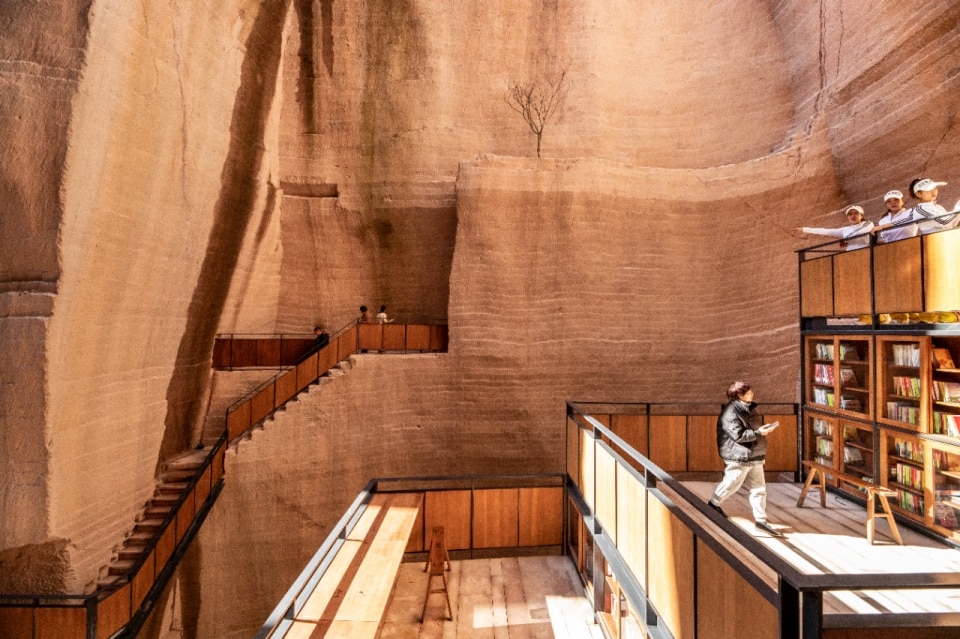
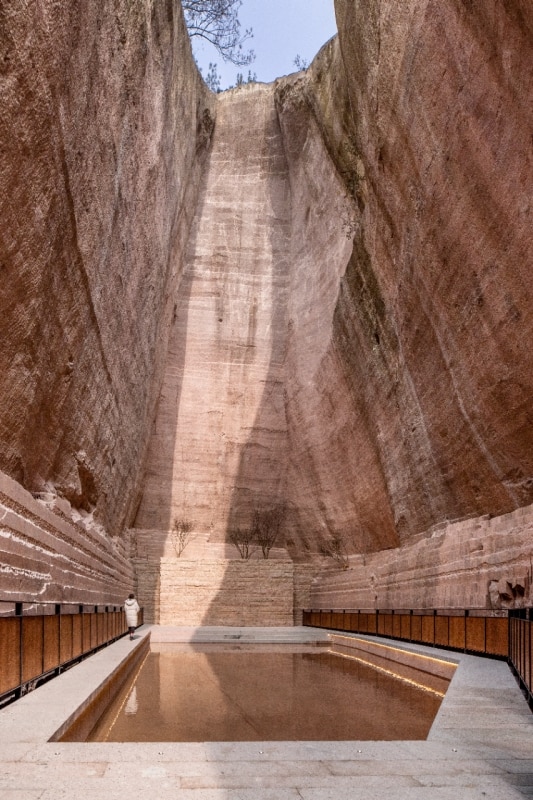
Yet camouflage today takes many forms beyond the subterranean. Other strategies of disappearance arise not only from ecological urgency but also—often more so—from scenic and aesthetic aspirations. There is topographic and material mimesis, where architecture merges with the natural structure of a site, adapting to and reinterpreting it through materials and textures; and mirror camouflage, where reflective surfaces create visual illusions that turn a building into a mirage.
From Sweden to Saudi Arabia, from Spain to Japan, we explored a series of contemporary examples of camouflaged architecture: a radical approach to building that, beyond literary fascination (think of Calvino’s Invisible Cities), opens up a series of questions. On the one hand, designing to disappear can be read as a negotiation between culture and nature, especially in certain climatic and landscape contexts. On the other, it risks feeding an ambiguous rhetoric—treating architecture as something to be hidden—without freeing it from the inevitable environmental impact of any human intervention.
And it raises a paradoxical doubt: that precisely because it is unseen, architecture might be allowed to spread anywhere—underground, behind foliage, or beneath a mirror.
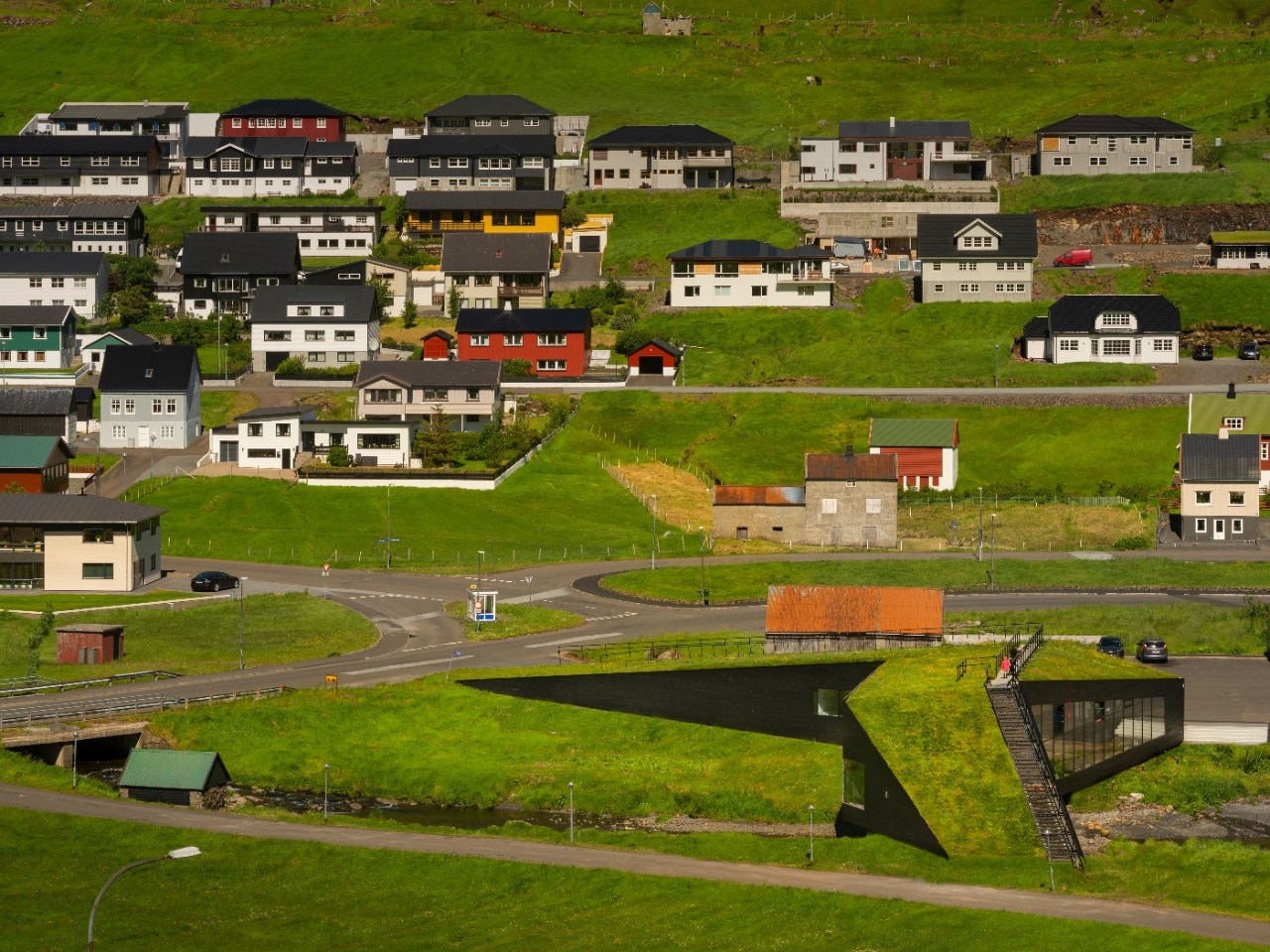
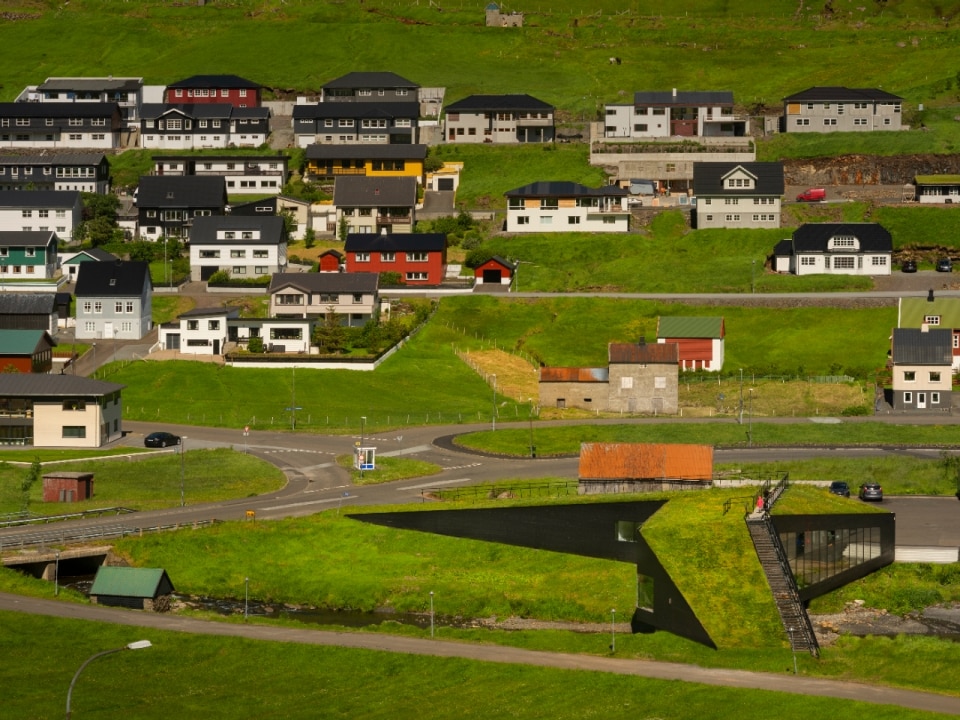
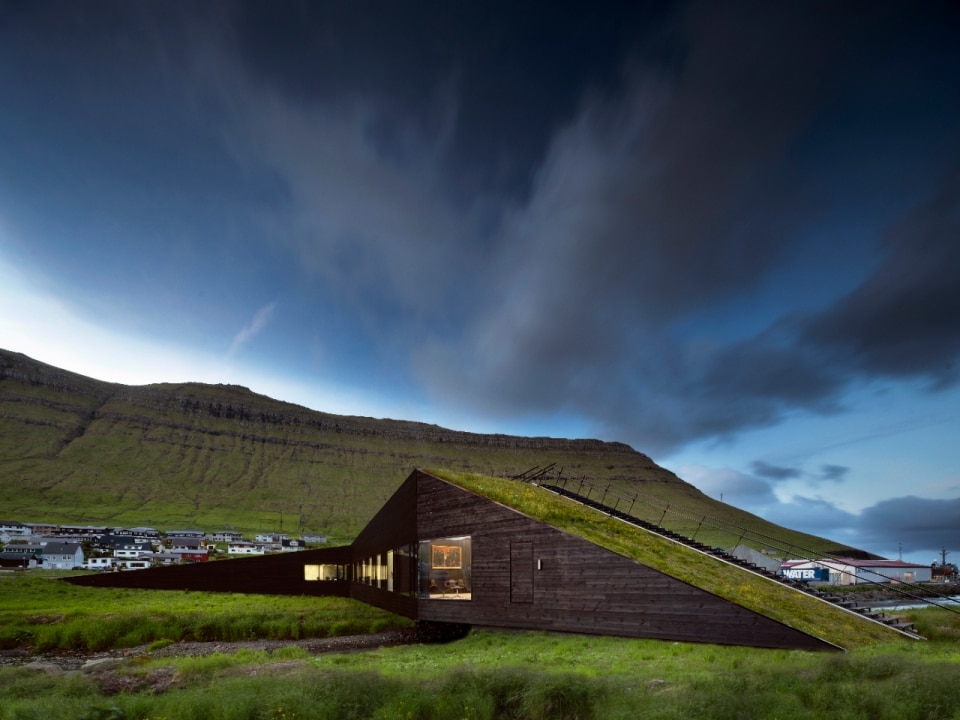
Opening image: Henning Larsen, Eysturkommuna Town Hall, Norðragøta, Faroe Islands 2018