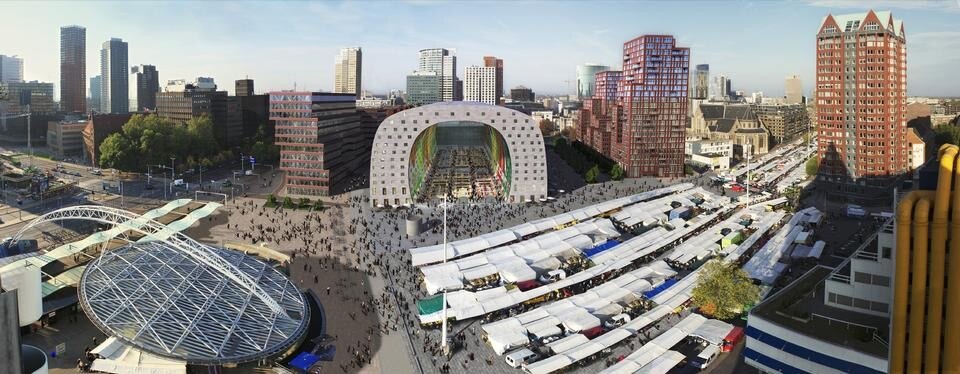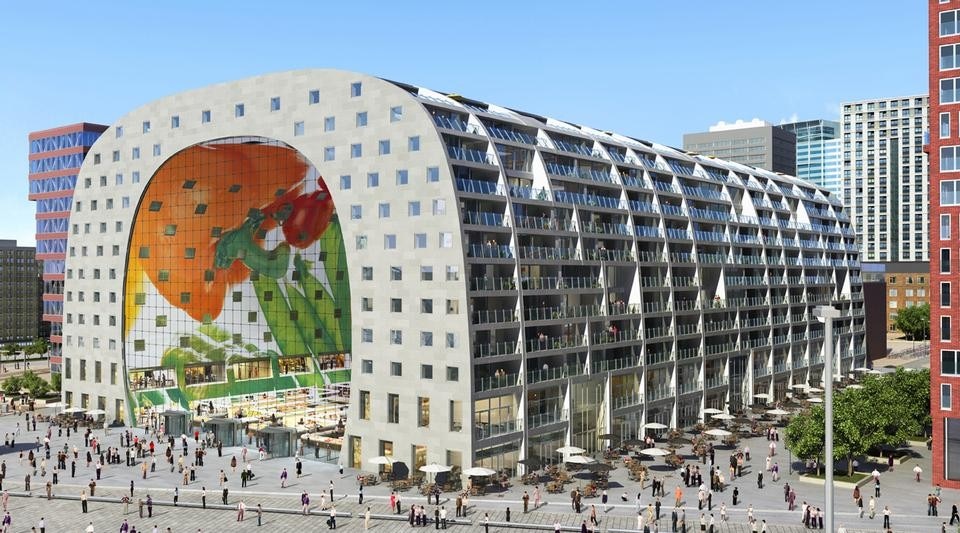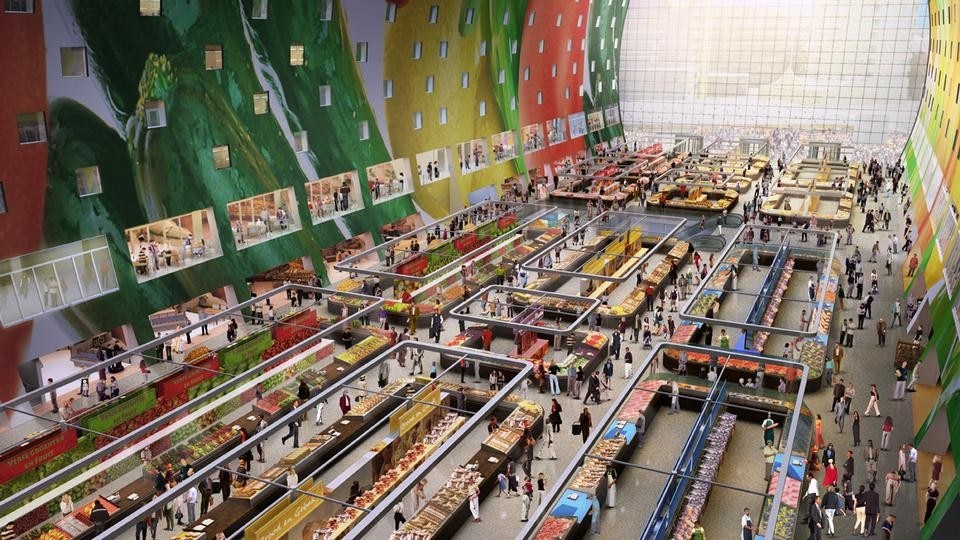

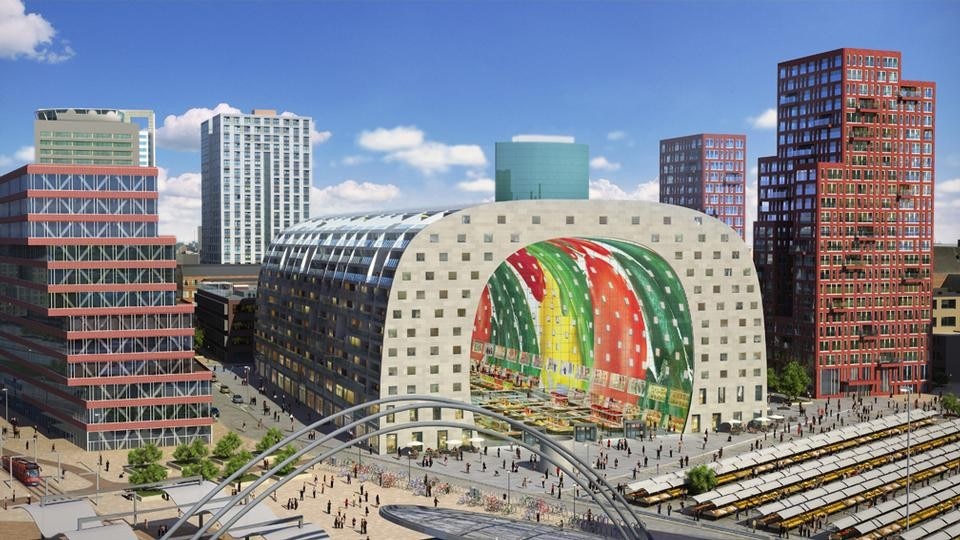
We had a commission to design a covered public market in Rotterdam since new legislation now requires the use of solid, covered food stalls. Part of the plan was to use a housing programme to help finance the market and also attract new inhabitants to the city centre. The area is a bit run down and there aren't many people living there: the idea was to use the new buildings to attract young people in particular. An important point of reference for us was a sectional comparison between the Galleria Vittorio Emanuele in Milan and our Market Hall. The internal height of the Market Hall is the same as the Galleria's, which is somewhere everyone knows and a lot of people have visited. We combined the market with the apartments and this created a single unique design, and made both elements more attractive. Each apartment has windows and balconies on the outside, but also a window over the market area, which will include a large number of restaurants as well. The building will act as a magnet - it will be a real market square - and living in the building will provide a dynamic and distinctive urban environment. The response in the city has been really positive so far.
Can I ask you about your team working process? In a recent interview you said that the idea that you just plug the numbers into the computer and then out pops a building was a media myth. How important is a mathematical approach to the data in MVRDV's work?
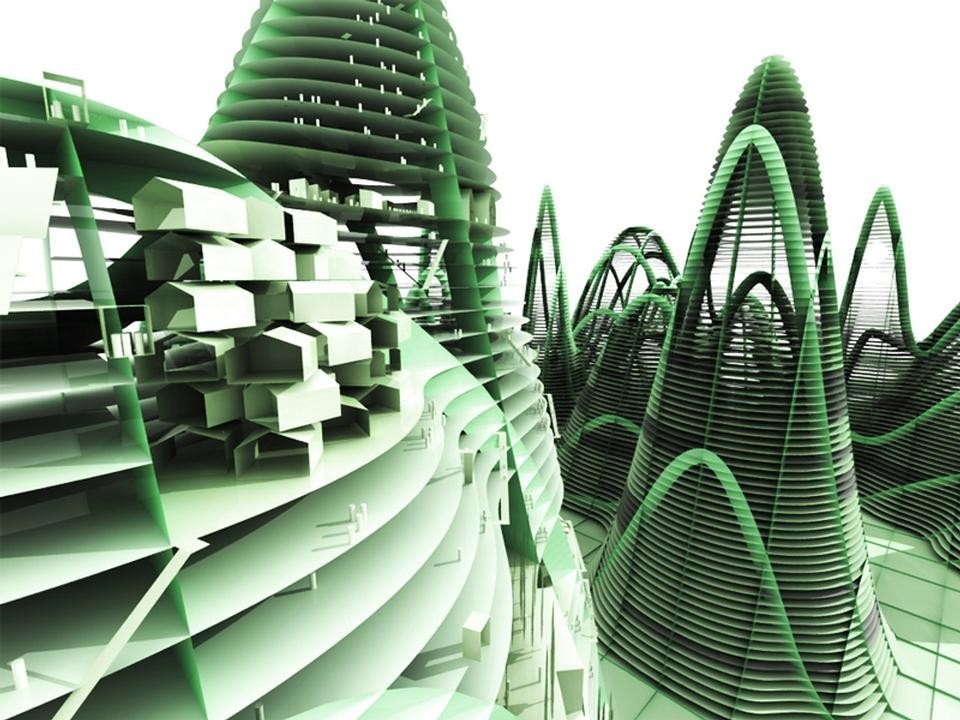
Well, this idea has taken on a life of its own. Of course we have researched and continue to research the parametric approach. We used this most recently for China Hills, a dense mixed-use development which is based on research into China's future capacity, the level of services that will be needed given the expected population growth and how to deal with the consequences of this. But the mathematical approach is a basic tool: we use it where it makes sense, but there is always a need for intelligent design.
You've developed your ideas about density in a series of theoretical volumes. Could you briefly explain the concept of density in the vision you developed recently for Greater Paris in 2030?
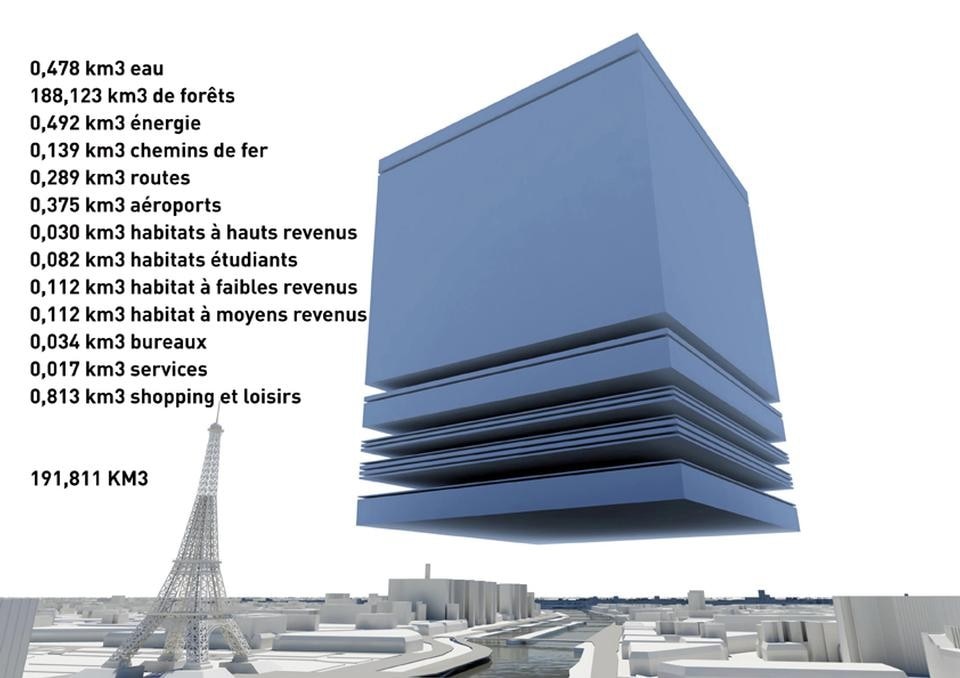
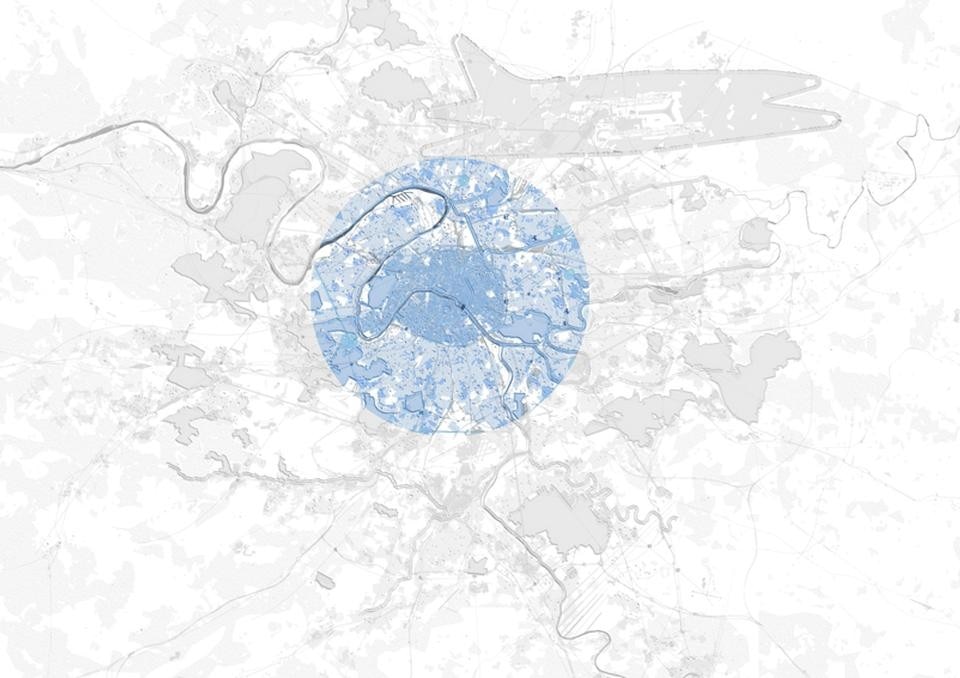
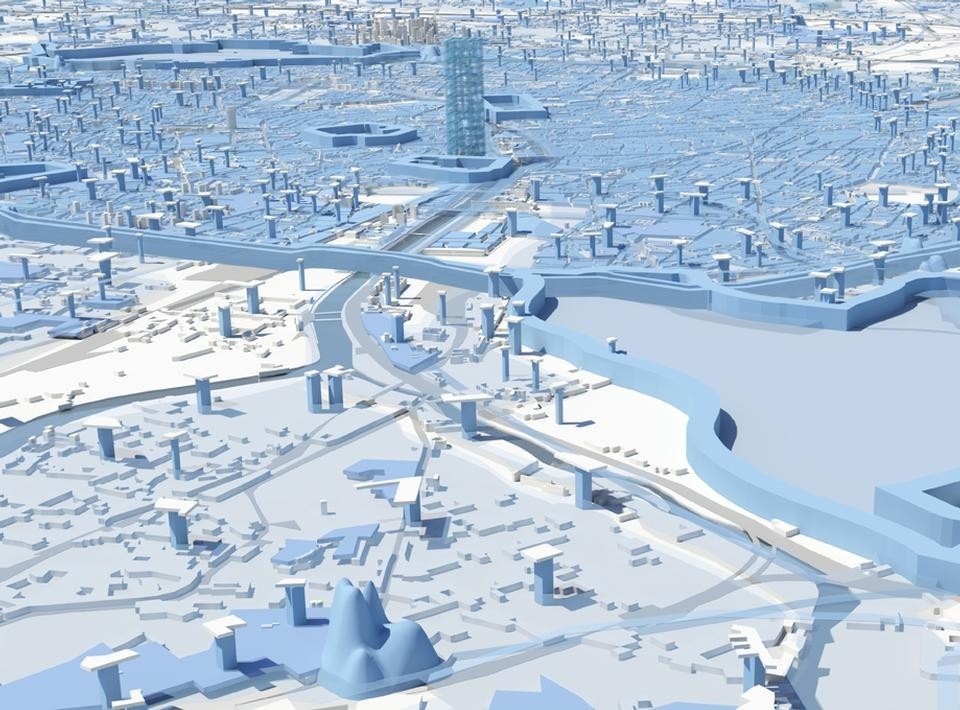
We were using a general approach in the case of Paris as well. We collected two sets of data on the city: first the programme Paris needs to fulfil its goals up to the year 2030, and second the space which is still available for development there. We then brought these two sets together in a series of proposals. Based on these, Paris can densify and develop until 2030 without extending its current surface. We believe that these days a compact city is a more attractive city. Most important, however, is the improved quality of life for the inhabitants - more density means more services and better infrastructure. In short, it means a better life.
Increases in urban populations and cultural changes in what is taken to be a basic standard of living will tax energy and natural resources, particularly in India and China: these are themes that must be at the centre of all approaches to the contemporary city. What does sustainable design and development mean to MVRDV?
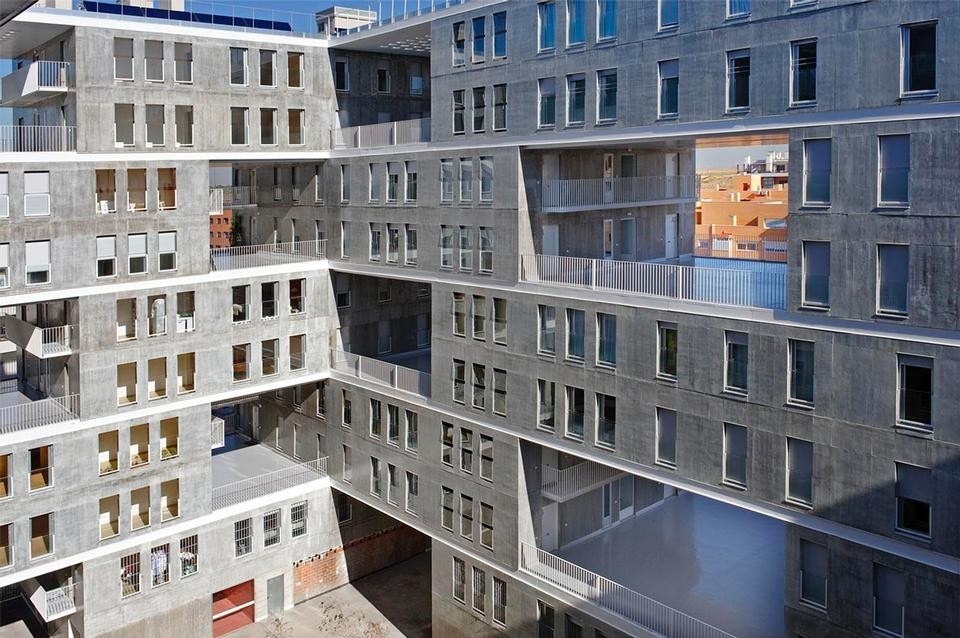
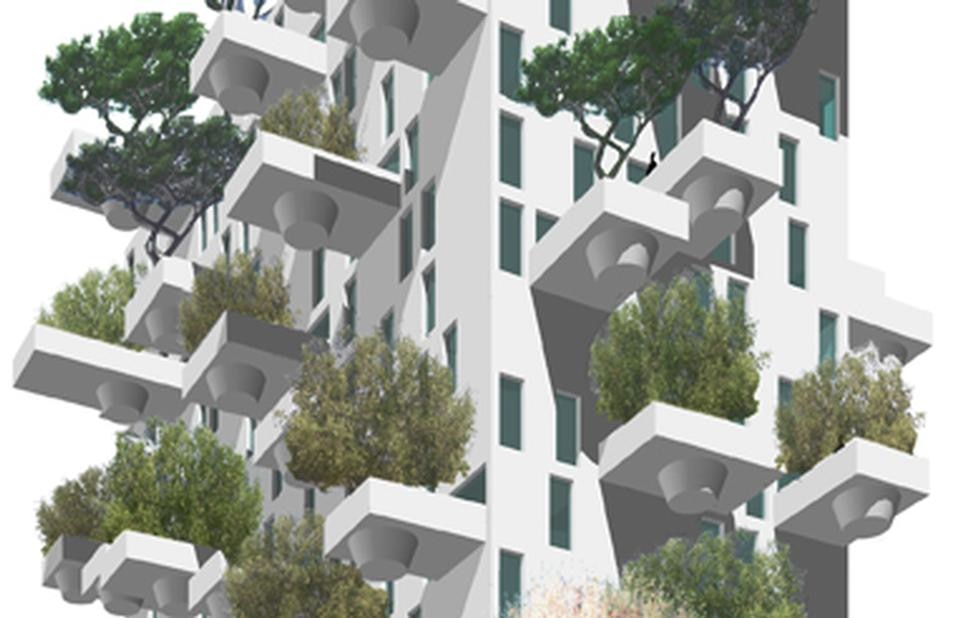
This is a comprehensive global issue and has been an important element of our work since our office was started. We are always exploring how our projects can contribute to innovation. We know that traffic and buildings are the main polluters and our interest in density shows that we are always trying to find solutions. Next to the environmental and energy efficiency technologies we use, we should never underestimate the social and public value of a project - this is an essential part of sustainability. In general we believe in positive solutions. So if people want a suburban lifestyle, for example, we should give them a suburban lifestyle, but one that has been intelligently put together - each house could have an elevated garden (as in the Celosia) or even a full size fruit tree (as we are building in Valencia right now). These are attractive ideas for how the individual can move towards the post-fossil fuel age. We believe that some of our projects, big and small, can be seen as exemplary designs and as ways of contributing to future developments. We think that architects have a job to do here, not by preaching but by inventing new solutions and ideas.