


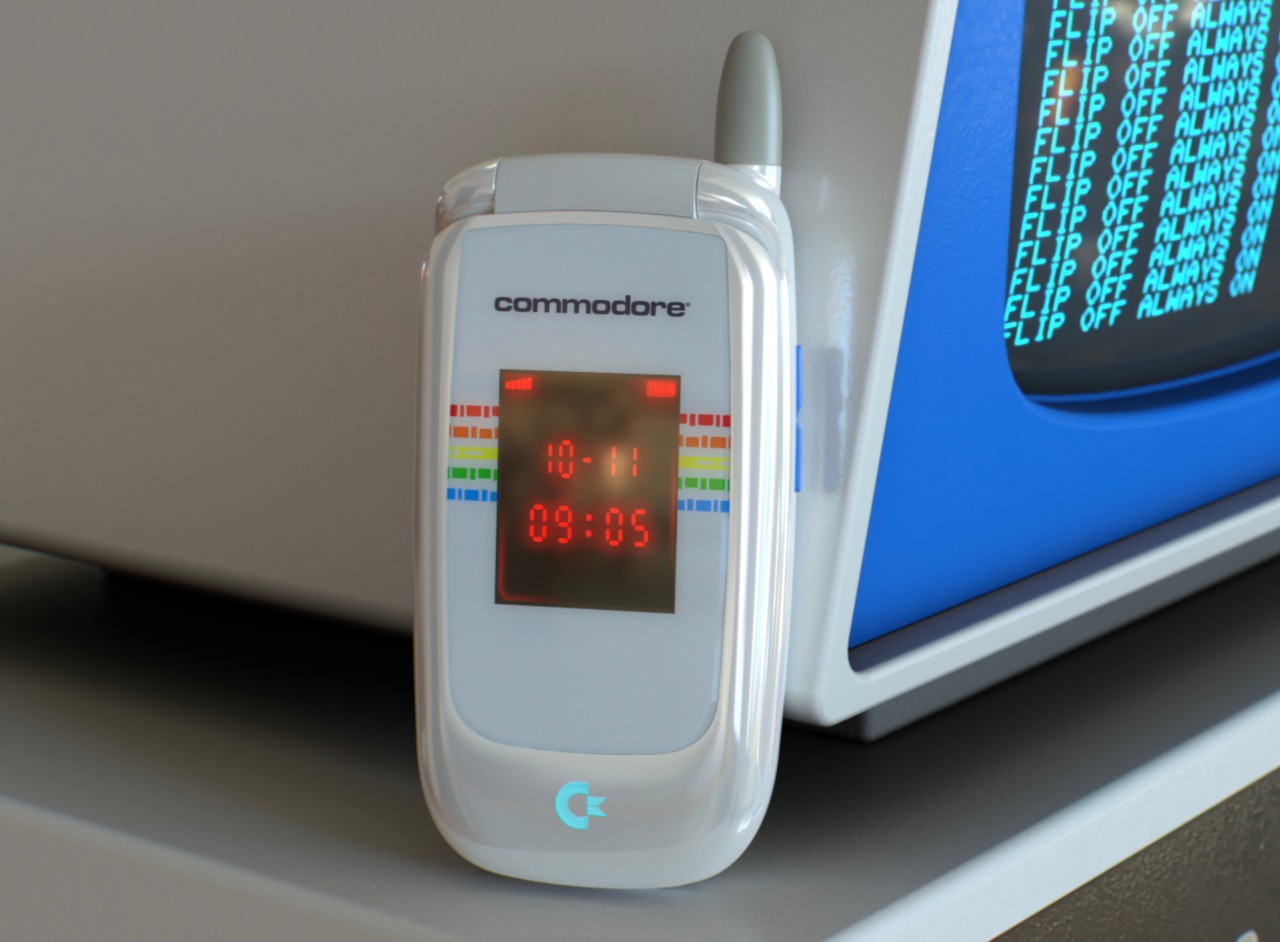

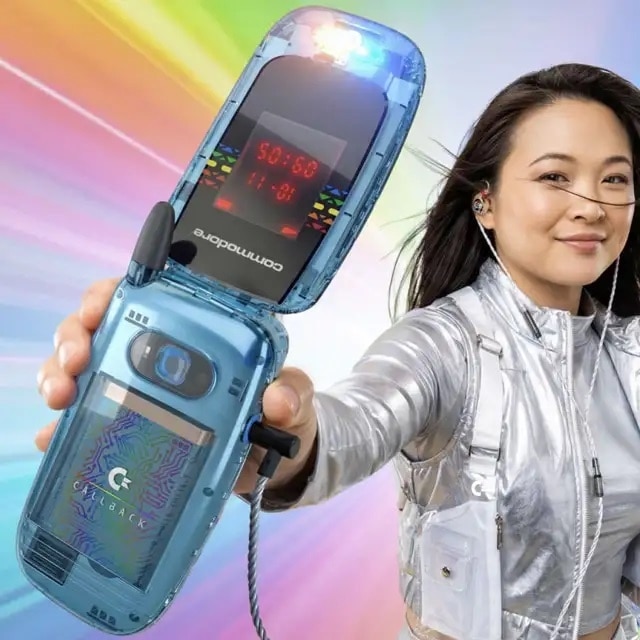
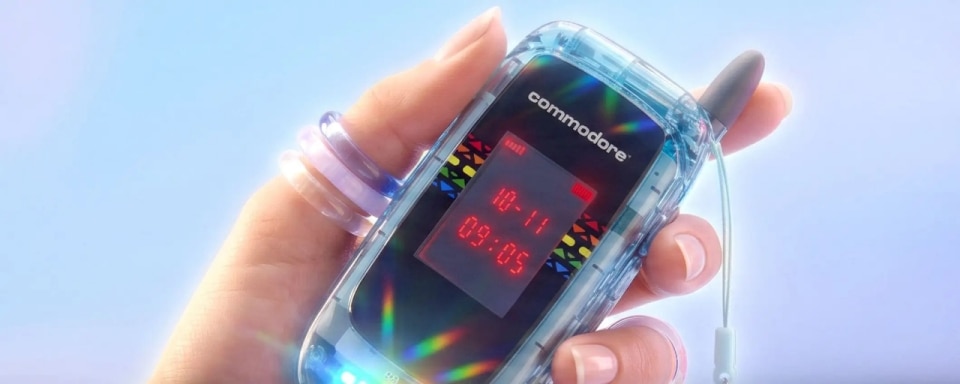
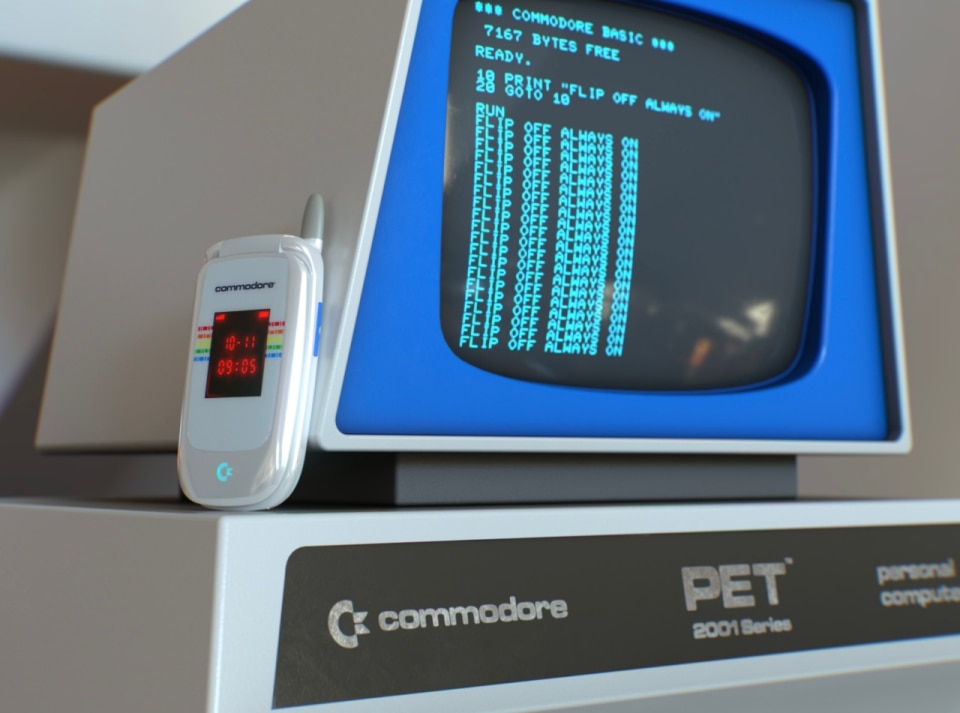
Commodore wants us to put aside our phones or, rather, social networks. The brand that in the 1980s populated bedrooms and living rooms with Commodore 64 and Amiga has introduced the Callback 8020: a clamshell mobile phone with a retro aesthetic, designed for those tired of notifications, endless feeds, and doomscrolling. The idea is simple: to offer a device that is not too limited for daily activities, but sufficiently controlled so as not to turn into yet another smartphone.
It must be said, however, that Commodore's revival is not a linear one. After decades of bankruptcies, licensing agreements, and disputes, the brand is currently at the center of a new relaunch attempt led by Christian “Peri Fractic” Simpson, a British creator linked to retro-computing culture. Rather than a direct continuation of the 1980s Commodore, the Callback 8020 therefore seems to use that name as a nostalgic platform: not to bring the computer back into homes, but to sell the opposite idea—that of a slower, more controlled technology that is less dependent on smartphones.
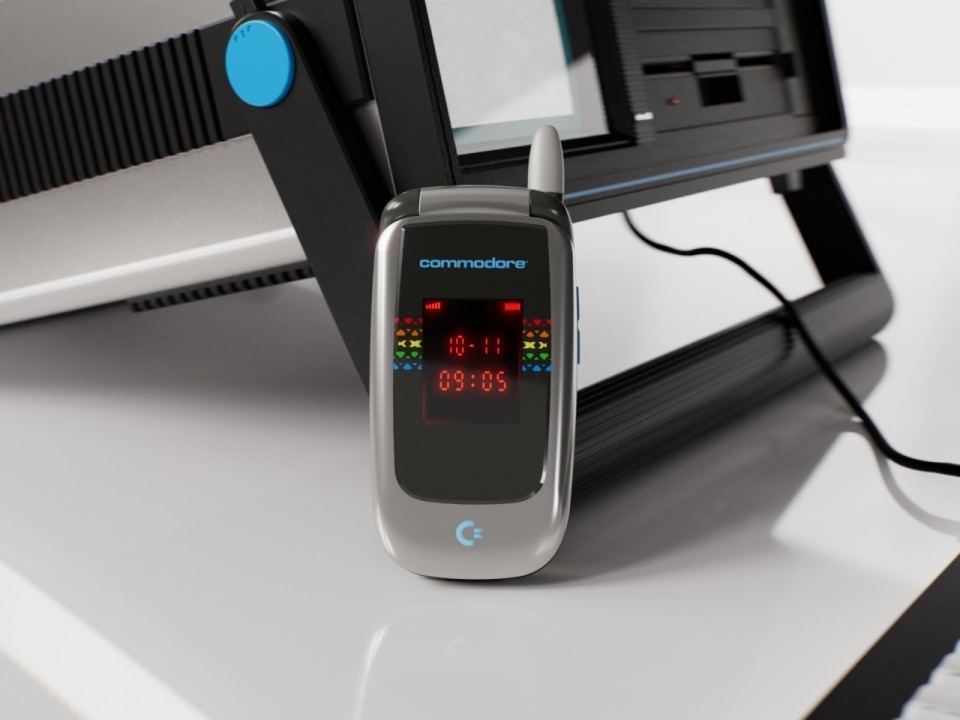
The Callback 8020 uses patent-pending technology and the Sailfish OS operating system, which is based on Linux and developed with Jolla. It can run most Android apps, but deliberately excludes social networks, web browsers, email, and certain work tools like Slack and Teams. According to the manufacturer, these restrictions occur at the system level and cannot be deactivated. However, Commodore explained to Ars Technica that the phone supports the manual installation of almost any app not available in the Commostore, with the exception of those designed to induce compulsive scrolling.
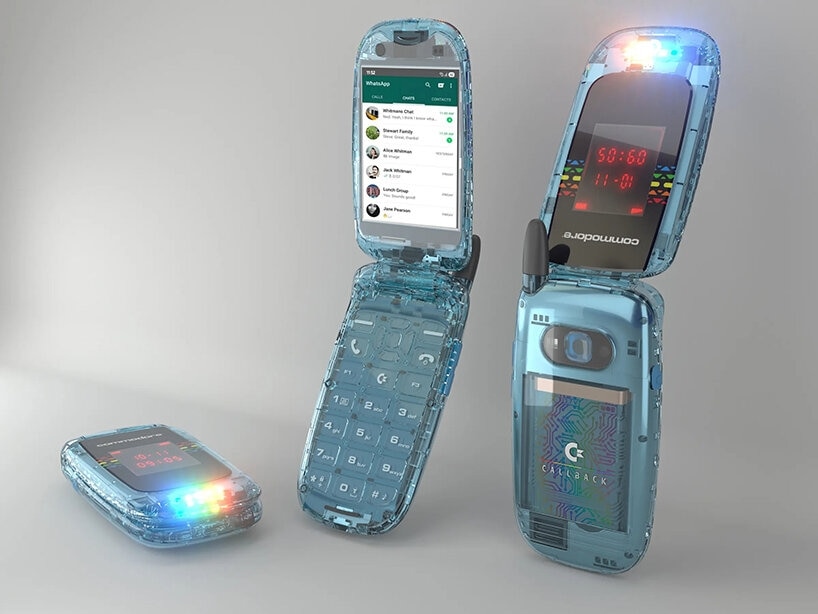
Regarding technical specifications, the phone features a 3.25-inch internal IPS display and a 1.77-inch mini screen on the outside. It is equipped with a numeric keypad with T9, a MediaTek Helio G81 processor, 4 GB of RAM, and 64 GB of expandable memory via microSD. For taking photos, there is a 48-megapixel Sony main camera with flash and autofocus. There is no shortage of 4G LTE connectivity, Wi-Fi, Bluetooth, GPS, dual physical SIM support, FM radio, and a 3.5 mm audio jack. The 1,550 mAh battery is removable and rechargeable via USB-C.
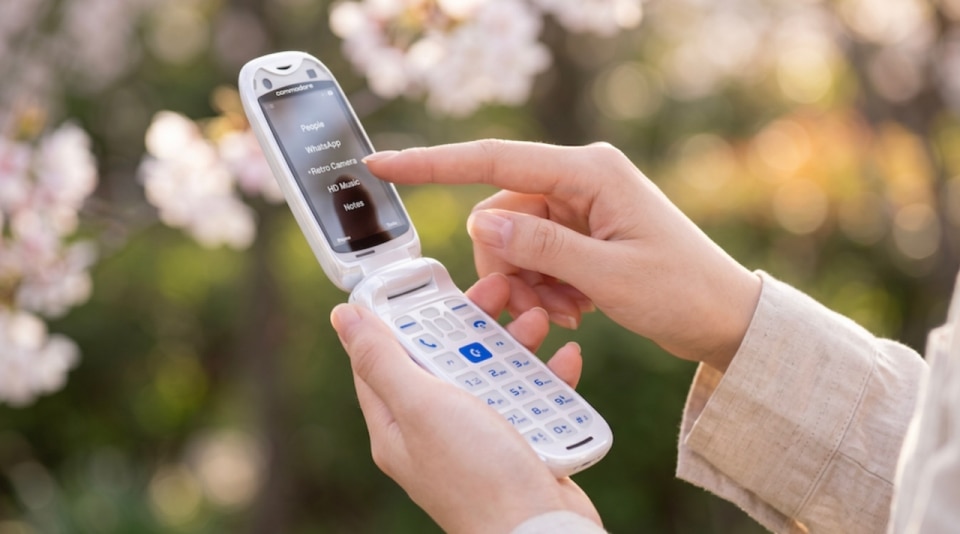
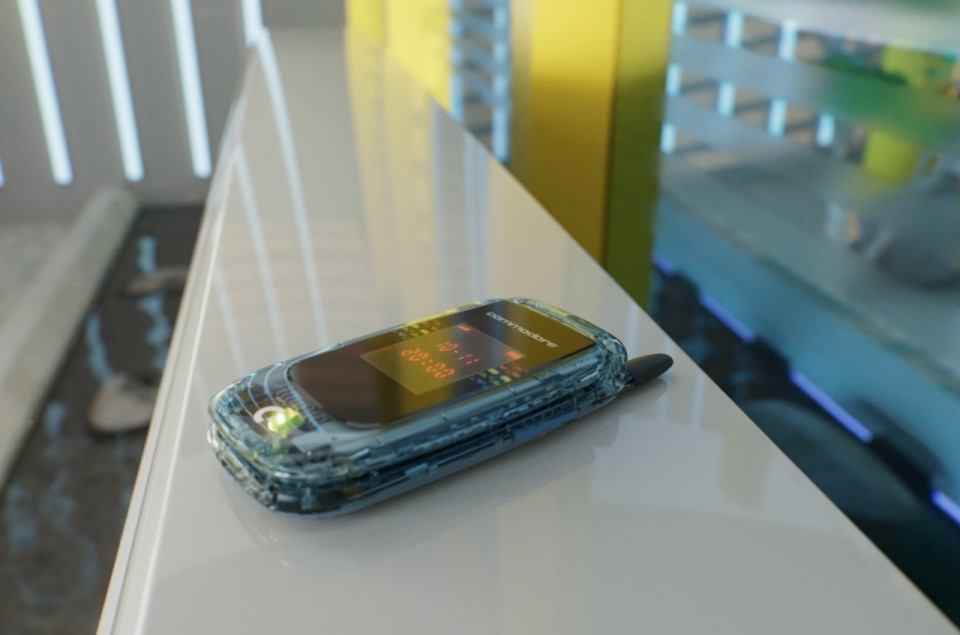
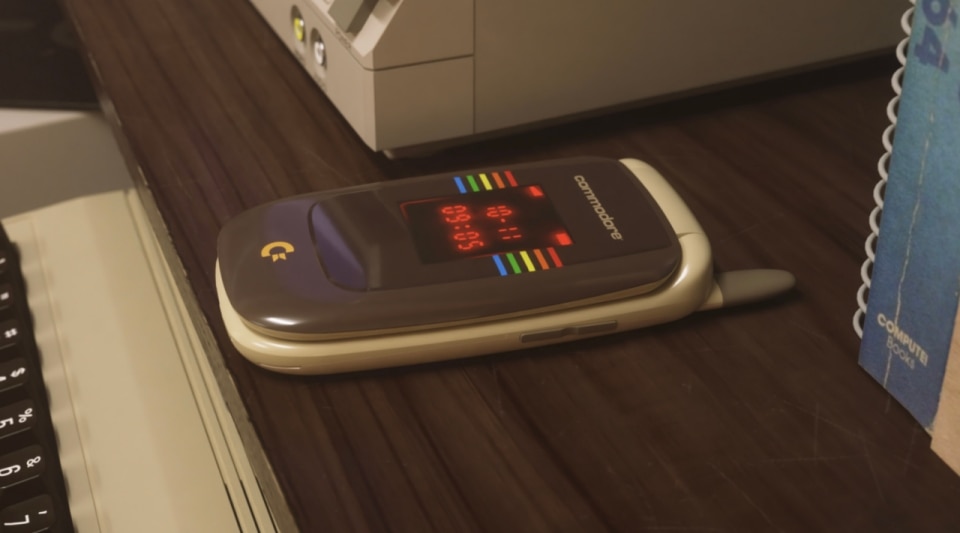
The crucial point of this flip phone, however, is the price. Commodore initially announced a price of 499 dollars for the base model, later revealing launch promotions starting from 351.80 euros. From June 30, it will be possible to order it in several variants: ProtoPET White, with a metallic white body and blue details; Silver SX, with a two-tone gray and silver chassis; BASIC Beige, which pays tribute to the color of the brand's most famous home computer; Starlight Edition, with an ice blue translucent polycarbonate body; and Founder Edition, the most expensive one, on promotion from 562.89 euros, featuring a gold-colored PVD coating and a 24-karat gold-plated Commodore key.
These are small details, but enough to turn the Callback 8020 into something different from a simple anti-distraction phone. The idea of a device that helps recover attention and time has its own logic, especially at a time when the return of dumb phones has also become a cultural response to hyper-connectivity. Less convincing is the price, which risks shifting the operation from the ground of daily use to that of premium nostalgia.
A doubt also remains regarding the connection with the brand. Commodore defined an era because it brought the computer into homes, making a technological imaginary that was new at the time accessible. Linking that history to an anti-scrolling mobile phone is a fascinating but delicate operation: the Callback 8020 could become a collector's item for nostalgic tech-enthusiasts rather than a real alternative for those who want to disconnect.