


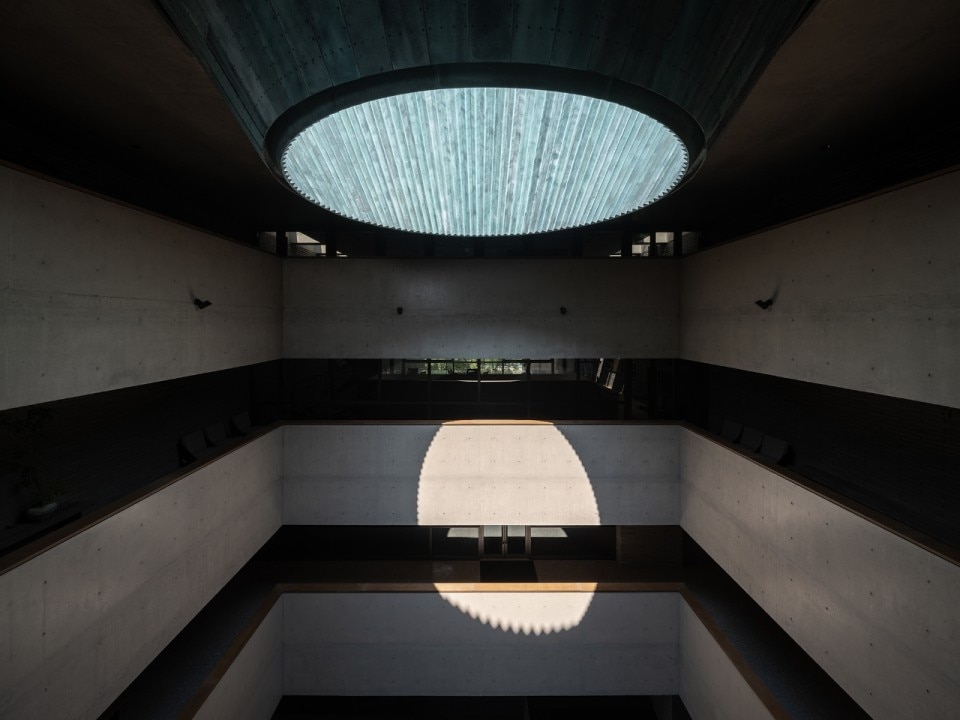

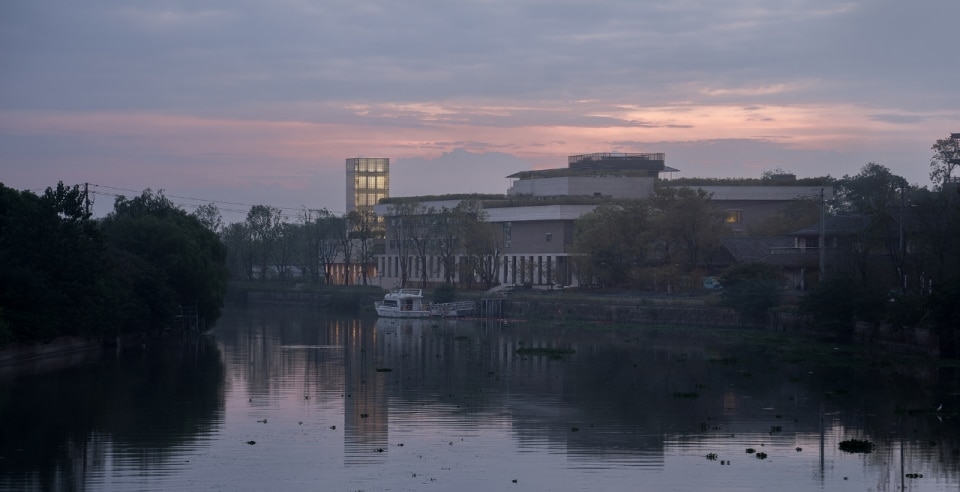
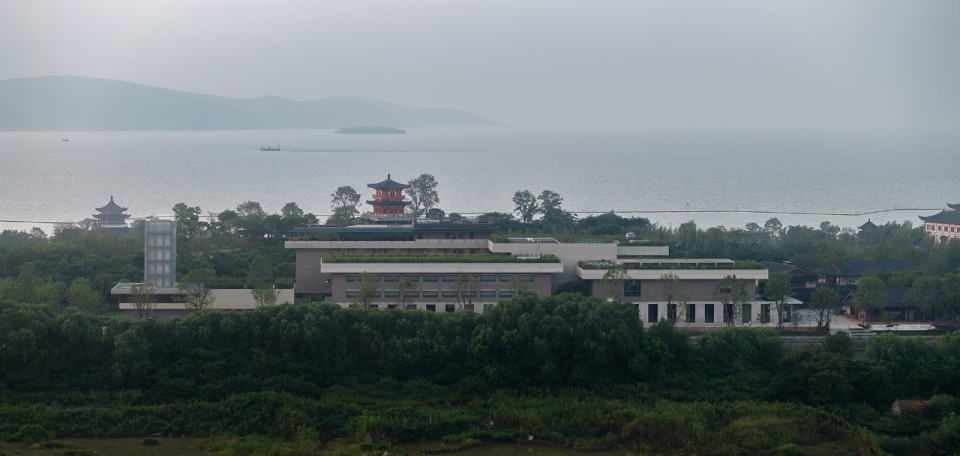
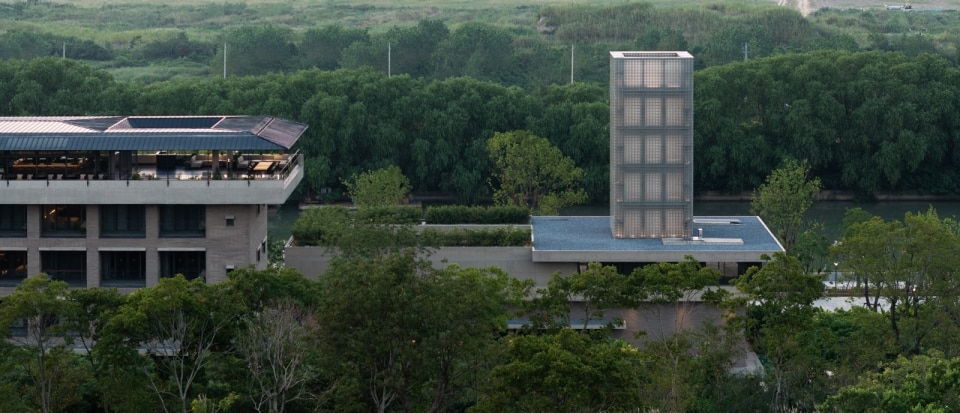
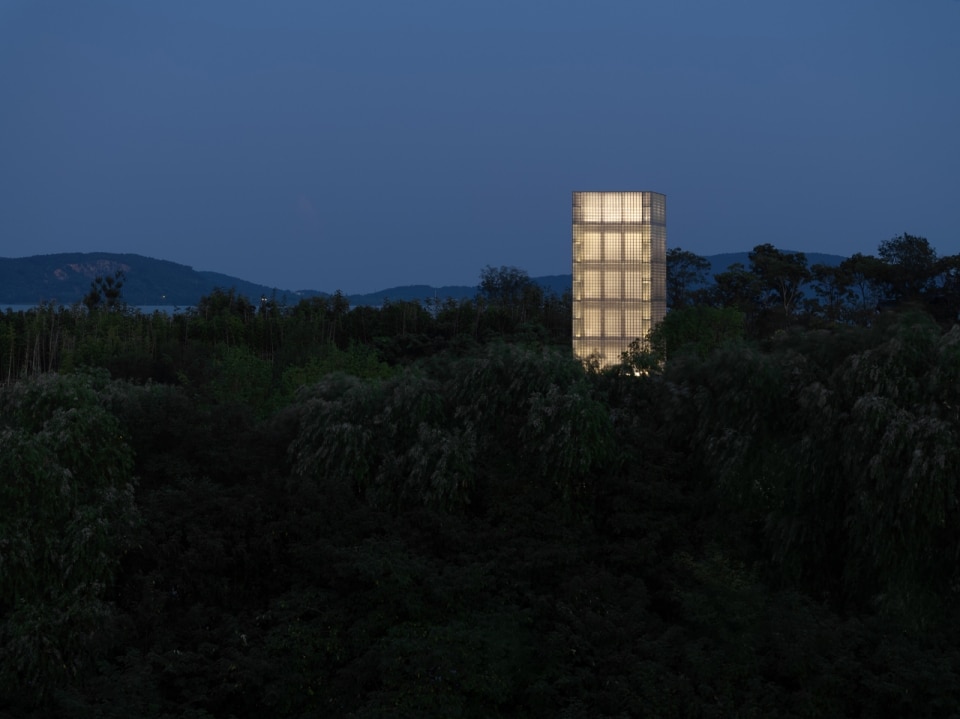
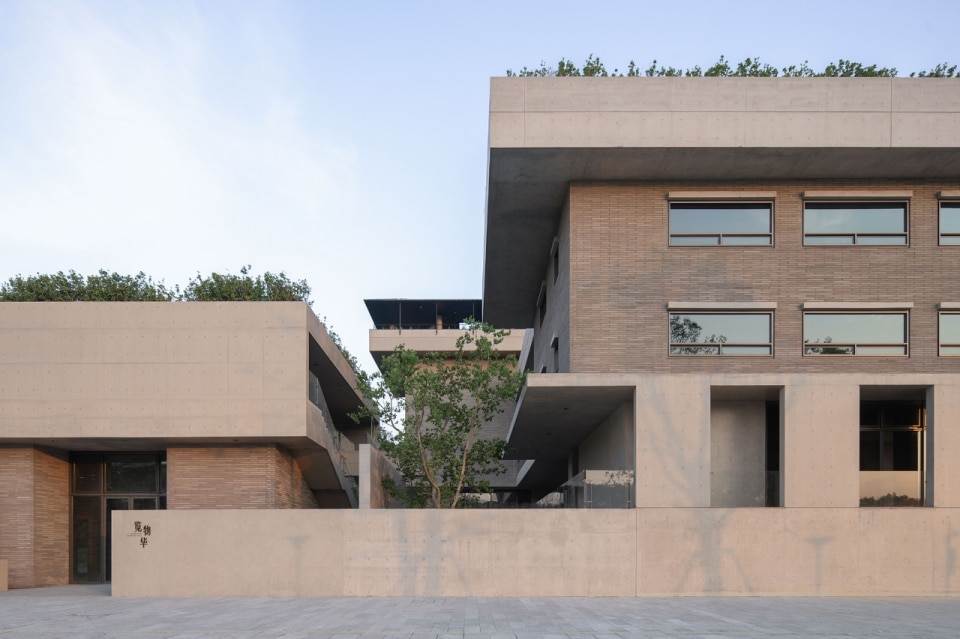
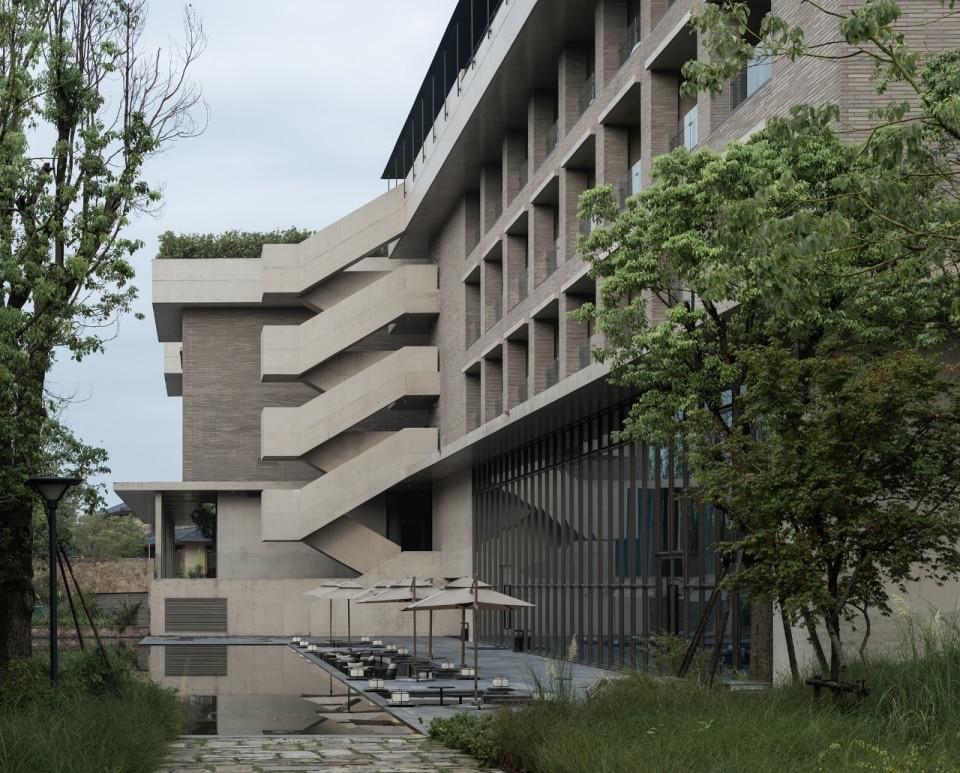
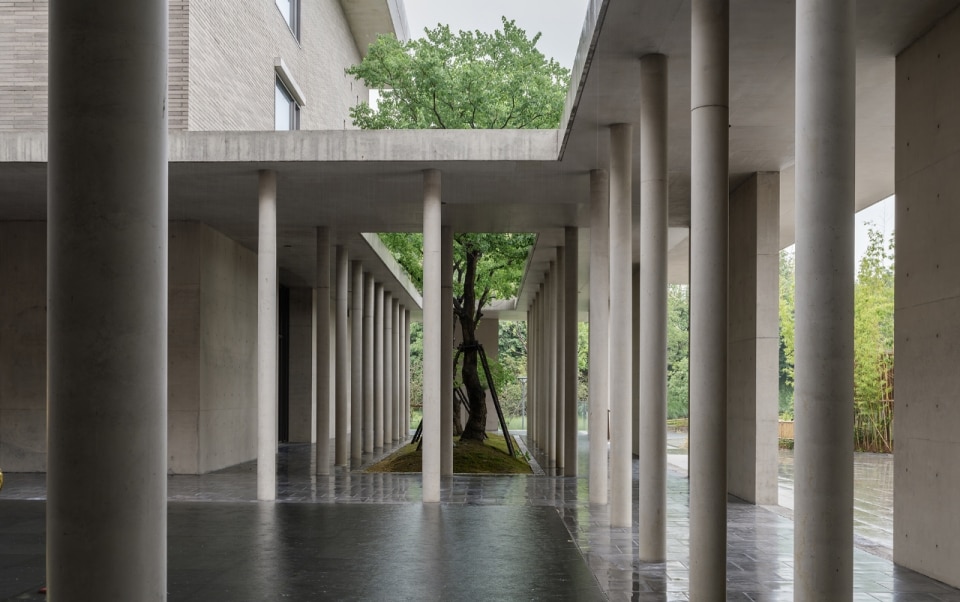
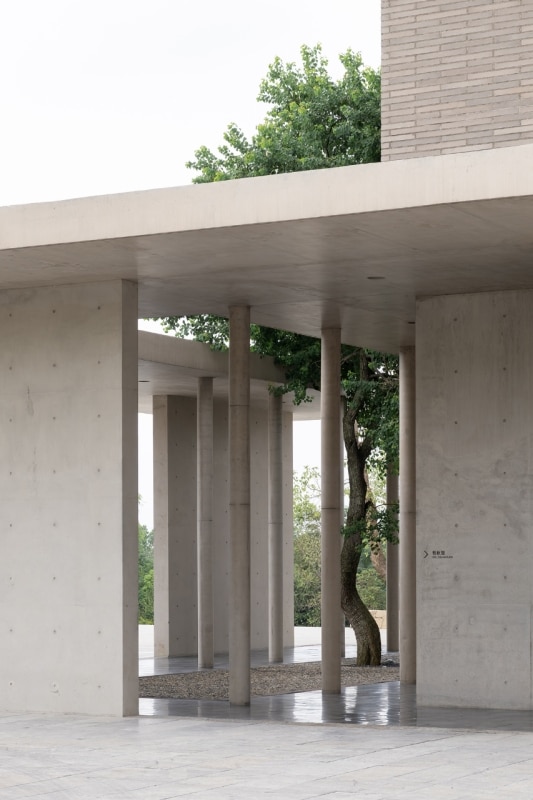
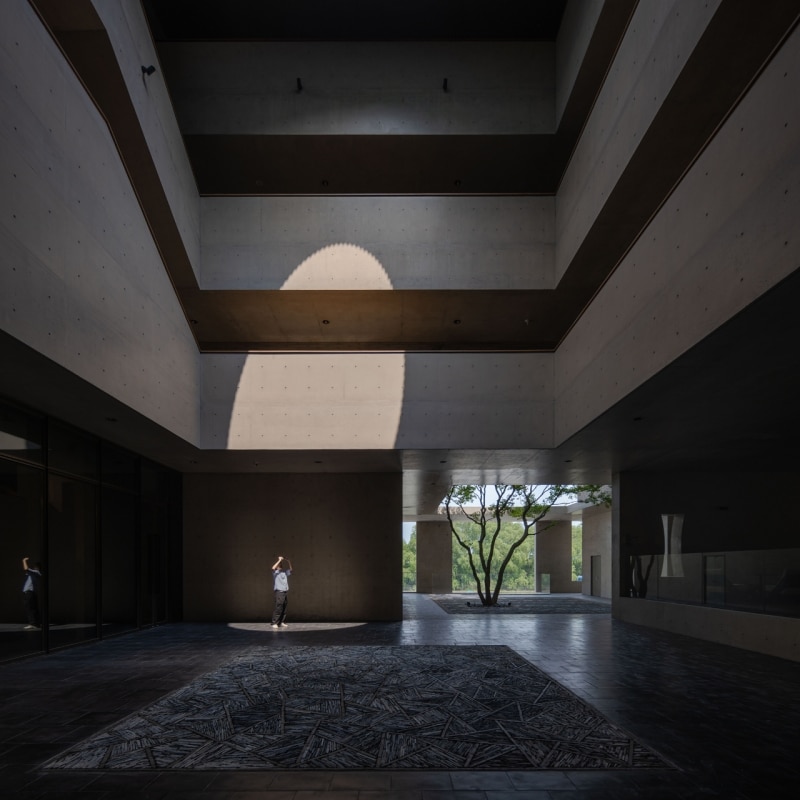

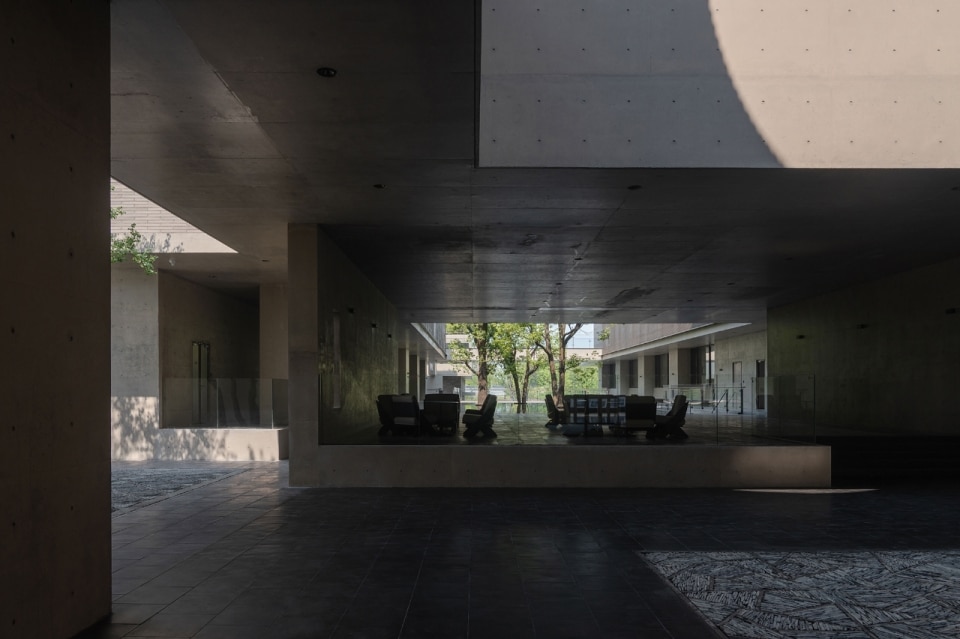
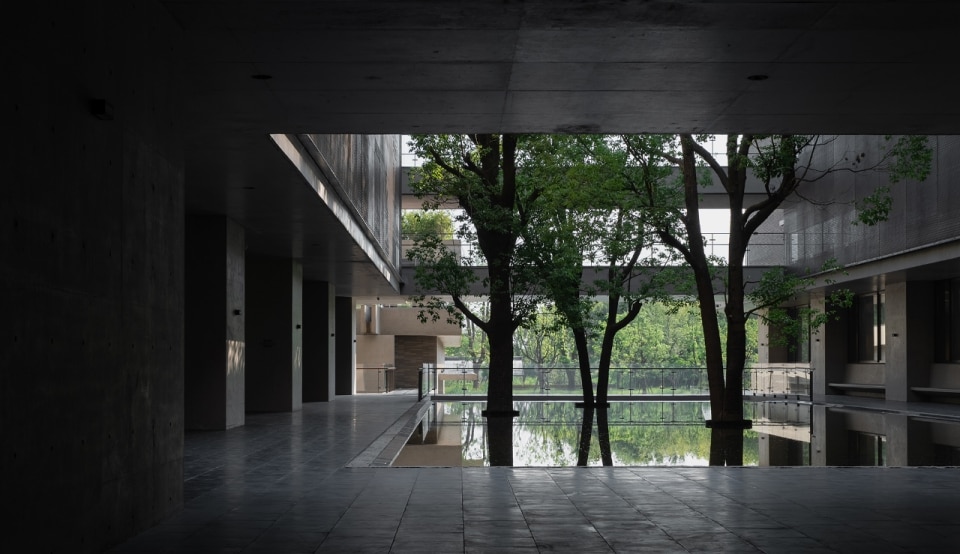
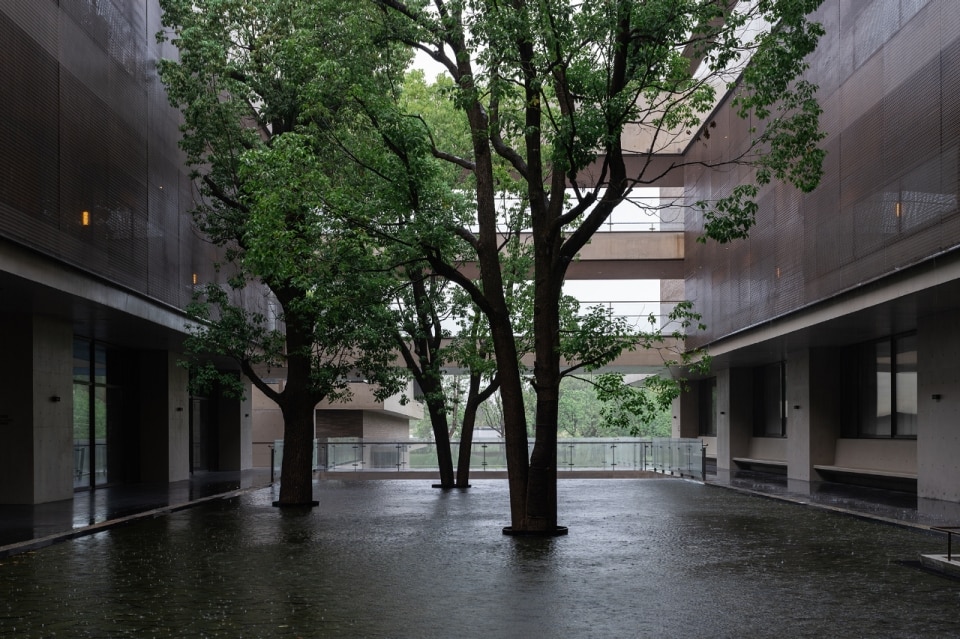
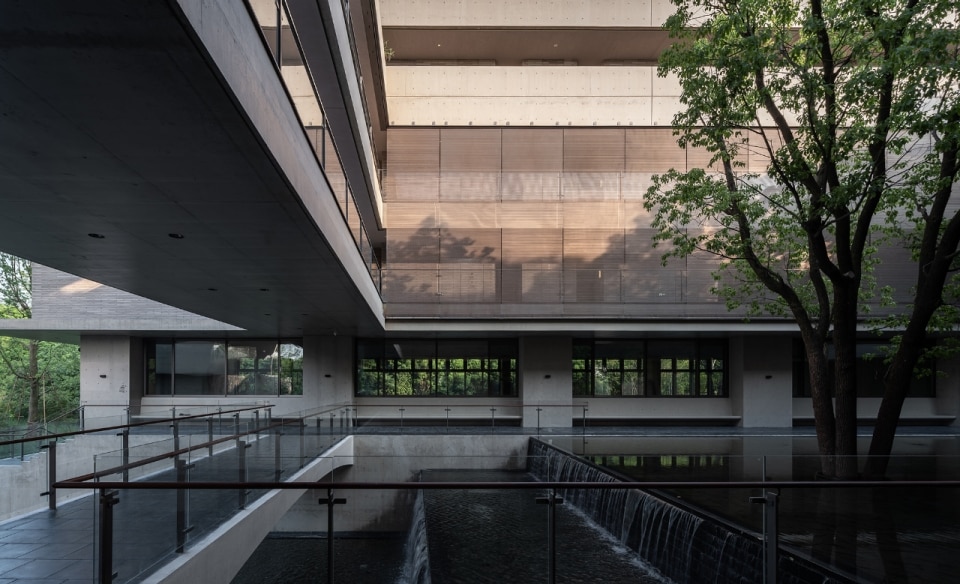
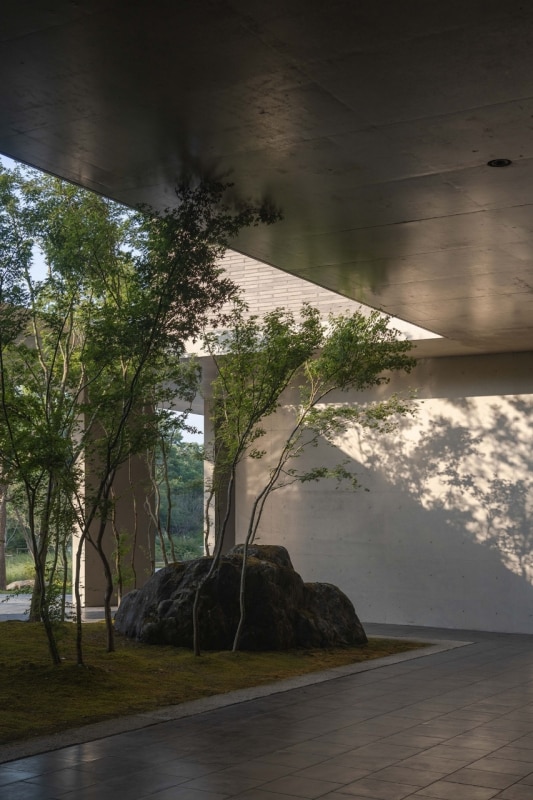
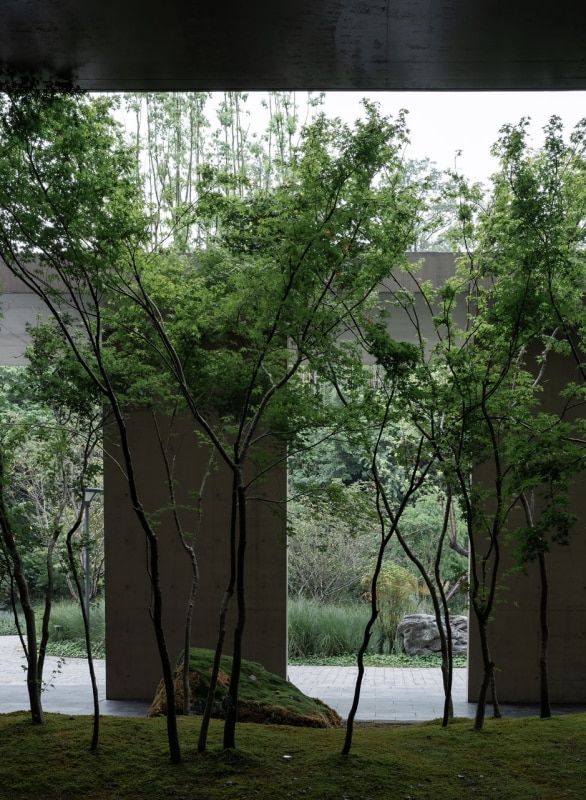
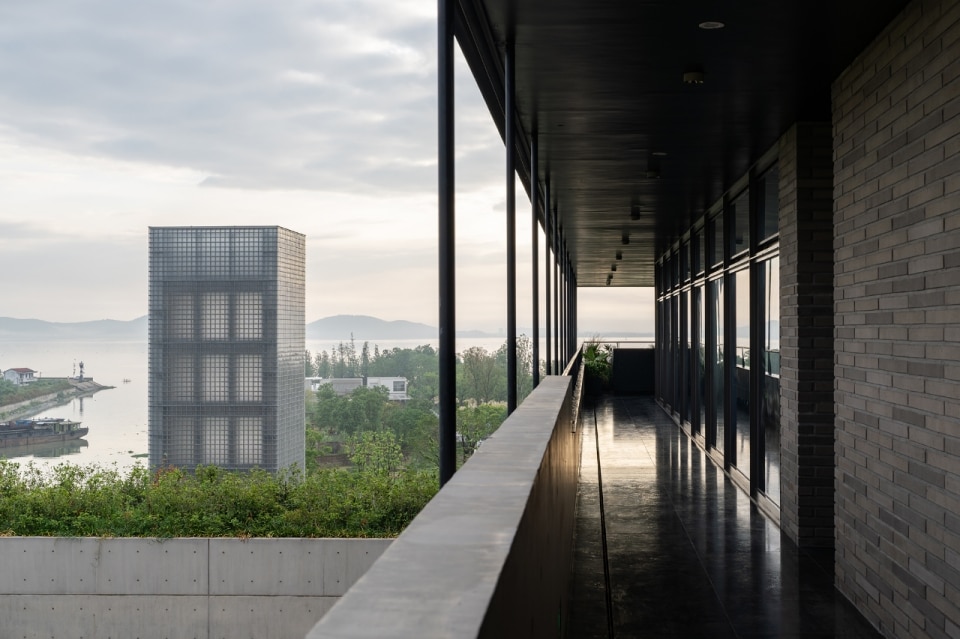
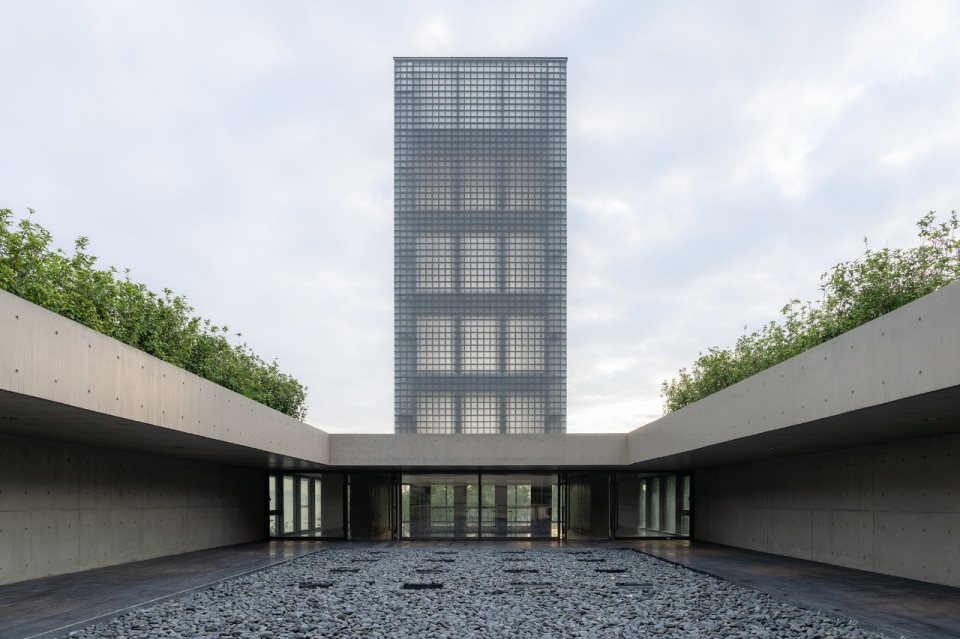
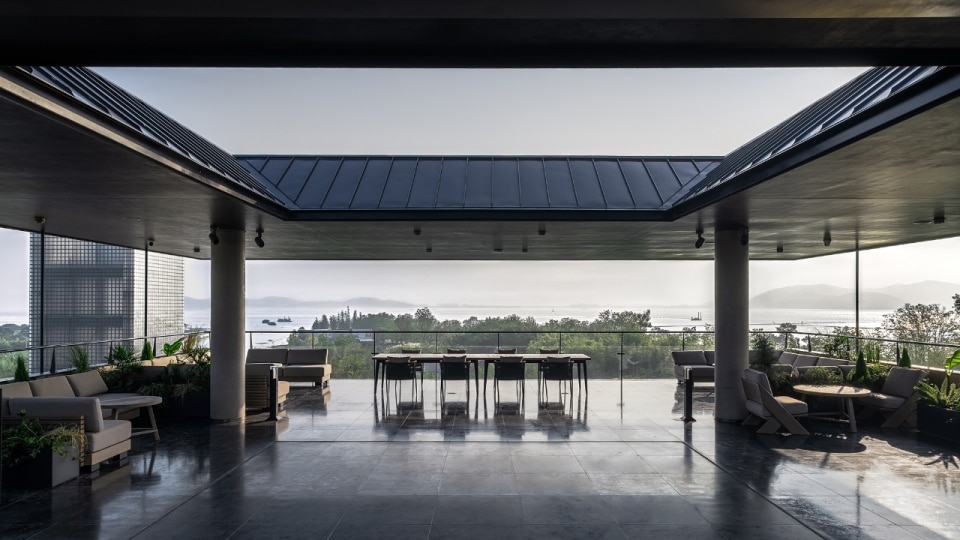
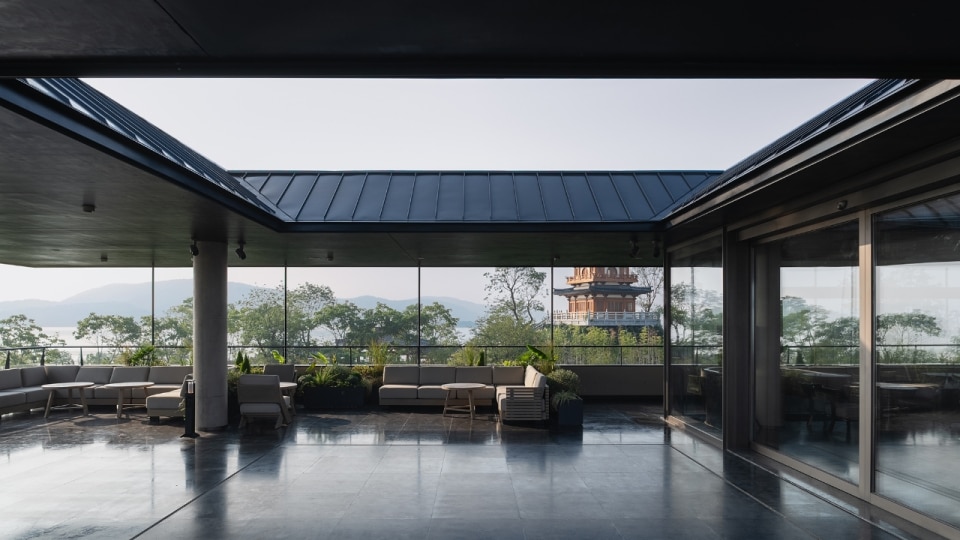
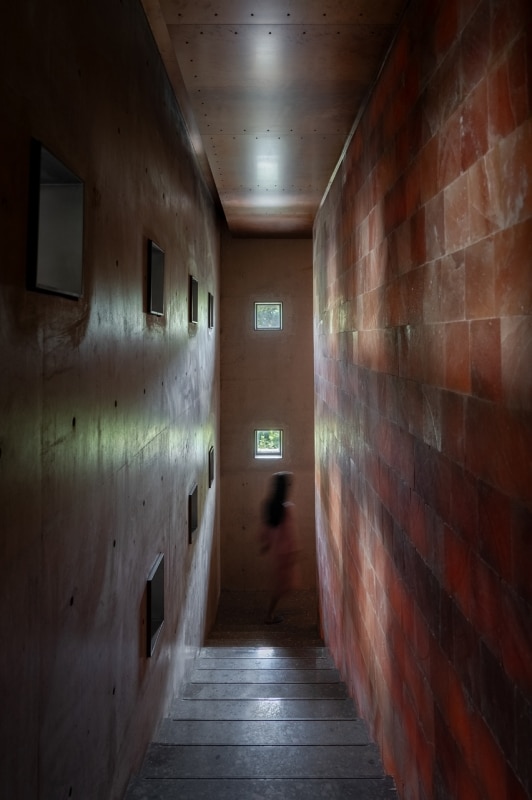
There are architectures that seek the sun, the light, the view. The Xirang Boutique Hotel, designed by Vector Architects in Jiangsu Province, China, seems instead to find its most intense moment when it rains.
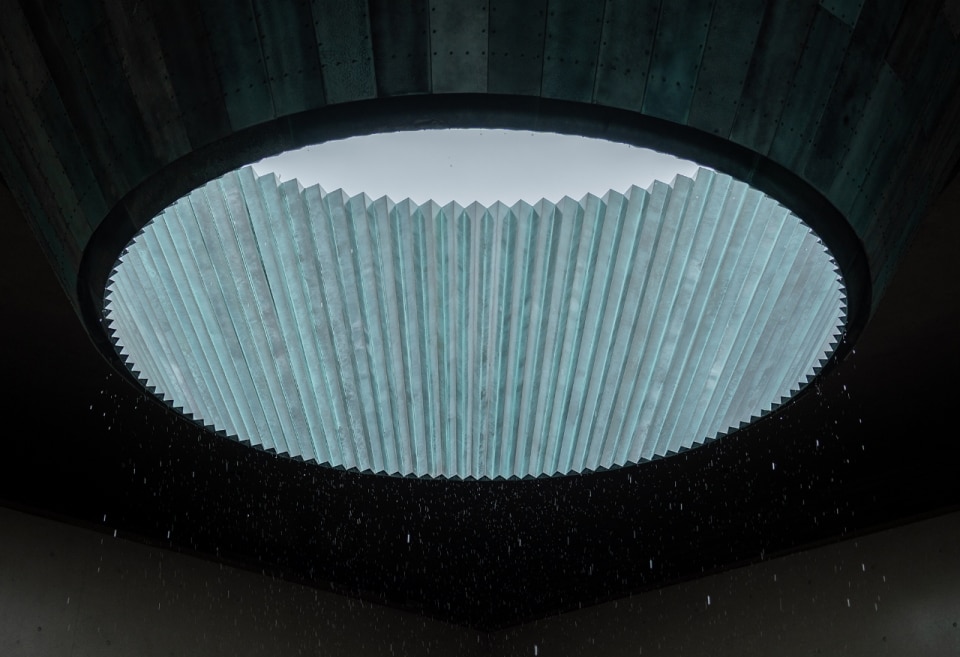
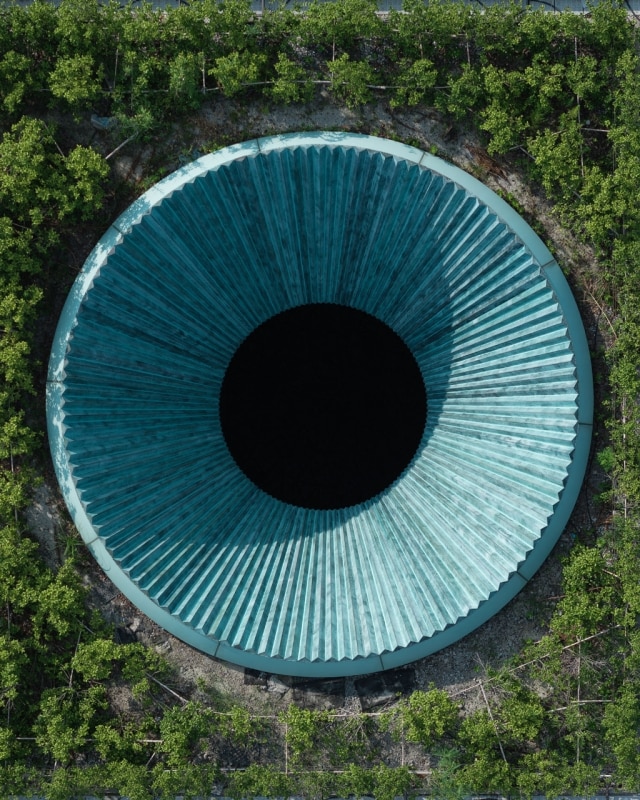
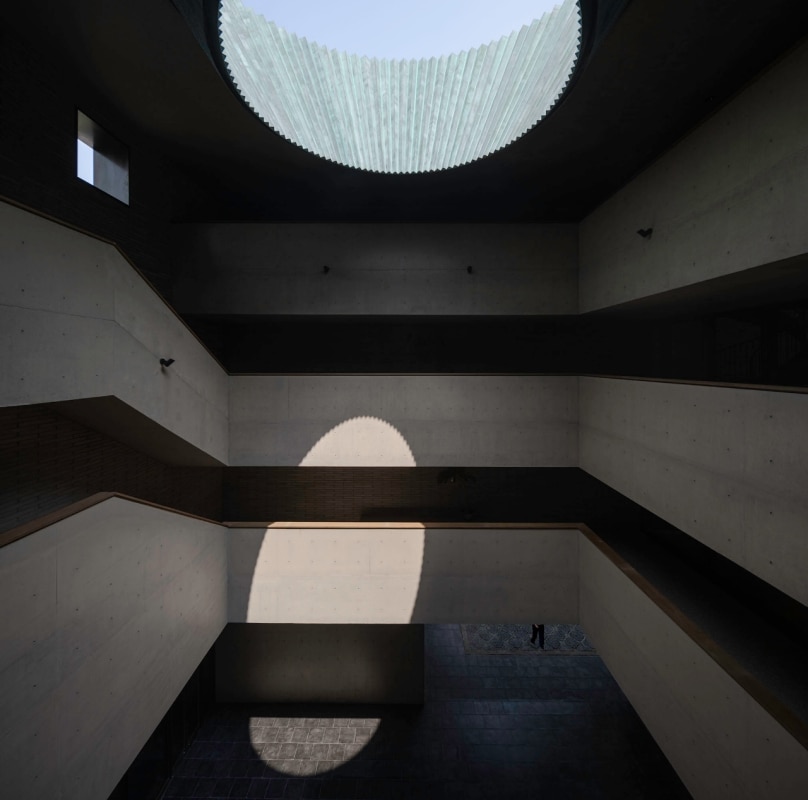
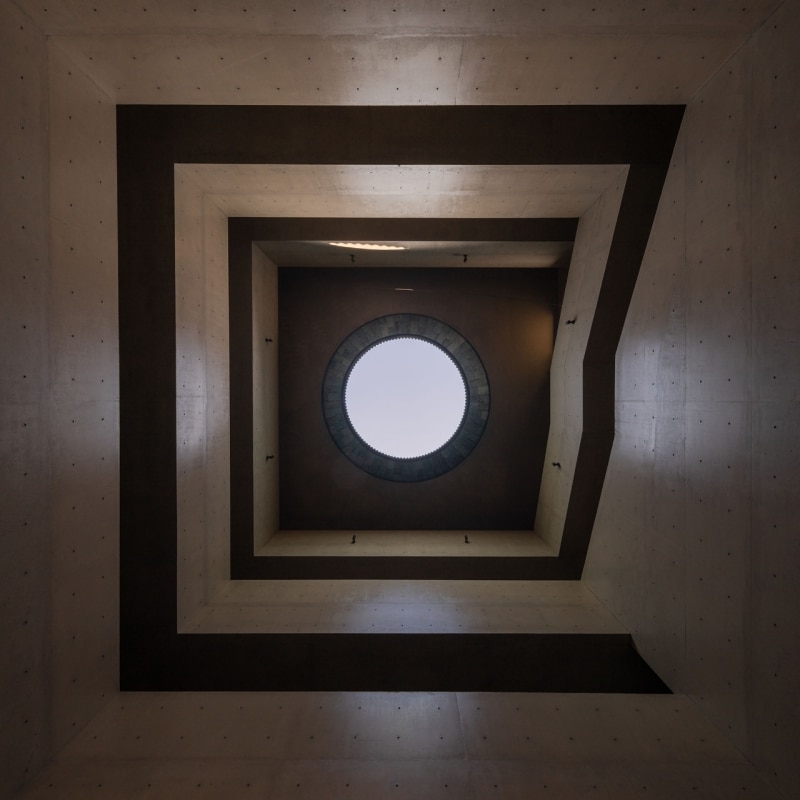
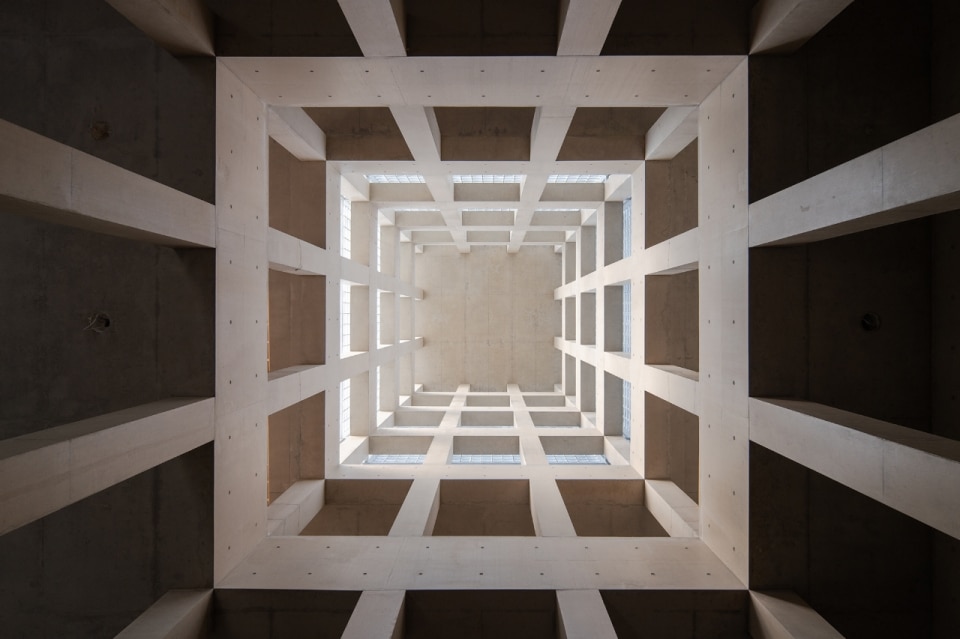
At the center of the building, a 16-meter-high inverted bronze cone channels rainwater into the heart of the Raindrop Atrium, amplifying its sound and turning the falling water into a spatial experience.
A hotel between four landscapes
The studio’s design approach, and this hotel in particular, reveals a deep capacity to connect with places and nature, drawing from the forms of the context to generate those of the building.

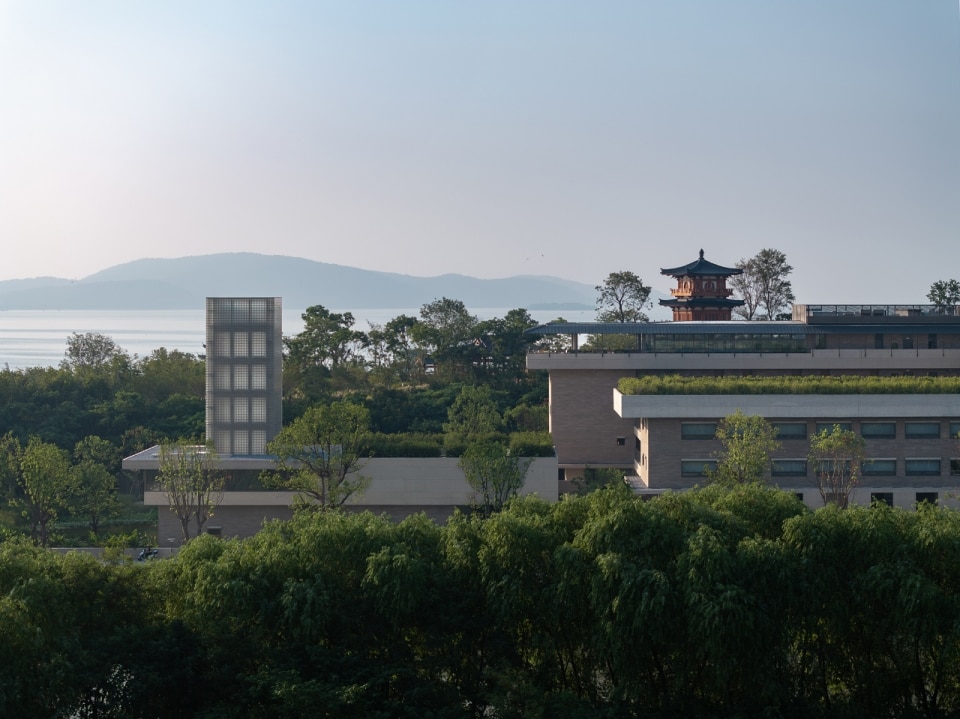
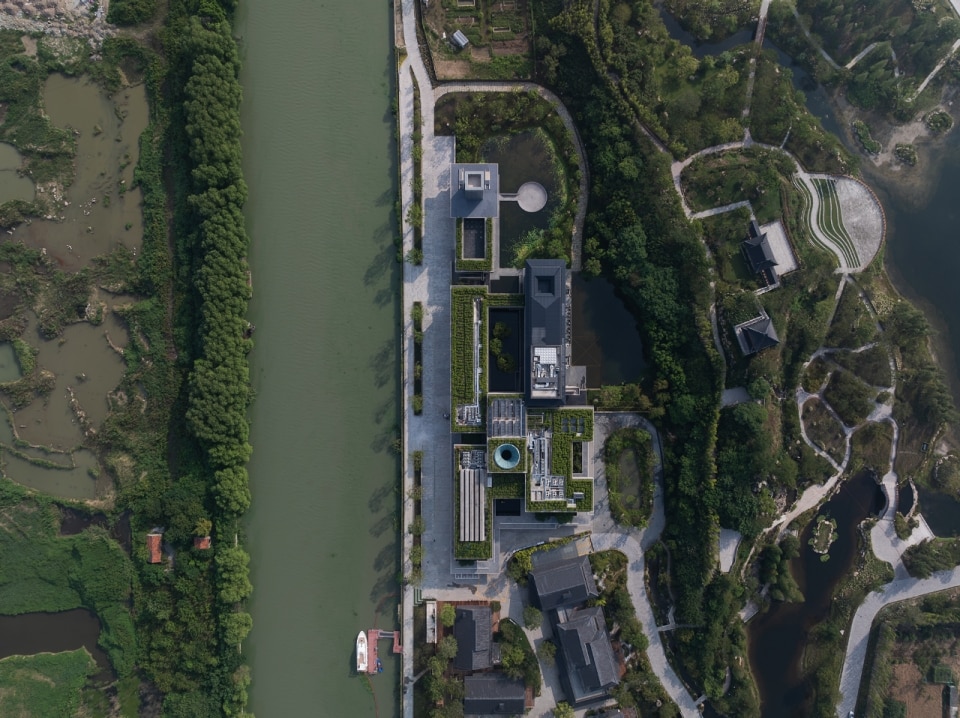
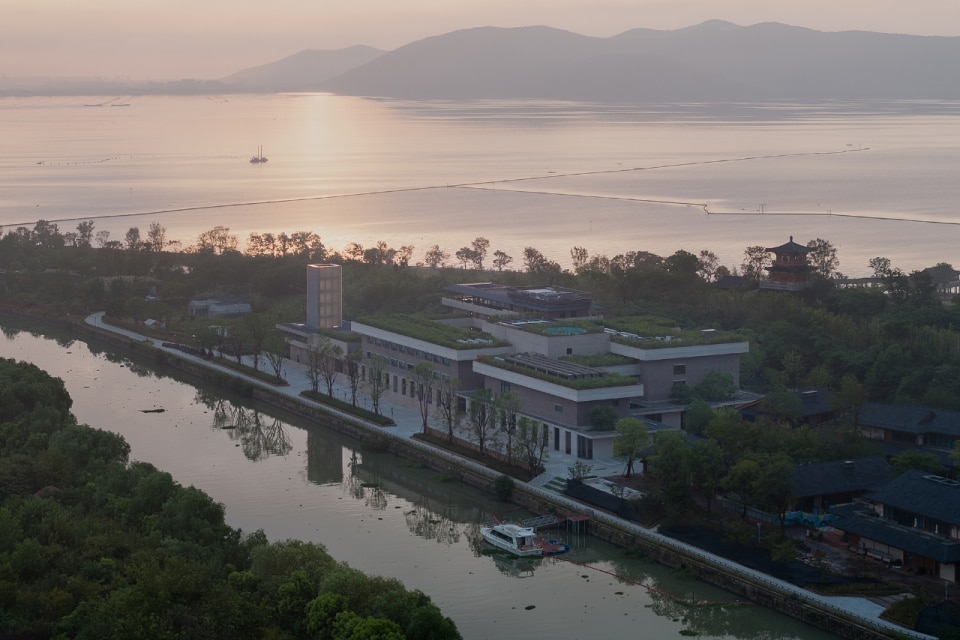
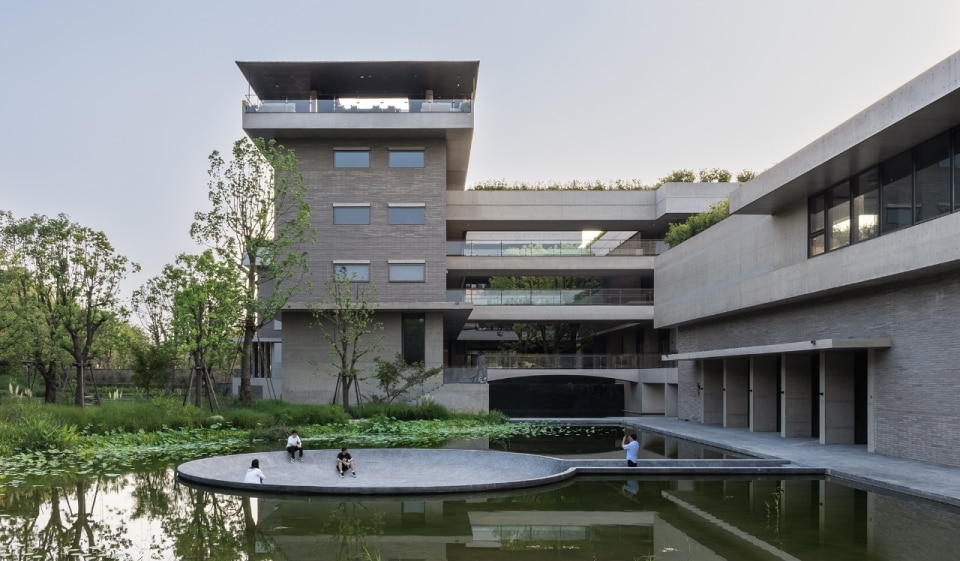
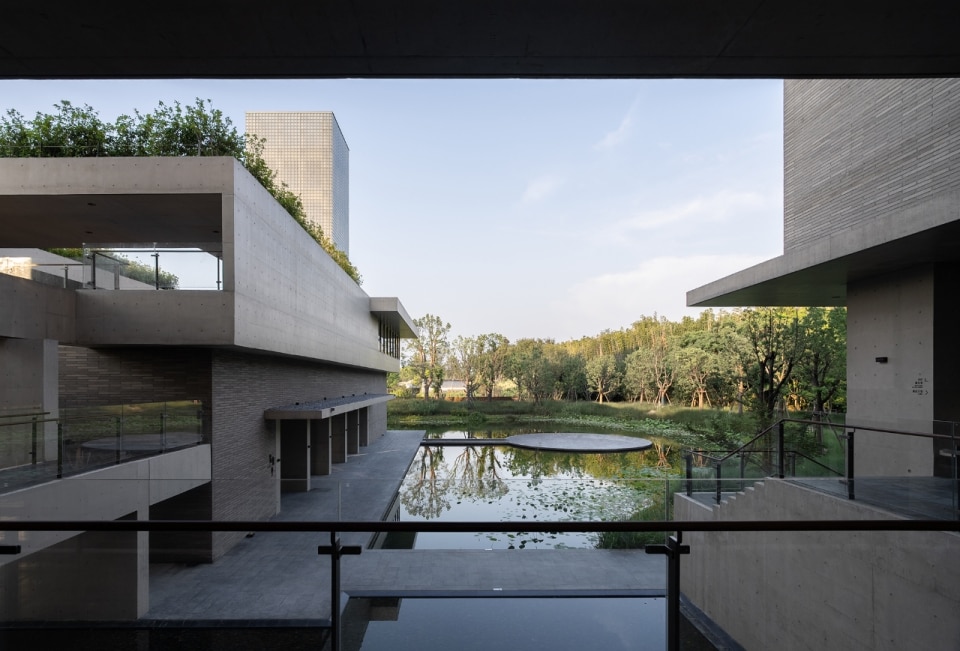
And here, the landscapes are many and diverse: the hotel is situated on a site bordered by Lake Taihu to the east, the Shatanggang Canal to the north, Mount Zhushan to south, and a local market to the west, constantly seeking to mediate and connect the different souls of this area.
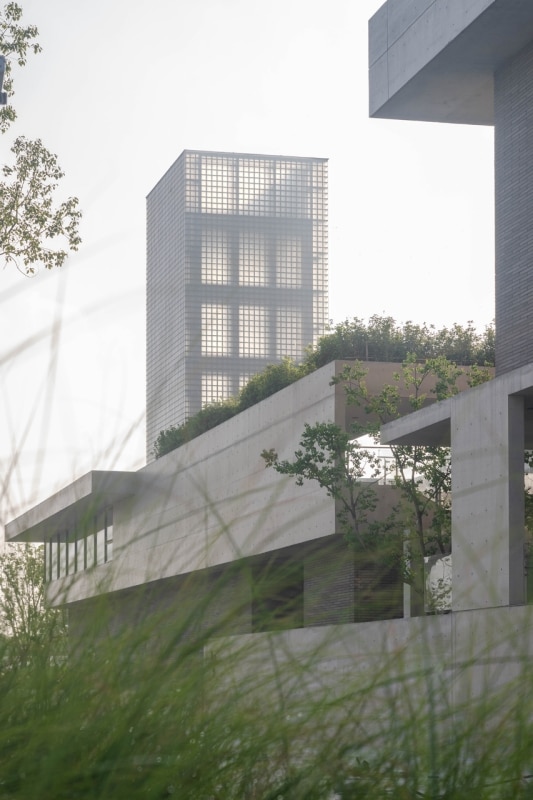
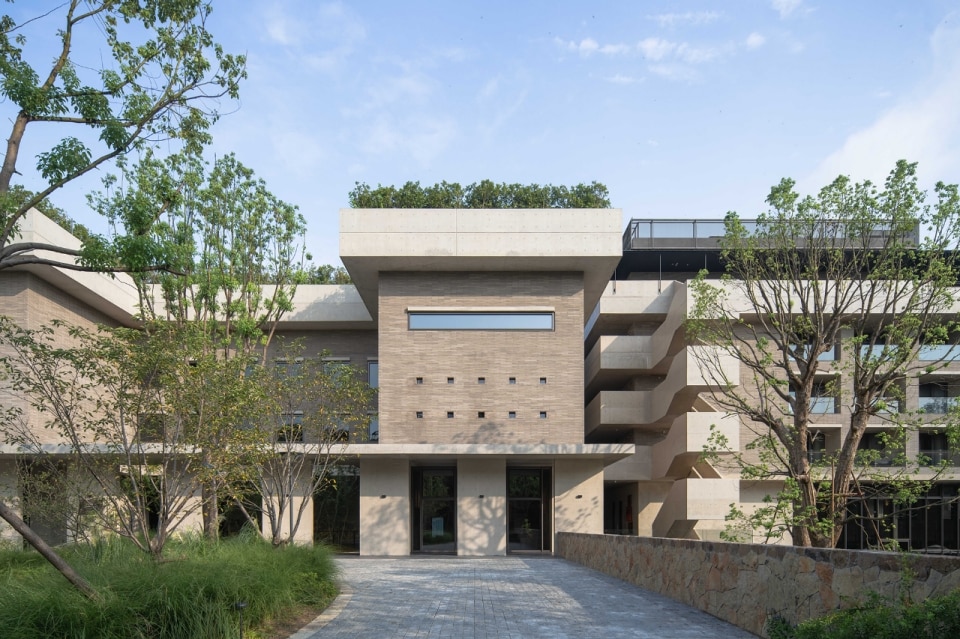
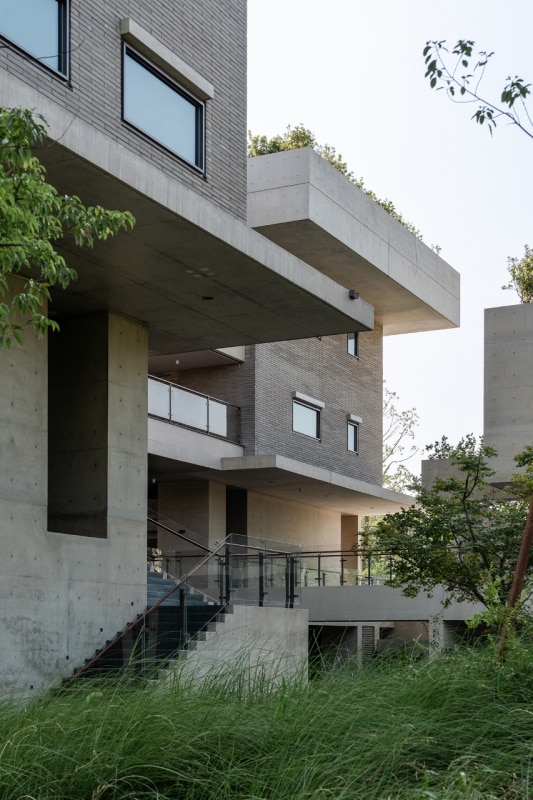
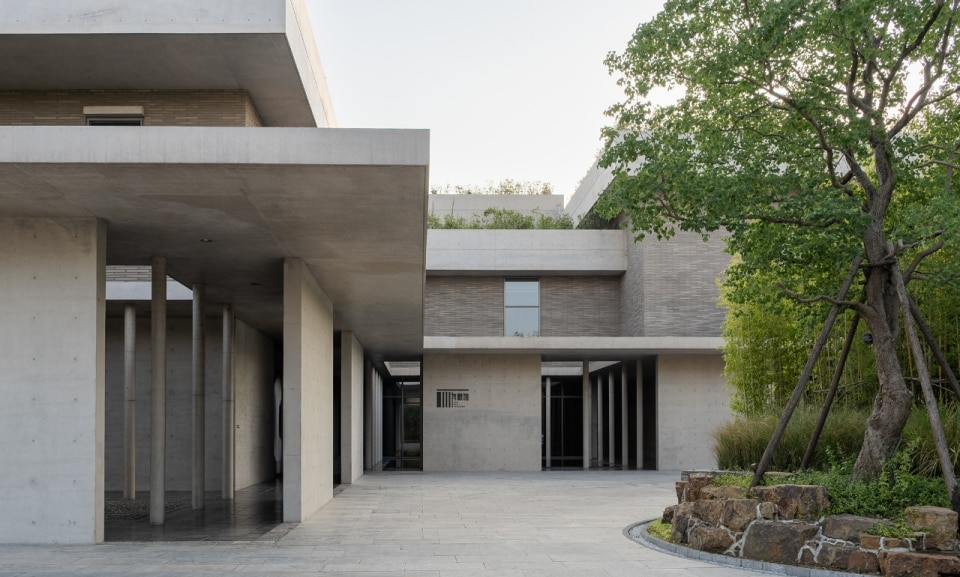
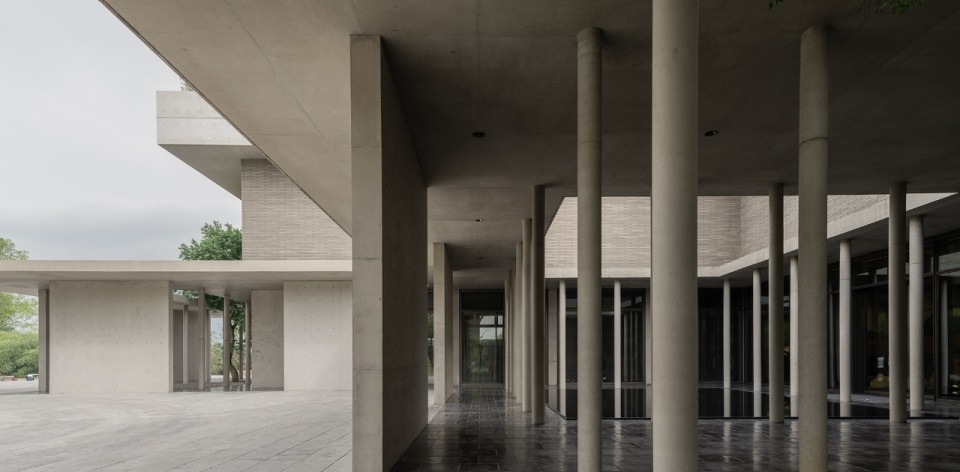
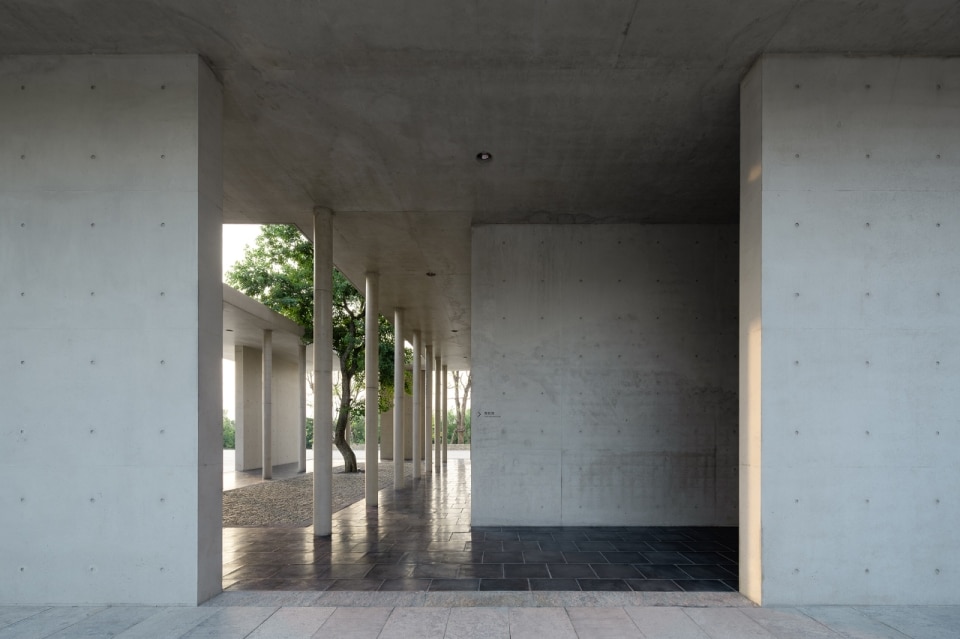
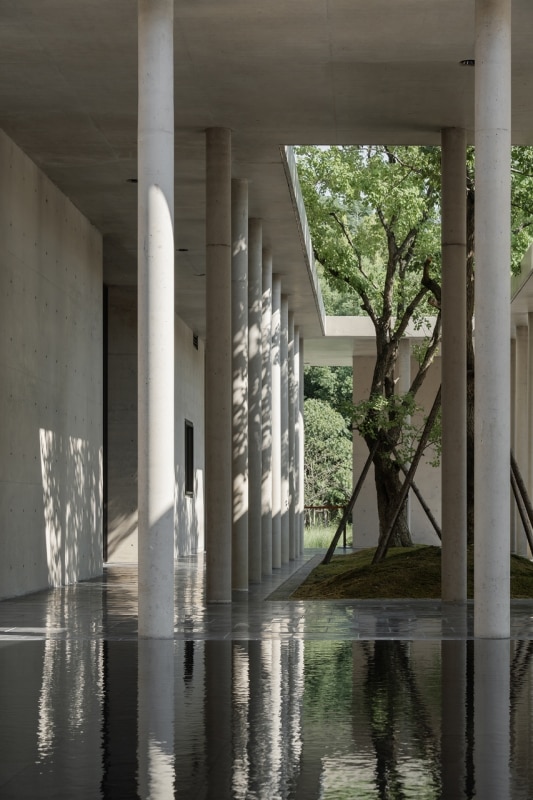
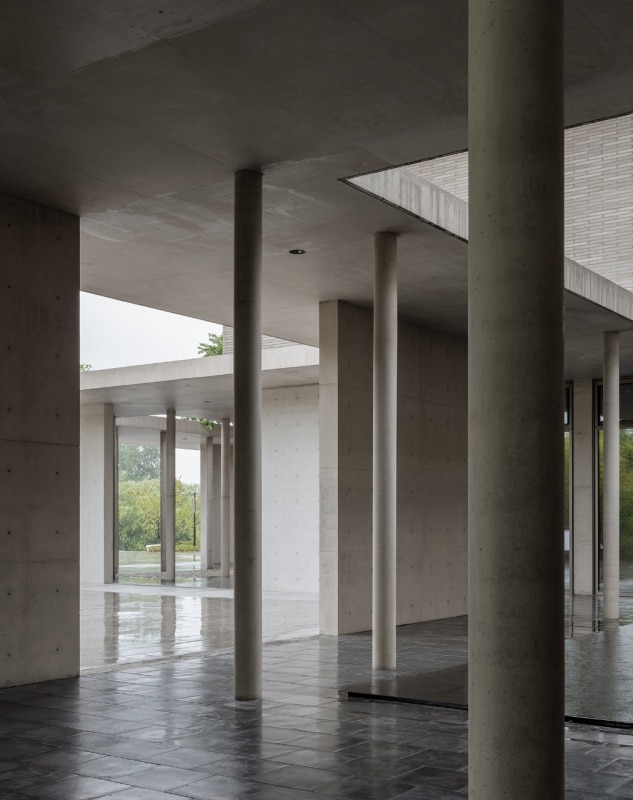
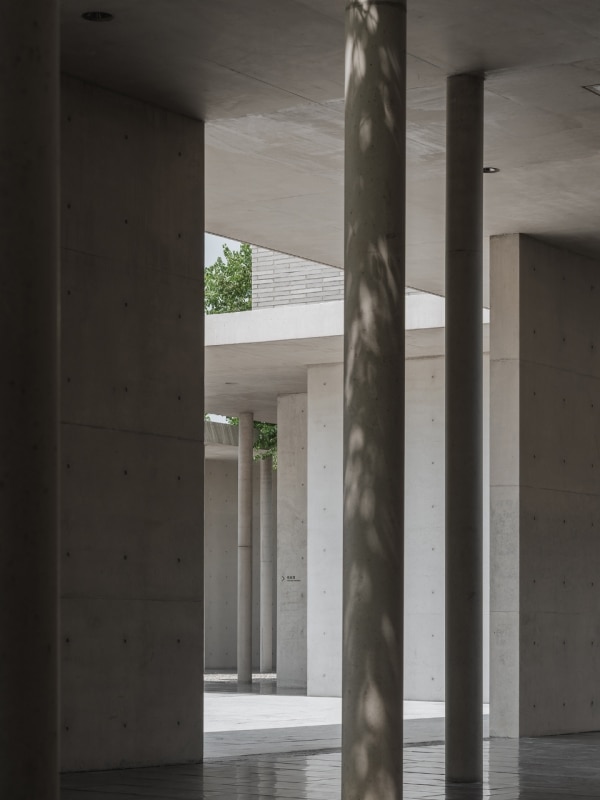
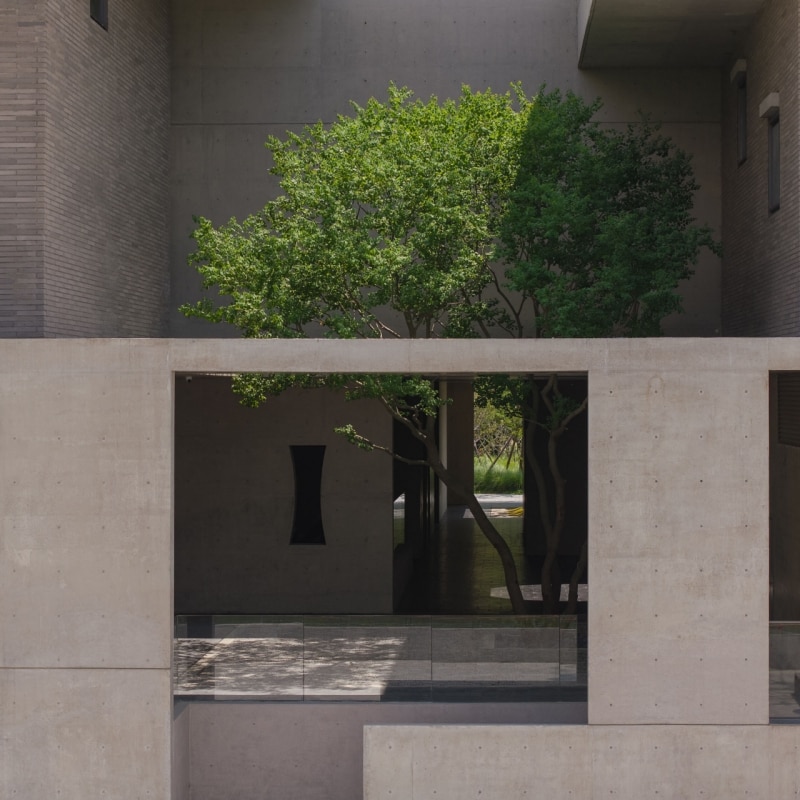
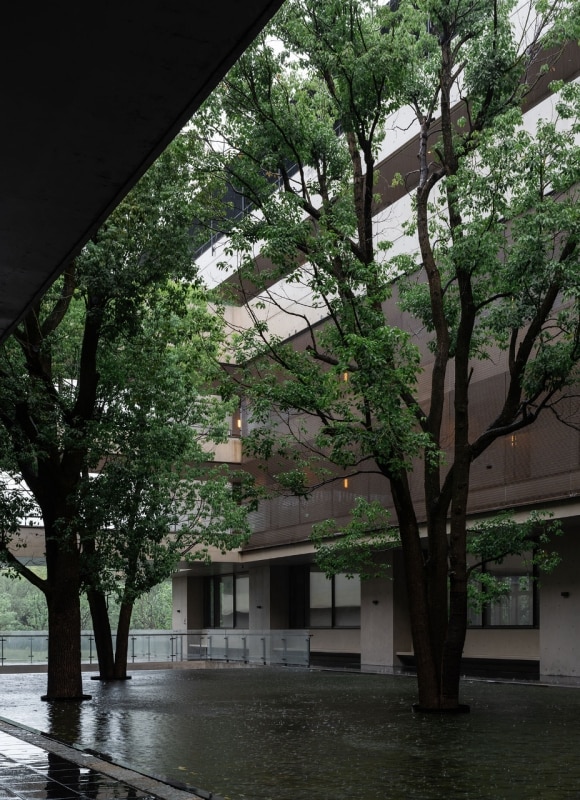
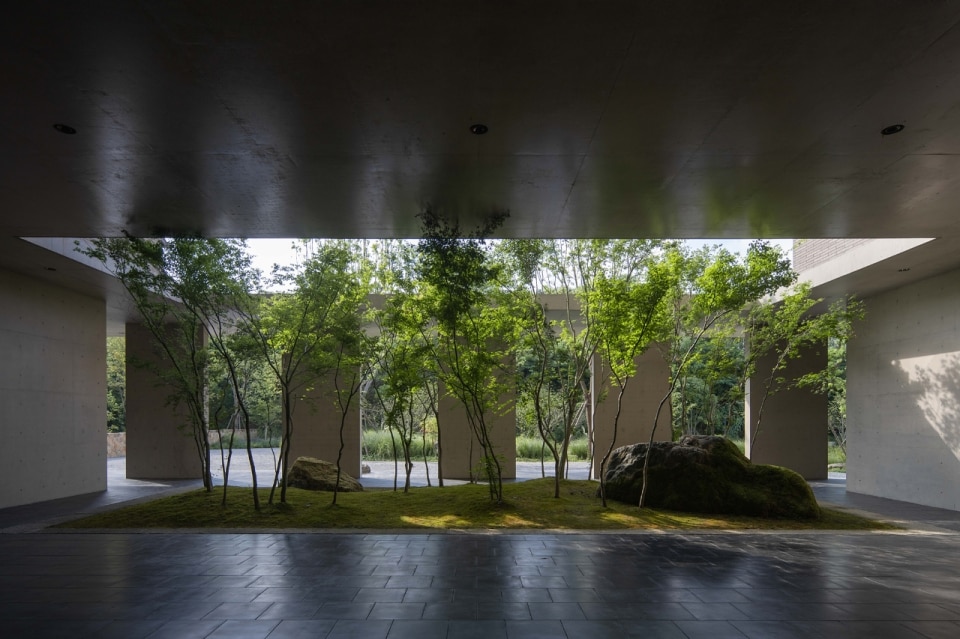
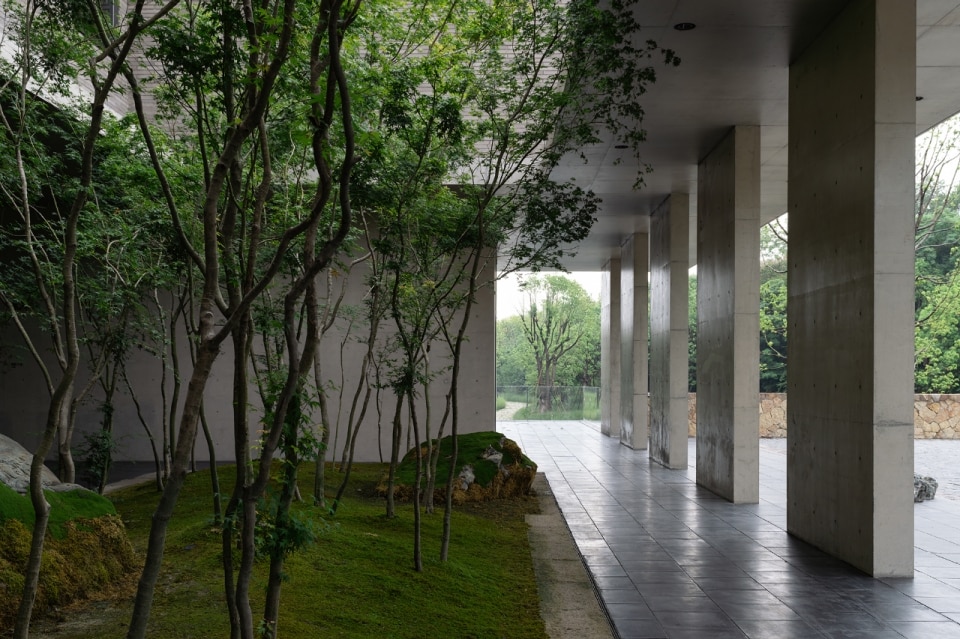
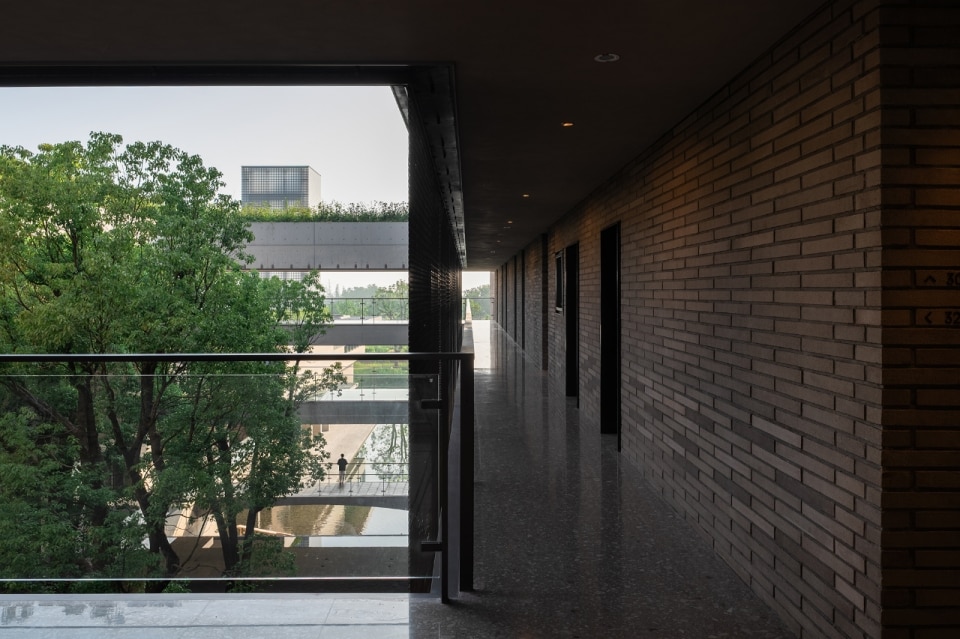
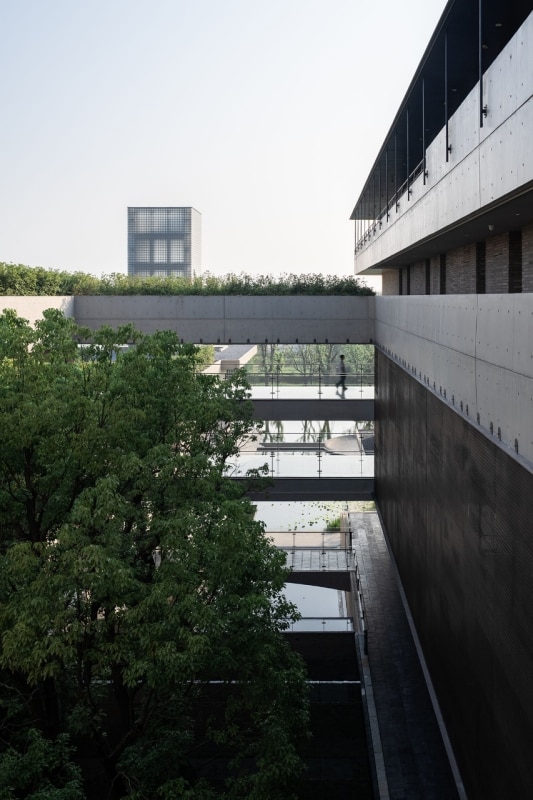
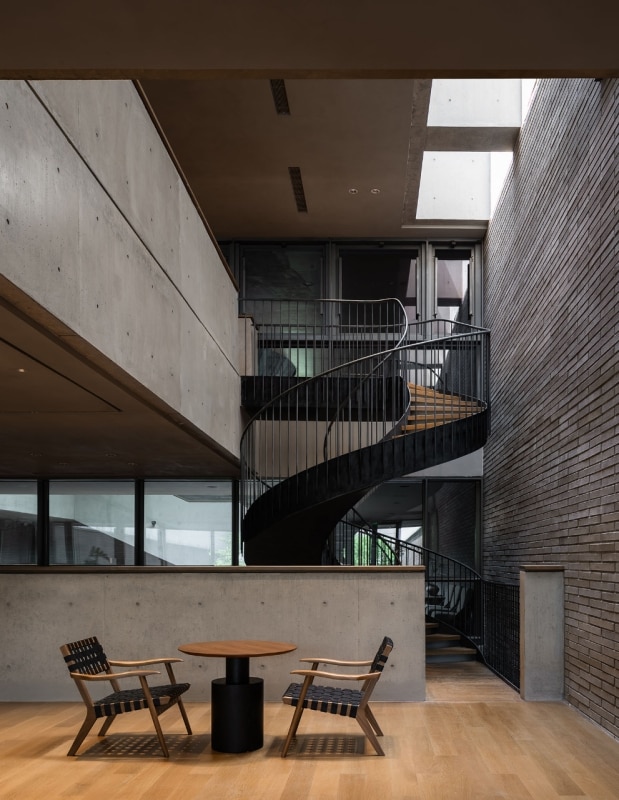
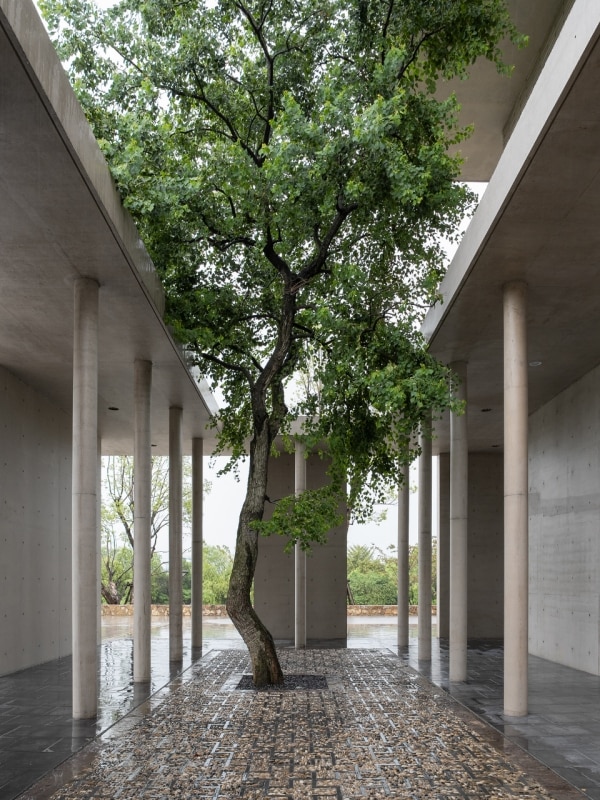
Thus, the spaces open up and articulate into loggias and courtyards, hosting—alongside the choreography of the rain—trees, water mirrors, air, and natural light, all narrated through the modulation of solids and voids and materials: bricks, glass, and oxidized metals.
Architecture as an optical device
Nine courtyards open up around the Raindrop Atrium, including the western one, which structures a series of gardens, and the Camphor Courtyard, overlooking Lake Taihu. The corridors of the guest rooms are screened by a copper mesh.
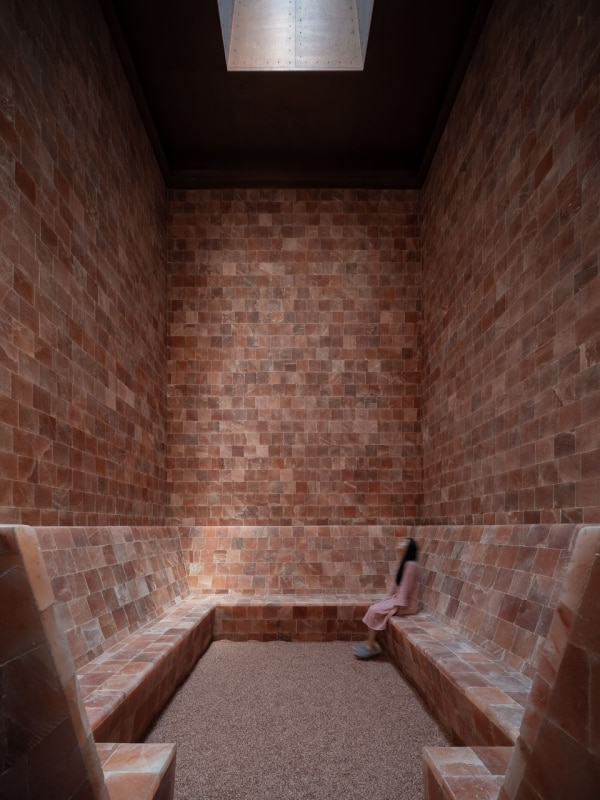
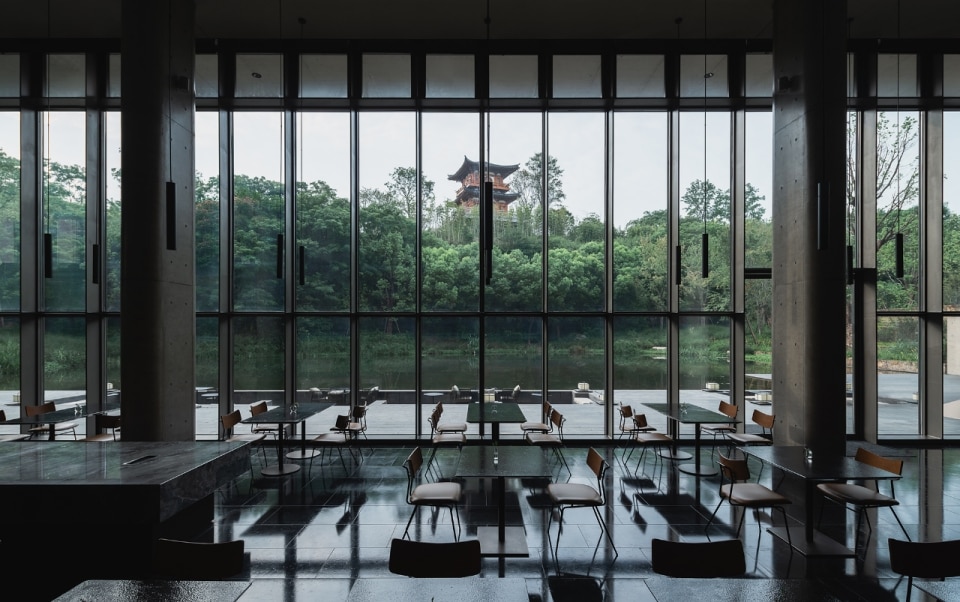
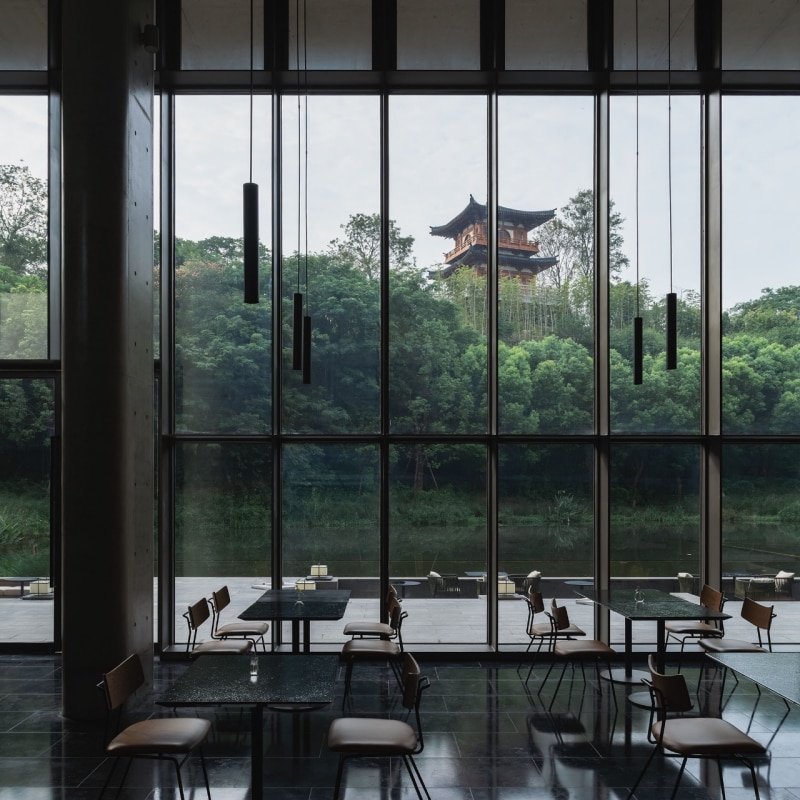
Thanks to their shape and arrangement, all architectural elements – columns, colonnades, windows, walls – work like a photographer’s eye: framing the views of the lake, the river, the mountain, and the market, projecting privileged viewpoints onto the surroundings from every corner of the hotel.
Opening image: Vector Architects, Xirang Boutique Hotel, Jiangsu, China, 2024. Photo by Luo Canhui