





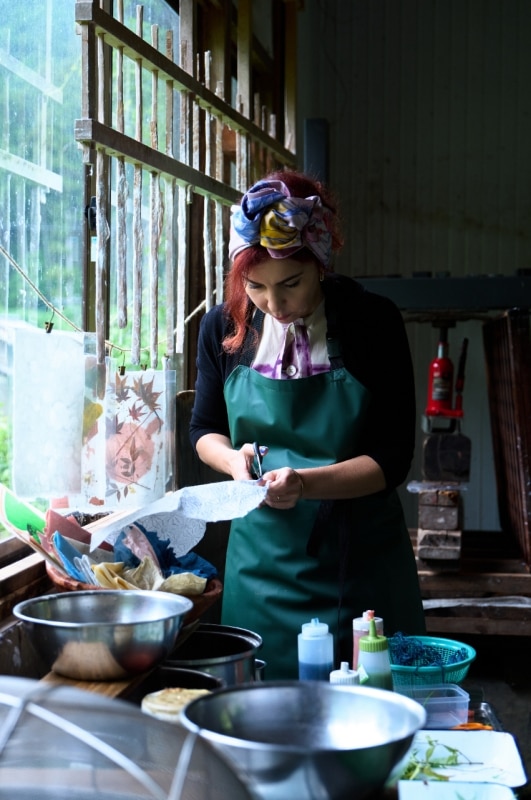
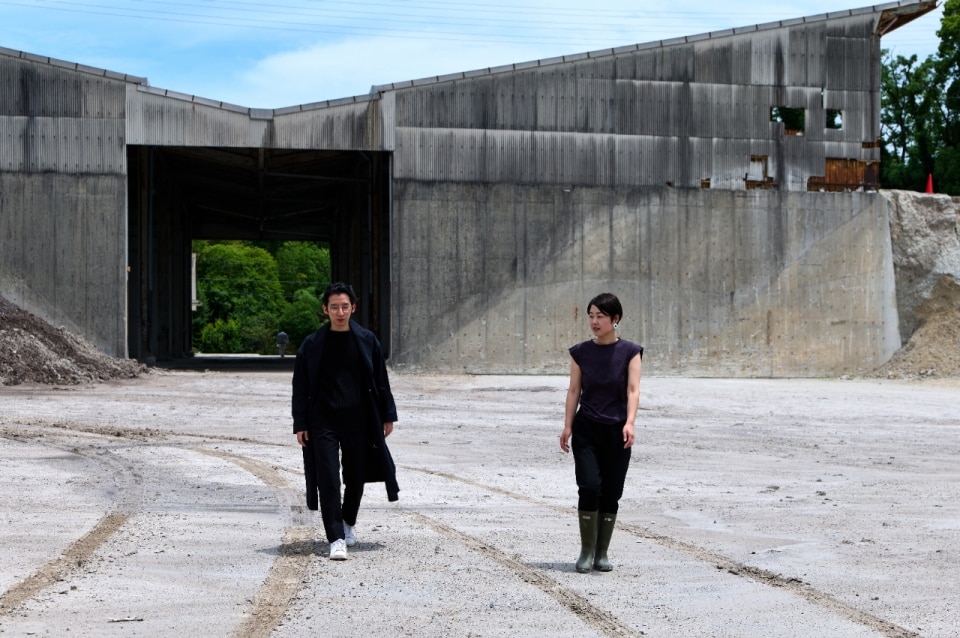
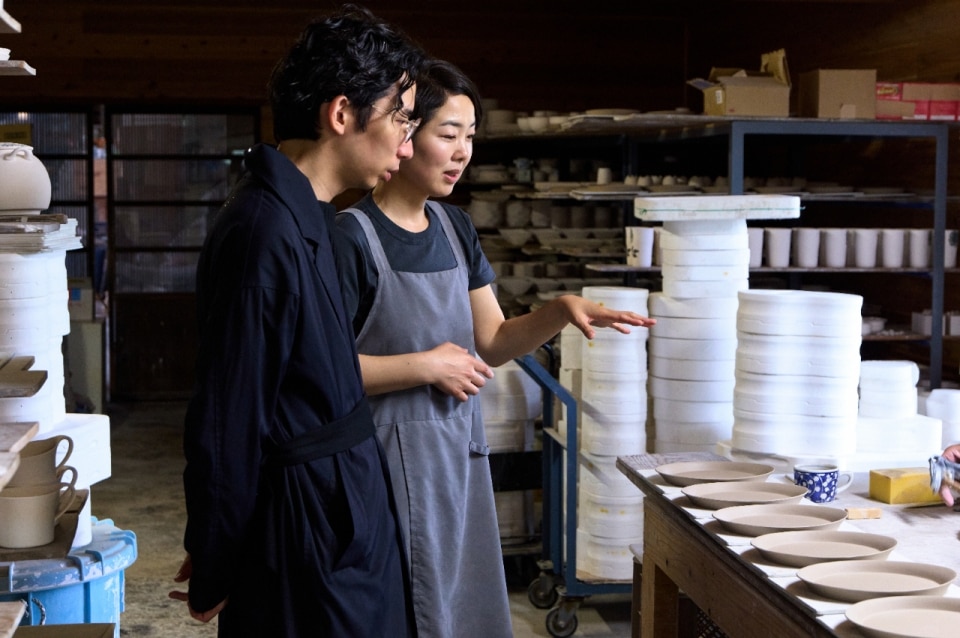

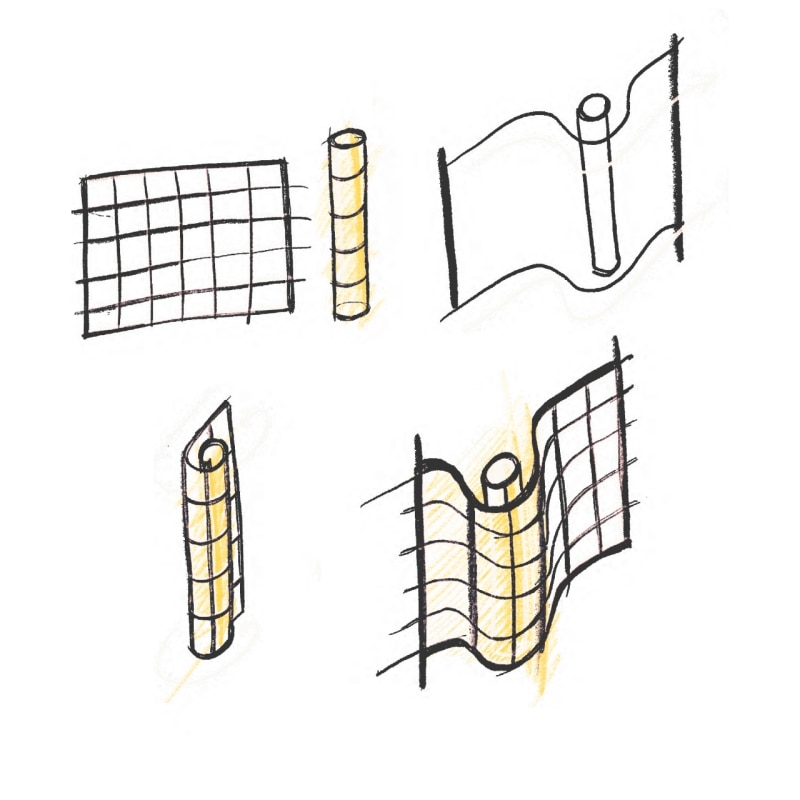
What we call “tradition”, in the context of manual work, is itself the result of an tireless process of innovation. Craftsmanship is not just about know-how: every practice embodies an intrinsic aesthetic sensitivity, and the method is the tool that brings it to fruition.
It is from these convictions that Craft x Tech originates, the project that travels across Japan — stopping from May 30 to June 2 at Kudan House in Tokyo — pairing ancient artisan workshops with some of the most important designers on the contemporary scene. The result is unprecedented products, in which the two visions do not collide, but complement each other.
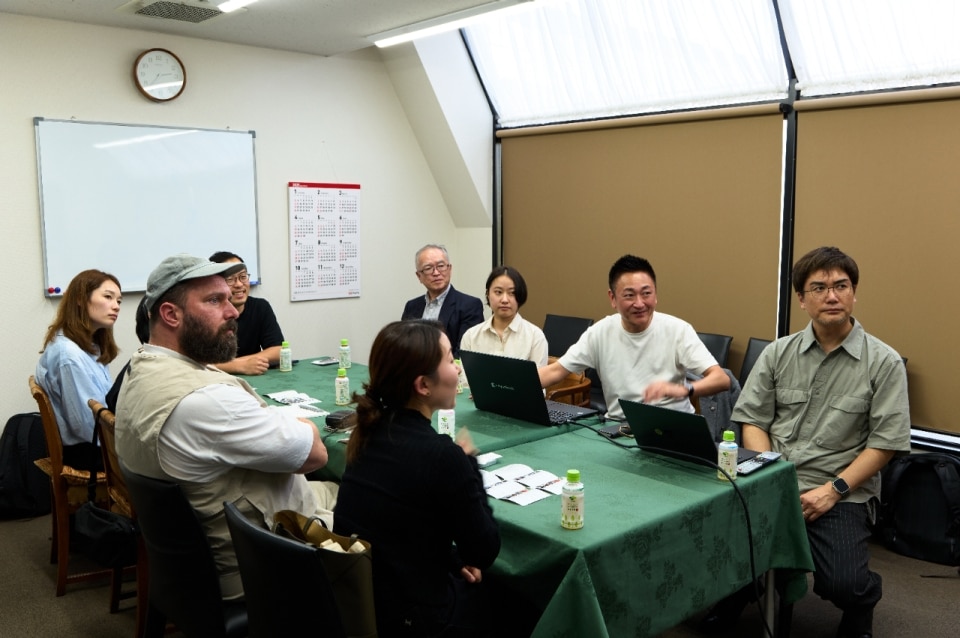
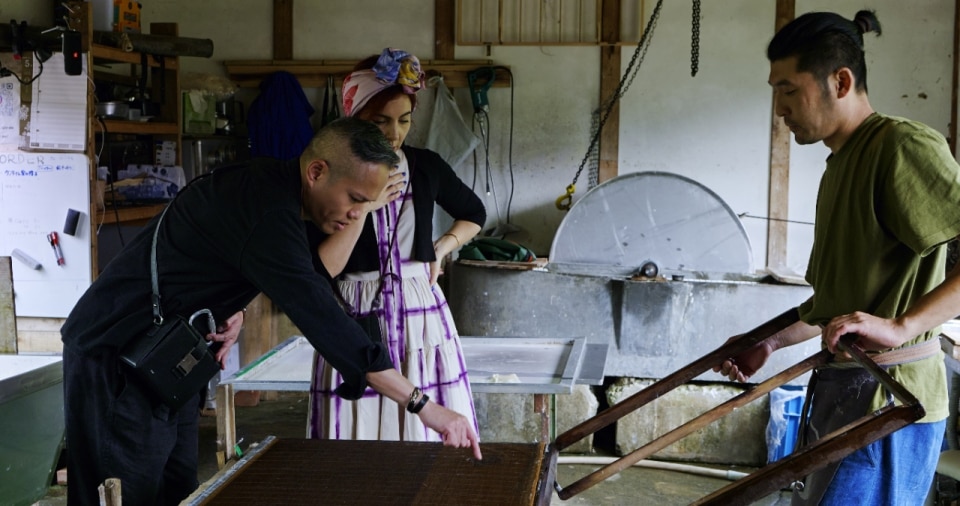
The format is a total immersion: for a week, designers from all over the world visit textile, paper, wood, and many other workshops, observing the work of skilled hands to trace a personal and contemporary interpretation.
The first edition of the project — founded by Hideki Yoshimoto, designer and professor at Rcast at the University of Tokyo, and developed with Maria Cristina Didero, curator and Domus contributor — explored the Tohoku region in the north-east of the country. Here, six fortunate encounters gave life to as many projects, establishing a deep partnership with the six prefectures of the area.
Contemporary designers inside the workshops of Tohoku
Michael Young engaged with the cast iron of Nambu Tekki, Yoichi Ochiai manipulated Oitama Tsumugi fabrics, and ancient lacquering techniques — those also dear to Eileen Gray — generated two opposing visions: that of Ini Archibong with Tsugaru Nuri and that of Sabine Marcelis with Kawatsura Shikki. Finally, Studio Swine explored the complex cabinetmaking of Sendai Tansu. The results exceeded expectations, translating into artifacts that found a place in the galleries of the Victoria & Albert Museum during the last London Design Festival.
The long-term objective is ambitious: to cross all eighteen regions of Japan in search of specific techniques, with the conviction that these practices do not belong to the past, but can powerfully inhabit the contemporary landscape. “I believe that Japanese culture has always possessed the unique ability to absorb external influences, transforming them into something deeply its own”, Hideki Yoshimoto tells Domus.
A dialogue between centuries-old techniques and global design
This year, for its second edition, Craft x Tech stops in the workshops of the Tokai region, with an exhibition opening on May 30 at Kudan House in Tokyo before travelling to London for the London Design Festival, from September 12 to 20, 2026.
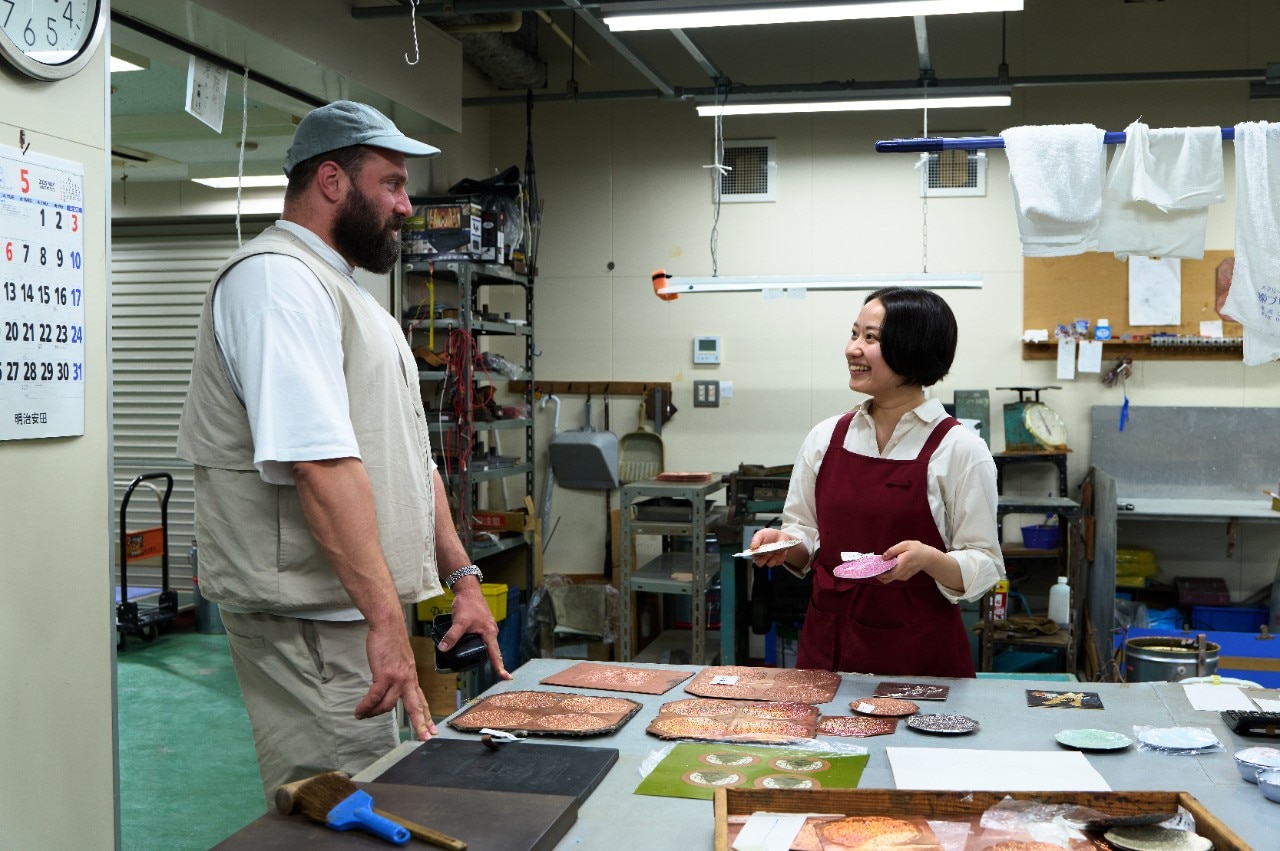
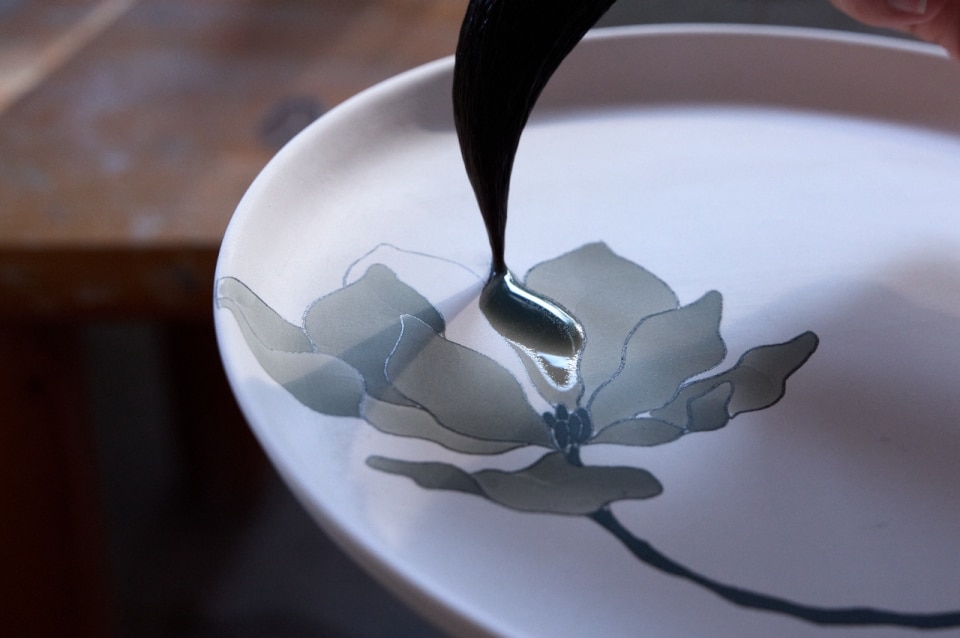
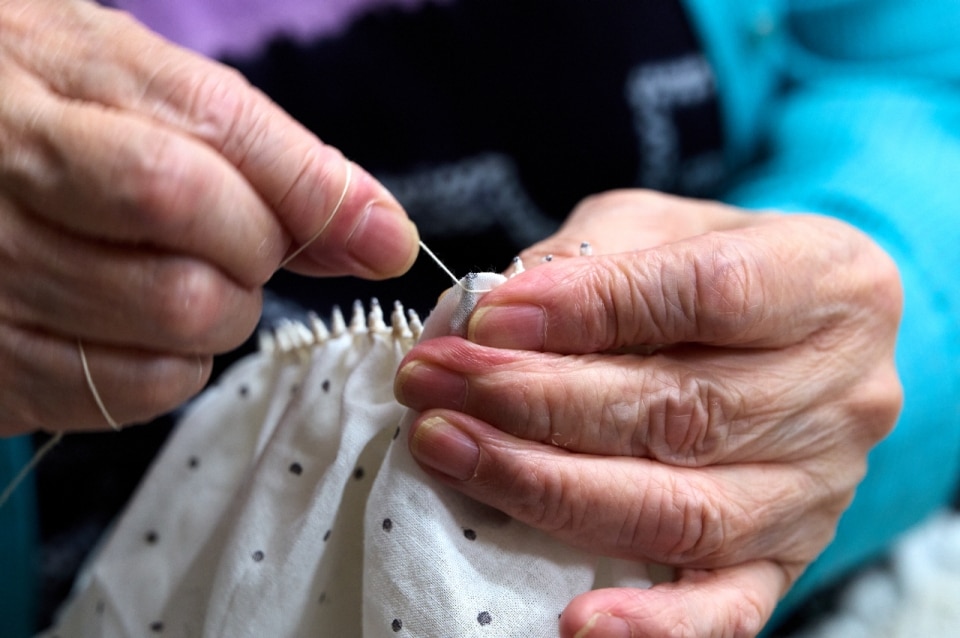
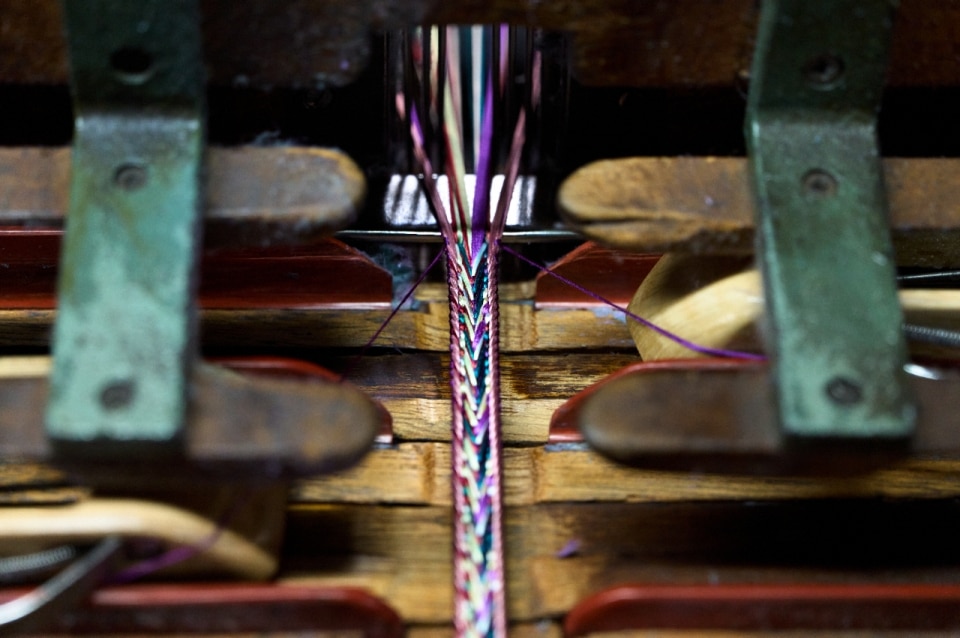
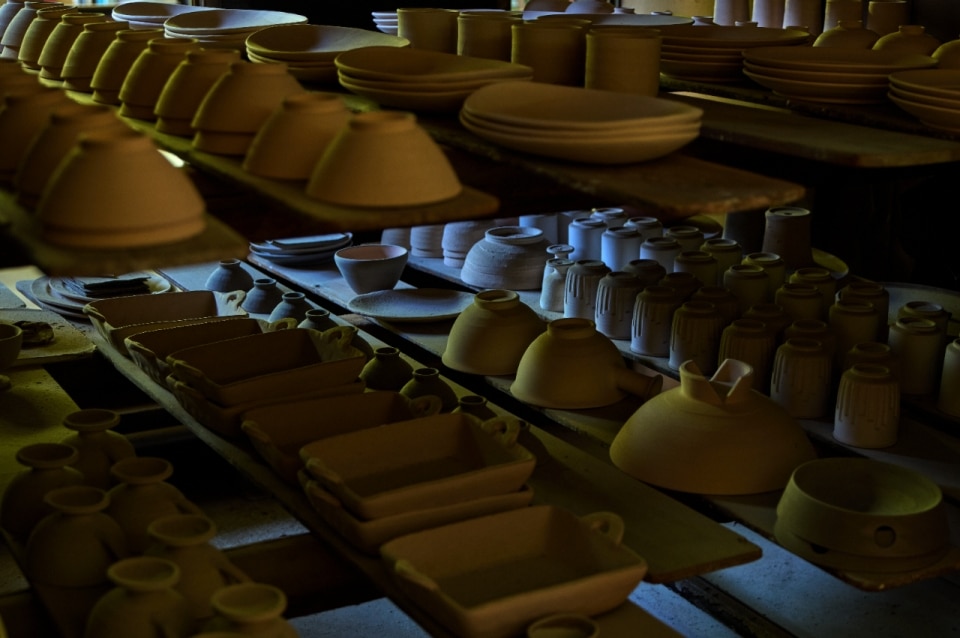
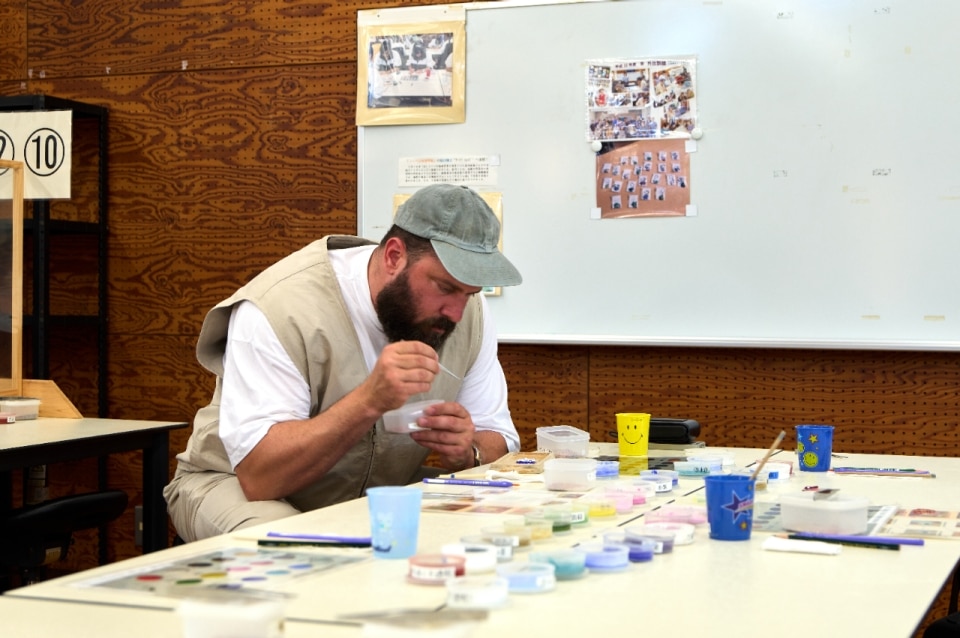
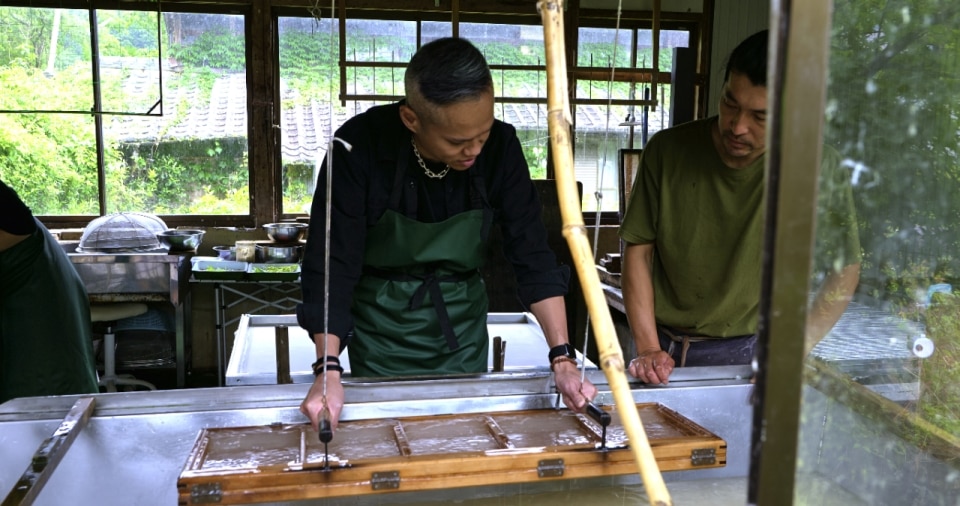
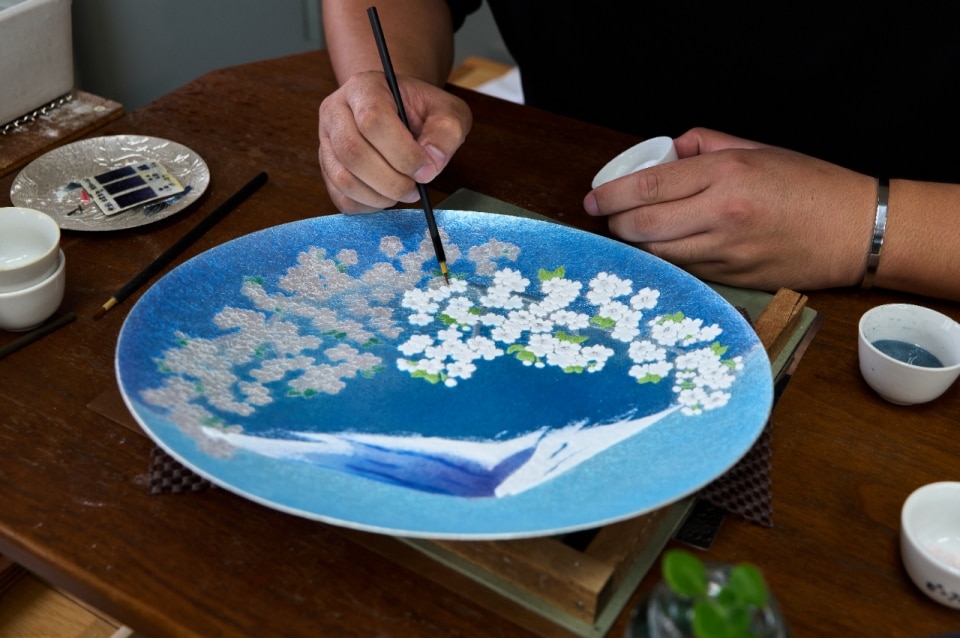
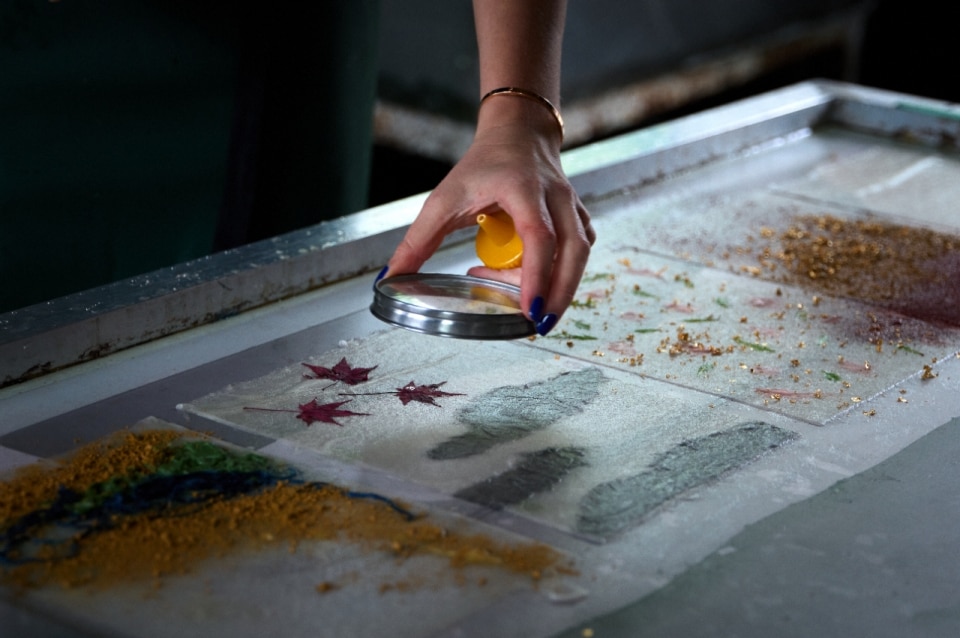
The new chapter sees David Caon grappling with Mino Yaki ceramics and the duo Lanzavecchia + Wai with Mino Washi paper, in Gifu Prefecture; Bethan Laura Wood will work on the textures of Arimatsu Narumi Shibori fabric, while Philippe Malouin will explore the brilliance of Owari Shippo enamel and Eugene Kangawa the Seto Sometsuke Yaki ceramics. Atang Tshikare will instead dedicate himself to the thousand-year-old art of Iga Kumihimo weaving in Mie Prefecture. In parallel, Tokyo University will host the symposium “Craft as a Response”, dedicated to the role of craftsmanship in contemporary design, featuring international figures such as Naoto Fukasawa.
More than producing simple objects, the project tries to build a method: relating different eras, design cultures, and sensitivities, seeking in craftsmanship not a nostalgia for the past, but a form of knowledge that is still alive. At a time when design often seems to chase the speed of technological innovation and artificial intelligence, Craft x Tech suggests instead that the future could also be born from slowness, from the transmission of gestures, and from the depth of materials.
Why the future of design could come from tradition
“For some time, I have drawn inspiration from the silent dialogue between Japanese tradition and modernity, embodied in the collaboration between Isamu Noguchi and the lantern manufacturer Ozeki”, explains Yoshimoto. It is an echo that can still be heard today, which is reflected in similar experiments in other parts of the world.
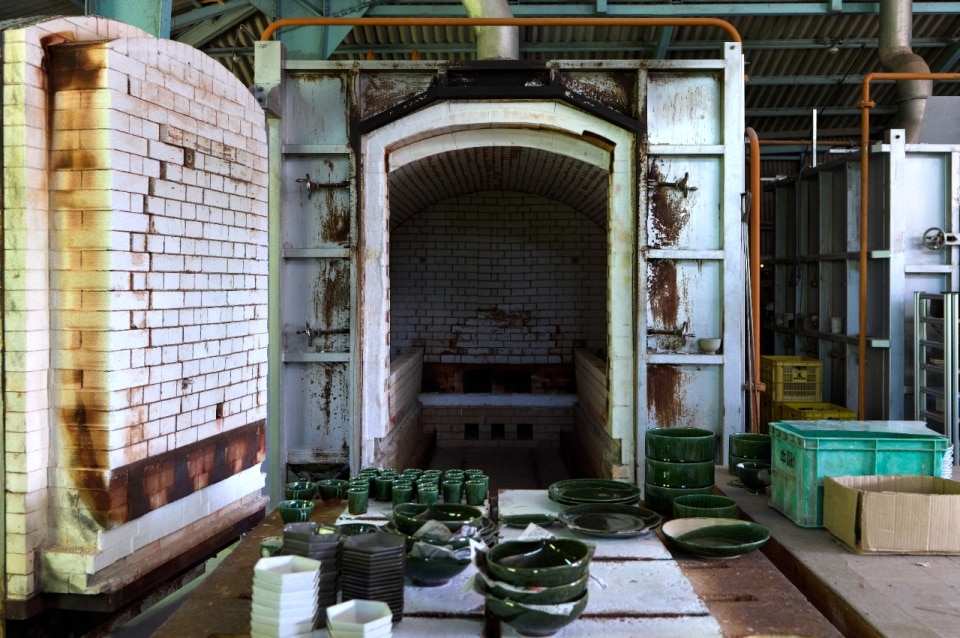
Observing these parallel explorations through different artisan cultures reinforces the conviction that traditional techniques are not static, but a living body of knowledge capable of continuously responding to the present — and perhaps even shaping the future of design.
Opening image: Craft x Tech Tokai Project Site Visit, 2025, Arimatsu Narumi Shibori, Japan. Photo Noritoshi Kuroki. Courtesy Craft x Tech