

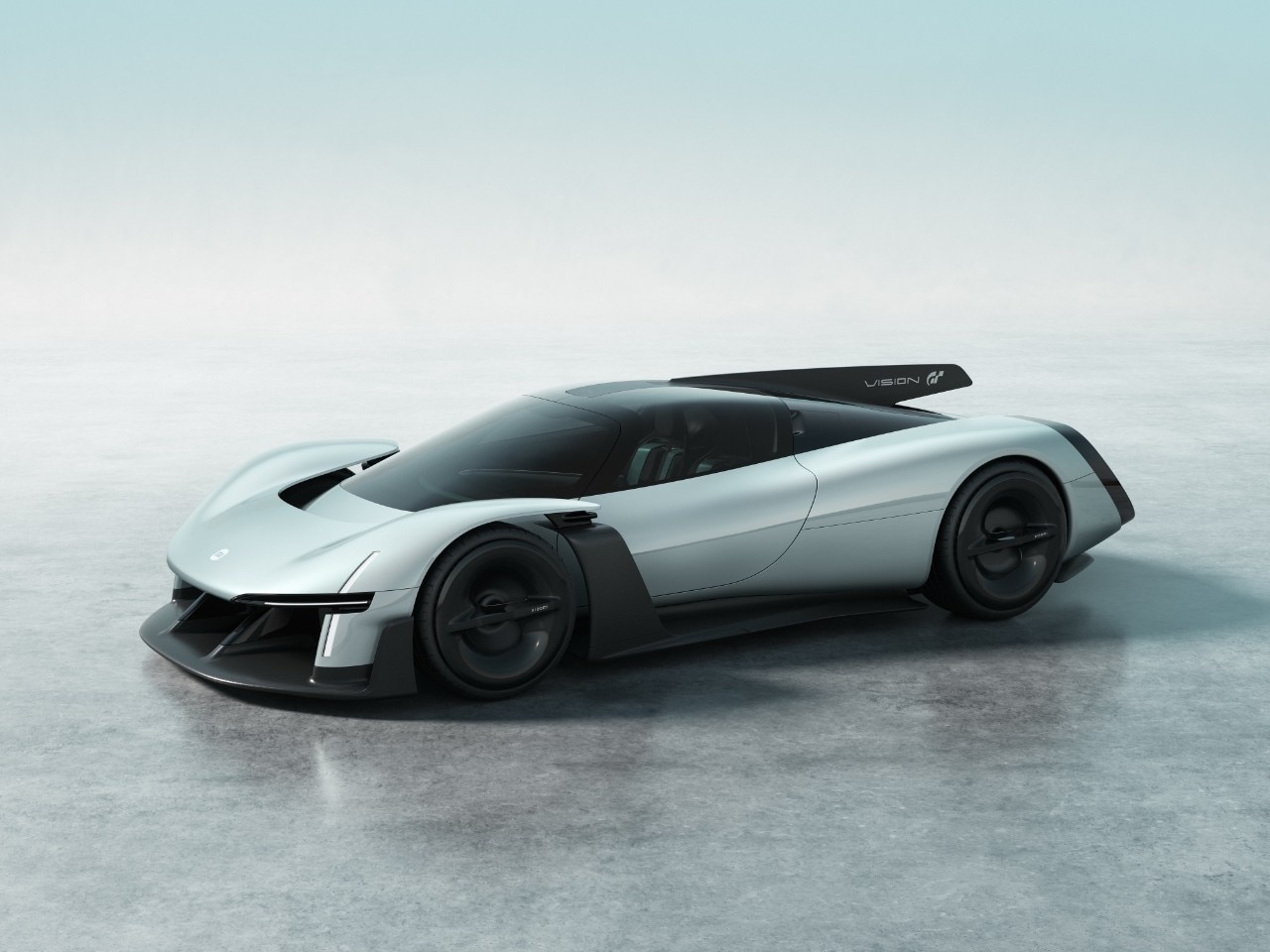

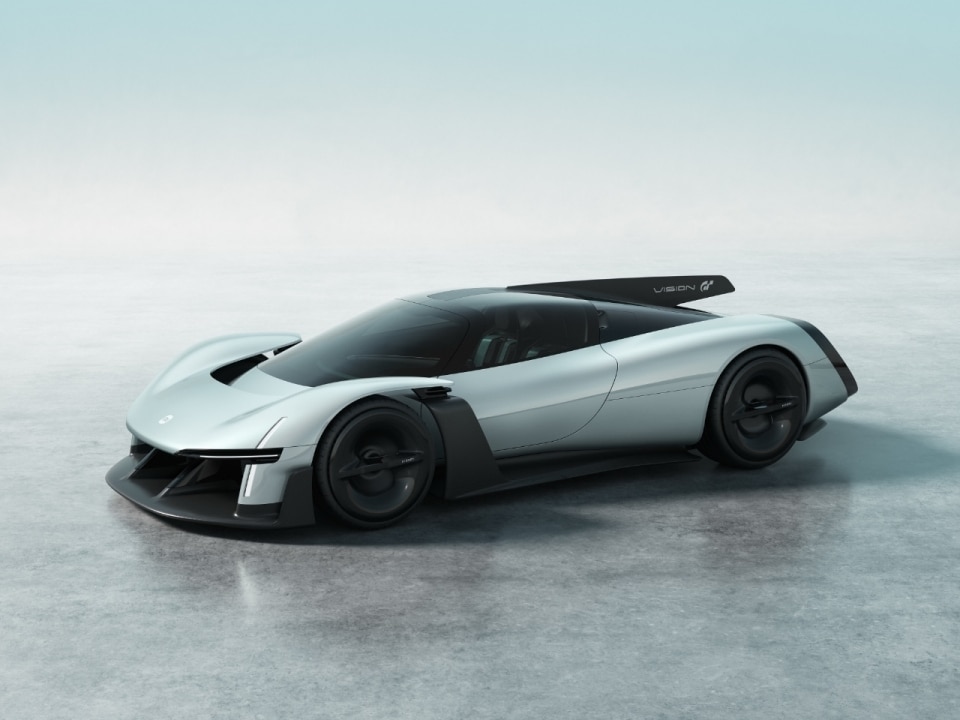
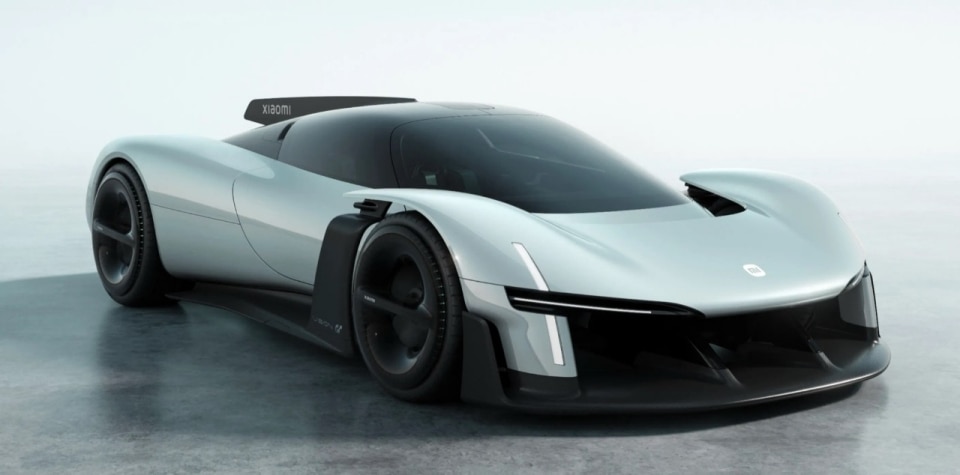
For some time now, Xiaomi has become the first Chinese carmaker to unveil a concept built exclusively for the Gran Turismo racing video game, and one of the few brands to go as far as producing a physical model of its digital project.
The project was born from a personal invitation by Gran Turismo creator Kazunori Yamauchi, who drove the SU7 Ultra sedan in the real world in 2025. Tianyuan Li, Xiaomi’s head designer, known for his decade-long experience at BMW, supervised the development of the concept, which took place primarily at Xiaomi’s design studio in Munich.
More than a simple styling exercise, initiatives like this show how video games have become a credible space in which to build industrial identities that are still in formation.
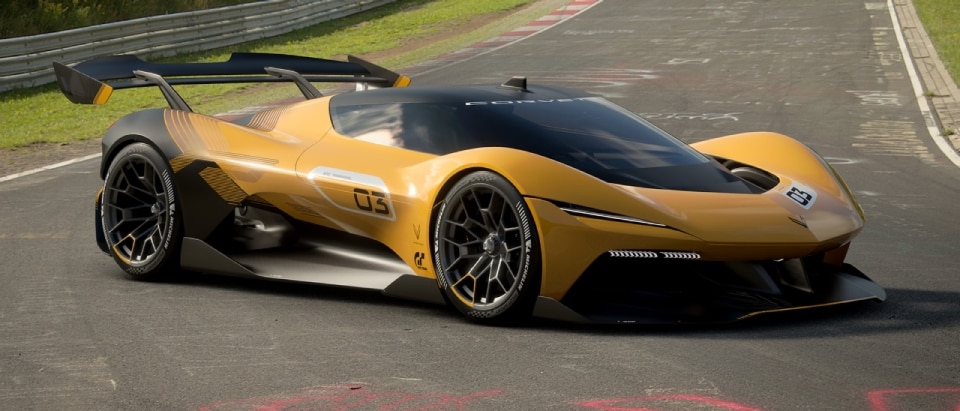
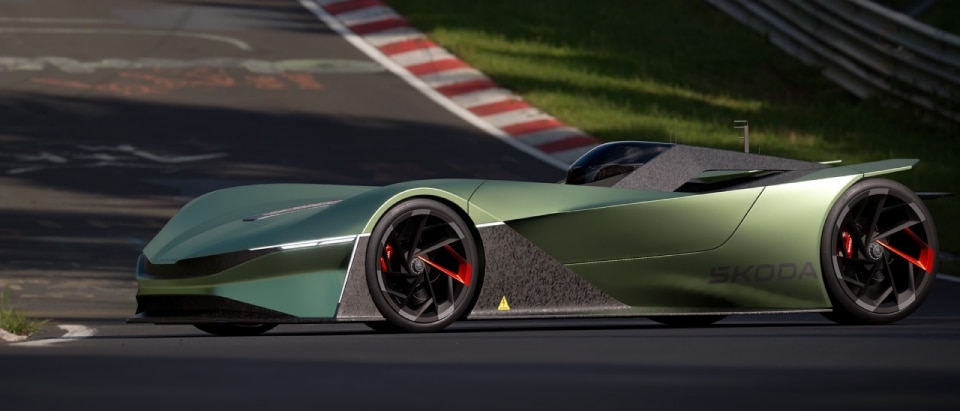
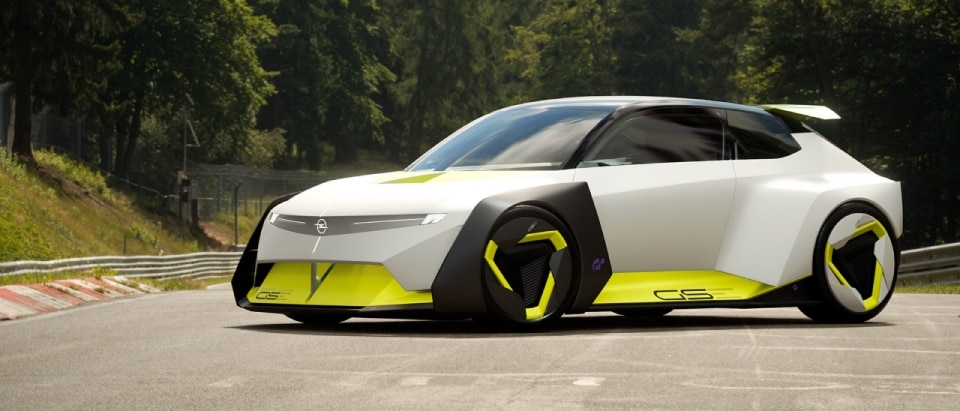
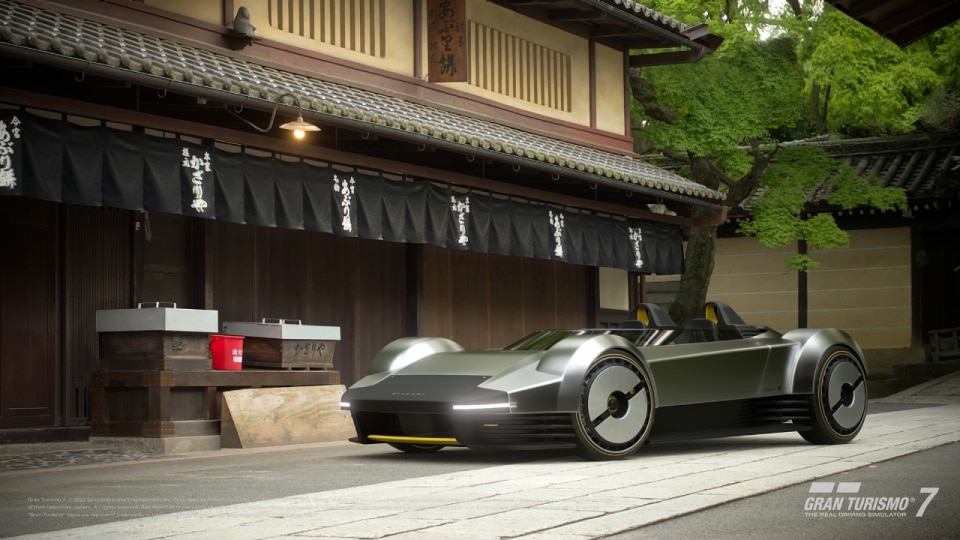
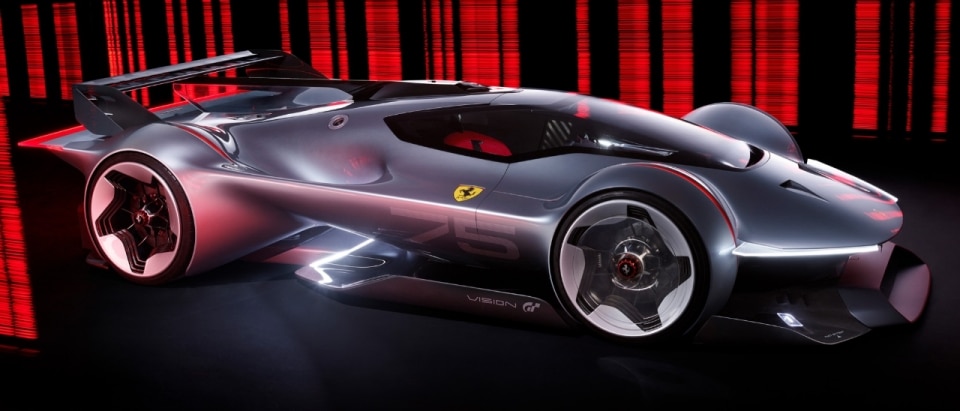
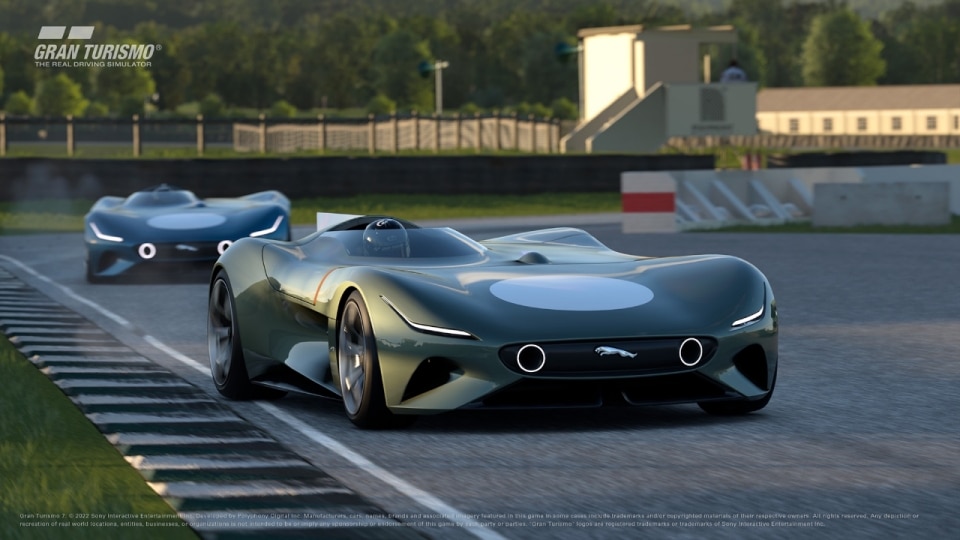
Xiaomi is only the latest in a series of brands that have taken turns imagining dream supercars for racing game enthusiasts. Even though they are conceived as virtual machines, many of these concepts are true design exercises for the brands that create them, as well as an effective way to increase recognition and prestige among a highly targeted audience.
Rather than anticipating the future of the automobile, these concept cars seem today to reveal how brands construct their own imaginary, in a context where technical constraints disappear but narrative ones remain extremely strong.
Video games have become a credible space in which to build industrial identities that are still in formation.
In Xiaomi’s case, the supercar is built around a teardrop-shaped body that balances aerodynamic drag and downforce. Inside, the team has abandoned the typical fighter jet cockpit aesthetic in favor of what they call a “Sofa Racer” setup — an interior that appears elegant and comfortable without sacrificing the feeling of a sports car.
It is a subtle but significant shift: no longer the cockpit as an extreme simulation of performance, but as a space to inhabit, almost domestic, even when the car remains confined to the virtual realm.
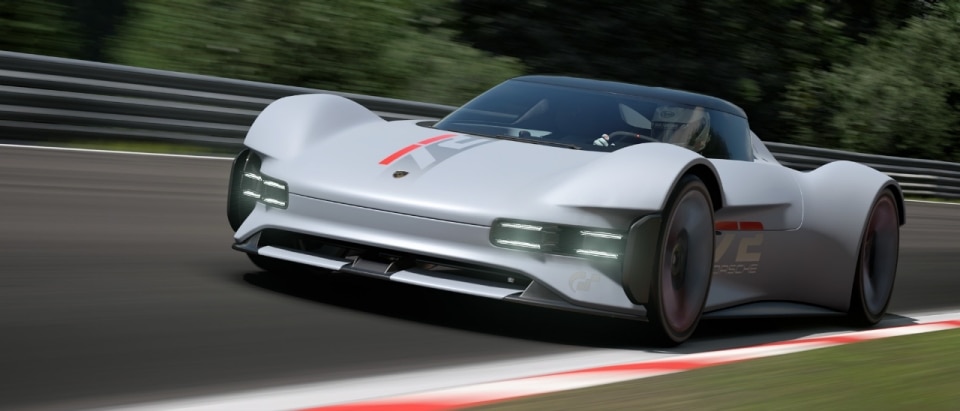
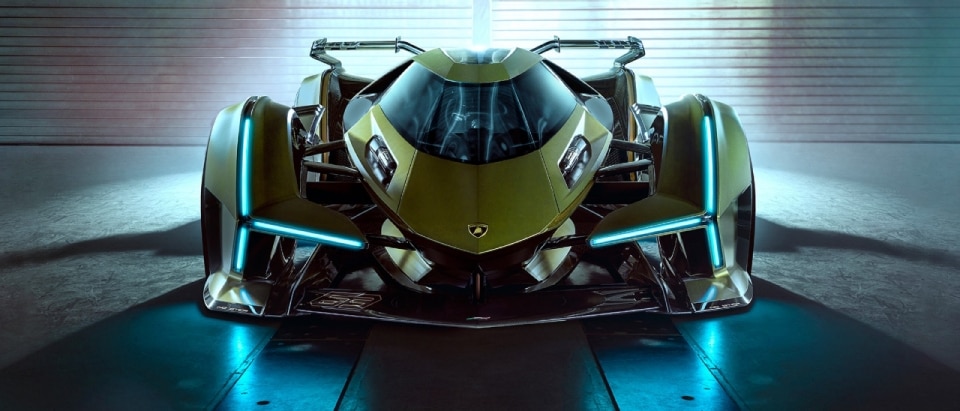
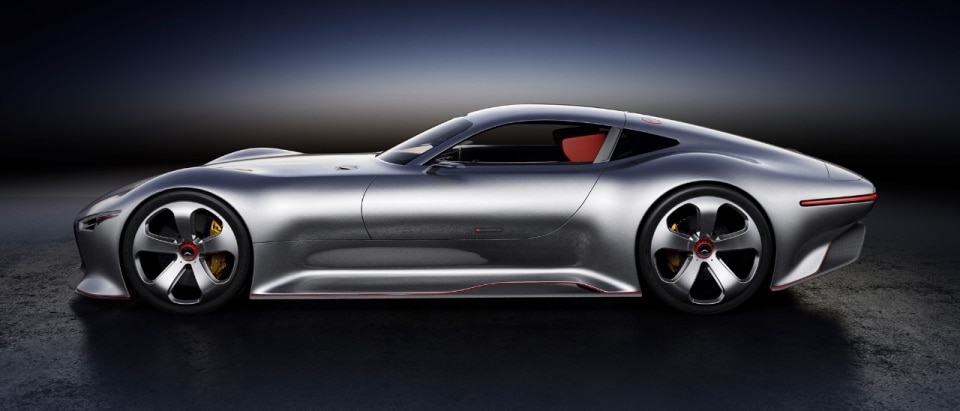
Since GT creator Yamauchi launched the Vision Gran Turismo initiative in 2013, brands such as Ferrari, Lamborghini, Porsche, Mercedes-AMG, Jaguar and Corvette have contributed dreamlike virtual machines to the series, which has proven highly successful among gamers.
In this sense, Vision Gran Turismo functions less as a laboratory for innovation and more as a controlled storytelling platform, where design is freed from production yet remains embedded within the logic of a closed ecosystem.
We have collected our ten favorite concepts in the gallery above, including the curious car designed by BVLGARI: it is the most unusual and also our favorite.
More than cars to be driven, they are images to be inhabited — and perhaps this is where part of the future of automotive design is being shaped