



If one had to explain Scrubs to someone born after the 2000s, the simplest way would be this: it is the antithesis of Grey's Anatomy.
In the early 2000s, medical series focused on melodrama, passion, and tormented romance, while Scrubs did just the opposite.
At Sacred Heart there was laughter. And they laughed a lot.
Not that there was a lack of drama: patients, difficult decisions, hierarchies, and personal lives weighed on the stories of all the characters. Yet the ward was portrayed with an almost wise lightness: as in life, at any moment you could walk out on your own two feet or on a gurney. And meanwhile, everything else was happening.
If you had to explain Scrubs to someone born after the 2000s, the easiest way would be this: it is the antithesis of Grey's Anatomy.
Now Scrubs is ready to return to the screen—or rather, to streaming.
The new season premiered in the United States on February 25 and will arrive in Italy on Disney+ on March 25, 2026.
With it return many of the original stars: Zach Braff, Donald Faison, Sarah Chalke, Judy Reyes, and John C. McGinley, joined this time by a group of new residents.
Why we still need Scrubs
We left the protagonist of Scrubs, the young doctor John 'J.D.' Dorian, in 2009, in the season eight finale, as he imagined his future away from Sacred Heart. Beside him was Elliot Reid, who had finally become his steady partner. Even his relationship with Dr. Perry Cox—after years of sarcasm and humiliation—had begun to resemble something like respect: “You are the most pathetic person I have ever met. But, paradoxically, you might also be the best resident I’ve ever had.”
In the series sequel, we find him doing exactly what he promised. At least at first.
Scrubs brings unfiltered bromance to the screen
The central pivot of Scrubs remains the bromance between J.D. Dorian and his lifelong colleague and friend, Christopher Turk.
If Scrubs still works, it is primarily because it continues to bring to the screen an authentic and spontaneous bromance, told without filters—something that, in all these years, few other series have managed to do.
J.D. and Turk are two grown men, grappling with family life and the first aches and pains of age, who have never stopped hugging each other, supporting one another, and sharing silences on that hospital roof. The real novelty, if there is any, is that as they have grown older they have become more aware of it.
Family is not necessarily the traditional one—it can take many different forms—but it always remains the place where one feels at home.
The Sacred Heart Hospital
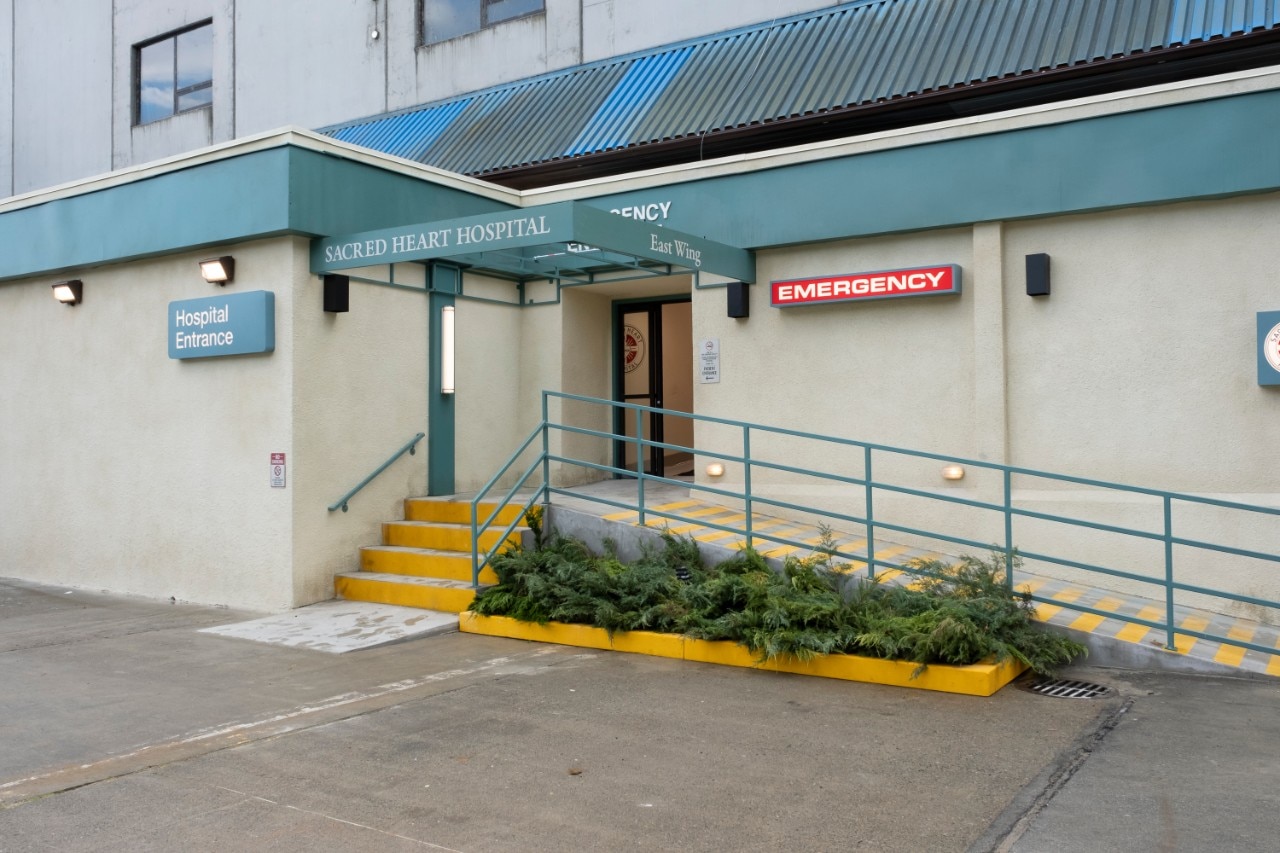
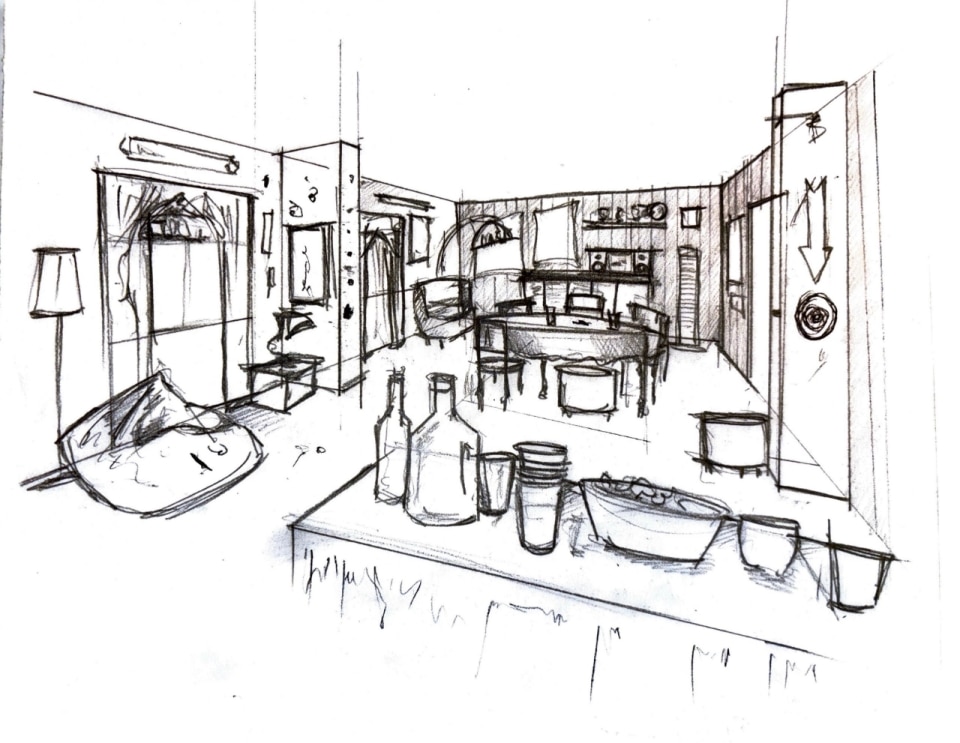
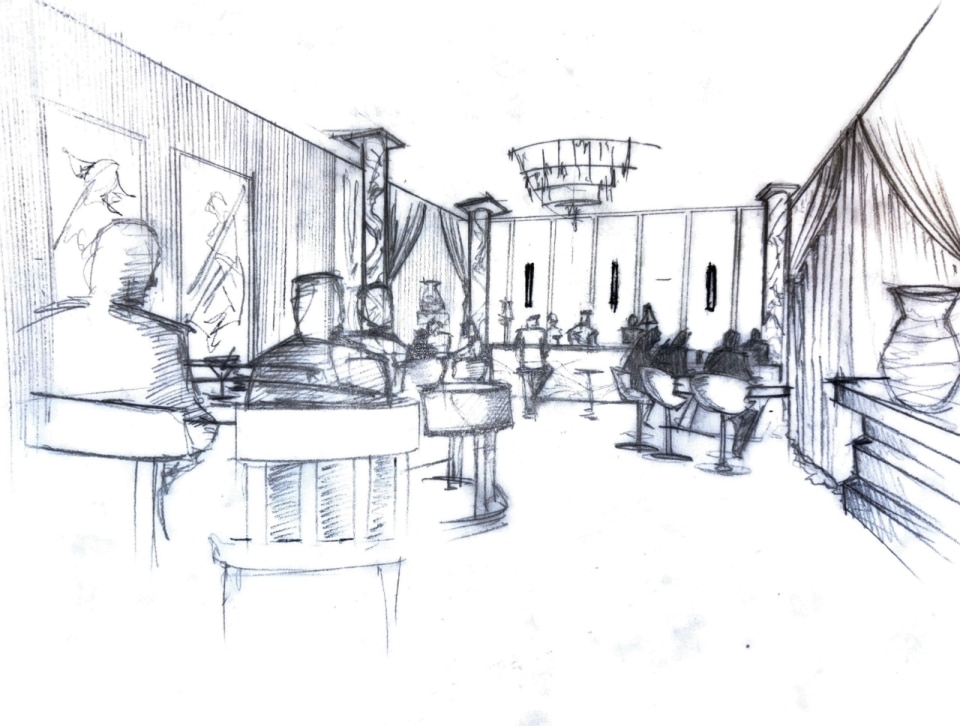
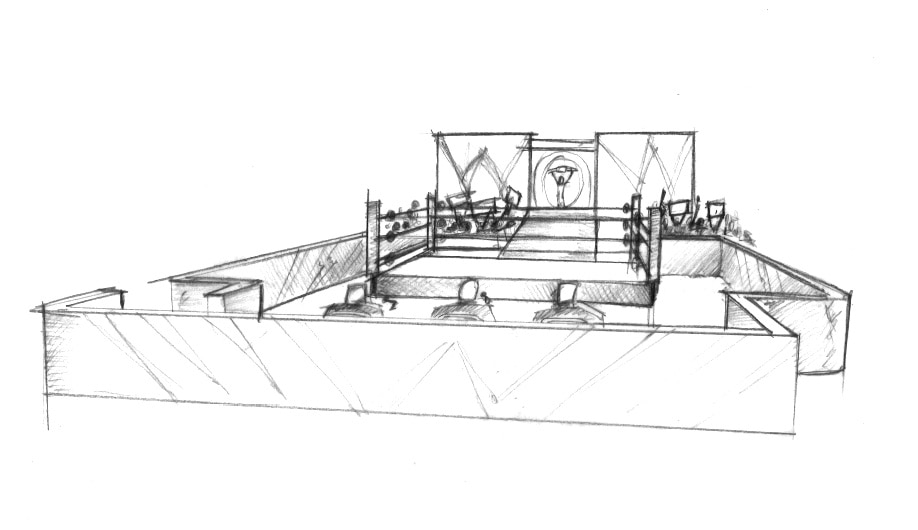
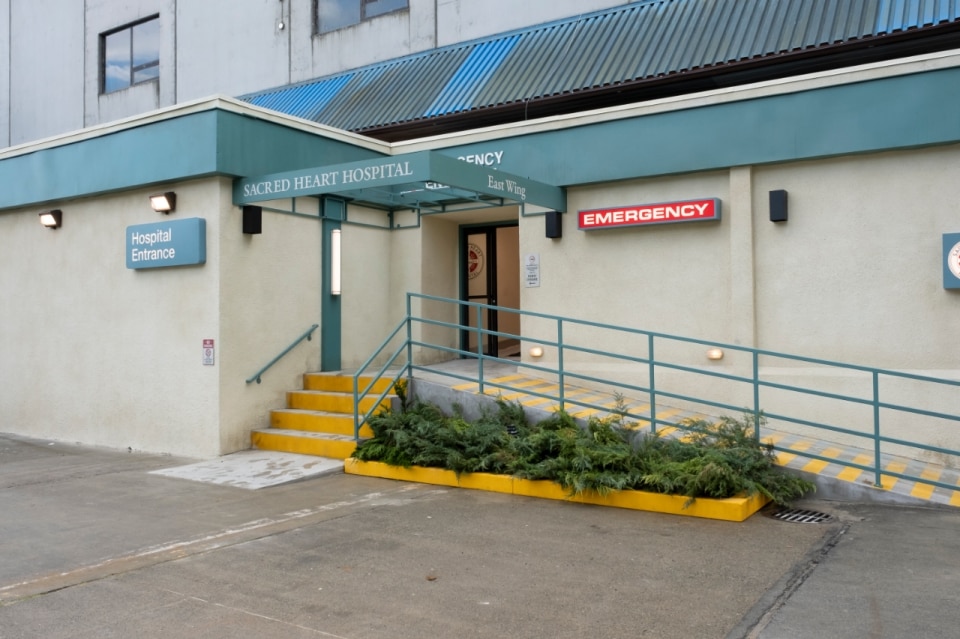
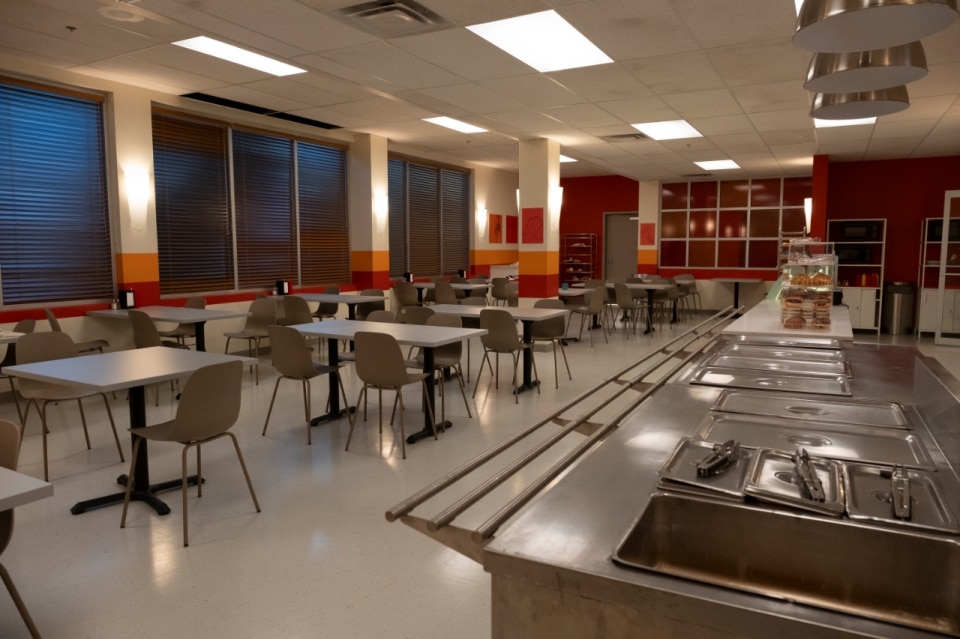
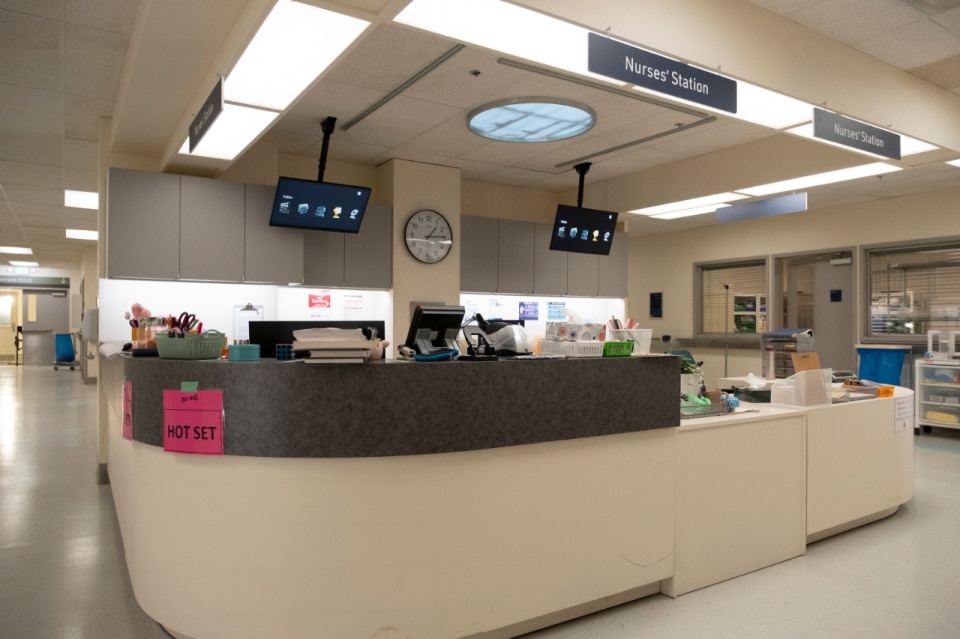
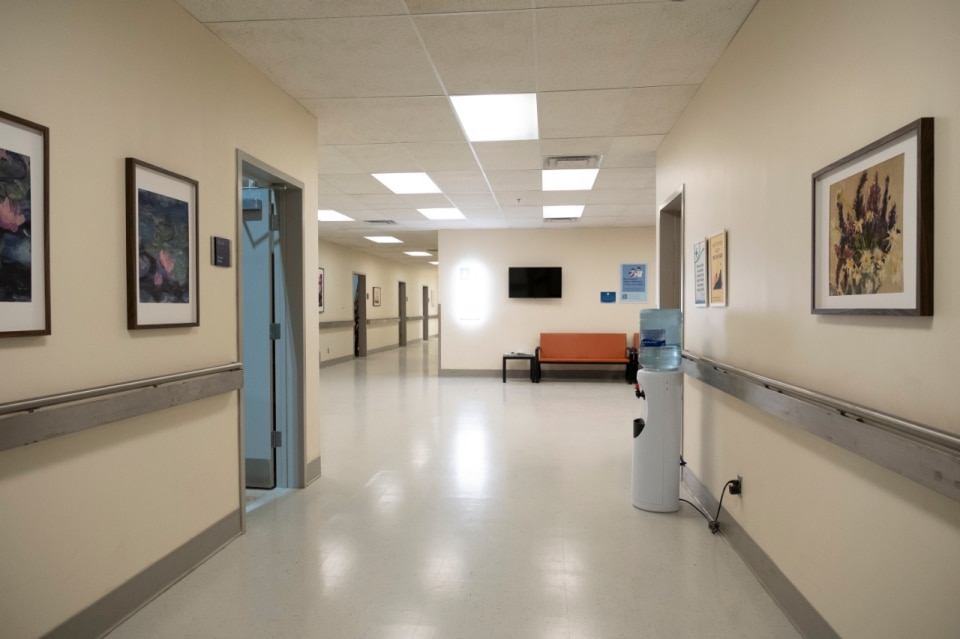
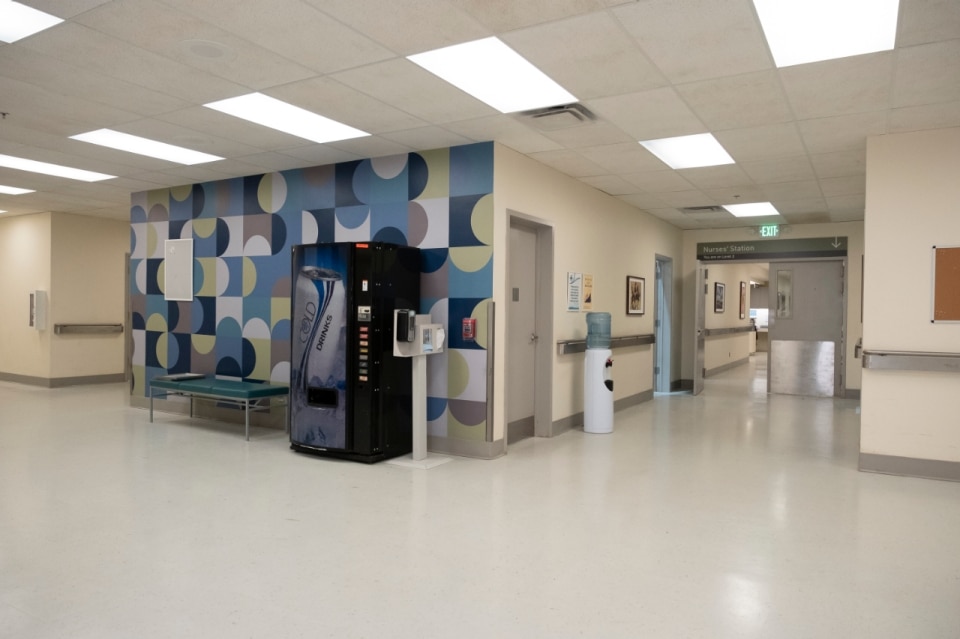
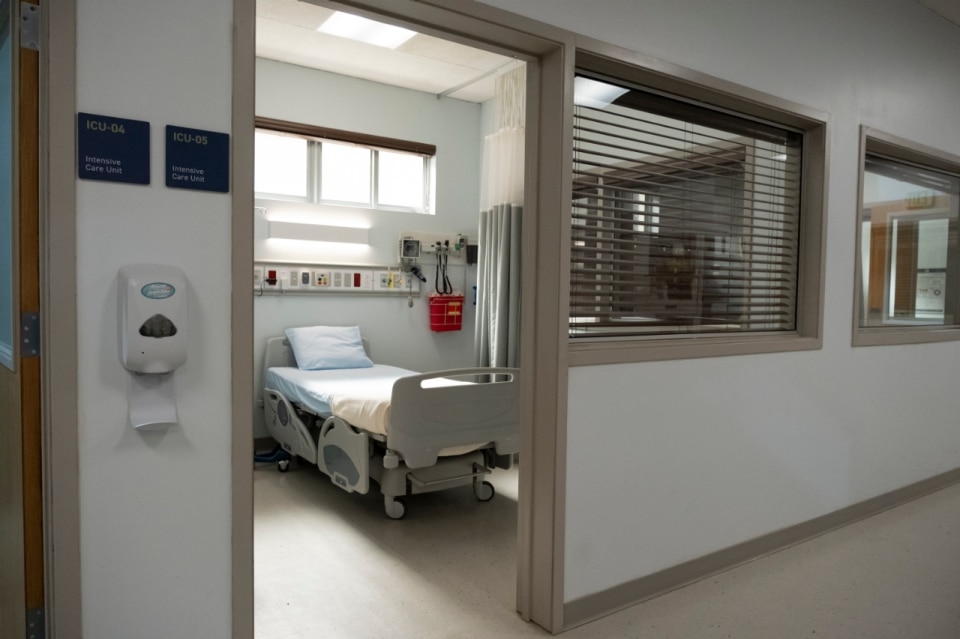
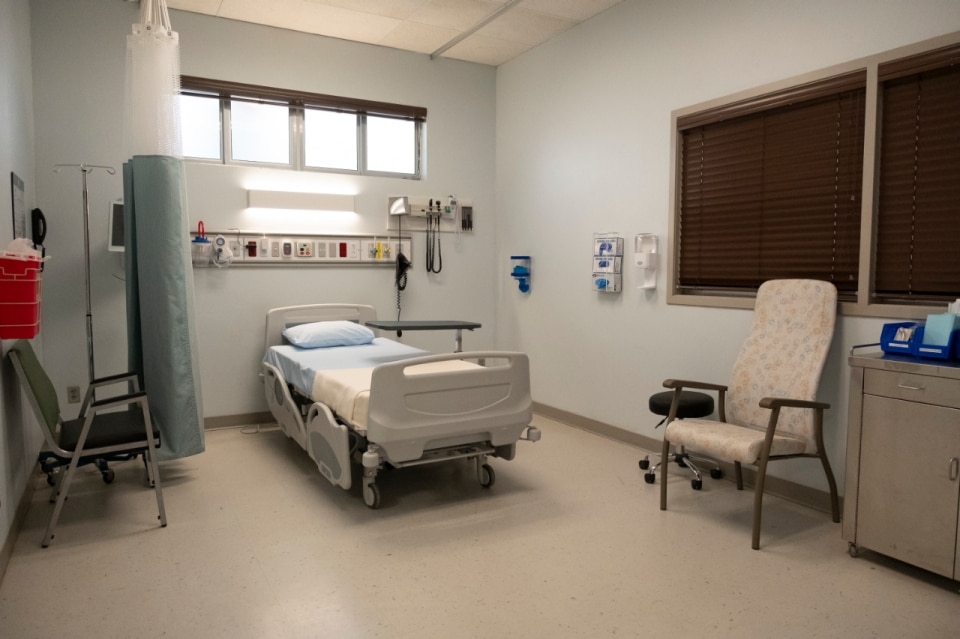
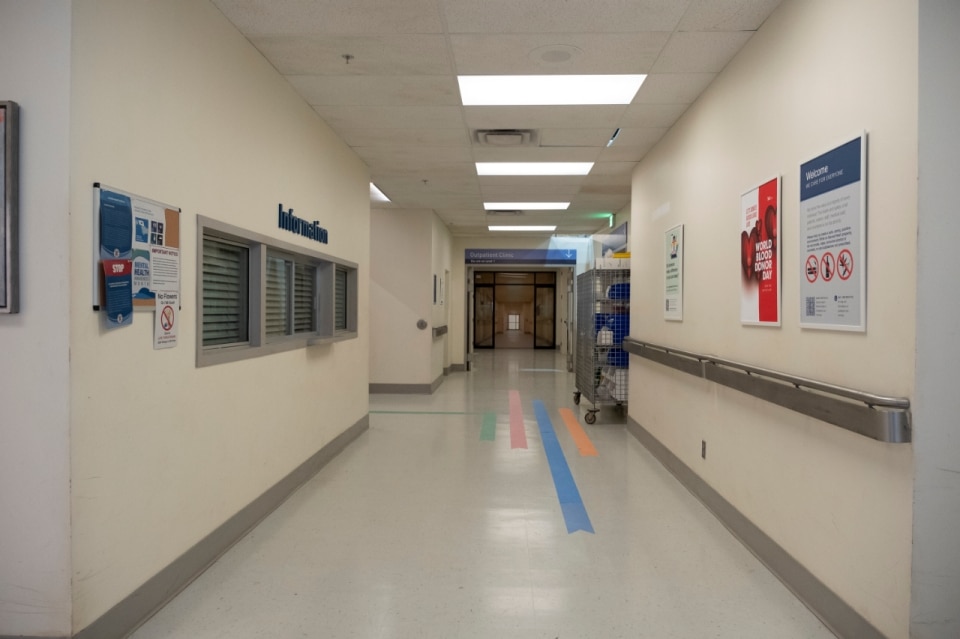
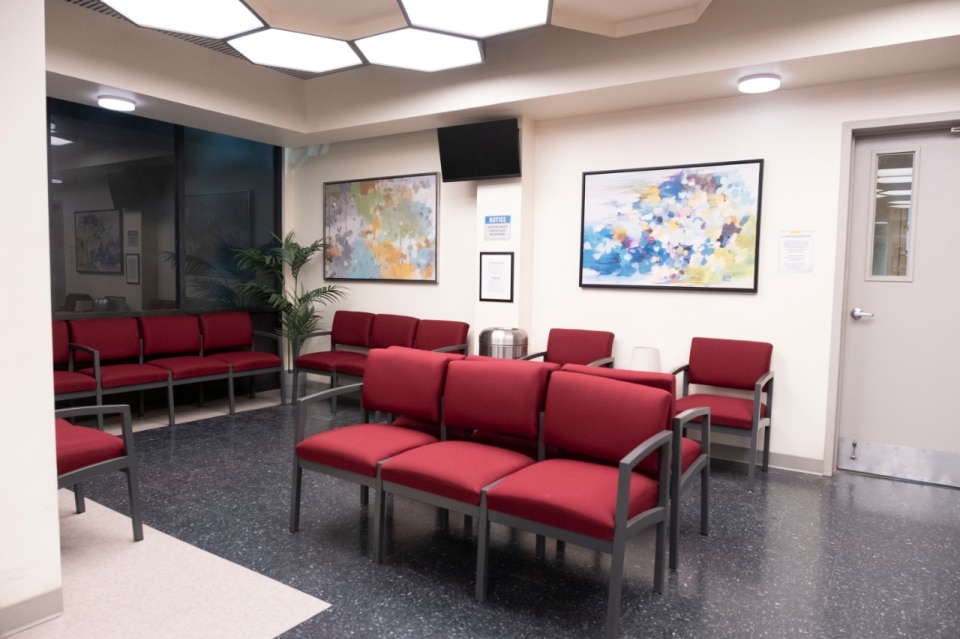
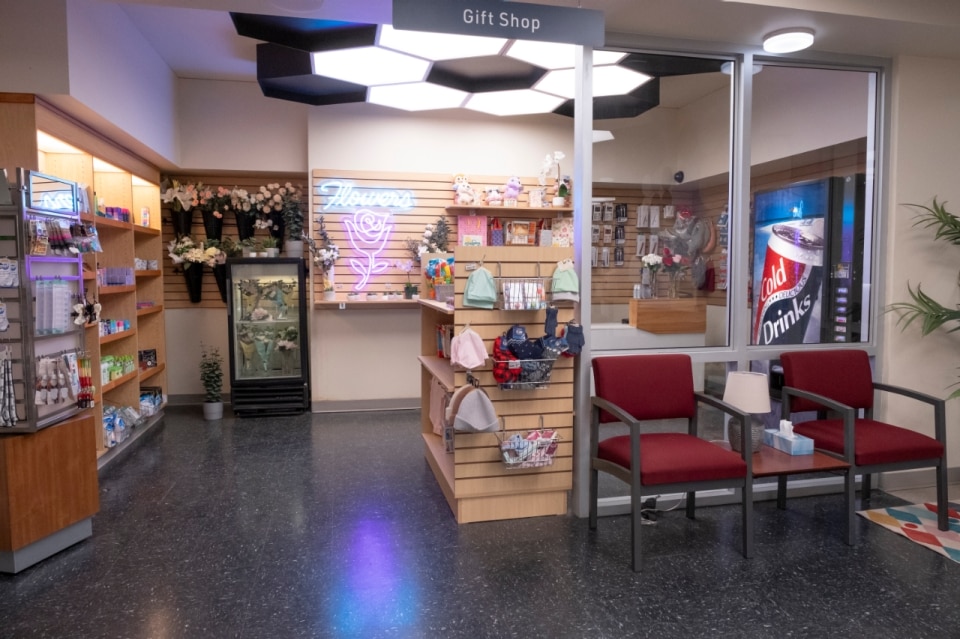
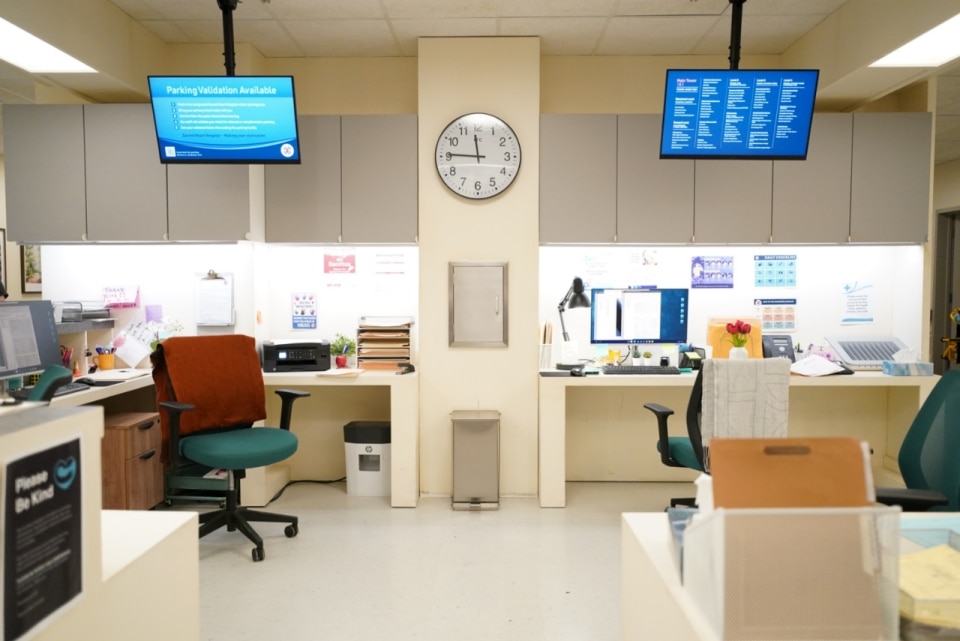
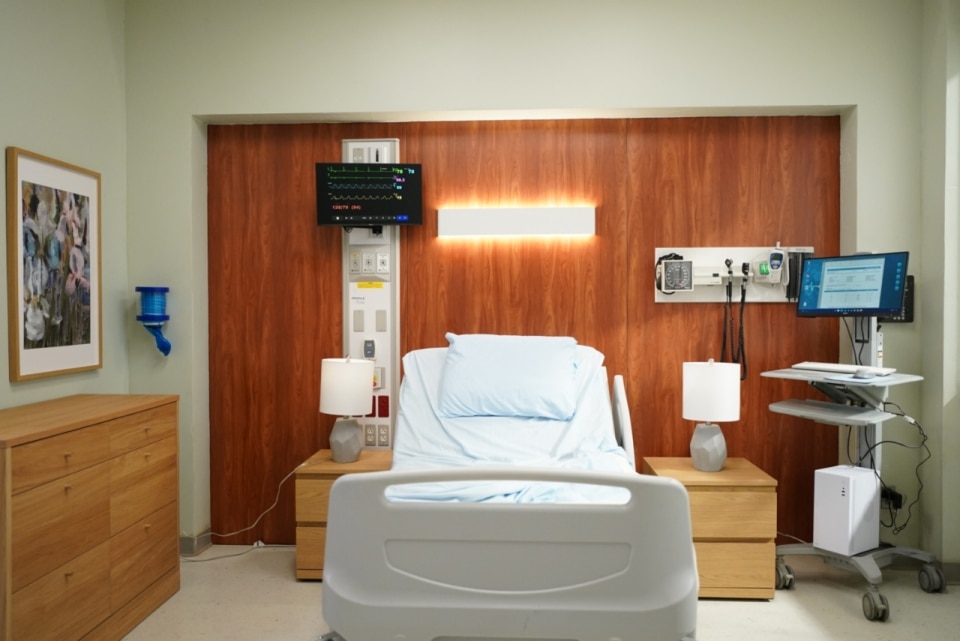
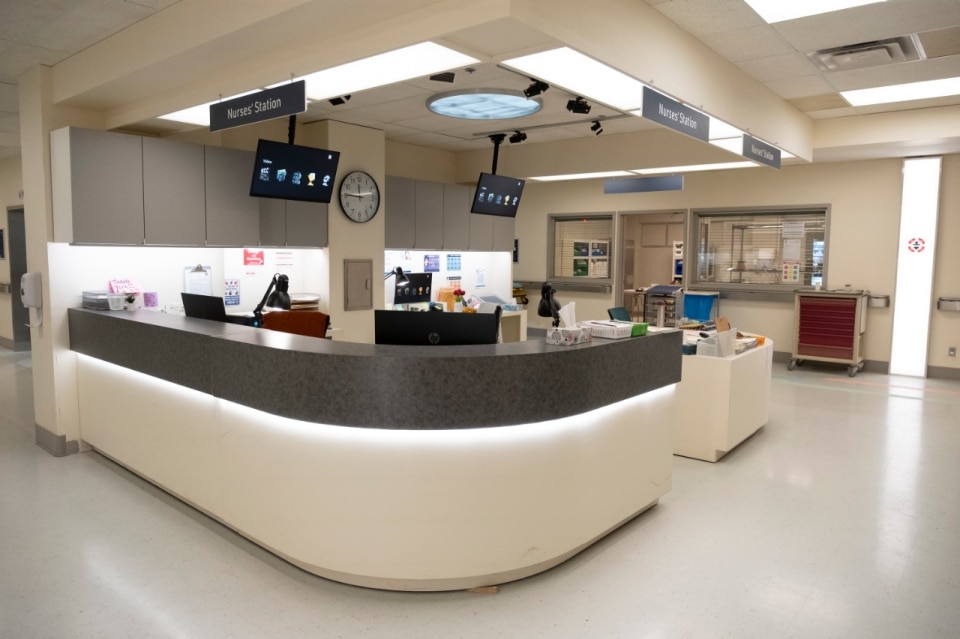
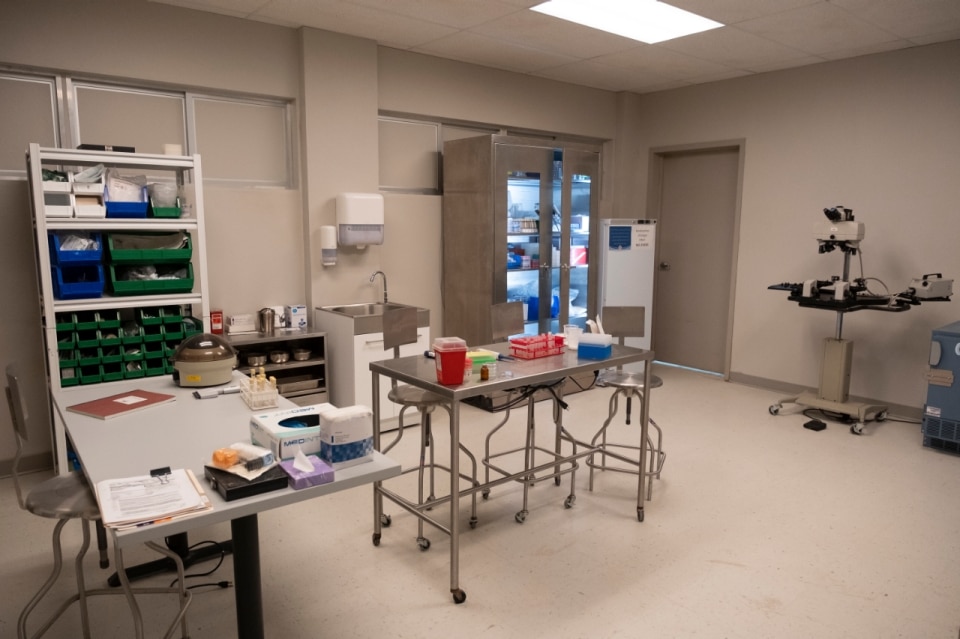
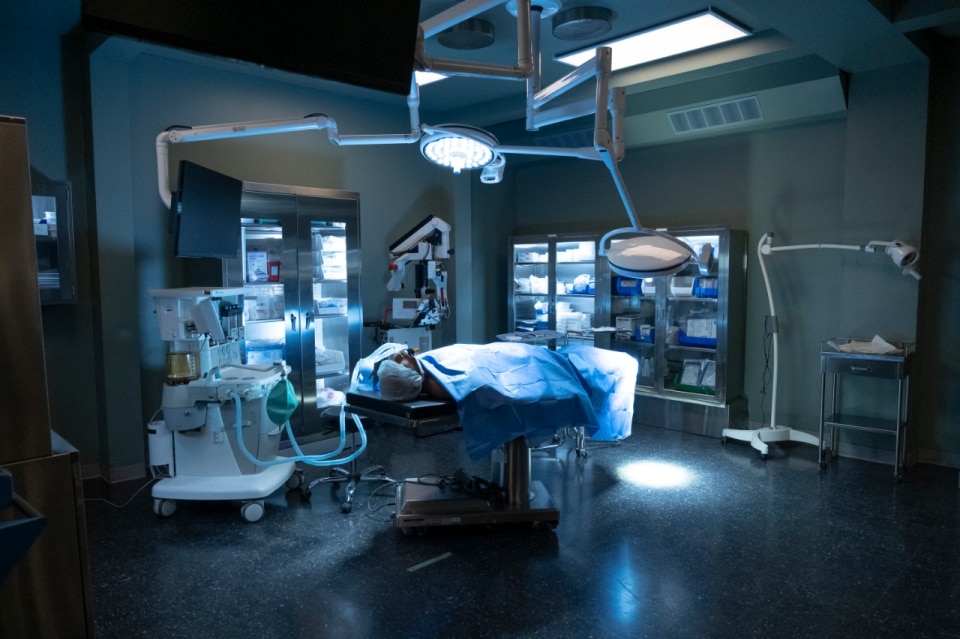
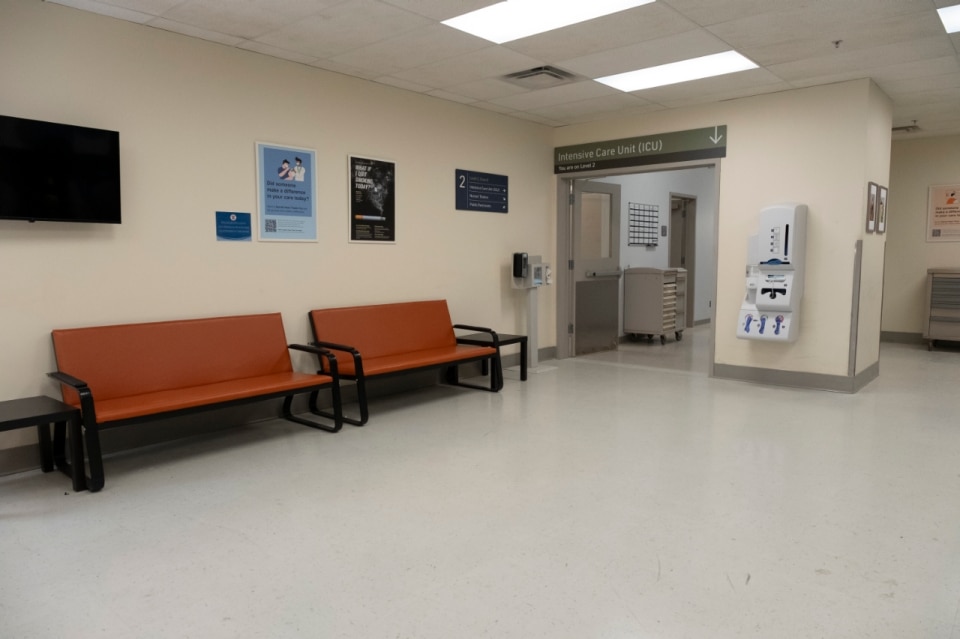
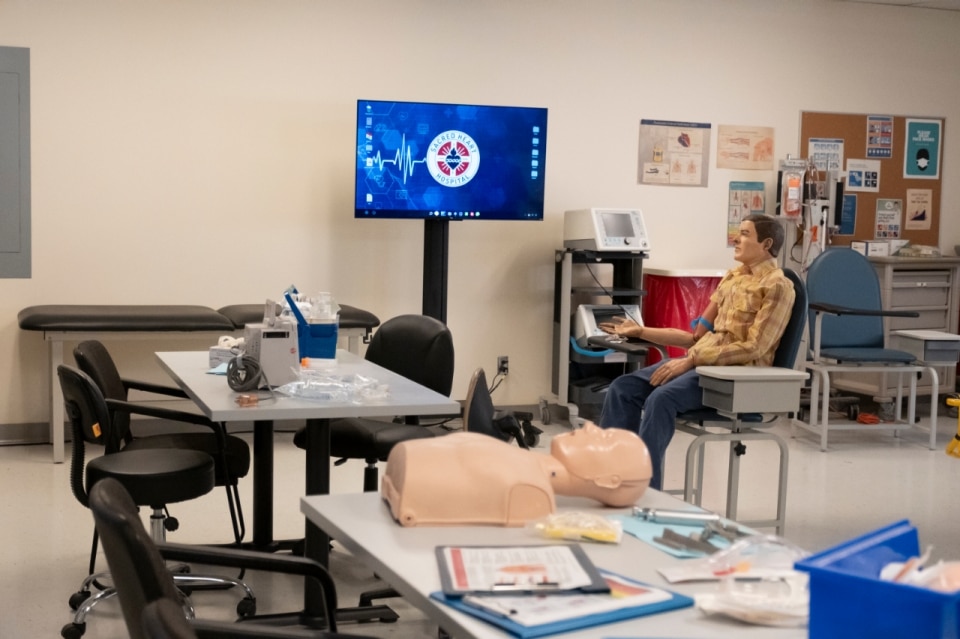
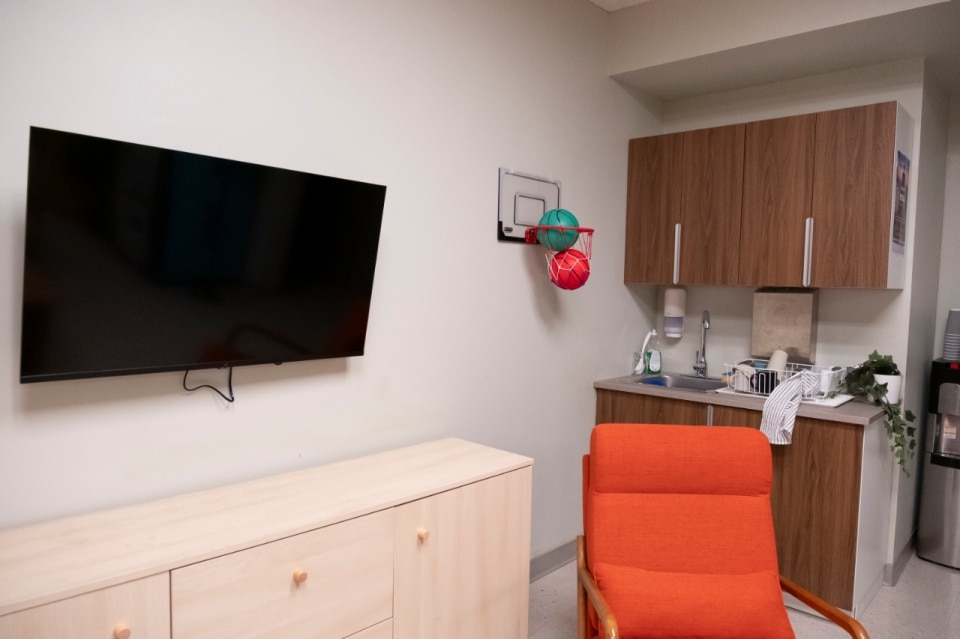
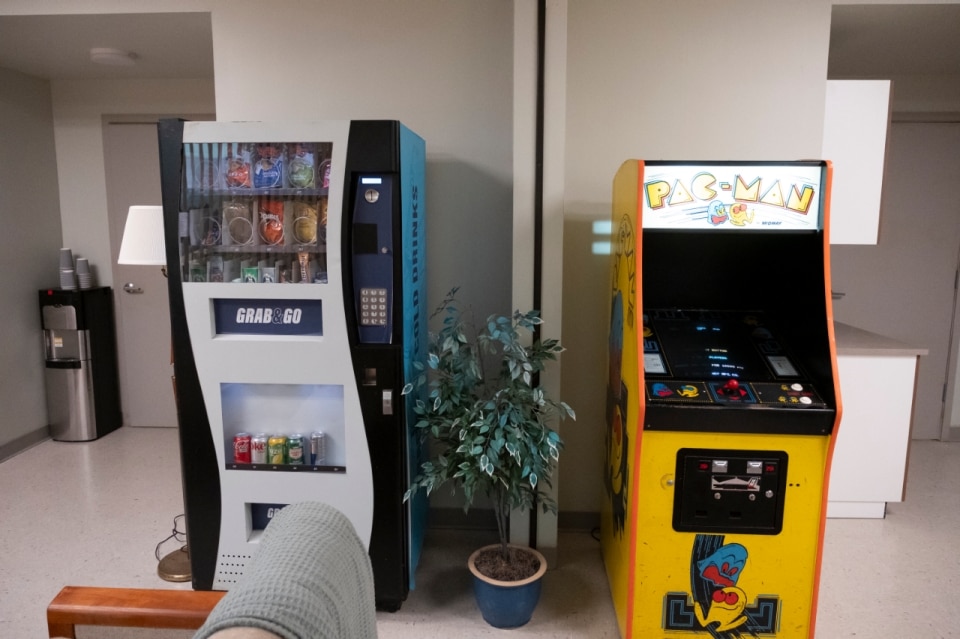
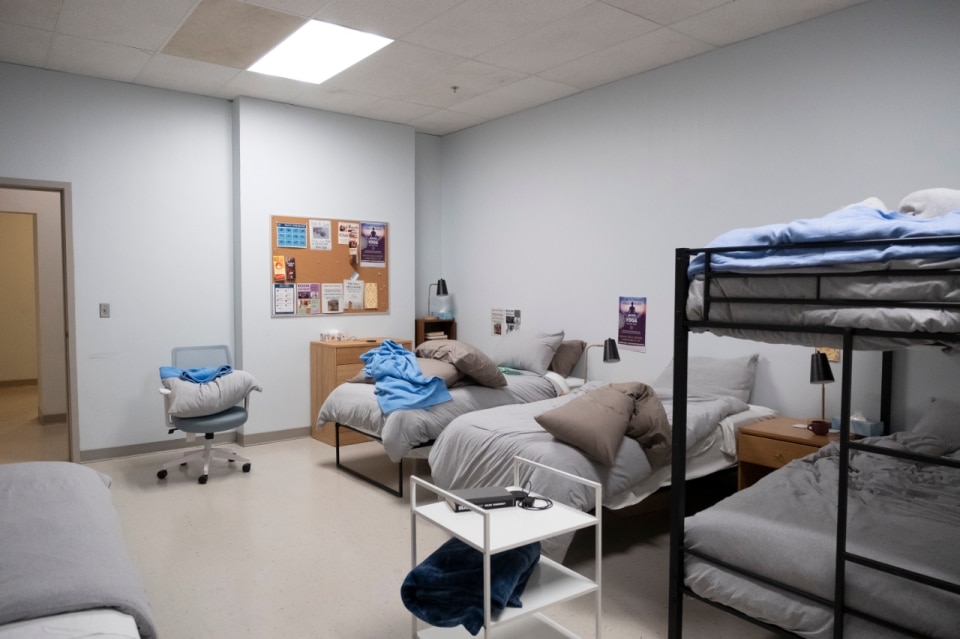
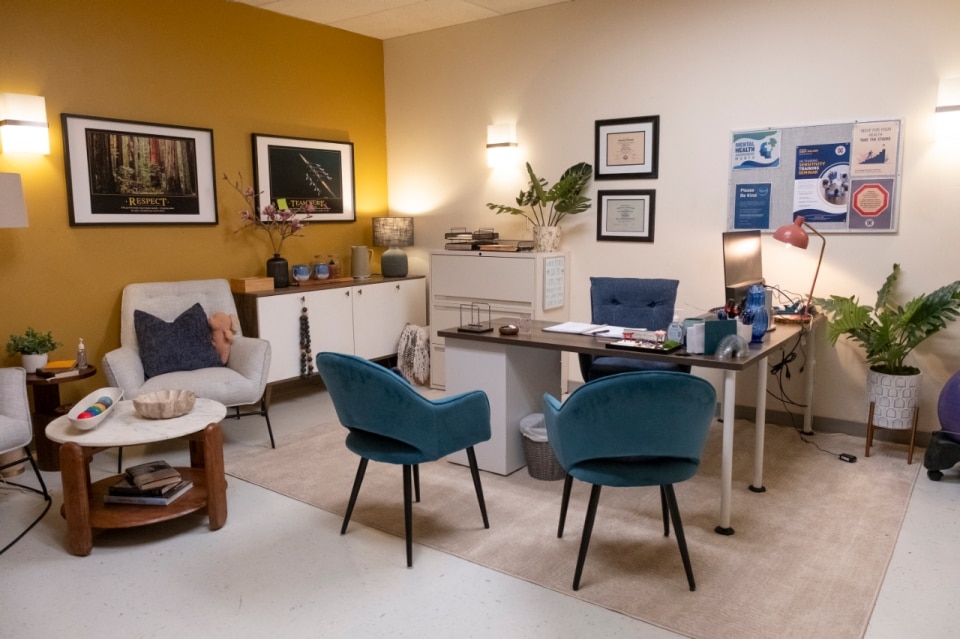
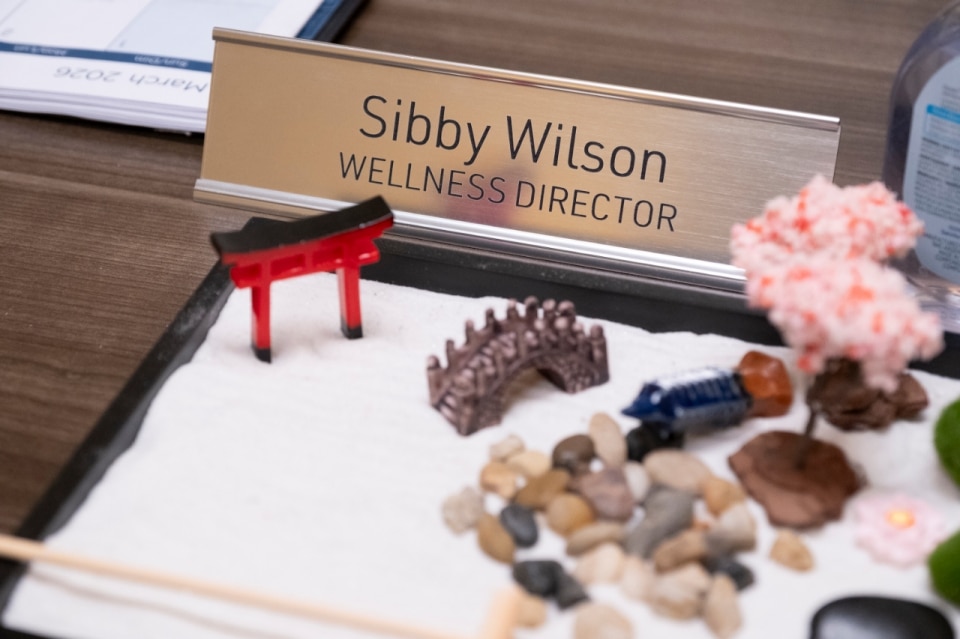
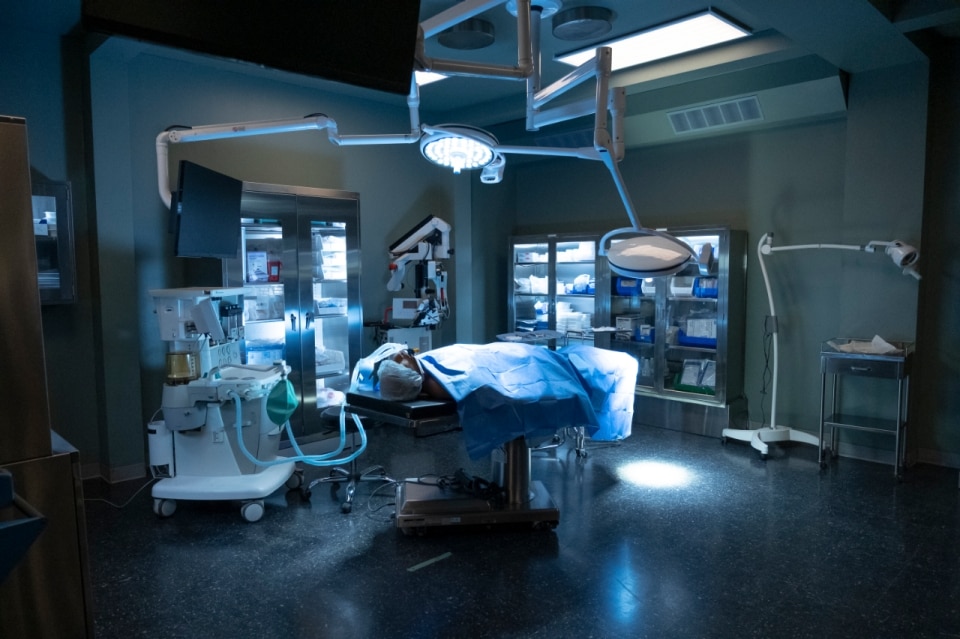
And this place, for them, is unquestionably Sacred Heart Hospital. To remake Scrubs meant bringing it back to life, with its environments—waiting rooms, patient rooms, hallways—that have made it one of television’s most iconic hospitals.
The mission was entrusted to set designer Roger Fires. “I’ve always been a fan of the series. Before I moved to Canada I used Scrubs to improve my English.” Finding himself years later designing that very same hospital was “a real coming full circle,” he says.
For Fires, as for many viewers, Sacred Heart—the heart of Scrubs—is not just the setting of the story, but almost a character in itself. “It was the place where the characters really lived their lives, professional and also personal.”
We didn’t want to make a nostalgic copy. It had to work for the way the series is shot today and the world we live in today.
Roger Fires
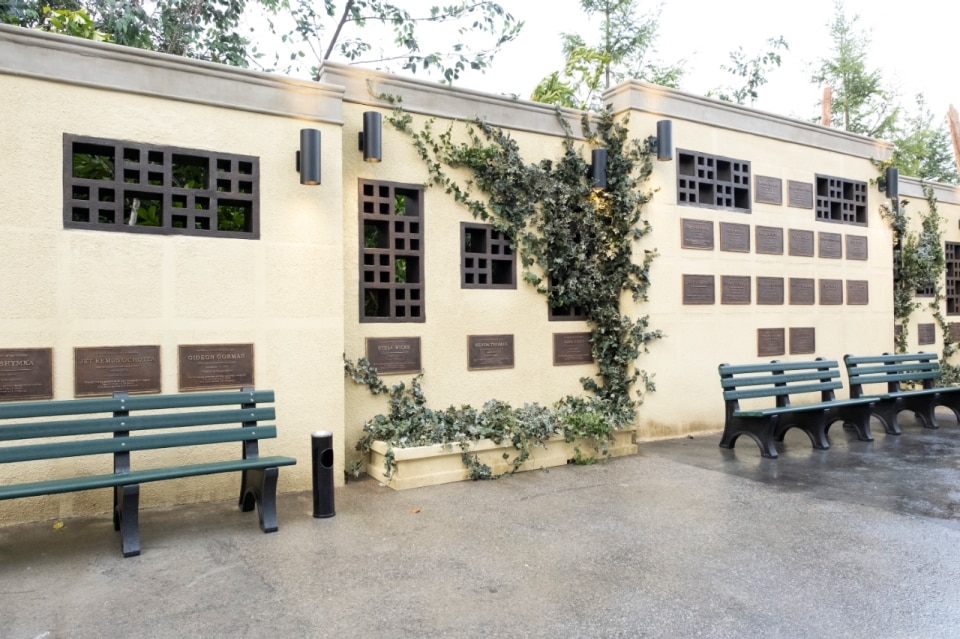
In fact, he notes, “hospitals have changed as well.” There are signs of the times—new technologies and practices shaped by the pandemic experience. The new Sacred Heart incorporates small details and references, without ever turning COVID into an explicit theme of Scrubs.
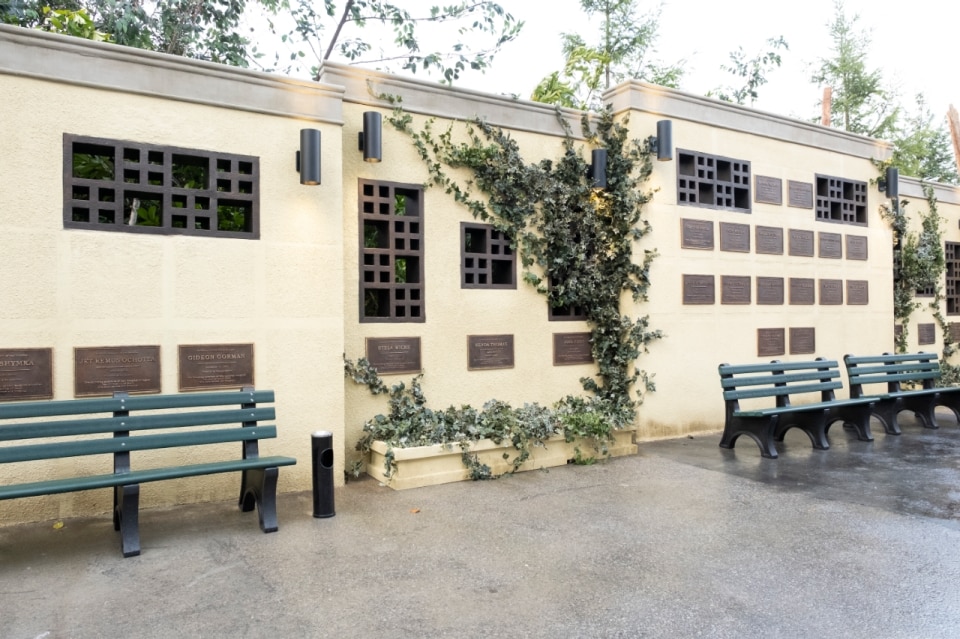
What remains, above all, are traces of the past. “At the entrance, for example, the memorial wall that in the original series had only one plaque has expanded.” In fact, most of the names belong to cast and crew members’ pets. “The only human is my father,” says Roger Fires.
The modular hospital
Among the biggest challenges in reconstructing the spaces is one of the most distinctive elements of Scrubs: the way characters move through the hospital—the so-called walk and talk.
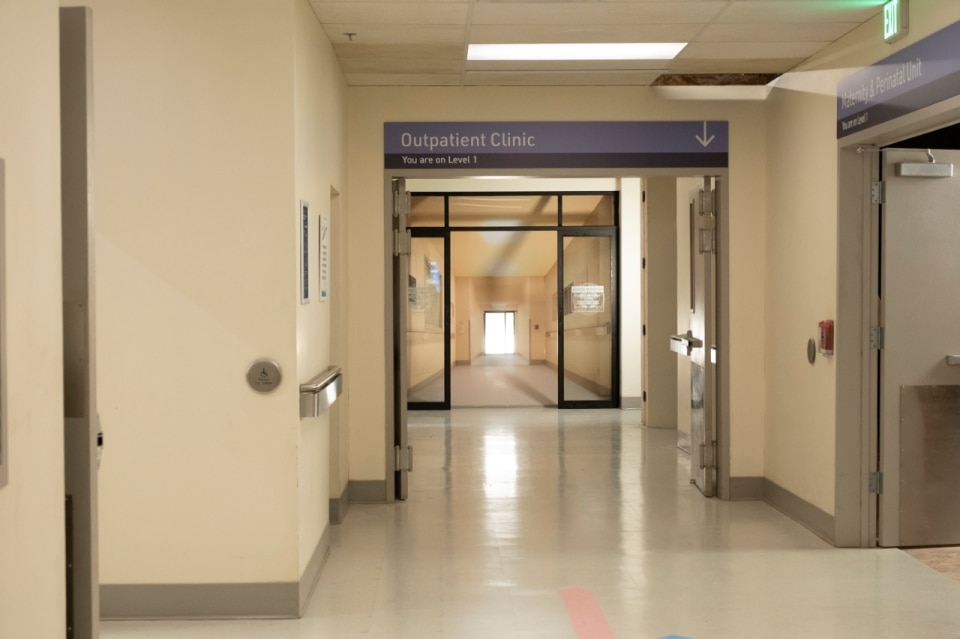
“Many scenes follow J.D. Dorian as he walks through the corridors, talking to colleagues, residents, or patients,” says Roger Fires. “The camera follows him from ward to ward, and the dialogue continues without interruption.”
The set design had to take this rhythm into account from the very beginning. “When there were still only walls, I started testing, moving quickly through the set, corridor by corridor.”
The result is a hospital that can be traversed almost seamlessly: “It takes almost five minutes to go through it all,” he explains. “That means you can smoothly shoot a scene with five minutes of continuous dialogue while the characters are walking.”
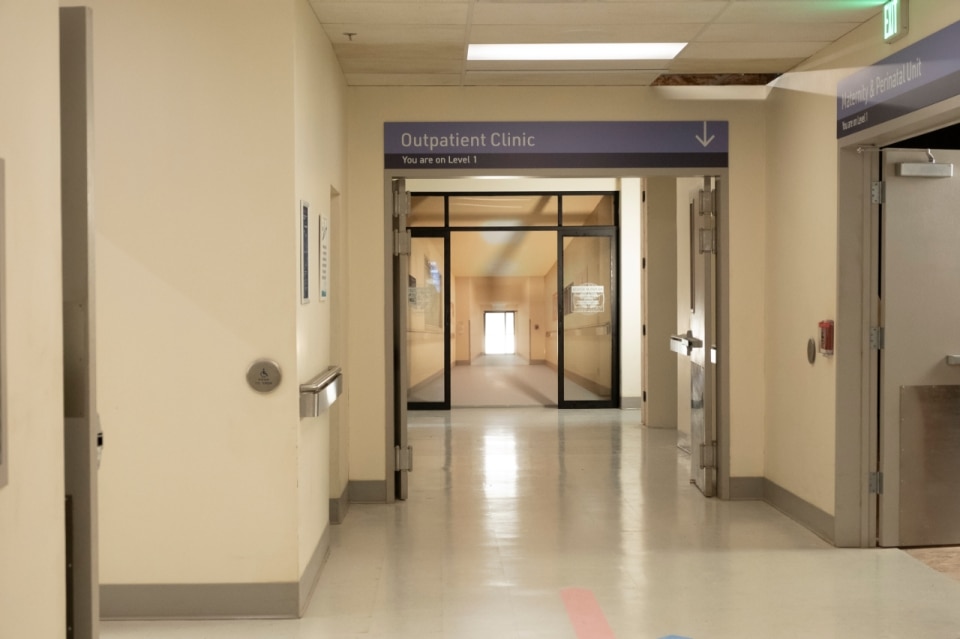
To make this fluidity possible, Sacred Heart was designed as a modular space. “In television we shoot very quickly: we can film the second floor in the morning and the fourth in the afternoon.”
Walls, signage, and furniture can be reconfigured rapidly, transforming the same hallway into different departments.
“Usually on TV sets, signage is attached with Velcro,” says Roger Fires. “I proposed using magnets. Velcro loses adhesion and needs to be replaced often, whereas with magnets you can switch departments in seconds and fix everything effortlessly.”
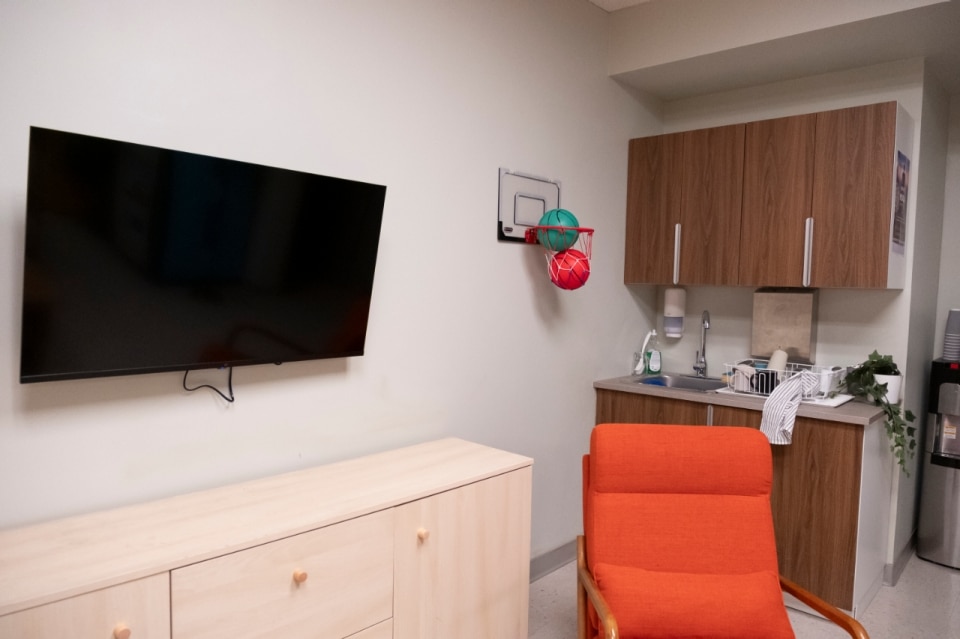
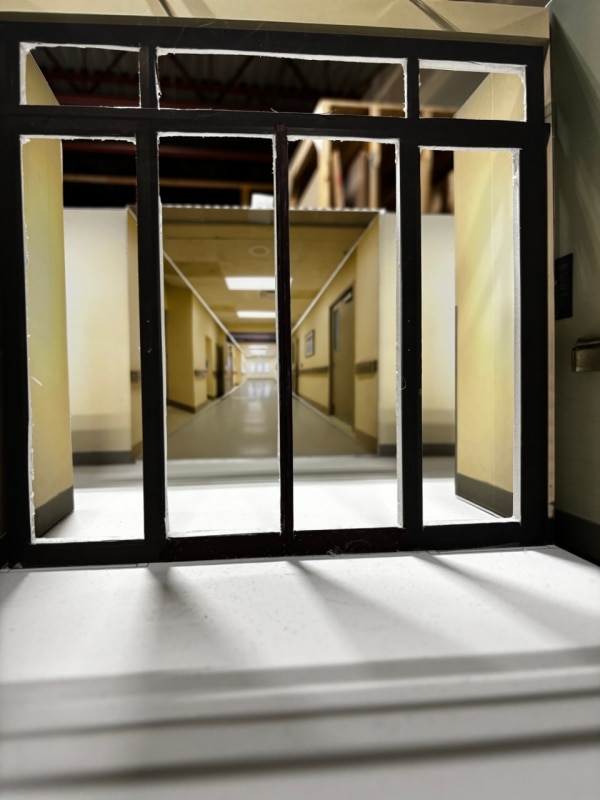
The hospital entrance also required special solutions. Recreating it inside a studio was one of the most complex challenges of the project.
“We didn’t want it to be just a flat image,” explains Roger Fires. “It had to respond to the movement of the camera.”
The solution came through a system of perspective illusion, inspired by the works of Patrick Hughes and the scenic tricks of Disney Parks attractions. “When actors cross the frame, the perspective continues to work and the illusion remains believable.”
A homecoming
The final proof came with the return of the original cast to the set.
“When Zach Braff arrived from the airport, he immediately wanted to see it,” says Roger Fires. “He looked around for a few minutes and then said, 'I can’t believe it. I thought everything was so much smaller. This place is huge'.”
The arrival of Neil Flynn, the legendary Janitor, was also memorable. “I asked him to film his reaction.” Flynn walked through the entrance, stopped abruptly, looked around, and exclaimed, “Holy s**t!”
“I walked them through one by one,” Fires adds. “It was clear they were returning to a place that, after all, they already knew.”