
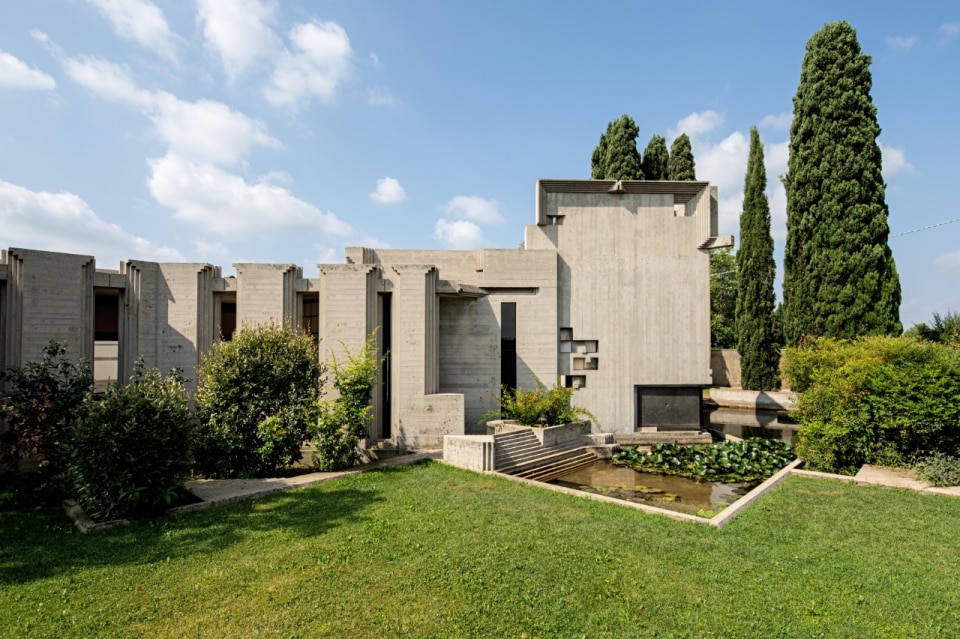
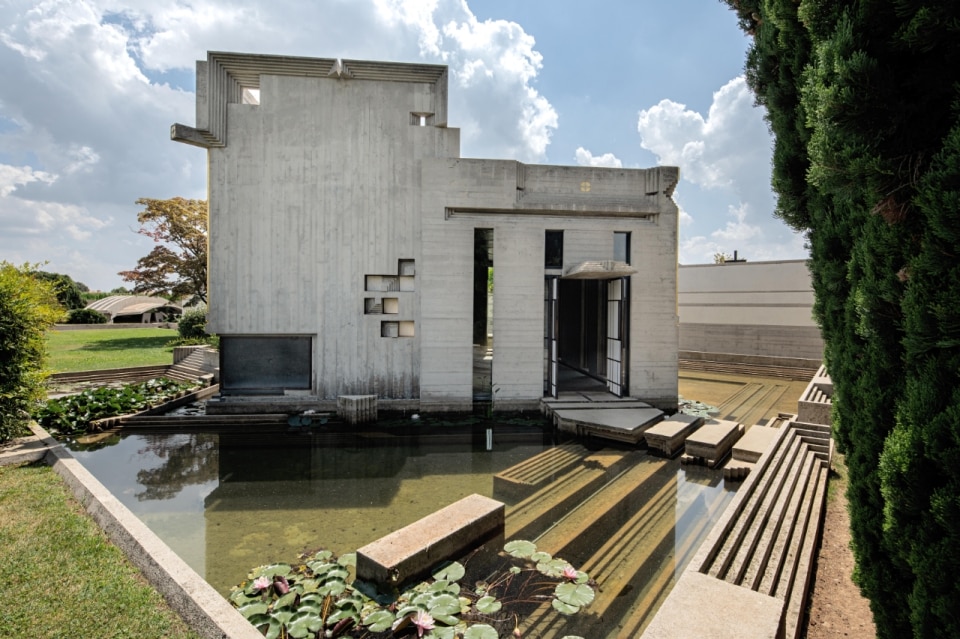
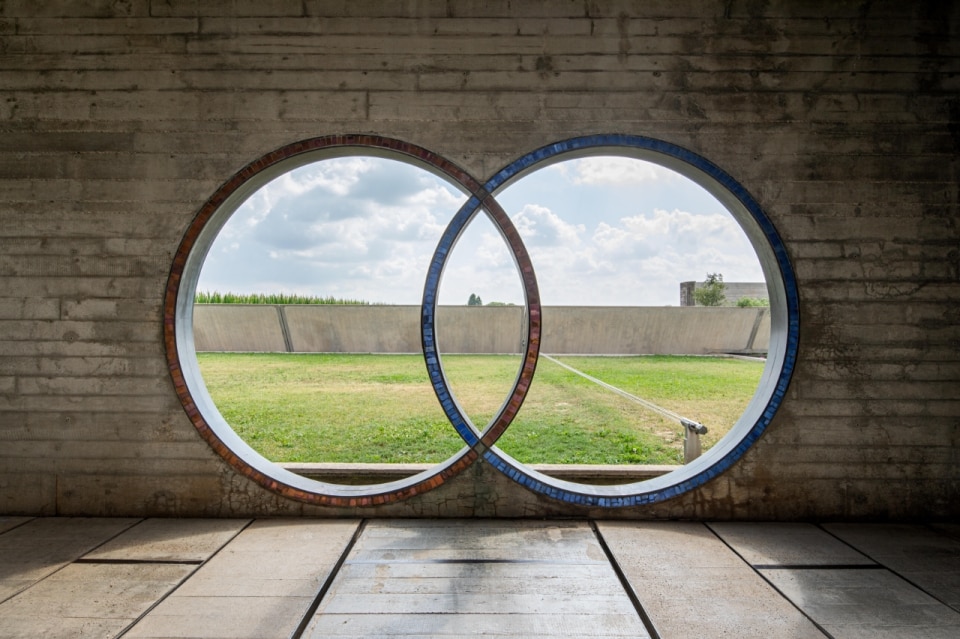
In San Vito d'Altivole (Treviso), two intersecting circles mark one of the most recognizable traces left by Carlo Scarpa on earth. The memorial that the Venetian architect designed in 1969, commissioned by Onorina Tomasin-Brion for her husband Giuseppe Brion - founder of Brionvega - and their family, built between 1970 and 1978 and considered one of the absolute masterpieces of 20th-century architecture, was donated to FAI, Fondo Ambiente Italiano, in 2022 and is now one of the foundation's most visited sites. Not far away, in Possagno, Scarpa had already signed another of his most famous interventions, the setting up of the Canovian Gipsoteca. The same architect rests today in the small cemetery next to the Brion memorial, almost at the edge of his most famous work.
In response to the growing number of visitors, the FAI has decided to equip the complex with a new pavilion designed to welcome the public and host a variety of cultural activities. The project, which will be completed and inaugurated in November, is signed by AMDL Circle, the studio led by Michele De Lucchi - guest editor of Domus in 2018 - with the collaboration of Camilla Zanarotti Landscape Architects and Contec Ingegneria.
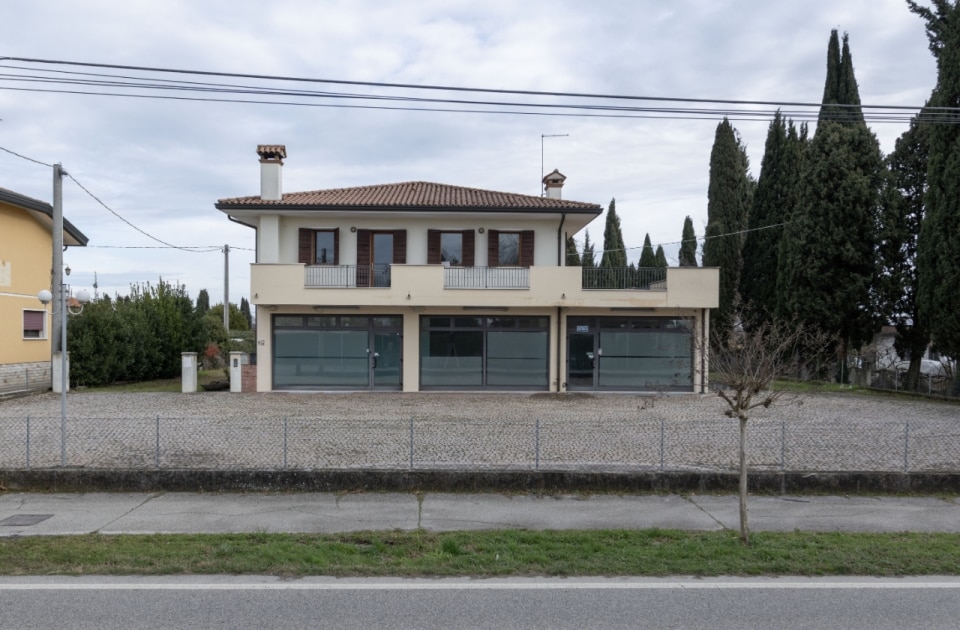
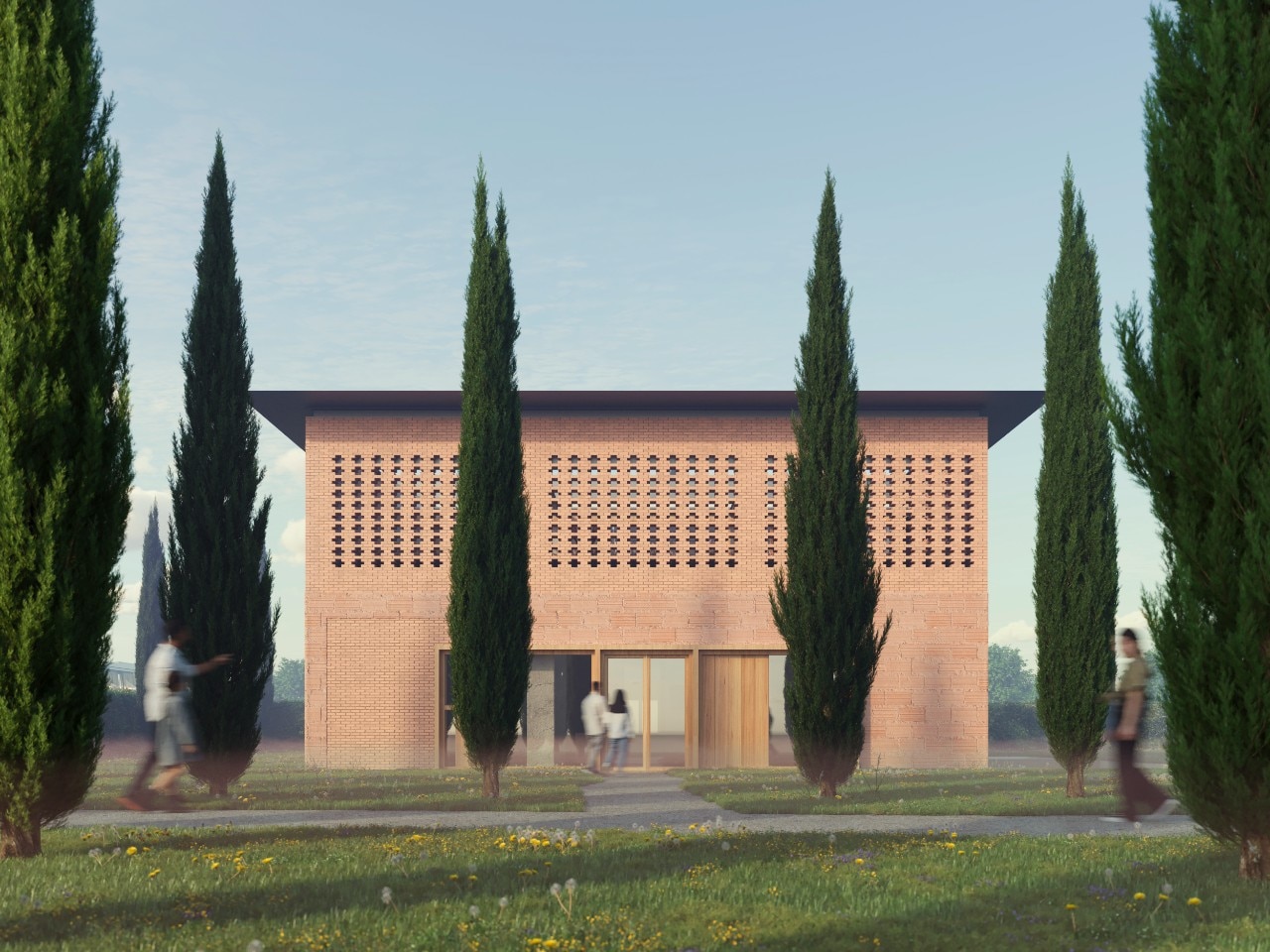
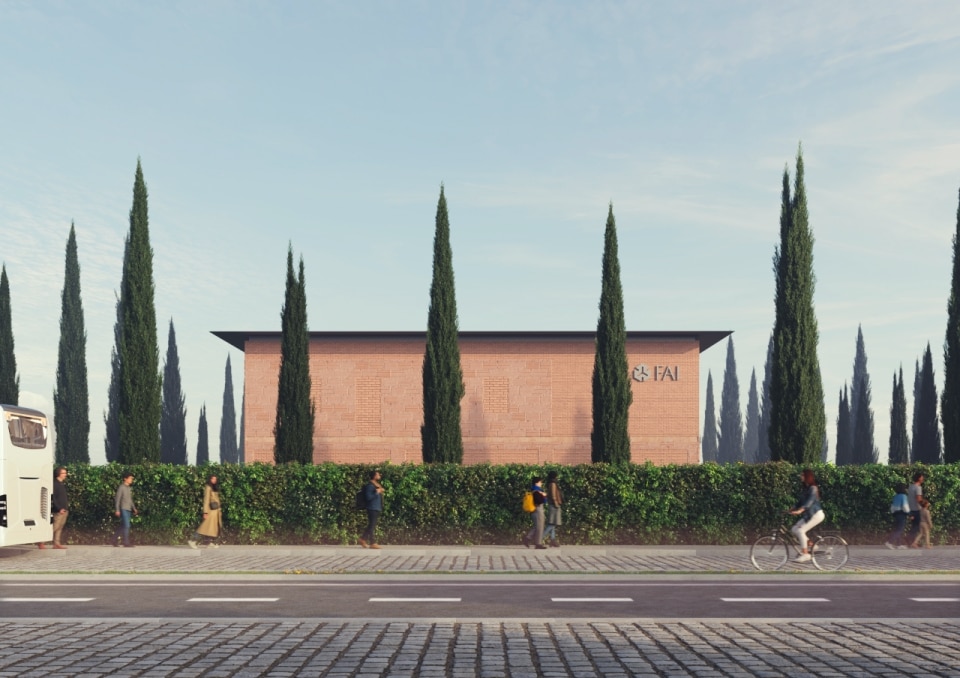
The intervention does not involve the construction of a building from scratch, but the transformation of an existing cottage facing a high traffic road, purchased by the foundation and rethought by De Lucchi as a new "Brion Pavilion." The building will be redefined primarily through its exterior skin, clad in brick of different shapes laid in alternating patterns. The geometric textures of the facades will vibrate the surface of the monolithic volume, drawing a rhythm of solids and voids that allows natural light to filter into the interior spaces.
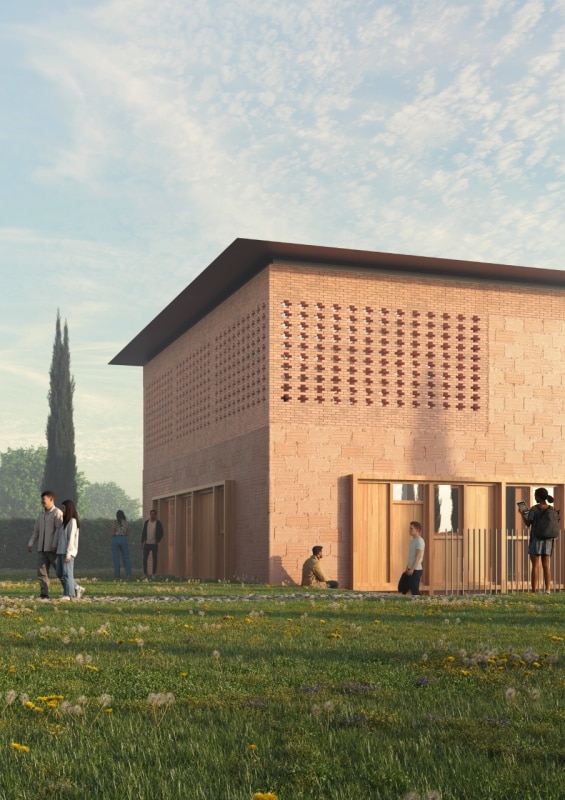
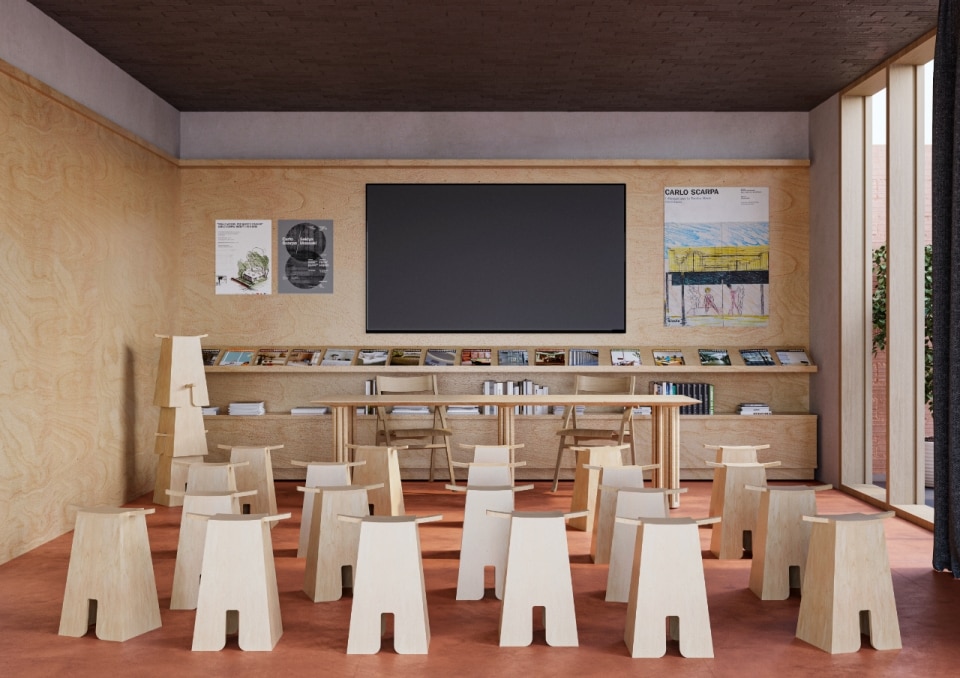
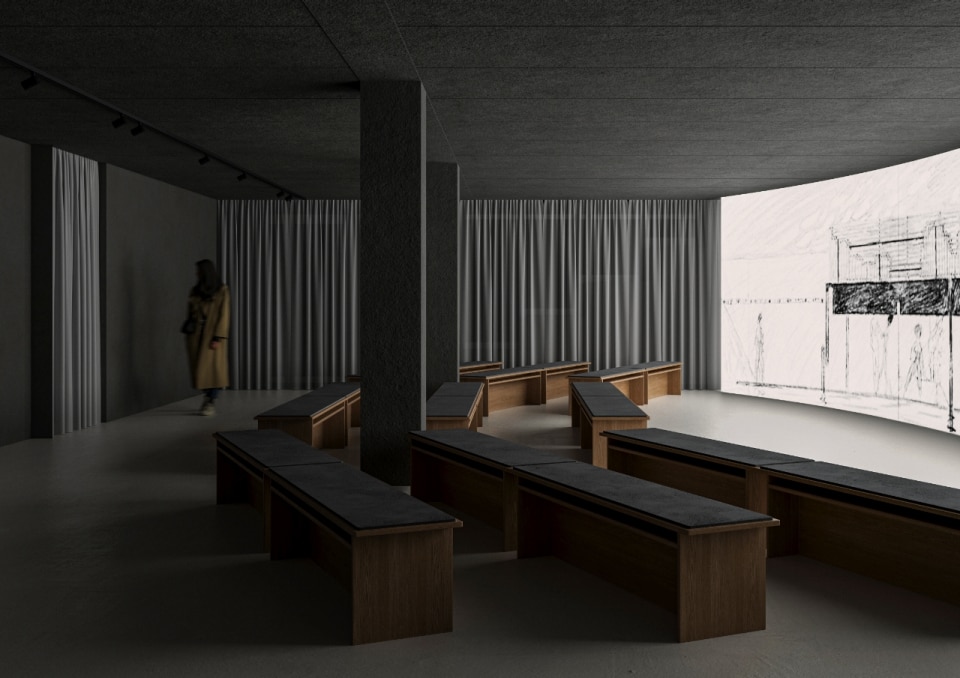
Indoors, the pavilion will house a ticket office with bookshop to welcome visitors, a space for refreshments, educational classrooms for workshops and activities aimed at schools and universities, as well as a narrative environment with an immersive video dedicated to the history of the memorial and its protagonists. Also planned outside is a small outdoor theater for cultural events and a large garden overlooking the countryside and the cypress-lined avenue leading to the cemetery and the Brion Memorial.
The cottage was perfect [...] we had to transform it, however, into an architecture of passage, as devoid of emphasis as possible and capable of quiet refinement.
Michele De Lucchi
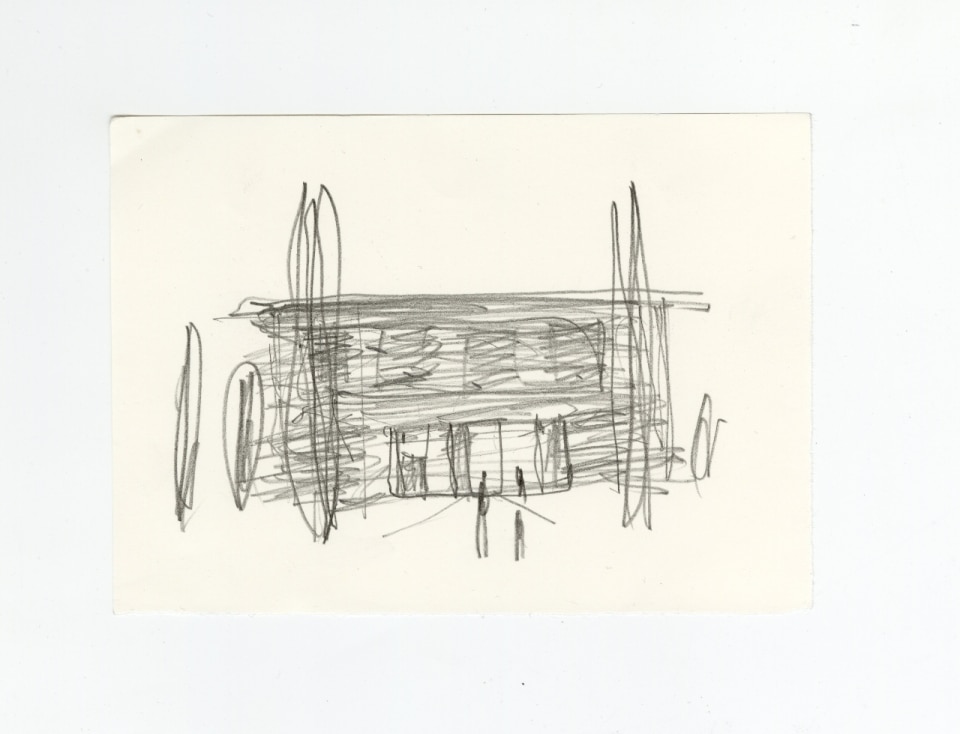
The project began as a real challenge: to intervene in the vicinity of a work as recognizable and strongly characterized as Scarpa's memorial. Establishing a relationship between the building identified by FAI and the existing masterpiece was by no means immediate. De Lucchi's response was then to treat the small villa-an originally anonymous piece of architecture-as a kind of large door: visible and recognizable, but at the same time discreet, able to anticipate the energy of the monument without overlapping it.
As the architect explained, "The cottage was perfect: it was right at the beginning of the cypress avenue that defines the access to the memorial. However, we had to transform it into an architecture of passage, as devoid of emphasis as possible and capable of quiet refinement, so as to establish with the memorial not a competitive relationship, but a respectful dialogue."