


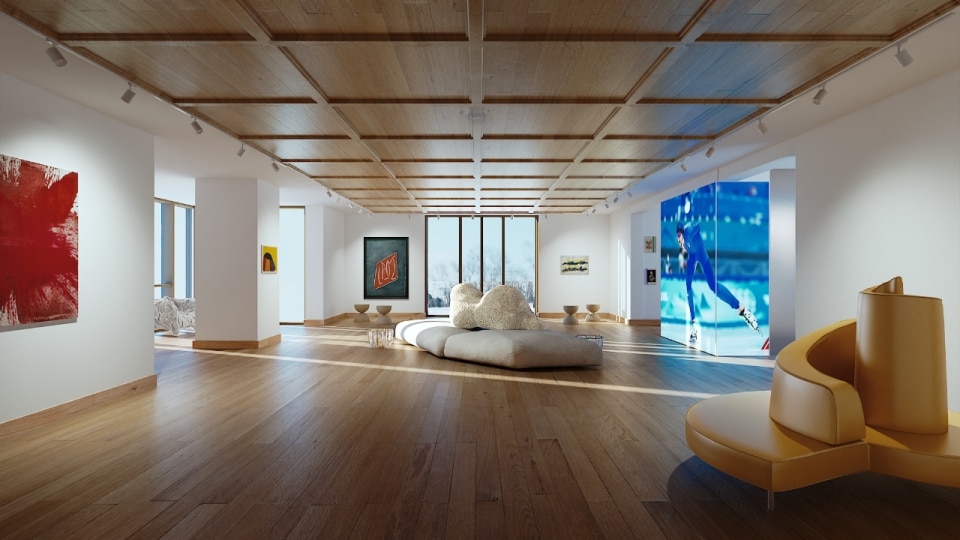
Paris 2024, with its inhabited and sustainable squares; Tokyo 2020 and the stadium by Zaha Hadid that was never built; but also Sarajevo 1984 and its abandoned bobsleigh track: during the Olympic Games, “second cities” emerge on the foundations (and sometimes on the ruins) of existing ones. These are cities made of sponsor-branded houses, fan zones, hospitality pavilions, and cultural hubs: ephemeral architectures that rise outside sports infrastructures to transform urban space into a large, easily consumable “experience.”
 View gallery


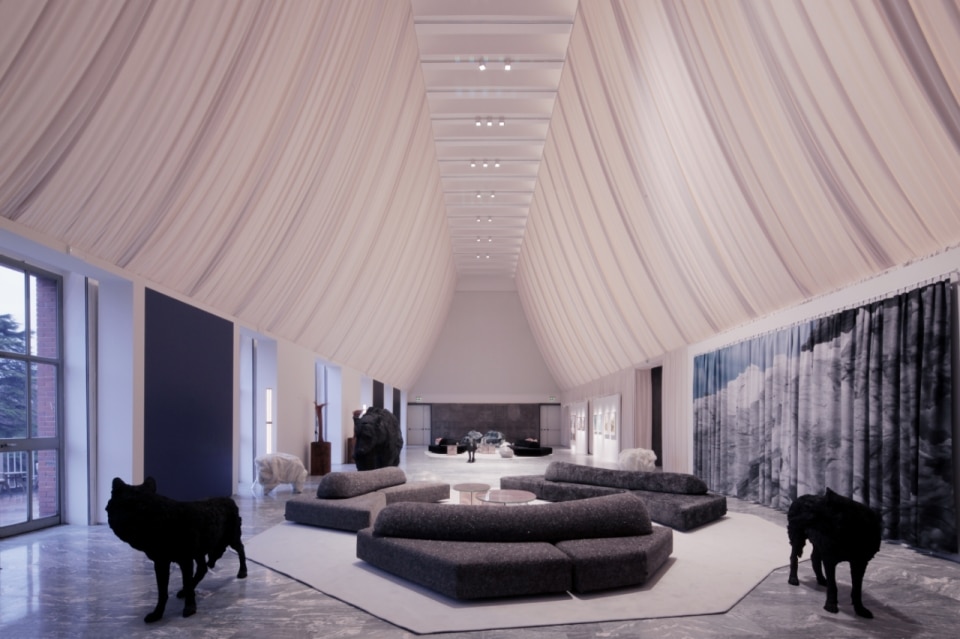
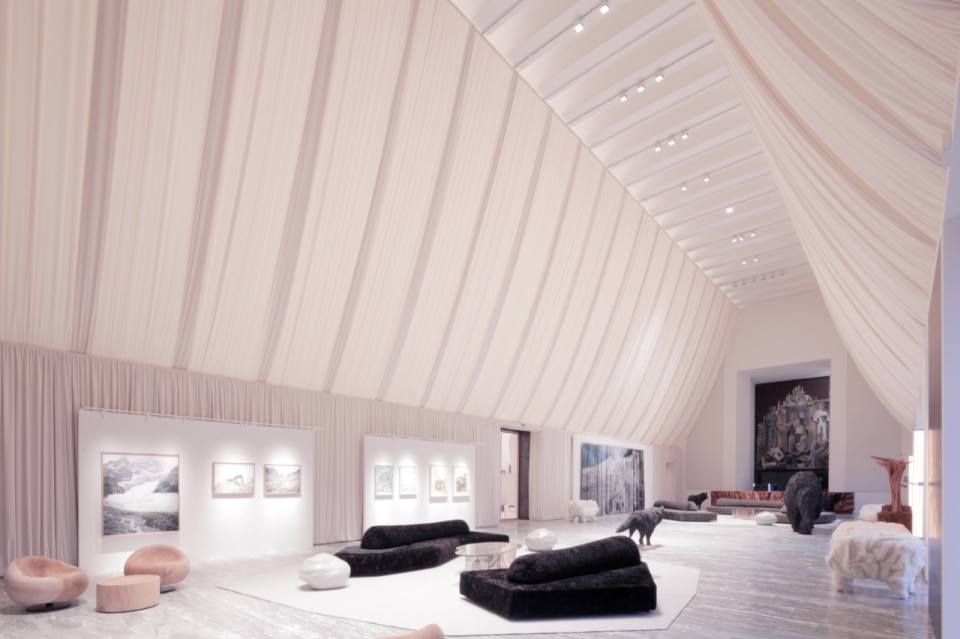
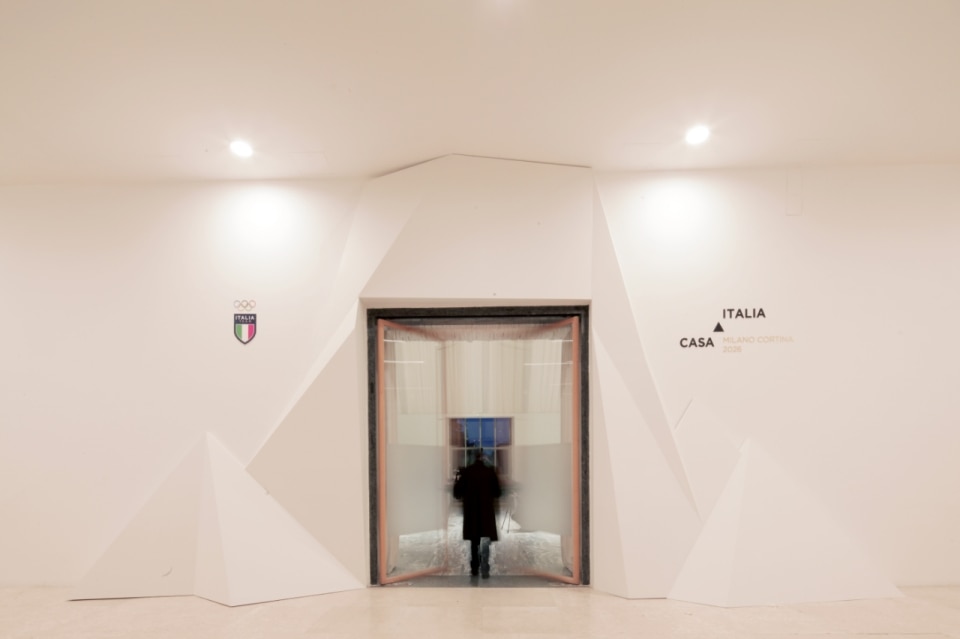
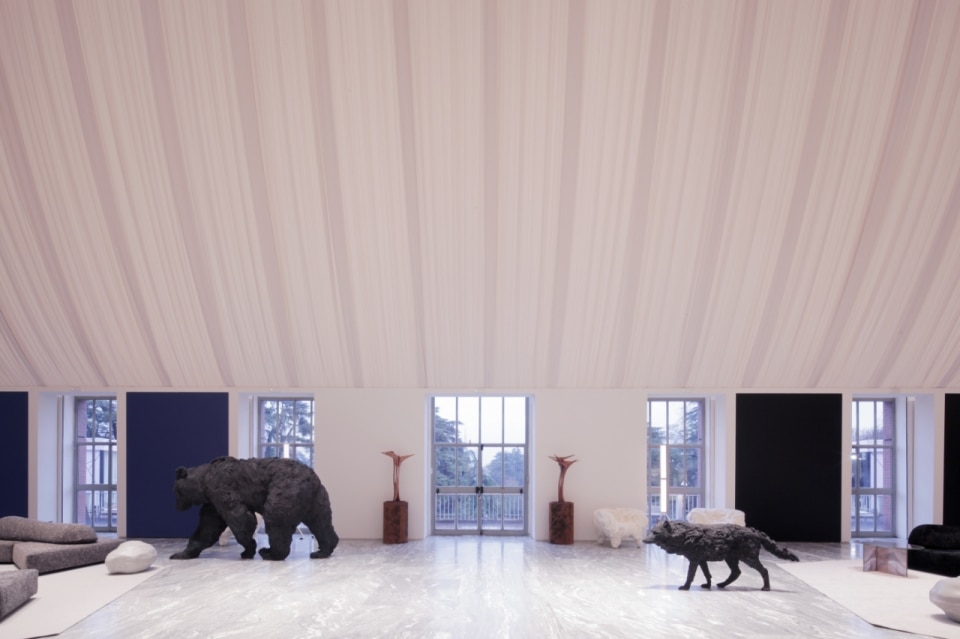
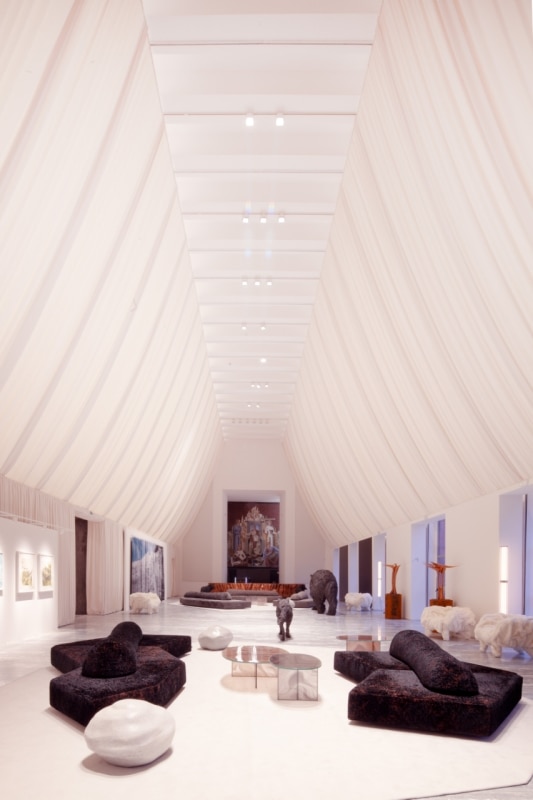
Milano Cortina 2026 offers an almost textbook catalogue of this trend. Between Piazza Duomo, which enters the Olympics as a true hub with the official Games megastore, partner pop-ups, and spaces dedicated to television production, and San Babila, which shifts from commercial crossroads to Omega Village—the home of the historic official timekeeper of the Games—Milan has filled up with places that will not last long but are already having a visible impact on the city. Nothing new, really. What is striking, however, is that these venues rise exactly where other pavilions and events usually appear: those of Design Week. In a way, they act as its grand consecration, confirming it as the event that defines Milan—and from which Milan, in some sense, cannot escape.
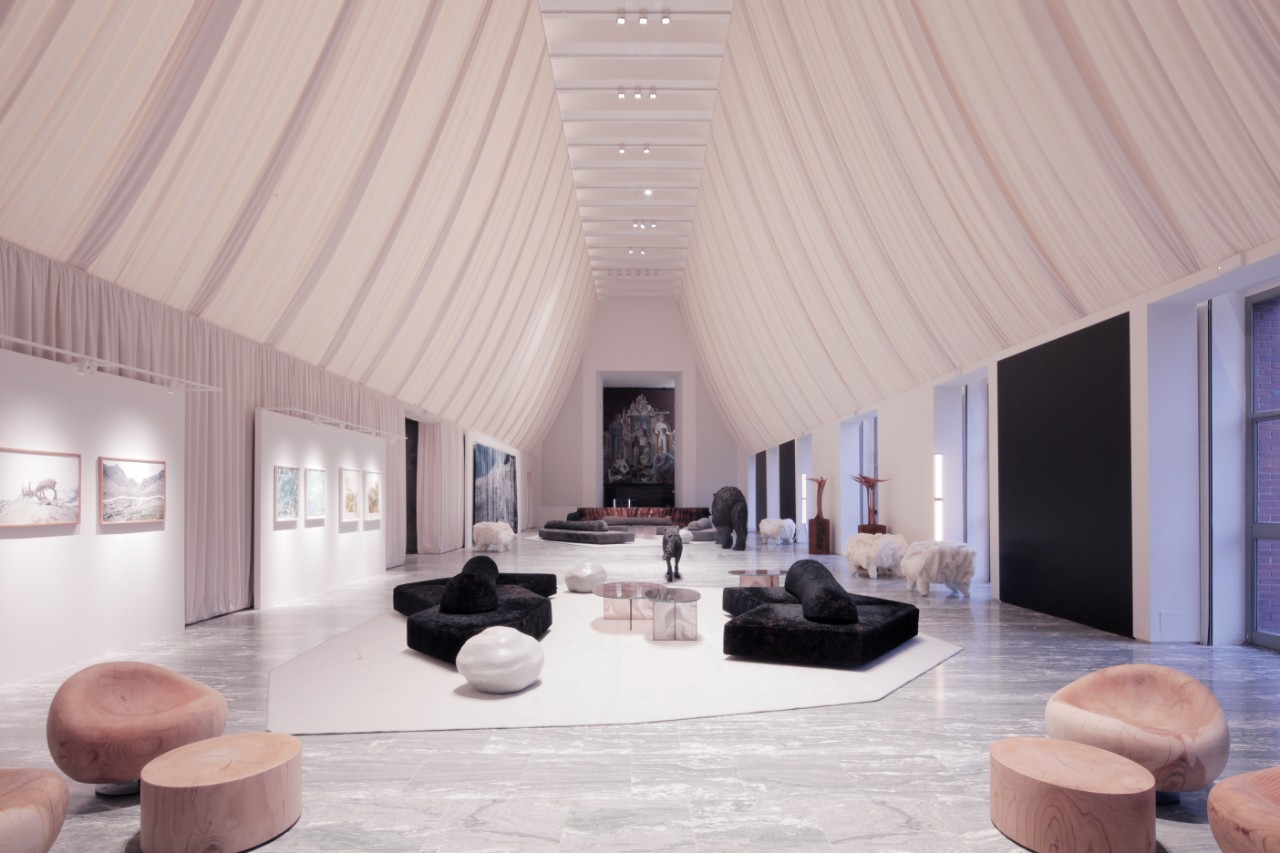
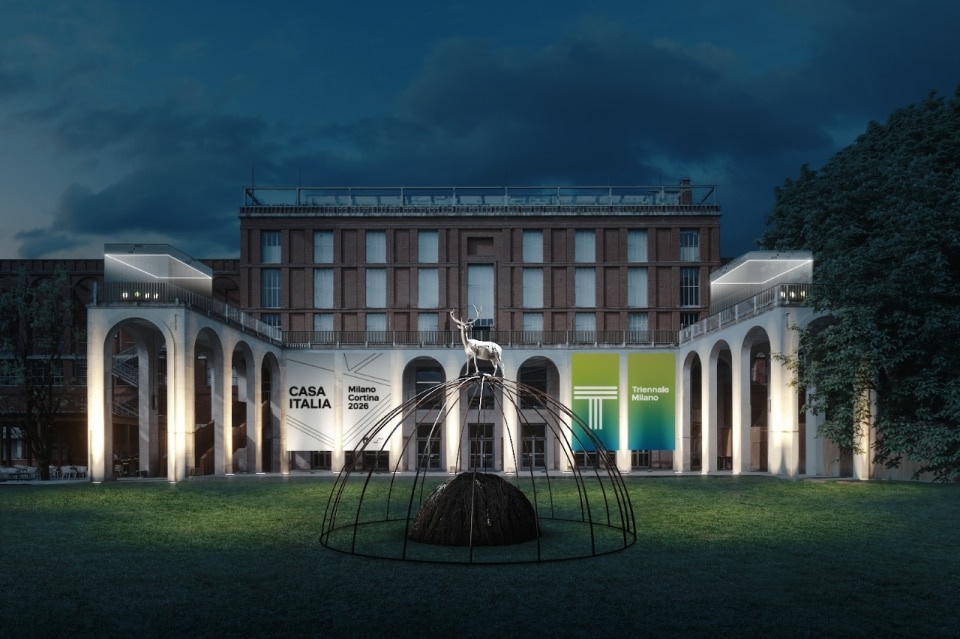
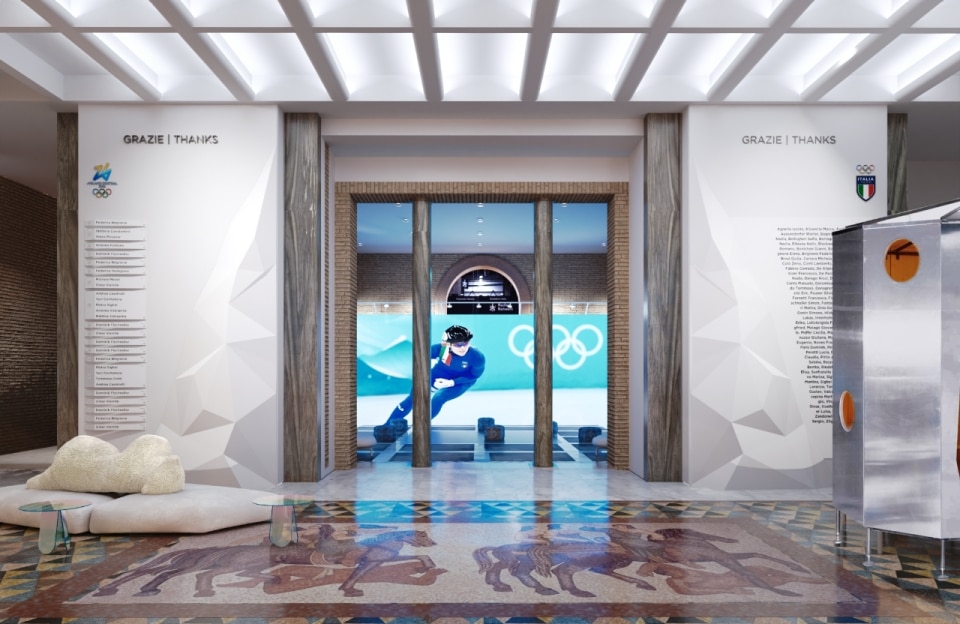
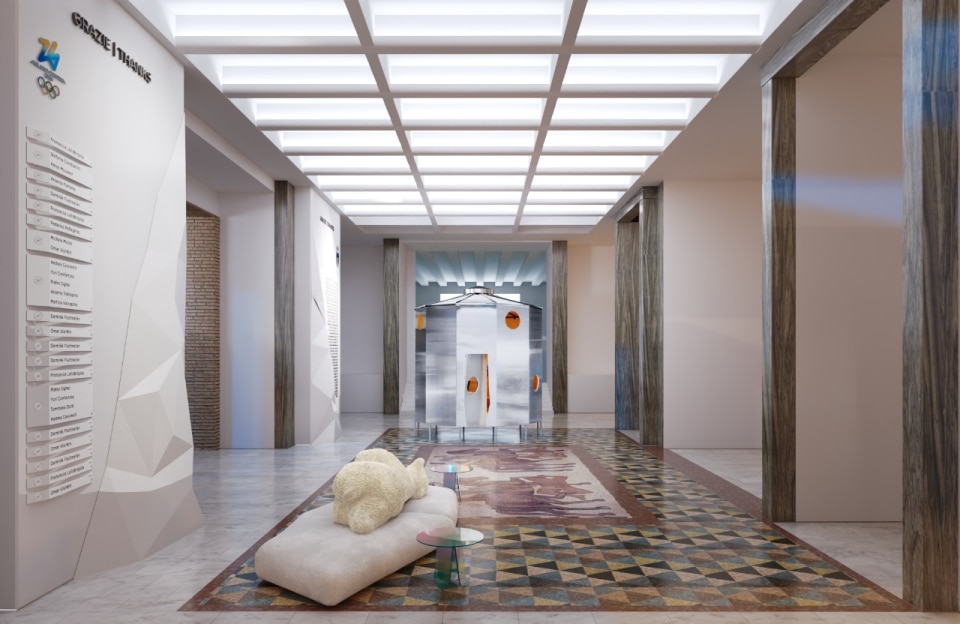
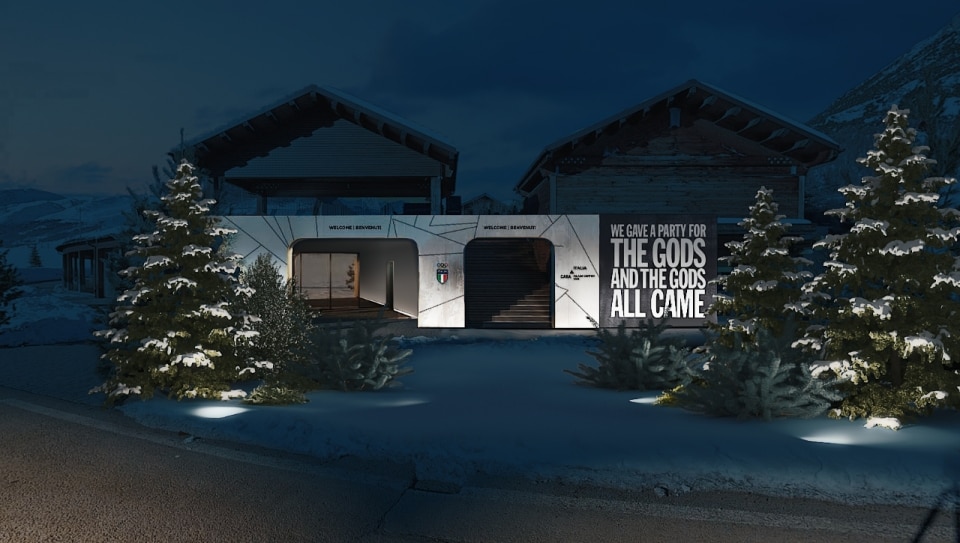
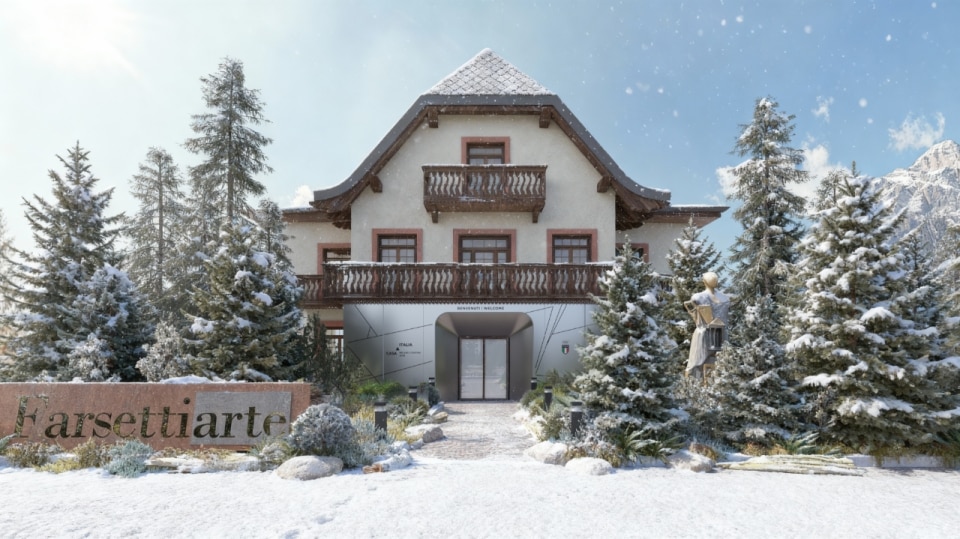
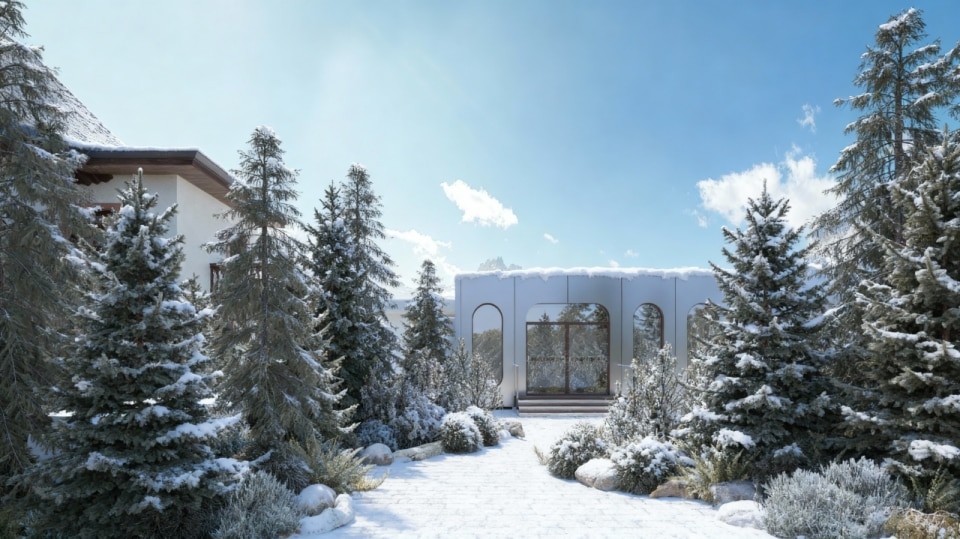
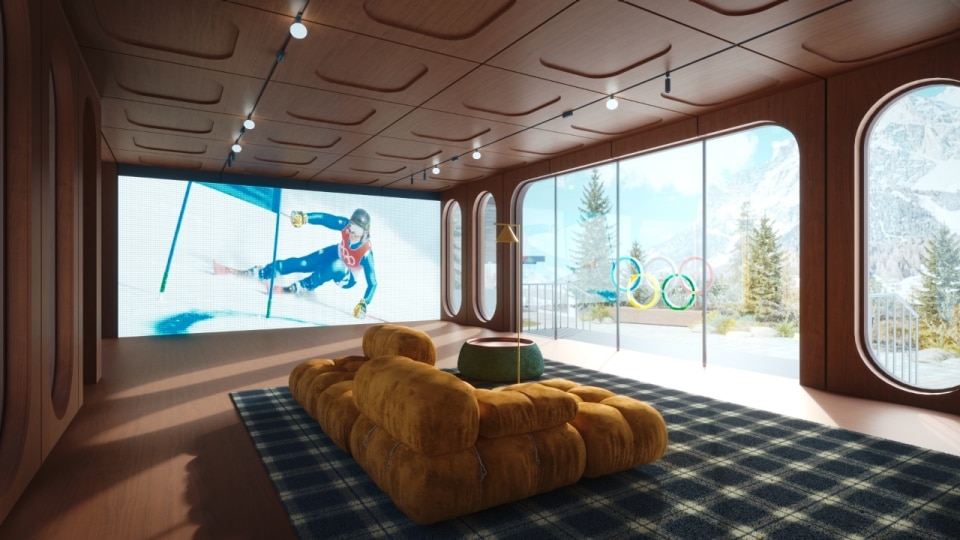
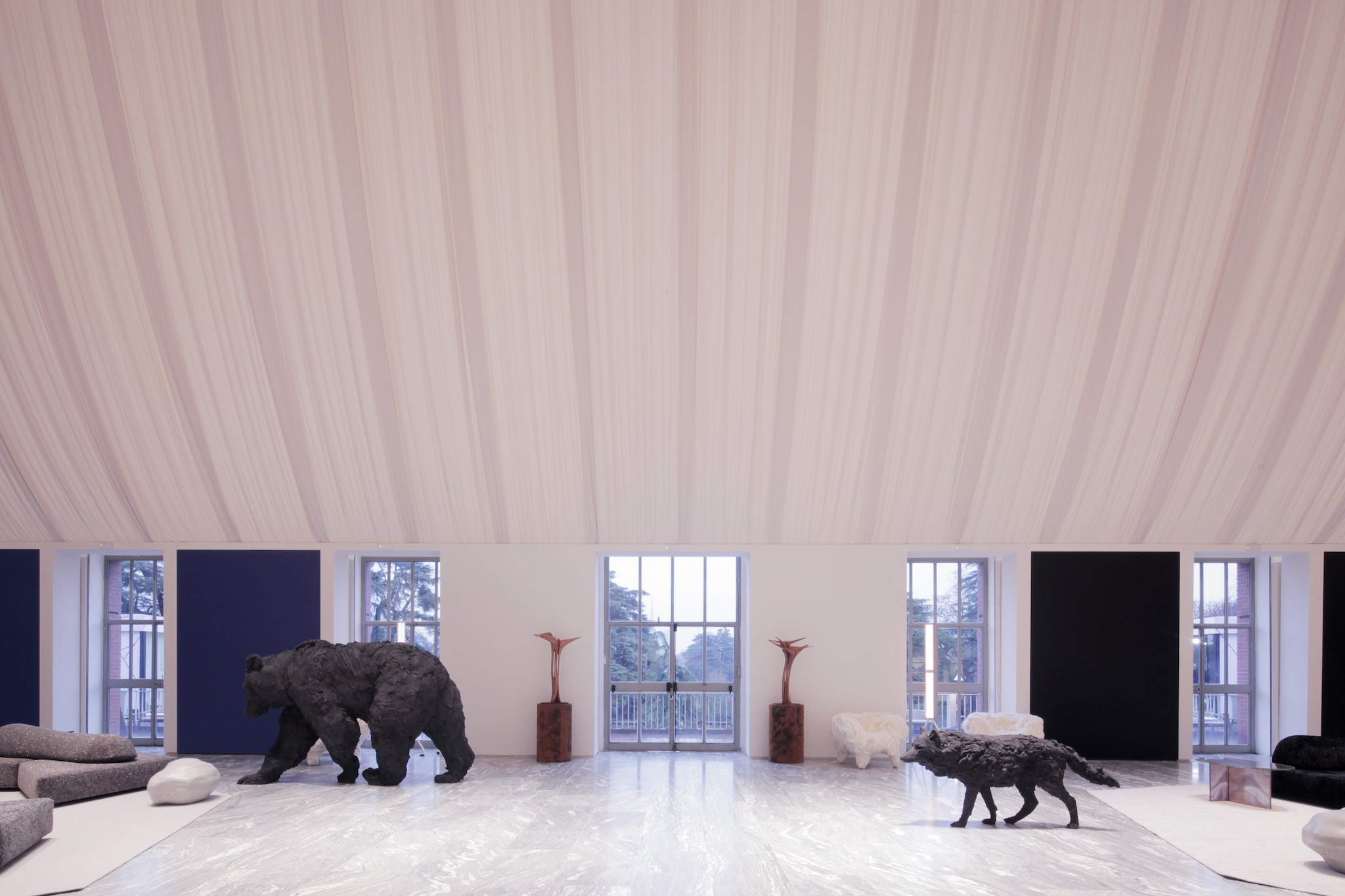
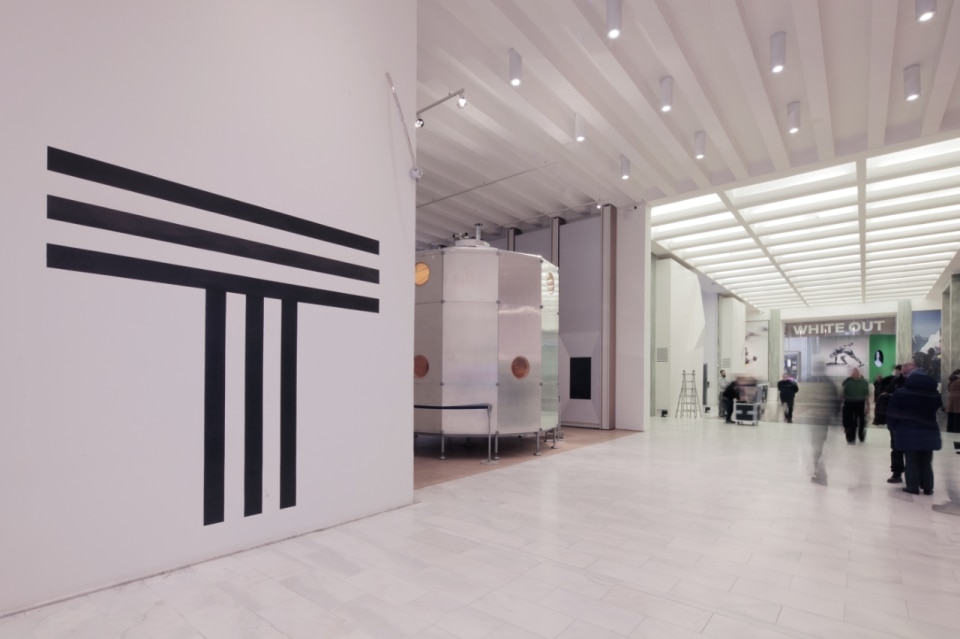
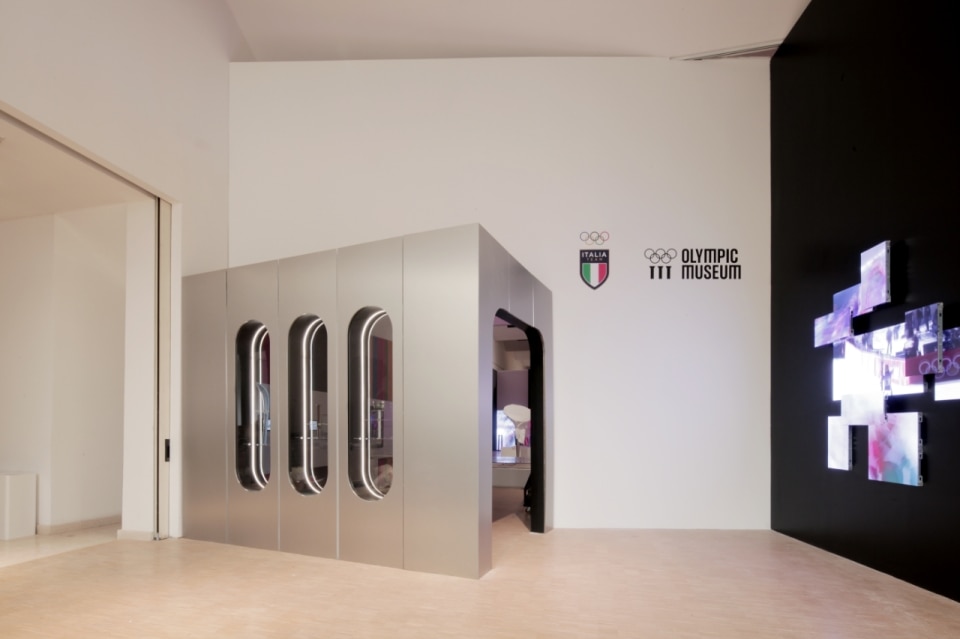
This year, for the first time, Casa Italia is also open to the public, with three locations across Milan, Livigno, and Cortina d’Ampezzo. In Milan it takes the form of an artistic project divided into nine sections and hosted at the Triennale, alongside another exhibition dedicated to the Games, curated by Konstantin Grcic.
The constellation of names is the same one that animates Design Week. The furnishings are by Gaetano Pesce, Patrick Norguet, Matteo Thun, Patricia Urquiola, Piero Lissoni, Archizoom Associati, Mario Botta, Formafantasma, as well as Michael Anastassiades and Philippe Starck. The artworks range from Christo to Mario Merz, from Keith Haring to Ai Weiwei, and on to Adrian Paci and Fernando Botero.
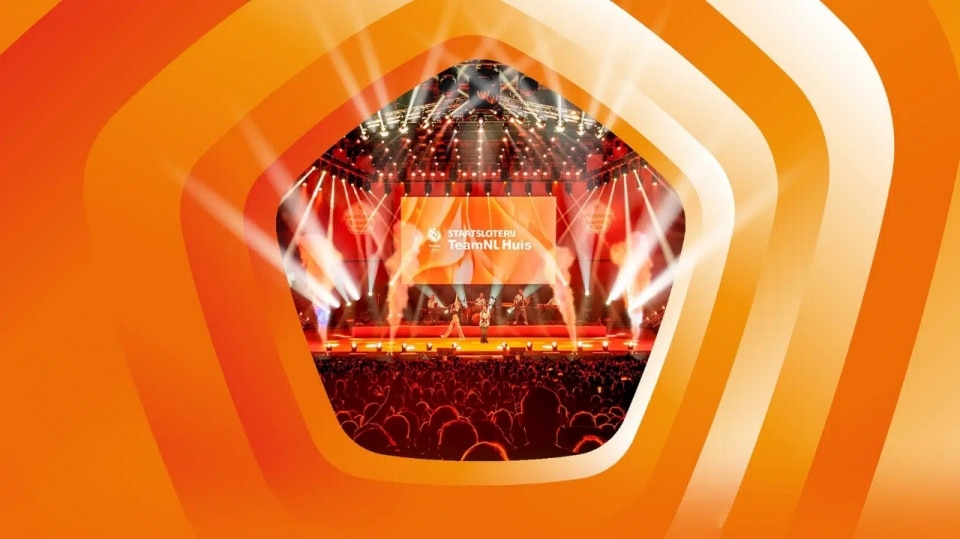
But the Italian one is not the only hospitality house occupying symbolic Design Week venues. The so-called “NOC Houses”—spaces where fans, athletes, and international stakeholders meet outside competition venues—adopt the same logic of temporary colonization typical of the Fuorisalone. Casa degli Artisti, normally a space for artist residencies, becomes the backdrop for the Brazilian team’s Olympic storytelling, while Superstudio Più, a historic epicenter of Design Week, hosts athletes from the Dutch team. Even Villa Necchi Campiglio, an icon of Milanese modernism and a heritage site of FAI - Fondo per l'Ambiente Italiano, is part of this geography.
 View gallery
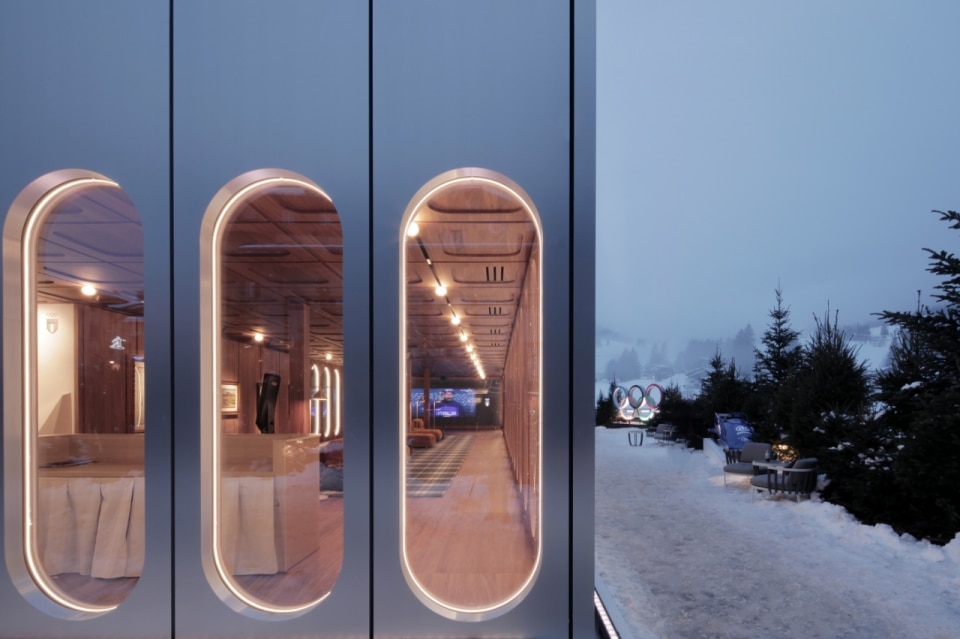
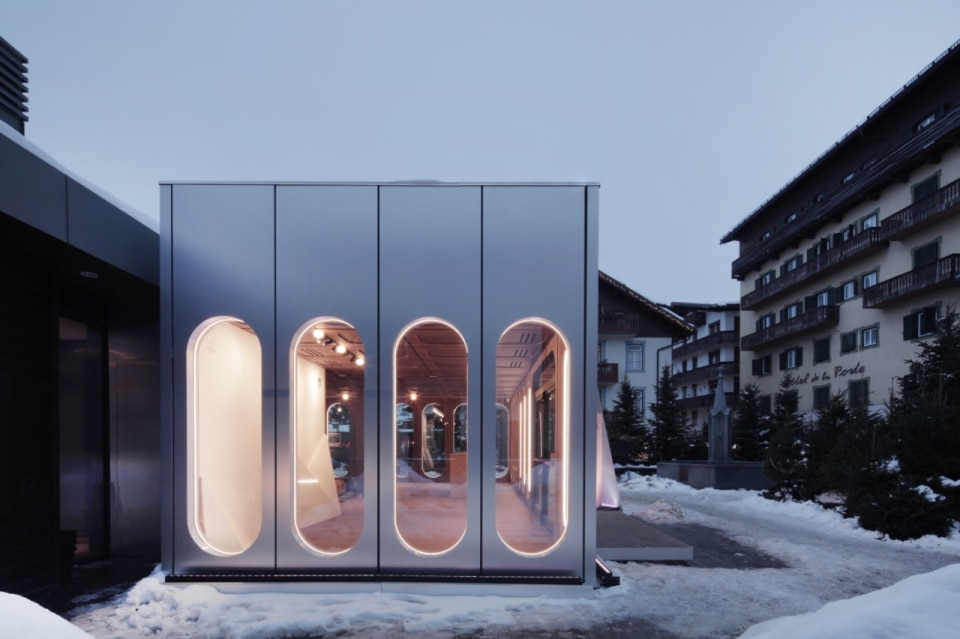
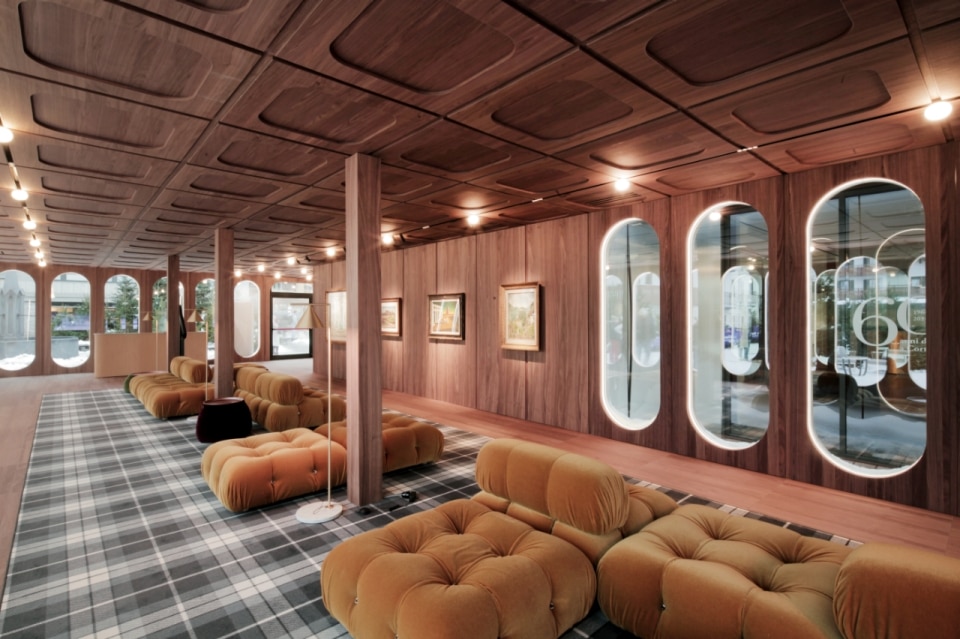
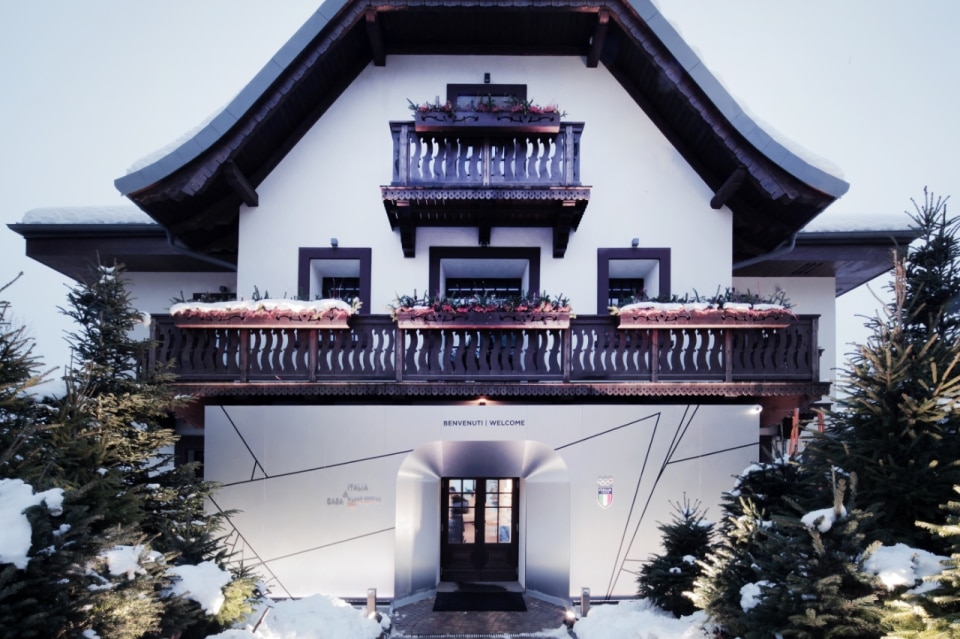
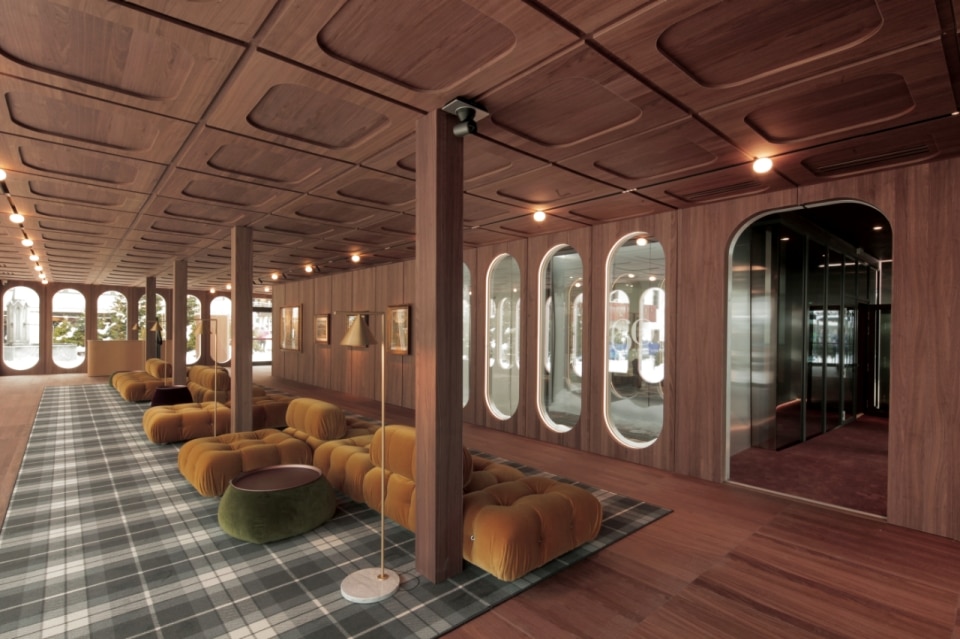
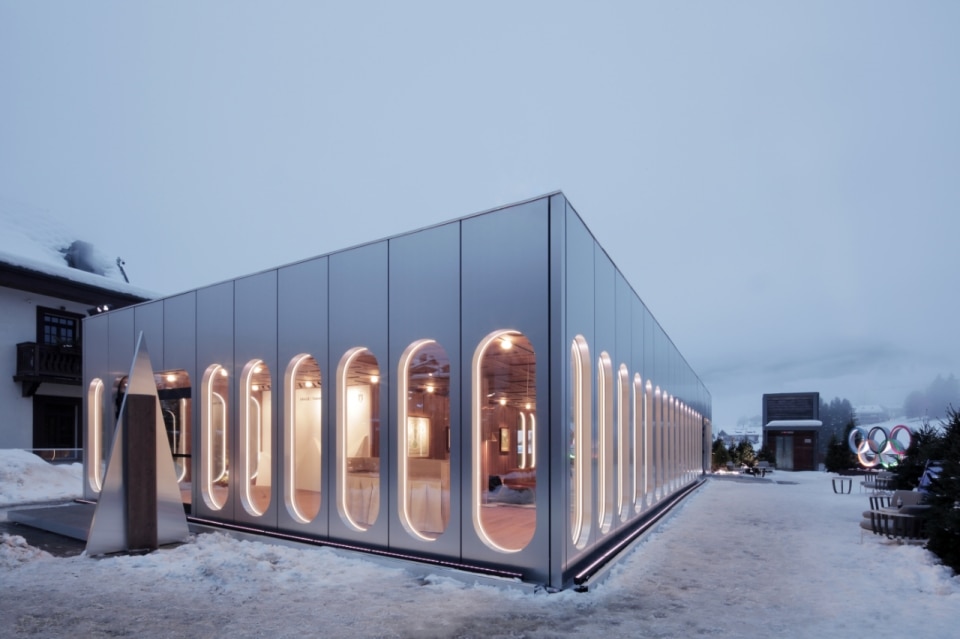
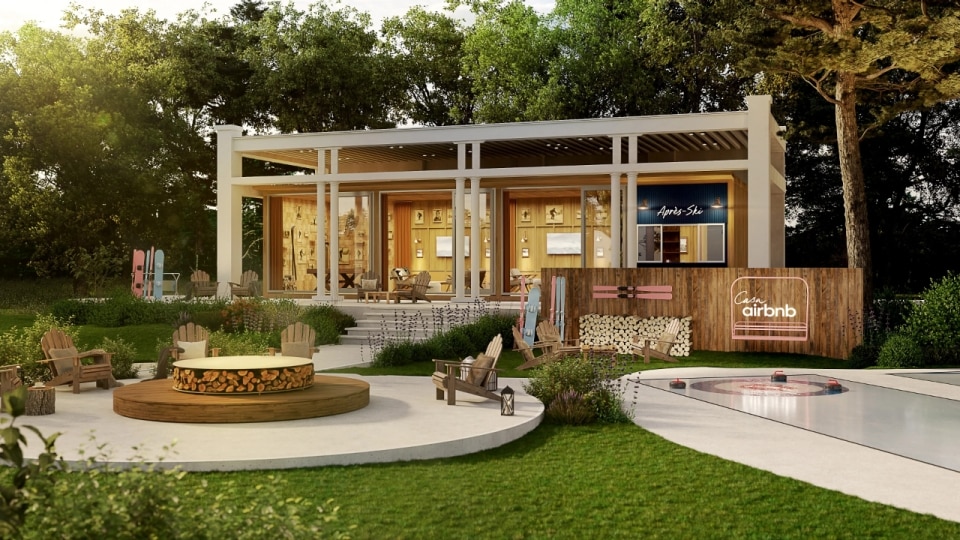
Another house that has already drawn public attention is Airbnb’s: a temporary experiential space at Via Senato 14, open from February 7 to 22, 2026. It builds on the idea of “Airbnb Experiences,” the new service introduced by Airbnb, and ends up resembling—both in programming and target audience—one of the more pop-oriented Fuorisalone districts.
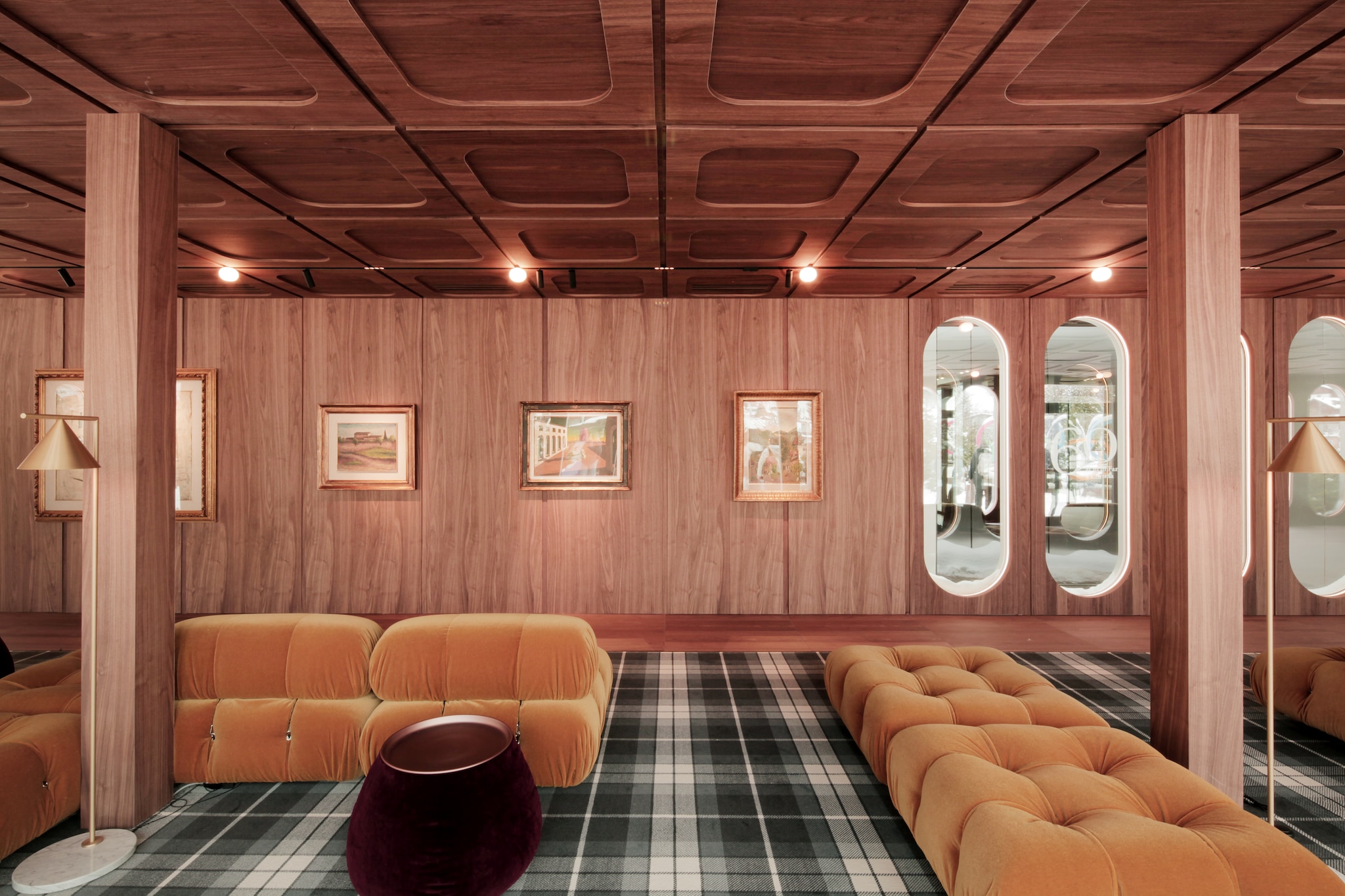
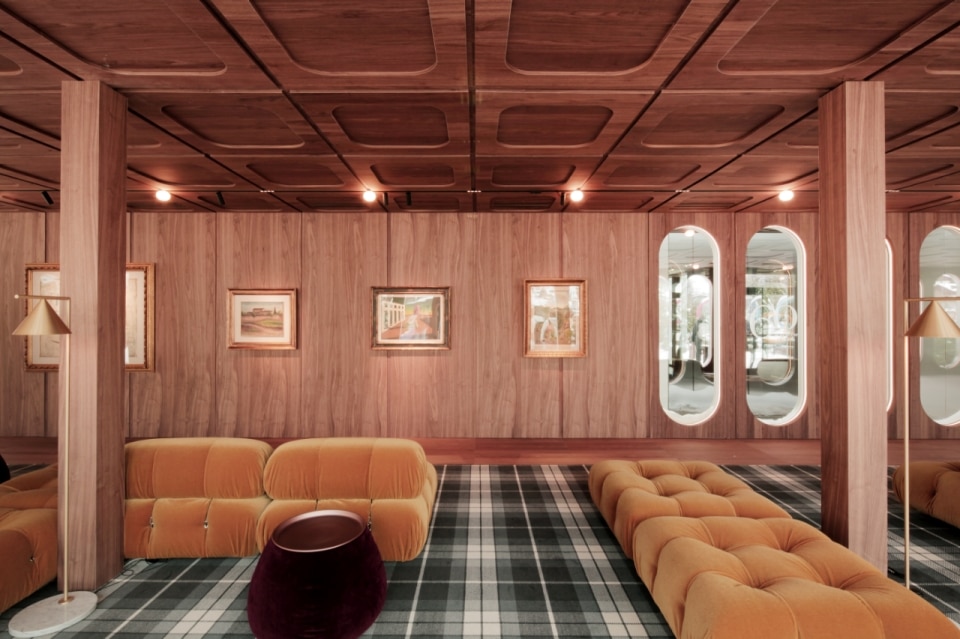
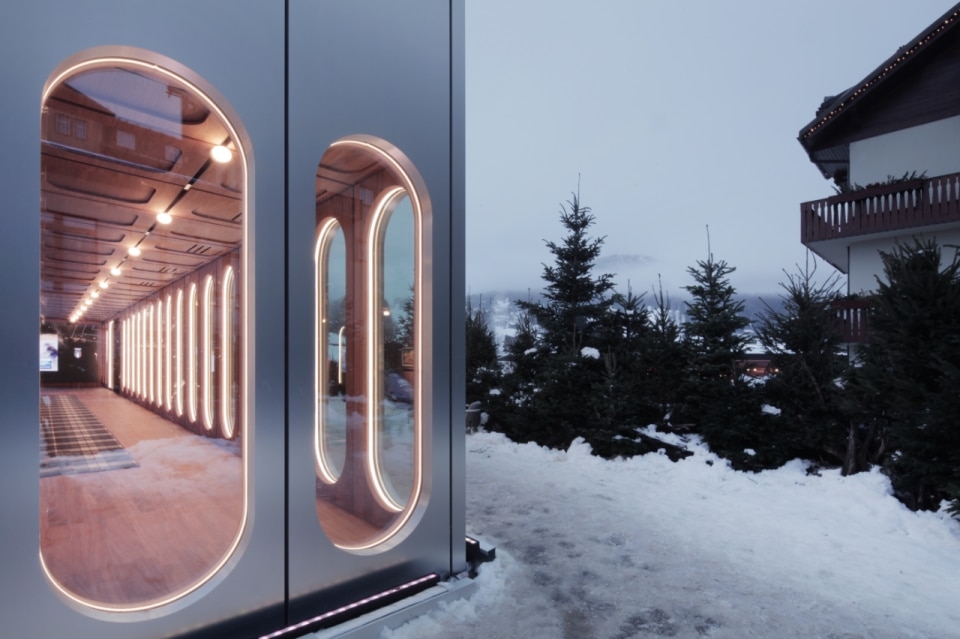
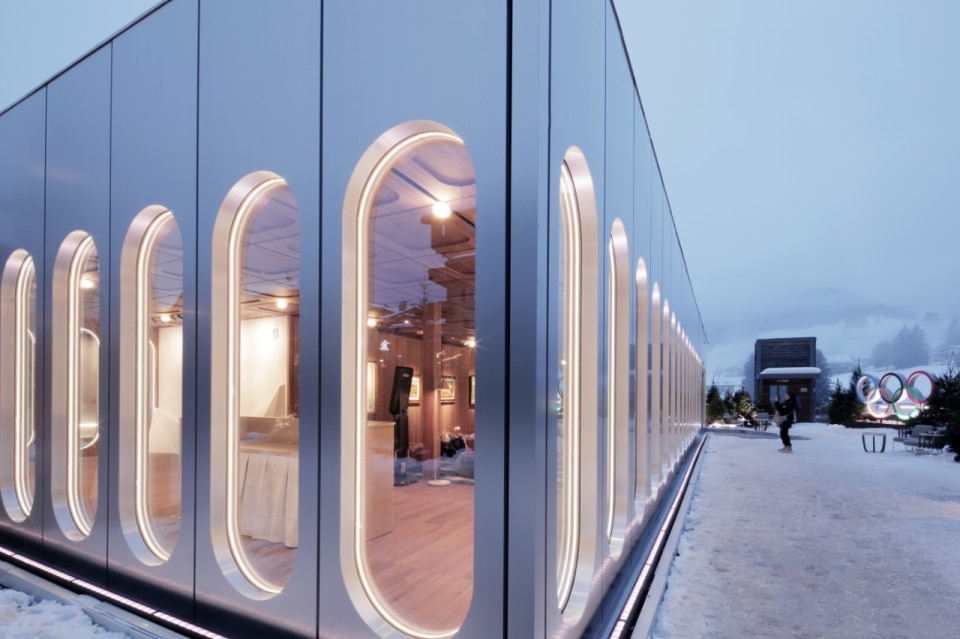
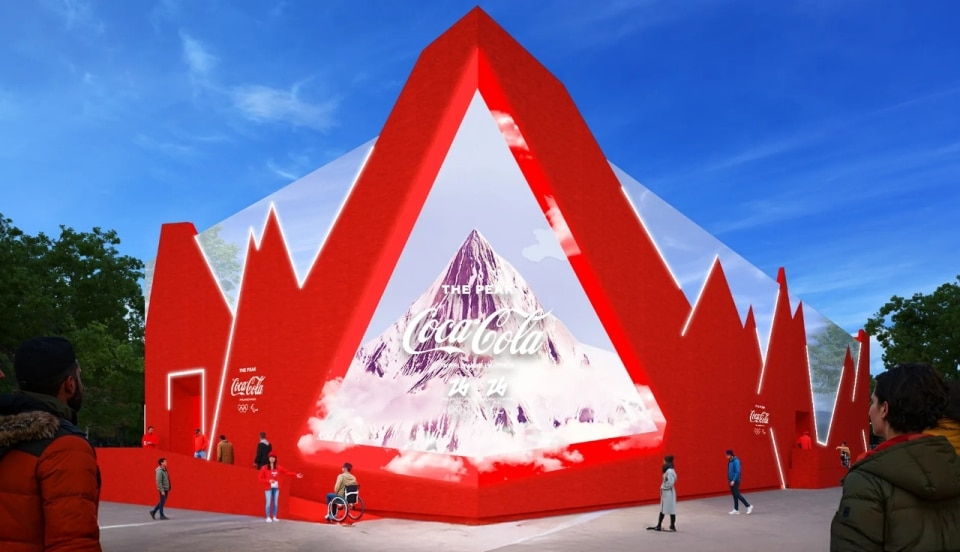
Coca-Cola is also proposing an urban village called The Peak, about which little is known so far, except that it will be located in Parco Sempione. And in Cortina, the same formula is repeated: experiences blend food, merchandising, entertainment, and sporting celebration. Here Casa Italia will be hosted at Farsettiarte, the gallery inaugurated in 2020 in the former departure station of a cable car.
The point is not so much the number of these spaces, nor their quality, but the geography they draw and what they reveal about the city’s identity. Parco Sempione, Duomo, San Babila, Tortona, Porta Venezia: beyond sports architecture, the 2026 Games graft themselves onto an already familiar map, made up of cultural and creative centralities that over the past twenty years have built Milan’s international image.
In this sense, the 2026 Winter Olympics represent the maturation of a system that, starting with Expo 2015, has progressively networked spaces, institutions, and neighborhoods, redefining the city’s public image. What we see today is a Milan accustomed to dialoguing with global events, where temporary devices are already part of the urban language.
So much so that many will probably remember these Olympics as a kind of spring “week” that landed in the city a bit earlier than usual—only bigger, more international, and with a few more drones flying overhead.
Opening image: Casa Italia Milano Cortina 2026 CONI Triennale Milano – ph.©Francesco Mattuzzi Courtesy: IT’S, Henoto